
The NCP blog
What Factors Affect Epoxy Floor Lifespan in Florida’s Climate?
Epoxy & coatings8 min read
Understanding epoxy floor lifespan factors is essential for property owners in Pompano Beach and throughout South Florida.
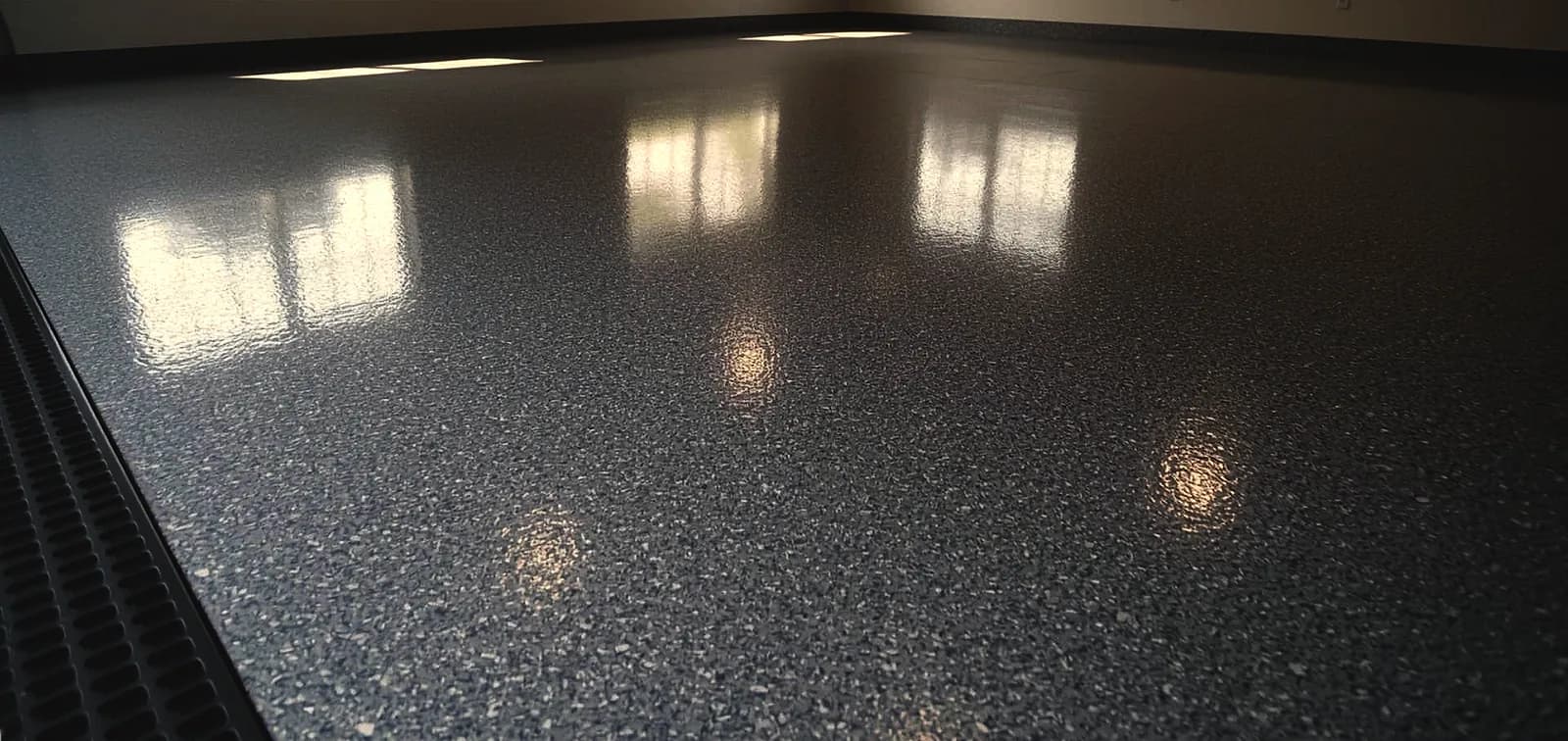
Understanding epoxy floor lifespan factors is essential for property owners in Pompano Beach and throughout South Florida. While properly installed epoxy flooring typically lasts 10-20 years, Florida’s unique climate presents specific challenges that can significantly impact durability. High humidity, intense UV exposure, temperature fluctuations, and moisture intrusion all play critical roles in determining how long your floor performs optimally. National Concrete Polishing helps you understand these factors so you can maximize your investment’s longevity.
Overview
This comprehensive guide explores the key factors that influence epoxy floor lifespan in Florida’s challenging environment. You’ll learn how climate conditions, installation quality, maintenance practices, traffic patterns, and chemical exposure affect your floor’s performance. We’ll also cover signs your floor needs attention and proven strategies to extend its service life in South Florida’s humid subtropical climate.
Florida’s Climate Challenges
Florida’s hot and humid climate significantly affects epoxy flooring longevity compared to drier regions. High humidity causes moisture to seep into concrete substrates, leading to blistering, bubbling, or peeling of the coating over time. Persistent high temperatures contribute to faster initial curing but may stress-test your floor’s durability, causing accelerated wear if not properly formulated for tropical conditions.
Frequent rain in South Florida increases groundwater levels, which can infiltrate through gaps and cause damage beneath the surface layer. Moisture-related issues are the primary cause of premature epoxy failure in Florida installations. Ensuring a well-sealed underlying substrate with proper moisture mitigation systems is paramount for longevity in Florida’s climate.
Installation Quality Impact
The quality of installation is arguably the most critical factor affecting epoxy floor lifespan. Properly installed epoxy floors can last up to 30 years, while poor installation may result in failure within just a few years. Professional contractors ensure proper surface preparation, including thorough cleaning, crack repair, and achieving the correct concrete surface profile for optimal adhesion.
Surface preparation must remove all dust, grime, oil, and contaminants that could prevent proper bonding. Inadequate substrate preparation is a common cause of premature peeling and delamination. Temperature and humidity control during application is also crucial—installing epoxy outside recommended conditions compromises the chemical cure and reduces lifespan.
UV Exposure & Yellowing
UV exposure causes epoxy floors to yellow and fade over time, particularly in areas exposed to direct sunlight. Standard epoxy formulations are not UV-stable, making them unsuitable for outdoor applications or spaces with significant natural light. This degradation affects not only appearance but also the protective properties of the coating.
Choosing epoxy systems with UV resistance is essential if your floors will be exposed to sunlight. For outdoor areas like patios and pool decks, polyaspartic coatings offer superior UV stability and longer lifespans than traditional epoxy. Indoor installations in garages with windows or skylights should also consider UV-resistant topcoats to maintain appearance over decades.
Moisture & Humidity Effects
Moisture is the most damaging factor for epoxy floors in Florida’s environment. Moisture vapor transmission through concrete causes epoxy to bubble, blister, and eventually peel away from the substrate. Florida’s high water tables and frequent rainfall create constant moisture pressure from below the slab.
Proper moisture testing before installation is essential to identify potential problems. Installations without adequate moisture mitigation systems are prone to premature failure, especially in below-grade spaces like basements. Moisture barriers and vapor reduction primers extend floor life significantly in high-humidity environments.
Traffic & Usage Patterns
The amount and type of traffic dramatically impacts epoxy floor durability. Heavy traffic areas such as warehouses, commercial kitchens, and industrial facilities experience more wear and tear than residential spaces. Constant friction from shoes, tires, carts, and machinery creates scratches and scuffs that gradually degrade the surface.
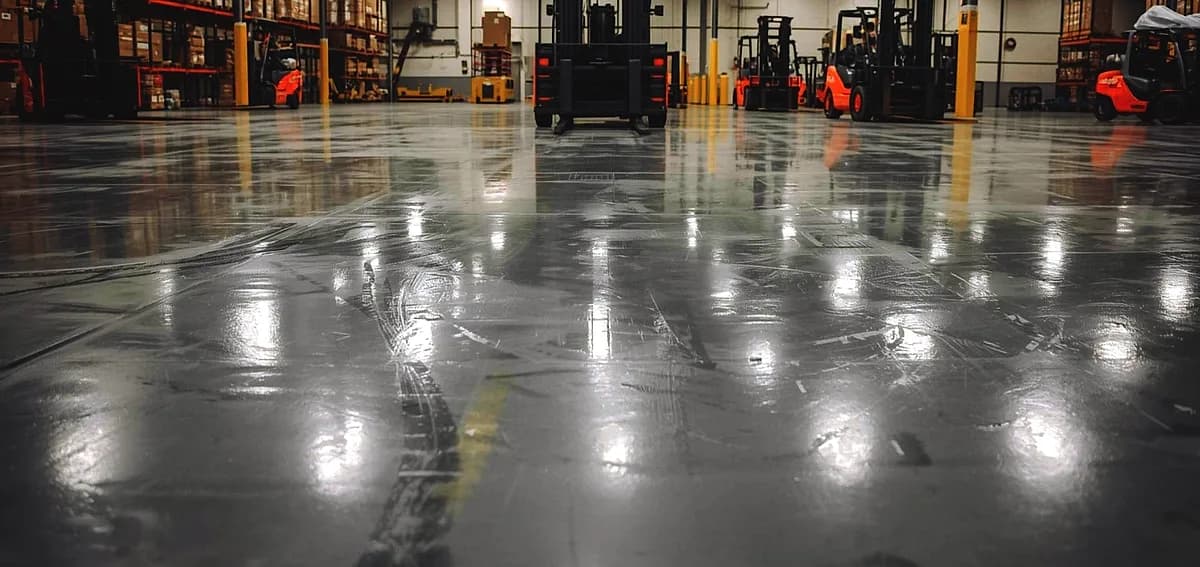
Residential garage floors with normal vehicle traffic can last 20+ years with proper maintenance. High-traffic commercial spaces may need recoating every 5-10 years depending on usage intensity. Forklift traffic, heavy machinery, and constant foot traffic cause faster surface deterioration.
Chemical Exposure Risks
While epoxy floors offer excellent chemical resistance, certain harsh chemicals can still damage coatings over time. Acids, strong solvents, and petroleum products can cause deterioration if not cleaned promptly. Automotive fluids like gasoline, brake fluid, and antifreeze pose particular risks to garage floors.
Epoxy floors in areas with frequent chemical exposure may last 10-15 years compared to 20-30 years in protected environments. Food processing facilities, laboratories, and manufacturing plants require specialized chemical-resistant formulations designed for their specific exposure risks. Regular cleaning and immediate spill response significantly extend floor life in chemically active environments.
Maintenance Practices
Regular maintenance is essential to maximize epoxy floor lifespan, potentially extending it from 10 years to 20+ years. Proper cleaning practices include sweeping or vacuuming regularly and mopping with pH-neutral cleaners. Avoiding harsh chemicals, abrasive tools, and power washers prevents surface damage that accelerates wear.
Addressing spills and stains promptly prevents chemical penetration and staining. Applying protective topcoats every 5-10 years refreshes the protective layer and extends overall lifespan. Neglected floors show premature wear patterns including discoloration, scratching, and loss of gloss.
Material Quality Differences
The quality of epoxy materials directly impacts longevity and performance. Higher solid content formulations typically offer better durability and longer service lives than budget products. Commercial-grade systems with 100% solids content outperform water-based or low-solid residential kits.
Premium epoxy systems designed for Florida’s climate include moisture-resistant primers, UV-stable topcoats, and thermal-shock resistant formulations. Comparing different epoxy types reveals significant performance differences—metallic systems, flake floors, and solid color coatings each have distinct durability characteristics. Investing in quality materials and professional installation delivers significantly better long-term value than DIY or bargain installations.
Temperature Fluctuations
Temperature extremes and fluctuations affect epoxy floor performance, though Florida’s consistent warmth is generally favorable. Excessive heat can cause epoxy to become softer and more susceptible to damage, particularly in un-air-conditioned garages where temperatures exceed 100°F. Hot tire pickup occurs when tires heated by driving peel the surface coating.
Rapid temperature changes cause thermal expansion and contraction that can lead to cracking or delamination over time. Air-conditioned spaces maintain more stable temperatures that extend floor life. Selecting epoxy formulations with appropriate thermal stability for your specific environment is crucial for longevity.
Residential vs Commercial Expectations
Residential epoxy flooring generally lasts longer than commercial applications due to reduced traffic and wear. Home garage floors with proper care can last 20-30 years, while the same system in a busy retail store might need replacement after 10-15 years.
Commercial settings like restaurants, auto dealerships, and warehouses experience constant foot traffic, heavy loads, and frequent cleaning that accelerates deterioration. High-traffic commercial floors may require recoating every 2-5 years to maintain appearance and performance. Understanding these differences helps set realistic expectations for your specific application.
Signs of Floor Degradation
Recognizing early warning signs allows for timely intervention before complete failure occurs. Deep scratches or gouges indicate significant wear that reduces protective capabilities. Stains that resist cleaning may signal chemical damage affecting the coating’s integrity.
Discoloration from UV exposure suggests deterioration of the resin matrix. Persistent moisture or dampness beneath the coating indicates adhesion failure requiring immediate attention. Bubbling, peeling, or delamination are clear signs that repair or replacement is needed. Addressing these issues promptly prevents more extensive damage.
Extending Your Floor’s Lifespan
Proactive strategies significantly extend epoxy floor service life in Florida’s demanding climate. Choose high-quality, climate-appropriate materials designed specifically for tropical environments. Ensure professional installation with proper surface preparation and moisture testing.
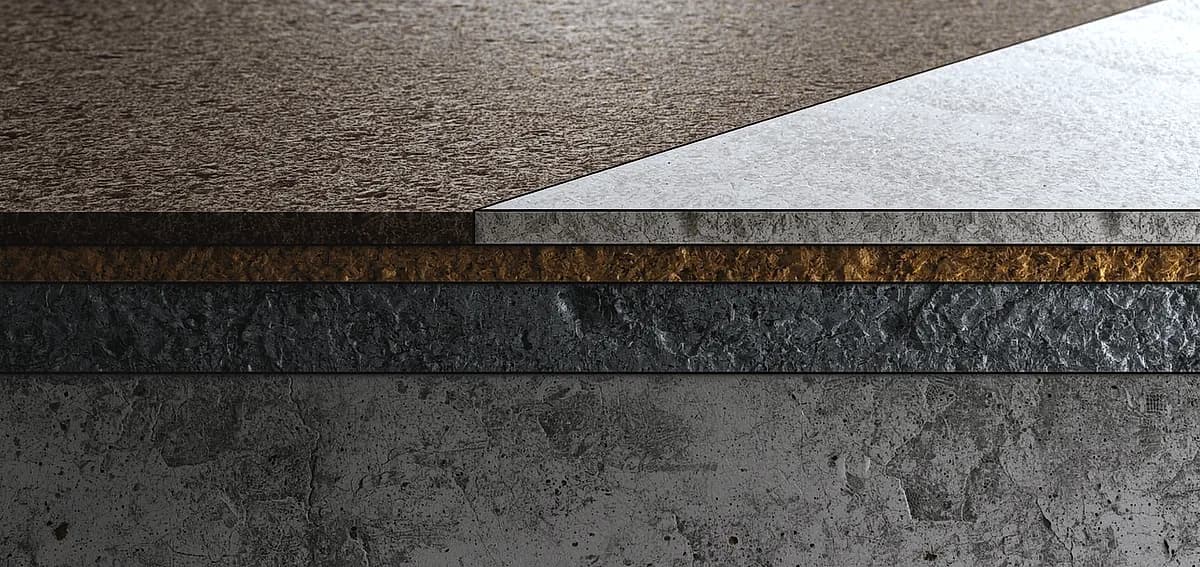
Implement regular maintenance schedules including routine cleaning with appropriate products. Apply additional protective topcoats every 5-10 years to refresh the wear layer. Address minor damage promptly before it becomes major problems—small repairs are far less expensive than complete replacement. Control environmental factors where possible, including temperature, humidity, and UV exposure.
Frequently Asked Questions
What is the average epoxy floor lifespan in Florida?
Properly installed epoxy floors in Florida last 10-20 years on average, with high-quality installations potentially reaching 30 years in residential settings with proper maintenance.
How does Florida humidity affect epoxy floors?
High humidity causes moisture infiltration that leads to bubbling, blistering, and peeling—the most common cause of premature epoxy failure in Florida.
Can UV exposure damage epoxy flooring?
Yes, UV exposure causes yellowing, fading, and degradation of standard epoxy formulations, particularly in outdoor or sun-exposed applications.
Does traffic impact epoxy floor durability?
Heavy traffic significantly reduces lifespan—commercial high-traffic areas may need recoating every 5-10 years versus 20+ years for residential applications.
How important is installation quality for longevity?
Installation quality is critical—professionally installed floors with proper surface preparation can last up to 30 years, while poor installation may fail within a few years.
What are the chemical-resistant formulations that damage epoxy floors most?
Strong acids, harsh solvents, and petroleum products cause the most damage, though epoxy offers good general chemical resistance when cleaned promptly.
How does maintenance affect floor lifespan?
Regular maintenance can double epoxy floor lifespan from 10 to 20+ years by preventing damage accumulation and maintaining protective properties.
Are commercial floors less durable than residential?
Commercial floors experience faster wear due to heavy traffic, frequent cleaning, and continuous use, typically lasting 5-15 years versus 20-30 years residentially.
What are signs my epoxy floor needs replacement?
Deep scratches, persistent color variations, UV discoloration, moisture issues, bubbling, peeling, or frequent repairs indicate replacement may be needed.
Can temperature affect epoxy performance in Florida?
Yes, excessive heat softens epoxy and increases damage susceptibility, while temperature fluctuations can cause cracking or delamination over time.
Conclusion
Epoxy floor lifespan factors in Florida’s climate require careful consideration during material selection, installation, and ongoing maintenance. While challenging environmental conditions including high humidity, UV exposure, and temperature extremes can reduce durability, understanding these factors allows you to take proactive measures. Quality materials, professional installation with proper surface preparation, and consistent maintenance practices ensure your investment delivers decades of reliable performance.
National Concrete Polishing specializes in Florida-specific concrete floor coating systems engineered to withstand South Florida’s unique challenges while maintaining beauty and functionality throughout their extended service life. Contact us today for a free consultation and discover how our moisture mitigation solutions can transform your Pompano Beach property with garage floor coating designed to last.
Written by

Founder and CEO
Chris Lavin is an esteemed leader in concrete polishing and epoxy coatings with a distinguished 20-year career. As founder and CEO of National Concrete Polishing and owner of Xtreme Polishing Systems, he's renowned for polishing and epoxy coating more floors than anyone globally. Chris is recognized for his innovative approach and commitment to enhancing floor durability and aesthetics. His hands-on experience and technical proficiency make him a respected authority and a valuable resource in the field of floor polishing and coatings.
Same topic
Related articles
All stories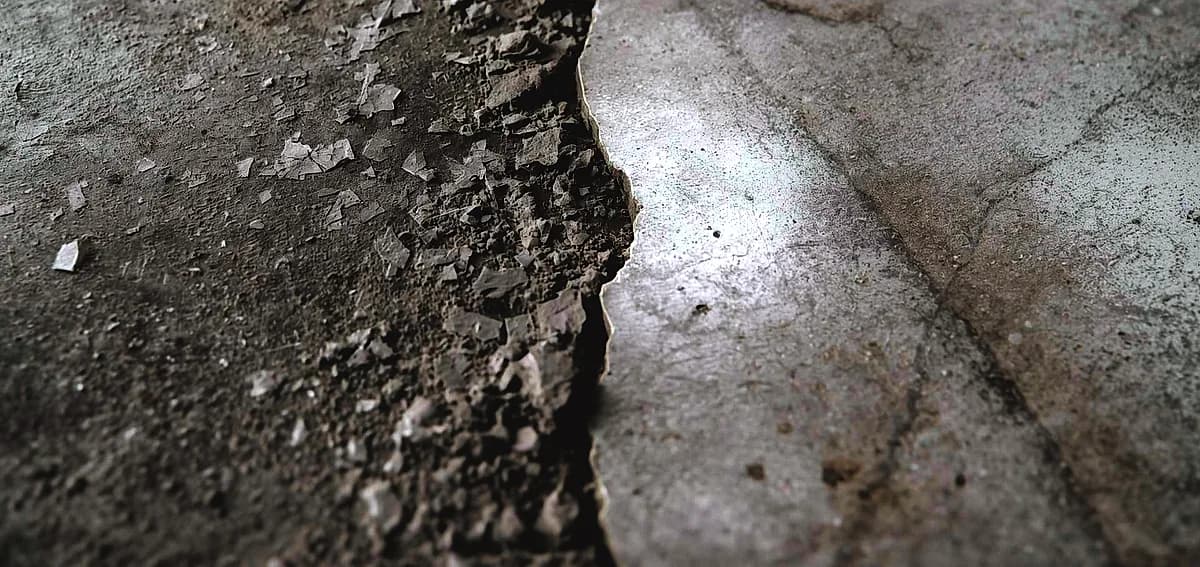
Epoxy & coatings8 min read
DIY vs Professional Epoxy Flooring in Fort Lauderdale
Hardware stores heavily market all-in-one boxes that promise a showroom finish with minimal effort.
Read it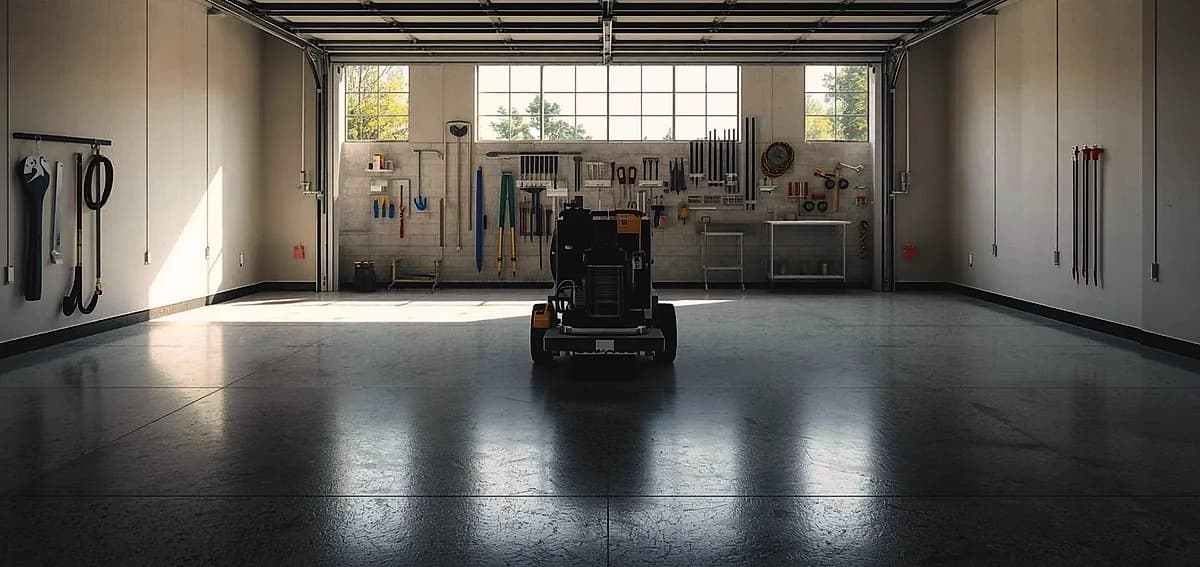
Epoxy & coatings8 min read
Can You DIY Epoxy Flooring in Miami? Pros, Cons, and Tips
Applying a durable floor finish in a tropical or highly humid climate presents unique environmental challenges.
Read it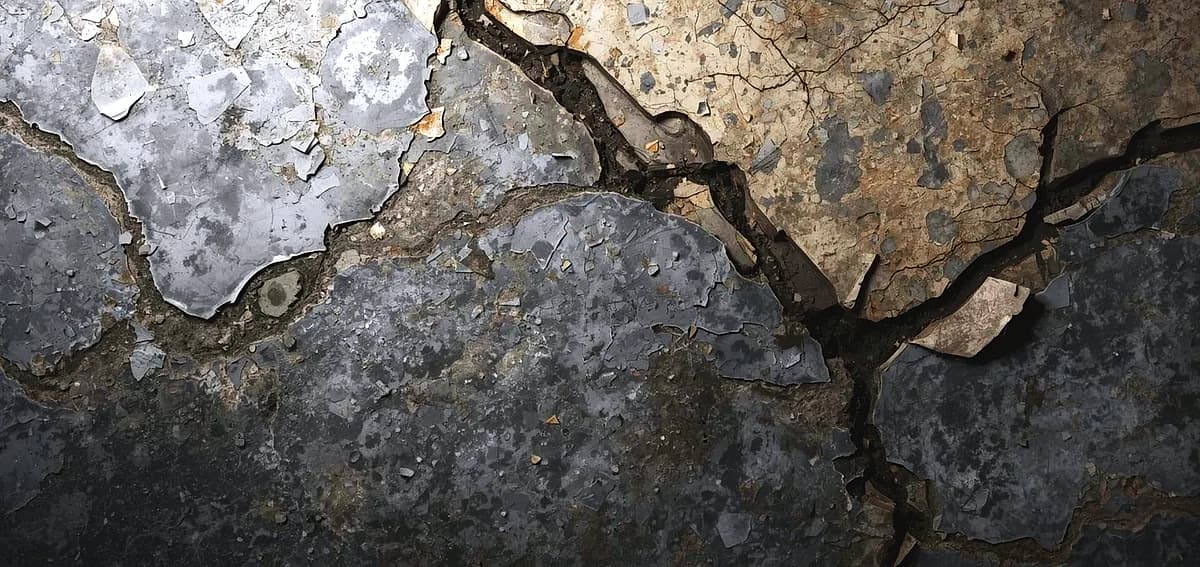
Epoxy & coatings7 min read
DIY Epoxy Flooring in South Florida: Is It Worth the Risk?
However, these products generally contain high levels of water or solvents to extend their pot life.
Read it
Tell us about the floor
Tell us the space and roughly how big it is.We come back with what it would cost and when we could start.
Prefer to talk? Call +1 844-876-5474
- Leads@
nationalconcretepolishing.net - 2200 NW 32nd St #600,
Pompano Beach, FL 33069 Mon to Fri, 9:00 to 5:30