
The NCP blog
Epoxy Flooring for Manufacturing Plants: Chemical Resistance Requirements
Commercial9 min read
Standard floors crack under pressure when exposed to harsh substances, creating safety risks and operational downtime.
Industrial operations lose over $12 billion annually from workplace accidents and equipment damage – and compromised surfaces often hide at the root. Standard floors crack under pressure when exposed to harsh substances, creating safety risks and operational downtime.
Specialized protective systems solve this problem through advanced material science. Unlike basic coatings, these solutions bond permanently with concrete to create impermeable barriers. They shield against acids, solvents, and extreme temperatures that degrade ordinary materials.
Facilities using purpose-built surfaces report 65% fewer maintenance incidents over five years. This durability translates to long-term cost savings, as frequent repairs drain budgets and disrupt workflows. The right foundation protects both infrastructure and profit margins.
Introduction to Epoxy Flooring in Manufacturing Plants
High-performance surfaces transform how modern workspaces handle daily operational stress. Unlike traditional options, advanced protective layers bond at molecular levels with concrete, creating impenetrable shields against harsh conditions.
Core Features of Modern Protective Layers
These engineered solutions combine resin-based materials with reinforced topcoats. The result? Seamless surfaces that repel oils, acids, and thermal shocks. You get a monolithic barrier that withstands forklift traffic and repeated cleaning cycles without degrading.
Why Substance Defense Matters
Daily operations expose surfaces to corrosive liquids and abrasive materials. A single spill can compromise unprotected areas, leading to costly repairs. Specialized coatings prevent penetration, maintaining structural integrity for years.
Facilities using these systems reduce surface-related shutdowns by 78%. The non-porous nature also inhibits bacterial growth, crucial for hygiene-sensitive areas. Proper selection ensures compliance with safety regulations while maximizing uptime.
Understanding manufacturing plant epoxy flooring chemical resistance requirements
Industrial environments require tailored solutions that address specific stress factors. Your facility’s unique combination of substances, temperatures, and processes determines what protective measures succeed or fail. Matching materials to these variables prevents premature wear and maintains workspace integrity.
Key Chemical Exposure Considerations
Start by cataloging every substance handled in your operations. Acids, alkalis, and solvents each interact differently with protective layers. For example, sulfuric acid demands different resin formulations than sodium hydroxide solutions.
Evaluate exposure patterns – occasional splashes versus constant immersion. High-concentration substances at elevated temperatures accelerate degradation. Document peak thermal conditions and average contact durations to guide material selection.
Performance Standards and Resilience Factors
Quality systems undergo rigorous testing against standardized protocols. Look for ASTM-certified products that specify resistance thresholds for specific compounds. Thicker topcoats and specialized additives enhance durability in high-traffic zones.
Installation quality impacts performance as much as product selection. Proper surface preparation ensures complete adhesion, while seamless application eliminates weak points. Partner with certified contractors who understand industrial safety benchmarks.
Best Practices for Chemical Resistant Epoxy Flooring Installation
Proper preparation separates successful projects from costly do-overs. Over 70% of surface failures trace back to rushed evaluation or skipped steps. Dedicated teams start by mapping your space’s unique needs through laser-guided scans and moisture testing.
Site Evaluation and Preparation
Experts check concrete density, cracks, and contamination levels first. High-powered equipment like shot blasters removes old coatings and creates ideal textures for bonding. Any voids get filled with polymer-modified materials to prevent future weaknesses.
Teams document temperature ranges and humidity patterns affecting cure times. This data shapes their application schedule to avoid premature drying or adhesion issues. Proper prep cuts post-installation repairs by 83% in controlled studies.
Detailed Installation Process and Techniques
Multi-phase application begins with primer layers that penetrate porous substrates. Base coats follow, reinforced with quartz aggregates for impact resistance. Final topcoats receive slip-resistant additives without compromising cleanability.
Certified crews use automated mixing systems to maintain material consistency. Climate-controlled tents ensure proper curing between layers. Post-installation inspections verify thickness standards and seamless edges.
Specialized teams complete projects 40% faster than general contractors while meeting strict quality benchmarks. Their equipment investments reduce labor costs without cutting corners on precision.
Selecting the Right Epoxy and Coating Systems
Material selection dictates the success of protective surfaces in demanding environments. You need solutions that align with both operational stressors and long-term maintenance goals. Advanced resin technologies provide tailored defense mechanisms against degradation.
Comparing Resin Technologies for Durability
Epoxy-based options form rigid barriers ideal for areas facing constant liquid exposure. Their cross-linked molecular structure resists penetration from oils and mild acids. Polyurethane coatings outperform in flexibility, surviving thermal shifts that crack brittle materials.
Cementitious urethane blends merge impact tolerance with fast curing for time-sensitive projects. MMA systems handle severe chemical baths but demand precise mixing protocols. Always assess abrasion tolerance and cure speed against your facility’s workflow patterns.
Tailoring Solutions to Specific Chemical Needs
Match resin chemistry to the substances your operations encounter daily. Polyaspartic topcoats neutralize oil-based contaminants while maintaining slip resistance. For alkaline spills, select formulations with reinforced pH buffers in their matrix.
Consult compatibility charts and Safety Data Sheets when narrowing options. Specialists can customize layer thickness or additive packages for unique challenges like UV exposure. This collaborative approach ensures your coating investment delivers targeted protection without unnecessary features.
Case Studies from Diverse Manufacturing Facilities
Operational challenges vary across industries, but smart surface solutions consistently prove their value. Let’s explore how different sectors tackle unique demands through tailored protective systems.
Food and Beverage Processing Applications
A Midwest dairy plant struggled with daily sanitizer baths degrading their surfaces. After installing a reinforced polyurethane system, they eliminated cracks that harbored bacteria. The seamless finish now withstands 180°F washdowns and citric acid exposure.
Another facility producing frozen meals addressed thermal shock issues. Their solution combined flexible resins with anti-slip aggregates. This prevented delamination during rapid temperature changes from -20°F freezer zones to production areas.
Automotive and Electronics Manufacturing Examples
An electric vehicle battery plant needed static-dissipative surfaces near sensitive equipment. Conductive quartz additives in their coating system prevent charge buildup while resisting glycol spills. The upgrade reduced electrostatic discharge incidents by 92%.
In aerospace component production, methyl ethyl ketone spills warped previous floors. A methyl methacrylate installation created an impermeable barrier that handles daily solvent contact. The non-porous surface also simplified grease removal from robotic assembly lines.
These examples demonstrate how proper material selection solves industry-specific pain points. Matching system capabilities to operational realities ensures lasting performance in demanding environments.
Maintenance and Cleaning Strategies for Long-Lasting Floors
Proper care determines how well your surfaces withstand daily challenges. Consistent upkeep prevents minor issues from becoming major repairs, saving time and resources.
Routine Cleaning Protocols for Industrial Settings
Sweep debris daily using soft-bristle tools to prevent scratches. For wet cleaning, use pH-neutral solutions approved for your specific surface. Avoid high-pressure washers exceeding 1200 PSI to protect sealants.
Deep clean weekly with automatic scrubbers using non-abrasive pads. Always rinse thoroughly to remove residue. Document cleaning frequency and product usage for quality audits.
Effective Spill Response and Upkeep
Contain spills immediately using absorbent materials designed for hazardous liquids. Never let substances sit longer than 15 minutes – even resistant coatings degrade over time with repeated exposure.
Follow this 3-step process for chemical incidents:
- Isolate the area and wear protective gear
- Neutralize acids/alkalis with compatible agents
- Rinse with tepid water and dry completely
Inspect surfaces monthly for hairline cracks or discoloration. Schedule professional recoating every 3-5 years depending on traffic levels. These practices maintain safety compliance while extending your investment’s lifespan.
Compliance and Industry Standards in Epoxy Flooring
Meeting regulatory benchmarks isn’t just about avoiding fines—it’s about creating safer workspaces. Properly certified surfaces protect workers while maintaining operational continuity. Let’s explore how key regulations shape material selection and installation processes.
OSHA, ASTM, and Regulatory Best Practices
OSHA mandates specific criteria for surfaces in high-risk areas. Slip resistance measurements must exceed 0.5 coefficient of friction (COF) under wet conditions. Systems undergo testing using inclined-plane methods to verify traction levels.
ASTM C1028 measures slip resistance through laboratory simulations. ASTM D4060 evaluates wear patterns using standardized abrasion machines. These tests ensure materials withstand years of heavy equipment traffic without degradation.
| Standard | Focus Area | Key Requirement |
|---|---|---|
| OSHA 1910.22 | Slip Prevention | Maintain clean, dry walking surfaces |
| ASTM C1028 | Traction Testing | Minimum 0.5 COF wet/dry |
| ASTM D4060 | Abrasion Resistance | ≤ 100mg weight loss after 1000 cycles |
Ensuring Safety and Longevity Through Certification
Third-party certifications validate material performance claims. Look for UL Ecologo or NSF/ANSI marks when selecting systems. These labels confirm independent verification of safety data.
Maintain detailed records of installation dates, test results, and maintenance logs. During inspections, documentation proves compliance with local and federal regulations. Proper records also streamline insurance claims if incidents occur.
Regular audits identify wear patterns before they violate standards. Partner with accredited inspectors who use digital scanners to measure COF and surface integrity. Proactive monitoring keeps your workspace safe and regulation-ready.
Partnering with National Concrete Polishing in South Florida
Local expertise makes all the difference when upgrading critical infrastructure. National Concrete Polishing delivers specialized surface solutions across South Florida, combining technical mastery with hands-on regional knowledge. Our approach ensures your workspace receives tailored protection without operational downtime.
Our Expertise and Local Service Commitment
With 13+ years of experience, our team handles complex installations from blueprint to final inspection. We’ve perfected methods for facilities handling aggressive substances and heavy machinery. Same-day consultations and 24/7 emergency support keep your operations running smoothly.
| Service Feature | Standard Providers | Our Solution |
|---|---|---|
| Project Timeline | 6-8 weeks | 3-5 weeks |
| Warranty Coverage | 1-3 years | 5-year guarantee |
| Response Time | 48-72 hours |
Turnkey Solutions for Seamless Project Execution
We manage every detail – from initial site analysis to post-install maintenance plans. Our process includes:
- Customized material selection based on your equipment needs
- Phased installation during off-peak hours
- Real-time progress updates via client portal
Call +1 844-876-5474 to discuss your facility’s requirements. Let our team create durable surfaces that protect your assets while meeting strict deadlines. Experience the difference of working with South Florida’s trusted industrial partners.
Conclusion
Protective surfaces in industrial settings form the foundation of safe, efficient operations. By matching specialized systems to your facility’s unique challenges—from thermal stress to corrosive substances—you create barriers that endure years of heavy use. Proper selection and installation prevent surface degradation while maintaining compliance with rigorous safety standards.
Regular maintenance protocols extend the lifespan of these solutions, minimizing downtime and repair costs. Facilities that prioritize surface integrity report fewer incidents related to slips, spills, or structural damage. This proactive approach safeguards both personnel and productivity in demanding environments.
This guide has equipped you with critical insights to evaluate exposure risks, compare material performance, and implement solutions that align with operational demands. When surfaces withstand daily challenges without compromising safety, businesses achieve lasting protection and uninterrupted workflows.
Frequently Asked Questions
Why is chemical resistance critical for industrial flooring systems?
Facilities handling corrosive substances need surfaces that withstand spills without degrading. Properly formulated coatings prevent structural damage, ensuring safety and reducing costly repairs.
How do you determine the right coating system for specific chemical exposures?
A professional assessment evaluates the types of chemicals used, concentration levels, and exposure duration. Solutions are tailored using advanced resin technologies to match these factors.
What maintenance steps extend the lifespan of coated surfaces in harsh environments?
Routine cleaning with pH-neutral detergents and immediate spill containment preserve integrity. Avoid abrasive tools, and schedule inspections to address wear before it impacts performance.
Are slip-resistant options available without compromising durability?
Yes. Modern systems integrate additives like quartz or aluminum oxide for traction, maintaining easy-clean properties while meeting OSHA safety standards for high-traffic zones.
How do industry standards influence coating selection in food processing areas?
NSF/ANSI certifications ensure materials meet strict hygiene guidelines. Coatings must resist thermal shock, sanitizers, and organic acids while supporting seamless, nonporous surfaces.
What advantages do turnkey installation services offer for large facilities?
Partnering with experts like National Concrete Polishing ensures precise site prep, efficient application, and minimal downtime. Their local expertise in South Florida guarantees compliance with regional challenges.
Written by

Founder and CEO
Chris Lavin is an esteemed leader in concrete polishing and epoxy coatings with a distinguished 20-year career. As founder and CEO of National Concrete Polishing and owner of Xtreme Polishing Systems, he's renowned for polishing and epoxy coating more floors than anyone globally. Chris is recognized for his innovative approach and commitment to enhancing floor durability and aesthetics. His hands-on experience and technical proficiency make him a respected authority and a valuable resource in the field of floor polishing and coatings.
Same topic
Related articles
All stories
Commercial9 min read
How Polished Concrete Solves Office Acoustic Problems
Hard floors and noise complaints. What polished concrete does to sound in an open office, and how to spec around it.
Read it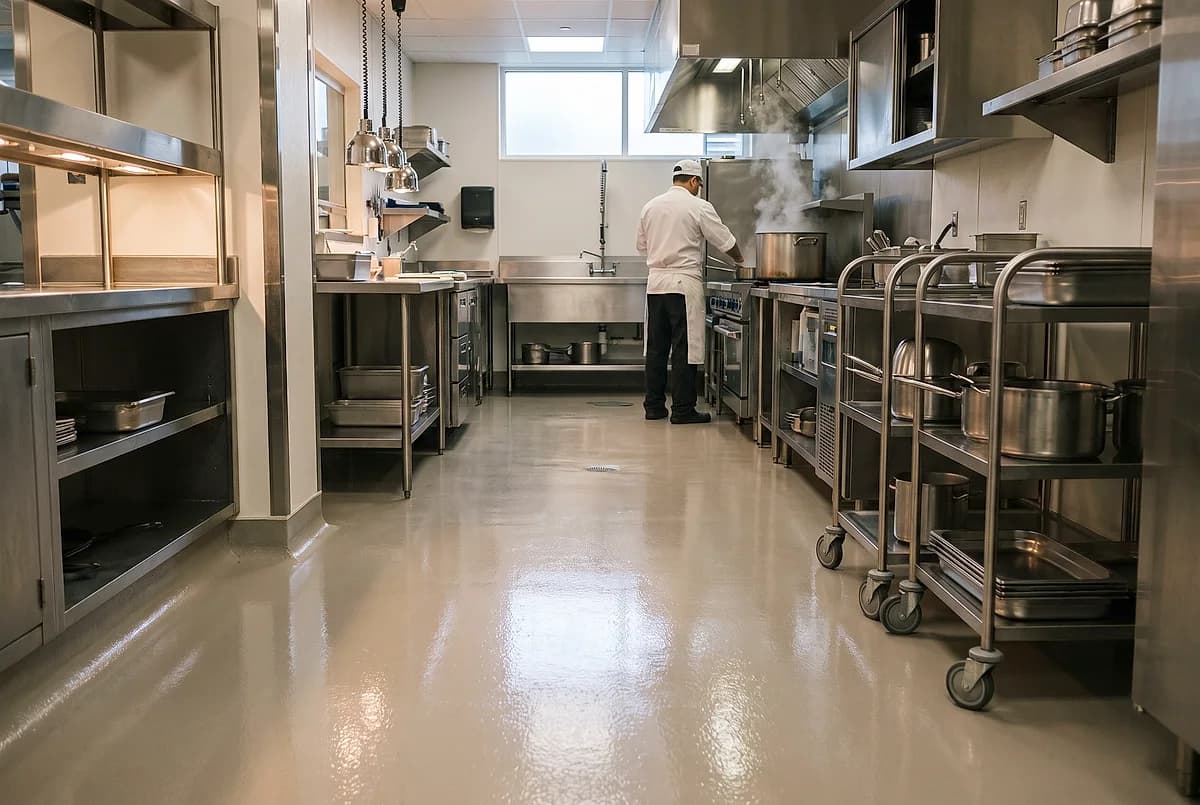
Commercial10 min read
Flooring for Hotel Wet Areas, Kitchens, and Parking Decks
Kitchens, pool decks and parking structures punish a floor daily. Which systems hold up in hotel service areas, and why.
Read it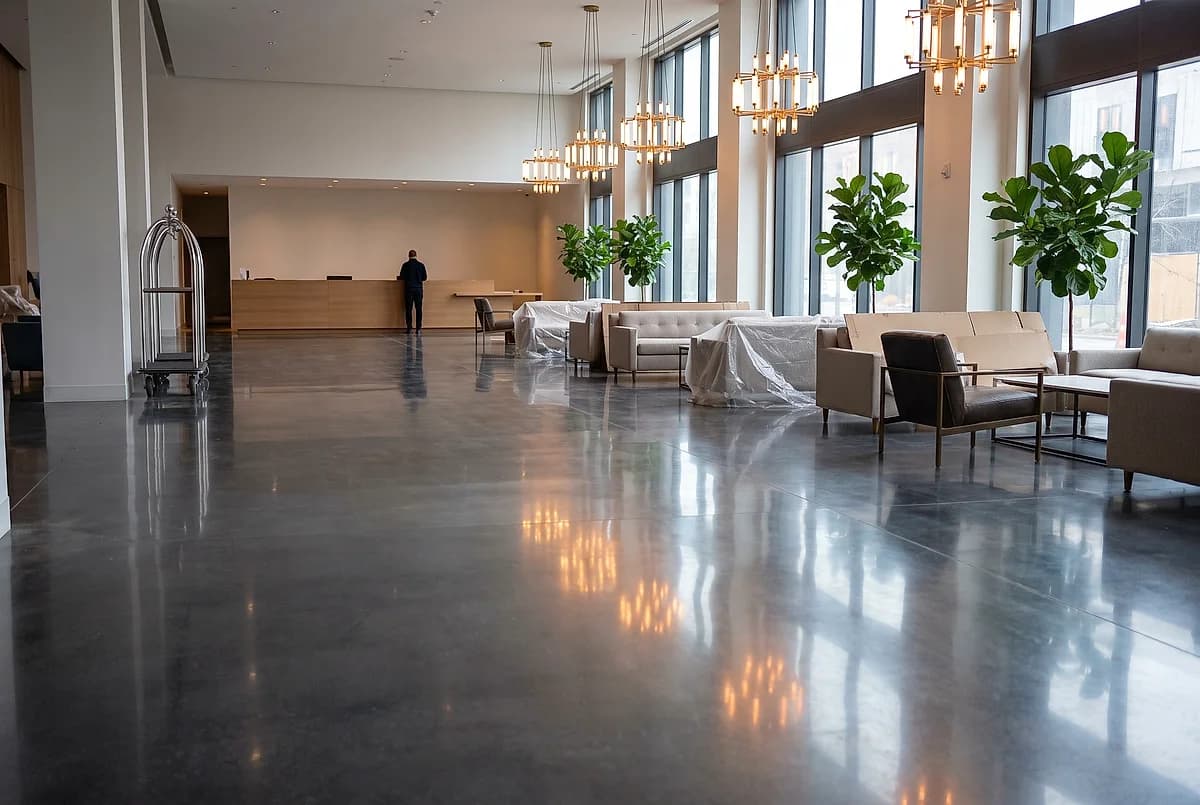
Commercial11 min read
Specifying Floors for a New Hotel Build
For owners and architects on a new build. What to write into the flooring spec so the hotel opens on a floor that lasts.
Read it
Tell us about the floor
Tell us the space and roughly how big it is.We come back with what it would cost and when we could start.
Prefer to talk? Call +1 844-876-5474
- Leads@
nationalconcretepolishing.net - 2200 NW 32nd St #600,
Pompano Beach, FL 33069 Mon to Fri, 9:00 to 5:30