
The NCP blog
How To Clean Your Epoxy Garage Floor: Three Easy Steps
ResidentialUpdated 14 min read
With their resistance to stains, chemicals, and abrasion, it’s no wonder they’re a popular choice among homeowners.
Epoxy garage floors have become a staple in many American homes, offering a durable and aesthetically pleasing solution for garage spaces. With their resistance to stains, chemicals, and abrasion, it’s no wonder they’re a popular choice among homeowners.
However, to keep your epoxy garage floor looking its best, regular maintenance is crucial. Neglecting this can lead to a dull, worn appearance that detracts from your home’s overall appeal. Fortunately, cleaning an epoxy flooring is a straightforward process that can be accomplished in just three easy steps.
Understanding Epoxy Garage Floors
Your garage floor is more than just a surface; with epoxy coating, it becomes a durable and attractive space. To keep it looking its best, it’s essential to understand what makes epoxy floors special and the common issues that arise when they’re not properly maintained.
What Makes Epoxy Floors Special
Epoxy floors are renowned for their durability and resistance to heavy foot traffic, chemicals, and stains. The epoxy coating creates a seamless, glossy surface that’s not only visually appealing but also easy to clean. This makes epoxy floors an ideal choice for garages, as they can withstand the rigors of daily use while maintaining their appearance over time.
Some key benefits of epoxy floors include:
- High-gloss finish that resists fading and discoloration
- Resistance to chemicals, oils, and other substances
- Durable surface that withstands heavy foot traffic and vehicle use
Common Issues with Dirty Epoxy Floors
Despite their durability, epoxy floors can still be affected by dirt, debris, and improper cleaning techniques. Symptoms of epoxy garage floor maintenance issues include discoloration, cracking, peeling, and dullness. These problems can be caused by exposure to harsh chemicals, heavy foot traffic, and improper cleaning methods.
Some common issues with dirty epoxy floors include:
- Accumulated dirt and debris scratching the epoxy surface
- Neglected spills leading to staining and deterioration
- Excessive moisture compromising the bond between epoxy and concrete
Benefits of Regular Cleaning for Epoxy Garage Floors
The benefits of regularly cleaning your epoxy garage floor are numerous. Regular maintenance not only keeps your floor looking its best, but also extends its lifespan and improves safety.
Extended Lifespan
Cleaning your epoxy garage floor regularly helps to remove dirt and debris that can cause wear and tear on the surface. By doing so, you can extend the lifespan of your floor. Daily sweeping or dust mopping and weekly mopping with a pH-neutral cleaner are effective ways to maintain your epoxy floor.
Maintained Appearance
A clean epoxy garage floor looks better and maintains its shine. Regular cleaning removes grime and stains, keeping your garage floor looking like new. This not only enhances the appearance of your garage but also reflects positively on your home.
Improved Safety
Regular cleaning improves safety by removing oil, grease, and other substances that can create slippery conditions. Here are some key safety benefits:
- Eliminating dirt and debris reduces the risk of falls and injuries.
- Clean epoxy floors provide better traction for vehicles.
- Maintaining a clean garage floor allows for easier detection of potential hazards.
Essential Cleaning Supplies for Epoxy Floors
The right cleaning supplies are crucial for maintaining the shine and durability of your epoxy garage floor. Using the appropriate tools and cleaning solutions ensures that your floor remains in good condition.
Recommended Tools
For effective cleaning, you’ll need a few basic tools. A microfiber mop is ideal for routine maintenance, as it picks up dirt easily without scratching the epoxy floor. For more thorough cleaning, a deck-scrubbing brush with soft bristles can be used to remove stubborn dirt.
Safe Cleaning Solutions
When it comes to cleaning solutions, plain warm water is often sufficient for routine cleaning of epoxy floors. For deeper cleaning, a pH-neutral cleaner specifically formulated for epoxy surfaces is recommended. Alternatively, a diluted ammonia solution (½ cup in a gallon of warm water) can be effective. Avoid using soap-based, acidic, or citrus-based cleaners, as they can damage the epoxy coating over time.
Preparation Before Cleaning
Before diving into the cleaning process, it’s essential to prepare your epoxy garage floor properly. This step is crucial for an effective cleaning and to maintain the floor’s integrity.
Clearing the Garage Space
Start by clearing the garage space of any clutter, vehicles, or equipment. This will give you unobstructed access to the entire floor, allowing for a thorough cleaning. Remove any items that could interfere with your cleaning process or get damaged by cleaning solutions.
Initial Inspection
Conduct an initial inspection of your epoxy floor to identify any areas that require special attention. Carefully examine the surface for signs of damage, such as chips, cracks, or peeling. Note any stubborn stains, tire marks, or heavy soil buildup. This inspection will help you prioritize problem areas and determine whether simple cleaning will suffice or if repairs are needed before proceeding.
Step 1: Remove Loose Debris and Dust
The process of cleaning your epoxy garage floor begins with the removal of loose debris and dust. This initial step is crucial for ensuring that your floor is properly prepared for further cleaning. Effective debris removal prevents scratches and makes the subsequent cleaning steps more efficient.
Sweeping Techniques
Sweeping is a straightforward method to remove loose debris from your epoxy garage floor. To do this effectively, use a soft-bristled broom or a dust mop to gently sweep the floor. This helps prevent scratching the epoxy surface. Focus on sweeping in sections to ensure thorough coverage, and pay extra attention to areas around vehicles and high-traffic zones.
Using a Shop Vacuum Effectively
For a more thorough removal of dirt and debris, especially from textured epoxy surfaces, use a shop vacuum with a soft brush attachment. When vacuuming, make slow, overlapping passes to ensure complete coverage. Adjust the vacuum head to the appropriate height to avoid scratching the epoxy. For hard-to-reach areas, use vacuum extension tools with soft bristles or rubber attachments. After vacuuming the main floor area, give special attention to transition areas between the garage and driveway where dirt is commonly tracked in.
Step 2: Clean Epoxy Garage Floor (With Proper Cleaning Solutions)
The key to a clean epoxy garage floor lies in selecting and applying the appropriate cleaning solution. Your epoxy floor’s durability and appearance depend on regular cleaning with the right products.
Mixing the Right Cleaning Solution
For oil-based stains on your flooring, use a degreaser specifically designed for epoxy floors. Mix the cleaning solution according to the manufacturer’s instructions to avoid damaging the floor. A mild detergent mixed with warm water is often sufficient for general cleaning.
Mopping Techniques for Epoxy Surfaces
When mopping your epoxy floor, use a soft-bristled broom or a microfiber mop to gently clean the surface. Avoid using harsh chemicals or abrasive tools that can damage the epoxy. For more thorough cleaning, you can use a cleaning solution specifically designed for epoxy floors.
Addressing High-Traffic Areas
High-traffic areas, such as entrance points and pathways to workbenches, require extra attention during cleaning. Apply the cleaning solution more liberally to these areas and use a soft-bristled brush to gently agitate the surface without scratching. For stubborn stains, consider using a specialized epoxy cleaner or degreaser.
- Pay extra attention to high-traffic areas like entrance points and pathways.
- Use a soft-bristled brush to gently agitate the surface without scratching.
- Consider applying an epoxy-compatible floor protectant after cleaning.
Step 3: Rinse and Dry Thoroughly
To keep your epoxy garage floor in top condition, thorough rinsing and drying are essential. After you’ve cleaned the floor with the appropriate solution, it’s time to rinse off any remaining dirt and cleaning agents.
Proper Rinsing Methods
Rinsing your epoxy garage floor requires some care to ensure all soap and debris are removed. Use clean water to rinse the floor thoroughly. You can use a hose with a spray nozzle to gently wash away the soap, or a clean, damp mop to rinse the floor.
For more efficient rinsing, consider using a floor squeegee to remove excess water from the surface. This helps prevent water from spreading to other areas or forming puddles.
| Rinsing Method | Effectiveness | Equipment Needed |
|---|---|---|
| Hose with Spray Nozzle | High | Hose, Spray Nozzle |
| Clean, Damp Mop | Medium | Mop, Bucket |
| Floor Squeegee | High | Floor Squeegee |
Drying Techniques to Prevent Water Spots
Drying your epoxy floor is just as important as rinsing it. To prevent water spots, use a clean, dry microfiber mop or soft towels to absorb excess water. A rubber squeegee can also be effective in removing water and directing it towards drains or the garage door opening.
- Use a microfiber mop or soft towels to dry the floor.
- Increase air circulation by opening garage doors and windows or using fans.
- Avoid walking on the wet floor to prevent footprints.
Allow the floor to dry completely, which typically takes 1-2 hours depending on humidity and temperature, before returning vehicles, tools, or other items to the garage.
Stubborn Stains on Epoxy Floors
Epoxy floors are durable, but they can still fall victim to stubborn stains that require special attention. Whether it’s oil and grease stains, tire marks, or rust stains, each type of stain demands a specific removal technique to restore your epoxy floor to its original condition.
Removing Oil and Grease Stains
Oil and grease stains are common on garage floors due to vehicle leaks or maintenance activities. To remove these stains, start by absorbing as much of the spill as possible with cat litter or sawdust. Then, apply a degreaser specifically designed for epoxy surfaces. Scrub the area thoroughly and rinse with warm water. For persistent stains, repeat the process until the stain is gone.
Addressing Tire Marks
Tire marks can be unsightly and challenging to remove. Begin by cleaning the area with a mild detergent and warm water. If the marks persist, use a specialized tire mark remover or a product containing solvents that can break down the rubber residue. Apply the product, scrub gently, and rinse thoroughly to avoid damaging the epoxy surface.
Dealing with Rust Stains
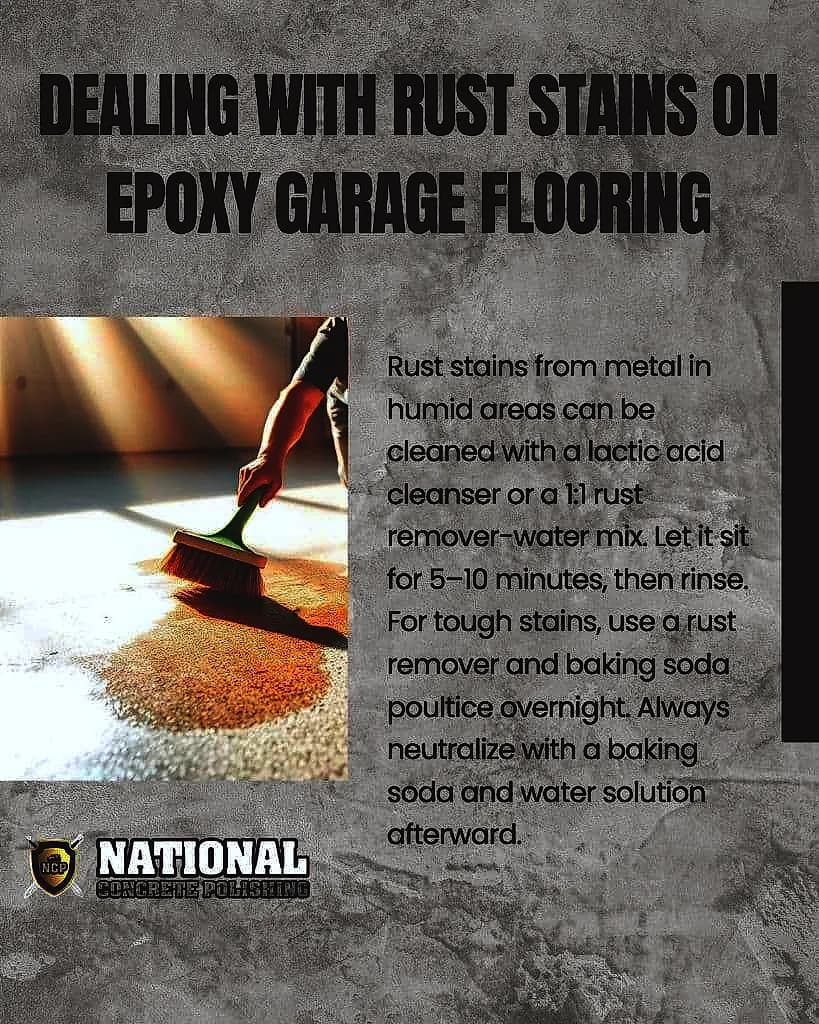
Rust stains often result from metal objects left on the floor, especially in humid environments. To remove rust stains, apply a lactic acid-based cleanser or a rust remover mixed with water in a one-to-one ratio directly to the stain. Allow it to work for 5-10 minutes before rinsing. For stubborn rust stains, consider creating a poultice with a rust-removing product and baking soda, applying it to the stain, and covering it overnight. Neutralize any acid-based cleaners afterward with a baking soda and water solution to prevent further chemical reactions.
Maintaining Your Epoxy Floor’s Shine
To keep your epoxy garage floor looking its best, regular maintenance is crucial. This involves a combination of daily and weekly tasks designed to preserve the floor’s shine and durability.
Daily Maintenance Tips
Daily maintenance is straightforward and involves sweeping the floor to remove dirt and debris. This simple task prevents the accumulation of dirt that can dull the epoxy finish over time. You should also be mindful of spills and clean them promptly to prevent staining.
Weekly Cleaning Routine
A weekly cleaning routine should include a more thorough sweep followed by damp mopping with a pH-neutral cleaner diluted in warm water. Pay special attention to high-traffic areas and spots where vehicles are parked, as these tend to accumulate more dirt and potential fluid leaks.
| Task | Frequency | Benefit |
|---|---|---|
| Sweeping | Daily | Removes dirt and debris |
| Damp Mopping | Weekly | Maintains shine and cleanliness |
Preventing Damage to Your Epoxy Garage Floor
To keep your epoxy garage floor in top condition, it’s essential to take proactive measures against potential damage. By implementing a few simple strategies, you can protect your floor from common hazards and maintain its appearance.
Using Protective Mats
One effective way to prevent damage is by using protective mats in high-traffic areas or under heavy equipment. These mats can help distribute weight evenly and prevent scratches or cracks in the epoxy surface. Choose mats that are specifically designed for garage use and are made from durable materials.
Furniture Pads and Protectors
In addition to mats, using furniture pads and protectors can help prevent damage from heavy objects or furniture. These pads can be placed under the legs of heavy equipment or furniture to prevent scratching or scuffing the epoxy floor. This simple precaution can go a long way in maintaining the integrity of your garage floor.
Managing Spills Promptly
Managing spills promptly is crucial to preventing stains on your epoxy garage floor. Keep a spill response kit handy, containing absorbent materials and pH-neutral cleaners. When a spill occurs, blot the liquid immediately with a soft cloth, then clean the area with a suitable epoxy-safe cleaner.
| Prevention Method | Description | Benefits |
|---|---|---|
| Protective Mats | Distribute weight evenly, prevent scratches | Reduces risk of cracks, maintains appearance |
| Furniture Pads | Prevent scratching from heavy objects | Protects epoxy surface, easy to install |
| Prompt Spill Cleanup | Blot spills, clean with pH-neutral solution | Prevents stains, maintains floor integrity |
When to Consider Professional Cleaning
Knowing when to seek professional help is crucial for the longevity of your epoxy garage floor. While regular cleaning can maintain its appearance, there are times when professional cleaning is necessary to restore its original shine and protective qualities.
What Are The Signs That Your Floor Needs Professional Attention
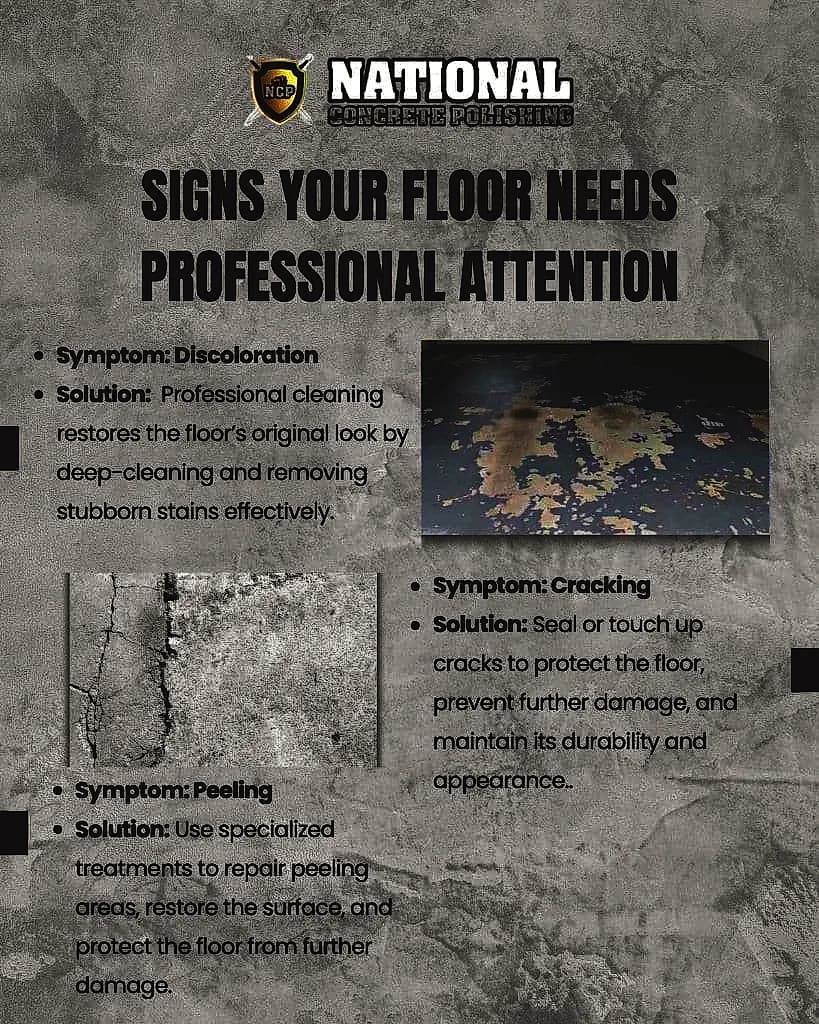
If your epoxy floor exhibits signs of discoloration, cracking, peeling, or dullness, it may be time to consider professional cleaning services. These symptoms can be caused by exposure to harsh chemicals, heavy foot traffic, and improper cleaning techniques.
| Symptom | Cause | Solution |
|---|---|---|
| Discoloration | Harsh chemicals | Professional cleaning |
| Cracking | Heavy foot traffic | Sealing or touch-ups |
| Peeling | Improper cleaning | Specialized treatments |
What to Expect from Professional Services
Professional epoxy floor cleaning services typically begin with a thorough assessment of your floor’s condition. They use commercial-grade equipment and specialized treatments for stubborn stains, ensuring a deep and safe cleaning process.
Common Mistakes to Avoid When Cleaning Epoxy Floors
Many homeowners unknowingly damage their epoxy floors by using the wrong cleaning methods. To maintain the durability and appearance of your epoxy garage floor, it’s essential to be aware of common cleaning mistakes.
Harmful Cleaning Products
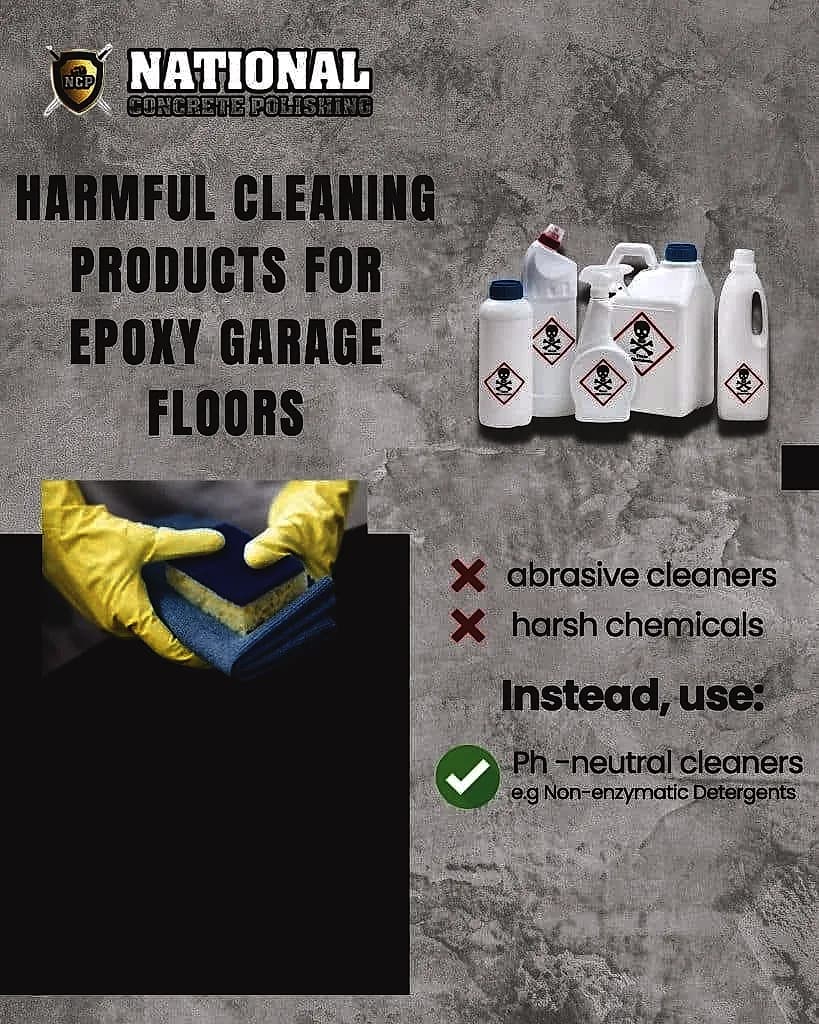
Using harsh chemicals or abrasive cleaners can damage the epoxy coating. Avoid using products containing bleach or ammonia, as they can etch the surface. Instead, opt for mild, pH-neutral cleaners specifically designed for epoxy floors.
| Cleaning Product | Suitable for Epoxy Floors |
|---|---|
| Harsh Chemicals | No |
| pH-Neutral Cleaners | Yes |
Improper Tools and Techniques
Using the wrong cleaning tools can scratch or damage your epoxy floor. Avoid using steel wool or abrasive scrubbers. Instead, use soft-bristled brooms or microfiber mops for gentle cleaning.
Neglecting Regular Maintenance
Regular cleaning is crucial to prevent dirt and debris from accumulating and causing damage. Neglecting your epoxy floor can lead to a dull appearance and potentially costly repairs. Establish a routine that includes daily sweeping, weekly mopping, and deep cleaning every 6-12 months.
- Daily: Sweep or dust mop to remove dirt and debris.
- Weekly: Mop with a gentle cleaner to maintain the floor’s shine.
- Every 6-12 months: Perform a deep clean to remove stubborn stains and grime.
Conclusion
With the right cleaning approach, your epoxy garage floor can remain in excellent condition for years to come. Maintainance through regular cleaning is essential for preserving its appearance, durability, and safety benefits.
The three-step cleaning process outlined in this guide—removing debris, cleaning with proper solutions, and thorough rinsing/drying—provides a simple yet effective approach that anyone can follow. By using the right tools and cleaning products specifically designed for epoxy surfaces, you can avoid common mistakes that might damage your floor’s finish. National Concrete Polishing offers sustainable epoxy flooring solutions to ensure long lasting epoxy finishes every time. Learn more about our services and see how National Concrete Polishing can help.
Establishing a regular cleaning routine is key to maintaining the benefits of your epoxy floors, including improved safety, easier cleaning of future spills, and enhanced property value. For those in the sunshine state, understanding how florida humidity impacts these surfaces can further help in epoxy garage floor maintenance. If you are considering an upgrade, you might wonder does epoxy garage floor add value to your home, or if polished concrete garage floor vs epoxy is the better choice for your specific needs. For those with commercial needs, Best Cleaning Methods for High-Traffic Commercial Epoxy Floors can provide more specialized guidance. If your floor is showing wear, understanding the epoxy floor repair process in Miami is essential. Homeowners should also consider which garage floor coating lasts longest in the local climate. For those interested in aesthetics, choosing the perfect epoxy garage floor color can transform the space. Finally, always verify your project is complete with a floor coating cure verification test.
Frequently Asked Questions
What is the best way to remove dirt and debris from my epoxy garage floor?
Sweeping the floor with a broom or using a shop vacuum is the most effective way to remove loose debris and dust. This helps prevent scratches and makes the cleaning process easier.
Can I use a pressure washer to clean my epoxy garage floor?
Yes, you can use a pressure washer, but be cautious not to damage the epoxy surface. Use a wide fan tip and keep the nozzle at least 12 inches away from the surface. Avoid using high pressure, as it may damage the epoxy or dislodge it from the concrete.
How often should I clean my epoxy garage floor?
Regular cleaning is essential to maintain the appearance and longevity of your epoxy garage floor. Sweep or vacuum the floor weekly, and mop it with a mild cleaning solution every 1-2 months, or as needed.
What kind of cleaning solution is safe for my epoxy garage floor?
A mild detergent mixed with warm water is a safe and effective cleaning solution. Avoid using harsh chemicals, abrasive cleaners, or acidic substances, as they can damage the epoxy.
How can I remove stubborn stains, such as oil or grease, from my epoxy garage floor?
For oil or grease stains, apply a degreaser or a cleaning product specifically designed for removing such stains. Let it sit for a few minutes, then scrub the area with a soft-bristled brush and rinse with warm water.
Can I use a clear top coat to protect my epoxy garage floor?
Yes, applying a clear top coat can provide an additional layer of protection against stains and damage. It’s recommended to reapply a clear top coat every 1-2 years to maintain the floor’s appearance and protection.
What are some common mistakes to avoid when cleaning my epoxy garage floor?
Avoid using harsh chemicals, abrasive cleaners, or high-pressure washes, as they can damage the epoxy. Also, neglect regular maintenance can lead to a dull appearance and reduced longevity.
Written by

Founder and CEO
Chris Lavin is an esteemed leader in concrete polishing and epoxy coatings with a distinguished 20-year career. As founder and CEO of National Concrete Polishing and owner of Xtreme Polishing Systems, he's renowned for polishing and epoxy coating more floors than anyone globally. Chris is recognized for his innovative approach and commitment to enhancing floor durability and aesthetics. His hands-on experience and technical proficiency make him a respected authority and a valuable resource in the field of floor polishing and coatings.
Same topic
Related articles
All stories
Residential8 min read
What Restaurants Need to Pass a Health Inspection Floor Check
It endures heavy foot traffic, dropped equipment, boiling water spills, and harsh degreasing chemicals daily.
Read it
Residential9 min read
How Restaurants Replace Their Floors Without Closing for Long
The average food service establishment loses approximately $3,500 in daily revenue during unexpected closures in 2026.
Read it
Residential8 min read
Where Polished Concrete Beats Epoxy in a Home (and Where It Doesn’t)
Before evaluating specific rooms, it is essential to understand how these two flooring systems function.
Read it
Tell us about the floor
Tell us the space and roughly how big it is.We come back with what it would cost and when we could start.
Prefer to talk? Call +1 844-876-5474
- Leads@
nationalconcretepolishing.net - 2200 NW 32nd St #600,
Pompano Beach, FL 33069 Mon to Fri, 9:00 to 5:30