
The NCP blog
Refresh Your Outdoor Space: Concrete Patio Resurfacing Tips
Residential9 min read
Instead of costly replacements, modern techniques revive cracked or stained surfaces while preserving structural integrity.
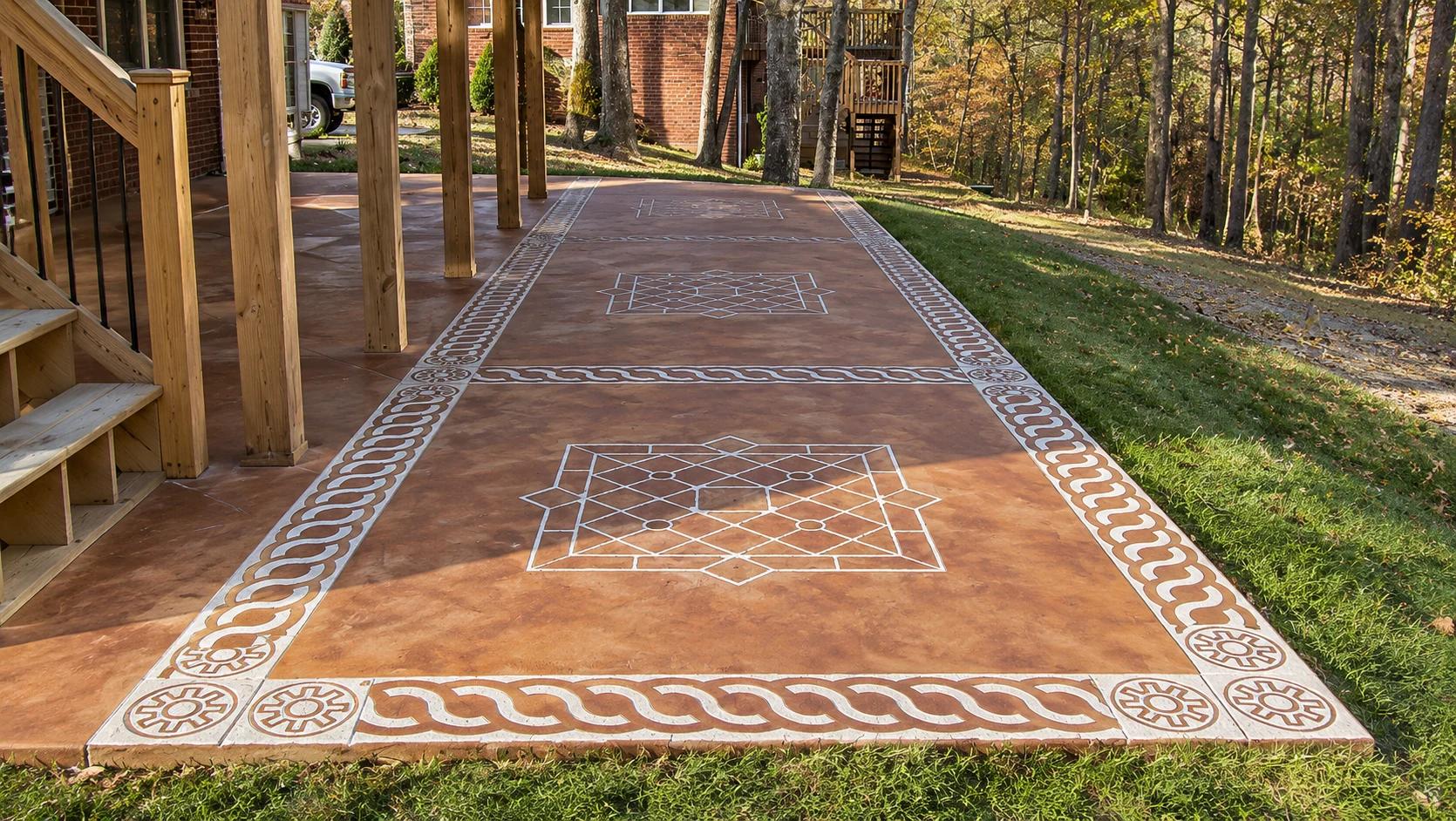
A resurfacing project can turn weather-worn slabs into vibrant entertainment zones. Instead of costly replacements, modern techniques revive cracked or stained surfaces while preserving structural integrity. This approach can save time and money while delivering dramatic visual upgrades.
Decorative overlays offer endless design flexibility, mimicking materials like natural stone or brick without installing them. These solutions work for outdated slabs, uneven textures, or faded colors, creating cohesive outdoor areas that align with your home’s style. Proper preparation ensures adhesion and durability, whether you tackle small repairs yourself or hire professionals.
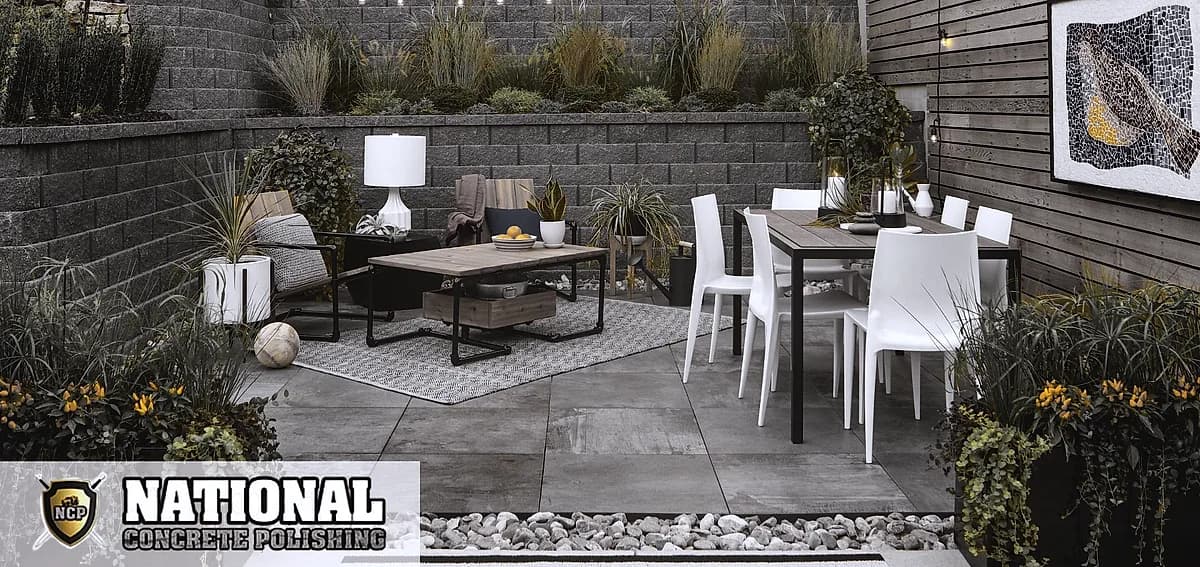
Seasonal plants and furniture arrangements gain new life against refreshed surfaces. Strategic updates elevate curb appeal and functionality, making your yard feel like an extension of your living room. With smart material choices, you’ll enjoy lasting results that withstand foot traffic and weather extremes.
Understanding the Advantages of Concrete Patio Resurfacing
Resurfacing a weathered patio skips the demolition and hauling that a full replacement needs. Modern methods refresh the surface while adding contemporary styles unavailable during your slab’s original installation. This approach skips messy demolition, preserving your yard’s layout and mature landscaping.
| Factor | Resurfacing | Replacement |
|---|---|---|
| Project Duration | 2 to 3 working days for a patio at NCP | Longer, since demolition comes first |
| Average Cost | $3-$7/sq.ft. | $8-$15/sq.ft. |
| Design Flexibility | High, with stamps, stains and overlays | Open, since a new slab can be shaped and finished as you like |
Revitalize Your Outdoor Space
Stained or cracked slabs become sleek entertainment zones through strategic overlays. Thin polymer-modified coatings bond tightly to existing surfaces, filling hairline fractures and helping keep moisture out. Choose from modern stamped patterns or subtle acid stains that mimic premium materials.
Boost Curb Appeal and Property Value
A refreshed patio is part of how a home shows to a buyer. Decorative finishes create visual continuity between your house and yard. Non-slip textures can add traction when the surface is wet.
Evaluating Your Existing Concrete Surface
Before planning any upgrades, a thorough inspection reveals whether your outdoor area can support new treatments. Start by clearing debris and sweeping the entire space to expose hidden flaws. Look for uneven sections that could trap water or create tripping hazards.
Identifying Cracks and Wear Patterns
Examine the slab using these professional assessment criteria:
- Measure crack widths with a ruler: narrow cracks can usually be filled before resurfacing, while wide ones need a contractor's opinion
- Check for spiderweb patterns indicating surface stress versus straight-line structural splits
- Press loose areas with a screwdriver: crumbling material needs removal before treatment
Discoloration often signals moisture penetration, while flaking surfaces show weathering damage. Professionals recommend marking problem zones with chalk for visual reference. This helps prioritize repairs and estimate material needs accurately.
Wide, deep fractures or vertical shifts between slab sections may require replacement, because resurfacing covers the surface and does not stop movement underneath. Schedule a contractor consultation if you find multiple issues, since a contractor can judge whether the slab is sound enough to resurface.
Essential Surface Preparation for Resurfacing Success
Achieving a flawless finish starts with meticulous preparation of your current slab. This stage determines whether new materials bond properly or peel within months. Follow industry standards to create a stable base that supports the new surface.
Cleaning and Debris Removal Techniques
Begin by pressure washing to remove grime and loose particles. For oil stains, use a cleaner made for concrete and follow its label. Let the area dry completely before inspecting for remaining contaminants.
| Method | Best For | Products/Tools |
|---|---|---|
| Chemical Stripping | Paint/sealer removal | Strippers matched to the coating |
| Mechanical Grinding | Stubborn coatings | Diamond grinders |
| Media Blasting | Detailed textures | Abrasive media suited to the surface |
Proper Surface Profiling and Adhesion
Create a rough texture using shot blasters or scarifiers after cleaning. This opens pores in the slab for mechanical bonding. Repair cracks with polymer-modified patching compounds before final profiling.
Consult ICRI guidelines for surface profile depth requirements based on your chosen resurfacing product.
Options for Resurfacing Concrete Patio
Outdated slabs become design canvases through advanced material applications. Thin layers of specialized compounds restore surfaces while introducing fresh aesthetics. These methods address minor imperfections and elevate visual impact simultaneously.
Creative Surface Enhancements
Polymer-modified mixtures bond tightly to existing slabs, creating durable foundations for artistic expression. Stamped finishes replicate natural stone textures through flexible molds pressed into fresh material. Choose from cobblestone, wood grain, or geometric patterns that withstand foot traffic.
Advanced Protective Coatings
Cement-based micro-toppings create sleek surfaces and are usually 1/8 to 3/16 inch thick, ideal for contemporary spaces. Epoxy systems combine color pigments with industrial-grade resins, forming chemical-resistant barriers. These glossy finishes are used near pools and outdoor kitchens for their stain resistance, though standard epoxy can yellow in direct sunlight.
Key differences between popular techniques:
| Method | Thickness | Best Use |
|---|---|---|
| Stamped Overlays | 1/4 to 3/8 inch, usually no more than 1/2 inch | Pattern replication |
| Micro-Topping | 1/8 to 3/16 inch | Smooth refinishing |
| Epoxy Coatings | Thin film, set by the system's data sheet | High-traffic areas |
Comparing Resurfacing Materials and Techniques
Selecting the right solution depends on your surface conditions and desired outcomes. Each material offers distinct benefits, from weather resistance to design versatility. Understanding these differences helps create lasting results that match your lifestyle needs.
Acrylic Overlays vs. Epoxy Coatings
Acrylic-based systems excel in residential settings with moderate use. They support vibrant color integration and cure within hours, minimizing downtime. These overlays adapt well to temperature changes, reducing crack risks in fluctuating climates.
Epoxy coatings are often chosen for commercial or high-use zones. Their chemical-resistant formula handles grease spills and harsh cleaners effortlessly. While less flexible, they form a barrier against moisture penetration.
Cementitious Resurfacers and Polyurethane Toppings
Cementitious blends provide budget-friendly solutions with strong adhesion. Ideal for foundational repairs, they accept stains or dyes for basic customization. These work best on stable slabs needing minimal decorative enhancement.
Polyurethane systems absorb impacts from furniture moves or falling objects. Their elastic nature accommodates slight substrate shifts, which can help limit surface cracking. This makes them suitable for areas with seasonal ground movement.
| Material | Best Use | Key Strength |
|---|---|---|
| Acrylic Overlay | Residential designs | Color variety |
| Epoxy Coating | High-traffic zones | Stain resistance |
| Cementitious | Structural repairs | Cost efficiency |
| Polyurethane | Movement-prone areas | Flexibility |
Enhancing Aesthetic Appeal with Custom Finishes
Transform your outdoor area into a design masterpiece through advanced coloring and texturing methods. Modern techniques turn basic slabs into artistic statements that mirror high-end materials without compromising durability. This approach lets you express personal style while maintaining structural integrity.
Color Stains, Dyes, and Antiquing Methods
Acid stains create organic, marbled effects that vary across your surface. These react chemically with the material, producing earthy tones like terracotta or weathered bronze. Water-based alternatives offer pre-mixed shades for precise color matching.
Dyes give intense hues, though many can fade in direct sunlight. They work well in covered spaces where vibrant blues or emeralds pop against neutral surroundings. Antiquing solutions add depth by highlighting grooves and edges, perfect for rustic or vintage-inspired designs.
Textured and Natural Stone Effects
Specialized stamping mats imprint realistic stone patterns into fresh overlays. Choose from slate, travertine, or fieldstone textures that feel authentic underfoot. Skilled applicators layer colors and finishes to mimic natural variations in quarried materials.
Combining techniques yields truly unique surfaces. Pair a limestone texture with subtle gray staining for a French-country aesthetic. Add metallic epoxy accents to a stamped flagstone design for contemporary contrast. These methods elevate standard slabs into bespoke landscape features.
Safety, Durability, and Maintenance Considerations
Ensuring your outdoor space remains both safe and visually appealing requires smart maintenance strategies. Proper care protects your investment while addressing potential hazards caused by weather or daily use. Let’s explore practical solutions that balance security with lasting performance.
Secure Footing in Wet Conditions
Textured finishes and anti-slip additives can add traction in rain-prone zones. Polymer-based sealants with grit particles enhance traction without compromising aesthetics. These treatments work especially well near pools, entryways, and dining areas where moisture gathers.
Preserving Your Surface Over Time
Different materials demand specific care routines. Acrylic sealers need renewing every few years: Chris Sullivan of ASCC writes in Concrete Decor that the average is about two and a half years for a typical acrylic sealer on residential exterior stamped concrete, with no hard and fast time to reseal. Epoxy topcoats follow the manufacturer's recoat guidance. Regular sweeping and mild detergent cleaning prevent dirt buildup that accelerates wear.
| Material | Key Maintenance |
|---|---|
| Acrylic Overlay | Regular cleaning, resealing as the sealer wears |
| Epoxy Coating | Regular cleaning, topcoat refreshed when worn |
| Decorative Overlay | Resealing as the sealer wears |
Watch for fading colors or minor cracks as early recoating signals. Address stains promptly using manufacturer-approved cleaners. In freeze-thaw climates, choose flexible materials that resist temperature-induced stress.
National Concrete Polishing: Quality & Expertise in South Florida
South Florida’s tropical climate demands specialized solutions for outdoor living spaces. National Concrete Polishing brings 13+ years of hands-on experience addressing humidity, salt air, and intense sun exposure across residential and commercial projects.
Learn About Our Experience and Local Presence
Before we give a price, we test the slab. What decides the work:
- Surface porosity and moisture content
- Existing damage patterns
We coat and polish patio slabs, and we choose the system for the space. We prepare slabs by diamond grinding.
We go through color and finish options with you during the consultation. Whether it is a patio or a pool deck, we tailor the system to the space. Call +1 844-876-5474 to discuss how our regional expertise can transform your space.
Conclusion
Revitalizing your outdoor living area doesn’t require starting from scratch. Modern methods breathe new life into aging slabs through strategic upgrades that balance style and practicality. With a patio typically taking 2 to 3 working days, you’ll enjoy refreshed spaces faster than traditional replacements allow.
Key decisions involve matching materials to your lifestyle needs. Simple overlays work wonders for quick makeovers, while intricate designs demand more time but deliver showstopping results. Proper cleaning and crack repairs form the foundation for lasting performance, whether you choose stamped patterns or sleek coatings.
Partnering with skilled contractors ensures precise execution from start to finish. Their expertise helps navigate surface challenges and weather considerations unique to your region. You’ll gain durable, eye-catching results that elevate outdoor gatherings and boost property value.
Armed with these insights, you’re ready to transform tired slabs into inviting extensions of your home. Thoughtful planning and quality craftsmanship create outdoor areas that withstand years of enjoyment while reflecting your personal aesthetic.
Frequently Asked Questions
How long does it take to complete a resurfacing project?
A patio typically takes 2 to 3 working days at NCP, and existing coating removal and weather can extend that. Drying and curing times depend on the product, so the manufacturer's data sheet sets when the patio can be used. Stamped finishes need extra time for texture and color work.
Can damaged or uneven surfaces be repaired before applying overlays?
Yes. Cracks need filling, and spalled areas require patching. Proper leveling ensures adhesion and prevents future issues with decorative coatings or micro-toppings.
What’s the difference between acrylic and epoxy materials?
Acrylic coatings offer UV resistance and flexibility for outdoor use. Epoxy is a harder, more chemical-resistant coating but may yellow in sunlight. Both work for patios, but climate and traffic influence the best choice.
Are slip-resistant finishes available for pool decks?
Absolutely. Additives like polymer grit or textured stamps improve traction. Some contractors use anti-slip sealers on stamped concrete or exposed aggregate finishes for safer walkways.
How often should recoating be done to maintain the surface?
How often a patio needs recoating depends on the system, the sun and the traffic. Regular cleaning and resealing as the sealer wears extend its life. Monitor wear in high-traffic zones like pathways or outdoor kitchens for timely touch-ups.
Can I replicate natural stone without replacing my patio?
Yes. Stamped overlays mimic slate, flagstone, or cobblestone. Skilled applicators use release agents and hand-tooling to create realistic patterns. Color hardeners enhance the stone-like appearance.
Does temperature affect the installation process?
Temperature and humidity affect installation, and the product's data sheet sets the limits. The data sheet for one widely sold concrete resurfacer, for example, says not to apply it unless the dampened surface will stay above 50°F for 8 hours after placement, and calls for special procedures above 90°F.
What maintenance is required for dyed or stained finishes?
Sweep regularly and wash with pH-neutral cleaners. Avoid harsh chemicals that strip color. Reapply penetrating sealers as they wear to protect against fading and moisture absorption.
Written by

Founder and CEO
Chris Lavin is an esteemed leader in concrete polishing and epoxy coatings with a distinguished 20-year career. As founder and CEO of National Concrete Polishing and owner of Xtreme Polishing Systems, he's renowned for polishing and epoxy coating more floors than anyone globally. Chris is recognized for his innovative approach and commitment to enhancing floor durability and aesthetics. His hands-on experience and technical proficiency make him a respected authority and a valuable resource in the field of floor polishing and coatings.
Same topic
Related articles
All stories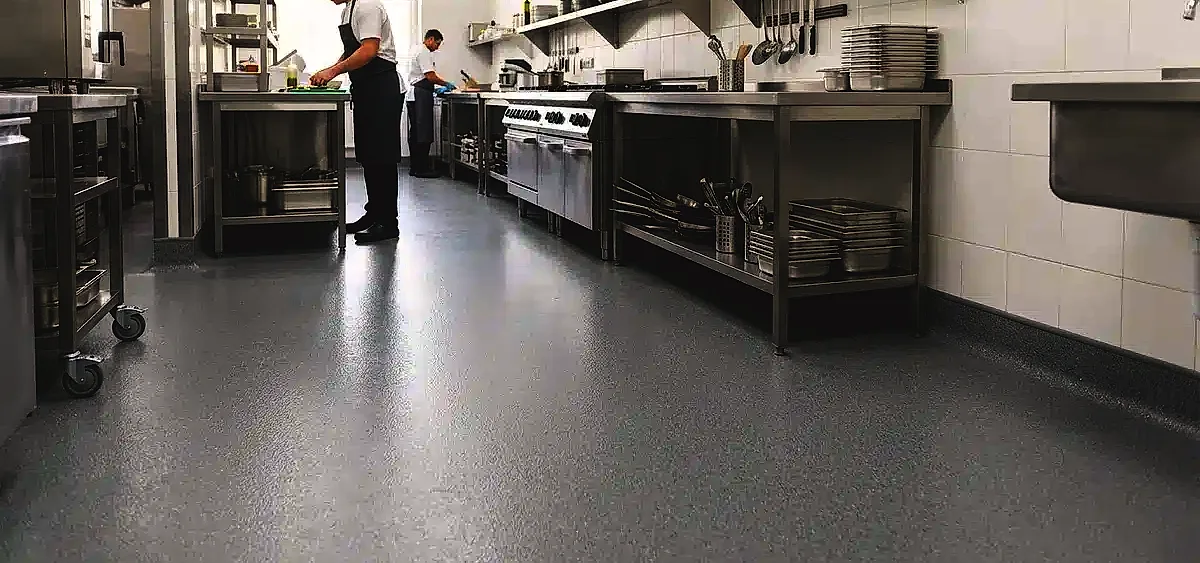
Commercial10 min read
Commercial Kitchen Floor Requirements in Florida
Operating a food service establishment in South Florida requires navigating a complex web of building and health codes.
Read it
Residential7 min read
Polished Concrete Garage Floor vs Epoxy: Pros and Cons
This process enhances the concrete’s durability and resistance to stains, making it suitable for high-traffic areas.
Read it
Residential7 min read
Matte Polished Concrete Floors: The Complete Guide for South Florida Homes
The technical measurement that categorizes these finishes relies on Gloss Unit (GU) readings.
Read it
Tell us about the floor
Tell us the space and roughly how big it is.We come back with what it would cost and when we could start.
Prefer to talk? Call +1 844-876-5474
- Leads@
nationalconcretepolishing.net - 2200 NW 32nd St #600,
Pompano Beach, FL 33069 Mon to Fri, 9:00 to 5:30