
The NCP blog
Is Epoxy Flooring Eco-Friendly? Environmental Impact Analysis
Epoxy & coatings11 min read
Eco-friendly epoxy flooring systems offer environmental advantages over traditional materials, including lower VOC emissions.
Epoxy flooring environmental impact has become a critical consideration for environmentally conscious property owners seeking sustainable building solutions in South Florida. Modern eco-friendly epoxy flooring systems offer significant environmental advantages over traditional materials, including 80% less landfill waste over a 20-year lifespan compared to vinyl alternatives and substantially lower volatile organic compound (VOC) emissions that improve indoor air quality. However, epoxy’s petroleum-based chemistry and non-biodegradable composition present legitimate environmental concerns that demand careful evaluation. National Concrete Polishing helps Pompano Beach, Fort Lauderdale, and Miami clients navigate these complexities by offering low-VOC formulations and sustainable installation practices that minimize environmental footprints while delivering the durability and performance Florida properties require in humid, high-traffic conditions.
Overview
This comprehensive environmental analysis examines epoxy flooring’s sustainability credentials from production through disposal. You’ll learn about VOC emissions and indoor air quality impacts, energy efficiency benefits from light reflectivity, longevity advantages that reduce material consumption, and emerging bio-based alternatives that improve environmental profiles. We’ll also explore how epoxy contributes to LEED certification, compare environmental impacts against traditional flooring materials, and provide guidance on selecting the most sustainable options for your specific application.
VOC Emissions and Indoor Air Quality
Volatile Organic Compounds (VOCs) represent the primary environmental and health concern associated with traditional epoxy flooring systems. These chemicals evaporate during and after installation, contributing to indoor air pollution, respiratory issues, and headaches in sensitive individuals. Conventional epoxy formulations historically contained high VOC levels that exceeded 300 grams per liter, creating significant indoor air quality challenges.
Modern low-VOC epoxy coatings now dominate the market, with formulations containing less than 50 grams per liter meeting stringent environmental standards. Some manufacturers offer zero-VOC products that emit virtually no harmful compounds, making them suitable for healthcare facilities, schools, and other sensitive environments. These advanced formulations maintain performance characteristics while dramatically improving indoor air quality and reducing environmental impact during application and curing phases.
Durability and Reduced Material Consumption
Epoxy flooring’s exceptional longevity provides its most significant environmental advantage through reduced material consumption over time. A properly installed epoxy floor lasts 15-20 years in residential applications and 10-15 years in commercial settings, compared to vinyl requiring replacement every 3-5 years, carpet every 5-7 years, and laminate every 8-10 years. This extended service life means one epoxy installation prevents five vinyl replacements, reducing landfill waste by 80% over two decades.
The durability advantage extends beyond lifespan to maintenance requirements—epoxy’s chemical resistance and seamless surface eliminate the need for frequent repairs, refinishing, or section replacements that burden other flooring types. This minimizes ongoing material consumption for maintenance and reduces the carbon emissions associated with manufacturing, transporting, and installing replacement materials throughout a building’s lifecycle.
Energy Efficiency Through Light Reflectivity
Epoxy flooring’s high light reflectivity creates measurable energy savings that reduce environmental impact throughout its service life. Polished epoxy surfaces reflect 60-90% of incident light, compared to 20-40% for carpet and 30-50% for vinyl flooring. This enhanced reflectivity reduces artificial lighting requirements by 20-30% in commercial and industrial facilities, directly lowering electricity consumption and associated carbon emissions.
The energy efficiency benefits prove particularly valuable in South Florida warehouses and commercial spaces where lighting represents significant operational costs. Bright, reflective epoxy surfaces improve visibility and safety while simultaneously reducing environmental footprint—a dual benefit that contributes to green building goals. In facilities operating 24/7, these lighting reductions accumulate to substantial energy and emissions savings over the floor’s multi-decade lifespan.
Manufacturing Energy Requirements
Epoxy flooring production requires significantly less energy than many traditional alternatives, contributing to lower overall environmental impact. Manufacturing epoxy resins and hardeners consumes approximately 40% less energy than ceramic tile production and 30% less than manufacturing luxury vinyl planking. The chemical synthesis processes for epoxy components have become increasingly efficient, with modern facilities recovering and reusing heat energy generated during polymerization.
However, epoxy’s petroleum-based chemistry means production ultimately relies on non-renewable fossil fuel feedstocks. This dependency creates environmental concerns regarding resource depletion and carbon emissions embedded in raw material extraction and processing. The industry’s shift toward bio-based epoxy alternatives derived from plant oils represents promising progress, though these sustainable formulations currently cost 30-50% more than conventional petroleum-based products.
Installation Process Environmental Impact
Professional epoxy installation minimizes environmental disruption compared to flooring options requiring extensive demolition or substrate modification. Epoxy applies directly over existing concrete slabs without additional underlayments, adhesives, or fasteners that introduce toxic compounds. This direct application approach eliminates waste from removed existing floors when installing over suitable concrete substrates.
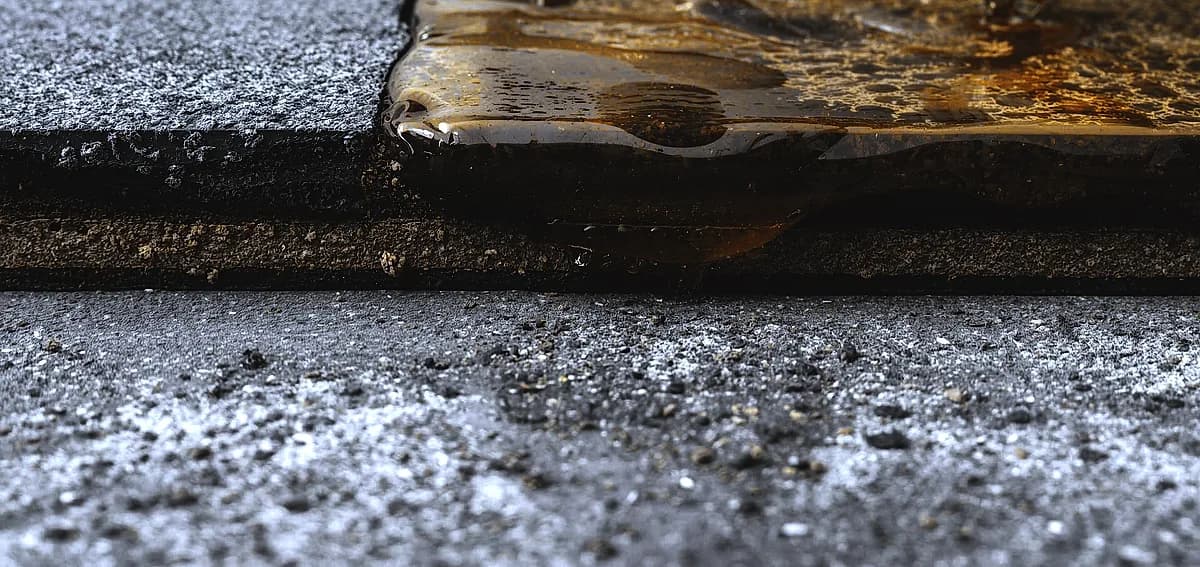
The surface preparation process, while generating dust and requiring mechanical grinding or shot blasting, produces recyclable concrete fines that can be repurposed as aggregate or fill material. Modern dust containment systems capture 99% of airborne particles during preparation, protecting indoor air quality and preventing environmental contamination. Water-based cleanup processes and low-VOC formulations further reduce installation’s environmental footprint compared to solvent-heavy alternatives.
LEED Certification Contributions
Epoxy flooring systems contribute to Leadership in Energy and Environmental Design (LEED) certification through multiple sustainability categories. Low-VOC formulations earn Indoor Environmental Quality credits by improving air quality and reducing occupant exposure to harmful emissions. The material’s durability and reduced replacement frequency contribute to Materials and Resources credits by minimizing waste generation and resource consumption.
Energy efficiency gains from light reflectivity support Energy and Atmosphere credits through reduced artificial lighting requirements. When installed over recycled content concrete or when using bio-based epoxy formulations, projects can earn additional materials credits. These combined contributions make epoxy flooring an effective tool for projects pursuing LEED Silver, Gold, or Platinum certification—increasingly important for commercial buildings in environmentally conscious markets.
Comparison with Traditional Flooring Materials
Environmental impact assessments reveal epoxy’s advantages and disadvantages compared to common alternatives. Vinyl flooring contains phthalates and other toxic plasticizers that off-gas throughout its life, requires petroleum-based production, and generates significant landfill waste due to 3-5 year replacement cycles. Carpet demands frequent replacement, uses substantial water and chemicals for cleaning, harbors allergens and microorganisms, and typically contains non-recyclable synthetic fibers.
Ceramic tile requires energy-intensive kiln firing that generates substantial carbon emissions, demands cement-based adhesives and grouts containing VOCs, and produces considerable waste from breakage during installation. Hardwood flooring depletes forest resources unless certified sustainable, requires periodic refinishing with toxic sealers, and demonstrates limited moisture resistance that shortens lifespan in humid climates. Compared to these alternatives, epoxy’s combination of longevity, low maintenance requirements, and modern low-VOC formulations generally offers superior overall environmental performance.
Bio-Based and Sustainable Epoxy Alternatives
Emerging bio-based epoxy formulations address petroleum dependency concerns by substituting plant-derived components for traditional fossil fuel feedstocks. These sustainable alternatives utilize vegetable oils from soybeans, linseed, or castor beans as epoxy precursors, reducing carbon footprint by 30-40% compared to conventional petroleum-based products. Bio-based epoxies maintain comparable performance characteristics while offering improved biodegradability at end-of-life.
Plant-based hardeners derived from renewable resources further enhance sustainability profiles, creating fully bio-based systems with significantly reduced environmental impact. However, these advanced formulations currently cost more and have limited availability compared to standard products. As production scales and technology matures, bio-based epoxies represent the future of truly sustainable flooring that delivers performance without petroleum dependence.
Recycling and End-of-Life Considerations
Epoxy’s thermoset chemistry presents challenges for recycling and disposal—once cured, the material cannot be melted and reformed like thermoplastic products. This non-biodegradable composition means removed epoxy floors typically end in landfills where they persist indefinitely without breaking down. The lack of recycling infrastructure for cured epoxy represents a legitimate environmental concern that the industry continues addressing.
Some epoxy removal processes grind removed material into fine powder that can serve as inert filler in new concrete or asphalt, providing limited recycling opportunities. Research into chemical recycling methods that break down cured epoxy into reusable components shows promise but remains commercially unavailable. The best current strategy involves maximizing floor lifespan through proper installation and maintenance, delaying disposal and spreading environmental impact across the longest possible service period.
Maintenance Impact on Environmental Footprint
Epoxy flooring’s minimal maintenance requirements significantly reduce ongoing environmental impact compared to alternatives demanding frequent intensive cleaning. The seamless, non-porous surface resists staining and requires only pH-neutral cleaners and water for routine maintenance, eliminating harsh chemical cleaners that harm aquatic ecosystems when entering wastewater streams. Simple sweeping and damp mopping suffice for regular maintenance, reducing water consumption and cleaning product usage.
Unlike carpet requiring periodic steam cleaning with chemical detergents or wood floors demanding toxic refinishing sealers every few years, epoxy eliminates maintenance activities with substantial environmental footprints. The occasional topcoat reapplication every 5-7 years represents the most significant maintenance intervention, using minimal materials to extend lifespan another decade and avoiding complete replacement.
Temperature Regulation and HVAC Efficiency
Epoxy flooring’s thermal properties influence building energy efficiency through heat transfer characteristics. Concrete substrates with epoxy coatings provide thermal mass that moderates indoor temperature fluctuations, reducing HVAC system cycling and associated energy consumption. This thermal stability proves particularly valuable in South Florida’s climate where temperature extremes stress cooling systems.
However, epoxy-coated concrete floors can feel cold in winter climates, potentially increasing heating requirements. In Florida’s year-round warm environment, this characteristic becomes an advantage by helping maintain comfortable temperatures without excessive air conditioning. The combination of thermal mass and light reflectivity creates measurable HVAC efficiency improvements that reduce carbon emissions throughout the building’s operational life.
Chemical Resistance and Contamination Prevention
Epoxy’s exceptional chemical resistance provides environmental protection by preventing hazardous substance infiltration into groundwater. The impermeable barrier formed by properly installed epoxy prevents oils, solvents, acids, and other chemicals from penetrating concrete and potentially reaching soil and aquifers. This containment capability makes epoxy particularly valuable in automotive facilities, manufacturing plants, and warehouses handling potentially hazardous materials.
The seamless surface eliminates joints and seams where contaminants could accumulate or penetrate, enhancing environmental protection beyond what segmented flooring systems provide. Easy spill cleanup and resistance to chemical degradation ensure the protective barrier remains intact throughout the floor’s service life, providing decades of environmental protection.
Regional Considerations for South Florida
Florida’s humid subtropical climate affects epoxy flooring’s environmental performance in ways that enhance sustainability advantages. The state’s year-round warmth accelerates degradation of many flooring alternatives—carpet molds, wood warps, and vinyl degrades quickly in persistent humidity and heat. Epoxy’s moisture resistance and chemical stability withstand these conditions without performance loss, maximizing lifespan and minimizing replacement frequency.
However, Florida’s intense UV exposure can yellow some epoxy formulations in outdoor or windowed applications, potentially shortening aesthetic lifespan. Professional contractors address this through UV-stabilized topcoats that maintain appearance while preserving the environmental benefits of extended service life. The climate’s impact on energy efficiency—where epoxy’s cooling properties provide year-round advantages—enhances overall environmental performance in South Florida applications.
Best Practices for Environmentally Conscious Installation
Maximizing epoxy flooring’s environmental benefits requires attention to product selection and installation practices. Choose low-VOC or zero-VOC formulations certified by Green Seal or GREENGUARD to minimize emissions. Select products containing recycled content or bio-based components when available to reduce petroleum dependence.
Work with professional contractors who employ dust containment systems during preparation and proper ventilation during application to minimize environmental impact. Plan installation timing to optimize curing conditions, reducing energy required for environmental controls. Proper moisture testing and surface preparation ensure maximum adhesion and longevity, extending service life and spreading environmental impact across the longest possible timeframe.
Cost-Benefit Analysis of Sustainable Options
Eco-friendly epoxy formulations typically cost 15-30% more than standard products, raising questions about sustainability’s financial impact. Low-VOC products add $0.50-$1.00 per square foot to material costs, while bio-based systems can increase expenses by $2.00-$3.00 per square foot. However, these premium formulations often deliver superior performance characteristics that extend lifespan and reduce maintenance costs.
The health benefits of improved indoor air quality and reduced occupant exposure to harmful chemicals provide value difficult to quantify but increasingly important to property owners and tenants. For commercial properties pursuing LEED certification, the sustainability credits earned through eco-friendly epoxy selection can contribute to higher building values and tenant appeal that justify premium costs. Over 20-year lifecycles, the marginal additional investment in sustainable formulations typically generates positive returns through performance and perception advantages.
Future Trends in Sustainable Epoxy Technology
The epoxy flooring industry continues developing innovations that improve environmental performance. Researchers work on fully biodegradable formulations that maintain performance while breaking down at end-of-life, addressing disposal concerns. Advances in bio-based chemistry promise products matching petroleum-based performance at competitive costs within 3-5 years.
Waterborne epoxy systems that eliminate organic solvents entirely represent another promising direction, though current formulations demonstrate limitations in demanding applications. Nanotechnology enhancements improve strength and longevity with minimal material additions, extending already impressive lifespans while reducing overall environmental footprint. As sustainability becomes increasingly central to building material selection, the epoxy industry’s innovation focus on environmental performance will continue accelerating.
Frequently Asked Questions
Is epoxy flooring eco-friendly?
Modern low-VOC epoxy offers significant environmental advantages through durability, energy efficiency, and reduced waste, though petroleum-based composition and non-biodegradability present legitimate concerns.
What are VOCs in epoxy flooring?
Volatile Organic Compounds are chemicals that evaporate during application, potentially harming indoor air quality; modern low-VOC formulations contain less than 50 g/L compared to 300+ g/L in traditional products.
How long does epoxy flooring last compared to other materials?
Epoxy lasts 15-20 years in residential settings versus 3-5 years for vinyl, 5-7 years for carpet, and 8-10 years for laminate, reducing waste by 80%.
Does epoxy flooring contribute to LEED certification?
Yes, epoxy earns points for Indoor Environmental Quality (low VOCs), Materials and Resources (durability), and Energy (light reflectivity) categories.
Can epoxy flooring be recycled?
Cured epoxy cannot be melted and reformed like plastics; some ground material can serve as inert filler, but true recycling infrastructure remains limited.
What are bio-based epoxy alternatives?
Plant-derived epoxies using vegetable oils reduce petroleum dependence and carbon footprint by 30-40% while maintaining performance, though costs are currently 30-50% higher.
How does epoxy flooring improve energy efficiency?
High light reflectivity (60-90%) reduces artificial lighting needs by 20-30%, lowering electricity consumption and associated carbon emissions.
Is epoxy flooring safe for indoor air quality?
Low-VOC and zero-VOC formulations emit minimal harmful compounds, making them suitable for healthcare facilities, schools, and other sensitive environments.
What maintenance does eco-friendly epoxy require?
Simple pH-neutral cleaners and water suffice for routine maintenance, eliminating harsh chemicals that harm ecosystems through wastewater discharge.
How does epoxy compare environmentally to polished concrete?
Both offer excellent sustainability, though polished concrete avoids petroleum-based chemistry while epoxy provides superior chemical resistance and moisture barriers.
Conclusion
Epoxy flooring environmental impact analysis reveals a complex sustainability profile that balances significant advantages against legitimate concerns. The material’s exceptional durability, energy efficiency benefits, and modern low-VOC formulations deliver measurable environmental benefits that outweigh most traditional flooring alternatives across full lifecycle assessments. However, petroleum dependence and end-of-life disposal challenges demand continued innovation toward bio-based formulations and recycling solutions. For South Florida property owners prioritizing sustainability, selecting low-VOC products from environmentally conscious manufacturers, working with professional installers who minimize waste, and maintaining floors properly to maximize lifespan represents the most environmentally responsible approach.
National Concrete Polishing specializes in eco-friendly epoxy installations throughout Pompano Beach, Fort Lauderdale, and Miami, helping clients achieve green building goals without compromising the performance Florida’s climate demands. Contact us today to discuss sustainable flooring solutions that balance environmental responsibility with the durability and functionality your property requires.
Written by

Founder and CEO
Chris Lavin is an esteemed leader in concrete polishing and epoxy coatings with a distinguished 20-year career. As founder and CEO of National Concrete Polishing and owner of Xtreme Polishing Systems, he's renowned for polishing and epoxy coating more floors than anyone globally. Chris is recognized for his innovative approach and commitment to enhancing floor durability and aesthetics. His hands-on experience and technical proficiency make him a respected authority and a valuable resource in the field of floor polishing and coatings.
Same topic
Related articles
All stories
Epoxy & coatings8 min read
DIY vs Professional Epoxy Flooring in Fort Lauderdale
Hardware stores heavily market all-in-one boxes that promise a showroom finish with minimal effort.
Read it
Epoxy & coatings8 min read
Can You DIY Epoxy Flooring in Miami? Pros, Cons, and Tips
Applying a durable floor finish in a tropical or highly humid climate presents unique environmental challenges.
Read it
Epoxy & coatings7 min read
DIY Epoxy Flooring in South Florida: Is It Worth the Risk?
However, these products generally contain high levels of water or solvents to extend their pot life.
Read it
Tell us about the floor
Tell us the space and roughly how big it is.We come back with what it would cost and when we could start.
Prefer to talk? Call +1 844-876-5474
- Leads@
nationalconcretepolishing.net - 2200 NW 32nd St #600,
Pompano Beach, FL 33069 Mon to Fri, 9:00 to 5:30