
The NCP blog
What Restaurants Need to Pass a Health Inspection Floor Check
Residential8 min read
It endures heavy foot traffic, dropped equipment, boiling water spills, and harsh degreasing chemicals daily.
According to the National Restaurant Association, nearly 30% of critical health code violations in 2026 involve improper facility maintenance, with flooring issues leading the pack. If you are operating a commercial kitchen, you may be wondering what exact standards inspectors use to evaluate your surfaces. We have the right article for you, covering the specific requirements for commercial restaurant floors, common health inspection pitfalls, and how to choose a fully compliant flooring system.
Why Commercial Flooring Matters to Health Inspectors
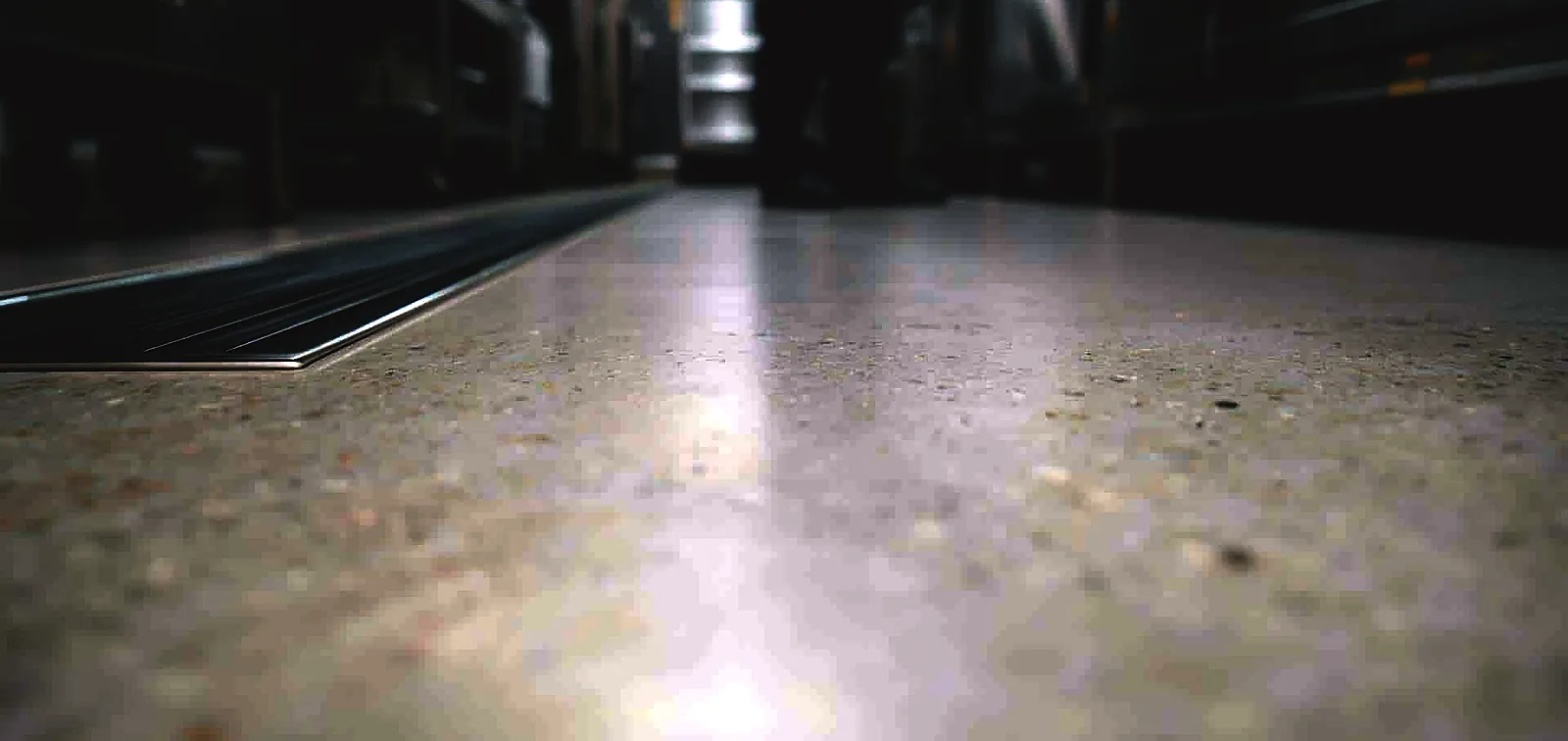
Health inspectors approach commercial kitchens with a strict focus on preventing foodborne illnesses and maintaining absolute hygiene. The floor of a restaurant is arguably the most abused surface in the building. It endures heavy foot traffic, dropped equipment, boiling water spills, and harsh degreasing chemicals daily. When a floor fails, it creates micro-environments where dangerous pathogens, such as Salmonella and Listeria, can thrive.
The U.S. Food and Drug Administration (FDA) outlines stringent physical facility requirements in its most recent Food Code updates. Specifically, surfaces must be constructed of materials that are non-absorbent and easily cleanable. A floor that absorbs moisture or fats will inevitably harbor bacteria, leading to persistent foul odors and health code violations.
“A seamless floor is the first line of defense against microbial growth in a busy kitchen environment,” explains Dr. Robert Harrison, a Food Safety Consultant at the Culinary Health Institute. “Inspectors will immediately target any surface that cannot be thoroughly sanitized during a standard washdown.”
Common Violations and Red Flags
Understanding what triggers a citation during a restaurant floor health inspection is essential for proactive facility management. Inspectors are trained to look for specific visual and structural indicators of poor hygiene.
Spalling and Surface Degradation
Spalling (flaking or chipping of the concrete surface) is a frequent issue in aging kitchens. When the top layer of a floor degrades, the exposed aggregate beneath becomes highly porous. This rough texture traps organic matter and makes standard mopping highly ineffective. Inspectors will almost always flag exposed, untreated concrete in food preparation or dishwashing areas.
Ponding and Improper Drainage
Standing water, commonly referred to as ponding, is a severe violation. “Inspectors actively look for ponding water, which indicates improper sloping to drains and creates breeding grounds for pathogens,” notes Sarah Jenkins, a Senior Health Inspector Trainer. A compliant floor must be expertly sloped toward floor drains so that liquids flow away seamlessly without pooling.
Failing Grout Lines
Many older restaurants still utilize traditional quarry tile. While the tiles themselves may be durable, the grout lines are notoriously problematic. Standard grout is porous and naturally absorbs fats, oils, and greases over time. As the grout degrades, it creates deep crevices that harbor bacteria. If an inspector notices blackened, missing, or crumbling grout, a citation is highly likely.
Evaluating Your Current Kitchen Floor
It is highly advisable to conduct a self-audit of your facility before an official inspection occurs. Facility managers should routinely evaluate the structural integrity of all back-of-house surfaces.
- Check all transitions: Inspect the areas where the flooring meets the walls, walk-in coolers, and floor drains. These transitions must be entirely seamless.
- Perform a water test: Pour a bucket of water near your primary drains. Observe whether the water flows naturally into the drain or if it creates small puddles. Puddles indicate failing slopes.
- Examine under equipment: Use a flashlight to inspect the flooring beneath fryers, ovens, and dishwashers. These low-visibility areas often hide significant chemical damage from grease accumulation.
- Test for porosity: Drop a small amount of water on a dry section of the floor. If the water darkens the surface and absorbs quickly, your sealer has failed and requires immediate replacement.
The Importance of an Integral Cove Base
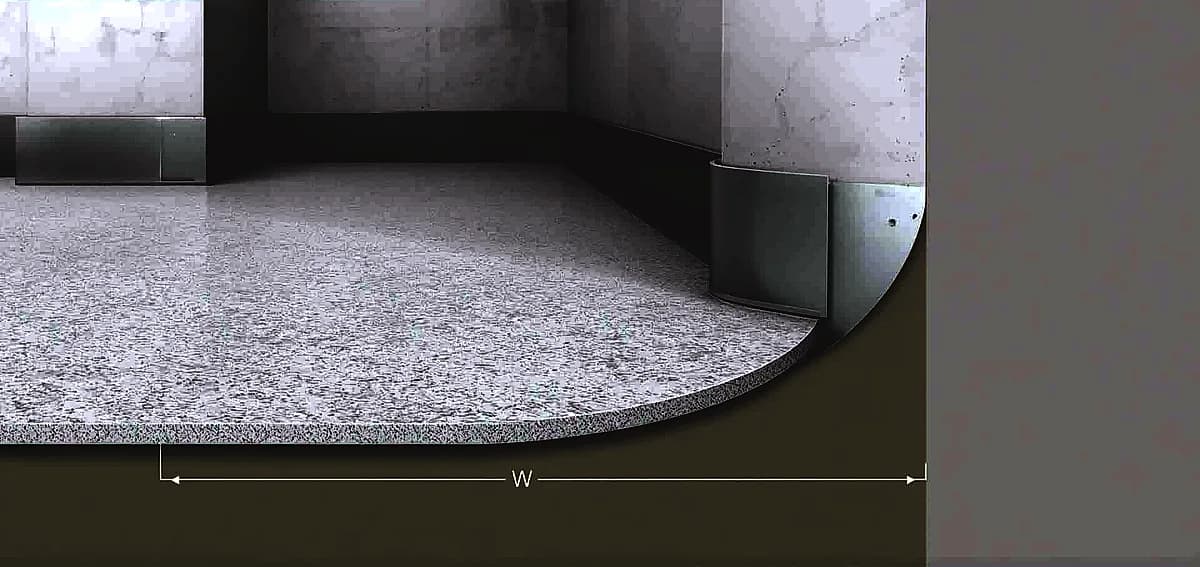
An integral cove base is one of the most critical elements of a compliant commercial kitchen. This is a seamless, curved transition built into the flooring material that extends up the wall, typically four to six inches. It eliminates the 90-degree angle where the floor meets the wall.
Without a cove base, dirt, grease, and contaminated water will accumulate in corners during washdowns. Standard baseboards or stick-on rubber coves are generally unacceptable in food preparation zones because liquids can seep behind them, rotting the drywall and breeding mold. Regulatory bodies like NSF International heavily emphasize seamless wall-to-floor integrations for any facility undergoing rigorous sanitation protocols. Industry data indicates that proper integral cove bases reduce overall daily cleaning times by up to 20%.
Top Flooring Systems for Commercial Kitchens
When selecting a new surface to pass a restaurant floor health inspection, facility owners must choose industrial-grade materials designed for extreme environments. Standard residential coatings or bare concrete will not survive.
Urethane Cement
Urethane cement is widely considered the gold standard for commercial kitchens. This material is uniquely formulated to handle thermal shock, which occurs when extreme temperature changes cause flooring materials to expand and contract rapidly. “Facility managers often underestimate thermal shock from high-temperature washdowns, which can delaminate standard coatings within months,” says Mark Thompson, an Industrial Materials Engineer. Urethane cement can typically withstand continuous temperatures up to 250 degrees Fahrenheit, making it ideal for areas under fryers and commercial dishwashers.
Commercial Epoxy Systems
Industrial epoxy coatings provide exceptional chemical resistance and durability. These systems create a completely seamless, non-porous surface that prevents bacterial growth. Epoxy is highly customizable, allowing installers to broadcast quartz or silica sand into the topcoat to create an aggressive slip-resistant texture. This improves worker safety while maintaining compliance with OSHA slip-and-fall prevention standards.
Polished Concrete (Front of House)
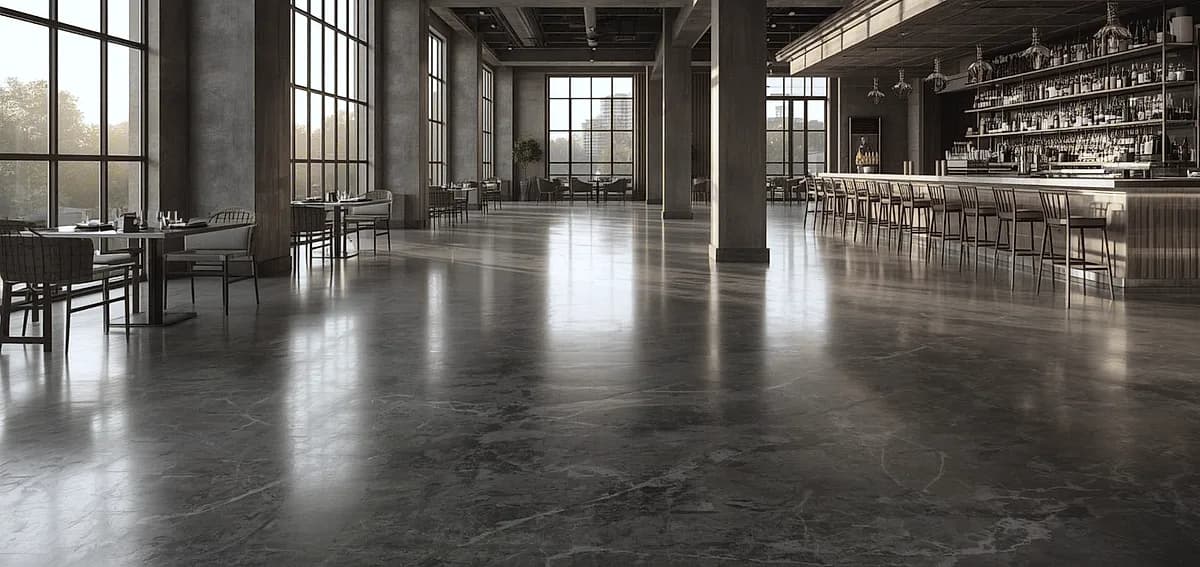
While urethane cement and heavy-duty epoxies dominate the back-of-house, polished concrete is an exceptional choice for dining areas, bars, and lobbies. Properly polished and sealed concrete densifies the surface, rendering it highly resistant to foot traffic and liquid spills while providing a modern, industrial aesthetic. It is essential to note that polished concrete in a commercial setting must be treated with appropriate stain-resistant sealers to meet sanitation standards.
Comparing Commercial Kitchen Floor Options
To help you make an informed decision, we have compiled a comparison of the most common commercial flooring systems used in the restaurant industry today.
| Flooring Type | Thermal Shock Resistance | Chemical Resistance | FDA Compliance Rating |
|---|---|---|---|
| Urethane Cement | Excellent (up to 250°F) | Excellent | Optimal |
| Industrial Epoxy | Moderate (up to 140°F) | Excellent | Optimal |
| Quarry Tile (with Grout) | Good | Poor (Grout vulnerability) | Moderate to Poor |
| Polished Concrete | Moderate | Good (requires sealer) | Acceptable for FOH |
Maintenance Protocols to Keep Floors Compliant
Installing the correct system is only the first step. Proper daily maintenance is critical to ensuring your floors remain compliant year after year. The Centers for Disease Control and Prevention (CDC) highlights that routine sanitation of non-food contact surfaces significantly reduces the risk of cross-contamination.
Facility managers should implement a strict daily cleaning regimen. It is essential to use enzymatic cleaners or degreasers specifically formulated for commercial environments. Avoid using bleach on epoxy or concrete coatings daily, as high concentrations of caustic chemicals can prematurely dull the surface and strip away protective topcoats.
Additionally, utilize stiff-bristled deck brushes to agitate grease build-up, followed by a thorough squeegee process to direct water into the drains. Never leave standing water to dry naturally on the surface. For deep cleaning, periodic hot-water pressure washing is advisable, provided your flooring system is rated for thermal shock.
Frequently Asked Questions
What does a health inspector look for on a restaurant floor?
Health inspectors primarily look for a surface that is smooth, completely non-absorbent, and free of cracks or crevices. They check for standing water that indicates poor drainage and inspect the junction where the floor meets the wall to ensure there is no buildup of organic waste.
Can I use standard paint or DIY epoxy in a commercial kitchen?
No, standard paints or over-the-counter DIY epoxy kits will fail rapidly under the harsh conditions of a commercial kitchen. These environments require industrial-grade resins or urethane cement designed specifically to withstand extreme heat, aggressive degreasers, and heavy physical impacts.
What is an integral cove base and why is it required?
An integral cove base is a seamless upward curve built directly into the floor covering, extending several inches up the wall. It is generally required by health codes because it eliminates sharp 90-degree corners where dirt, grease, and bacteria typically accumulate.
How often should commercial kitchen flooring be replaced?
A professionally installed urethane cement or heavy-duty epoxy system typically lasts between 7 and 12 years before requiring resurfacing. However, this lifespan depends heavily on proper daily maintenance and the volume of traffic the kitchen experiences.
Are quarry tiles still acceptable for restaurant kitchens?
While quarry tiles themselves are acceptable, the porous grout lines between them frequently fail and lead to severe health code violations. Many modern facilities are replacing tile entirely with seamless resinous coatings to eliminate grout maintenance entirely.
How does thermal shock damage commercial floors?
Thermal shock occurs when a cold floor is suddenly exposed to boiling water or steam, causing the concrete and coating to expand at different rates. This rapid movement can cause traditional flooring materials to crack, buckle, and delaminate from the concrete substrate.
Is polished concrete safe for the back-of-house?
Polished concrete is generally not recommended for the back-of-house or food preparation areas because acidic foods and harsh degreasers can etch the surface over time. It is, however, an excellent, durable, and highly compliant option for front-of-house dining areas.
How long does it take to install a compliant urethane cement floor?
Professional installation of a urethane cement floor typically takes two to four days, depending on the necessary concrete preparation and curing times. Our teams work diligently to minimize facility downtime while ensuring a flawless, compliant finish.
Conclusion
Preparing for a restaurant floor health inspection requires more than just a deep clean; it requires a structural commitment to hygiene. By understanding FDA guidelines, identifying early signs of surface failure, and investing in seamless flooring systems like urethane cement, facility managers can completely eliminate the risk of floor-related citations. Proper flooring protects your staff, your customers, and your business’s reputation in the highly competitive hospitality industry. If you need professional guidance evaluating your current surface or planning an upgrade, contact us today to speak with an experienced commercial flooring contractor.
References
- U.S. Food and Drug Administration (FDA) – Food Code Guidelines
- National Restaurant Association – Industry Operations Data
- Centers for Disease Control and Prevention (CDC) – Environmental Health
- NSF International – Public Health and Safety Standards
- Occupational Safety and Health Administration (OSHA) – Walking-Working Surfaces
Written by

Founder and CEO
Chris Lavin is an esteemed leader in concrete polishing and epoxy coatings with a distinguished 20-year career. As founder and CEO of National Concrete Polishing and owner of Xtreme Polishing Systems, he's renowned for polishing and epoxy coating more floors than anyone globally. Chris is recognized for his innovative approach and commitment to enhancing floor durability and aesthetics. His hands-on experience and technical proficiency make him a respected authority and a valuable resource in the field of floor polishing and coatings.
Same topic
Related articles
All stories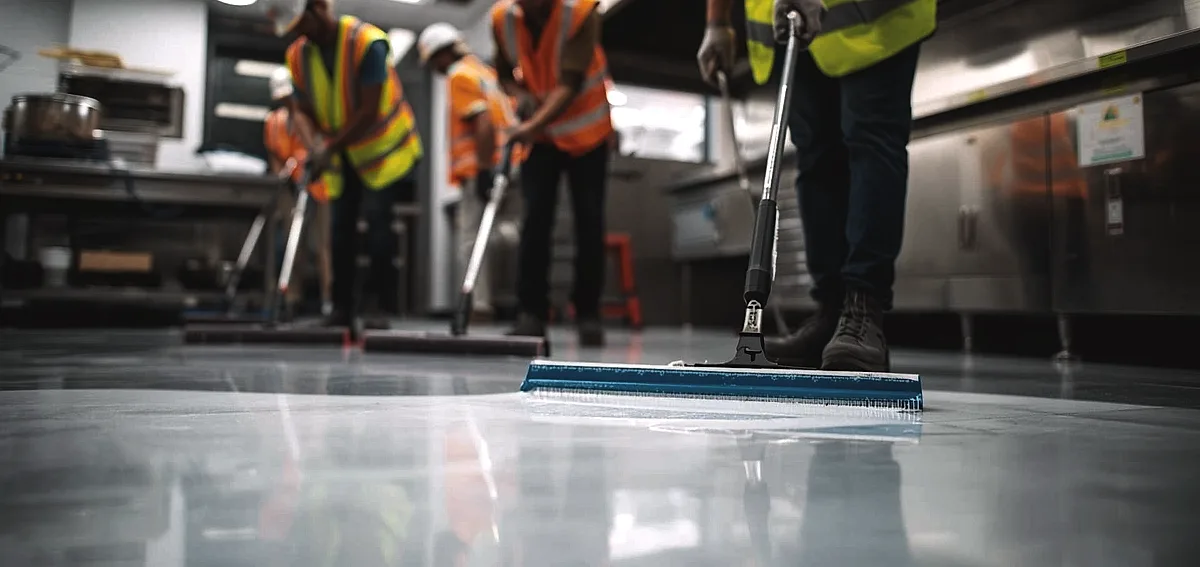
Residential9 min read
How Restaurants Replace Their Floors Without Closing for Long
The average food service establishment loses approximately $3,500 in daily revenue during unexpected closures in 2026.
Read it
Residential8 min read
Where Polished Concrete Beats Epoxy in a Home (and Where It Doesn’t)
Before evaluating specific rooms, it is essential to understand how these two flooring systems function.
Read it
Residential7 min read
What Makes a Floor Coating Safe for Kids, Pets, and Allergy Sufferers
Off-gassing can trigger respiratory distress, headaches, and asthma symptoms in sensitive individuals.
Read it
Tell us about the floor
Tell us the space and roughly how big it is.We come back with what it would cost and when we could start.
Prefer to talk? Call +1 844-876-5474
- Leads@
nationalconcretepolishing.net - 2200 NW 32nd St #600,
Pompano Beach, FL 33069 Mon to Fri, 9:00 to 5:30