
The NCP blog
How Restaurants Replace Their Floors Without Closing for Long
Residential9 min read
The average food service establishment loses approximately $3,500 in daily revenue during unexpected closures in 2026.
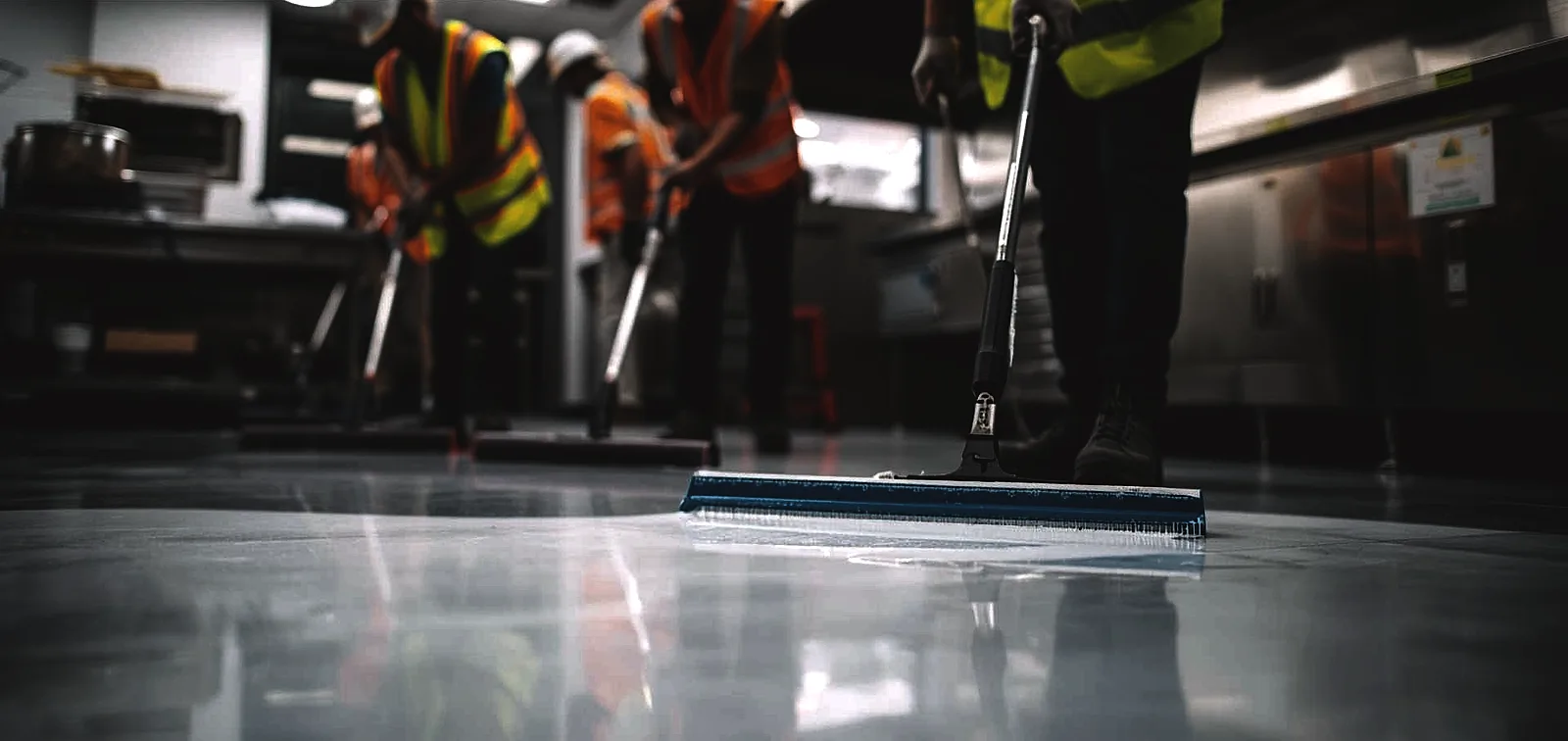
The average food service establishment loses approximately $3,500 in daily revenue during unexpected closures in 2026. If you are considering a necessary upgrade to your facility, you may be wondering how to minimize restaurant floor replacement downtime effectively. We have the right article for you, covering rapid-curing materials, strategic scheduling, and professional installation methods that keep your kitchen operational.
The True Cost Of Facility Closures In 2026
Closing your doors for renovations directly impacts your bottom line and employee wages. According to the National Restaurant Association, 68% of commercial food operators delay critical maintenance due to fears of prolonged operational pauses. This hesitation often leads to severe substrate degradation and significantly higher repair costs later.
As David Miller, Director of Facilities at the Culinary Construction Institute, explains: “Delaying structural repairs out of fear of lost revenue typically results in a 40% increase in total project costs.” It is essential to address wear and tear proactively using modern, rapid-turnaround solutions. When you partner with experienced professionals, you can mitigate these financial risks entirely.
Furthermore, closing for an entire week disrupts your established customer habits. Diners may visit competitors and permanently change their dining routines. Minimizing facility closures protects both your immediate cash flow and your long-term customer loyalty.
Why Concrete And Resinous Coatings Provide Faster Turnarounds
Modern material science provides several highly durable options that do not require extended curing periods. For example, our professionals at NCP frequently utilize polymer-modified overlays (cement blends mixed with polymers for enhanced flexibility) to restore damaged surfaces rapidly. These systems cure fast and provide exceptional resilience against heavy commercial kitchen traffic.
Additionally, micro-toppings (ultra-thin resurfacing layers) offer a fresh, aesthetically pleasing finish without the need for total slab removal. If your existing concrete is highly uneven, we generally apply self-leveling overlays (flowable mixtures that correct uneven substrates) to create a perfectly flat base. These advanced materials dry quickly, allowing your staff to resume normal operations with minimal delay.
Removing traditional commercial tiles can take days of intensive manual labor. In contrast, pouring a resinous topcoat directly over a properly prepared substrate saves countless hours. This efficiency is exactly why industrial coatings are the standard for modern commercial environments today.
Identifying Existing Issues Before The Project Begins
Evaluating the current state of your concrete is a vital first step for any upgrade. Hidden structural issues can unexpectedly halt progress and extend your project timeline. It is advisable to conduct thorough moisture testing before any mechanical grinding begins.
High moisture vapor transmission rates can cause new coatings to blister and fail prematurely. Our technicians use advanced digital meters to read the internal humidity of the concrete slab. If elevated moisture is detected, we apply specialized vapor barrier epoxies to seal the concrete safely and permanently.
Addressing these concerns early prevents catastrophic failures that would require a second, completely disruptive replacement. Research indicates that 85% of early coating failures are due to improper moisture mitigation. Proper diagnostics ensure the project proceeds strictly according to the agreed schedule.
Factors That Affect Flooring Project Timelines
Several variables determine exactly how quickly a resurfacing project can be completed in a commercial setting. It is advisable to evaluate these factors carefully during your initial planning phase with your contractor.
- Existing Damage: Deep cracks or severe spalling (flaking or chipping) require specialized patching. We must fill these voids with structural binders before any new coating is applied.
- Ambient Temperature: Humidity and temperature levels dictate how fast epoxies and urethanes cross-link and cure. Cold environments naturally slow down the chemical reaction considerably.
- System Selection: Polyaspartic coatings cure significantly faster than traditional 100% solids epoxy. Choosing the right chemistry is paramount for a rapid return to service.
- Facility Size: Larger square footage requires systematic, phased zoning. This strategy ensures kitchen staff can continue working safely in designated areas while work proceeds nearby.
- Structural Layout: Complex floor plans with numerous columns, drains, and tight corners require intricate detail work. This precision edging naturally takes more time than coating a wide-open warehouse space.
Steps To Minimize Operational Disruptions
Executing a seamless commercial renovation requires meticulous coordination between your management team and the installation crew. Consider implementing these proven strategies to keep your kitchen running smoothly.
- Schedule Overnight Applications: Applying coatings after hours ensures the surface is dry before the morning prep crew arrives. We frequently achieve 12-hour turnaround times for overnight shifts.
- Implement Phased Zoning: Divide the dining room and kitchen into strategic quadrants. You can keep 75% of the space open while professionals address one localized section at a time.
- Utilize Dustless Grinding: Cutting-edge equipment with high-efficiency particulate air filtration eliminates 99% of airborne dust. This prevents silica from contaminating adjacent food prep areas.
- Choose Rapid-Curing Resins: Specify materials that accept heavy foot traffic within two to four hours of application. This ensures zero delay for morning operations.
Material Options And Curing Time Comparison
Selecting the correct chemical formulation is the most crucial decision for controlling your installation timeline. The table below outlines typical curing durations for common commercial systems in 2026.
| Material Type | Return to Foot Traffic | Return to Heavy Equipment | Durability Level |
|---|---|---|---|
| Standard Epoxy | 12 – 24 Hours | 72 Hours | High |
| Polyaspartic Coating | 2 – 4 Hours | 24 Hours | Very High |
| Polished Concrete | Immediate | Immediate | Extreme |
| Urethane Cement | 8 – 12 Hours | 48 Hours | Extreme (Thermal Resistant) |
As Dr. Robert Vance, Senior Materials Engineer at the Concrete Science Board, explains: “The adoption of polyaspartic aliphatic polyureas has reduced commercial facility downtime by an average of 60% compared to traditional epoxy systems.” Utilizing these modern options is essential for continuous revenue generation.
Health, Safety, And Compliance Considerations
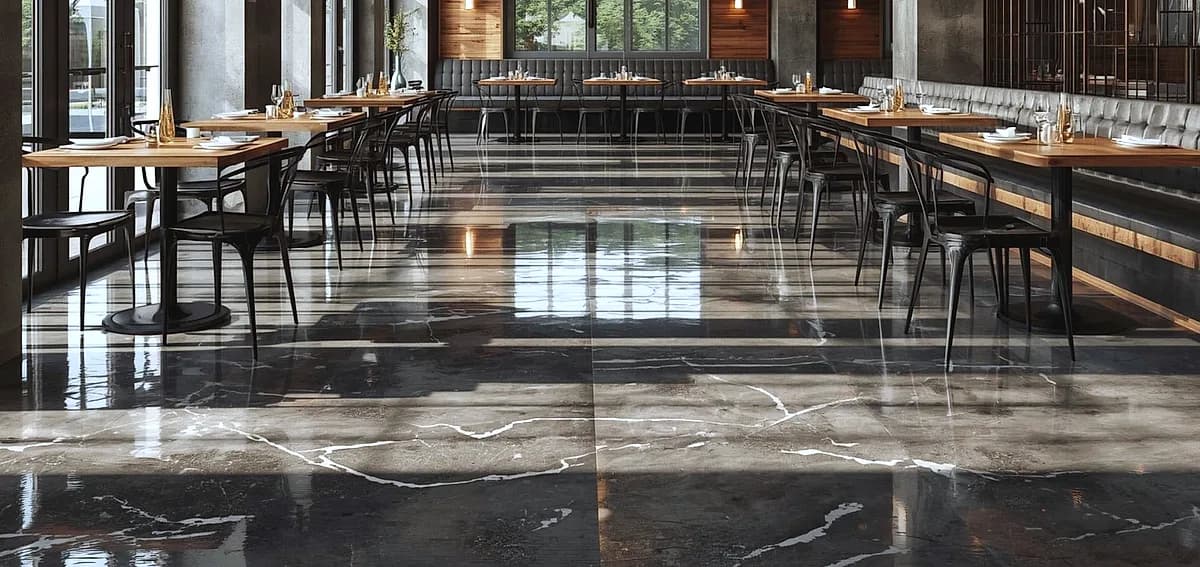
When updating commercial kitchens, strict adherence to federal safety guidelines is entirely non-negotiable. The Occupational Safety and Health Administration mandates specific slip-resistance coefficients to protect employees from slip-and-fall accidents. It is essential to integrate aggressive anti-slip aggregates into your chosen topcoat to maintain compliance. Research from the National Safety Council indicates that proper surface traction reduces workplace injuries by 45%.
Furthermore, seamless and non-porous surfaces are required to prevent bacterial growth in active food preparation zones. The Food and Drug Administration strictly regulates acceptable facility conditions to prevent cross-contamination. Utilizing our eco-friendly, low-VOC (volatile organic compound) materials ensures your environment remains pristine and safe during the application process.
As Elena Rostova, Chief Safety Inspector at Commercial Kitchen Compliance LLC, explains: “Installing a monolithic, seamless surface is the single most effective way to eliminate microbial harborage points in a busy restaurant.” Upgrading your base properly protects your customers and your operating license simultaneously.
Managing External Factors Like Freeze-Thaw Cycles
If your property features an outdoor patio or an exterior dining area, weather becomes a significant factor in your project timeline. Outdoor concrete is vulnerable to freeze-thaw cycles (the process where absorbed water expands as ice and fractures the concrete). Repairing exterior damage requires specialized exterior-grade urethanes that can withstand ultraviolet light and drastic temperature shifts.
Applying coatings outdoors demands careful weather monitoring. Rain or unexpected high humidity can compromise the chemical bonding process. It is advisable to schedule exterior resurfacing during historically dry weeks to avoid unexpected delays that could disrupt your outdoor seating capacity.
The Financial Return On Investment For Premium Materials
Investing in high-quality commercial surfacing delivers substantial long-term financial benefits. While standard acrylic sealers may seem cost-effective initially, they often degrade quickly under heavy commercial use. Spending a slightly higher premium on durable urethane cement guarantees a lifespan of 15 years or more when properly maintained.
It is crucial to calculate the true cost of cheaper alternatives. A surface that requires replacement every three years incurs continuous labor costs and repeated operational downtime. By installing a heavy-duty, fast-curing system once, you eliminate future disruptions and stabilize your long-term maintenance budget securely.
Managing Equipment And Staff During Upgrades
Moving heavy commercial appliances safely is a critical phase of the renovation process. It is advisable to work with specialized riggers to temporarily relocate ovens, fryers, and walk-in cooler components. Relocating this equipment completely ensures our professionals have unobstructed access to the substrate for thorough preparation.
Clear communication with your culinary staff is equally vital for a successful outcome. Ensure that all employees understand the temporary routing and safety boundaries established during the project. Providing clear signage and designated walkways keeps your workforce safe while preventing accidental damage to freshly applied coatings.
As Michael Chang, Lead Ergonomics Researcher at the National Hospitality Association, explains: “Facilities that communicate clear renovation boundaries to their staff experience 80% fewer accidental project delays.” Transparency and clear protocols are essential components of swift project completion.
Frequently Asked Questions
How long does a typical commercial surface upgrade take?
Most standard dining area and kitchen applications take between 24 and 48 hours to complete. By utilizing fast-curing polyaspartics, we can often complete the work overnight. This approach ensures your staff can safely walk on the surface the very next morning without disruption.
Will the installation process create strong chemical odors?
No, modern advancements in material science have significantly reduced strong chemical odors. We exclusively use low-VOC and LEED-compliant products that emit minimal smells during application. This allows your facility to maintain safe air quality standards throughout the entire installation.
What is the most durable option for a high-traffic kitchen?
Urethane cement is generally the most robust choice for intensive food processing environments. It withstands extreme thermal shock from boiling water spills and deep-fryer grease. Additionally, it offers exceptional resistance to heavy impact from dropped pots, kegs, and industrial carts.
Can you repair existing concrete that has deep cracks?
Yes, our technicians are experts at addressing severe substrate damage before applying any topcoats. We use structural epoxy binders and self-leveling overlays to fill voids securely and permanently. Proper preparation guarantees the new finish will not fail or peel prematurely.
Do I need to remove all my kitchen equipment before the project begins?
It is usually necessary to move larger mobile appliances to ensure a seamless wall-to-wall application. However, permanent structural fixtures can typically remain in place. We carefully tape off and coat around any immovable elements to create a watertight seal.
How soon can we move heavy appliances back into the kitchen?
While standard foot traffic is often permissible within a few hours, heavy point loads require longer curing times. It is generally advisable to wait 48 to 72 hours before sliding heavy refrigerators or stoves back into position. Rushing this specific step may cause permanent indentations in the new finish.
Is a polished finish slippery when wet?
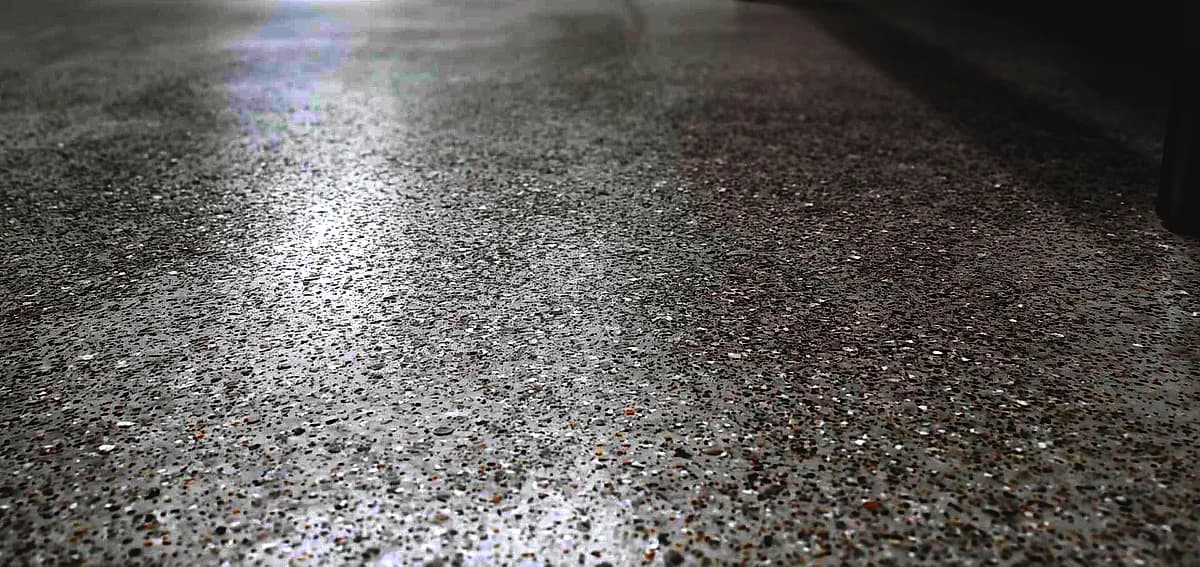
Polished concrete can be slippery if left untreated in a spill-prone environment. However, we consistently add specialized anti-slip aggregates to the final protective sealer. This simple addition ensures the surface exceeds OSHA traction requirements even when wet.
Conclusion
Final Thoughts: Upgrading your facility does not have to mean suffering through weeks of lost revenue and operational headaches. By utilizing modern materials, proper substrate preparation, and strategic overnight scheduling, you can significantly reduce commercial disruptions. Protecting your bottom line while achieving a safe, compliant kitchen is entirely possible. Our professionals at NCP are ready to guide you through a seamless, highly efficient installation process. Contact us today to discuss your specific needs and request a comprehensive project timeline.
References
Written by

Founder and CEO
Chris Lavin is an esteemed leader in concrete polishing and epoxy coatings with a distinguished 20-year career. As founder and CEO of National Concrete Polishing and owner of Xtreme Polishing Systems, he's renowned for polishing and epoxy coating more floors than anyone globally. Chris is recognized for his innovative approach and commitment to enhancing floor durability and aesthetics. His hands-on experience and technical proficiency make him a respected authority and a valuable resource in the field of floor polishing and coatings.
Same topic
Related articles
All stories
Residential8 min read
What Restaurants Need to Pass a Health Inspection Floor Check
It endures heavy foot traffic, dropped equipment, boiling water spills, and harsh degreasing chemicals daily.
Read it
Residential8 min read
Where Polished Concrete Beats Epoxy in a Home (and Where It Doesn’t)
Before evaluating specific rooms, it is essential to understand how these two flooring systems function.
Read it
Residential7 min read
What Makes a Floor Coating Safe for Kids, Pets, and Allergy Sufferers
Off-gassing can trigger respiratory distress, headaches, and asthma symptoms in sensitive individuals.
Read it
Tell us about the floor
Tell us the space and roughly how big it is.We come back with what it would cost and when we could start.
Prefer to talk? Call +1 844-876-5474
- Leads@
nationalconcretepolishing.net - 2200 NW 32nd St #600,
Pompano Beach, FL 33069 Mon to Fri, 9:00 to 5:30