
The NCP blog
What Makes a Floor Coating Safe for Kids, Pets, and Allergy Sufferers
Residential7 min read
Off-gassing can trigger respiratory distress, headaches, and asthma symptoms in sensitive individuals.
The Environmental Protection Agency reports that indoor air pollutant levels can be two to five times higher than outdoor levels in 2026. If you are upgrading your home flooring, you may be wondering how to protect your family from harmful chemical fumes and dangerously slippery surfaces. We have the right article for you, covering the essential criteria for selecting a high-quality, family safe floor coating that prioritizes the health of children, pets, and allergy sufferers.
Understanding Volatile Organic Compounds and Off-Gassing
To evaluate flooring safety, it is essential to understand Volatile Organic Compounds. These are industrial chemicals that evaporate at room temperature. The release of these trapped chemical vapors is known as off-gassing. Off-gassing can trigger respiratory distress, headaches, and asthma symptoms in sensitive individuals.
Older flooring systems often rely on solvent-based formulas that release high levels of VOCs for weeks after installation. Modern eco-friendly materials have shifted toward high-solids or water-based compositions. These updated formulas drastically reduce emission levels. As Dr. Richard Shaughnessy, Director of the Indoor Air Program at the University of Tulsa, explains: “Source control through the selection of low-emission building materials is the most effective strategy to maintain healthy indoor air quality.”
When selecting your materials, look for products certified as low-VOC or zero-VOC. The Asthma and Allergy Foundation of America notes that eliminating indoor irritants is the first line of defense against chronic flare-ups. A family safe floor coating will typically feature a solids content of 90 to 100 percent, meaning almost no solvents evaporate into your home environment.
Top Features of a Child- and Pet-Friendly Floor Coating
Safety extends far beyond chemical emissions. A reliable residential surface must withstand the daily rigors of family life without creating physical hazards. Children and pets spend a significant amount of time near the ground, making the physical properties of your flooring critical.
- Slip Resistance: Smooth surfaces become dangerous when wet. Safe installations incorporate anti-slip additives like quartz sand or aluminum oxide. These additives increase the dynamic coefficient of friction (DCOF). Industry standards from ASTM International recommend a DCOF of 0.42 or higher for level indoor surfaces.
- Seamless Application: Traditional tile features grout lines that trap dirt, pet dander, and moisture. Seamless flooring eliminates these hiding spots. This continuous surface prevents the accumulation of allergens and stops mold growth in its tracks.
- Impact and Chemical Resistance: Dropped toys and spilled household cleaners can damage weak floors. Industrial-grade resins resist chipping and prevent hazardous spalling (flaking or chipping of the concrete surface).
- Antimicrobial Properties: Many modern polymer-modified overlays include built-in antimicrobial agents. These components actively resist bacterial growth, keeping the surface inherently sanitary.
Comparing Popular Floor Coating Options
Not all concrete finishes provide the same level of health and safety benefits. Homeowners typically choose between traditional epoxy, polyaspartic coatings, and mechanically polished concrete. Each system offers distinct advantages regarding air quality and durability.
Traditional epoxy is cost-effective and highly durable. Some older epoxy formulas have higher VOC levels and longer curing times. Polyaspartic coatings are advanced synthetic resins that cure up to four times faster than epoxy. They typically offer excellent UV stability and very low emissions. Polished concrete involves mechanically grinding and densifying the bare concrete slab. This process utilizes no topical coatings, resulting in zero off-gassing.
| Flooring System | VOC Levels | Cure Time for Foot Traffic | Allergen Resistance |
|---|---|---|---|
| Traditional Epoxy (100% Solids) | Low | 24 to 48 hours | High |
| Polyaspartic Coating | Very Low to Zero | 4 to 12 hours | High |
| Polished Concrete | Zero | Immediate | Maximum |
Factors That Affect Floor Safety and Curing
Even the safest materials require correct application to function properly. The installation environment directly dictates how effectively the floor cures and stabilizes. Improper curing can lead to extended off-gassing periods or weakened surface integrity.
- Temperature and Humidity: Chemical reactions dictate the curing process. High humidity can cause moisture entrapment, leading to a cloudy finish known as blushing. Contractors monitor ambient conditions closely to ensure optimal bonding.
- Ventilation Quality: Active airflow dilutes any transient odors during the installation phase. Establishing cross-ventilation ensures that minor fumes dissipate swiftly.
- Curing Timelines: Respecting the manufacturer’s specified cure time is vital. Walking or driving on a partially cured floor compromises the structural integrity and creates safety hazards.
Steps to Ensure a Safe Floor Coating Installation
Achieving a safe and durable floor requires a methodical approach. Skipping steps in the preparation phase often results in early failure and safety risks. Here is the process professional installers follow to guarantee a secure environment.
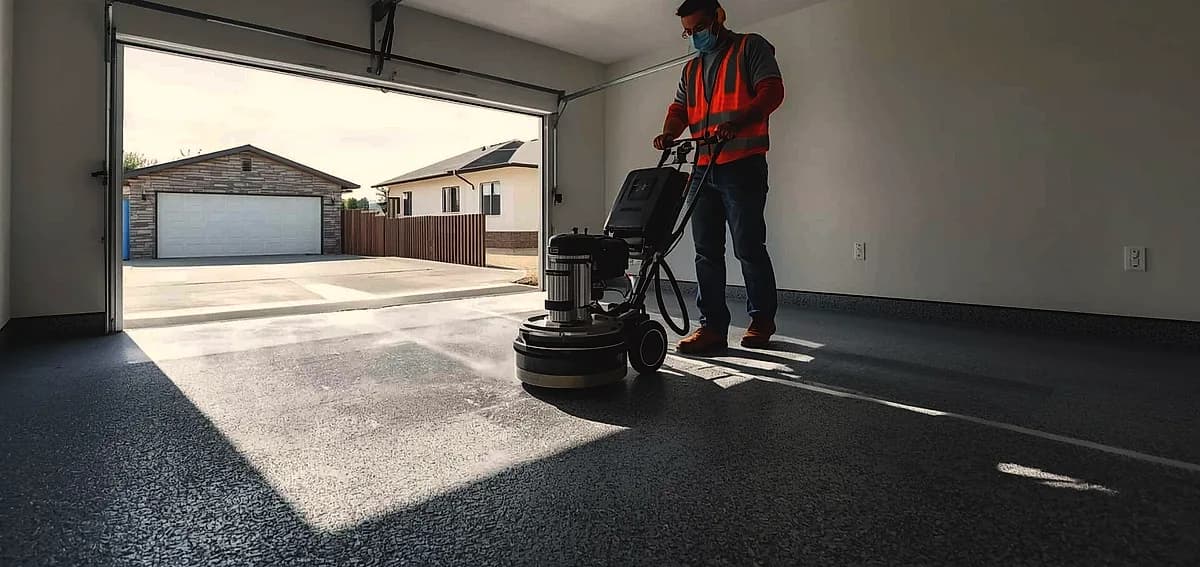
- Mechanical Substrate Preparation: We begin by mechanically profiling the concrete. This involves using diamond grinders to prepare the substrate, opening the concrete pores for maximum adhesion. This mechanical process is far safer and more effective than outdated acid etching, which introduces hazardous chemicals into the home.
- Moisture Mitigation Testing: Concrete acts like a sponge. Installers conduct calcium chloride testing or use relative humidity probes to check moisture vapor transmission rates. If moisture levels are too high, we apply specialized moisture vapor barrier epoxies to prevent future peeling or mold growth.
- Applying Low-Emission Base Coats: The foundational layer establishes the bond. Using 100 percent solids epoxy or high-grade polyurea prevents toxic fumes from permeating the living spaces above the garage or basement.
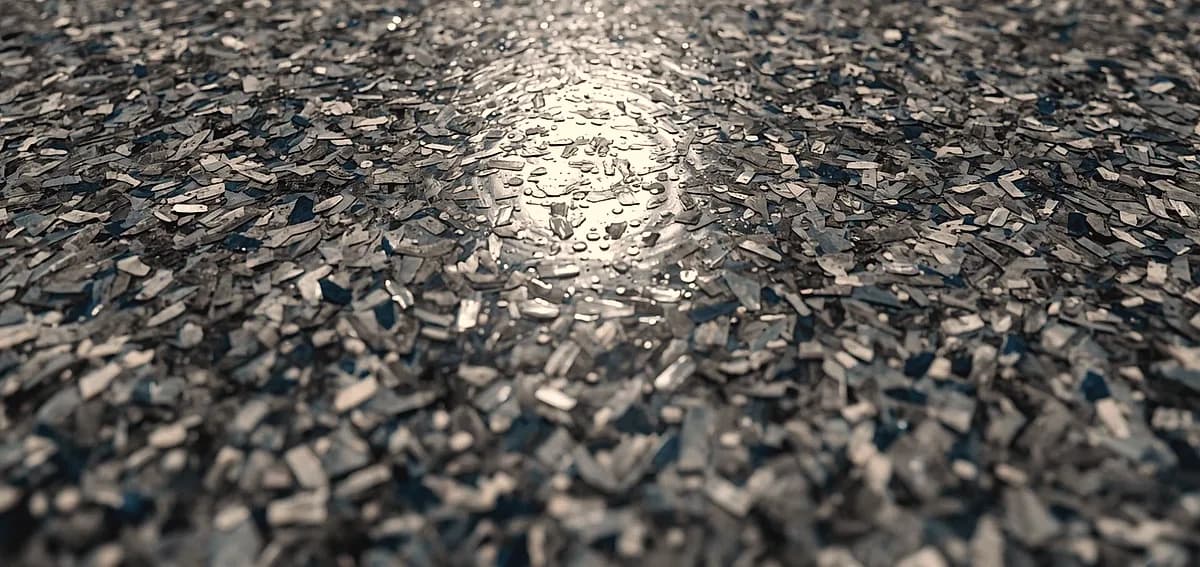
- Broadcasting Slip-Resistant Media: While the base coat is wet, installers broadcast vinyl flakes, silica sand, or glass beads. This texture creates the necessary friction to prevent slip-and-fall accidents, an essential feature for a family safe floor coating.
- Sealing with UV-Stable Topcoats: The final step locks in the texture and protects the floor from chemical spills. Polyaspartic topcoats cure rapidly, sealing the floor tight and allowing families to return to normal activities quickly.
Benefits of Choosing LEED-Compliant Flooring Systems
Leadership in Energy and Environmental Design (LEED) is a globally recognized green building certification system. While typically associated with commercial properties, utilizing LEED-compliant practices in residential applications offers tremendous benefits. These standards prioritize human health, sustainability, and material safety.
By opting for LEED-compliant materials, you drastically reduce your household’s exposure to harsh toxins. These eco-friendly practices emphasize the use of recycled materials, low-emitting resins, and sustainable maintenance routines. According to 2026 industry data, residential flooring renovations that incorporate sustainable materials yield a higher return on investment and increase overall property value.
Furthermore, cleaning a seamless, non-porous floor requires no harsh industrial detergents. Warm water and a pH-neutral cleaner are sufficient to maintain a sterile environment. This reduction in chemical cleaner usage further protects children and pets from unnecessary toxic exposure.
Frequently Asked Questions
Are epoxy fumes dangerous to inhale?
Fumes from high-VOC solvent-based epoxies can cause dizziness and respiratory irritation. It is essential to use 100 percent solids or water-based systems for indoor residential spaces. Once fully cured, modern industrial resins emit zero fumes and are completely inert.
How long should my pets stay off a newly coated floor?
You should keep pets off the surface until the topcoat has reached a full chemical cure. For polyaspartic systems, this typically takes 12 to 24 hours. For traditional epoxy setups, it is advisable to wait at least 48 to 72 hours to prevent paw prints and ensure chemical safety.
Can concrete floor coatings trigger asthma attacks?
Fully cured seamless floors actually help asthma sufferers by eliminating places where dust mites, pollen, and pet dander gather. However, the installation process can create temporary dust and odors. Sensitive individuals should remain out of the immediate work area during mechanical profiling and active application.
What makes a floor coating slip-resistant?
Slip resistance is achieved by broadcasting aggregate media into the wet resin. Materials like vinyl flakes, aluminum oxide, or specialized sand create microscopic peaks and valleys. This texture grips shoes and bare feet, significantly raising the floor’s dynamic coefficient of friction.
Is polished concrete safer than an epoxy coating?
Both options are incredibly safe when installed correctly. Polished concrete uses no topical resins, meaning off-gassing is physically impossible. Epoxy and polyaspartic coatings provide superior chemical resistance and can incorporate heavier anti-slip textures.
Do floor coatings prevent mold growth?
Yes, seamless resinous coatings create a non-porous moisture barrier over the concrete slab. By sealing off the porous concrete, the coating prevents dampness from seeping upward. Without moisture and organic material, mold and mildew cannot survive on the surface.
Conclusion
Upgrading your concrete surfaces is a brilliant way to increase property value and functionality. By prioritizing low-VOC materials, slip-resistant textures, and seamless applications, you guarantee a safe environment for your entire household. A true family safe floor coating withstands heavy foot traffic, resists chemical spills, and eliminates the hidden allergens that plague traditional flooring. Our professionals at National Concrete Polishing are ready to guide you through the material selection and installation process to deliver a flawless, health-conscious result. Get in touch with our team to transform your concrete floors safely and efficiently.
References
Written by

Founder and CEO
Chris Lavin is an esteemed leader in concrete polishing and epoxy coatings with a distinguished 20-year career. As founder and CEO of National Concrete Polishing and owner of Xtreme Polishing Systems, he's renowned for polishing and epoxy coating more floors than anyone globally. Chris is recognized for his innovative approach and commitment to enhancing floor durability and aesthetics. His hands-on experience and technical proficiency make him a respected authority and a valuable resource in the field of floor polishing and coatings.
Same topic
Related articles
All stories
Residential8 min read
What Restaurants Need to Pass a Health Inspection Floor Check
It endures heavy foot traffic, dropped equipment, boiling water spills, and harsh degreasing chemicals daily.
Read it
Residential9 min read
How Restaurants Replace Their Floors Without Closing for Long
The average food service establishment loses approximately $3,500 in daily revenue during unexpected closures in 2026.
Read it
Residential8 min read
Where Polished Concrete Beats Epoxy in a Home (and Where It Doesn’t)
Before evaluating specific rooms, it is essential to understand how these two flooring systems function.
Read it
Tell us about the floor
Tell us the space and roughly how big it is.We come back with what it would cost and when we could start.
Prefer to talk? Call +1 844-876-5474
- Leads@
nationalconcretepolishing.net - 2200 NW 32nd St #600,
Pompano Beach, FL 33069 Mon to Fri, 9:00 to 5:30