
The NCP blog
Best Cleaning Methods for High-Traffic Commercial Epoxy Floors
Commercial12 min read
High-traffic commercial epoxy floors face unique stresses that residential applications never encounter.
Commercial epoxy floor cleaning demands systematic approaches that maintain appearance and performance in demanding environments where thousands of daily footsteps, vehicle traffic, and industrial operations test flooring durability. High-traffic commercial epoxy floors in South Florida warehouses, retail spaces, manufacturing facilities, and restaurants require specialized cleaning protocols that remove stubborn contaminants without damaging protective coatings improper cleaning techniques cause up to 40% of premature epoxy failures through chemical damage, abrasion, or residue buildup.
National Concrete Polishing helps Pompano Beach, Fort Lauderdale, and Miami businesses implement professional maintenance programs that extend commercial epoxy flooring lifespan from 10-15 years to 15-20+ years through proper cleaning methods, appropriate chemical selection, and strategic maintenance scheduling that addresses the unique challenges Florida’s humid climate creates for commercial floor management.
Overview
This comprehensive guide covers everything facility managers and business owners need to know about maintaining high-traffic epoxy floors. You’ll learn daily, weekly, and monthly cleaning protocols, discover which cleaning solutions protect rather than harm epoxy coatings, understand proper equipment selection for different facility sizes, and master techniques for removing common commercial contaminants. We’ll also explore how Florida’s climate affects cleaning requirements and provide specialized guidance for industry-specific challenges including food service, warehouses, retail, and manufacturing facilities.
Understanding High-Traffic Epoxy Floor Challenges
High-traffic commercial epoxy floors face unique stresses that residential applications never encounter. Warehouses experience forklift traffic that drags debris across surfaces thousands of times daily, creating abrasive wear patterns that dull finishes and expose base coatings. Retail environments accumulate dirt tracked from outdoors by hundreds or thousands of customers, with entrance zones showing accelerated contamination that requires focused attention.
Manufacturing facilities deal with industrial oils, hydraulic fluids, and chemical spills that can etch or discolor epoxy if not addressed promptly. Restaurant kitchens battle grease, food acids, and constant moisture exposure that create slip hazards and promote bacterial growth if cleaning protocols fail. Understanding your facility’s specific contamination patterns allows you to develop targeted cleaning strategies that address actual threats rather than following generic maintenance programs that waste resources.
Daily Cleaning Protocols
Sweeping or dust mopping represents the single most important daily maintenance task—removing abrasive particles before foot traffic grinds them into coatings prevents 80% of premature wear. Industrial brooms or walk-behind floor sweepers efficiently collect dirt, debris, and loose contamination across large areas. Focus sweeping efforts on entrance zones where tracked-in materials concentrate, and along traffic corridors where accumulation naturally occurs.
Immediate spill response prevents staining and chemical damage that becomes exponentially harder to address once contaminants cure or penetrate coatings. Keep absorbent materials and appropriate cleaners readily accessible in high-risk areas so staff can respond within minutes rather than hours. Chemical spills demand neutralization and removal before they etch epoxy—acids require alkaline neutralizers while bases need acidic solutions. Entrance zones benefit from quick mopping during peak traffic periods to prevent moisture and dirt from spreading throughout facilities.
Weekly Deep Cleaning Methods
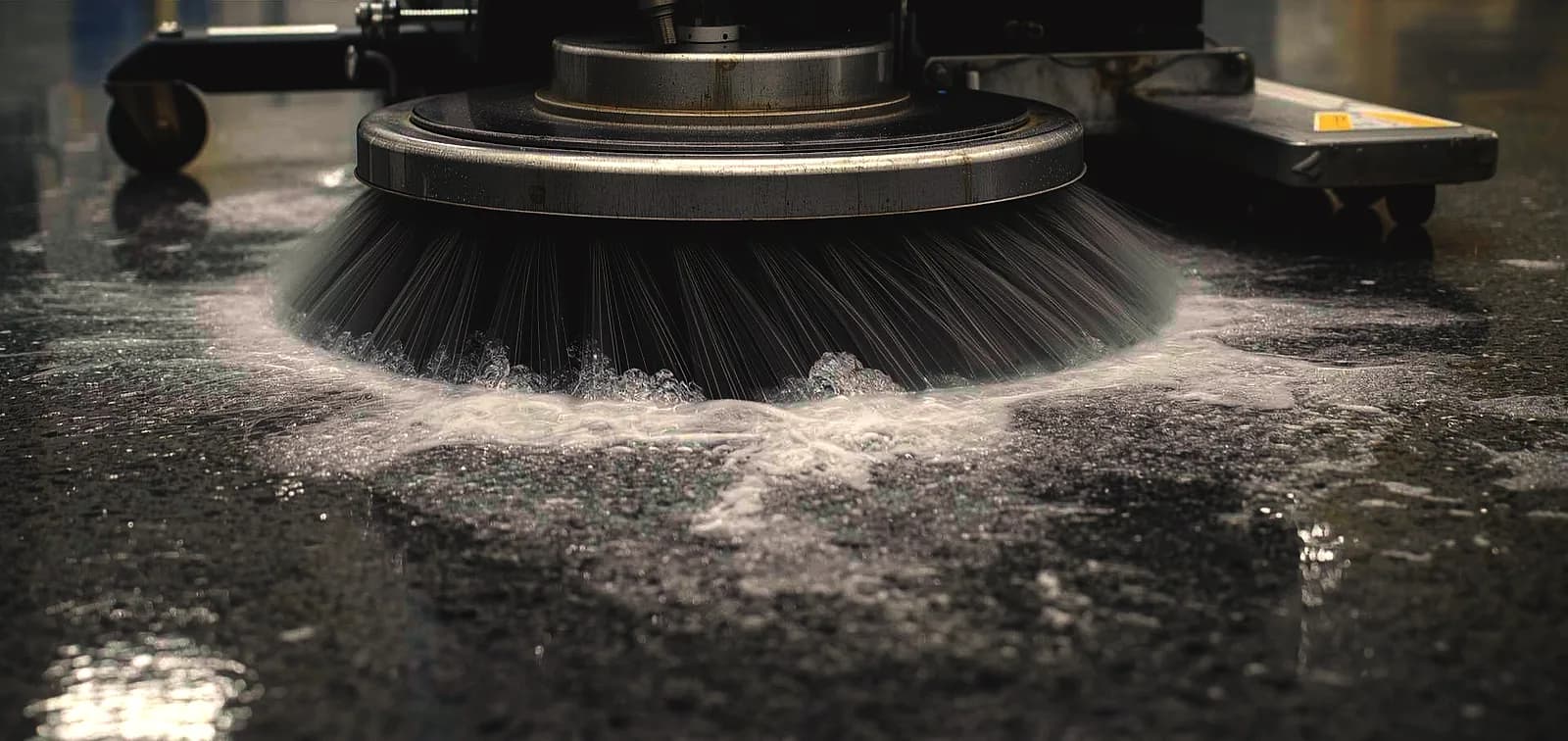
Comprehensive floor scrubbing removes built-up grime, tire marks, and contaminants that daily maintenance cannot address. For facilities under 5,000 square feet, manual methods using pH-neutral cleaners and deck brushes provide adequate results. Larger spaces benefit from automatic floor scrubbers that combine cleaning solution application, mechanical agitation, and continuous water removal in single passes.
The proper sequence begins with thorough sweeping to remove loose debris. Mix cleaning solutions according to manufacturer specifications—typical dilution ratios range from 1:10 to 1:20 for commercial cleaners. Apply cleaning solution and allow 10-15 minutes dwell time so chemicals can emulsify oils and loosen contamination. Agitate surfaces using appropriate tools, then remove dirty water completely with wet vacuums or squeegees before rinsing with clean water. This multi-step process ensures contaminants are lifted and removed rather than simply spread across surfaces.
Safe Cleaning Solutions for Epoxy Floors
pH-neutral cleaners represent the safest choice for routine epoxy floor maintenance, preserving gloss and chemical resistance without degrading protective coatings. Simple warm or hot water provides the most cost-effective, residue-free option for regular cleaning when heavy contamination is not present. For enhanced cleaning power, mix 2-3 ounces of ammonia per gallon of water—when properly diluted, ammonia-based solutions excel at removing stains while maintaining surface integrity.
Specialized epoxy cleaners formulated specifically for resinous floors provide optimal performance for commercial applications. Products like Simple Green All-Purpose Cleaner (when diluted) offer non-toxic, biodegradable cleaning that effectively removes industrial contamination. Lactic acid-based cleaners at 1:4 dilution ratios prove particularly effective for maintaining epoxy surfaces without compromising protective qualities. Always verify that cleaning products are explicitly labeled safe for epoxy before application—many common commercial cleaners contain ingredients that damage coatings.
Cleaning Solutions to Avoid
Harsh chemicals cause irreversible damage that compromises epoxy floor performance and appearance. Bleach attacks epoxy’s molecular structure, causing yellowing, surface degradation, and reduced chemical resistance. Strong solvents including gasoline, acetone, and paint thinners dissolve epoxy coatings, creating dull spots and compromising waterproof barriers. Petroleum-based cleaners leave residues that attract dirt and create slip hazards while gradually eroding protective topcoats.
Abrasive cleaning tools including steel wool, hard-bristle brushes, and scouring pads scratch epoxy surfaces, creating microscopic valleys where dirt embeds and bacteria colonizes. These scratches dull gloss finishes and require expensive topcoat reapplication to restore appearance. Cleaners that leave residues create buildup that dulls surfaces and requires aggressive removal—never wax epoxy floors as wax interferes with chemical bonding if future recoating becomes necessary.
Equipment Selection for Different Facility Sizes
Small facilities (under 2,500 square feet) maintain epoxy effectively using manual tools including industrial dust mops, deck brushes, and wet vacuums. This equipment provides adequate cleaning power while avoiding capital investments that facilities with limited floor area cannot justify. Spray bottles or pump sprayers distribute cleaning solutions efficiently for spot treatments and focused cleaning.
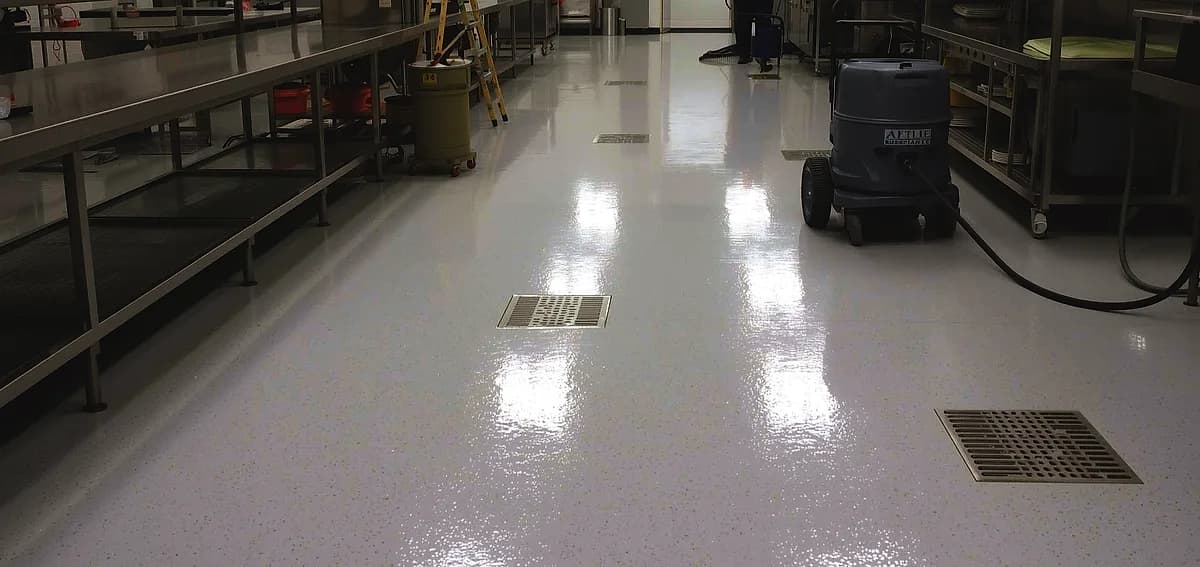
Medium facilities (2,500-10,000 square feet) benefit from rotary floor machines that provide mechanical agitation superior to manual scrubbing. These machines accept various pad types for different cleaning intensities—soft nylon pads for routine maintenance, medium pads for built-up grime, and specialized pads for stubborn contamination. Wet vacuums with adequate tank capacity prevent constant emptying during cleaning sessions.
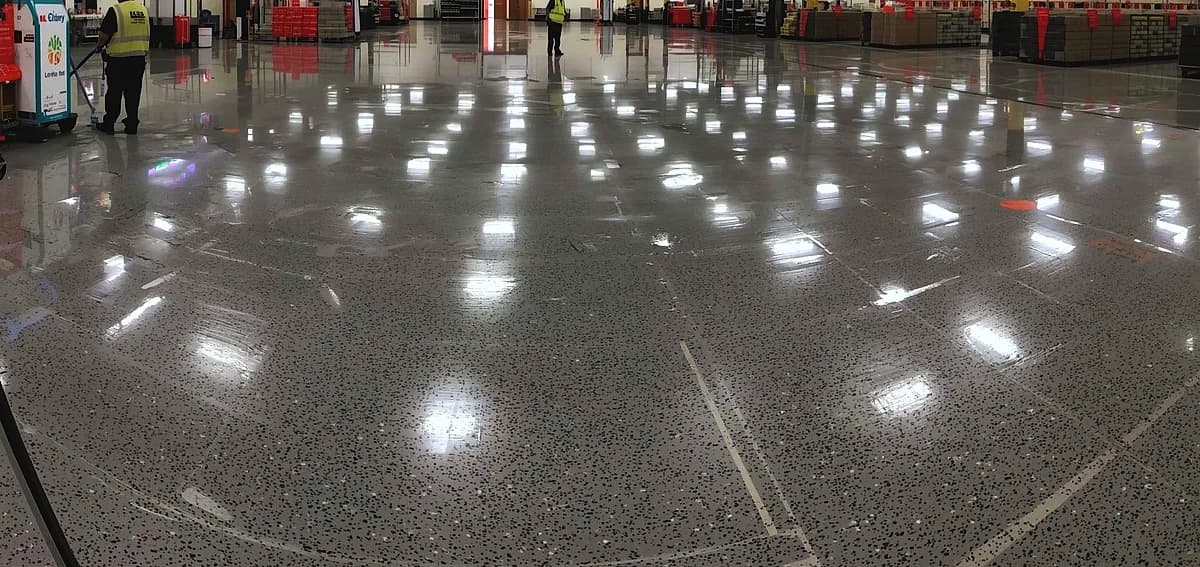
Large facilities (10,000+ square feet) require automatic floor scrubbers that combine sweeping, solution application, mechanical scrubbing, and water recovery in single passes. These machines dramatically reduce labor costs while providing superior cleaning consistency compared to manual methods. Walk-behind models suit most applications, while rider scrubbers make sense for warehouses and distribution centers exceeding 50,000 square feet. Industrial floor sweepers handle initial debris removal before wet cleaning begins.
Proper Cleaning Technique and Sequencing
Systematic approaches ensure complete cleaning without damaging coatings or wasting resources. Begin every cleaning session with thorough sweeping or dust mopping to remove loose debris and abrasive particles. Attempting to scrub before sweeping grinds contaminants across surfaces, accelerating wear and spreading dirt rather than removing it.
Apply cleaning solutions at proper dilution ratios and allow adequate dwell time—10-15 minutes lets chemicals break down oils and emulsify contamination. Rushing this step forces excessive mechanical agitation that can damage coatings. Work in manageable sections to prevent solutions from drying before agitation occurs, particularly important in Florida’s heat where evaporation happens rapidly.
Mechanical agitation using appropriate tools lifts loosened contamination. Move in overlapping straight lines rather than circular patterns that can create visible swirl marks. After scrubbing, flood surfaces with clean water and scrub again to lift cleaning residues. Remove all dirty water with wet vacuums or squeegees before it dries—residues from evaporated dirty water create dull films that attract future contamination. Final rinse with clean water removes any remaining residues, leaving floors clean and residue-free.
Removing Stubborn Stains and Tire Marks
Tire marks from forklifts and vehicle traffic respond to focused treatments using appropriate cleaning solutions and mechanical action. Apply diluted ammonia solution or specialized degreaser directly to marks and allow 15-20 minutes dwell time. Scrub using non-abrasive scrub pads or soft-bristle brushes—never use steel wool or harsh abrasives that scratch coatings. Multiple applications may be necessary for heavy accumulation, but patience produces better results than aggressive scrubbing that damages surfaces.
Oil and grease stains require mild concrete degreasers specifically formulated for epoxy compatibility. Apply degreaser to affected areas, allow adequate contact time for chemical breakdown, then agitate and rinse thoroughly. Persistent stains may indicate contamination has penetrated through coating damage—these situations require professional repair rather than increasingly aggressive cleaning that further damages coatings. Hot tire pickup where rubber bonds to epoxy demands specialized solvents that dissolve rubber without attacking coatings.
Pressure Washing Considerations
Pressure washing can clean commercial epoxy floors effectively but requires careful technique to avoid damage. Use wide-angle spray tips and maintain distances of 12-18 inches from surfaces—concentrated high-pressure streams etch coatings or cause delamination at edges and seams. Water temperature should not exceed 180°F as excessive heat softens epoxy and can cause thermal shock damage.
Steam cleaners provide excellent cleaning power for removing stubborn contamination without chemicals. The combination of heat and pressure lifts oils and embedded dirt effectively. Work in planned sequences to ensure complete coverage, flooding surfaces with clean water afterward to remove loosened contamination. Always squeegee or vacuum water promptly after pressure washing to prevent standing water that can penetrate damaged areas or joint treatments.
Industry-Specific Cleaning Protocols
Food service facilities require stringent cleaning protocols that meet health department standards while protecting epoxy integrity. Kitchens demand daily degreasing to remove oil and food residues that create slip hazards and harbor bacteria. Use food-safe cleaners specifically approved for food preparation areas. Frequent sanitizing using approved quaternary ammonium or iodine-based sanitizers prevents bacterial growth while maintaining coating integrity.
Warehouses and distribution centers focus on removing tire marks, hydraulic fluid, and industrial contamination. High-traffic lanes require daily maintenance while storage areas can follow less aggressive schedules. Loading dock areas experience most contamination and benefit from frequent deep cleaning. Document cleaning schedules to ensure consistent maintenance across shifts and personnel changes.
Retail environments prioritize entrance zone maintenance where tracked contamination concentrates. Implement frequent entrance cleaning during operating hours to prevent dirt spread. Focus on appearance in customer-facing areas while emphasizing spill response and safety in back-of-house spaces. Consider off-hours deep cleaning to avoid customer disruption.
Manufacturing facilities battle industrial chemicals, metal particles, and coolant oils. Implement containment strategies at contamination sources to minimize floor exposure. Use specialized cleaners formulated for specific contaminants—coolant removers for machining facilities, acid neutralizers for chemical processing, and metal particle collection in fabrication areas.
Maintenance Scheduling and Documentation
Daily tasks include sweeping high-traffic areas, immediate spill response, and entrance zone mopping. These activities require minimal time and equipment but prevent 80% of premature wear. Assign specific staff members to daily tasks and document completion to ensure consistency.
Weekly tasks involve comprehensive scrubbing using appropriate equipment, focused stain removal, and inspection of high-traffic zones for wear indicators. Schedule weekly maintenance during low-traffic periods to minimize operational disruption. Document areas showing accelerated wear for focused attention and future repair planning.
Monthly tasks include detailed inspection of coating condition, edge sealant evaluation, and assessment of joint treatment integrity. Deep clean often-neglected areas under racking or equipment. Document coating thickness in high-wear areas to track deterioration rates and plan timely recoating before substrate exposure occurs.
Quarterly tasks involve professional assessment by flooring specialists who identify early deterioration and recommend preventive interventions. Professional inspection catches problems invisible to daily operators and extends coating life through timely maintenance.
Florida-Specific Humidity Management
Moisture control during cleaning prevents trapped humidity beneath surfaces in Florida’s subtropical climate. Use wet vacuums or squeegees to remove standing water promptly—water left to evaporate contributes to indoor humidity that affects epoxy performance. Facilities with inadequate ventilation should clean sections sequentially, allowing each area to dry completely before proceeding.
Dehumidification during and after cleaning accelerates drying in humid conditions. Portable dehumidifiers or facility HVAC systems remove moisture that could otherwise penetrate coating damage or accumulate beneath moisture-sensitive areas. Morning cleaning allows daytime temperatures to assist drying before evening humidity rises.
Cost-Effective Maintenance Strategies
Preventive maintenance costs dramatically less than premature coating replacement—investing $0.15-$0.30 per square foot annually in proper cleaning extends 10-year floor lifespans to 15-20 years. This modest maintenance investment delays $3-$12 per square foot recoating costs by 5-10 years, generating enormous returns.
Strategic scheduling concentrates resources where contamination occurs rather than uniformly treating entire facilities. High-traffic corridors may require daily attention while storage areas maintain appearance with weekly cleaning. This focused approach reduces labor costs while maintaining appearance where it matters most.
Staff training ensures proper technique that protects rather than damages coatings. Employees who understand cleaning chemical compatibility, proper dilution ratios, and mechanical technique prevent costly damage from well-intentioned but incorrect maintenance. Document procedures and provide hands-on training for new staff.
Common Cleaning Mistakes to Avoid
Over-wetting floors leaves standing water that penetrates joint treatments and damaged areas, compromising adhesion and creating delamination risks. Use appropriate water volumes and remove excess promptly with wet vacuums or squeegees.
Using incorrect chemicals causes immediate or cumulative damage that necessitates premature recoating. Always verify chemical compatibility before application—”good enough” or “looks similar” substitutions often contain incompatible ingredients that attack epoxy.
Neglecting edges and corners allows contamination buildup that becomes progressively harder to remove. These areas require focused attention during regular cleaning cycles to prevent accumulation that later demands aggressive treatments.
Rushing dwell times forces excessive mechanical action that can abrade coatings. Allowing proper chemical reaction time produces superior results with less effort and coating wear.
Professional vs In-House Maintenance
In-house staff handle daily and weekly maintenance cost-effectively using proper training and equipment. This approach ensures consistent attention and immediate spill response that protects flooring investments. However, staff require training, supervision, and quality control to maintain proper techniques.
Professional cleaning services provide deep cleaning expertise and specialized equipment for periodic maintenance. Quarterly or semi-annual professional services complement in-house programs by addressing contamination beyond daily capabilities. Professional assessment identifies emerging problems before they require expensive repairs.
Hybrid approaches combine daily in-house maintenance with periodic professional deep cleaning. This strategy balances cost-effectiveness with quality assurance, ensuring floors receive appropriate attention at each maintenance level.
Frequently Asked Questions
How often should high-traffic commercial epoxy floors be cleaned?
Daily sweeping and spot cleaning, weekly deep scrubbing, and monthly detailed inspections provide optimal maintenance for commercial facilities.
What cleaning solution is safest for epoxy floors?
pH-neutral cleaners or warm water with 2-3 ounces ammonia per gallon provide safe, effective cleaning without damaging coatings.
Can I use bleach on commercial epoxy floors?
No, bleach attacks epoxy’s molecular structure causing yellowing, degradation, and compromised chemical resistance.
What equipment works best for large commercial facilities?
Automatic floor scrubbers that combine solution application, mechanical agitation, and water recovery provide optimal results for facilities over 10,000 square feet.
How do I remove tire marks from warehouse epoxy floors?
Apply diluted ammonia or specialized degreaser, allow 15-20 minutes dwell time, then scrub with non-abrasive pads before rinsing.
Should epoxy floors be pressure washed?
Yes, but use wide-angle tips, maintain 12-18 inch distances, and keep water temperatures below 180°F to avoid coating damage.
What dilution ratio should commercial cleaners use?
Most commercial epoxy cleaners require 1:10 to 1:20 dilution following manufacturer specifications.
How does Florida humidity affect epoxy floor cleaning?
High humidity slows drying and can trap moisture beneath surfaces—use wet vacuums to remove water promptly and consider dehumidification.
Can steam cleaners be used on commercial epoxy floors?
Yes, steam cleaning provides excellent contamination removal through heat and pressure without chemicals.
How much does proper epoxy floor maintenance cost?
Investing $0.15-$0.30 per square foot annually extends floor lifespan 5-10 years, delaying expensive recoating.
Conclusion
Commercial epoxy floor cleaning demands systematic approaches that balance cleaning effectiveness against coating protection, with proper techniques extending commercial flooring investments by 50% or more through preventive maintenance. The foundation of successful programs combines daily sweeping that removes abrasive particles, immediate spill response that prevents chemical damage, and weekly deep cleaning using appropriate pH-neutral solutions and proper equipment. Understanding which cleaning chemicals protect rather than harm epoxy, selecting equipment matched to facility size and contamination patterns, and implementing industry-specific protocols for food service, warehouses, and manufacturing creates maintenance programs that preserve appearance and performance for decades.
National Concrete Polishing helps Pompano Beach, Fort Lauderdale, and Miami businesses develop customized maintenance programs that address their specific operational challenges while accommodating Florida’s humid climate. Contact us today for professional guidance on protecting your commercial flooring investment through proper cleaning and maintenance strategies that maximize return on your epoxy installation.
Written by

Founder and CEO
Chris Lavin is an esteemed leader in concrete polishing and epoxy coatings with a distinguished 20-year career. As founder and CEO of National Concrete Polishing and owner of Xtreme Polishing Systems, he's renowned for polishing and epoxy coating more floors than anyone globally. Chris is recognized for his innovative approach and commitment to enhancing floor durability and aesthetics. His hands-on experience and technical proficiency make him a respected authority and a valuable resource in the field of floor polishing and coatings.
Same topic
Related articles
All stories
Commercial9 min read
How Polished Concrete Solves Office Acoustic Problems
Hard floors and noise complaints. What polished concrete does to sound in an open office, and how to spec around it.
Read it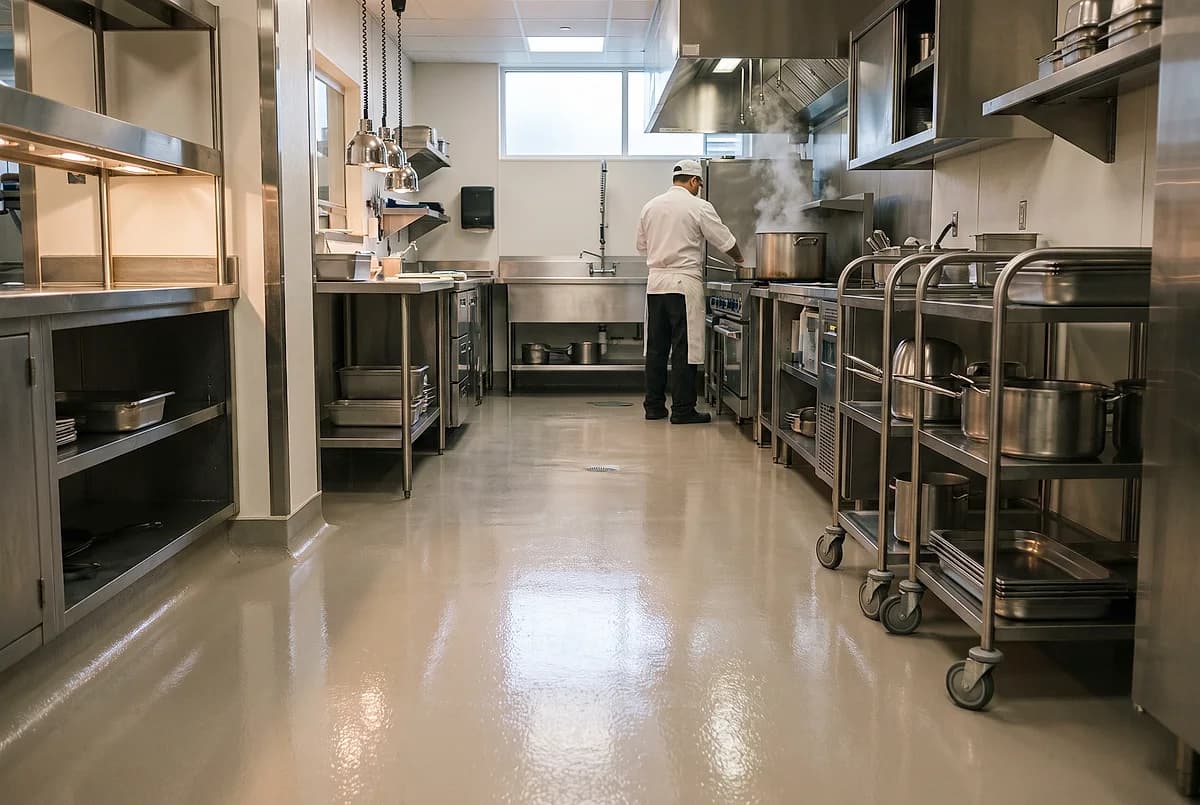
Commercial10 min read
Flooring for Hotel Wet Areas, Kitchens, and Parking Decks
Kitchens, pool decks and parking structures punish a floor daily. Which systems hold up in hotel service areas, and why.
Read it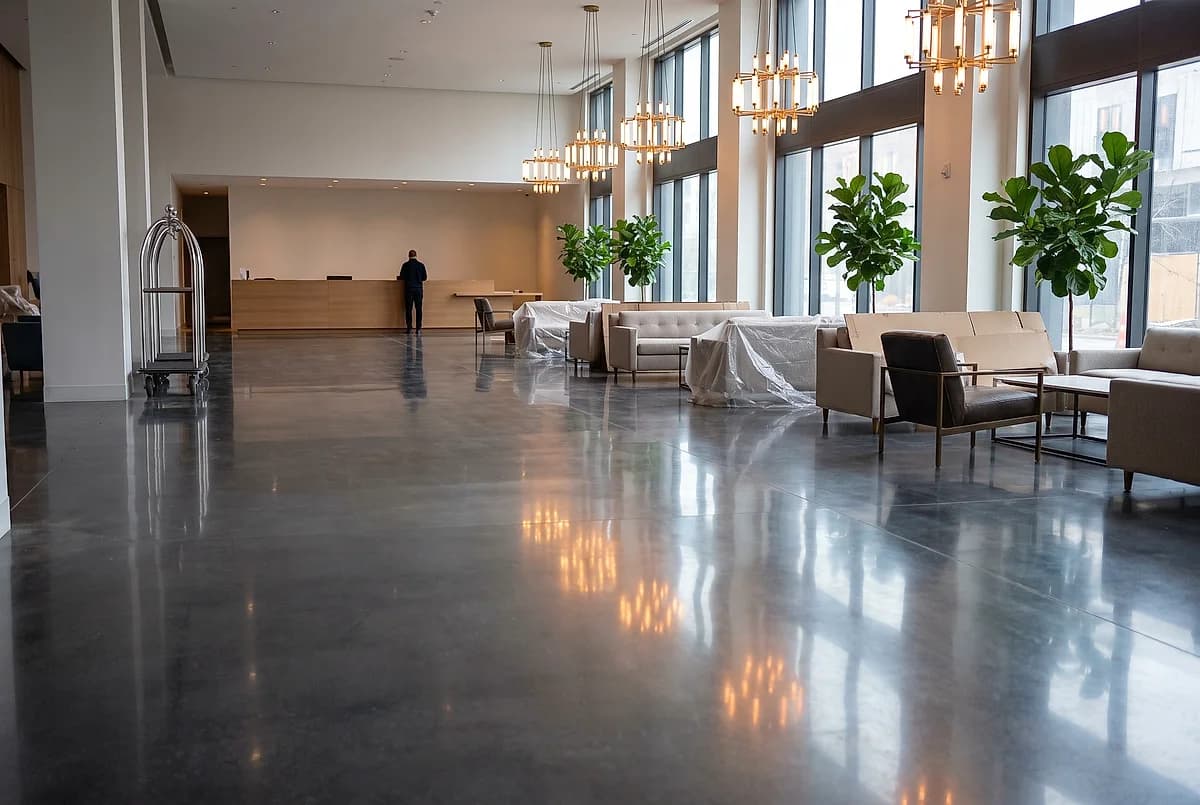
Commercial11 min read
Specifying Floors for a New Hotel Build
For owners and architects on a new build. What to write into the flooring spec so the hotel opens on a floor that lasts.
Read it
Tell us about the floor
Tell us the space and roughly how big it is.We come back with what it would cost and when we could start.
Prefer to talk? Call +1 844-876-5474
- Leads@
nationalconcretepolishing.net - 2200 NW 32nd St #600,
Pompano Beach, FL 33069 Mon to Fri, 9:00 to 5:30