
The NCP blog
Discover How Epoxy Flooring Works in Miami Humidity
Epoxy & coatingsUpdated 8 min read
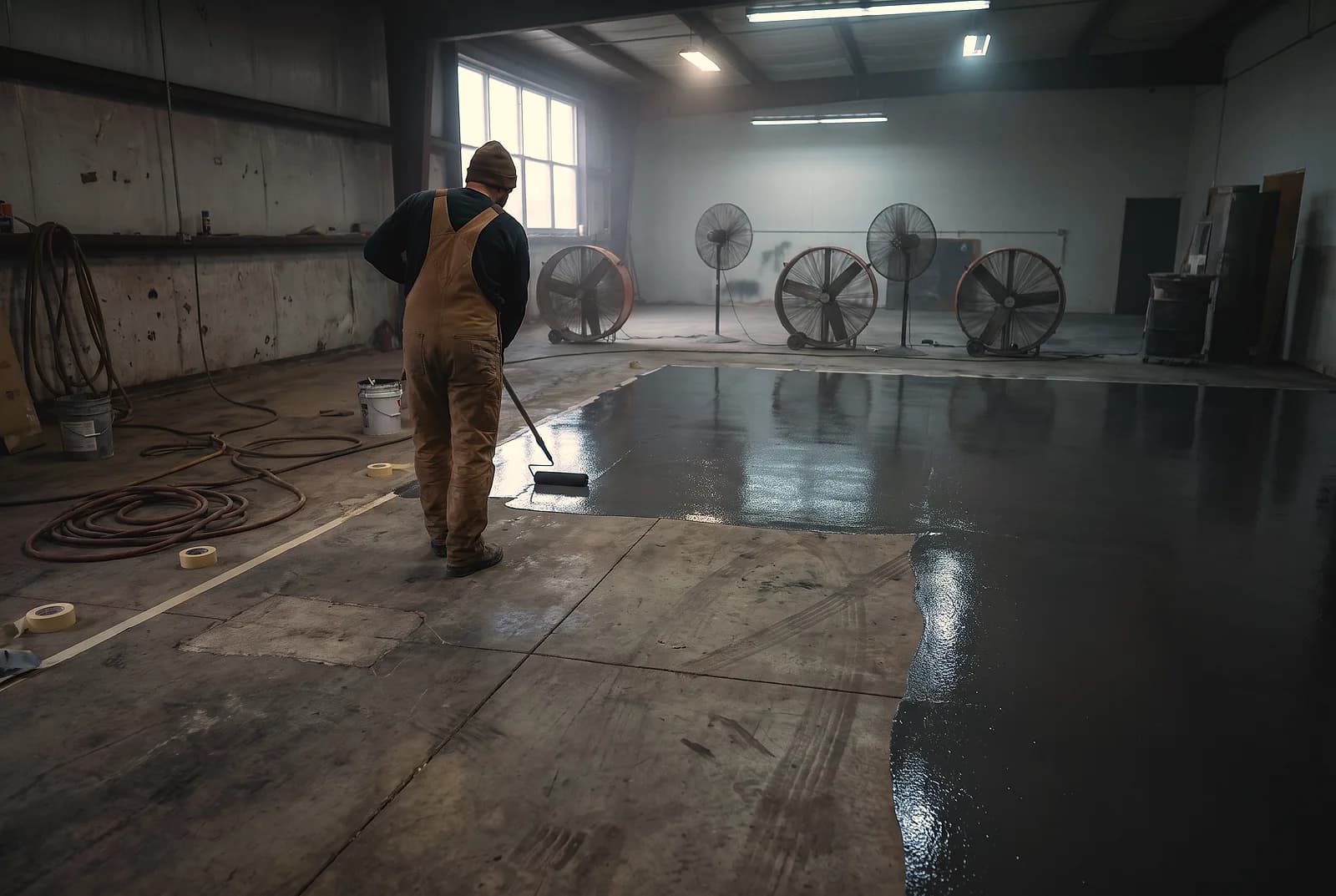
Coastal regions like South Florida present unique challenges for protective surface treatments.
Coastal regions like South Florida present unique challenges for protective surface treatments. High moisture levels can disrupt adhesion and curing processes, leading to premature wear. Proper environmental control during installation ensures long-lasting results, especially for spaces like garages or high-traffic areas.
National Concrete Polishing, serving South Florida, specializes in resilient coatings tailored to local conditions. Their team emphasizes precise surface preparation and climate-adjusted application methods. This approach minimizes issues like bubbling or uneven finishes caused by humidity.
A well-executed protective coating system transforms both residential and commercial spaces. These solutions enhance durability while creating sleek, easy-to-clean surfaces. For garage applications, they resist oil stains and withstand heavy vehicle traffic.
Successful projects depend on professional expertise and proper material selection. The following sections will explore application best practices and environmental considerations specific to tropical climates. Readers will learn how temperature and moisture management contribute to flawless results.
Introduction to Epoxy Flooring in South Florida
South Florida’s tropical climate demands specialized approaches for durable surfaces. Protective coatings must combat salt air, intense heat, and moisture while maintaining aesthetic appeal. Proper material selection and application techniques determine long-term performance.
Local Expertise for Lasting Results
National Concrete Polishing delivers tailored solutions across Miami-Dade, Broward, and Palm Beach counties. Their team combines regional knowledge with advanced application methods. They prioritize surface preparation and climate-specific material formulations.
| Feature | Traditional Floors | Modern Protective Systems |
|---|---|---|
| Lifespan | 3-5 years | 10+ years |
| Maintenance | Frequent cleaning | Stain-resistant surface |
| Customization | Limited options | Multiple colors/textures |
| Installation | Basic preparation | Controlled environment process |
Advantages of Advanced Coatings
High-performance materials create surfaces that withstand daily wear and environmental stress. Key benefits include:
- Enhanced resistance to chemicals and abrasions
- Customizable colors that maintain vibrancy
- Seamless application preventing moisture intrusion
Proper concrete preparation remains critical for adhesion and longevity. Professionals use diamond grinding and moisture testing to ensure optimal conditions. Quality products applied in controlled environments prevent premature degradation.
Environmental Impact: Heat and Humidity Effects on Epoxy
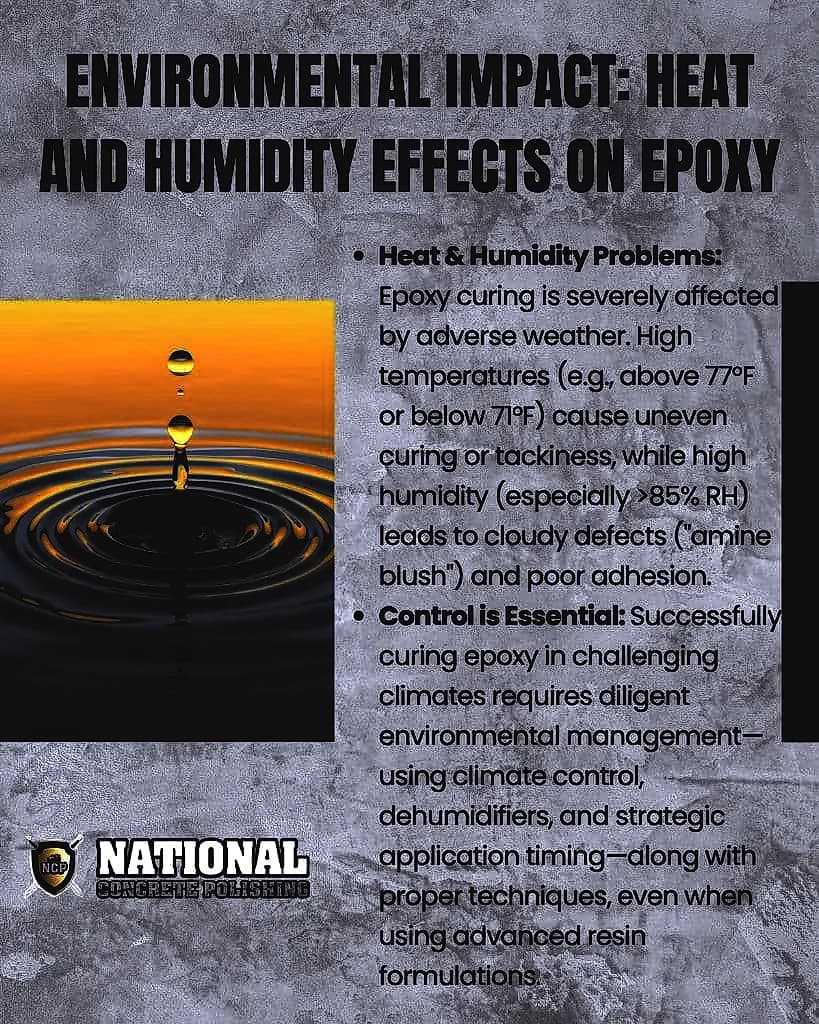
Weather conditions significantly influence coating performance during installation. Temperature shifts and moisture levels dictate chemical reactions between materials and surfaces. Proper environmental control prevents common defects like cloudy finishes or weak adhesion.
How Temperature Influences the Curing Process
Ambient heat accelerates chemical bonding in protective layers. However, temperatures above 77°F trigger rapid curing, creating uneven textures. Cold environments below 71°F slow reactions, leaving surfaces tacky for days.
| Factor | Effect | Solution |
|---|---|---|
| Temperature fluctuations | Uneven curing rates | Climate-controlled spaces |
| High humidity | Amine blush formation | Dehumidifiers |
| Rapid heat spikes | Bubbling/cracking | Timed application windows |
Managing Humidity Levels for Optimal Application
Moisture-rich air interferes with molecular bonding during hardening. Relative humidity above 85% causes condensation, leading to cloudy surfaces called amine blush. Professionals use hygrometers to monitor levels in real-time.
Strategic scheduling avoids midday humidity peaks in coastal areas. Dehumidification systems maintain 40-60% RH during application. These measures ensure seamless integration with concrete substrates.
Material science advancements help mitigate environmental challenges. Modified resins tolerate wider temperature ranges while maintaining clarity. Proper technique selection remains vital for durable results in variable climates.
Preparing Your Garage Floor for an Epoxy Application
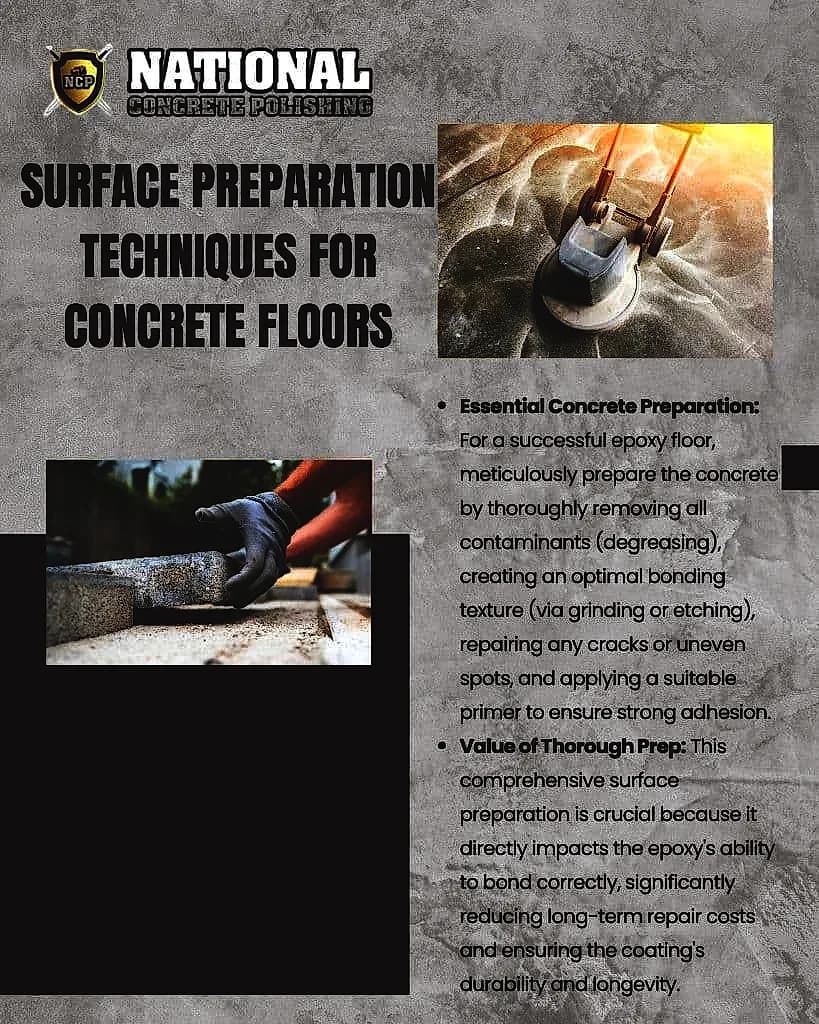
Proper groundwork determines whether protective coatings withstand daily use. Garage surfaces require meticulous attention to detail before material application. Experts at National Concrete Polishing recommend allowing 72 hours for full preparation to ensure optimal adhesion.
Surface Preparation Techniques for Concrete Floors
Effective treatment begins with removing existing contaminants. Professionals follow this sequence:
- Degreasing: Eliminates oil stains using industrial cleaners
- Scarifying: Opens pores in worn concrete surfaces
- Etching: Creates microscopic texture for better bonding
Repair cracks wider than 1/8″ using polymer-based fillers. Uneven areas get leveled with self-smoothing compounds. These steps prevent future replacements by addressing flaws early.
| Preparation Step | Tools Required | Time Investment |
|---|---|---|
| Debris Removal | Industrial vacuum | 2-3 hours |
| Stain Treatment | Alkaline cleaner | 4-6 hours |
| Surface Profiling | Diamond grinder | 6-8 hours |
Selecting the Right Materials and Coatings
High-performance systems combine metallic epoxy with plastic additives for enhanced durability. Consider these factors:
- Traffic patterns in the space
- Chemical exposure risks
- Desired finish aesthetics
National Concrete Polishing uses primers that block moisture migration. Their technicians complete applications within 24-hour windows to prevent contamination. Regular maintenance involves simple sweeping and occasional damp mopping.
Investing in proper preparation today saves 63% on long-term repair costs according to industry studies. For lasting results, trust professionals who understand material science and regional challenges.
How Epoxy Flooring Works in Miami Humidity
Surface treatments face unique curing challenges when atmospheric conditions fluctuate. In coastal areas, ambient moisture interacts with hardening agents, creating complex molecular reactions. This interaction determines whether protective layers achieve their full structural potential.
Understanding Moisture and Air Interaction
Excess water vapor alters chemical crosslinking during material hardening. When humid air meets reactive compounds, it forms a thin film called amine blush. This residue weakens adhesion and creates hazy surfaces.
Moisture vapor transmission rates spike when concrete substrates absorb ambient dampness. Professionals measure this using concrete moisture testing before application. Readings above 3 lbs/1000ft²/24hrs require vapor barriers.
| Issue | Cause | Prevention |
|---|---|---|
| Cloudy finish | Condensation during curing | Dehumidifiers |
| Poor adhesion | Surface moisture >12% | Moisture meters |
| Bubbling | Trapped vapor pockets | Multi-stage priming |
Maintaining a Controlled Environment during Curing
Climate management systems keep relative humidity between 40-60% during critical phases. Portable AC units stabilize temperatures while industrial desiccants absorb excess dampness. These measures prevent premature crystallization in polymer chains.
Key monitoring practices include:
- Infrared thermometers tracking surface temps
- Data loggers recording ambient conditions
- Dew point calculators preventing condensation
Material suppliers now offer modified resins with extended open times. These formulations compensate for environmental variables while maintaining clarity. Proper technique remains essential for seamless integration with concrete substrates.
Understanding the Chemical Reaction and Curing Process
The transformation from liquid to rock-hard surface involves precise chemical interactions. At its core, this process relies on a carefully balanced partnership between two components. When combined correctly, they create a bond stronger than traditional materials.
Epoxy Resin and Hardener: The Essential Components
Resin acts as the base material, while hardener triggers molecular crosslinking. Mixing ratios vary by product – common blends include 2:1 or 1:1 proportions. Deviations as small as 5% compromise structural integrity.
| Mixing Ratio | Curing Time | Strength Impact |
|---|---|---|
| Correct | 24-72 hours | Full potential |
| 10% excess resin | Extended curing | 30% weaker |
| 10% excess hardener | Rapid hardening | Brittle surface |
The Stages of Epoxy Curing and Their Importance
Three distinct phases determine final performance:
- Open time: 20-40 minute window for application before thickening
- Gel phase: Transitional state where material stops flowing
- Full cure: 7-day molecular stabilization for maximum hardness
Temperature swings above 85°F accelerate early stages but prevent complete crosslinking. Humidity above 70% creates microscopic voids during gel formation. Professional installers monitor these factors using infrared thermometers and hygrometers.
Incomplete reactions leave surfaces vulnerable to peeling and chemical damage. Properly cured systems withstand 10,000+ psi compression forces – crucial for garage floors supporting heavy vehicles.
Tips for a Successful Epoxy Floor Installation in South Florida
Achieving flawless surface protection in coastal environments requires precision and local know-how. Specialists at National Concrete Polishing recommend starting projects during morning hours when humidity levels dip below 65%. This timing allows materials to bond properly before afternoon moisture spikes.
Best Practices and Professional Insights
Experienced technicians follow these critical steps for durable results:
- Test concrete moisture content using digital meters before application
- Apply primer within 30 minutes of surface preparation
- Maintain consistent roller pressure to ensure uniform thickness
For enhanced visual appeal, professionals use these techniques:
| Technique | DIY Approach | Professional Method |
|---|---|---|
| Gloss Control | Single-layer application | Multi-coat system with flattening agents |
| Texture Management | Basic roller use | Specialized spray equipment |
| Curing Supervision | Passive air drying | Climate-controlled environment |
Safety remains paramount during installations. Always wear NIOSH-approved respirators and maintain proper ventilation. Allow 72 hours minimum curing time before light foot traffic – heavy equipment should wait 7 days.
Local experts combine regional climate knowledge with advanced material science. Their approach prevents common issues like peeling edges or discoloration. Investing in professional services reduces long-term maintenance costs by 41% according to industry reports.
Conclusion
Creating durable surfaces in coastal environments demands expertise and precision. Environmental factors like temperature shifts and moisture levels directly impact material performance. Proper concrete floor preparation creates strong bonds between coatings and substrates, preventing premature wear.
Quality materials combined with climate-controlled application techniques ensure lasting results. Attention to detail during installation time prevents common issues like bubbling or uneven textures. These practices prove vital for high-traffic areas requiring resilient finishes.
National Concrete Polishing masters these challenges across South Florida. Their team tailors solutions to regional conditions, using advanced methods developed through years of local experience. From garage surfaces to commercial spaces, they deliver finishes that balance aesthetics with functionality.
For optimal results in your next project, trust professionals who prioritize surface integrity. Contact National Concrete Polishing for customized solutions. Protect your investment with techniques designed for coastal durability – where science meets craftsmanship.
Frequently Asked Questions
Can high humidity levels affect epoxy floor application in Miami?
Elevated moisture in the air can interfere with adhesion and curing. Professionals often use dehumidifiers or wait for drier conditions to ensure proper bonding between the epoxy resin and concrete surfaces.
How long does epoxy take to cure in Miami’s humid climate?
Curing times vary based on product specifications, but humidity may extend drying periods. Most systems require 24–72 hours in controlled environments to fully harden and resist moisture-related issues.
What surface prep is needed for garage floors before epoxy coating?
Concrete must be cleaned, dried, and free of contaminants. Grinding or acid etching removes old coatings and creates a porous texture for better material adhesion, especially in moisture-prone areas.
Are certain epoxy products better suited for tropical climates?
Moisture-resistant formulations, such as 100% solid epoxy or moisture barriers, perform well in humid regions. These materials minimize bubbling and delamination caused by air moisture.
What temperature range is ideal for applying epoxy in South Florida?
Optimal conditions fall between 70–80°F. Extreme heat accelerates curing, risking uneven finishes, while cooler temperatures slow the process. Professionals monitor forecasts to avoid midday sun exposure.
How do professionals manage humidity during installation?
Contractors use hygrometers to measure air moisture. If levels exceed 85%, they may delay projects or employ industrial fans and dehumidifiers to stabilize the environment before applying coatings.
Can epoxy floors withstand Miami’s frequent rain and humidity long-term?
Properly installed systems resist water damage, mold, and mildew. Regular maintenance, like prompt spill cleanup and avoiding abrasive cleaners, preserves their appearance and durability.
Are metallic epoxy finishes practical for garage floors in humid areas?
Metallic epoxy floors offer aesthetic appeal but require precise application. When sealed correctly, they resist humidity-related issues and provide a durable, easy-to-clean surface for garages.
What maintenance steps protect epoxy floors in high-moisture environments?
Sweeping debris, using pH-neutral cleaners, and avoiding standing water prevent surface degradation. Reapplying a topcoat every few years refreshes protection against humidity and wear.
Is DIY epoxy application advisable for Miami homeowners?
DIY kits exist, but inconsistent humidity control and improper surface prep often lead to peeling or bubbling. Professionals ensure proper material selection and climate management for lasting results.
Written by

Founder and CEO
Chris Lavin is an esteemed leader in concrete polishing and epoxy coatings with a distinguished 20-year career. As founder and CEO of National Concrete Polishing and owner of Xtreme Polishing Systems, he's renowned for polishing and epoxy coating more floors than anyone globally. Chris is recognized for his innovative approach and commitment to enhancing floor durability and aesthetics. His hands-on experience and technical proficiency make him a respected authority and a valuable resource in the field of floor polishing and coatings.
Same topic
Related articles
All stories
Epoxy & coatings8 min read
DIY vs Professional Epoxy Flooring in Fort Lauderdale
Hardware stores heavily market all-in-one boxes that promise a showroom finish with minimal effort.
Read it
Epoxy & coatings8 min read
Can You DIY Epoxy Flooring in Miami? Pros, Cons, and Tips
Applying a durable floor finish in a tropical or highly humid climate presents unique environmental challenges.
Read it
Epoxy & coatings7 min read
DIY Epoxy Flooring in South Florida: Is It Worth the Risk?
However, these products generally contain high levels of water or solvents to extend their pot life.
Read it
Tell us about the floor
Tell us the space and roughly how big it is.We come back with what it would cost and when we could start.
Prefer to talk? Call +1 844-876-5474
- Leads@
nationalconcretepolishing.net - 2200 NW 32nd St #600,
Pompano Beach, FL 33069 Mon to Fri, 9:00 to 5:30