
The NCP blog
DIY vs Professional Epoxy Flooring in Fort Lauderdale
Epoxy & coatings8 min read
Hardware stores heavily market all-in-one boxes that promise a showroom finish with minimal effort.
The average cost of replacing a failed residential floor coating is $2,450 in 2026. If you are considering handling the installation yourself to save money, you may be wondering if the upfront savings outweigh the risk of early peeling and flaking. We have the right article for you, covering the technical differences between retail materials and industrial-grade resins, the necessity of rigorous surface preparation, and the long-term value of expert installation.
The Reality of Applying Your Own Resinous Floor Coating
Many property owners look at their stained garage or commercial floors and decide that a weekend project is the best solution. Hardware stores heavily market all-in-one boxes that promise a showroom finish with minimal effort. It is essential to recognize that applying a polymer-based surface requires precision, technical knowledge, and the right environmental conditions.
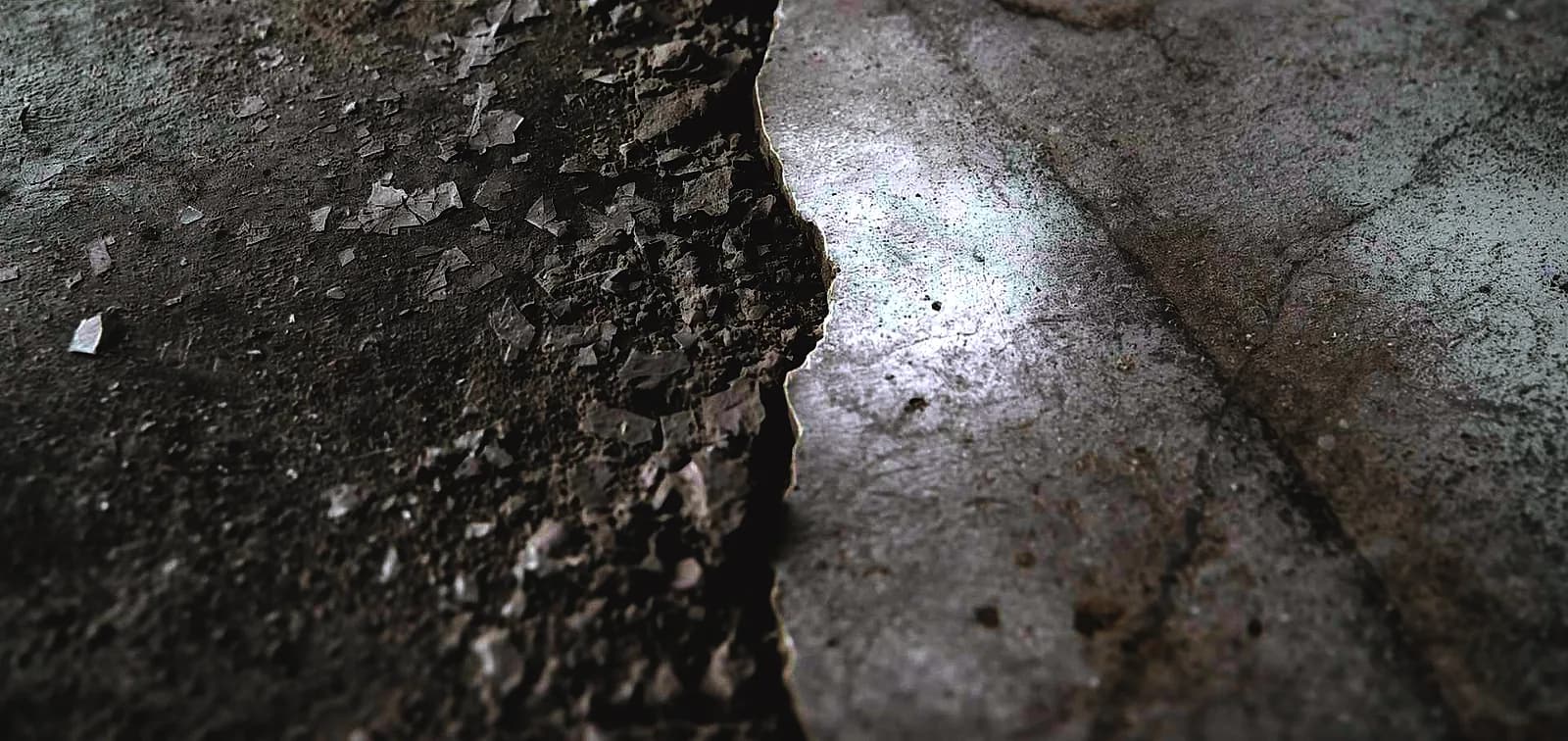
According to the Concrete Network, over 80% of coating failures result directly from inadequate surface preparation. A common misconception is that sweeping the floor and applying a mild cleaner is sufficient. When the underlying slab is not properly profiled, the new liquid has nothing to anchor onto. This leads to immediate spalling (flaking or chipping) once a hot tire or heavy equipment rolls across it.
Furthermore, residential garages and commercial facilities in Southern Florida face unique environmental challenges. High humidity levels and high water tables exert hydrostatic pressure on concrete slabs. If moisture is trapped beneath a freshly applied coating, it will inevitably cause bubbles and blistering as the water vapor tries to escape upward.
Key Differences Between Retail Kits and Industrial Resins
The materials sold to consumers differ fundamentally from those used by seasoned contractors. Retail packages are almost exclusively water-based or solvent-based products. These formulations typically contain only 30% to 50% actual solid material. As the water or solvent evaporates during the curing phase, the layer shrinks significantly, leaving behind a microscopic film that is highly susceptible to wear and tear.
Our professionals rely exclusively on 100% solids epoxy and advanced polymer-modified overlays. Because there is no evaporation process, these industrial-grade liquids cure at their full application thickness. This dense cross-linking of polymers creates a barrier that withstands heavy vehicle traffic, chemical spills, and impact drops.
See the International Concrete Repair Institute. Water-based retail kits lack the cross-linking polymer density required to resist hot tire pickup and chemical stains over time. Hot tire pickup occurs when tires, heated from driving, expand the coating and literally tear it off the concrete as the vehicle moves.
Cost Comparison: Upfront Expenses Versus Long-Term Value
Property managers and homeowners naturally gravitate toward the lowest immediate price tag. A typical retail kit costs approximately $150 to $300 for a standard two-car garage. Conversely, hiring a licensed contractor requires a higher initial investment. It is advisable to evaluate these costs over a ten-year or fifteen-year horizon.
| Factor | At-Home Retail Kit | Professional Installation |
|---|---|---|
| Material Thickness | 1.5 to 3 mils | 15 to 30+ mils |
| Surface Prep Method | Acid washing or scrubbing | Heavy mechanical diamond grinding |
| Average Lifespan | 1 to 3 years | 15 to 20+ years |
| Replacement Cost | High (Requires professional removal of failed product) | Minimal (Rarely requires total replacement) |
When a consumer application fails, the entire layer must be mechanically ground off before a new surface can be applied. This corrective preparation adds significant labor costs to the final bill. Choosing professional service from the start eliminates this expensive intermediate step.
Essential Steps for Proper Concrete Surface Preparation
Preparation is the most labor-intensive phase of any successful flooring project. Skipping even one of these steps guarantees a substandard result. Our professionals at NCP follow strict, standardized protocols to ensure an unbreakable bond between the slab and the liquid resin.
- Moisture Vapor Testing: Before any material is mixed, we test the slab for hidden moisture. Research from the National Association of Certified Home Inspectors shows that moisture vapor transmission rates above 3 pounds per 1,000 square feet will cause most standard coatings to fail.
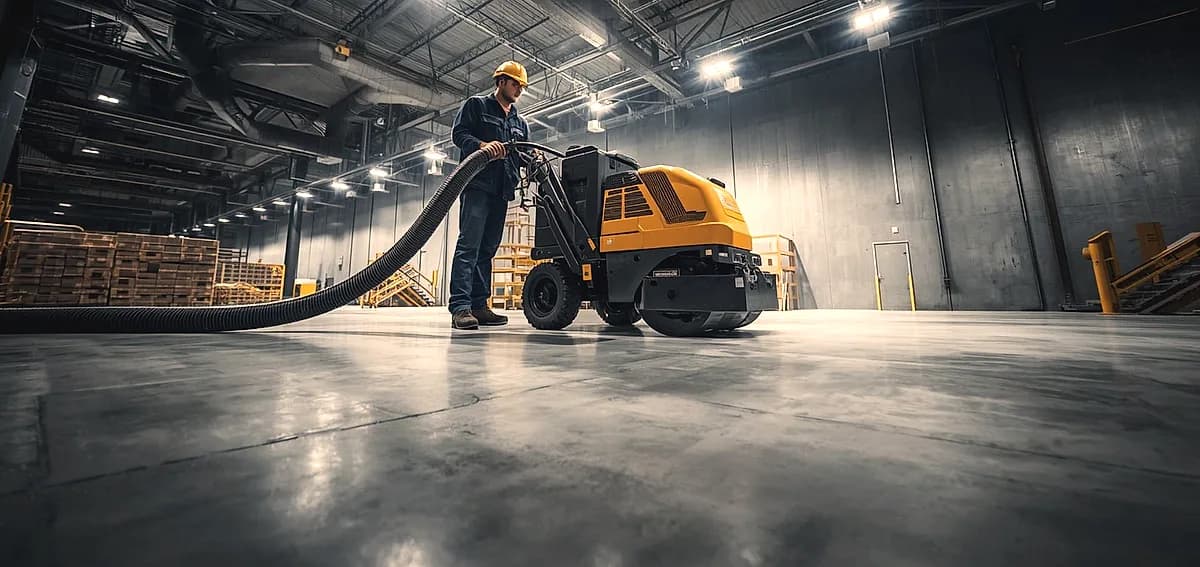
- Mechanical Profiling: We utilize heavy-duty walk-behind grinders fitted with specialized metal-bond diamond tooling. This removes the smooth top layer (the cream) of the concrete to achieve a Concrete Surface Profile (CSP) of 2 or 3, as recommended by industry guidelines.
- Crack and Joint Repair: All craze cracks (fine surface fractures), divots, and expansion joints are cleaned out and filled with a fast-curing polyurea joint filler. The surface is then ground completely flat.
- Vacuuming and Decontamination: We use industrial high-efficiency particulate air (HEPA) vacuums to remove all microscopic silica dust from the pores of the concrete.
Retail instructions often recommend acid etching as an alternative to diamond grinding. Acid etching only cleans the very surface and introduces large amounts of water into the porous concrete. This moisture often remains trapped, undermining the adhesion of the new surface just weeks after application.
Environmental Factors to Consider During Installation
Working with reactive chemicals requires an understanding of thermodynamics and environmental conditions. Two-part liquid resins cure via an exothermic chemical reaction. This means the mixture generates its own heat as it hardens.
In a hot climate, the ambient temperature accelerates this chemical reaction dramatically. A product that offers a 45-minute pot life (working time) in a controlled laboratory setting may harden inside the bucket in just 15 minutes when mixed in an uncontrolled environment. If the liquid becomes too thick before it is rolled out, it will not penetrate the concrete pores effectively.
Furthermore, humidity plays a critical role in the curing process. If the temperature of the concrete slab is too close to the dew point, microscopic condensation will form on the surface. Applying a resinous liquid over this invisible moisture layer creates a defective bond, commonly known as amine blushing, which leaves a sticky, cloudy residue on the final floor.
How Professional Installers Prevent Common Coating Failures
Expert contractors employ specialized techniques and chemistry to guarantee longevity. One vital component of a modern floor system is the use of a moisture mitigation primer. These deeply penetrating liquids seal the microscopic capillary tubes within the slab, blocking water vapor from rising and damaging the top layers.
Additionally, safety standards require strict dust management during the profiling stage. According to the Occupational Safety and Health Administration, controlling respirable crystalline silica dust is mandatory for worker and occupant safety. Professional teams connect all grinding equipment to heavy-duty dust extractors, keeping your property clean and safe.
Finally, professionals apply polyaspartic topcoats to seal the system. Polyaspartic chemistry offers a rapid cure time and exceptional ultraviolet (UV) resistance. Standard resins will yellow and degrade when exposed to direct sunlight near windows or open garage doors. A polyaspartic clear coat ensures the decorative flakes and base colors remain vibrant for decades.
Frequently Asked Questions
How long does a retail floor kit typically last?
Most consumer-grade floor kits last between one and three years before showing significant signs of wear. Heavy vehicle traffic, hot tires, and chemical spills rapidly degrade these thin, water-based materials.
Can you apply a new overlay directly over existing paint?
It is never advisable to apply a new coating over old paint or sealers. The new liquid will only adhere to the old paint, meaning your new floor is only as strong as the failing layer beneath it. Complete mechanical removal is required.
What is hot tire pickup?
Hot tire pickup occurs when the heat from a car tire softens a low-quality floor coating. As the tire cools and contracts, it grips the material, physically tearing it away from the concrete when the vehicle moves again.
Is acid etching enough for surface preparation?
No. Acid etching merely cleans the top layer and does not sufficiently open the concrete pores. Mechanical diamond grinding is the only reliable method to achieve the necessary surface profile for industrial coatings.
How long does the professional installation process take?
A standard two-car residential garage typically takes two to three days to complete. Commercial and industrial projects vary based on square footage and the specific condition of the existing concrete slab.
Why do resinous coatings sometimes bubble after application?
Bubbling is almost always caused by moisture vapor trying to escape from the concrete slab. If the concrete is not properly tested and a vapor barrier primer is not applied, trapped air and water will push upward through the curing liquid.
Are these floor systems slippery when wet?
While high-gloss finishes can be slick when wet, professionals easily mitigate this risk. We broadcast slip-resistant aggregates, such as aluminum oxide or specialized polymer grit, into the final topcoat to ensure a safe walking surface.
Final Thoughts
Taking on a major concrete resurfacing project yourself may seem like an excellent way to reduce costs, but the high failure rate of retail products tells a different story. The combination of inferior water-based materials, inadequate acid-etch preparation, and unpredictable environmental variables almost always leads to premature flaking. By relying on experienced experts equipped with heavy-duty grinders and industrial-grade resins, you ensure a durable, beautiful surface that enhances the value of your property for decades. It is always more cost-effective to pay for quality once than to pay for a cheap fix twice. Get in touch with our team to start your project with confidence.
References
- Concrete Network. Information on surface preparation and common coating failure statistics. https://www.concretenetwork.com
- International Concrete Repair Institute (ICRI). Technical guidelines on concrete surface profiles and material properties. https://www.icri.org
- National Association of Certified Home Inspectors (NACHI). Guidelines on moisture vapor transmission and concrete slabs. https://www.nachi.org
- Occupational Safety and Health Administration (OSHA). Regulations concerning respirable crystalline silica dust management. https://www.osha.gov
- ASTM International. Standard test methods for measuring moisture vapor emission rates of concrete subfloors. https://www.astm.org
Written by

Founder and CEO
Chris Lavin is an esteemed leader in concrete polishing and epoxy coatings with a distinguished 20-year career. As founder and CEO of National Concrete Polishing and owner of Xtreme Polishing Systems, he's renowned for polishing and epoxy coating more floors than anyone globally. Chris is recognized for his innovative approach and commitment to enhancing floor durability and aesthetics. His hands-on experience and technical proficiency make him a respected authority and a valuable resource in the field of floor polishing and coatings.
Same topic
Related articles
All stories
Epoxy & coatings8 min read
Can You DIY Epoxy Flooring in Miami? Pros, Cons, and Tips
Applying a durable floor finish in a tropical or highly humid climate presents unique environmental challenges.
Read it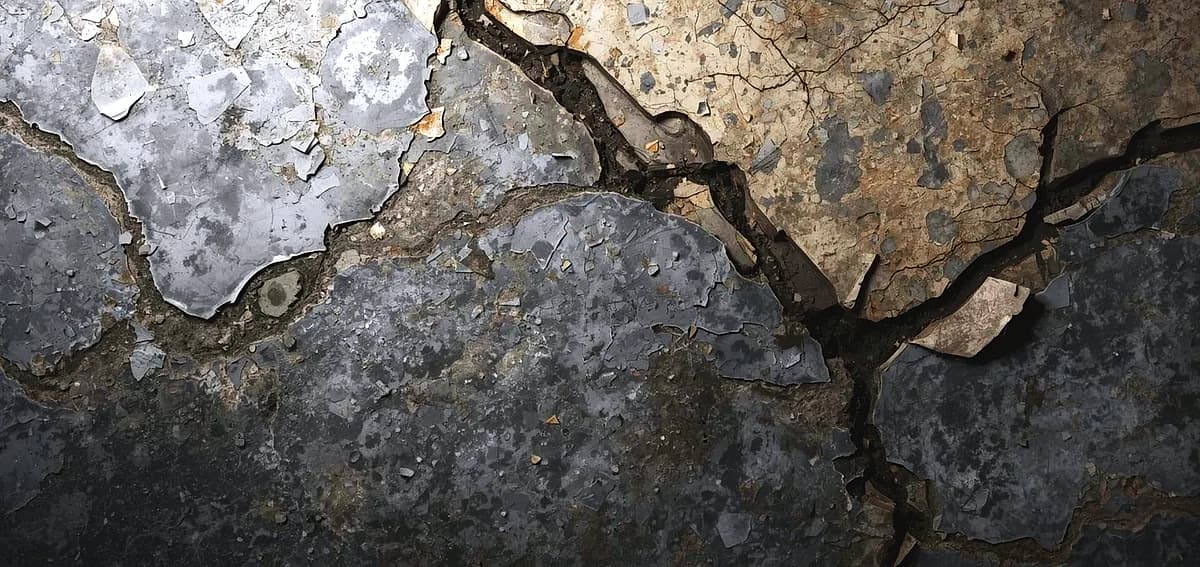
Epoxy & coatings7 min read
DIY Epoxy Flooring in South Florida: Is It Worth the Risk?
However, these products generally contain high levels of water or solvents to extend their pot life.
Read it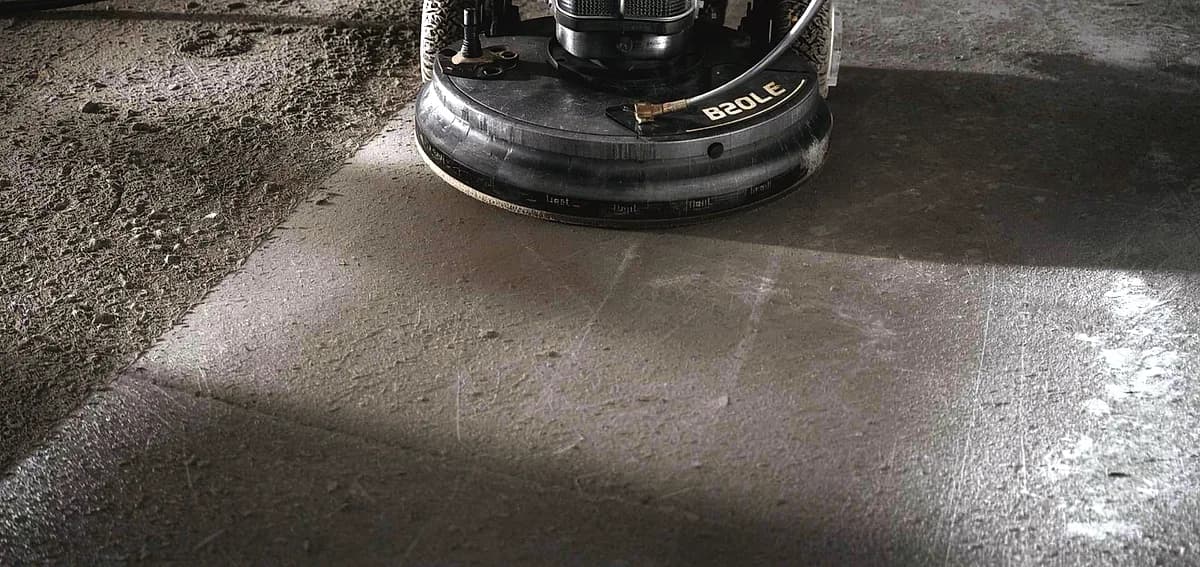
Epoxy & coatings8 min read
The Pros and Cons of Epoxy Flooring for Miami Properties
Epoxy coatings consist of a two-part chemical system containing a polymer resin and a hardening agent.
Read it
Tell us about the floor
Tell us the space and roughly how big it is.We come back with what it would cost and when we could start.
Prefer to talk? Call +1 844-876-5474
- Leads@
nationalconcretepolishing.net - 2200 NW 32nd St #600,
Pompano Beach, FL 33069 Mon to Fri, 9:00 to 5:30