
The NCP blog
DIY Epoxy Flooring in South Florida: Is It Worth the Risk?
Epoxy & coatings7 min read
However, these products generally contain high levels of water or solvents to extend their pot life.
The failure rate for residential garage floor coatings applied without mechanical profiling approaches 75 percent within the first two years of installation. If you are considering a concrete upgrade in 2026, you may be wondering if applying a retail kit is a financially sound decision. We have the right article for you, covering the technical requirements, common pitfalls, and true long-term costs of residential surface treatments.
THE HIDDEN CHALLENGES OF RESIDENTIAL KITS
Retail surface kits are heavily marketed as accessible weekend projects for homeowners. However, these products generally contain high levels of water or solvents to extend their pot life. This extended working time allows amateurs to apply the material before it hardens. Unfortunately, this chemical dilution significantly reduces the structural integrity and durability of the cured product. A coating is only as strong as its chemical composition.
One of the most frequent issues encountered is hot tire pickup. When a vehicle is driven on hot asphalt, the tires absorb intense heat. Parking that vehicle on a low-grade resin causes the tires to cool and contract. This process creates a vacuum effect that pulls the inferior coating directly off the concrete slab. Industrial resins are engineered to resist these extreme thermal fluctuations.
Additionally, moisture vapor transmission (MVT) presents a severe threat to any impermeable surface treatment. Concrete is highly porous and acts like a rigid sponge. Groundwater constantly moves upward through the slab via capillary action. If the hydrostatic pressure exceeds the bond strength of the coating, bubbles and peeling will inevitably occur. According to research from the American Concrete Institute, improper moisture testing accounts for a vast majority of flooring failures.
SURFACE PREPARATION: THE FOUNDATION OF A LASTING COATING
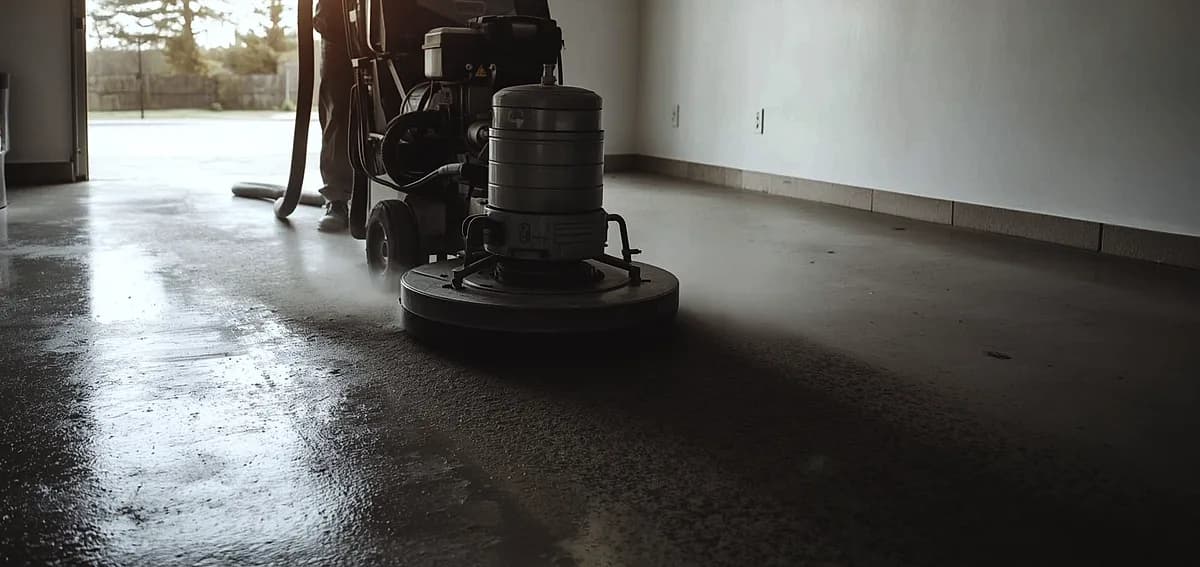
The single most critical phase of any resin application is preparing the substrate. Professional installers refer to this as achieving the correct Concrete Surface Profile (CSP). The surface must be porous, clean, and textured to allow the polymer to penetrate the concrete matrix. Retail instructions typically recommend acid etching to achieve this profile. It is essential to recognize that acid etching is highly inconsistent and rarely produces a sufficient CSP for durable adhesion.
Our professionals at NCP rely exclusively on heavy-duty planetary diamond grinders and shot blasters. Mechanical profiling removes the smooth, dense upper crust of the slab. It also eradicates deep stains, old sealers, and surface laitance. As Robert Harrison, technical director at the National Association of the Remodeling Industry, explains: “Surface preparation dictates the entire lifecycle of a polymer coating. Skipping mechanical grinding is the fastest way to guarantee project failure.”
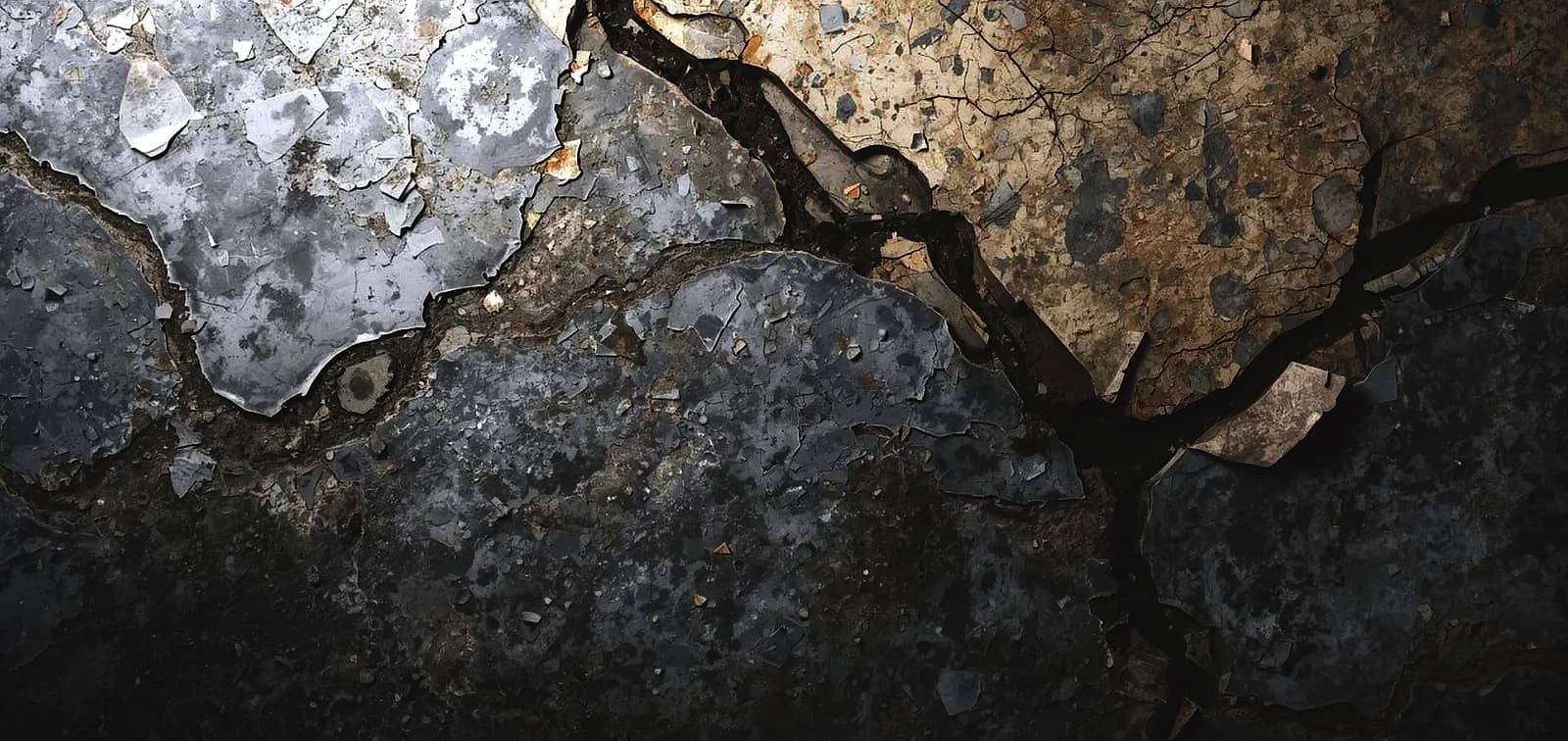
Furthermore, older slabs often display signs of spalling (flaking or chipping) and deep structural cracks. Liquid resins will not bridge these gaps or repair compromised structural integrity. These defects must be addressed using specialized polymer-modified overlays or polyurea joint fillers before any topcoat is applied. Applying a thin retail liquid over damaged concrete merely highlights the existing imperfections.
COMPARING COSTS: RETAIL KITS VERSUS PROFESSIONAL INSTALLATION
Financial considerations are typically the primary motivation for undertaking a residential project. A retail kit may initially appear highly cost-effective. You must, however, factor in the hidden expenses of tool rentals, supplemental materials, and the high probability of premature replacement. By 2026, the average cost of stripping a failed retail coating often exceeds the price of the original installation.
When assessing long-term value, it is advisable to look beyond the initial purchase price. Professional installations utilize 100 percent solids resins, polyaspartic topcoats, and commercial-grade slip resistance aggregates. These commercial systems are designed to endure decades of abuse. The table below illustrates the stark differences between a residential approach and a commercial-grade application.
| Feature | Retail Coating Kit | Professional Installation |
|---|---|---|
| Material Composition | Water or solvent-based (low solids) | 100% solids industrial resin |
| Surface Prep Method | Acid etching (inconsistent) | Diamond grinding / Shot blasting |
| Expected Lifespan | 1 to 3 years | 15 to 20+ years |
| Hot Tire Resistance | Low (prone to peeling) | Exceptional |
| Typical Warranty | Limited material only | Comprehensive labor and material |
COMMON MISTAKES MADE DURING APPLICATION
Working with two-part chemical compounds requires precision, environmental awareness, and strict adherence to technical guidelines. Small miscalculations during the mixing or application phases yield catastrophic results. Even highly capable individuals frequently struggle with the stringent requirements of industrial polymers. Below are the primary factors that affect coating longevity when applied without specialized training.
- Improper Mixing Ratios: Two-part resins rely on a precise chemical reaction to cure. Deviating from the exact manufacturer ratio leaves the material perpetually sticky or dangerously brittle.
- Ignoring the Dew Point: Applying resins when the concrete temperature is within five degrees of the dew point traps microscopic moisture under the film. This trapped moisture instantly creates a hazy, cloudy finish known as amine blush.
- Inadequate Outgassing Mitigation: As concrete warms during the day, the air inside its pores expands and pushes upward. Applying a coating during this outgassing phase causes hundreds of tiny craters, known as pinholes, in the final finish.
- Stretching the Material: Retail kits often overstate their coverage rates. Users frequently roll the material too thin to stretch it across a large room. This results in a weak, transparent layer that fails rapidly under minimal friction.
WHY CLIMATE MATTERS FOR CONCRETE COATINGS
Environmental conditions dictate the behavior of chemical resins during the curing process. High humidity significantly alters the evaporation rates of volatile organic compounds (VOCs). According to standards outlined by the Environmental Protection Agency, managing indoor air quality and chemical off-gassing is vital for occupant safety. Prolonged curing times in humid environments increase the likelihood of debris, insects, and dust settling into the wet surface.
Furthermore, ambient temperature plays a pivotal role in pot life. Pot life is the amount of time the mixed resin remains workable in the bucket. In high-heat conditions, a product that normally offers 40 minutes of working time may flash-cure in under 15 minutes. This rapid hardening forces the installer to rush, leading to uneven thickness and visible roller marks. Professional crews utilize temperature-conditioned materials and employ teams large enough to manage the rapid cure rates associated with warm climates.
In regions subject to extreme weather variations, freeze-thaw cycles present another unique challenge. Moisture penetrates unsealed micro-cracks in the surrounding foundation. When temperatures drop, this water expands as ice, exerting tremendous pressure on the slab and its protective layers. A rigid, low-quality retail product will snap under this tension. Conversely, professional micro-toppings and self-leveling overlays contain elastomeric properties that accommodate slight substrate movement.
Frequently Asked Questions
Can I apply a new coating directly over an old, peeling floor?
No, it is essential to remove all existing paints, sealers, and failing resins before applying a new system. New polymers must bond directly to the porous concrete capillaries. Applying fresh material over a failing base guarantees the new layer will peel precisely where the old layer detaches.
How long does a professional application typically take?
A standard two-car garage or modest commercial space generally requires two to three days to complete. The first day is dedicated entirely to mechanical grinding, crack repair, and initial primer application. Subsequent days involve applying the build coats, broadcast aggregates, and final protective topcoats.
What is the difference between epoxy and polyaspartic coatings?
Traditional resins are excellent for building a thick, highly adhesive base coat. Polyaspartic technology offers exceptional UV resistance, rapid curing times, and superior flexibility. Professional systems typically utilize a traditional primer coat followed by a polyaspartic topcoat to maximize the strengths of both chemistries.
Is acid etching sufficient for residential garages?
Acid etching is generally insufficient for long-term durability. It cleans the surface but rarely opens the pores aggressively enough to create the required mechanical bond. Professional diamond grinding is the standard for ensuring permanent adhesion.
How soon can I park my vehicle on a newly coated floor?
While the surface may feel dry to the touch within 24 hours, the chemical structure is not fully stable. It is advisable to wait a minimum of 72 hours before allowing vehicle traffic. Full chemical cure, where the floor achieves its maximum scratch resistance, typically takes up to seven days.
Will the new floor be dangerously slippery when wet?
High-gloss finishes can be slippery when exposed to water or oils. To mitigate this hazard, our professionals mix specialized aluminum oxide or glass bead aggregates into the final topcoat. This provides a highly effective slip-resistant texture that remains easy to clean and maintain.
CONCLUSION
Protecting your concrete surfaces requires a thorough understanding of substrate preparation, chemical reactions, and environmental controls. While retail kits appeal to a desire for cost savings, they routinely result in peeling, blistering, and eventual complete replacement. Mechanical profiling, moisture mitigation, and the use of 100 percent solids resins are non-negotiable requirements for a permanent solution. Your property deserves the strength, longevity, and visual appeal that only an experienced contractor can provide. We strongly recommend consulting with verified industry professionals before altering your concrete slabs. Get in touch with our team to discuss how we can engineer a flawless, commercial-grade surface for your unique environment.
REFERENCES
- American Concrete Institute. (2026). Guide to Concrete Repair and Substrate Preparation. https://www.concrete.org
- National Association of the Remodeling Industry. (2026). Standards in Residential Surfacing. https://www.nari.org
- Environmental Protection Agency. (2026). Indoor Air Quality and VOC Emissions. https://www.epa.gov
Written by

Founder and CEO
Chris Lavin is an esteemed leader in concrete polishing and epoxy coatings with a distinguished 20-year career. As founder and CEO of National Concrete Polishing and owner of Xtreme Polishing Systems, he's renowned for polishing and epoxy coating more floors than anyone globally. Chris is recognized for his innovative approach and commitment to enhancing floor durability and aesthetics. His hands-on experience and technical proficiency make him a respected authority and a valuable resource in the field of floor polishing and coatings.
Same topic
Related articles
All stories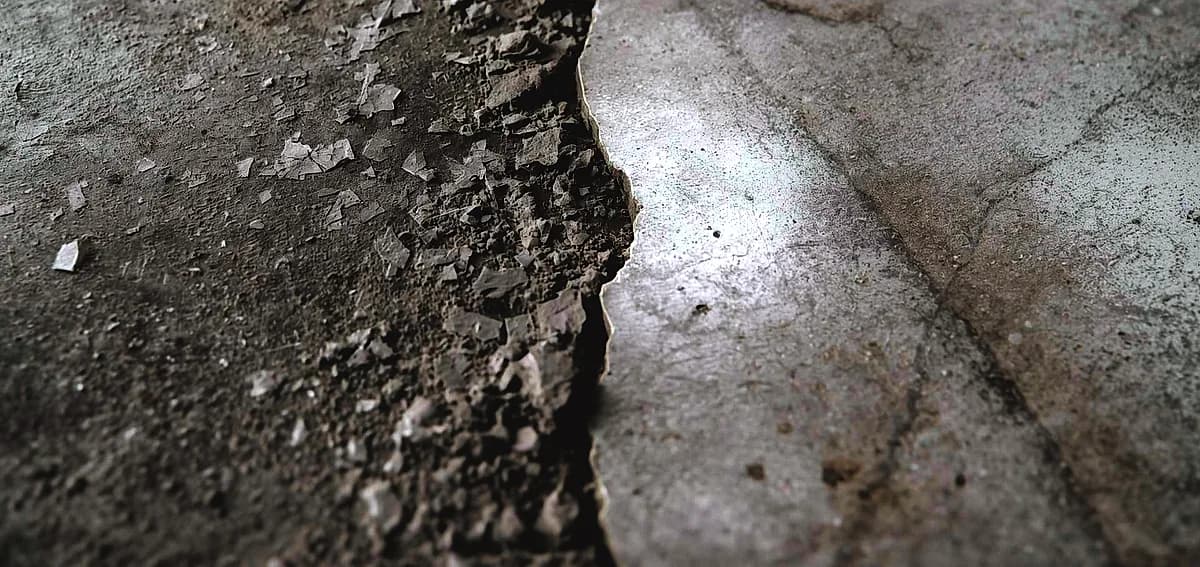
Epoxy & coatings8 min read
DIY vs Professional Epoxy Flooring in Fort Lauderdale
Hardware stores heavily market all-in-one boxes that promise a showroom finish with minimal effort.
Read it
Epoxy & coatings8 min read
Can You DIY Epoxy Flooring in Miami? Pros, Cons, and Tips
Applying a durable floor finish in a tropical or highly humid climate presents unique environmental challenges.
Read it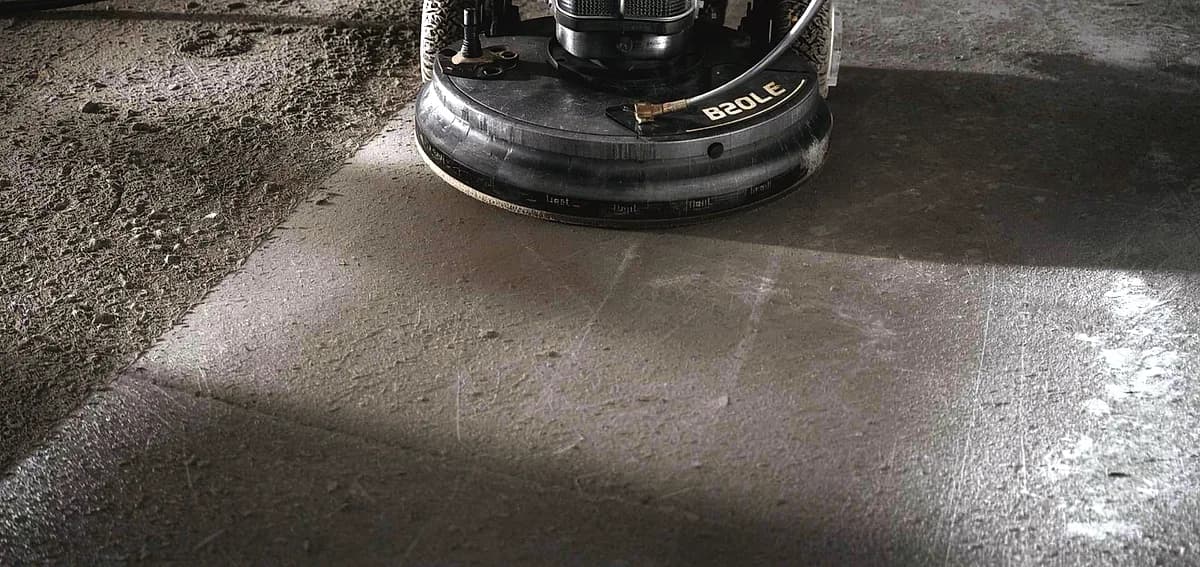
Epoxy & coatings8 min read
The Pros and Cons of Epoxy Flooring for Miami Properties
Epoxy coatings consist of a two-part chemical system containing a polymer resin and a hardening agent.
Read it
Tell us about the floor
Tell us the space and roughly how big it is.We come back with what it would cost and when we could start.
Prefer to talk? Call +1 844-876-5474
- Leads@
nationalconcretepolishing.net - 2200 NW 32nd St #600,
Pompano Beach, FL 33069 Mon to Fri, 9:00 to 5:30