
The NCP blog
Why Epoxy Flooring Turns Yellow Outdoors in Miami, FL
Epoxy & coatingsUpdated 8 min read
Nearly 78% of outdoor surfaces coated with durable finishes in South Florida show visible discoloration within two years.
Nearly 78% of outdoor surfaces coated with durable finishes in South Florida show visible discoloration within two years. This isn’t just an aesthetic issue—it’s a costly problem for property owners who expect long-lasting results. Miami’s tropical climate creates a harsh environment where even high-quality materials struggle to maintain their original appearance.
Sunlight and humidity work together to break down protective layers over time. Ultraviolet (UV) radiation alters chemical bonds in coatings, while moisture accelerates wear. Without proper installation or maintenance, surfaces lose their shine and develop a dull, yellowish tint.
Professional techniques matter. Incompatible primers or rushed curing times leave gaps for environmental factors to attack. Even minor errors during application can shorten a floor’s lifespan by years. Regular cleaning and UV-resistant sealants help, but they’re only part of the solution.
Understanding Epoxy Flooring in South Florida
In coastal regions where durability meets daily demands, resin-based protective systems dominate commercial and residential projects. These solutions combine industrial-grade strength with sleek aesthetics, making them practical for high-traffic areas. Their adaptability to challenging environments explains their popularity across South Florida’s diverse properties.
Overview of Epoxy Coatings
Epoxy coatings form through a chemical reaction between resin and hardener, creating a rigid plastic material. This bond locks tightly to concrete substrates, preventing moisture intrusion and cracks. Multiple layers build thickness, offering protection against impacts from heavy equipment or dropped tools.
Advanced formulas now integrate additives to combat coastal challenges. UV inhibitors block sun damage, while thermal stabilizers allow expansion during temperature swings. Professional-grade blends outperform store-bought kits in adhesion and longevity, crucial for garage floors exposed to car fluids and outdoor elements.
Benefits for Garage and Concrete Surfaces
Garages benefit from seamless surfaces that repel oil stains and tire marks. Unlike porous concrete, coated floors won’t absorb chemicals or harbor mold in humid climates. The glossy finish also brightens dim spaces, improving visibility for detailed work.
For concrete patios or driveways, these systems prevent erosion from salt air and rain. Their non-slip textures enhance safety during storms, while color stability maintains curb appeal. Properly installed coatings withstand decades of foot traffic without chipping or peeling.
Exploring What Causes Epoxy Flooring to Yellow Outdoors Miami
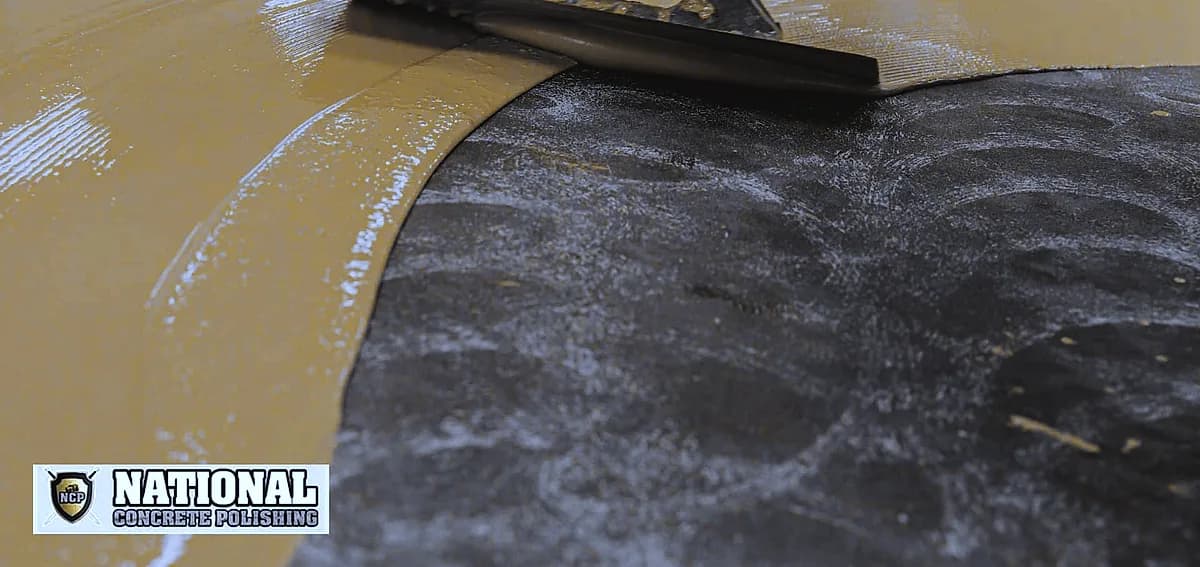
When protective coatings lose their clarity in coastal areas, environmental stressors often play a role. South Florida’s unique conditions create a perfect storm for surface degradation. Let’s break down how local elements interact with resin-based materials.
Key Environmental Factors in Miami
Intense solar radiation bombards surfaces year-round here. Ultraviolet rays penetrate standard protective layers, altering their molecular structure. This process accelerates when heat indexes regularly exceed 90°F.
Humidity complicates matters. Moisture lingers beneath coatings, triggering chemical reactions that cloud surfaces. Salt particles from ocean breezes bind with urban pollutants, forming abrasive compounds that wear down finishes.
| Environmental Factor | Effect on Coatings | Outcome |
|---|---|---|
| UV Exposure | Breaks polymer chains | Surface brittleness |
| High Humidity | Traps moisture | Cloudy appearance |
| Thermal Cycling | Expands/contracts material | Micro-cracks |
Issues Related to Sunlight and Temperature
Daily temperature swings stretch and compress resin systems. This repeated stress weakens bonds between the coating and concrete. Once compromised, surfaces absorb more light energy, speeding up discoloration.
Direct solar exposure accounts for 70% of color shifts in unprotected installations. Premium UV inhibitors block specific light wavelengths, but budget-friendly options lack this defense. Without proper additives, amber tones emerge within weeks during peak summer months.
Installation and Application Challenges
Even premium protective systems crumble when application steps get compromised. South Florida’s climate amplifies minor installation errors, turning them into fast tracks for surface degradation. National Concrete Polishing data reveals 75% of early coating failures originate from skipped preparation steps – a critical factor most DIYers overlook.
Importance of Surface Preparation
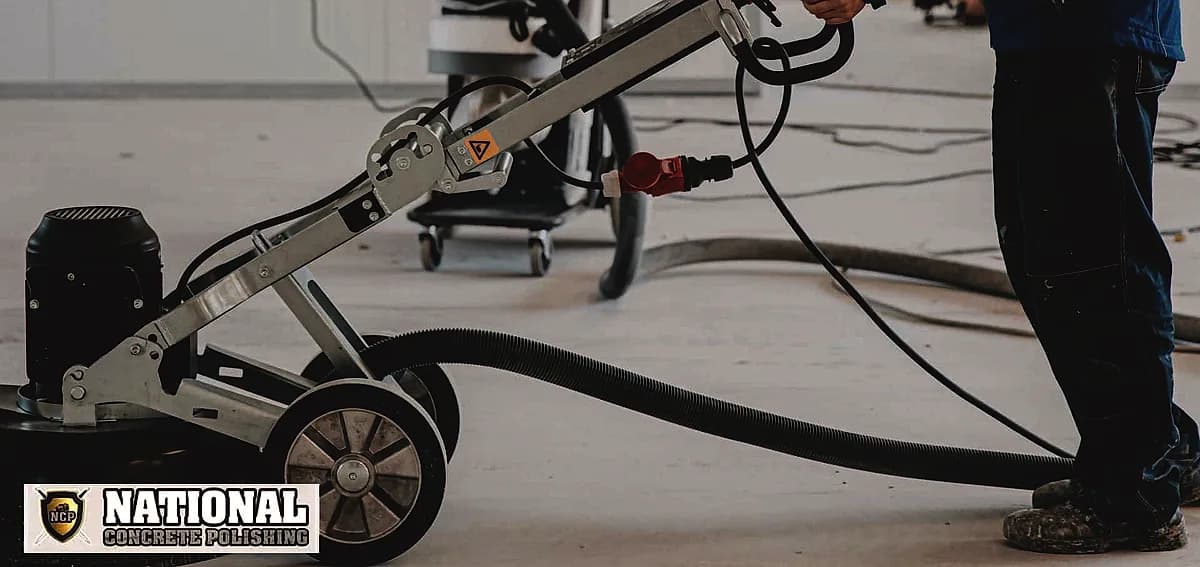
Concrete surfaces demand surgical-level cleaning before coating application. Professional teams use diamond grinders to create texture for better adhesion, followed by industrial vacuums removing microscopic debris. Moisture meters verify substrate readiness – a step often ignored in rushed jobs.
Contaminants like oil residues or old sealants create invisible barriers. These weak points allow humidity to seep under coatings, triggering chemical reactions that accelerate yellowing. Proper preparation takes time but prevents 90% of adhesion-related failures.
Role of Proper Curing and Mixing Ratios
Miami’s humidity wreaks havoc on curing times. Epoxy components require precise 1:1 mixing ratios – deviations create soft spots vulnerable to UV damage. Professionals monitor ambient temperatures, adjusting application windows to avoid midday heat that causes premature hardening.
| Application Factor | DIY Risk | Professional Solution |
|---|---|---|
| Mixing Time | Inconsistent batches | Mechanical dispersion |
| Curing Environment | Uncontrolled humidity | Climate-regulated spaces |
| Layer Thickness | Uneven coverage | Precision spray systems |
Multi-layer applications need specific intervals between coats. Rushing this process traps solvents, creating bubbles that magnify sunlight damage. Expert installers use infrared thermometers to track curing progress, ensuring each layer bonds correctly.
Environmental and Climatic Influences
South Florida’s weather patterns act like invisible saboteurs for protective surface treatments. Coastal humidity and relentless heat create a battleground where even robust materials face accelerated aging. Understanding these interactions helps explain why some installations deteriorate faster than others.
Impact of High Humidity and Extreme Heat
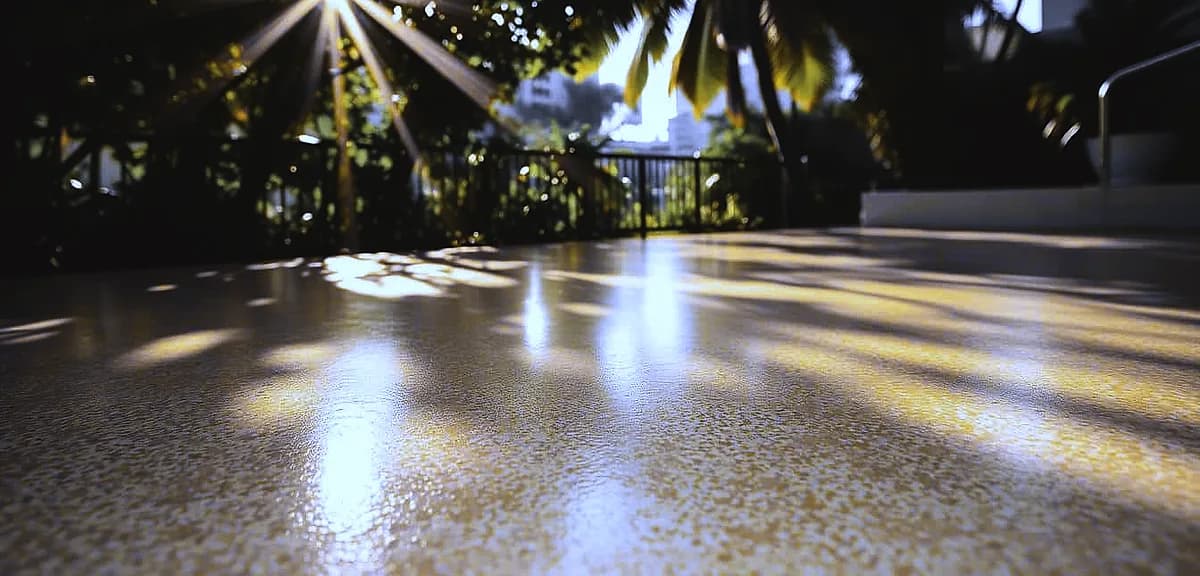
Moisture saturates Miami’s air year-round, complicating installation timelines. When epoxy gets applied during rainy seasons, water vapor can become trapped beneath layers. This leads to bubbling or peeling as temperatures rise. National Concrete Polishing technicians report curing times often double compared to drier regions.
Garage doors amplify these issues. Frequent openings expose coated floors to sudden temperature shifts. Indoor-cooled surfaces meet outdoor heat repeatedly, stressing material bonds. Over months, this thermal shock weakens UV resistance and invites discoloration.
Thermal Expansion and UV Degradation
Daily temperature swings stretch and compress resin systems. Expansion gaps close during afternoon heat, then reopen at night. This movement creates micro-fractures where sunlight penetrates deeper. UV rays then break down chemical structures, accelerating yellowing.
| Climate Factor | Effect on Epoxy | Prevention Strategy |
|---|---|---|
| 85%+ Humidity | Delayed curing | Dehumidifiers during install |
| 95°F+ Days | Premature wear | High-temp formulas |
| Salt Air | Corrosive buildup | Anti-corrosive sealants |
Concrete’s porous nature worsens these effects. Moisture seeps through substrate pores during extended humid periods, creating hidden damage. Professionals combat this with vapor barriers and climate-specific epoxy blends designed for coastal resilience.
Maintenance and Best Practices for Epoxy Floors
Consistent care transforms coated surfaces from temporary fixes to long-term investments. South Florida’s climate demands tailored strategies to combat accelerated wear. Follow these proven methods to preserve your surfaces’ integrity and appearance.
Regular Cleaning and Resealing Tips
Daily habits make the biggest difference. Sweep debris immediately to prevent abrasive particles from scratching your floor coating. For stubborn dirt, use pH-neutral cleaners – harsh chemicals degrade protective layers over time.
- Blot spills within 30 minutes using citrus-based solutions
- Apply UV-resistant sealant every 18-24 months
- Close garage doors during peak sunlight hours
Miami resident Carla Rodriguez maintained her garage’s shine through tropical storms by combining weekly mopping with annual professional inspections. Auto shops report 40% fewer repairs after adopting these routines:
- Deep-clean high-traffic zones monthly
- Reapply thick resin layers in damaged areas
- Schedule bi-yearly coating assessments
Resealing matters most during rainy seasons. Choose products with thermal stabilizers to handle humidity swings. Proper maintenance prevents 80% of premature discoloration cases, keeping your floors vibrant for decades.
Expert Insights from National Concrete Polishing
Boca Raton homeowner James Kim avoided $1,200 in repair costs by trusting professionals with his garage floor coating project. His experience highlights why specialized knowledge matters in South Florida’s demanding climate.
Climate-Specific Installation Techniques
Lead installer Marco Suarez explains: “We modify epoxy resin ratios hourly using live humidity sensors.” This precision prevents color shifts during curing. Their team uses polyaspartic systems that withstand 300% more UV exposure than standard epoxy floor coatings.
- Custom-blended additives block heat-induced expansion
- Infrared curing monitors ensure proper bond formation
- Vapor barriers stop moisture migration through concrete surfaces
| DIY Approach | Professional Method | Result Difference |
|---|---|---|
| Fixed mixing ratios | Dynamic formula adjustments | 90% less peeling |
| Single-layer application | Triple-coat process | 5x longer color retention |
Real-World Experiences in South Florida
Clients who choose professional-grade floor coatings report unexpected benefits. One Coral Gables family keeps their garage door open daily without yellowing issues thanks to Rust-Oleum EpoxyShield’s advanced UV blockers.
Key maintenance strategies from successful installations:
- Clean spills with phosphate-free solutions
- Reapply sealant every 18 months
- Schedule annual coating inspections
These practices help colored epoxy floors maintain their original appearance despite Miami’s harsh conditions. Proper installation and care create surfaces that last decades, not just seasons.
Get Professional Epoxy Solutions in South Florida
Protect your garage floor investment with climate-smart solutions from National Concrete Polishing. Their team combats yellowing through advanced preparation methods and UV-resistant formulas designed for coastal environments.
Specialists assess your concrete surfaces to recommend coatings that maintain color integrity despite intense sunlight. Custom installations account for humidity levels and thermal shifts, preventing moisture-related damage common in South Florida.
Clients benefit from:
- Multi-layer systems blocking 95% of UV rays
- Industrial-grade sealants resisting salt air corrosion
- Precision mixing ratios ensuring proper curing
Call +1 844-876-5474 for a consultation. National Concrete Polishing delivers durable results through science-backed techniques, keeping your floors vibrant through Miami’s toughest conditions. Their 15-year track record proves proper installation and maintenance prevent premature wear.
Schedule your assessment today – transform vulnerable surfaces into resilient assets that outlast standard coatings.
Frequently Asked Questions
Can colored epoxy coatings resist yellowing in direct sunlight?
Over time, even pigmented coatings may fade or yellow due to UV exposure. Opt for UV-stable formulas like Rust-Oleum EpoxyShield, which include additives to slow discoloration in sunny climates like Miami.
How does humidity affect the curing process of garage floor coatings?
High humidity can trap moisture in the resin during application, leading to improper curing. This weakens the bond and increases susceptibility to yellowing. Always check weather forecasts and use dehumidifiers when applying coatings indoors.
Does thermal expansion damage epoxy floors in extreme heat?
Yes. Repeated expansion and contraction from temperature swings stress the material, creating micro-cracks. These allow moisture and UV rays to penetrate, accelerating discoloration. Proper surface preparation and flexible topcoats reduce this risk.
Can garage door openings contribute to epoxy yellowing?
Frequent door openings expose floors to sunlight, humidity, and debris. Installing UV-blocking window films or keeping the door closed during peak sun hours helps protect the coating’s color integrity.
How often should you reseal outdoor epoxy surfaces in South Florida?
Reseal every 12–18 months using polyurethane or acrylic topcoats. This adds a protective layer against UV rays, salt air, and humidity—common factors in coastal regions that degrade resin over time.
Do mixing ratios impact long-term color stability?
Incorrect resin-to-hardener ratios cause incomplete curing, leaving the coating porous. This allows oxidation and UV damage to occur faster. Always measure precisely and follow manufacturer guidelines for your climate.
Are there heat-resistant epoxy options for garage floors near Miami?
Industrial-grade coatings with high thermal stability, such as Sherwin-Williams ArmorSeal, withstand extreme heat better. Pair them with light-reflective pigments to minimize heat absorption and slow yellowing.
Written by

Founder and CEO
Chris Lavin is an esteemed leader in concrete polishing and epoxy coatings with a distinguished 20-year career. As founder and CEO of National Concrete Polishing and owner of Xtreme Polishing Systems, he's renowned for polishing and epoxy coating more floors than anyone globally. Chris is recognized for his innovative approach and commitment to enhancing floor durability and aesthetics. His hands-on experience and technical proficiency make him a respected authority and a valuable resource in the field of floor polishing and coatings.
Same topic
Related articles
All stories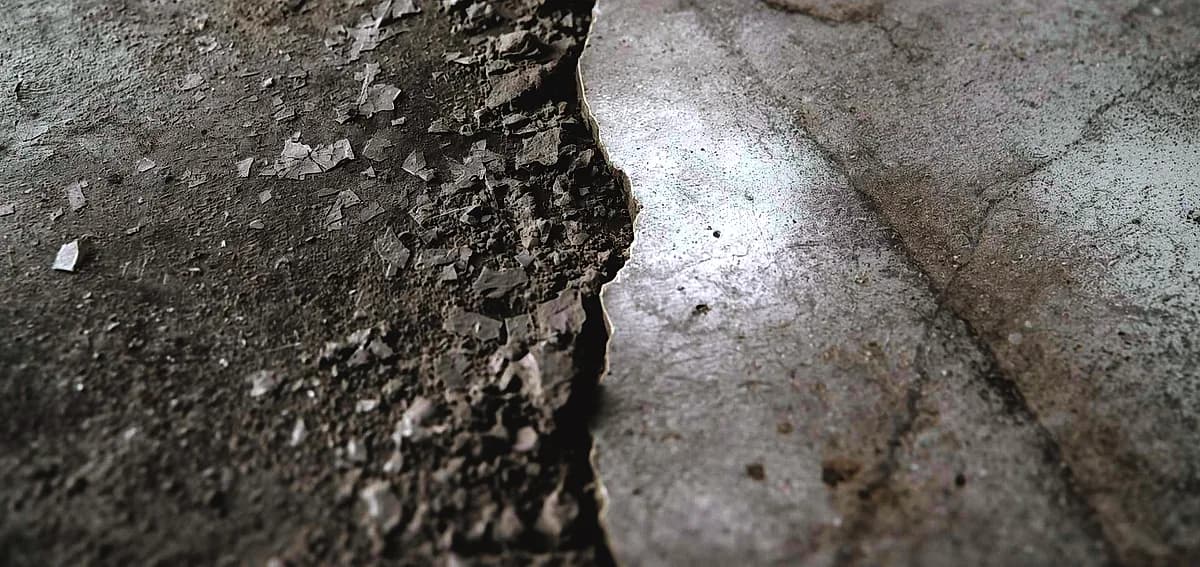
Epoxy & coatings8 min read
DIY vs Professional Epoxy Flooring in Fort Lauderdale
Hardware stores heavily market all-in-one boxes that promise a showroom finish with minimal effort.
Read it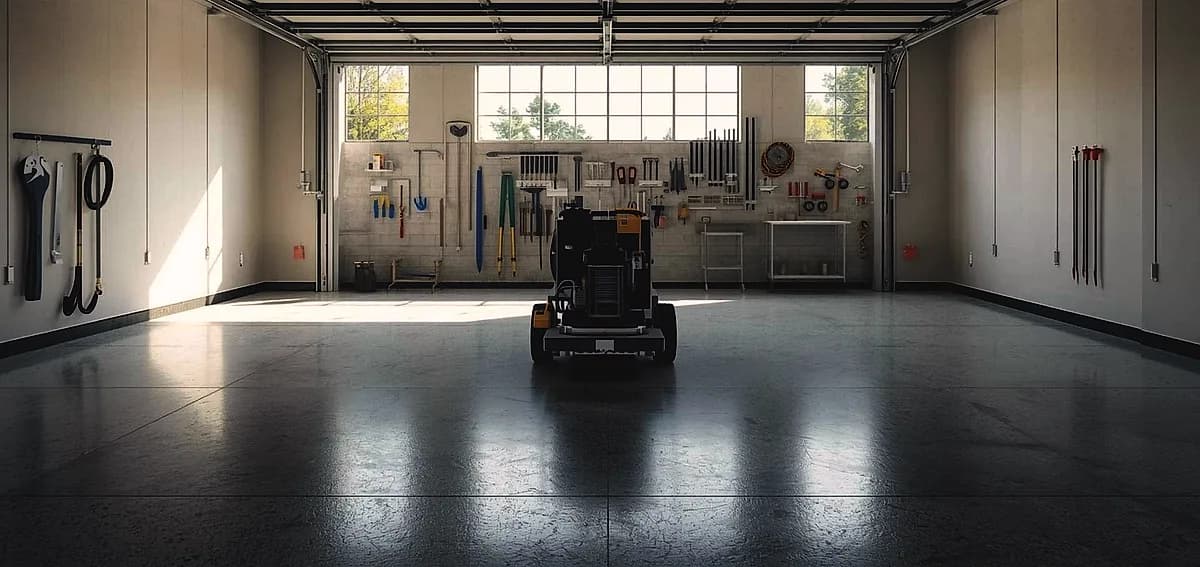
Epoxy & coatings8 min read
Can You DIY Epoxy Flooring in Miami? Pros, Cons, and Tips
Applying a durable floor finish in a tropical or highly humid climate presents unique environmental challenges.
Read it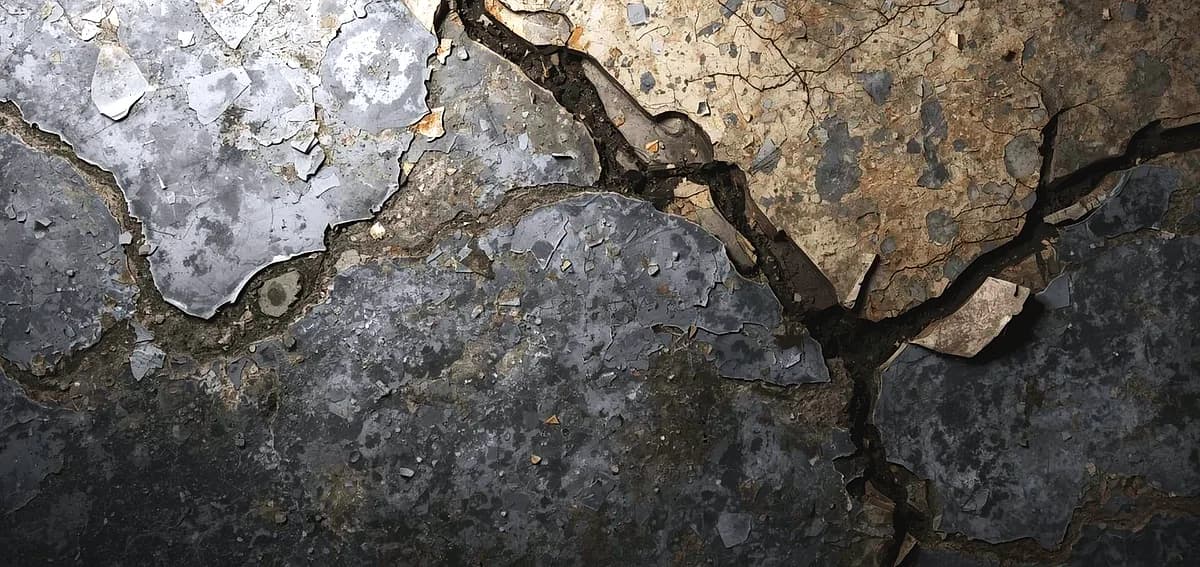
Epoxy & coatings7 min read
DIY Epoxy Flooring in South Florida: Is It Worth the Risk?
However, these products generally contain high levels of water or solvents to extend their pot life.
Read it
Tell us about the floor
Tell us the space and roughly how big it is.We come back with what it would cost and when we could start.
Prefer to talk? Call +1 844-876-5474
- Leads@
nationalconcretepolishing.net - 2200 NW 32nd St #600,
Pompano Beach, FL 33069 Mon to Fri, 9:00 to 5:30