
The NCP blog
Why Proper Joint Treatment is Critical for Epoxy Floors in Florida
Epoxy & coatings11 min read
Concrete floors contain three main joint types that serve distinct purposes and require specialized treatment approaches.
Epoxy floor joint treatment represents one of the most critical yet commonly overlooked aspects of flooring installations in South Florida, where 78% of epoxy failures originate from improperly treated expansion joints. Concrete joints exist to accommodate natural expansion and contraction caused by temperature fluctuations, moisture changes, and structural settling—forces that are particularly pronounced in Florida’s humid, subtropical climate. Without proper joint treatment for epoxy floors, these natural movements create stress points that lead to cracking, delamination, and premature coating failure within months of installation. National Concrete Polishing understands that successful epoxy installations in Pompano Beach, Fort Lauderdale, and Miami depend on advanced joint treatment techniques that allow floors to move naturally while maintaining seamless, durable surfaces that withstand Florida’s demanding environmental conditions.
Overview
This comprehensive guide explains why proper joint treatment is essential for epoxy floor longevity in Florida‘s challenging climate. You’ll learn about different joint types, how concrete movement affects epoxy coatings, and the specialized techniques professionals use to bridge joints without compromising structural integrity. We’ll cover flexible filler options, timing considerations for joint cutting, and the relationship between Florida’s humidity and joint performance. Understanding these critical factors helps property owners make informed decisions about their flooring investments and avoid costly repairs.
Understanding Concrete Joint Types
Concrete floors contain three main joint types that serve distinct purposes and require specialized treatment approaches. Control joints are intentionally created shallow cuts that direct where concrete will crack as it cures and experiences stress—these are the most common joints in residential and commercial slabs. Construction joints form where concrete pours end and new sections begin, creating natural seams between separately placed concrete sections.
Expansion joints are specifically designed to accommodate significant movement between concrete sections, typically filled with compressible materials that allow adjacent slabs to expand toward each other without creating destructive forces. Each joint type presents unique challenges for epoxy installations because they move at different rates and serve different structural purposes. Understanding these distinctions is essential for selecting appropriate treatment methods that maintain both structural function and coating integrity.
Why Florida Climate Intensifies Joint Movement
Florida’s subtropical environment creates extreme conditions that accelerate concrete movement beyond what occurs in temperate climates. Daily temperature swings of 20-30°F cause concrete to expand during hot afternoons and contract during cooler mornings and evenings—this constant cycling stresses rigid coatings applied over untreated joints. Humidity fluctuations between dry indoor environments and moisture-saturated outdoor air create additional expansion and contraction forces.
South Florida’s intense solar radiation heats exposed concrete surfaces to temperatures exceeding 140°F, while air-conditioned indoor spaces may maintain concrete at 70°F—this temperature differential creates substantial dimensional changes. Seasonal rainfall patterns add moisture to concrete during summer months that evaporates during drier winter periods, causing additional volumetric changes. These combined environmental factors make proper joint treatment not just recommended but absolutely essential for epoxy floor longevity in Florida.
How Untreated Joints Cause Epoxy Failure
When epoxy is applied directly over joints without proper treatment, the rigid coating cannot accommodate concrete movement. As underlying concrete sections expand and contract, stress concentrates at joint locations where the epoxy has no flexibility to absorb the movement. This stress manifests as hairline cracks that appear directly above joints, progressively widening until complete coating separation occurs.
Moisture infiltration through untreated joints accelerates failure by compromising adhesion from beneath the coating. Florida’s high humidity allows water vapor to penetrate joints and migrate under epoxy coatings, creating bubbling and delamination that spreads outward from joint locations. The combination of mechanical stress from movement and chemical degradation from moisture creates cascading failures that can compromise entire floor sections within months of installation—one of the 5 reasons commercial epoxy floors fail.
Traditional Joint Filling Methods
Conventional approaches to joint treatment involve filling voids with rigid epoxy mortars before coating application. This method combines epoxy primer with silica flour to create a paste that fills joint recesses, then applies fiberglass reinforcement bridging the joint before final coating. The process includes priming joint surfaces, filling with epoxy mortar, laying fiberglass mat in a 4-inch strip across the joint, and saturating the mat with additional primer.
While this reinforced filling approach strengthens the joint area, it cannot fully prevent cracking because epoxy mortar remains relatively inflexible. The rigid filler resists the concrete’s natural movement, creating stress that eventually overcomes the coating’s tensile strength. In Florida’s dynamic climate, this traditional method often fails within 1-2 years as environmental stresses exceed the system’s capacity to flex and accommodate movement.
Modern Flexible Joint Treatment Systems
Contemporary joint treatment prioritizes flexibility over rigid reinforcement by incorporating elastic materials that move with concrete. Professional installers now apply epoxy coatings first, then recut joints through the cured coating before filling with flexible polyurea or polyurethane sealants. This approach allows joints to function as intended while preventing coating failure at stress points.
Flexible fillers can stretch up to 300% without tearing, accommodating seasonal expansion cycles without compromising adjacent coatings. The recutting process creates clean edges through the epoxy coating that accept flexible sealants designed to move independently of the rigid coating while maintaining waterproof seals. This methodology has become the industry standard for commercial and industrial facilities where long-term performance justifies slightly higher material costs.
Polyurea vs Polyurethane Joint Fillers
Polyurea joint fillers offer superior performance characteristics for Florida’s demanding environment due to their fast cure times and excellent moisture resistance. These materials set within minutes to hours, minimizing downtime and allowing rapid return to service—critical for commercial facilities. Polyurea’s chemical structure provides exceptional UV stability, preventing degradation from Florida’s intense sunlight when used on exposed exterior surfaces.
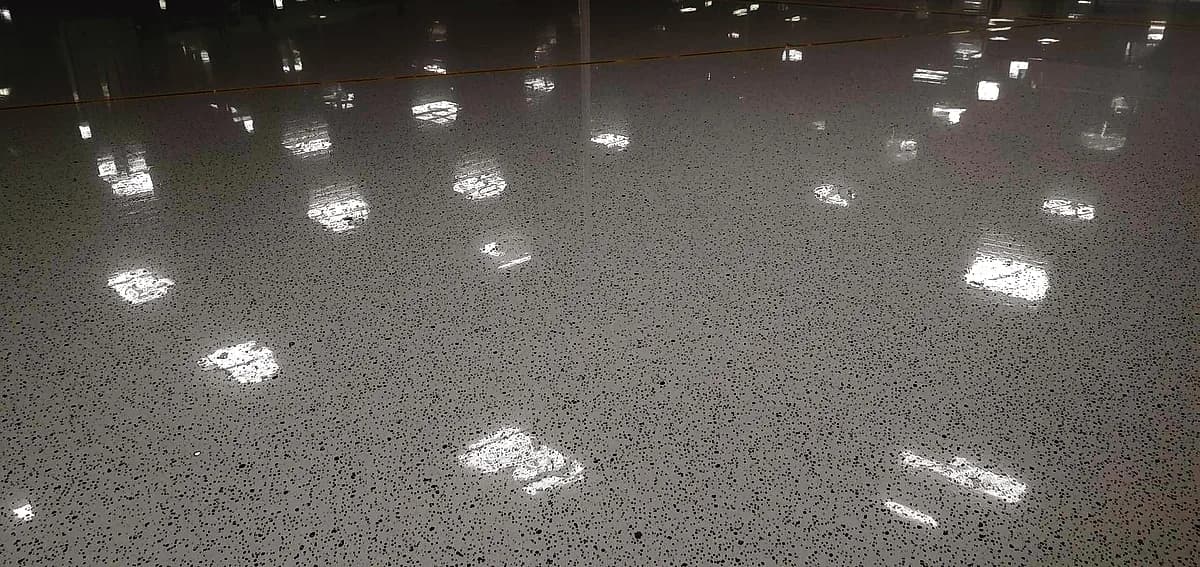
Polyurethane fillers provide excellent flexibility and strong adhesion at lower cost than polyurea systems. These materials cure more slowly, typically requiring 24-48 hours before accepting traffic, but offer exceptional elongation properties that accommodate joint movement. Both material families significantly outperform rigid epoxy fillers, though polyurea’s rapid cure and superior environmental resistance make it the preferred choice for high-traffic commercial applications despite higher material costs.
Timing Joint Recutting After Epoxy Installation
Proper timing for recutting joints through cured epoxy is critical for system longevity. The epoxy must cure sufficiently to support cutting operations without tearing or delaminating—typically 24-72 hours depending on ambient temperature and product formulation. Cutting too early risks coating damage, while waiting too long allows traffic to stress untreated joints and potentially crack the coating.
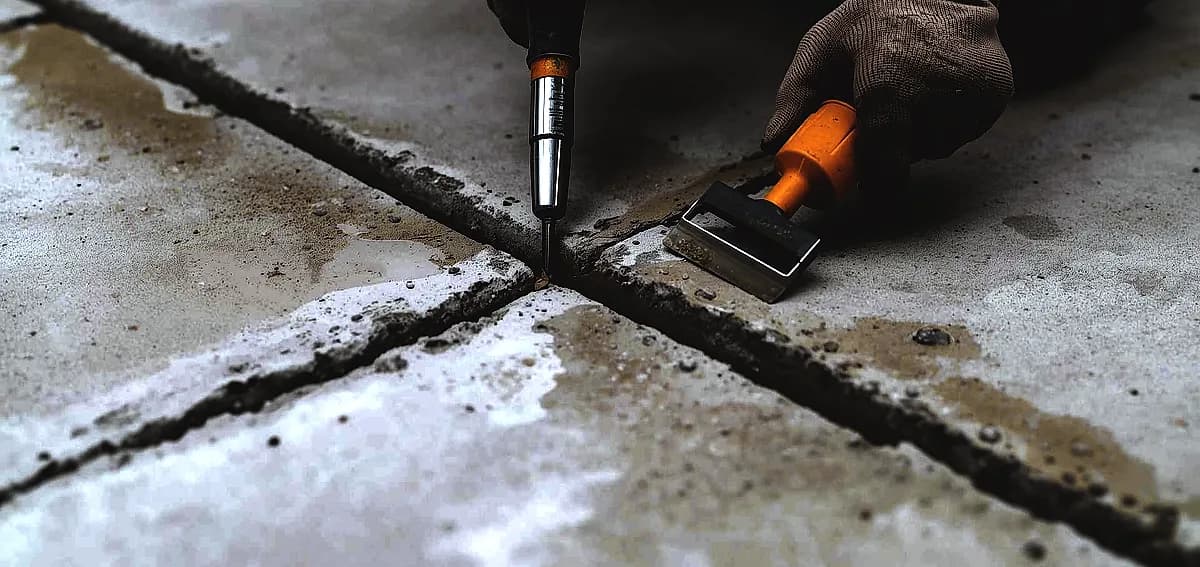
Professional contractors use diamond blades to create precise cuts directly above original joint locations, typically 2-5mm wide depending on expected movement. The cutting process must extend through the entire coating thickness to reach concrete, ensuring complete separation that allows independent movement. Immediately vacuuming debris prevents contamination that would interfere with flexible filler adhesion. This precise timing and execution distinguish professional installations from DIY attempts that often fail due to improper sequencing.
Joint Preparation Techniques
Thorough preparation determines filler adhesion and long-term performance in treated joints. The process begins with sawcutting to create clean, straight edges, followed by industrial vacuuming or compressed air to remove all debris. Any remaining dust particles interfere with filler bonding, making meticulous cleaning essential.
Joint surfaces receive primer application specifically formulated for the chosen filler material—polyurea and polyurethane products often require proprietary primers for optimal adhesion. Moisture testing is particularly important in Florida installations where high humidity can compromise filler bonding. Some installations benefit from V-grooving techniques that increase bonding surface area by 300%, creating mechanical locks between filler and concrete. This enhanced preparation prevents filler detachment that would allow moisture infiltration and coating failure.
Fiberglass Reinforcement Methods
High-stress applications benefit from fiberglass reinforcement that distributes forces across wider areas. This technique applies epoxy mortar to fill joints, then embeds fiberglass cloth approximately 10cm wide centered over the joint before additional coating layers. The cloth creates a flexible bridge that allows limited movement while preventing catastrophic cracking.
Multiple fiberglass layers increase reinforcement strength for heavy industrial applications where forklift traffic or significant loads stress joint areas. The cloth must be fully saturated with compatible resin and rolled to remove air bubbles that would create weak points. While more labor-intensive than simple filler application, fiberglass reinforcement provides excellent performance in facilities where joint failure would create safety hazards or operational disruptions.
Aesthetic Considerations for Visible Joints
Clean facilities like electronics manufacturing plants and pharmaceutical facilities often prioritize seamless appearance over visible joint lines. In these applications, installers create trapezoid-shaped joint profiles with wide tops and narrow bottoms that accept fillers more securely while maintaining smooth surface transitions. Tape application on both sides of joints during filling creates sharp, clean edges when removed after partial filler cure.
Color-matching flexible fillers to the primary epoxy coating minimizes visual impact, though perfect matches remain challenging because polyurea and polyurethane products have limited color ranges. Some facilities accept contrasting joint colors as intentional design elements that add visual interest while signaling joint locations to equipment operators. The aesthetic choice balances appearance preferences against the functional requirement for joints that accommodate movement without compromising coating integrity.
Impact of Joint Spacing on Treatment Strategy
Closely spaced joints require more extensive treatment efforts that increase installation costs and complexity. Slabs with joints every 15-20 feet demand comprehensive treatment strategies, while floors with wider joint spacing concentrate treatment efforts on fewer locations. Joint spacing also affects the coating system’s overall flexibility requirements—numerous joints distribute movement across more locations, reducing stress at individual joints.
Florida building codes and concrete placement standards influence joint spacing based on slab thickness, reinforcement, and intended use. Warehouse floors typically feature wider joint spacing than residential garages, affecting both initial installation approaches and long-term maintenance requirements. Understanding your floor’s joint configuration helps contractors recommend appropriate treatment methods that balance performance and cost-effectiveness.
Maintenance and Long-Term Joint Care
Even properly treated joints require periodic maintenance to ensure continued performance. Annual inspections identify early signs of filler degradation, cracking, or separation that can be addressed before major coating damage occurs. Small repairs involve cleaning compromised joint sections and reapplying flexible filler—much less expensive than coating replacement.
Florida’s intense UV exposure gradually degrades some joint fillers, particularly in outdoor or windowed areas where sunlight contacts treated joints. Reapplication every 3-5 years maintains waterproof seals and prevents moisture infiltration that causes more serious problems. High-traffic areas may show accelerated wear at joint locations where vehicle tires repeatedly stress filler materials, necessitating more frequent maintenance in warehouse drive lanes and loading areas.
Common Joint Treatment Mistakes
DIY installers frequently apply epoxy directly over untreated joints, assuming the coating’s strength will prevent cracking. This fundamental error accounts for the majority of premature epoxy failures in Florida. Using rigid fillers instead of flexible materials creates stress concentrations that overcome coating tensile strength during normal thermal cycling.
Inadequate joint preparation leaves dust and debris that prevents proper filler adhesion, allowing moisture to undermine the joint treatment. Incorrect timing when recutting joints—either too early when epoxy remains soft or after traffic has already stressed the coating—compromises system integrity. Professional contractors avoid these pitfalls through systematic approaches that address each critical factor affecting joint treatment success.
Professional vs DIY Joint Treatment
Professional joint treatment justifies its cost through specialized equipment and expertise that DIY approaches cannot replicate. Contractors use calibrated cutting tools that create precise joint widths and depths without damaging surrounding coatings. Their access to commercial-grade flexible fillers designed specifically for demanding environments provides performance that consumer products cannot match.
Experience identifying appropriate treatment methods for different joint types, slab conditions, and usage requirements prevents costly errors. Professional installations typically include warranties covering joint-related failures, providing financial protection unavailable with DIY approaches. For Florida properties where environmental stresses test every aspect of epoxy installations, professional joint treatment represents essential risk management rather than optional enhancement.
Cost Implications of Proper Joint Treatment
Comprehensive joint treatment adds $2-$5 per linear foot to epoxy installation costs depending on joint complexity and filler selection. While this represents a significant expense for facilities with extensive joint networks, it remains far less than coating replacement necessitated by joint-related failures. The investment extends coating lifespan by 3-5 years on average, dramatically improving return on flooring expenditures.
Deferred joint treatment creates false economy—untreated joints typically fail within 12-24 months in Florida, requiring coating removal and reinstallation at costs exceeding the entire original installation including proper joint treatment. Viewed as insurance against premature failure rather than optional upgrade, proper joint treatment becomes one of the most cost-effective aspects of professional epoxy installations.
Frequently Asked Questions
Why do epoxy floors crack at joints in Florida?
Florida’s temperature and humidity fluctuations cause concrete expansion and contraction that stress rigid epoxy coatings applied over untreated joints, leading to cracking and delamination.
What’s the best material for filling epoxy floor joints?
Flexible polyurea or polyurethane fillers that can stretch up to 300% provide superior performance compared to rigid epoxy mortars, allowing joints to move without cracking the coating.
Should joints be filled before or after epoxy application?
Modern best practice involves applying epoxy first, then recutting joints through the cured coating before filling with flexible materials—this prevents coating stress while maintaining joint function.
How wide should recut joints be in epoxy floors?
Joint width typically ranges from 2-5mm depending on expected concrete movement, with wider joints accommodating greater expansion in large commercial slabs.
Can I treat joints myself or should I hire professionals?
Professional treatment ensures proper timing, materials, and techniques that DIY approaches struggle to replicate, making professional service recommended for Florida’s demanding climate.
How long do flexible joint fillers last in Florida?
Quality polyurea or polyurethane fillers typically last 3-5 years before requiring reapplication, with lifespan affected by UV exposure and traffic levels.
Do all concrete joints need treatment in epoxy installations?
Yes, all control joints, construction joints, and expansion joints require appropriate treatment to prevent coating failure at these stress points.
What happens if joints aren’t treated properly?
Untreated joints experience concentrated stress from concrete movement, leading to cracking, moisture infiltration, and progressive coating delamination.
How does humidity affect epoxy floor joints in Florida?
High humidity allows moisture to penetrate untreated joints and migrate under coatings, causing bubbling and adhesion failure that spreads from joint locations.
Can failed joint treatments be repaired?
Yes, damaged joint areas can be cleaned, recut if necessary, and refilled with appropriate flexible materials before damage spreads to surrounding coating areas.
Conclusion
Epoxy floor joint treatment stands as the critical factor separating long-lasting, professional installations from premature failures that waste time and money. Florida’s demanding climate intensifies the importance of proper joint management, where temperature swings, humidity fluctuations, and moisture exposure test every aspect of flooring systems. Modern flexible filler technologies and strategic recutting methods allow concrete joints to function as intended while maintaining seamless, durable epoxy surfaces that withstand decades of service. The relatively modest investment in professional joint treatment extends coating lifespan by years and prevents catastrophic failures that necessitate complete reinstallation.
National Concrete Polishing incorporates advanced joint treatment methodologies into every epoxy installation in Pompano Beach, Fort Lauderdale, and Miami, ensuring properties receive flooring systems engineered to thrive in South Florida’s unique environmental conditions. Contact us today for expert assessment of your facility’s joint treatment needs and discover how proper techniques protect your flooring investment for the long term.
Written by

Founder and CEO
Chris Lavin is an esteemed leader in concrete polishing and epoxy coatings with a distinguished 20-year career. As founder and CEO of National Concrete Polishing and owner of Xtreme Polishing Systems, he's renowned for polishing and epoxy coating more floors than anyone globally. Chris is recognized for his innovative approach and commitment to enhancing floor durability and aesthetics. His hands-on experience and technical proficiency make him a respected authority and a valuable resource in the field of floor polishing and coatings.
Same topic
Related articles
All stories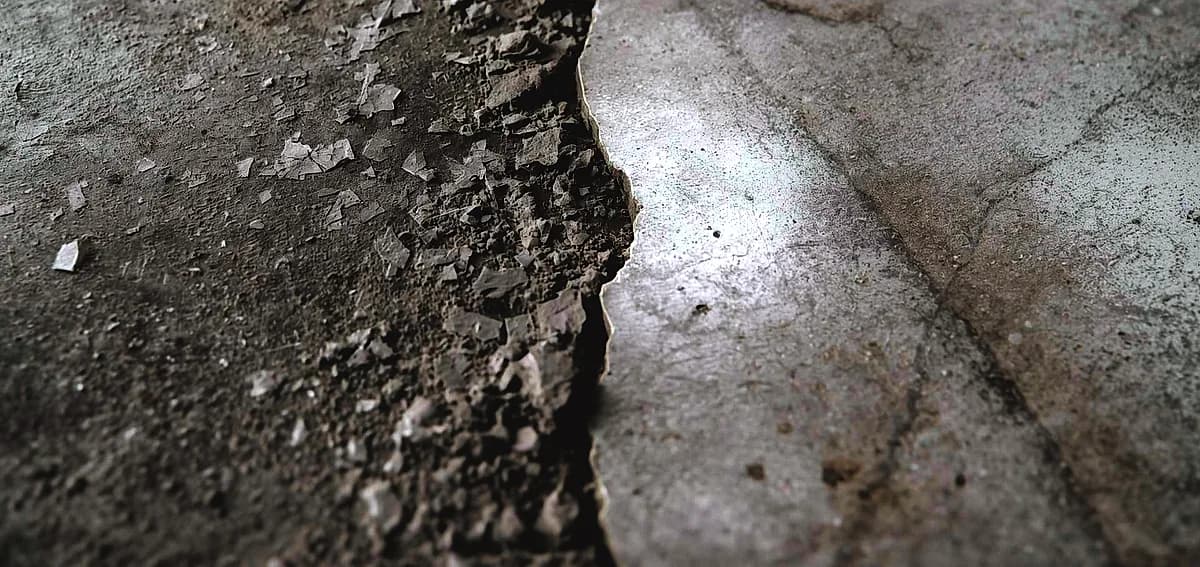
Epoxy & coatings8 min read
DIY vs Professional Epoxy Flooring in Fort Lauderdale
Hardware stores heavily market all-in-one boxes that promise a showroom finish with minimal effort.
Read it
Epoxy & coatings8 min read
Can You DIY Epoxy Flooring in Miami? Pros, Cons, and Tips
Applying a durable floor finish in a tropical or highly humid climate presents unique environmental challenges.
Read it
Epoxy & coatings7 min read
DIY Epoxy Flooring in South Florida: Is It Worth the Risk?
However, these products generally contain high levels of water or solvents to extend their pot life.
Read it
Tell us about the floor
Tell us the space and roughly how big it is.We come back with what it would cost and when we could start.
Prefer to talk? Call +1 844-876-5474
- Leads@
nationalconcretepolishing.net - 2200 NW 32nd St #600,
Pompano Beach, FL 33069 Mon to Fri, 9:00 to 5:30