The NCP blog
What Is The Best Flooring For Walk-In Coolers And Freezers? Types & Needs
Epoxy & coatingsUpdated 6 min read
Walk-in freezers keep food cold enough to store, and a resinous floor coating over insulated layers is a durable option.
Walk-in freezers are essential to any food service business because they keep food at a cold enough temperature where it can be stored. A resinous floor coating over insulated layers is a durable, easy-to-clean option for walk-in coolers and freezers.
What Types Of Floors Work For Walk-In Coolers And Freezers?
Insulated flooring
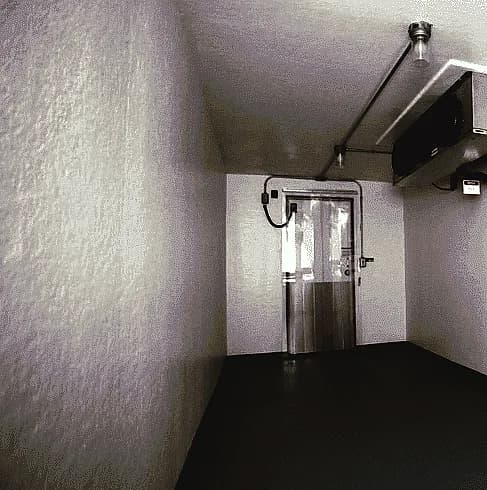
Insulated flooring is a standard choice for freezers and walk-in coolers because it helps to maintain the proper temperature to prevent food from spoiling. Installing this layered flooring in your walk-in cooler can reduce mold formation, floor discoloration, and buckling where water constantly spills.
How do you insulate a walk-in cooler floor?
Layering is a common way to insulate a walk-in cooler floor, as it enhances moisture resistance and helps maintain temperature. To insulate your walk-in cooler floor, you need to level out and clean the existing subflooring before the insulation material can be applied. Once the insulation material is applied correctly, the finishing material can be layered over it and left to cure for the time the manufacturer specifies. The finishing material can be grouted tiles, aluminum panels, or epoxy.
How Do Walk-in Cooler Floors Get Replaced?
Replacing walk-in cooler floors takes care and experience, so it is usually a job for a specialized industrial flooring contractor. One cooler manufacturer, for example, lists a foamed-in-place plywood sub floor as an option on its drop-in floors. One common build-up is described below, and the floor specification of the cooler’s manufacturer governs.
Stage 1: Remove the damaged flooring and the insulation underneath it until only the subfloor is left.
Stage 2: Peel off the finishes, leaving just the cooler and subfloor.
Stage 3: Layer a new and thick insulation barrier on the subfloor. The thickness of this barrier will depend on the temperature of your cooler.
Stage 4: Apply the finishing system over the insulated build-up, following the finish manufacturer’s instructions, and leave it to cure for the time they specify.
Are there any post-installation tips for maintaining/cleaning?
After restoring your cooler box flooring, take preventive action to help protect it from damage. Removing standing water and cleaning the floors properly both help. Set aside time on a regular schedule to defrost your walk-in cooler. Make sure to clean your air vents and do essential cooling system maintenance during this period.
What Are The Benefits Of An Industrial Epoxy Floor For Your Cooler Box (Walk-In Freezer)?
Industrial epoxy is a common choice for walk-in coolers because it is durable, though a freezer floor needs a system chosen for temperature cycling. Some other benefits of industrial epoxy are as follows:
- Slip-resistance: Industrial epoxy can be broadcast with quartz or other aggregate to add texture for slip resistance.
- Immense durability: Industrial epoxy floors are specifically designed to withstand high traffic, high impact from falling objects, and the weight of large items. Some epoxy formulations can debond from concrete when temperatures change, which is what ASTM C884 tests for.
- Low maintenance: Industrial epoxy is non-porous and easy to maintain.
Final Thoughts On Walk-In Freezer Floors
Moisture and heavy items take a toll on walk-in cooler floors, which is why the system and the preparation matter. Contact us to talk through flooring options for your walk-in cooler.
Areas We Serve
We take on commercial and residential flooring projects nationwide, with our primary in-house crews based in South Florida. Projects in other markets are delivered based on project scope, location and mobilization requirements.
- Epoxy & Polished Concrete Flooring in South Florida
- Epoxy & Polished Concrete Flooring in Miami
- Epoxy & Polished Concrete Flooring in Fort Lauderdale
- Epoxy & Polished Concrete Flooring in Pompano Beach
- All service areas
Don't see your city? Give us a call and we will tell you straight away how your area is covered.
What are the main considerations when choosing flooring for walk-in coolers and freezers?
When choosing flooring for walk-in coolers and freezers, consider factors such as thermal shock resistance, slip resistance, ease of cleaning, durability, and compliance with health and safety regulations.
What different types of epoxy floors are available for industrial use?
Different types of epoxy floors for industrial use include self-leveling epoxy floors, epoxy mortar floors, anti-static epoxy floors, and epoxy terrazzo floors. Each type is designed to meet specific needs and conditions.
Why is thermal shock resistance important for walk-in cooler and freezer flooring?
Thermal shock resistance is crucial because the flooring will be subjected to frequent and rapid temperature changes, which can cause traditional materials to crack or fail. Floors must withstand these variations without deteriorating.
Epoxy and concrete respond differently to temperature. ASTM C884 is the test method for determining which epoxy-resin formulations are subject to debonding when used as overlays for concrete that goes through temperature changes it may meet in the field. Ask for a system whose manufacturer documents thermal compatibility under that test method on its data sheet.
How does slip resistance benefit walk-in cooler and freezer environments?
Slip resistance is vital in preventing accidents in environments where moisture and ice are prevalent. Floors with good slip resistance reduce the risk of slips and falls, ensuring a safer working environment.
What makes epoxy floors suitable for walk-in coolers and freezers?
Epoxy floors are durable and easy to clean, and a system chosen for the temperature range can handle thermal cycling. They also provide an unbroken, non-porous surface that resists moisture.
Are there any specific types of epoxy floors recommended for coolers and freezers?
Yes, specific types of epoxy floors designed for extreme temperature conditions and heavy foot and equipment traffic are recommended. These specialized epoxy floors are formulated for such demanding environments.
Can epoxy floors be used in both commercial and industrial settings?
Epoxy floors are versatile and can be used in both commercial and industrial settings. They are particularly popular in food processing facilities, warehouses, and any area requiring a durable and easy-to-clean surface.
What are the benefits of epoxy floors for businesses?
Epoxy floors offer numerous benefits for businesses, including high durability, resistance to chemicals and stains, ease of maintenance, and enhanced appearance. They also provide a safe, slip-resistant surface and can withstand heavy traffic.
How do you maintain and clean epoxy floors in walk-in coolers and freezers?
Maintaining and cleaning epoxy floors in walk-in coolers and freezers involves regular sweeping and mopping with a mild detergent. It’s important to avoid harsh chemicals that can damage the epoxy coating. Regular inspections for any damage or wear are also recommended.
What are the cost considerations when installing epoxy floors in walk-in coolers and freezers?
Cost considerations include the initial installation cost, which can vary based on the type of epoxy used and the size of the area, as well as long-term savings from reduced maintenance and increased durability. A high-quality epoxy floor can be more cost-effective over time if it lasts, and how long it lasts depends on the system and how the floor is used.
Written by

Founder and CEO
Chris Lavin is an esteemed leader in concrete polishing and epoxy coatings with a distinguished 20-year career. As founder and CEO of National Concrete Polishing and owner of Xtreme Polishing Systems, he's renowned for polishing and epoxy coating more floors than anyone globally. Chris is recognized for his innovative approach and commitment to enhancing floor durability and aesthetics. His hands-on experience and technical proficiency make him a respected authority and a valuable resource in the field of floor polishing and coatings.
Same topic
Related articles
All stories
Residential7 min read
Epoxy Garage Floor DIY vs Professional Installation: What You Need to Know
DIY epoxy flooring involves homeowners applying the coating using pre-packaged kits that include resin, hardener, and tools.
Read it
Epoxy & coatings6 min read
What Happens When Concrete Prep Is Skipped
What happens when concrete prep is skipped? Good contractors will tell you it's a disaster, so don't let your contractor skip the work!
Read it
Epoxy & coatings11 min read
Why Proper Joint Treatment is Critical for Epoxy Floors in Florida
Concrete floors contain three main joint types that serve distinct purposes and require specialized treatment approaches.
Read it
Tell us about the floor
Tell us the space and roughly how big it is.We come back with what it would cost and when we could start.
Prefer to talk? Call +1 844-876-5474
- Leads@
nationalconcretepolishing.net - 2200 NW 32nd St #600,
Pompano Beach, FL 33069 Mon to Fri, 9:00 to 5:30