The NCP blog
The Different Types Of Epoxy Floors For Commercial Businesses
Commercial5 min read
Epoxy floors for warehouses, airports, manufacturing plants, showrooms and restaurants: what each needs and upkeep by coating type.
Epoxy is a substance formed with two main components, hardeners and resins. It serves as a sealant for concrete floors. Epoxy coatings are widely used in commercial buildings because the floors have to resist damage and carry heavy machinery. They also help keep spaces cleaner, which can help your janitorial cleaning services work faster for you.
Commercial Floors For Different Industries
Every industry is different, and one size does not fit all when it comes to commercial, institutional, and industrial flooring systems. The type of concrete floor coating and other various treatments you need can vary even within a single facility. Do you know which flooring systems are best for you? Employee locker room flooring, for example, contrasts significantly in composition and aesthetics from an acid-resistant battery room floor coating or a high-temperature, high-moisture production area floor.
Whether the floor is in a hospital, a grocery store, a restaurant, a classroom or a warehouse, the right system depends on the traffic, chemicals and cleaning the floor has to handle.
Warehouse Floors
Coated concrete warehouse flooring systems add a protective layer over the slab. Forklifts, pallet jacks, and rolling carts put constant impact and abrasion on a warehouse floor, and a coating helps it hold up to that and to spills of corrosive chemicals.
Airport Floors
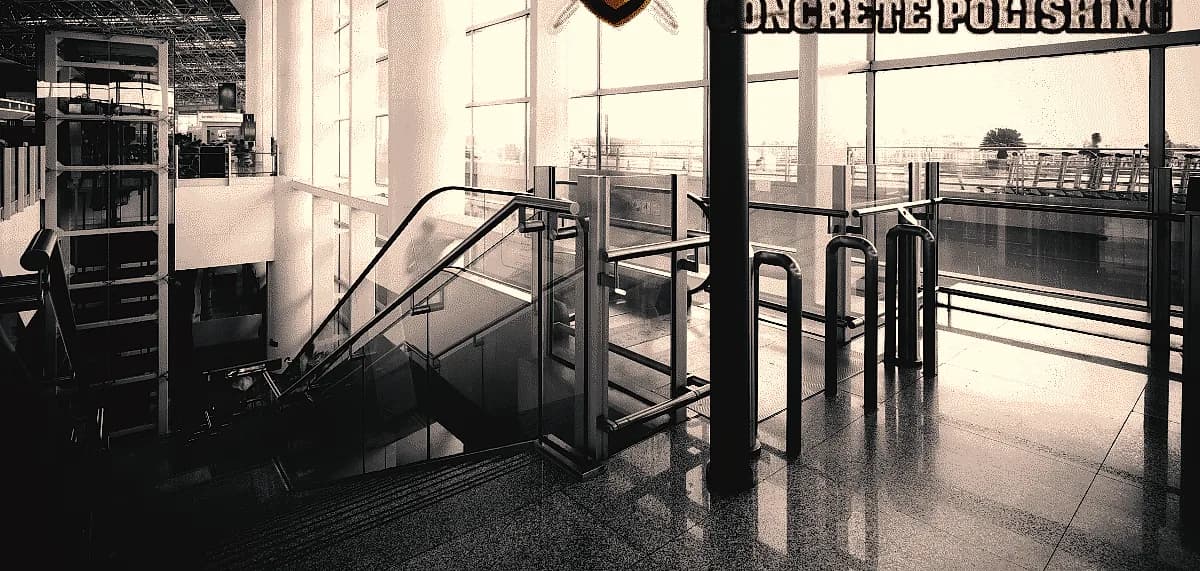
From planes, trains, and automobiles to motorcycles and more, all types of vehicles require regular maintenance, which means plenty of greases, oil, fuel, and solvents. Without the right floor coating systems, the porous concrete slabs used in transit and aviation industry flooring can absorb dangerous chemicals, develop permanent stains and become menacing safety hazards. Epoxy and polished concrete are both used on airport floors.
Manufacturing Floors
The heavy wear and tear, abrasion, oils, and chemicals characteristic of many manufacturing facilities necessitate industrial-strength flooring. Your manufacturing facility’s industrial flooring has to be tough, chemical-resistant, and easy to clean. Industrial epoxy floor coatings and systems are designed for those conditions.
Showroom Floors
All showrooms, shopping, or other retail space areas have two things in common: Plenty of foot traffic and the need to keep floors pristine. Without proper durable, aesthetically-pleasing coatings protecting your concrete slab, your floors can wear down, detract from visitors’ experience, and can force expensive and time-consuming repairs and replacement. Metallic epoxy floors are a popular option for showrooms, and car dealership showrooms are a good place to use them to set off the cars.
Restaurant Floors
In areas where food establishment operations are conducted, the FDA Food Code, which Florida applies through rule 61C-1.001, calls for indoor floors that are smooth and easily cleanable, durable under normal use, and nonabsorbent where they are subject to moisture. Kitchen floors also have to withstand chemicals and grease spills without becoming slippery, which is why an aggregate such as quartz is often broadcast into the coating for texture. Dining areas make lighter demands, and regular epoxy or polished concrete is often used in restaurants.
How Soon Can the Floor Go Back Into Use?
Return to service depends on the system, and the product data sheet and the written proposal govern the final release. These are National Concrete Polishing's typical planning ranges:
- Epoxy: foot traffic in 10 to 24 hours, wheeled traffic in 24 to 72 hours, and full cure in about 7 days.
- Fast-cure polyaspartic: foot traffic in about 6 hours and wheeled traffic in about 24 hours, with heavier service per the product data sheet.
- Urethane cement: foot traffic in 8 to 12 hours and wheeled traffic in 24 to 36 hours.
- Polished concrete: same day when bare and densified, and about 24 hours with a guard or sealer.
For vehicle, forklift, chemical, washdown or hot-grease service, use the longer manufacturer release window, not the earliest foot-traffic time.
Areas We Serve
We take on commercial and residential flooring projects nationwide, with our primary in-house crews based in South Florida. Projects in other markets are delivered based on project scope, location and mobilization requirements.
- Epoxy & Polished Concrete Flooring In South Florida
- Epoxy & Polished Concrete Flooring In Miami
- Epoxy & Polished Concrete Flooring In Fort Lauderdale
- Epoxy & Polished Concrete Flooring In Pompano Beach
- All service areas
Don't see your city? Give us a call and we will tell you straight away how your area is covered.
What Factors Influence the Cost of Applying Epoxy Coating in Commercial Spaces?
The cost of applying epoxy coating in commercial businesses can vary widely, primarily influenced by factors such as the size of the area to be covered, the type of epoxy used, the complexity of the application (e.g., multiple layers or colors), and the condition of the existing floor. Labor costs and geographical location also play significant roles in determining the overall expense.
How Can Businesses Estimate the Total Investment Required for Epoxy Flooring Installation?
To estimate the total investment for epoxy flooring, businesses should consider both direct and indirect costs. Direct costs include materials and labor, while indirect costs may involve downtime and preparation work. Consulting with professionals for a detailed quote and considering long-term maintenance expenses will provide a more comprehensive estimate.
What Are the Key Benefits of Using Epoxy Flooring in Commercial Kitchens and Food Processing Areas?
Epoxy floors offer several benefits for commercial kitchens and food processing areas, including high resistance to wear and tear, ease of cleaning, and the ability to withstand harsh chemical cleansers. Additionally, slip resistance matters where spills are common, and it is something to specify, for example with a textured finish, not something every epoxy floor has by default.
How Do Maintenance Requirements Vary Among Different Types of Epoxy Floor Coatings?
Maintenance requirements for epoxy floors vary depending on the type of coating and the extent of foot and vehicle traffic. High-performance coatings typically require less frequent maintenance but may need specialized cleaning agents and methods. Regular inspections and prompt repairs to any chips or cracks are essential to maintain the integrity and appearance of the flooring.
What Considerations Should Be Taken into Account When Choosing Epoxy Flooring for High-Traffic Commercial Areas?
When choosing epoxy flooring for high-traffic areas, factors such as durability, ease of maintenance, and slip resistance should be prioritized. Additionally, the aesthetic appeal and the ability to reflect light can enhance visibility and contribute to a safer and more inviting environment for both employees and customers.
Which Type of Epoxy Floor Coating Is Most Suitable for Walk-In Coolers and Freezers?
For walk-in coolers and freezers, epoxy floor coatings designed to withstand low temperatures and frequent temperature fluctuations are an option. A moisture-resistant surface with few joints is easy to clean, which helps with hygiene, and the coating has to be rated for the temperatures involved.
Can Epoxy Be Installed Over Existing Concrete?
Often yes, when the slab is sound and the surface is prepared. Mechanical preparation such as grinding creates the profile the coating bonds to and removes contaminants: ASTM D4259, the practice for preparing concrete by abrasion before coating, is intended to create a surface profile and to remove foreign materials and weak surface laitance. The slab is also tested for moisture first, because ASTM F2170 notes that manufacturers of such systems generally require moisture testing before installation on concrete.
Written by

Founder and CEO
Chris Lavin is an esteemed leader in concrete polishing and epoxy coatings with a distinguished 20-year career. As founder and CEO of National Concrete Polishing and owner of Xtreme Polishing Systems, he's renowned for polishing and epoxy coating more floors than anyone globally. Chris is recognized for his innovative approach and commitment to enhancing floor durability and aesthetics. His hands-on experience and technical proficiency make him a respected authority and a valuable resource in the field of floor polishing and coatings.
Same topic
Related articles
All stories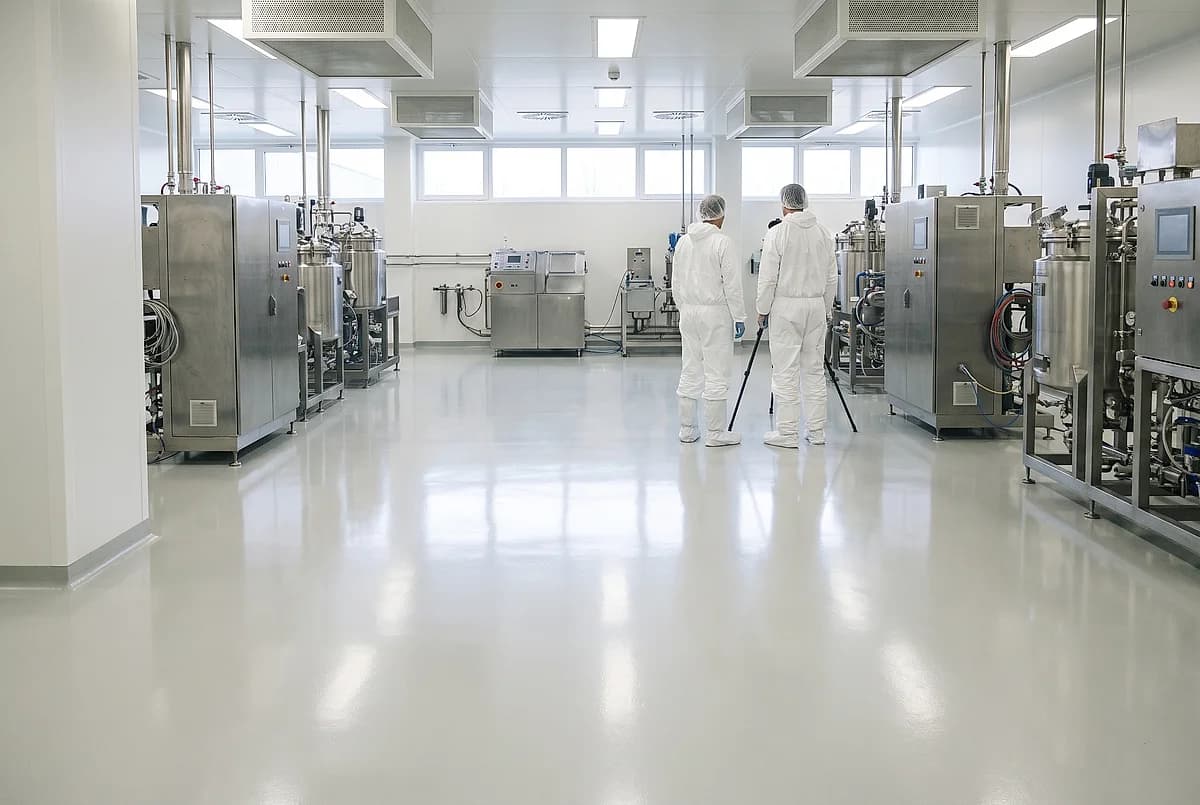
Commercial12 min read
Cleanroom Floor Standards for Semiconductor, Biotech, and GMP Facilities
Semiconductor, biotech and GMP floors have written standards. What those standards require, and which concrete systems meet them.
Read it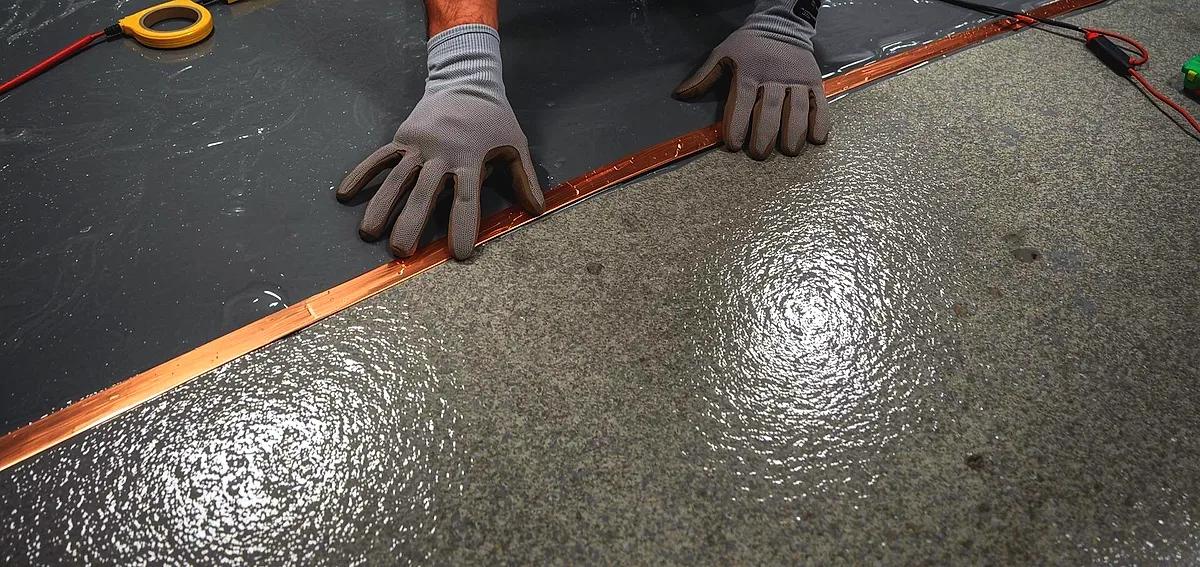
Commercial5 min read
Grounding Requirements for Floors in Fort Lauderdale Electronics Facilities
Grounding requirements for floors in Fort Lauderdale electronics facilities, including ESD epoxy standards and grounding strips.
Read it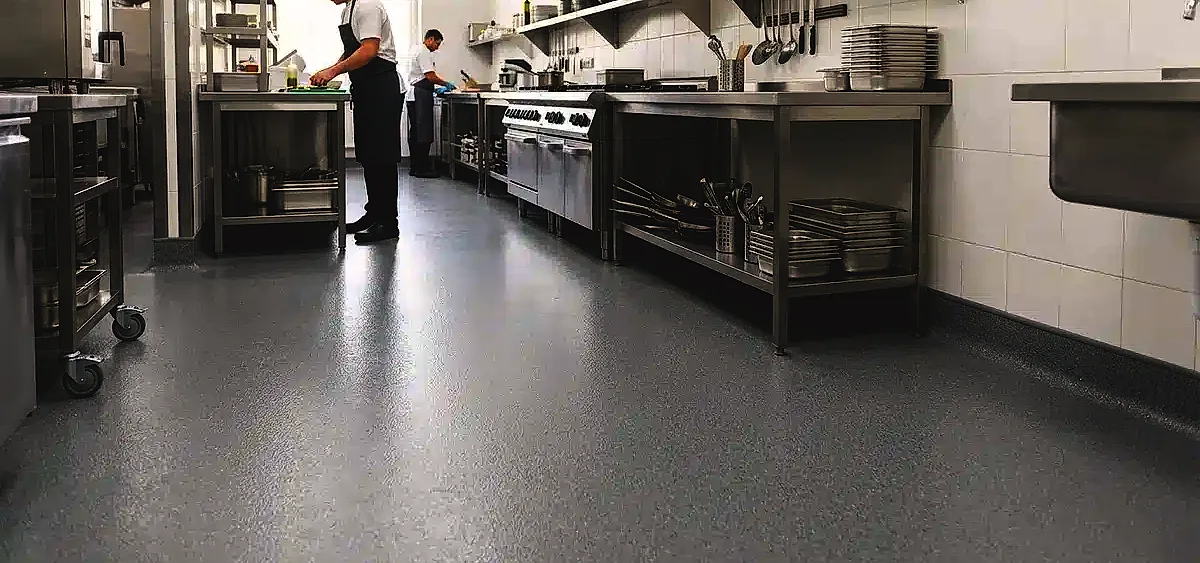
Commercial10 min read
Commercial Kitchen Floor Requirements in Florida
What Florida food code rules (Chapter 61C-4) ask of commercial kitchen floors: smooth, non-absorbent surfaces and coving at the walls.
Read it
Tell us about the floor
Tell us the space and roughly how big it is.We come back with what it would cost and when we could start.
Prefer to talk? Call +1 844-876-5474
- Leads@
nationalconcretepolishing.net - 2200 NW 32nd St #600,
Pompano Beach, FL 33069 Mon to Fri, 9:00 to 5:30