
The NCP blog
What Happens When Concrete Prep Is Skipped
Epoxy & coatings5 min read
What happens when concrete prep is skipped? Good contractors will tell you it's a disaster, so don't let your contractor skip the work!
Skipping concrete surface or sub-base preparation doesn't just risk premature failure - it guarantees it. Whether you're applying a protective coating, pouring a new slab, or installing an overlay, your entire flooring investment hinges on what happens before the first drop of material touches the concrete. Our experience has shown us that proper, thorough, careful preparation accounts for most of a long-lasting installation's success.
Cut corners here, and you'll be paying twice - once for the failed installation and again for costly repairs. Don't waste money on temporary fixes! Follow proper protocols from day one to protect your asset.
Failure Modes and Disadvantages of Epoxy Flooring
When you skip essential prep steps like mechanical grinding, thorough cleaning, or moisture testing, you're setting your coating up for a cascade of catastrophic failures. These aren't hypothetical risks - they're predictable outcomes that manifest within months, not years. Execute every mechanical prep step meticulously to prevent premature degradation.
Delamination and Peeling
Every speck of dirt, oil, or sealant residue left on a concrete surface acts as an aggressive bond-breaker. Laitance - that weak, chalky layer of cement paste that rises to the top during concrete curing - is particularly insidious. Applied coatings cannot achieve proper mechanical bonding through this contaminated layer.
Instead of adhering securely to the concrete substrate, the epoxy or paint sits on top like a poorly applied sticker. In some cases, coating failure may become visible within 6 to 12 months, while other failures may appear sooner or much later. Eventually, the coating peels off in sheets, leaving an unsightly mess and no protection for the underlying concrete.
Hot-Tire Pickup
This failure mode is especially common in residential garages, commercial bays, and automotive service facilities. Un-etched or un-ground concrete lacks the microscopic surface roughness - often referred to in the industry as surface profile or "tooth" - that gives resinous coatings something to grip.
When a heated vehicle tire parks on an epoxy floor with poor surface prep, the rubber's thermal expansion creates tremendous shear stress. The tire literally pulls the epoxy, acrylic, or paint straight off the floor. You'll find coating residue stuck to your tires and bare concrete where your beautiful floor used to be. This leads to long-term failure that no amount of cosmetic touch-up paint can fix.
Efflorescence and Blistering
Ground moisture is the silent killer of concrete coatings. Skipping moisture testing or neglecting a moisture-mitigation primer lets water vapor push upward through the porous slab. As this vapor travels through the concrete's capillary network, it carries dissolved mineral salts to the surface. When the water evaporates, it leaves behind chalky white mineral deposits known as efflorescence.
More critically, this constant upward hydrostatic pressure destroys topcoat adhesion from below. The result? Blisters that appear out of nowhere, followed by widespread coating failure. For a deeper dive into coating vulnerabilities, exploring the disadvantages of epoxy flooring reveals how moisture sensitivity tops the list of concerns.
Accounting for the Weaknesses of Epoxy Flooring: Why Prep Matters Most
Understanding the disadvantages of epoxy flooring helps explain why prep failures are so devastating with this material. Epoxy is a rigid, non-breathing coating system. It cannot flex with the concrete beneath it or release trapped hydrostatic vapor. When the substrate is compromised, the epoxy fails dramatically and completely.
- UV Yellowing: Standard epoxy discolors when exposed to sunlight, so sunlit areas require UV-resistant topcoats.
- Moisture Sensitivity: Without proper testing and vapor barriers, trapped moisture destroys the chemical bond from below.
- Slipperiness: Wet epoxy becomes dangerously slick and often requires specialized anti-slip aggregate additives.
- Repair Difficulty: Damaged epoxy cannot be seamlessly patched, often requiring extensive mechanical removal and full recoats.
- Installation Complexity: Precise temperature control, exact mixing ratios, and strict pot-life timing are essential for success.
Each of these disadvantages of epoxy flooring becomes exponentially worse when surface prep is skipped. Don't waste money on temporary fixes! Investing in thorough, professional preparation is the single best way to avoid these costly pitfalls.
Types of Polished Concrete Floors: The Prep Advantage
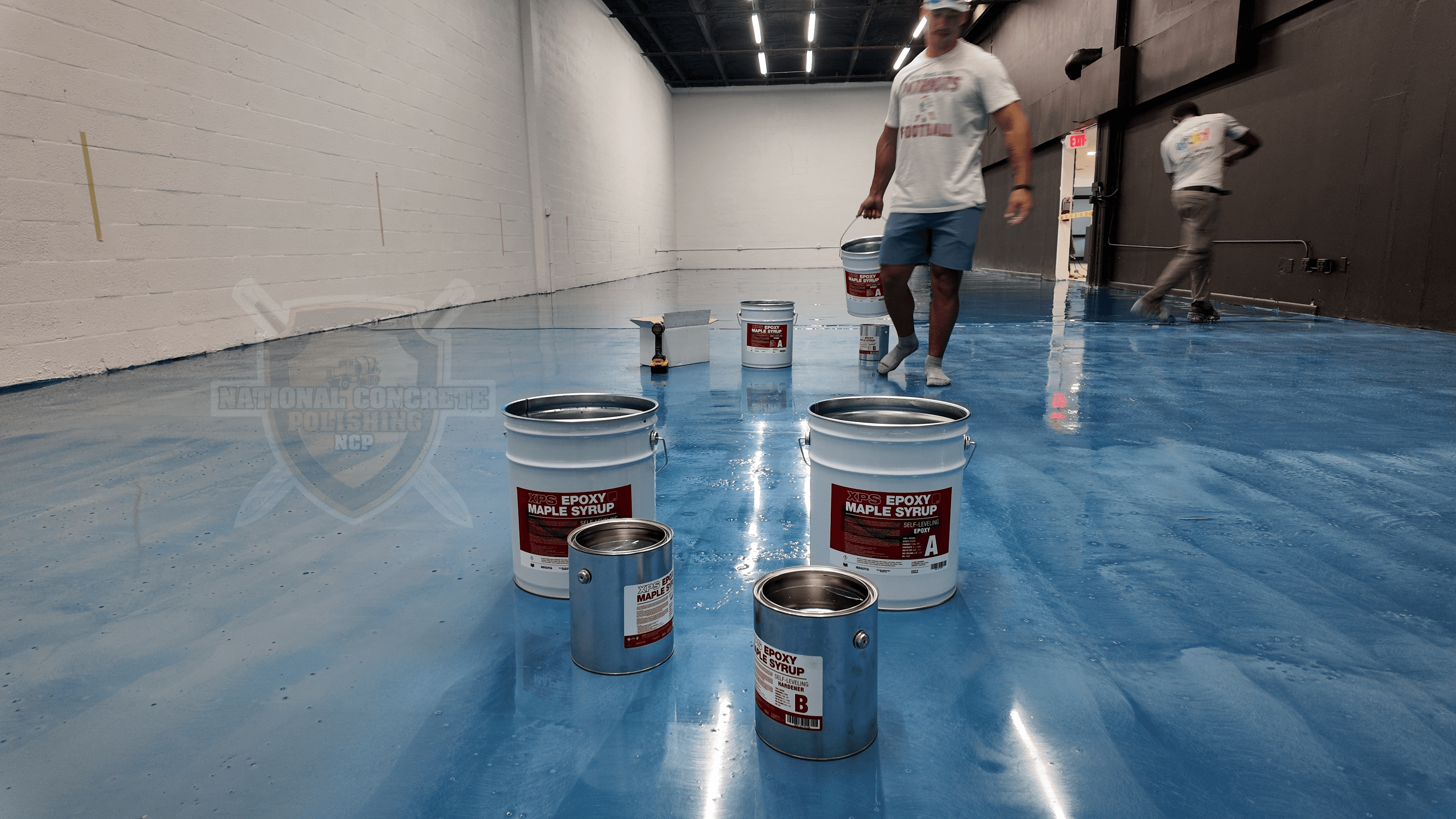
Polished concrete offers a distinctly different value proposition because the finish is the processed slab itself - not an applied topical coating. This structural approach eliminates entire categories of coating failures like delamination and peeling. However, polished concrete floors still demand rigorous surface preparation to achieve their legendary durability and aesthetic appeal.
- Cream Polish: Minimal aggregate exposure, typically revealing little to no visible aggregate. Requires a suitable concrete slab with a relatively uniform surface and minimal defects.
- Salt-and-Pepper Polish: Reveals fine aggregate particles throughout the surface, creating a subtle, speckled appearance. Requires controlled, moderate grinding to achieve consistent exposure.
- Full Aggregate Exposure: Requires deeper grinding to reveal larger stones within the concrete, creating a terrazzo-like appearance. The final result depends heavily on the slab's aggregate size, distribution, thickness, and overall condition.
- Decorative Concrete: Enhances concrete surfaces using techniques such as concrete dyes, acid staining, decorative overlays, stamping, and other coloring or texturing methods. Color can be incorporated during the polishing process or applied as a separate decorative treatment, depending on the selected system.
For residential customers, polished concrete provides a sleek, low-maintenance floor that lasts for decades. For commercial clients, it offers unmatched durability in high-traffic environments like retail stores, showrooms, and industrial warehouses. Investment correlates with longevity - and that investment always starts with proper prep.
FAQs
How can I tell if my concrete has been properly prepared?
Properly prepared concrete should feel rough like medium-grit sandpaper. It should be clean, dry, and completely free of any shiny spots that indicate remaining sealers or surface contaminants. A water droplet placed on the surface should soak in within seconds rather than bead up.
What happens if I apply epoxy over a dirty or un-prepped floor?
The coating will fail within months. Expect severe peeling, blistering, and hot-tire pickup. Epoxy cannot bond to a contaminated or smooth surface, so it sits on top until traffic, heat, or moisture forces it off.
Is polished concrete immune to prep-related failures?
No. While polished concrete eliminates delamination risks, poor prep can still result in uneven finishes, visible grinding marks, and inadequate aggregate exposure. Proper grinding steps and densification are essential.
How long does proper concrete prep take?
Surface prep typically takes one to three days for most residential projects, depending on square footage, concrete hardness, and existing conditions. Commercial projects may require more time. Never rush this phase - it determines your floor's lifespan.
Can I skip moisture testing if my concrete looks dry?
Absolutely not. Concrete can look completely dry on the surface while still emitting significant moisture vapor underneath. Without testing, you're gambling on your floor's survival. Always test moisture levels before applying any coating.
Conclusion
Proper concrete surface and sub-base preparation is the single most critical factor in determining the longevity and success of any flooring installation. Skimping on essential prep steps directly leads to severe coating failures, structural defects, and costly premature repairs. By investing the time and resources needed for professional surface prep from day one, you protect your asset and ensure a durable, long-lasting finish.
For project-specific guidance, reach out to our technicians from our contact page.
Written by

Founder and CEO
Chris Lavin is an esteemed leader in concrete polishing and epoxy coatings with a distinguished 20-year career. As founder and CEO of National Concrete Polishing and owner of Xtreme Polishing Systems, he's renowned for polishing and epoxy coating more floors than anyone globally. Chris is recognized for his innovative approach and commitment to enhancing floor durability and aesthetics. His hands-on experience and technical proficiency make him a respected authority and a valuable resource in the field of floor polishing and coatings.
Same topic
Related articles
All stories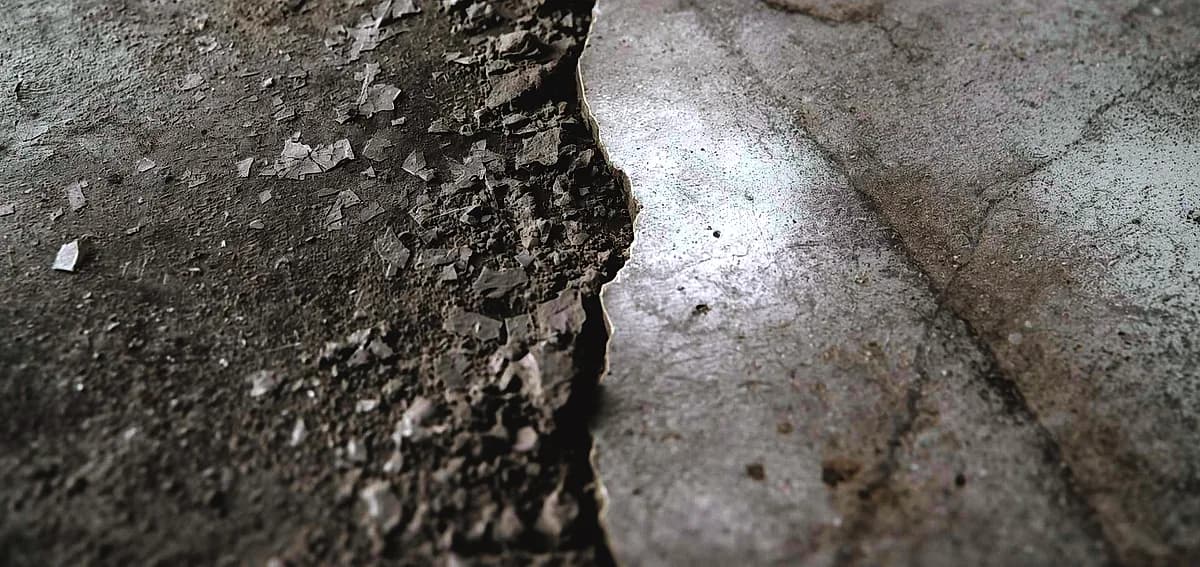
Epoxy & coatings8 min read
DIY vs Professional Epoxy Flooring in Fort Lauderdale
Hardware stores heavily market all-in-one boxes that promise a showroom finish with minimal effort.
Read it
Epoxy & coatings8 min read
Can You DIY Epoxy Flooring in Miami? Pros, Cons, and Tips
Applying a durable floor finish in a tropical or highly humid climate presents unique environmental challenges.
Read it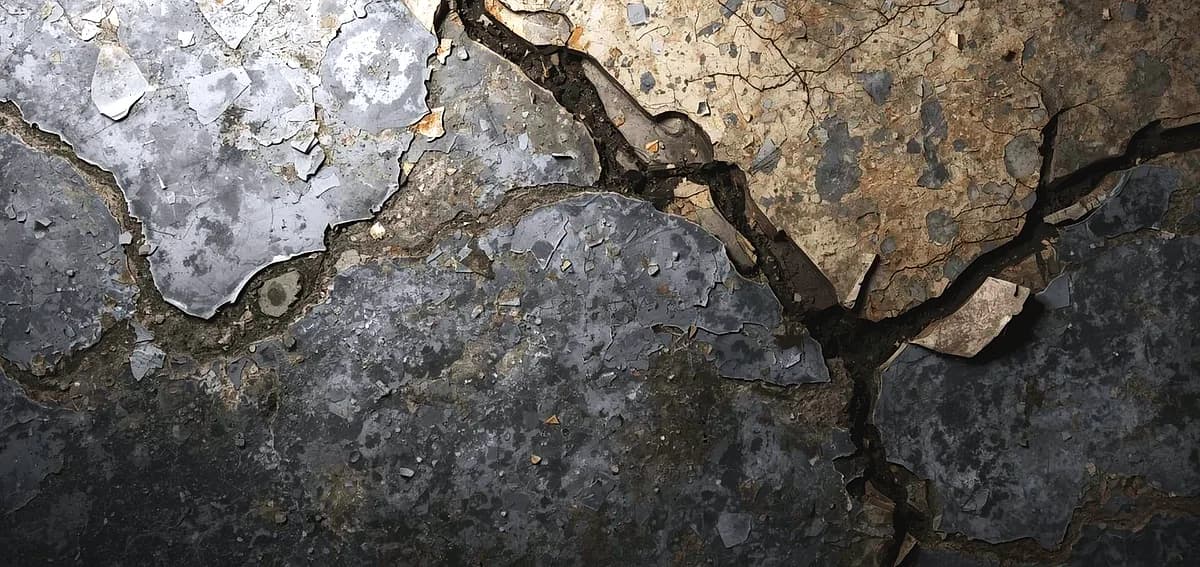
Epoxy & coatings7 min read
DIY Epoxy Flooring in South Florida: Is It Worth the Risk?
However, these products generally contain high levels of water or solvents to extend their pot life.
Read it
Tell us about the floor
Tell us the space and roughly how big it is.We come back with what it would cost and when we could start.
Prefer to talk? Call +1 844-876-5474
- Leads@
nationalconcretepolishing.net - 2200 NW 32nd St #600,
Pompano Beach, FL 33069 Mon to Fri, 9:00 to 5:30