
The NCP blog
Heavy-Duty Epoxy Solutions for Miami Warehouses
Epoxy & coatings12 min read
Miami warehouses need flooring that handles heavy machinery, constant foot traffic, and the challenging subtropical climate.
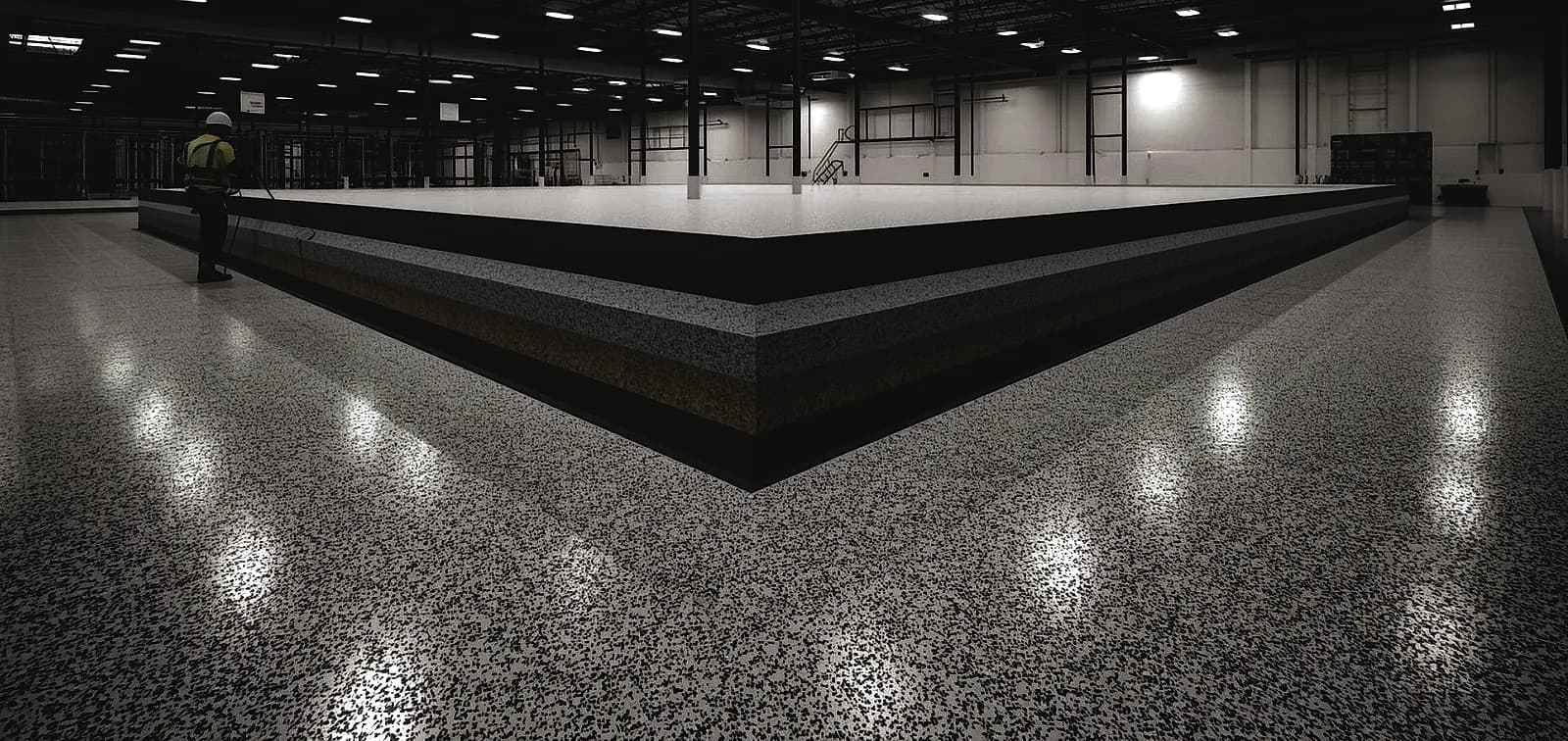
Miami’s thriving warehouse and distribution industry demands flooring solutions that can withstand the intense demands of heavy machinery, constant foot traffic, and the challenging subtropical climate. When it comes to protecting your warehouse investment, commercial epoxy Miami warehouse solutions have emerged as the gold standard for durability, functionality, and long-term performance. The unique environmental conditions in South Florida, including high humidity, temperature fluctuations, and potential flooding, require specialized flooring approaches that go far beyond basic concrete surfaces.
Heavy-duty epoxy flooring systems represent a revolutionary approach to warehouse floor protection, offering unparalleled resistance to chemical spills, mechanical damage, and environmental stressors. These advanced coating systems transform ordinary concrete into a seamless, non-porous surface that can handle the most demanding industrial applications. From pharmaceutical distribution centers in Doral to automotive parts warehouses in Hialeah, Miami’s industrial facilities are increasingly recognizing the critical importance of investing in professional-grade epoxy solutions.
The decision to implement commercial epoxy flooring in Miami warehouses isn’t just about aesthetics – it’s a strategic business investment that impacts operational efficiency, safety compliance, and maintenance costs. Modern epoxy systems offer superior load-bearing capacity, allowing heavy forklifts and equipment to operate without causing surface damage or creating safety hazards. Additionally, these systems provide excellent chemical resistance, protecting the underlying concrete from oils, acids, and cleaning solutions commonly used in warehouse environments.
Understanding the specific requirements of Miami’s warehouse industry is crucial for selecting the appropriate epoxy solution. Factors such as traffic patterns, load requirements, environmental conditions, and operational schedules all influence the design and installation of heavy-duty epoxy systems. Professional contractors like National Concrete Polishing bring the expertise necessary to evaluate these factors and recommend customized solutions that maximize performance and longevity while minimizing operational disruption during installation.
Key Takeaways
Climate Resilience: Heavy-duty epoxy flooring systems are specifically engineered to withstand Miami’s subtropical climate, including high humidity levels, temperature fluctuations, and potential moisture infiltration that can compromise traditional flooring materials.
Load-Bearing Excellence: Commercial epoxy Miami warehouse solutions provide exceptional compressive and tensile strength, supporting heavy machinery, forklifts, and concentrated loads without cracking, chipping, or surface deterioration.
Chemical Protection: Advanced epoxy formulations offer superior resistance to oils, acids, solvents, and cleaning chemicals commonly encountered in warehouse environments, preventing concrete degradation and extending floor life.
Safety Enhancement: Modern epoxy systems can incorporate anti-slip additives, safety markings, and high-visibility colors to improve workplace safety and comply with OSHA regulations for industrial facilities.
Maintenance Efficiency: Seamless epoxy surfaces eliminate joints and crevices where dirt and contaminants accumulate, significantly reducing cleaning time and maintenance costs while improving hygiene standards.
Cost-Effectiveness: While initial investment in heavy-duty epoxy flooring may be substantial, the long-term savings in maintenance, repairs, and operational efficiency typically provide excellent return on investment for warehouse operators.
Installation Flexibility: Professional epoxy contractors can work around operational schedules, implementing phased installation approaches that minimize disruption to warehouse activities and maintain productivity during the upgrade process.
Customization Options: Heavy-duty epoxy systems can be tailored to specific warehouse requirements, including traffic patterns, zoning needs, and aesthetic preferences while maintaining superior performance characteristics.
Understanding Heavy-Duty Epoxy Systems
The foundation of any successful commercial epoxy Miami warehouse project lies in understanding the unique characteristics and performance requirements of heavy-duty epoxy systems. These advanced coating solutions represent a significant evolution from traditional concrete sealers and basic epoxy paints, incorporating sophisticated polymer chemistry and application techniques to create surfaces capable of withstanding extreme industrial conditions.
Heavy-duty epoxy flooring systems typically consist of multiple components, including specialized primers, base coats, and topcoats, each engineered to perform specific functions within the overall system. The primer layer ensures optimal adhesion to the concrete substrate while providing moisture vapor transmission control – a critical consideration in Miami’s humid environment. Base coats provide the primary protective barrier and structural integrity, while topcoats deliver chemical resistance, abrasion protection, and aesthetic finish.
The selection of appropriate epoxy chemistry depends heavily on the specific operational requirements of each warehouse facility. Novolac epoxy systems offer exceptional chemical resistance for facilities handling aggressive substances, while cycloaliphatic epoxies provide superior UV stability for areas with significant natural light exposure. Polyaspartic topcoats can be specified for rapid cure applications where minimal downtime is essential, allowing warehouses to return to full operation within hours rather than days.
Miami’s warehouse environments present unique challenges that must be addressed through careful system design and specification. High humidity levels can interfere with epoxy curing and adhesion if not properly managed through environmental controls and moisture mitigation strategies. Temperature fluctuations between air-conditioned interior spaces and loading dock areas can create thermal stress that requires flexible epoxy formulations to prevent cracking and delamination.
Installation Process
The successful installation of heavy-duty epoxy flooring in Miami warehouses requires meticulous planning, advanced surface preparation techniques, and precise application procedures that account for local environmental conditions. Professional contractors must evaluate numerous factors including concrete substrate condition, moisture levels, ambient temperature and humidity, and operational constraints to develop comprehensive installation strategies that ensure optimal system performance.
Surface preparation represents the most critical phase of any commercial epoxy Miami warehouse project, as the long-term performance of the entire system depends on achieving proper adhesion to the concrete substrate. This process typically involves mechanical preparation methods such as diamond grinding, shot blasting, or scarification to remove surface contaminants, open the concrete pore structure, and create the appropriate surface profile for epoxy adhesion. In Miami’s industrial environments, special attention must be paid to removing oil stains, chemical residues, and existing coatings that could compromise adhesion.
Moisture management presents particular challenges in South Florida warehouse installations, where high humidity and potential groundwater infiltration can interfere with epoxy curing and adhesion. Professional contractors employ moisture vapor emission rate (MVER) testing to quantify substrate moisture levels and implement appropriate mitigation strategies when necessary. These may include moisture-tolerant primer systems, vapor barrier installations, or extended drying periods to ensure optimal conditions for epoxy application.
The application process itself requires careful coordination of material mixing, application timing, and environmental controls to achieve uniform coverage and proper curing. Heavy-duty epoxy systems often involve multiple coats applied in sequence, with specific recoat windows that must be maintained to ensure proper intercoat adhesion. Temperature and humidity monitoring throughout the application process ensures that curing proceeds according to specifications and that the finished system achieves its designed performance characteristics.
Quality control measures during installation include thickness monitoring, adhesion testing, and visual inspection to identify and correct any defects before they compromise system performance. Professional contractors like National Concrete Polishing maintain detailed documentation of installation parameters and test results to provide warranty support and facilitate future maintenance planning.
Performance Benefits
The implementation of heavy-duty epoxy flooring systems in Miami warehouses delivers measurable performance benefits that directly impact operational efficiency, safety compliance, and long-term facility management costs. These advanced coating systems transform concrete substrates into high-performance surfaces that exceed the capabilities of traditional flooring materials while providing superior value over their extended service life.
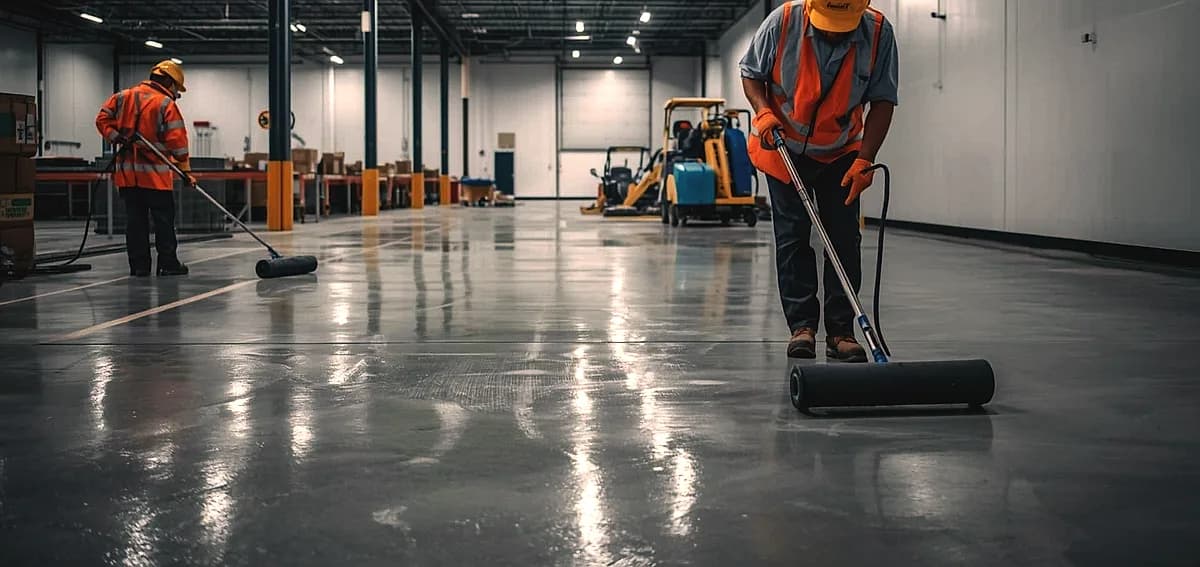
Durability represents perhaps the most significant advantage of commercial epoxy Miami warehouse installations, with properly installed systems routinely providing 15-20 years of service under demanding industrial conditions. The seamless, monolithic surface created by epoxy coatings eliminates the joints and seams found in tile or sheet flooring systems, preventing moisture infiltration and contamination that can lead to substrate damage and costly repairs. This durability translates directly to reduced maintenance requirements and lower total cost of ownership compared to alternative flooring solutions.
Chemical resistance capabilities of heavy-duty epoxy systems provide critical protection for warehouse facilities that handle automotive fluids, cleaning chemicals, or industrial materials. The non-porous surface prevents chemical penetration that could damage the concrete substrate or create safety hazards from spill absorption. This protection is particularly valuable in Miami’s humid environment, where moisture-related degradation can accelerate chemical attack on unprotected concrete surfaces.
Safety enhancements achieved through epoxy flooring installation include improved visibility from light-reflective surfaces, integration of safety markings and traffic patterns, and optional anti-slip additives for areas prone to moisture or spill conditions. The smooth, seamless surface facilitates thorough cleaning and sanitization, supporting compliance with workplace safety regulations and reducing liability risks associated with slip-and-fall incidents.
Operational efficiency improvements result from the enhanced cleanability and maintenance characteristics of epoxy surfaces. The non-porous coating prevents dust and debris accumulation, reducing cleaning time and improving air quality within the warehouse environment. Forklift and equipment operation becomes smoother and quieter on the uniform epoxy surface, reducing wear on both the flooring system and the equipment itself while improving operator comfort and productivity.
Customization Options
Modern heavy-duty epoxy flooring systems offer extensive customization opportunities that allow Miami warehouse operators to optimize their flooring investment for specific operational requirements while maintaining the superior performance characteristics that make epoxy the preferred choice for industrial applications. These customization options extend far beyond basic color selection, encompassing functional additives, performance enhancements, and aesthetic features that support both operational efficiency and workplace safety.
Color coding and marking systems represent one of the most valuable customization features available in commercial epoxy Miami warehouse installations. Strategic use of different colors can delineate traffic patterns, safety zones, storage areas, and operational zones, improving workflow efficiency and reducing the risk of accidents. High-visibility yellow for pedestrian walkways, blue for material storage zones, and red for safety equipment areas create intuitive navigation systems that support both employee safety and operational productivity.
Texture modifications through specialized additives allow epoxy systems to be tailored for specific traction requirements in different areas of the warehouse facility. Loading dock areas exposed to moisture may require aggressive anti-slip additives, while main warehouse floors benefit from subtle texture that provides adequate traction without interfering with forklift operation or creating cleaning difficulties. These texture options can be integrated seamlessly into the epoxy system without compromising chemical resistance or durability.
Decorative elements such as metallic pigments, color flakes, and quartz aggregates can transform utilitarian warehouse floors into visually appealing surfaces that enhance the professional appearance of the facility. These aesthetic enhancements can be particularly valuable for warehouses that host customer visits or serve dual purposes as showroom and distribution facilities. The decorative options available in modern epoxy systems rival those found in commercial and retail applications while maintaining industrial-grade performance.
Functional additives expand the capabilities of heavy-duty epoxy systems to address specific operational challenges. Conductive additives can provide static dissipation for electronics storage areas, while antimicrobial additives support hygiene requirements in food and pharmaceutical distribution facilities. UV-stable formulations protect against discoloration in areas with significant natural light exposure, maintaining appearance and performance over extended service periods.
Maintenance Strategies
The long-term success of heavy-duty epoxy flooring installations in Miami warehouses depends significantly on implementing appropriate maintenance strategies that preserve system performance while maximizing return on investment. Professional maintenance programs designed specifically for epoxy surfaces can extend system life well beyond typical expectations while maintaining the aesthetic and functional characteristics that make these systems so valuable for industrial applications.
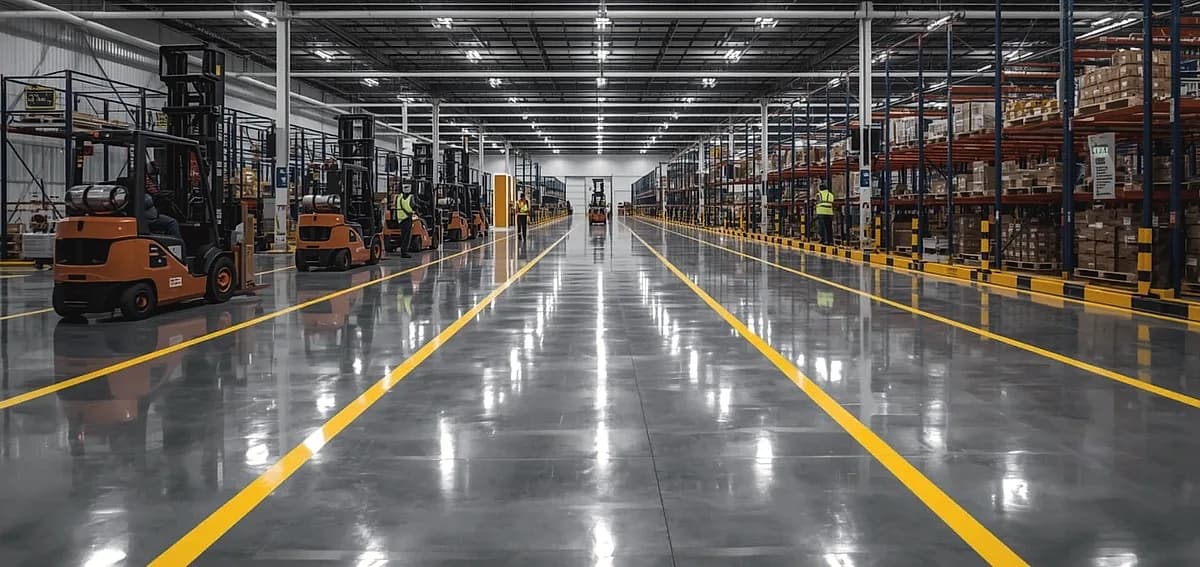
Routine cleaning procedures for commercial epoxy Miami warehouse floors differ substantially from those required for traditional concrete or tile surfaces. The non-porous nature of properly installed epoxy systems prevents contaminant penetration, allowing surface cleaning to effectively remove virtually all soiling without specialized deep-cleaning procedures. Regular maintenance typically involves dust mopping or sweeping followed by damp mopping with neutral pH cleaners that won’t compromise the epoxy chemistry or surface properties.
Preventive maintenance strategies focus on protecting the epoxy surface from damage that could compromise system integrity or appearance. This includes prompt cleanup of chemical spills, regular inspection for signs of wear or damage, and periodic deep cleaning to remove accumulated soiling that could create slip hazards or aesthetic issues. Professional maintenance programs often include periodic reapplication of topcoat systems to refresh appearance and restore optimal chemical resistance without requiring complete system replacement.
Environmental monitoring plays a crucial role in maintaining epoxy system performance in Miami’s challenging climate conditions. Regular inspection for signs of moisture infiltration, particularly around building perimeters and loading dock areas, allows early intervention before substrate damage occurs. Temperature and humidity fluctuations that could stress the epoxy system can be identified and addressed through building envelope improvements or HVAC system modifications.
Documentation and record-keeping support long-term maintenance planning and warranty compliance for heavy-duty epoxy installations. Detailed maintenance logs track cleaning procedures, inspection results, and any repairs or modifications made to the system over time. This documentation proves invaluable for optimizing maintenance procedures, planning system upgrades, and supporting warranty claims when necessary. Companies like National Concrete Polishing provide comprehensive maintenance guidance and support services to help warehouse operators maximize their flooring investment.
Repair procedures for minor damage to epoxy systems can often be accomplished without major disruption to warehouse operations. Small chips, scratches, or chemical stains can typically be addressed through localized repair techniques that restore both appearance and performance. Professional contractors can evaluate damage and recommend appropriate repair strategies that maintain system integrity while minimizing operational impact and cost.
Frequently Asked Questions
How long does heavy-duty epoxy flooring last in Miami warehouse environments?
Properly installed heavy-duty epoxy systems typically provide 15-20 years of service in demanding warehouse applications when maintained according to professional recommendations. The subtropical climate in Miami doesn’t significantly reduce system life when appropriate formulations and installation techniques are employed.
Can epoxy flooring be installed while the warehouse remains operational?
Yes, experienced contractors can implement phased installation approaches that maintain warehouse operations during the flooring upgrade. Fast-cure epoxy systems allow sections to return to service within 24-48 hours, minimizing operational disruption while ensuring proper system performance.
What is the typical cost difference between basic and heavy-duty epoxy systems?
Heavy-duty commercial epoxy Miami warehouse systems typically cost 30-50% more than basic epoxy coatings but provide significantly longer service life and superior performance characteristics. The enhanced durability and reduced maintenance requirements usually provide excellent return on investment over the system lifetime.
How do heavy-duty epoxy floors perform in Miami’s humid climate?
Modern epoxy formulations are specifically designed to handle high humidity environments. Proper surface preparation and moisture mitigation ensure excellent adhesion and performance even in challenging subtropical conditions typical of South Florida warehouses.
Can existing damaged concrete be repaired before epoxy installation?
Yes, professional contractors can repair cracks, spalls, and other concrete damage as part of the surface preparation process. These repairs are integrated seamlessly into the epoxy system, creating a uniform, high-performance surface that addresses underlying substrate issues.
What maintenance is required for heavy-duty epoxy warehouse floors?
Routine maintenance involves regular sweeping and damp mopping with neutral cleaners. The non-porous surface prevents deep soiling, making maintenance significantly easier than traditional concrete floors. Periodic professional inspection and minor touch-ups help maintain optimal performance.
Are there slip-resistant options for loading dock and wet areas?
Heavy-duty epoxy systems can incorporate various anti-slip additives and textures to provide appropriate traction for different warehouse zones. Loading docks and areas prone to moisture can receive specialized treatments that maintain safety without compromising cleanability or durability.
How does heavy-duty epoxy flooring compare to polished concrete for warehouses?
While polished concrete offers excellent durability, heavy-duty epoxy provides superior chemical resistance, easier maintenance, and greater customization options. Epoxy systems also offer better protection against moisture infiltration and can be applied over existing concrete without extensive substrate modification.
Conclusion
The implementation of heavy-duty epoxy flooring solutions represents a strategic investment for Miami warehouse operators seeking to optimize facility performance, reduce long-term maintenance costs, and enhance workplace safety. These advanced coating systems address the unique challenges presented by South Florida’s subtropical climate while providing the durability and chemical resistance required for demanding industrial applications. The combination of superior performance characteristics, customization options, and long-term value makes commercial epoxy Miami warehouse installations an increasingly popular choice for forward-thinking facility managers.
Professional installation by experienced contractors like National Concrete Polishing ensures that heavy-duty epoxy systems achieve their full performance potential through proper surface preparation, appropriate material selection, and precise application techniques. The expertise required to navigate Miami’s environmental challenges and warehouse operational requirements makes professional installation essential for maximizing return on investment and ensuring long-term system success.
As Miami’s warehouse and distribution industry continues to evolve, the demand for high-performance flooring solutions that support operational efficiency and regulatory compliance will only increase. Heavy-duty epoxy flooring systems provide the foundation for modern warehouse operations, delivering the durability, safety, and functionality required for competitive advantage in today’s demanding industrial marketplace. The investment in quality epoxy flooring pays dividends through reduced maintenance costs, improved safety performance, and enhanced operational efficiency that supports long-term business success.
Written by

Founder and CEO
Chris Lavin is an esteemed leader in concrete polishing and epoxy coatings with a distinguished 20-year career. As founder and CEO of National Concrete Polishing and owner of Xtreme Polishing Systems, he's renowned for polishing and epoxy coating more floors than anyone globally. Chris is recognized for his innovative approach and commitment to enhancing floor durability and aesthetics. His hands-on experience and technical proficiency make him a respected authority and a valuable resource in the field of floor polishing and coatings.
Same topic
Related articles
All stories
Epoxy & coatings8 min read
DIY vs Professional Epoxy Flooring in Fort Lauderdale
Hardware stores heavily market all-in-one boxes that promise a showroom finish with minimal effort.
Read it
Epoxy & coatings8 min read
Can You DIY Epoxy Flooring in Miami? Pros, Cons, and Tips
Applying a durable floor finish in a tropical or highly humid climate presents unique environmental challenges.
Read it
Epoxy & coatings7 min read
DIY Epoxy Flooring in South Florida: Is It Worth the Risk?
However, these products generally contain high levels of water or solvents to extend their pot life.
Read it
Tell us about the floor
Tell us the space and roughly how big it is.We come back with what it would cost and when we could start.
Prefer to talk? Call +1 844-876-5474
- Leads@
nationalconcretepolishing.net - 2200 NW 32nd St #600,
Pompano Beach, FL 33069 Mon to Fri, 9:00 to 5:30