
The NCP blog
Medical Facility Concrete Flooring Standards in Miami
Commercial12 min read
This creates a surface that is not only beautiful but also incredibly durable and easy to maintain.
Medical facilities in Miami face unique challenges when it comes to flooring solutions, particularly in environments where hygiene, durability, and safety are paramount. The subtropical climate, high humidity levels, and stringent healthcare regulations create a complex set of requirements that traditional flooring materials often struggle to meet. Concrete polishing hospital applications have emerged as a superior solution, offering unparalleled benefits for healthcare environments across South Florida.
The importance of proper flooring in medical facilities cannot be overstated. From emergency rooms that see constant foot traffic to surgical suites requiring sterile environments, every square foot of flooring must meet rigorous standards for cleanliness, slip resistance, and chemical resistance. Miami’s healthcare facilities, ranging from large hospital systems to specialized clinics, have increasingly turned to polished concrete as their flooring solution of choice.
Concrete polishing hospital installations offer a unique combination of functionality and aesthetics that traditional materials simply cannot match. Unlike vinyl composite tile, epoxy coatings, or rubber flooring that can harbor bacteria in seams and joints, polished concrete creates a seamless, non-porous surface that actively resists microbial growth. This characteristic is particularly crucial in Miami’s warm, humid climate where bacterial and fungal growth can be accelerated.
The process of concrete polishing hospital floors involves multiple stages of mechanical grinding and polishing using progressively finer diamond abrasives. This creates a surface that is not only beautiful but also incredibly durable and easy to maintain. The resulting floor can withstand the constant traffic of gurneys, wheelchairs, and medical equipment while maintaining its appearance and performance characteristics for decades.
Key Takeaways
Superior Hygiene Standards: Polished concrete creates a seamless, non-porous surface that prevents bacterial growth and is easily sanitized with hospital-grade disinfectants, making it ideal for sterile medical environments.
Exceptional Durability: Concrete polishing hospital floors can withstand heavy equipment, constant foot traffic, and frequent cleaning without showing wear, providing decades of reliable service in demanding healthcare settings.
Cost-Effective Solution: While initial installation costs may be comparable to other premium flooring options, the minimal maintenance requirements and extended lifespan make polished concrete highly economical over time.
Enhanced Safety Features: Properly finished polished concrete provides excellent slip resistance when dry and can be treated with specialized aggregates for wet areas, reducing liability concerns in medical facilities.
Environmental Benefits: Polished concrete eliminates the need for chemical coatings, waxes, and frequent replacement materials, contributing to better indoor air quality and reduced environmental impact.
Aesthetic Versatility: Modern polishing techniques can achieve various levels of sheen and incorporate decorative elements while maintaining the functional requirements of medical environments.
Rapid Installation: Experienced contractors can complete concrete polishing hospital projects with minimal disruption to ongoing medical operations, often working in phases to maintain facility functionality.
Compliance Assurance: Properly installed polished concrete floors meet or exceed all relevant healthcare facility standards, including ADA requirements and infection control protocols.
Understanding Medical Facility Flooring Requirements
Medical facilities in Miami must navigate a complex web of regulations and standards that govern every aspect of their operations, including flooring specifications. The Joint Commission, which accredits healthcare organizations, has specific requirements for infection control that directly impact flooring choices. These standards mandate that floors be easily cleanable, non-absorbent, and capable of withstanding frequent disinfection without degradation.
The Centers for Disease Control and Prevention (CDC) provides additional guidance on environmental infection control in healthcare facilities. Their recommendations emphasize the importance of minimizing reservoirs for microbial growth, which includes eliminating cracks, crevices, and porous surfaces where bacteria and fungi can establish colonies. Concrete polishing hospital applications directly address these concerns by creating a monolithic surface without joints or seams.
Miami’s unique climate presents additional challenges that must be considered in flooring selection. The high humidity levels can promote mold and mildew growth in traditional flooring materials, particularly those with organic components. The frequent temperature fluctuations between air-conditioned interiors and the warm outdoor environment can cause expansion and contraction in some flooring materials, leading to gaps and cracks that compromise hygiene standards.
Healthcare facilities must also consider the chemical resistance requirements for their flooring. Medical environments regularly use strong disinfectants, including quaternary ammonium compounds, hydrogen peroxide solutions, and bleach-based cleaners. Many traditional flooring materials can be damaged by these chemicals, leading to discoloration, deterioration, and the need for frequent replacement. Polished concrete’s chemical resistance ensures that it maintains its integrity and appearance even under aggressive cleaning protocols.
Benefits of Concrete Polishing in Hospital Environments
The implementation of concrete polishing hospital projects delivers numerous advantages that extend far beyond basic flooring functionality. One of the most significant benefits is the elimination of microbial harboring sites. Traditional flooring materials often feature seams, grout lines, or textured surfaces where bacteria, viruses, and fungi can establish themselves. The seamless nature of polished concrete eliminates these potential contamination sources, creating an environment that actively supports infection control efforts.
Maintenance efficiency represents another crucial advantage of polished concrete in healthcare settings. Traditional hospital floors often require daily stripping and waxing, application of specialized coatings, and frequent deep cleaning procedures that can disrupt operations. Polished concrete floors require only routine dust mopping and occasional damp cleaning with standard disinfectants. This simplified maintenance protocol reduces labor costs while ensuring consistent cleanliness standards.
The durability characteristics of polished concrete are particularly valuable in high-traffic medical environments. Emergency departments, surgical suites, and patient corridors experience constant movement of heavy equipment, including MRI machines, X-ray equipment, and patient beds. The compressive strength of properly prepared and polished concrete can exceed 4,000 PSI, making it virtually impervious to the point loads and rolling loads common in healthcare facilities.
Light reflectivity is an often-overlooked benefit that can significantly impact both energy efficiency and working conditions. Polished concrete surfaces can reflect up to 30% more light than traditional flooring materials, reducing the need for artificial lighting and creating a brighter, more welcoming environment for patients and staff. This enhanced illumination also improves safety by making potential hazards more visible and reducing eye strain for medical personnel performing detailed tasks.
The thermal mass properties of concrete contribute to improved HVAC efficiency in medical facilities. Concrete’s ability to absorb and slowly release thermal energy helps stabilize indoor temperatures, reducing the load on heating and cooling systems. In Miami’s climate, this characteristic can result in substantial energy savings while maintaining the precise temperature control required in medical environments.
Installation Process and Technical Specifications
The installation of concrete polishing hospital floors requires specialized expertise and adherence to strict protocols to ensure optimal performance in medical environments. The process begins with a comprehensive assessment of the existing concrete substrate, including evaluation of structural integrity, moisture content, and surface preparation requirements. In many cases, existing concrete floors in older medical facilities may require remediation to address cracks, spalling, or contamination before polishing can commence.
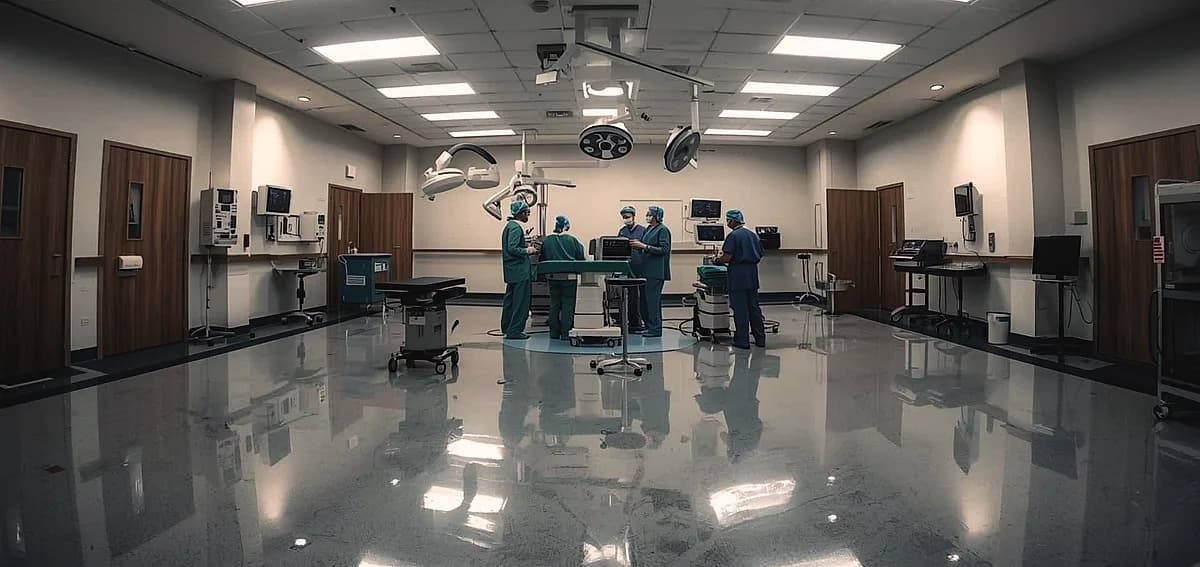
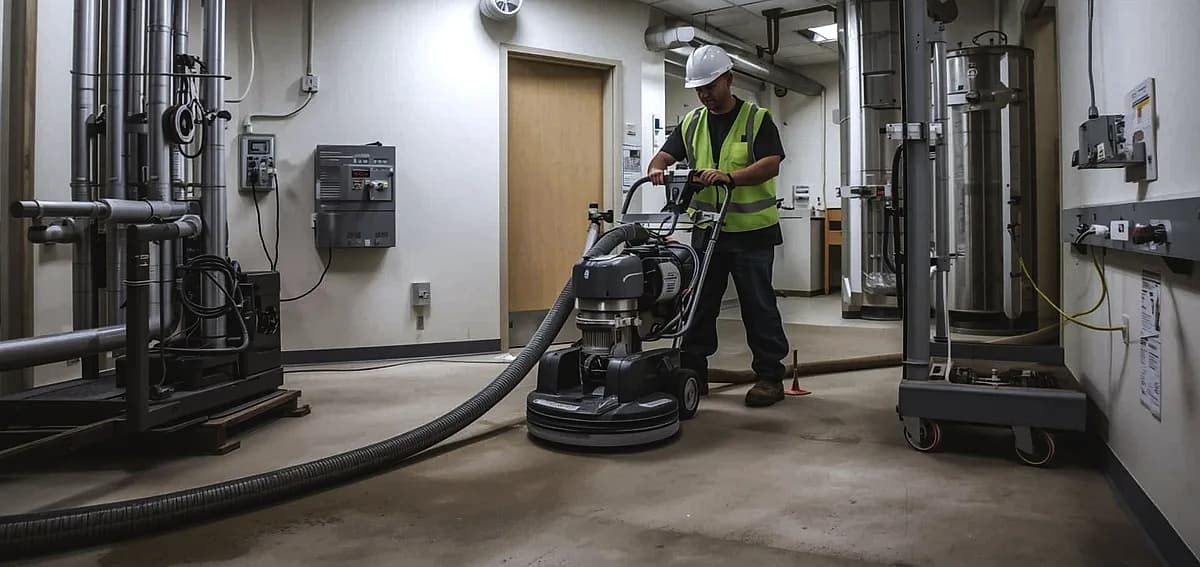
Surface preparation is critical to the success of any concrete polishing hospital project. This phase typically involves mechanical grinding to remove any existing coatings, adhesive residues, or surface irregularities. The grinding process also opens the concrete pores, allowing for better penetration of densifying agents that will enhance the floor’s durability and stain resistance. Proper dust containment during this phase is essential in medical environments to prevent contamination of sensitive areas.
The polishing process itself involves multiple passes with progressively finer diamond abrasives, typically starting with 30-grit metal bonds and progressing through 50, 100, 200, 400, 800, 1500, and 3000-grit resin bonds. Each step removes scratches from the previous grit while gradually increasing the surface reflectivity. The number of steps and final grit level can be adjusted based on the specific requirements of different areas within the medical facility.
Densification is a crucial step that involves the application of chemical hardeners that react with the concrete to create additional calcium silicate hydrate, the binding agent that gives concrete its strength. This process significantly increases surface hardness and reduces porosity, creating the non-absorbent surface required for medical environments. The timing and application method of densifiers must be carefully controlled to achieve optimal results.
Quality control measures throughout the installation process include regular testing of surface hardness, slip resistance, and light reflectivity. These measurements ensure that the finished floor meets all specified performance criteria before the area is returned to service. Documentation of these test results is essential for maintaining compliance with healthcare facility standards and warranty requirements.
Maintenance and Long-term Performance
The maintenance requirements for Antimicrobial Epoxy Flooring for Miami Healthcare Facilities are significantly reduced compared to traditional flooring systems, but proper care protocols are essential to maintain optimal performance and appearance. Daily maintenance typically consists of dust mopping with microfiber mops to remove surface debris and occasional damp mopping with pH-neutral cleaners. The frequency of wet cleaning depends on the specific area’s usage, with high-traffic zones requiring more frequent attention.
Disinfection protocols in medical facilities require special consideration when maintaining polished concrete floors. Most hospital-grade disinfectants are compatible with properly sealed polished concrete, but it’s important to verify chemical compatibility before implementing new cleaning products. Quaternary ammonium compounds, hydrogen peroxide solutions, and diluted bleach solutions are generally safe for use on polished concrete surfaces when applied according to manufacturer guidelines.
Periodic maintenance may include reapplication of topical sealers in areas subject to heavy chemical exposure or mechanical wear. Unlike traditional floor finishes that require complete removal and reapplication, concrete sealers can typically be reapplied directly over the existing surface after appropriate cleaning. This process can usually be completed during off-hours with minimal disruption to medical operations.
Long-term performance monitoring should include regular assessment of slip resistance, particularly in areas where moisture exposure is common. While polished concrete provides excellent slip resistance when dry, certain high-gloss finishes may become slippery when wet. In these cases, the application of anti-slip additives or adjustment of the final polish level may be necessary to maintain safety standards.
The lifespan of properly installed and maintained concrete polishing hospital floors can exceed 20 years with minimal degradation in performance or appearance. This longevity is particularly valuable in medical facilities where floor replacement can be extremely disruptive and costly. Regular professional inspections can identify minor issues before they become major problems, ensuring maximum return on investment.
Regulatory Compliance and Safety Standards
Medical facilities in Miami must comply with numerous regulatory requirements that directly impact flooring specifications and performance standards. The Americans with Disabilities Act (ADA) establishes specific requirements for slip resistance, with static coefficient of friction values that must be maintained throughout the floor’s service life. Properly finished polished concrete typically exceeds these requirements, but ongoing monitoring is essential to ensure continued compliance.
The Occupational Safety and Health Administration (OSHA) has established guidelines for workplace safety that include flooring-related requirements. These standards address slip and fall prevention, chemical exposure risks, and ergonomic considerations that affect healthcare workers. Concrete polishing hospital installations must be designed and maintained to meet or exceed all applicable OSHA requirements while supporting the unique operational needs of medical facilities.
Infection control standards from organizations such as the Association for Professionals in Infection Control and Epidemiology (APIC) provide additional guidance on environmental factors that can impact patient safety. These standards emphasize the importance of surfaces that can be effectively cleaned and disinfected without harboring pathogens. The seamless, non-porous nature of polished concrete aligns perfectly with these infection control objectives.
Fire safety codes also influence flooring choices in medical facilities, particularly regarding flame spread ratings and smoke generation characteristics. Concrete is inherently non-combustible and does not contribute to flame spread or toxic smoke generation, making it an ideal choice for healthcare environments where evacuation may be challenging. This characteristic is particularly important in Miami, where hurricane-related emergencies may compromise normal evacuation procedures.
Environmental regulations continue to evolve, with increasing focus on indoor air quality and sustainable building practices. Concrete polishing hospital projects contribute to LEED certification goals by eliminating the need for chemical coatings and reducing maintenance-related environmental impacts. The long service life of polished concrete also supports sustainability objectives by reducing the frequency of floor replacement and associated waste generation.
National Concrete Polishing Medical Facility Expertise
National Concrete Polishing has extensive experience navigating the complex regulatory landscape surrounding medical facility flooring. Our team works closely with facility managers, infection control specialists, and regulatory compliance officers to ensure that every installation meets or exceeds all applicable standards while delivering the performance characteristics required for optimal healthcare operations. We specialize in how different industries use polished concrete throughout South Florida.
Our experience with commercial kitchen floors meeting Florida health codes translates directly to medical facility applications where similar hygiene standards apply. We understand the importance of minimizing disruption to ongoing medical operations and offer flexible scheduling options including night and weekend work to accommodate facility needs.
Frequently Asked Questions
How long does the concrete polishing process take in a hospital setting?
The timeline for concrete polishing take in hospital projects varies depending on the area size and complexity, but most installations can be completed in 3-7 days per section. Work is typically scheduled during off-hours or in phases to minimize disruption to medical operations.
Is polished concrete suitable for all areas of a medical facility?
Polished concrete is suitable for most areas of medical facilities, including patient rooms, corridors, emergency departments, and administrative areas. However, certain specialized areas such as MRI suites may require specific considerations due to magnetic field requirements.
How does polished concrete perform in Miami’s humid climate?
Polished concrete performs exceptionally well in humid climates because it doesn’t support mold or mildew growth. The non-porous surface prevents moisture absorption, and the material’s thermal mass helps regulate indoor humidity levels.
What are the slip resistance characteristics of polished concrete in medical facilities?
Properly finished polished concrete provides excellent slip resistance when dry and good slip resistance when wet. The surface texture can be adjusted during installation to meet specific safety requirements for different areas within the facility.
How do cleaning chemicals affect polished concrete floors?
Polished concrete is highly resistant to most hospital-grade disinfectants and cleaning chemicals. The densified surface resists chemical penetration and staining, maintaining its appearance and performance even under aggressive cleaning protocols required in medical environments.
What is the expected lifespan of polished concrete in a hospital setting?
With proper installation and maintenance, Polished Concrete Flooring for Retail Stores with High Foot Traffic can last 20+ years with minimal degradation. This longevity makes it a cost-effective choice compared to other flooring options that may require replacement every 5-10 years.
Can existing concrete floors be polished, or is new concrete required?
Most existing concrete floors can be successfully polished, provided they are structurally sound and free from significant contamination. A professional assessment is necessary to determine the role concrete age plays in existing concrete and any remediation work that may be required before polishing.
How does the cost of polished concrete compare to other medical facility flooring options?
While the initial installation cost of polished concrete may be comparable to premium flooring options, the total lifecycle cost is typically much lower due to minimal maintenance requirements and extended lifespan. The elimination of ongoing coating and waxing costs provides significant long-term savings.
Conclusion
The selection of appropriate flooring for medical facilities in Miami requires careful consideration of multiple factors, including hygiene requirements, durability expectations, regulatory compliance, and long-term cost effectiveness. Concrete polishing hospital applications have proven to be an exceptional solution that addresses all of these concerns while providing additional benefits that enhance the overall healthcare environment.
The seamless, non-porous surface created through professional concrete polishing eliminates the microbial harboring sites that can compromise infection control efforts. This characteristic, combined with Complete Chemical Resistance Guide for Epoxy Flooring Systems and ease of maintenance, makes polished concrete an ideal choice for healthcare facilities operating under strict cleanliness standards. The durability and longevity of properly installed polished concrete floors ensure that medical facilities can focus on patient care rather than ongoing flooring maintenance and replacement concerns.
As healthcare facilities in Miami continue to evolve and expand, the importance of selecting flooring solutions that can adapt to changing needs becomes increasingly apparent. Concrete polishing hospital installations provide the flexibility to accommodate new equipment, changing traffic patterns, and evolving regulatory requirements without compromising performance or requiring complete floor replacement. This adaptability, combined with the Is Epoxy Flooring Eco-Friendly? Environmental Impact Analysis and economic benefits of polished concrete, positions it as the optimal flooring solution for modern medical facilities.
Written by

Founder and CEO
Chris Lavin is an esteemed leader in concrete polishing and epoxy coatings with a distinguished 20-year career. As founder and CEO of National Concrete Polishing and owner of Xtreme Polishing Systems, he's renowned for polishing and epoxy coating more floors than anyone globally. Chris is recognized for his innovative approach and commitment to enhancing floor durability and aesthetics. His hands-on experience and technical proficiency make him a respected authority and a valuable resource in the field of floor polishing and coatings.
Same topic
Related articles
All stories
Commercial9 min read
How Polished Concrete Solves Office Acoustic Problems
Hard floors and noise complaints. What polished concrete does to sound in an open office, and how to spec around it.
Read it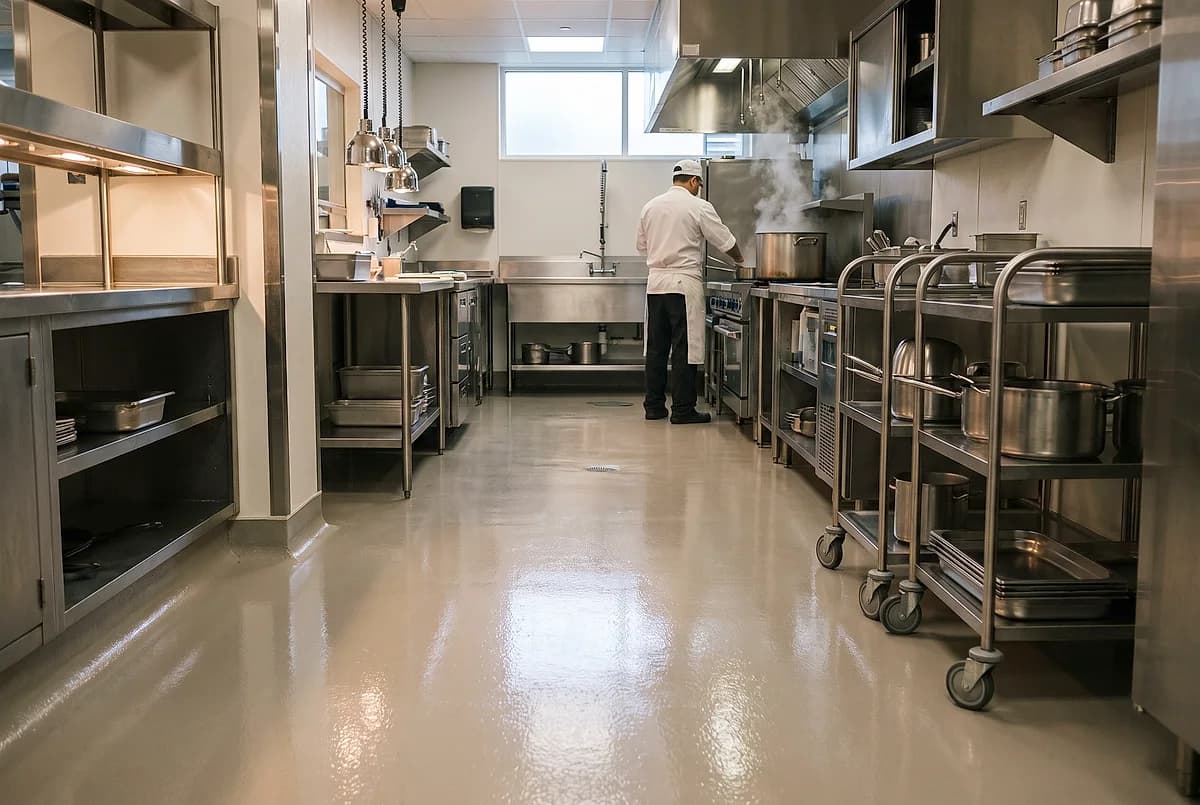
Commercial10 min read
Flooring for Hotel Wet Areas, Kitchens, and Parking Decks
Kitchens, pool decks and parking structures punish a floor daily. Which systems hold up in hotel service areas, and why.
Read it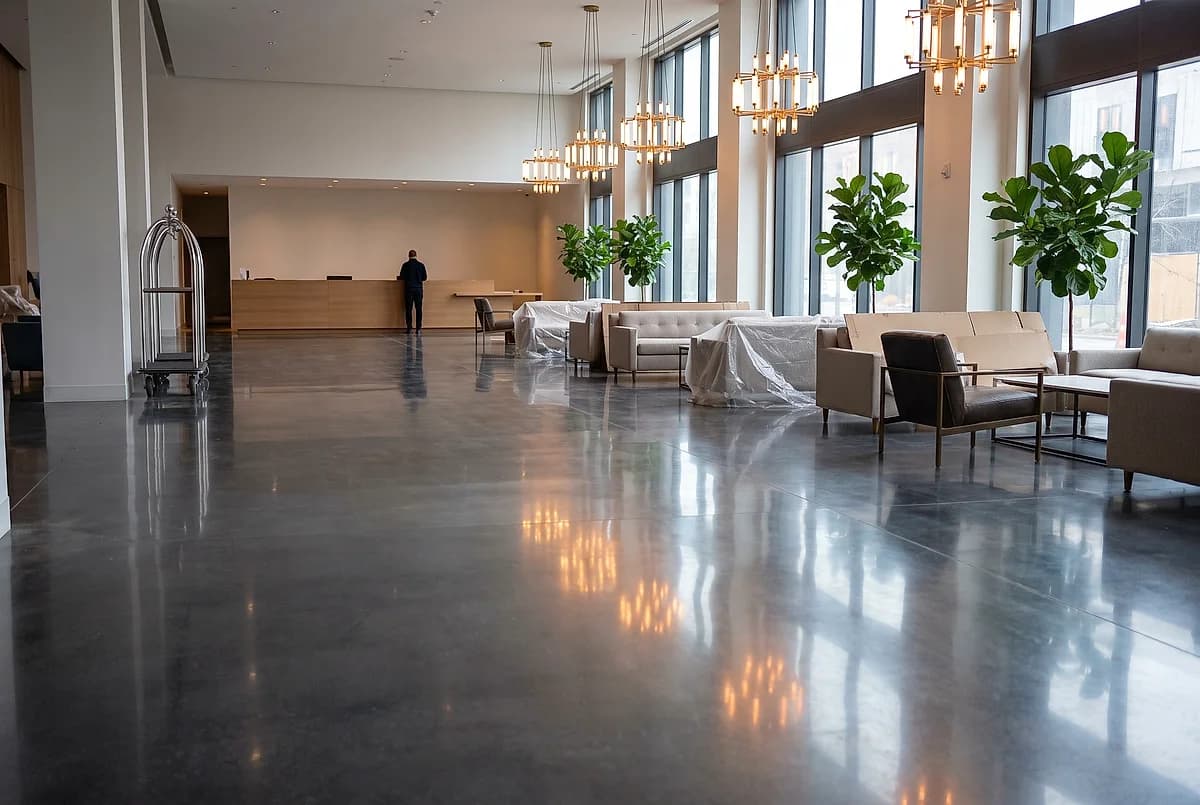
Commercial11 min read
Specifying Floors for a New Hotel Build
For owners and architects on a new build. What to write into the flooring spec so the hotel opens on a floor that lasts.
Read it
Tell us about the floor
Tell us the space and roughly how big it is.We come back with what it would cost and when we could start.
Prefer to talk? Call +1 844-876-5474
- Leads@
nationalconcretepolishing.net - 2200 NW 32nd St #600,
Pompano Beach, FL 33069 Mon to Fri, 9:00 to 5:30