
The NCP blog
Complete Chemical Resistance Guide for Epoxy Flooring Systems
Epoxy & coatings12 min read
Acids, solvents and cleaning agents, rated. Which epoxy systems resist what, and where the limits are.
Understanding the epoxy floor chemical resistance chart is essential when selecting protective flooring for your Pompano Beach property. Epoxy flooring systems can withstand exposure to over 1,000 types of industrial solvents, acids, oils, and cleaning agents, making them ideal for garages, warehouses, laboratories, and commercial kitchens. This comprehensive guide breaks down chemical resistance ratings, explains which substances epoxy handles best, and helps you choose the right system for your specific needs. National Concrete Polishing provides expert guidance on selecting chemically resistant flooring solutions designed for South Florida’s demanding environments.
Overview
This detailed resource covers everything you need to know about epoxy flooring chemical resistance. You’ll discover how different epoxy formulations perform against specific chemicals, understand resistance rating systems, learn about temperature effects on chemical protection, and identify which industries benefit most from chemically resistant flooring. We’ll also explain when to upgrade to specialized epoxy systems for extreme chemical exposure.
Understanding Chemical Resistance Ratings
Chemical resistance ratings provide a standardized system for evaluating how epoxy flooring performs when exposed to various substances. The rating scale ranges from 0 to 5, where 0 indicates the coating is attacked on contact or within 2-3 hours, while 5 represents excellent long-term resistance with no deleterious action. A rating of 1 means the floor remains unaffected after 24 hours but may begin to fail thereafter, while a rating of 3 indicates the system stays intact for one month before potential degradation.
These ratings help property owners and facility managers make informed decisions about which epoxy system matches their chemical exposure levels. National Concrete Polishing uses these standards to recommend appropriate formulations for each client’s unique requirements.
Acids That Epoxy Flooring Resists
Epoxy flooring demonstrates impressive resistance to numerous acidic compounds commonly found in industrial and commercial settings. Standard epoxy systems handle acetic acid, citric acid, lactic acid, and phosphoric acid with excellent ratings across various concentrations. Sulfuric acid up to 50% concentration receives good to excellent resistance ratings, making epoxy suitable for battery manufacturing and metal processing facilities.
Hydrochloric acid at lower concentrations (1-10%) can be managed by quality epoxy systems, though higher concentrations require specialized formulations. Nitric acid at 30% concentration demands advanced epoxy novolac resins for optimal protection. Chemical-resistant epoxy floors create a nonporous barrier that prevents acid penetration into the concrete substrate below.
However, epoxy should not be used where resistance to strong oxidizing acid solutions is required, as these substances can degrade standard formulations. For such environments, alternative resinous flooring systems may be more appropriate.
Alkaline Chemical Resistance
Epoxy coatings excel at protecting concrete from alkaline substances commonly encountered in cleaning operations and food processing. Sodium hydroxide (caustic soda) at concentrations up to 50% receives excellent resistance ratings from properly formulated epoxy systems. Ammonium hydroxide, potassium hydroxide, and calcium hydroxide are well-tolerated by standard epoxy formulations.
This alkaline resistance makes epoxy particularly valuable for commercial kitchens, food manufacturing facilities, and areas where heavy-duty cleaning occurs regularly. The molecular architecture of cross-linked polymer chains forms a three-dimensional network that withstands pH levels from 1 to 13.
Polyester-based systems should be avoided in areas where spillage of sodium hydroxide or similar strong alkaline solutions occurs, as epoxy formulations provide superior performance. Commercial epoxy flooring installations benefit from this comprehensive pH range protection.
Solvents and Petroleum Products
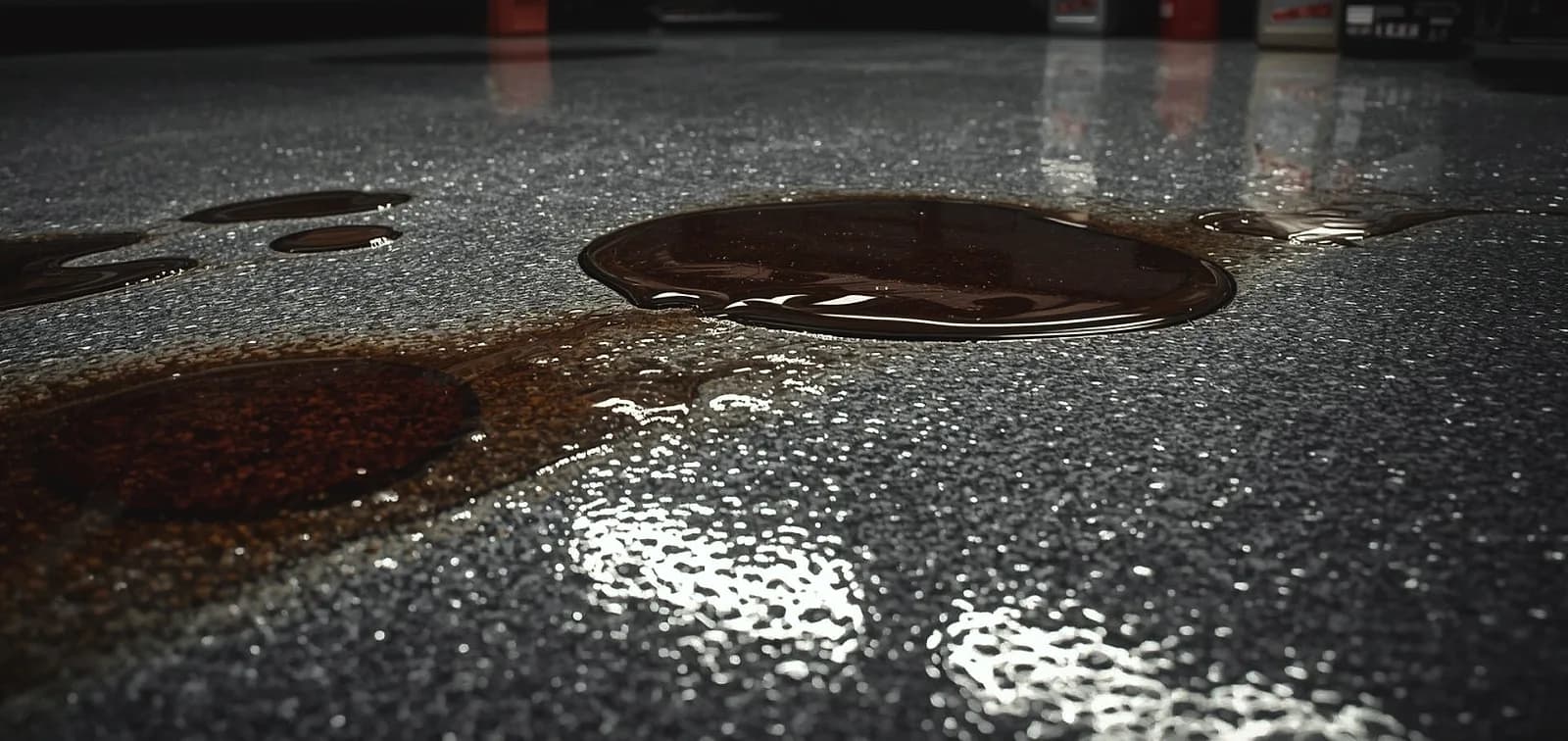
Automotive fluids and petroleum-based products represent common chemical challenges for garage and industrial flooring. Epoxy floors demonstrate excellent resistance to motor oil, gasoline, diesel fuel, hydraulic fluid, brake fluid, transmission fluid, and coolant. These substances bead up on the nonporous epoxy surface, allowing easy cleanup before any penetration occurs.
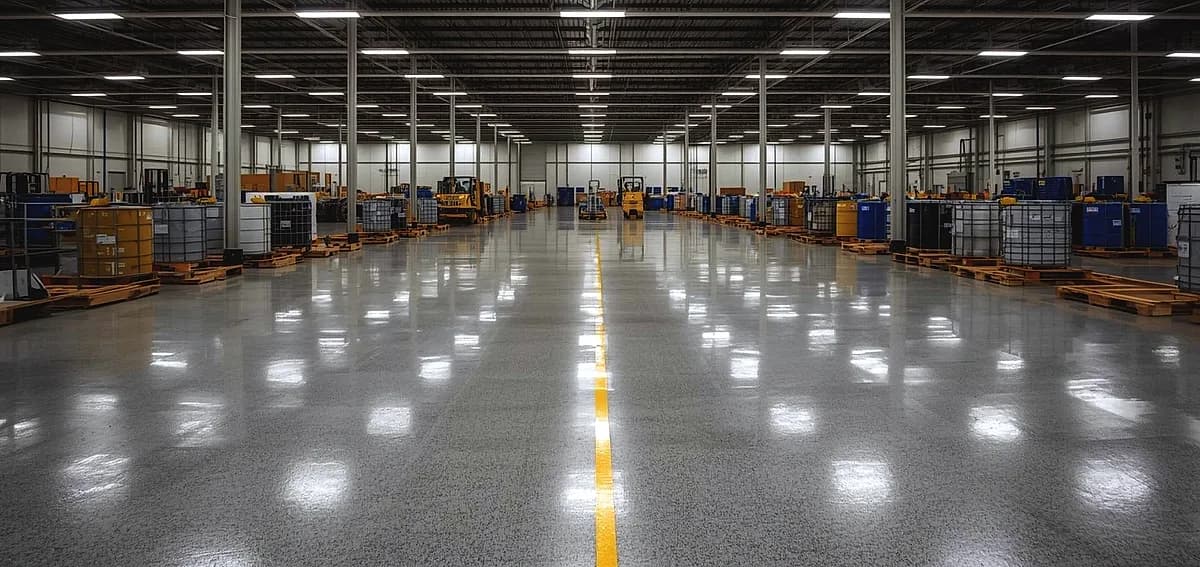
Paint thinners, mineral spirits, and adhesive solvents are generally well-tolerated by epoxy systems when cleaned promptly. However, for applications requiring enhanced solvent resistance, specialized curing agents like Ancamine 2432 or Ancamine 1693 are recommended. These advanced formulations provide superior protection in environments with constant solvent exposure.
Garage epoxy flooring in Pompano Beach protects concrete from the daily vehicle leaks and spills that would otherwise damage and stain untreated surfaces. The tightly bonded structure blocks stains and prevents absorption into the underlying concrete.
Cleaning Agents and Detergents
Daily maintenance chemicals pose minimal threat to properly installed epoxy flooring systems. Epoxy surfaces withstand everything from everyday household detergents to heavy-duty industrial degreasers without surface degradation. This resistance extends to sanitizers, disinfectants, and quaternary ammonium compounds used in healthcare and food service settings.
Bleach solutions at typical concentrations are well-tolerated, though prolonged exposure to highly concentrated bleach may cause discoloration over time. The resistance to detergents makes epoxy ideal for environments requiring frequent cleaning and sanitation protocols.
Restaurant epoxy floors must endure constant exposure to cleaning chemicals while maintaining health code compliance. The nonporous finish prevents bacterial growth and facilitates thorough sanitation.
Temperature Effects on Chemical Resistance
Temperature significantly influences how epoxy flooring responds to chemical exposure. Standard epoxy systems maintain integrity under temperatures ranging from -40°F to 300°F, though chemical resistance decreases at elevated temperatures. In ambient cure systems exposed to chemicals at elevated temperatures, modifying standard formulations with specialized curing agents improves resistance.
For the best resistance to chemicals at elevated temperatures with an ambient cure system, epoxy novolac resins are recommended. These advanced formulations maintain protective properties even when heat accelerates chemical reactivity. Florida’s climate presents unique considerations, as high temperatures in unconditioned warehouses or outdoor areas can reduce the effective concentration thresholds for certain chemicals.
Thermal shocks—rapid temperature changes—can stress the epoxy coating if chemical exposure occurs simultaneously. Studies show properly formulated surfaces retain 95% of their strength after 15+ years in temperature-variable factory environments.
Industries Requiring High Chemical Resistance
Manufacturing facilities with heavy machinery benefit tremendously from chemically resistant epoxy flooring. Pharmaceutical manufacturing requires flooring that withstands aggressive reagents while meeting strict cleanliness standards. Food processing facilities need surfaces that resist organic acids, fats, oils, and sanitizers without harboring bacteria.
Automotive repair shops encounter daily exposure to motor oils, brake fluids, solvents, and battery acids. Chemical laboratories handle hundreds of different substances requiring comprehensive protection across the pH spectrum. Warehouses storing chemicals need containment flooring that prevents spills from penetrating to the concrete substrate.
Healthcare facilities require resistance to disinfectants, bodily fluids, and medical waste while maintaining seamless, sanitizable surfaces. Data reveals these specialized coatings reduce surface degradation by 92% compared to untreated concrete in high-traffic industrial settings.
Standard vs Specialized Epoxy Systems
Standard bisphenol-A based epoxy resins (EEW=190) offer good reactivity, organic acid resistance, and rapid hardness development for general-purpose applications. These industry-standard formulations handle most common chemicals encountered in residential garages, retail spaces, and light commercial environments.
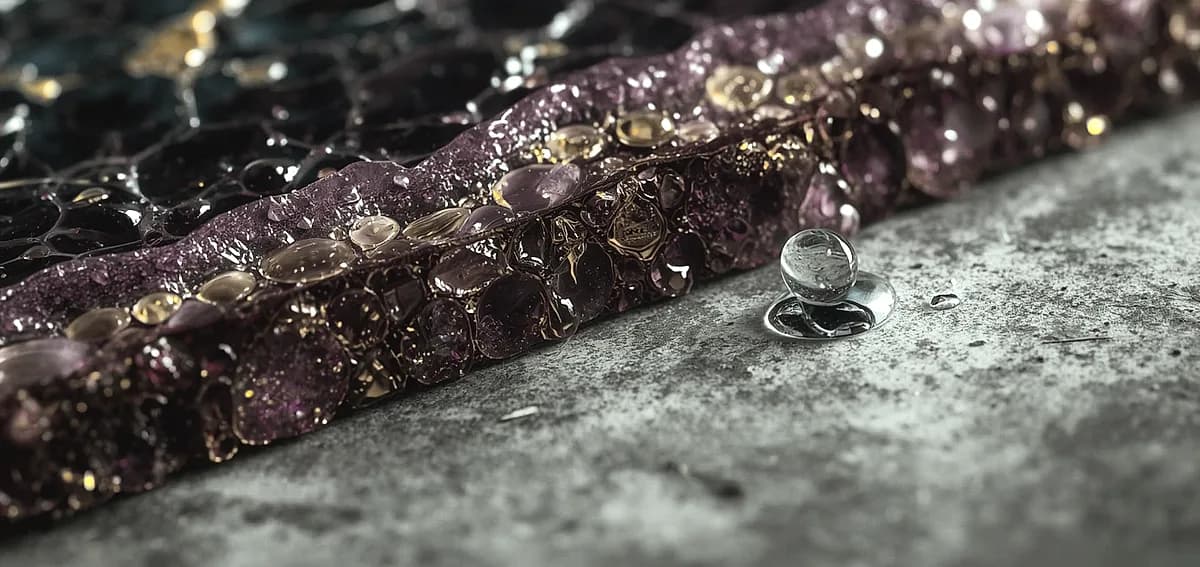
Bisphenol-F based epoxy resins provide improved solvent resistance, reduced viscosity, and increased working times. Blends of bisphenol-F with multifunctional epoxy resins deliver excellent sulfuric acid resistance while improving solvent protection. Epoxy novolac resins represent the highest tier of chemical resistance, withstanding very aggressive reagents including 30% nitric acid and phenol.
Metallic epoxy floors typically use standard formulations sufficient for residential applications. Commercial installations may require upgraded systems based on the specific chemicals present in daily operations.
Limitations and When to Choose Alternatives
Despite excellent overall performance, epoxy has specific limitations in extreme chemical environments. Epoxy matrix coatings should not be used where resistance to strong oxidizing acid solutions is required. Maximum fire resistance requirements may necessitate alternative flooring systems.
Polyester-based systems offer superior detergent resistance but fail when exposed to sodium hydroxide or strong alkaline solutions. Vinyl ester resins provide different chemical resistance profiles, with medium ratings for many substances where epoxy achieves high ratings. The selection depends on the primary chemical threats in each specific application.
Where multiple aggressive chemicals will be present simultaneously, specialized resinous flooring beyond standard epoxy may be necessary. Consulting with flooring experts ensures the chosen system matches the actual chemical exposure profile rather than over- or under-specifying protection.
Proper Installation for Maximum Protection
The chemical resistance performance of epoxy flooring depends heavily on proper installation techniques. Surface preparation creates the mechanical bond that prevents chemicals from migrating under the coating edges. Concrete surface profile requirements ensure adequate tooth for epoxy adhesion even under chemical attack.
Moisture testing prevents subsurface water from compromising the chemical barrier. Proper mixing ratios and cure times allow the polymer chains to fully cross-link, achieving maximum density and impermeability. Insufficient curing leaves gaps in the molecular network where chemicals can penetrate.
Seamless application eliminates joints where chemicals could accumulate and attack the substrate. Shot blasting removes contamination that would prevent proper bonding. Each installation step directly impacts the floor’s ability to resist chemical exposure over its lifespan.
Maintenance to Preserve Chemical Resistance
Even the most chemically resistant epoxy requires proper maintenance to preserve long-term performance. Prompt cleanup of spills prevents prolonged chemical contact that could eventually penetrate the coating. While epoxy resists many substances, extended exposure to concentrated chemicals at elevated temperatures will eventually cause degradation.
Regular cleaning with appropriate pH-neutral cleaners removes residues without damaging the coating. Avoiding harsh abrasives during cleaning preserves the surface integrity that provides chemical protection. Periodic inspections identify early signs of chemical attack before major damage occurs.
Facilities with heavy chemical exposure should schedule professional inspections to assess coating condition. Small areas showing chemical damage can be repaired before requiring complete floor replacement. Schools and retail spaces benefit from slip-resistant finishes that maintain grip even when wet, while still providing chemical protection.
Frequently Asked Questions
What chemicals can epoxy floors resist?
Epoxy floors resist over 1,000 chemicals including acids (sulfuric, hydrochloric, phosphoric), bases (sodium hydroxide, ammonia), oils, gasoline, brake fluid, solvents, and most cleaning products.
How is chemical resistance measured for epoxy flooring?
Resistance is rated 0-5, where 0 means attacked on contact, 1 means failure after 24 hours, 3 means intact for one month, and 5 means excellent long-term resistance.
Can epoxy floors handle strong acids?
Properly formulated epoxy handles acids at pH 1-13, including sulfuric acid up to 50% concentration, though strong oxidizing acids require specialized systems.
Does temperature affect epoxy chemical resistance?
Yes, elevated temperatures reduce chemical resistance thresholds; specialized high-temperature epoxy formulations maintain protection when heat and chemicals combine.
What industries need chemically resistant epoxy floors?
Pharmaceutical manufacturing, food processing, automotive shops, chemical warehouses, laboratories, healthcare facilities, and manufacturing plants all require high chemical resistance.
Are all epoxy systems equally chemical resistant?
No; standard bisphenol-A epoxies suit general use, while bisphenol-F and epoxy novolac resins provide enhanced protection for extreme chemical environments.
How does epoxy compare to other flooring for chemical resistance?
Epoxy rates high with 8/10 abrasion rating and -40°F to 300°F range, while vinyl rates medium at 5/10 and standard concrete rates low.
Can epoxy floors resist automotive fluids?
Yes, epoxy excellently resists motor oil, gasoline, diesel, hydraulic fluid, brake fluid, transmission fluid, and coolant without staining or damage.
What cleaning products are safe for epoxy floors?
Epoxy withstands everyday detergents through heavy-duty degreasers, sanitizers, disinfectants, and bleach at typical concentrations without surface degradation.
When should I choose an alternative to epoxy?
When strong oxidizing acids, maximum fire resistance, or specific chemical combinations exceed epoxy’s capabilities, alternatives like polyester or vinyl ester may be required.
Conclusion
The epoxy floor chemical resistance chart reveals why these protective systems dominate in environments where chemical exposure is inevitable. From household garages handling automotive fluids to pharmaceutical facilities managing aggressive reagents, epoxy flooring provides a proven barrier against over 1,000 different substances. Understanding resistance ratings, temperature effects, and system variations ensures you select the appropriate formulation for your Pompano Beach property’s specific needs. While standard epoxy systems excel in most applications, specialized environments may require enhanced formulations with epoxy novolac resins or modified curing agents.
National Concrete Polishing combines industry expertise with high-performance epoxy systems designed for South Florida’s demanding commercial concrete floor coating applications. Contact us today for a free consultation and discover how chemically resistant epoxy flooring can protect your investment while reducing long-term maintenance costs and ensuring compliance with Florida building codes and industry safety standards.
Written by

Founder and CEO
Chris Lavin is an esteemed leader in concrete polishing and epoxy coatings with a distinguished 20-year career. As founder and CEO of National Concrete Polishing and owner of Xtreme Polishing Systems, he's renowned for polishing and epoxy coating more floors than anyone globally. Chris is recognized for his innovative approach and commitment to enhancing floor durability and aesthetics. His hands-on experience and technical proficiency make him a respected authority and a valuable resource in the field of floor polishing and coatings.
Same topic
Related articles
All stories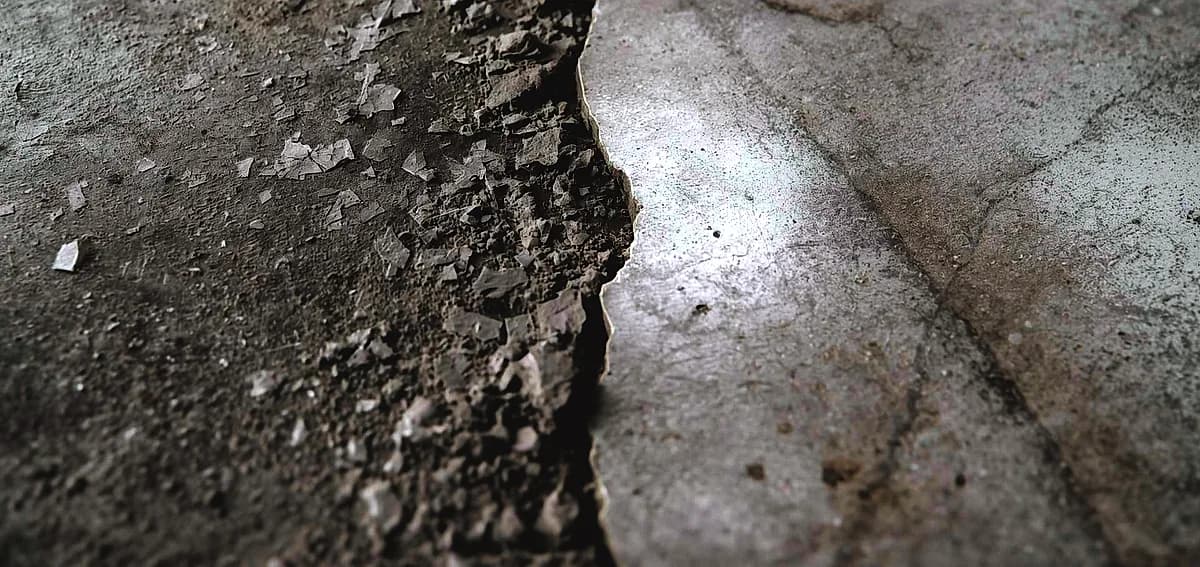
Epoxy & coatings8 min read
DIY vs Professional Epoxy Flooring in Fort Lauderdale
Hardware stores heavily market all-in-one boxes that promise a showroom finish with minimal effort.
Read it
Epoxy & coatings8 min read
Can You DIY Epoxy Flooring in Miami? Pros, Cons, and Tips
Applying a durable floor finish in a tropical or highly humid climate presents unique environmental challenges.
Read it
Epoxy & coatings7 min read
DIY Epoxy Flooring in South Florida: Is It Worth the Risk?
However, these products generally contain high levels of water or solvents to extend their pot life.
Read it
Tell us about the floor
Tell us the space and roughly how big it is.We come back with what it would cost and when we could start.
Prefer to talk? Call +1 844-876-5474
- Leads@
nationalconcretepolishing.net - 2200 NW 32nd St #600,
Pompano Beach, FL 33069 Mon to Fri, 9:00 to 5:30