The NCP blog
Concrete Surface Profile (CSP) and Its Impact on Coating Adhesion
Polished concrete9 min read
A single industrial floor coating with 1,200 psi adhesion strength can outlast three weaker installations combined.
A single industrial floor coating with 1,200 psi adhesion strength can outlast three weaker installations combined. Research shows coatings bonded above 900 psi withstand 15-20 years of heavy use, while those below 500 psi often fail within 24 months. This difference directly impacts repair budgets—peeling or delaminated floors cost up to $12 per square foot to replace.
Texture plays a starring role in flooring performance. Roughness creates mechanical bonds that lock coatings in place, with optimized profiles improving bond strength by 50-300%. Without proper preparation, coatings become prone to blistering and premature breakdown, especially in freeze-thaw climates or high-traffic areas.
Matching material thickness to your floor’s texture ensures maximum durability. Facilities using profile-specific application methods report coating lifespans exceeding 15 years—tripling the average 5-year performance of poorly prepared surfaces. Strategic profiling also reduces long-term expenses by minimizing unplanned shutdowns for repairs.
Understanding Concrete Surface Profiles
Flooring longevity starts with texture. The microscopic peaks and valleys on prepared substrates determine how well protective layers grip during thermal shifts or heavy loads. This texture measurement system helps contractors select preparation techniques that maximize bond strength.
Definition and Importance
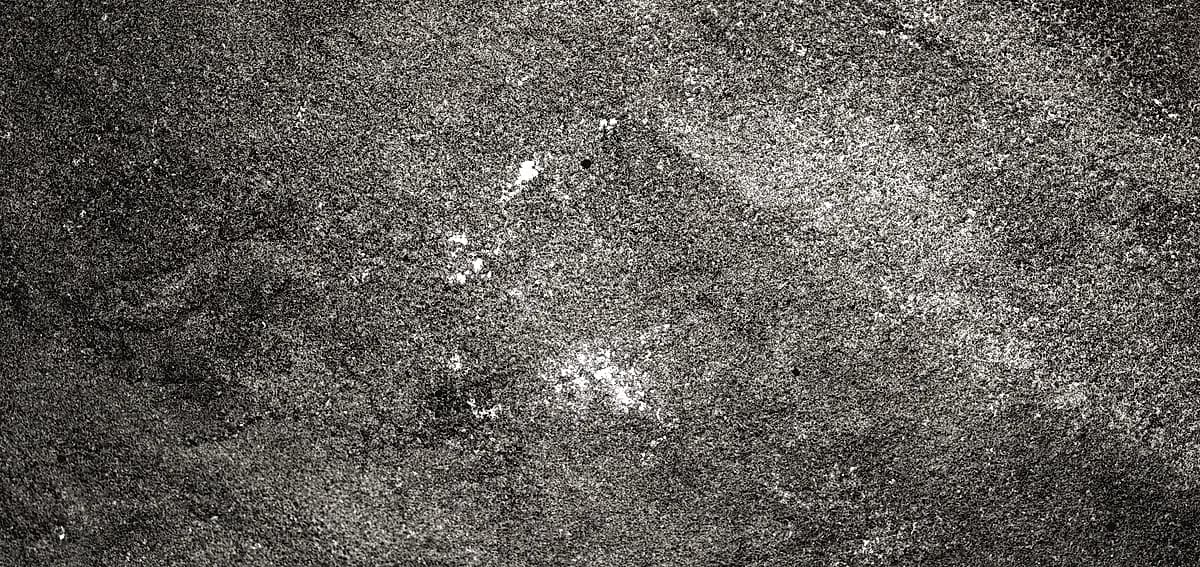
Surface profiles describe the roughness created during cleaning or grinding. Like Velcro® hooks catching fabric loops, these textures let coatings anchor securely. Proper depth allows materials to penetrate pores rather than sit atop smooth planes prone to separation.
The ICRI CSP Scale Overview
The International Concrete Repair Institute’s 10-point system standardizes texture measurements. Lower numbers indicate smoother finishes, while higher values represent deeper grooves. Here’s how key levels compare:
| CSP Level | Texture Depth | Common Methods |
|---|---|---|
| 1-2 | 0.01-0.02″ | Acid etching, light grinding |
| 3-5 | 0.03-0.07″ | Shot blasting, scarifiers |
| 6-10 | 0.08-0.25″ | Bush hammers, hydrodemolition |
Epoxy systems typically need CSP 3-5 profiles, while thick urethanes require CSP 5-7. Matching numbers to materials prevents costly rework—a $20,000 warehouse floor failed after using CSP 2 with industrial-grade epoxy.
Why Concrete Surface Profile Matters for Adhesion
Proper substrate texture determines whether protective layers survive decades or crumble prematurely. Mechanical interlocking occurs when materials fill microscopic valleys, creating anchors that resist environmental and operational stresses.
Durability Thresholds and Material Performance
Adhesion strength directly dictates lifespan. Systems exceeding 900 psi withstand 15-20 years of industrial use, while those below 500 psi often degrade within 24 months. This table shows how bond quality affects outcomes:
| Adhesion Level | Average Lifespan | Common Failures |
|---|---|---|
| ≥900 psi | 15-20 years | Minor edge wear |
| 500-899 psi | 5-8 years | Cracking, chipping |
| <500 psi | 2-5 years | Delamination, blistering |
A Midwest distribution center saved $78,000 by upgrading to 1,100 psi epoxy after previous coatings peeled within 18 months. Their repair costs dropped from $9.50/sq ft to $1.20/sq ft annually.
Risks of Suboptimal Texture Preparation
Insufficient roughness causes 83% of premature failures. Freeze-thaw cycles weaken poorly bonded materials by 50%, while daily forklift traffic accelerates breakdown by 40% over five years. Facilities in humid climates see peeling rates 3x higher than controlled environments.
Foot traffic alone reduces bond integrity by 15-20% within three years. Without adequate texture depth, thermal expansion creates micro-fractures that spread like spiderwebs. These flaws allow moisture infiltration, further weakening the substrate-coating interface.
Techniques for Achieving an Ideal Surface Profile
Selecting the right preparation method determines whether coatings bond properly or peel prematurely. Different tools create specific texture depths measured on the CSP scale. Thinner materials need subtle textures, while heavy-duty applications require aggressive profiles.
Shot Blasting vs. Grinding
Shot blasting propels steel beads at high speed, creating CSP 3-7 profiles. This method works best for epoxy floors in warehouses needing 10-40 mil thickness. It removes contaminants while adding uniform roughness for mechanical bonding.
Grinding uses rotating discs to achieve CSP 2 surfaces. Ideal for polished concrete or thin sealers under 10 mils. While less aggressive, it provides precise control for decorative finishes.
| Method | CSP Level | Texture Depth | Best For |
|---|---|---|---|
| Shot Blasting | 3-7 | 0.03-0.15″ | Epoxy, heavy traffic |
| Grinding | 2 | 0.02″ | Sealers, showrooms |
Acid Etching and Scarifying Options
Acid etching dissolves surface layers to create CSP 1 textures. Use this for garage floors or basic sealants. It’s cost-effective but unsuitable for thick materials or contaminated slabs.
Scarifying uses rotating blades to reach CSP 4-6. Choose this for industrial coatings over 40 mils. The deep grooves (0.07-0.12″) handle thermal expansion in food processing plants.
Always match tools to material thickness:
- Under 10 mils: Etching/grinding
- 10-40 mils: Shot blasting
- Over 40 mils: Scarifying
Methods for Measuring Surface Profile and Adhesion Strength
Accurate measurement separates successful projects from costly redos. Contractors use standardized methods to verify texture depth and coating grip before signing off on installations.
ASTM Pull-Off Test and Tape Test Applications
The ASTM D4541 method measures bond strength using metal dollies glued to the substrate. Hydraulic pressure pulls the dolly until separation occurs. Quality coatings like 100% solids epoxy achieve 925 psi, while waterborne systems reach 881 psi.
Conduct three tests per 1,000 sq ft to account for substrate variations. Track environmental conditions—results drop 12-18% in humidity above 85% or temperatures below 50°F.
| Coating Type | Average PSI | Failure Mode |
|---|---|---|
| 100% Solids Epoxy | 925 | Cohesive |
| Polyaspartic | 891 | Adhesive |
| Waterborne Epoxy | 881 | Mixed |
Use tape tests for quick checks. Press adhesive strips onto cured coatings and yank sharply. Partial residue indicates acceptable bonds, while clean removal signals preparation issues.
Utilizing Rubber Comparator Chips Effectively
These textured tools match ICRI CSP levels visually. Press a chip into the substrate—if their patterns align, you’ve identified the profile depth. No lab equipment needed.
Best practices:
- Clean surfaces before testing
- Compare multiple areas
- Use chips with 0.01-0.25″ depth range
Document findings using ASTM D7682 standards. Pair chip results with pull-off data to confirm profile adequacy. This dual approach catches 92% of bonding issues before coatings fail.
Choosing and Applying the Optimal Coating System
Selecting the right protective layer for your floor involves more than just picking a product. It requires matching material capabilities to operational demands and environmental conditions. High-performance systems combine advanced chemistry with precise application methods to create lasting bonds.
Advantages of High-Adhesion Coatings
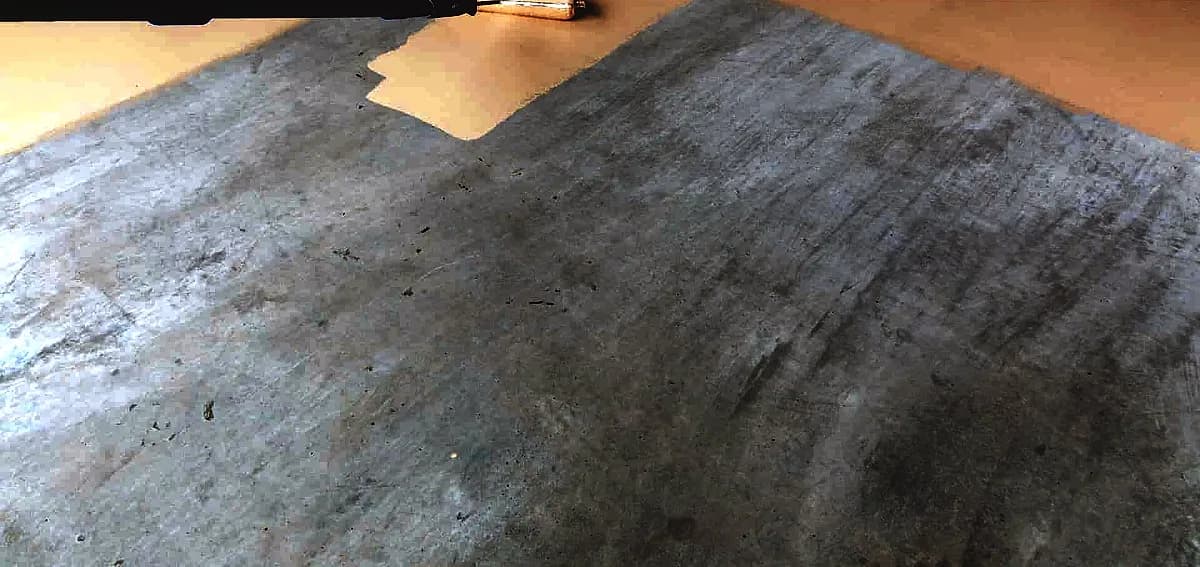
Premium formulations deliver 800-1,000+ psi bond strength, outperforming standard options by 25-30%. These materials withstand forklift traffic, chemical spills, and temperature swings without cracking. Facilities using polyaspartic systems report 70% fewer repairs over 10 years compared to traditional epoxy.
| Coating Type | Adhesion Range | Best Applications |
|---|---|---|
| Polyaspartic | 800-1000+ psi | Warehouses, manufacturing |
| Polyurethane | 500-900 psi | Parking garages, outdoor |
| Epoxy | 400-800 psi | Indoor retail spaces |
| Acrylic | 200-400 psi | Residential basements |
Modern Coating Technologies and Application Techniques
New formulations incorporate adhesion promoters that penetrate deeper into substrates. Nanoparticle additives create microscopic anchors, boosting mechanical interlocking by 15-20%. Low-surface-tension materials flow into texture valleys more effectively than conventional options.
Follow these steps for optimal results:
- Clean surfaces to SSPC-SP13 standards before application
- Apply primer within 4 hours of surface preparation
- Maintain 65-85°F during curing
Quality control checks should include cross-hatch adhesion tests and infrared moisture scans. Proper thickness verification ensures coatings match the prepared texture depth for maximum bonding potential.
Environmental Factors and Maintenance Best Practices
Your coating’s lifespan depends on managing environmental conditions and following smart upkeep routines. Temperature swings, moisture levels, and daily wear patterns all influence how well protective layers stay bonded to substrates over time.
Temperature and Moisture Control Considerations
Apply coatings when ambient temperatures stay between 50-90°F with humidity under 80%. Always check surface warmth—it should be 5°F warmer than the dew point to prevent condensation. A Midwest factory reduced peeling incidents by 62% after installing climate monitors in their application areas.
| Factor | Ideal Range | Risk Zone |
|---|---|---|
| Air Temperature | 65-85°F | <50°F or >95°F |
| Surface Temperature | 70-90°F | <60°F |
| Relative Humidity | <75% | >85% |
Modern polyaspartic systems maintain 90% adhesion after five years when properly maintained. Conduct monthly inspections in high-traffic zones—forklift paths wear 30% faster than storage areas. Use pH-neutral cleaners to avoid degrading protective layers.
Document these three maintenance essentials:
- Weekly dry cleaning removes abrasive particles
- Quarterly adhesion checks with tape tests
- Annual professional evaluations
Watch for discoloration or bubbling—these signal early adhesion loss. Facilities using preventive plans experience 45% fewer failures than those reacting to damage. Seasonal planning matters: schedule recoating projects during stable spring/fall weather when possible.
Concrete Surface Profile in South Florida – Expert Insights
South Florida’s coastal environment demands specialized approaches for durable flooring systems. High humidity levels and salt-laden air create distinct challenges that impact material selection and application timelines.
Regional Considerations and Unique Challenges
Relative humidity above 85% slows curing times by 40%, requiring adjusted work schedules. Salt particles accelerate corrosion rates by 3x compared to inland areas. Daily temperature swings of 30°F cause expansion stresses that test coating-substrate bonds.
| Challenge | Standard Approach | South Florida Adaptation |
|---|---|---|
| Humidity | 6-hour curing window | Dehumidifiers + 8-hour minimum |
| Salt Exposure | Basic pressure washing | Chemical neutralization rinse |
| Thermal Shifts | Standard epoxy | Flexible polyurethane hybrids |
National Concrete Polishing’s Expertise in Surface Preparation
Local professionals use infrared scanners to detect hidden moisture before treatment. Their modified shot-blasting techniques remove salt contaminants while creating CSP 4-5 profiles ideal for humid climates. One waterfront facility saw coating lifespan increase from 2 to 9 years through these methods.
Success depends on three key steps:
- Pre-treatment moisture content below 4%
- Salt-resistant primers applied within 2 hours of preparation
- Real-time weather monitoring during installation
Conclusion
Your flooring system’s longevity depends on the concrete surface profile (CSP) created during preparation. This textured foundation determines coating adhesion strength, with proper profiles boosting performance by 50-300%.
Choosing materials that match your concrete surface profile level prevents delamination. For example, epoxy coatings require CSP 3-5 to achieve 900+ psi adhesion strength, ensuring long-term durability.
Regular adhesion testing and concrete surface profile assessments catch issues early. Facilities using these practices report 70% fewer coating failures compared to those skipping evaluations.
Partnering with experts ensures your surface profile aligns with specific coating requirements. The right combination delivers decades of reliable adhesion and performance, cutting long-term costs significantly.
Remember: optimal results start with the right concrete surface profile. Invest in proper texture preparation, and your coatings will reward you with lasting protection.
Frequently Asked Questions
How does surface roughness impact coating durability?
Proper texture ensures coatings bond tightly to substrates. Inadequate roughness leads to peeling, blistering, or premature wear. The ICRI CSP scale helps match profiles to specific systems like epoxy or polyurethane for long-term performance.
What methods measure adhesion strength effectively?
ASTM D7234 pull-off tests quantify bond strength, while tape tests (ASTM D3359) check for delamination. Rubber comparator chips visually assess profiles against standardized roughness levels, ensuring consistency before application.
When should you choose shot blasting over acid etching?
Shot blasting creates uniform profiles (CSP 3-5) ideal for heavy-duty coatings. Acid etching works for lighter systems but struggles with contaminants or hardened substrates. Always evaluate substrate conditions first.
Why does South Florida’s climate demand specialized preparation?
High humidity and salt exposure accelerate coating failures. National Concrete Polishing uses moisture-tolerant primers and aggressive profiling (CSP 4+) to combat these challenges, ensuring adhesion in demanding environments.
Can improper surface prep lead to repair costs?
Yes. Skipping steps like scarifying or diamond grinding often causes delamination. Recoating failed areas costs 3-5x more than initial proper prep, making upfront investment in techniques like blasting critical.
How do modern coatings improve bond strength?
Innovations like methyl methacrylate (MMA) resins cure rapidly while penetrating micro-cracks. Pairing these with CSP-matched profiles achieves bonds exceeding 1,500 psi, outperforming traditional epoxy systems.
What maintenance extends coating lifespan post-application?
Regular cleaning with pH-neutral solutions prevents chemical degradation. Inspect high-traffic areas annually for wear—recoat using the original profile depth to maintain adhesion without reprofiling.
Written by

Founder and CEO
Chris Lavin is an esteemed leader in concrete polishing and epoxy coatings with a distinguished 20-year career. As founder and CEO of National Concrete Polishing and owner of Xtreme Polishing Systems, he's renowned for polishing and epoxy coating more floors than anyone globally. Chris is recognized for his innovative approach and commitment to enhancing floor durability and aesthetics. His hands-on experience and technical proficiency make him a respected authority and a valuable resource in the field of floor polishing and coatings.
Same topic
Related articles
All stories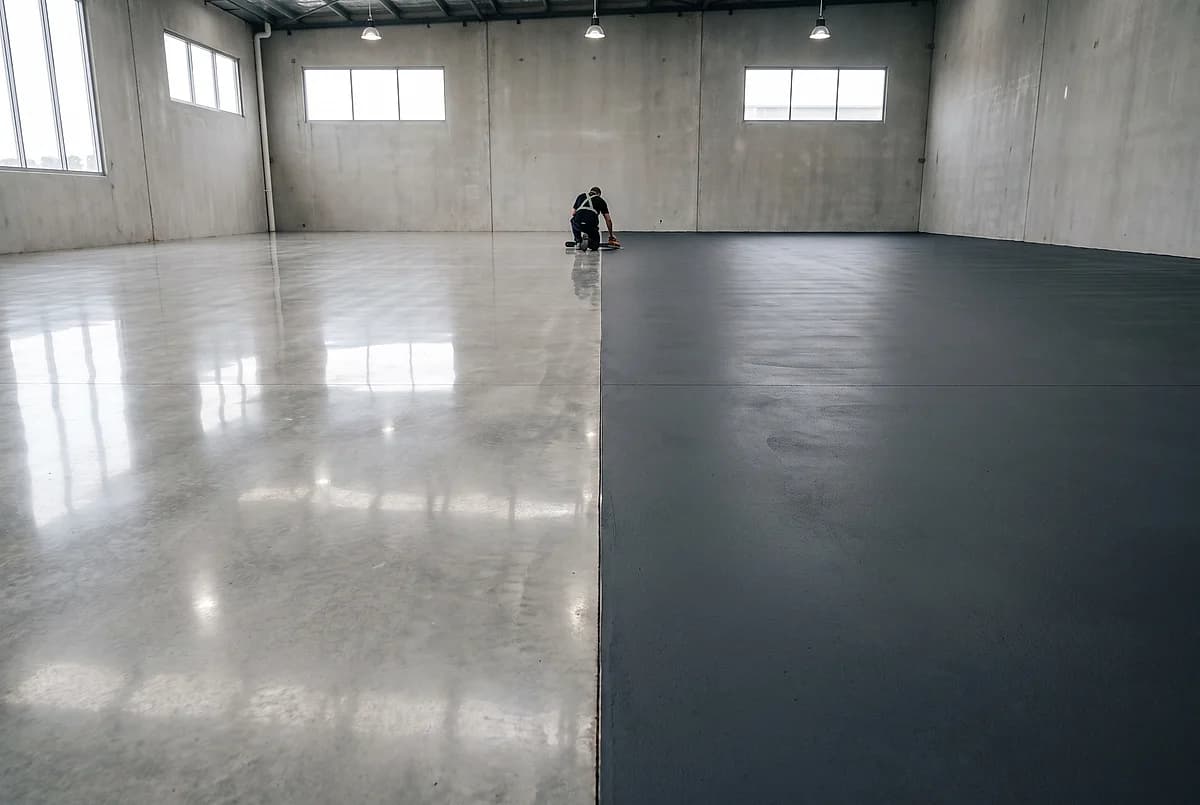
Polished concrete11 min read
Polished Concrete vs Epoxy Coatings: Which Floor Is Right for Your Space?
Two systems, two price curves, one slab. What each one costs to install and to keep, and which spaces each one actually suits.
Read it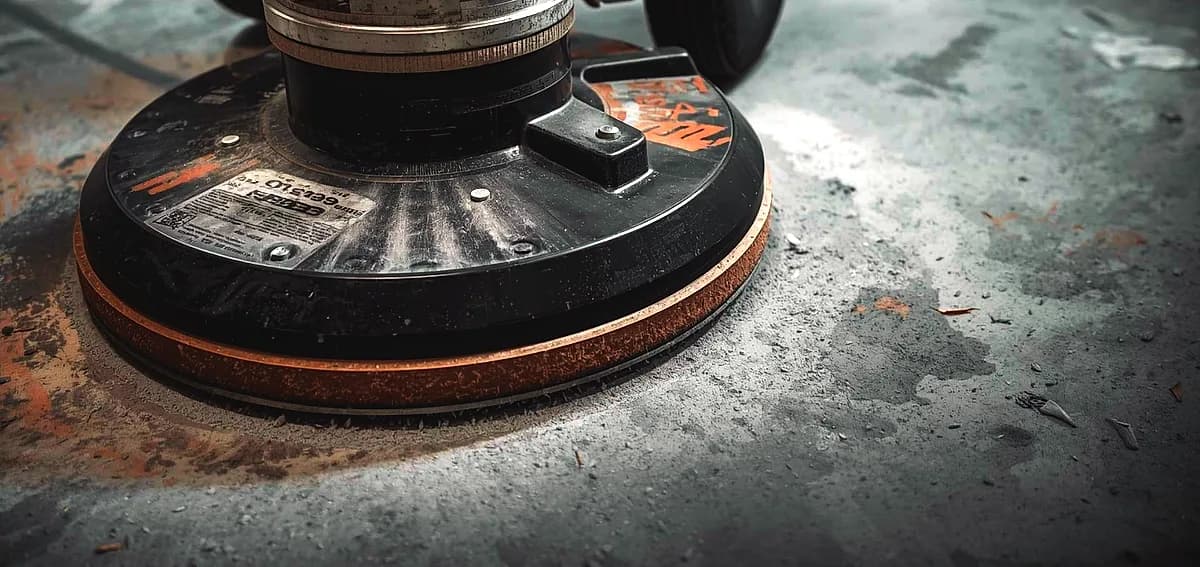
Polished concrete8 min read
What to Know Before Polishing Your Existing Concrete Slab
Before any mechanical refinement can begin, a thorough evaluation of the current foundation is required.
Read it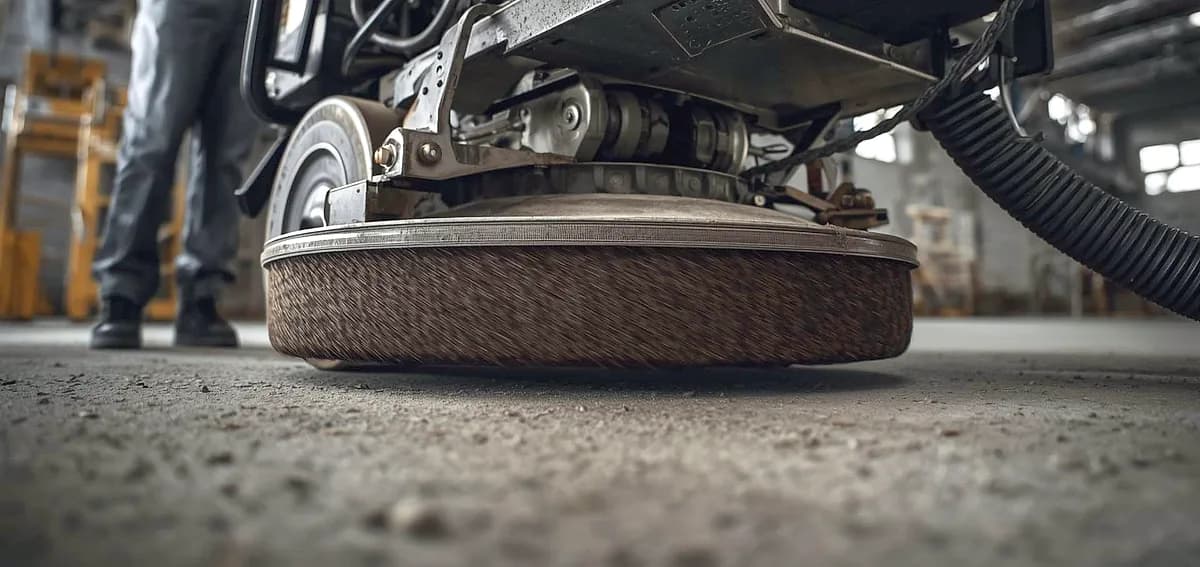
Polished concrete8 min read
Is Polished Concrete Worth the Investment for Miami Properties?
It is essential to distinguish between a simple topical seal and mechanically refined concrete.
Read it
Tell us about the floor
Tell us the space and roughly how big it is.We come back with what it would cost and when we could start.
Prefer to talk? Call +1 844-876-5474
- Leads@
nationalconcretepolishing.net - 2200 NW 32nd St #600,
Pompano Beach, FL 33069 Mon to Fri, 9:00 to 5:30