
The NCP blog
Cleanroom Floor Standards for Semiconductor, Biotech, and GMP Facilities
Commercial12 min read
Semiconductor, biotech and GMP floors have written standards. What those standards require, and which concrete systems meet them.
The global cost of cleanroom contamination events averages $500,000 per incident in 2026. If you are researching facility upgrades, you may be wondering how flooring impacts Good Manufacturing Practice (GMP) compliance. We have the right article for you, covering material selection, ISO classifications, and proper installation protocols to keep your environment secure.
Understanding GMP and ISO Classifications for Cleanrooms
Regulatory bodies strictly monitor manufacturing environments to ensure product safety and efficacy. Good Manufacturing Practice (GMP) guidelines outline the minimum standards that a manufacturer must meet. The Food and Drug Administration enforces these regulations in the United States to protect consumers from contaminated products.
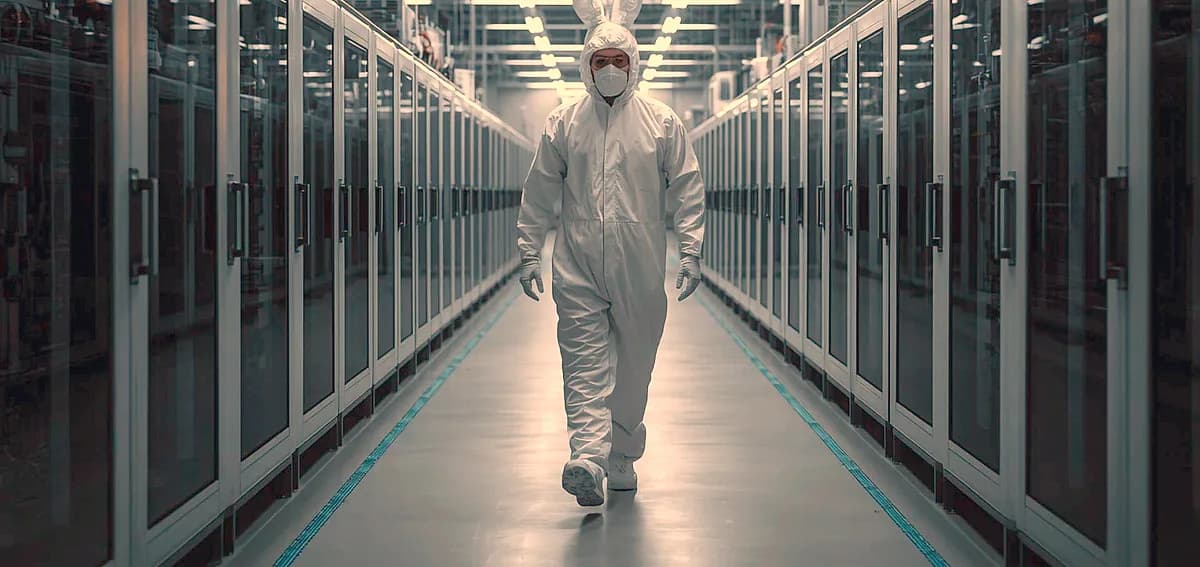
Flooring is a foundational element of GMP compliance. Traditional flooring systems have joints, seams, and pores. These microscopic voids trap dust, moisture, and pathogens. Cleanroom floors must be completely monolithic (seamless) and impermeable. According to data from the World Health Organization, up to 80% of cleanroom contamination originates from surfaces and personnel movement.
Cleanrooms are categorized by their air cleanliness, governed by the International Organization for Standardization under the ISO 14644-1 standard. ISO 5 cleanrooms are highly stringent, allowing a maximum of 3,520 particles (0.5 micrometers or larger) per cubic meter of air. ISO 8 cleanrooms are less restrictive but still require specialized flooring. Your flooring must not contribute to particle generation through outgassing or surface abrasion.
As Dr. Richard Lawson, Cleanroom Compliance Director at BioTech Solutions, explains: ‘The floor is the foundation of contamination control. A single microscopic fissure can compromise a billion-dollar pharmaceutical batch.’
Critical Requirements for GMP-Compliant Cleanroom Floors
Selecting the correct material involves evaluating the specific operational stresses of your facility. A standard commercial floor will fail rapidly under the strict cleaning regimens of a controlled environment. It is essential to consider the following performance metrics when specifying a system.
Chemical Resistance and Sterilization
Pharmaceutical and biotech facilities clean their environments daily. Maintenance teams use harsh sterilants, including vaporized hydrogen peroxide (VHP), sodium hypochlorite (bleach), and peracetic acid. These chemicals degrade standard concrete and basic sealers. High-performance polymer systems resist chemical attack and prevent the surface from becoming brittle or discolored over time.
Durability and Impact Resistance
Manufacturing facilities utilize heavy equipment. Forklifts, pallet jacks, and heavy stainless-steel vats constantly move across the floor. Standard coatings often suffer from spalling (flaking or chipping) under high impact. Heavy manufacturing equipment generates rolling loads exceeding 10,000 PSI. Urethane cement and thick-build epoxy systems absorb these impacts without fracturing.
Hygiene and Integral Coving
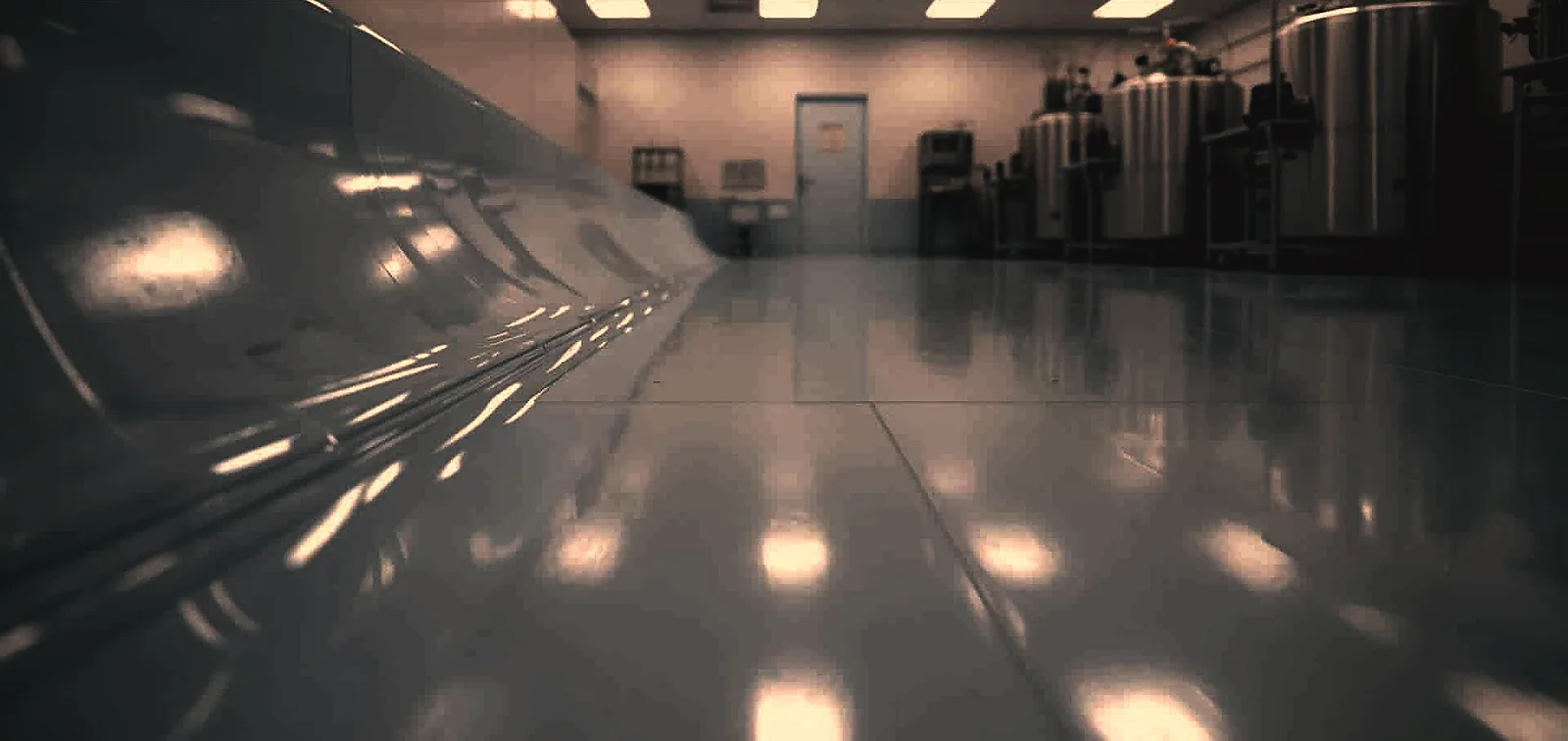
Corners are notoriously difficult to clean. GMP standards mandate the use of integral cove bases. Coving is a seamless, curved transition built into the corner where the floor meets the wall. A minimum four-inch to six-inch cove base prevents water and debris from settling into sharp angles.
Marcus Vance, a Senior GMP Auditor, notes: ‘During an inspection, the transition between the wall and the floor is the first place we check. If there is no integral coving, the facility automatically fails the hygiene audit.’
Comparison of Cleanroom Flooring Systems
Several materials dominate the cleanroom sector. The correct choice depends on your industry classification, budget, and structural load requirements. Below is a comparison of the most common systems used in 2026.
| Flooring System | Primary Industry Use | Key Advantages | Estimated Lifespan |
|---|---|---|---|
| High-Build Epoxy | Pharmaceuticals, Medical Devices | High gloss, completely seamless, excellent chemical resistance. | 10 – 15 Years |
| Urethane Cement | Food Processing, Heavy Biotech | Thermal shock resistance, withstands steam cleaning, extreme durability. | 15 – 20 Years |
| ESD Epoxy | Semiconductors, Electronics | Dissipates static electricity, prevents microchip damage. | 10 – 15 Years |
| Polished Concrete (Sealed) | ISO 8 Packaging Areas | Cost-effective, dust-proof, eco-friendly. | 20+ Years |
Semiconductor Cleanrooms and Electrostatic Discharge (ESD)
Biotech facilities prioritize biological contamination control. Semiconductor facilities face a completely different threat. Microchips, wafers, and electronic components are highly sensitive to static electricity. A standard floor generates a static charge when personnel walk across it. This phenomenon is known as triboelectric charging.
Electrostatic discharge is the sudden flow of electricity between two electrically charged objects. It takes less than 20 volts of static electricity to destroy a sensitive microchip. Humans cannot even feel a static shock until it reaches approximately 3,000 volts. Static damage costs the global electronics industry an estimated $5 billion annually in product loss and rework.
Elena Rostova, Lead Semiconductor Engineer at TechCore, states: ‘ESD flooring is non-negotiable in our fabrication plants. Without a grounded floor to pull static away from our technicians, our wafer yield would drop to near zero.’
ESD flooring systems contain conductive materials, such as copper flakes or carbon fibers. Installers connect copper grounding tape directly to the facility’s electrical ground. When a worker walks on the floor, the static charge instantly travels through the carbon fibers and safely into the ground. When paired with proper ESD footwear, these specialized floors reduce static events by 95%.
Factors That Affect Cleanroom Flooring Costs
Budgeting for a compliant floor requires understanding the variables that influence pricing. Industrial epoxy systems generally cost between $7 and $15 per square foot, but cleanroom requirements alter this baseline. Consider these specific cost factors.
- Current Concrete Condition: Severely damaged concrete requires extensive patching, joint filling, and leveling before applying the topcoat.
- Moisture Mitigation: High moisture vapor transmission requires specialized primers. Moisture transmission above 3 pounds per 1,000 square feet causes standard epoxy to bubble and delaminate.
- Cove Base Installation: Hand-troweling a four-inch or six-inch integral cove base increases labor time and material costs significantly.
- Facility Downtime: Fast-curing materials, such as polyaspartic coatings, cost more upfront but allow facilities to resume operations in 24 hours, saving money on lost production.
- Testing and Certification: ESD floors require post-installation electrical resistance testing to ensure they meet the ANSI/ESD S20.20 standard.
Steps to Install a GMP-Certified Cleanroom Floor
Installing a seamless polymer system is a highly technical process. Proper execution prevents future peeling, cracking, or bacterial harbor points. Our professionals follow a strict methodology to ensure audit readiness.
Step 1: Concrete Surface Preparation
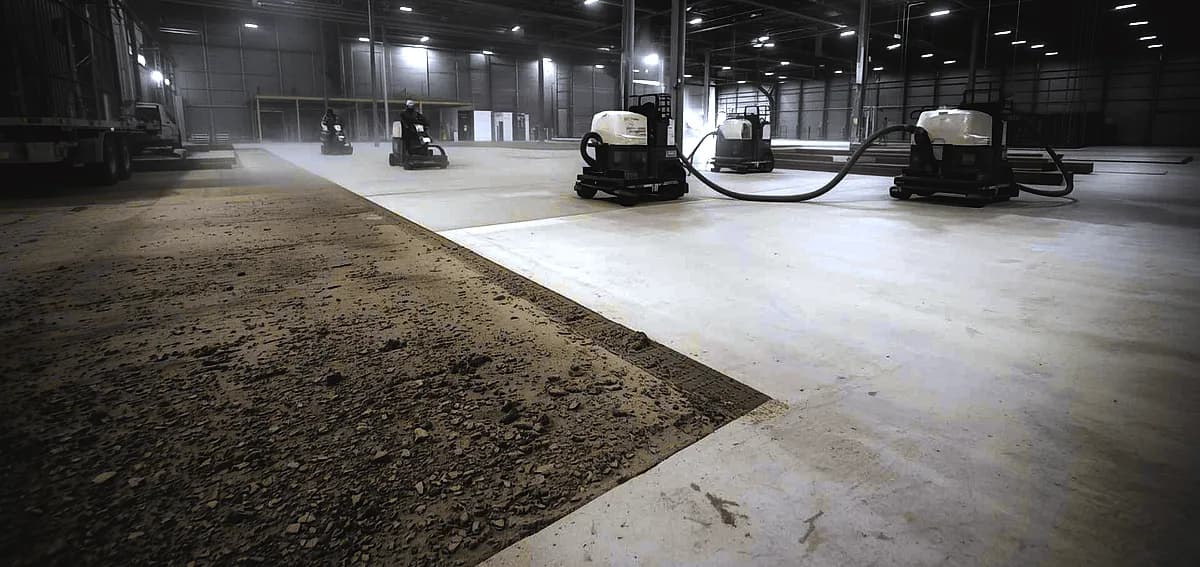
A coating will only adhere to a clean, porous surface. Installers use heavy-duty shot blasting or diamond grinding machinery to remove old coatings, oils, and laitance (the weak, dusty layer on top of concrete). This process creates a rough profile, similar to heavy-grit sandpaper, ensuring a permanent mechanical bond.
Step 2: Moisture Testing and Priming
Installers conduct calcium chloride or relative humidity tests. If moisture levels exceed manufacturer limits, a moisture vapor barrier primer is applied. This prevents hydrostatic pressure from pushing the coating off the concrete slab.
Step 3: Joint Treatment and Coving
All expansion joints and saw cuts are filled with flexible polyurea or epoxy joint fillers. The installer then uses a specialized mortar to create the curved, integral cove base along the perimeter of the room.
Step 4: Base Coat and Topcoat Application
The main epoxy or urethane base coat is applied using a squeegee and back-rolled for consistency. Once cured, a specialized urethane or polyaspartic topcoat is added. The topcoat provides UV stability, scratch resistance, and the required chemical resistance.
Step 5: Inspection and Curing
The floor is inspected for pinholes or anomalies. The system must cure fully before any foot traffic or heavy machinery enters the space. Proper curing ensures the floor will not outgas volatile organic compounds (VOCs) into the cleanroom atmosphere.
Maintenance and Longevity in 2026
A properly installed high-performance floor extends the structural lifecycle by up to 15 years. However, proper maintenance is essential to preserve the floor’s integrity and GMP status. Facilities must utilize approved cleaning protocols. Do not use abrasive scrubbing pads that can dull the topcoat and create microscopic scratches.
Sarah Jenkins, a veteran Facility Manager, advises: ‘We train our sanitation teams to use microfiber mops and specific, pH-neutral disinfectants. Aggressive physical scrubbing is rarely needed on a true monolithic surface, and it often does more harm than good.’
Cleanroom environments frequently require sloped flooring to direct washdown water toward stainless steel trench drains. Sloped flooring requires a minimum 1% gradient for proper drainage. Water must never pool on the surface, as stagnant moisture becomes a breeding ground for biological contaminants.
Frequently Asked Questions
What is GMP flooring?
GMP flooring refers to surfaces that meet Good Manufacturing Practice regulations. These floors must be completely seamless, non-porous, and resistant to chemicals, ensuring they do not harbor bacteria or shed particles into the environment.
How often should cleanroom floors be replaced?
High-quality epoxy or urethane cement floors typically last 10 to 20 years. Replacement or resurfacing is necessary when the topcoat becomes deeply scratched, joints begin to separate, or the floor fails static dissipation tests.
What is the difference between ISO 7 and ISO 8 flooring?
ISO 7 cleanrooms have stricter particle limits than ISO 8 environments. Consequently, ISO 7 flooring requires highly durable, low-outgassing, seamless epoxy systems, whereas some ISO 8 spaces may allow sealed polished concrete depending on the specific manufacturing process.
Are epoxy floors acceptable for cleanrooms?
Yes, 100% solids epoxy systems are the standard for pharmaceutical and biotech cleanrooms. They create a highly durable, monolithic surface that withstands rigorous chemical sterilization without degrading.
What is ESD flooring and why is it needed?
Electrostatic discharge (ESD) flooring contains conductive materials that safely carry static electricity into the ground. It is essential in semiconductor and electronics manufacturing to prevent static shocks from destroying sensitive microchips.
How do you clean GMP-certified floors?
Facilities clean GMP-certified floors using specialized mops and approved chemical sterilants like vaporized hydrogen peroxide or peracetic acid. Cleaners avoid abrasive tools that could scratch the protective topcoat and harbor microbes.
Can polished concrete be used in a cleanroom?
Polished concrete can be used in lower-grade cleanrooms, such as ISO 8 packaging or transit areas. However, it is generally not suitable for ISO 5 spaces or sterile pharmaceutical environments where harsh chemicals are used frequently.
What causes epoxy flooring to fail in cleanrooms?
Epoxy failures are usually caused by improper surface preparation or unchecked moisture vapor transmission. If the concrete is not adequately ground or primed, hydrostatic pressure will cause the epoxy to blister and peel away from the slab.
Final Thoughts
Maintaining cleanroom floor standards is a critical responsibility for semiconductor, biotech, and pharmaceutical facility managers. From managing extreme chemical washdowns to preventing electrostatic discharge, the right flooring system protects your product, your personnel, and your bottom line. Ensure your next installation uses high-build, seamless polymers combined with proper integral coving to guarantee compliance during your next audit. Get Your Free Estimate!
References
- Food and Drug Administration (FDA) – Good Manufacturing Practice (GMP) Guidelines
- International Organization for Standardization (ISO) – ISO 14644-1 Cleanroom Standards
- World Health Organization (WHO) – Environmental Contamination Control
- Centers for Disease Control and Prevention (CDC) – Infection Control Guidelines
Written by

Founder and CEO
Chris Lavin is an esteemed leader in concrete polishing and epoxy coatings with a distinguished 20-year career. As founder and CEO of National Concrete Polishing and owner of Xtreme Polishing Systems, he's renowned for polishing and epoxy coating more floors than anyone globally. Chris is recognized for his innovative approach and commitment to enhancing floor durability and aesthetics. His hands-on experience and technical proficiency make him a respected authority and a valuable resource in the field of floor polishing and coatings.
Same topic
Related articles
All stories
Commercial9 min read
How Polished Concrete Solves Office Acoustic Problems
Hard floors and noise complaints. What polished concrete does to sound in an open office, and how to spec around it.
Read it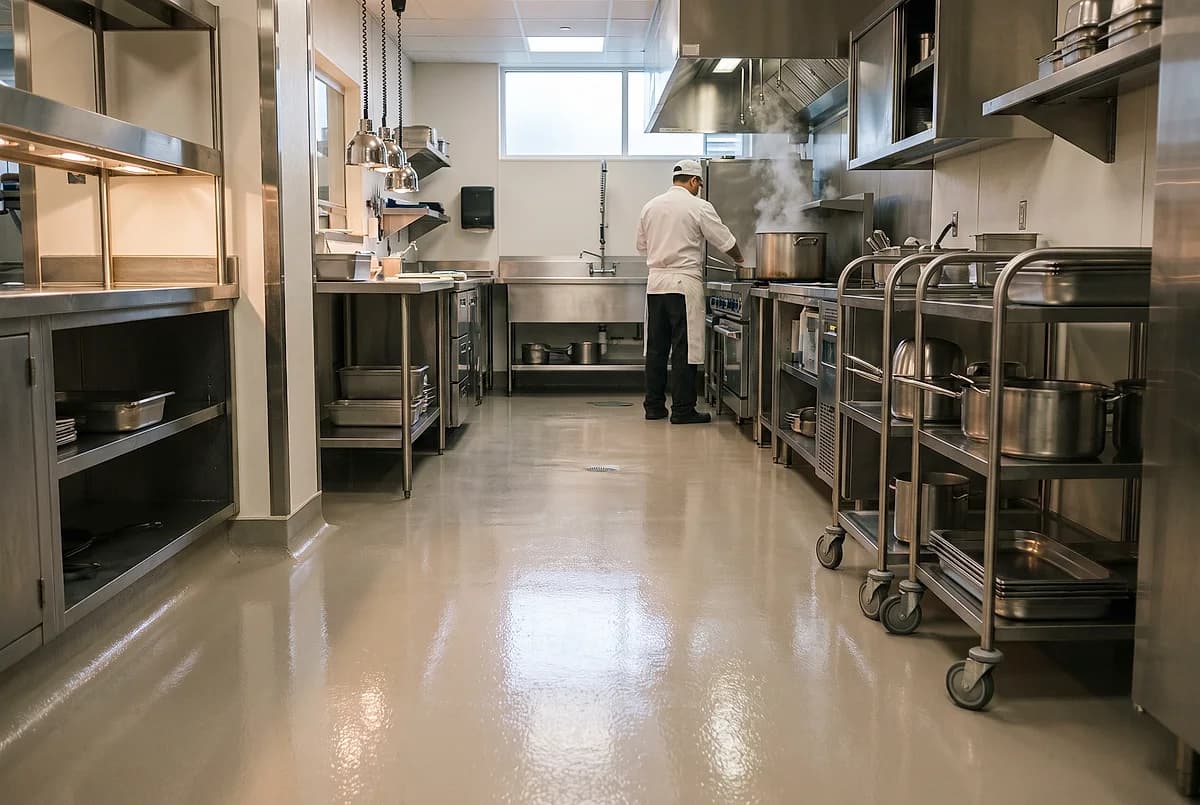
Commercial10 min read
Flooring for Hotel Wet Areas, Kitchens, and Parking Decks
Kitchens, pool decks and parking structures punish a floor daily. Which systems hold up in hotel service areas, and why.
Read it
Commercial11 min read
Specifying Floors for a New Hotel Build
For owners and architects on a new build. What to write into the flooring spec so the hotel opens on a floor that lasts.
Read it
Tell us about the floor
Tell us the space and roughly how big it is.We come back with what it would cost and when we could start.
Prefer to talk? Call +1 844-876-5474
- Leads@
nationalconcretepolishing.net - 2200 NW 32nd St #600,
Pompano Beach, FL 33069 Mon to Fri, 9:00 to 5:30