
The NCP blog
5 Reasons Commercial Epoxy Floors Fail
Commercial8 min read
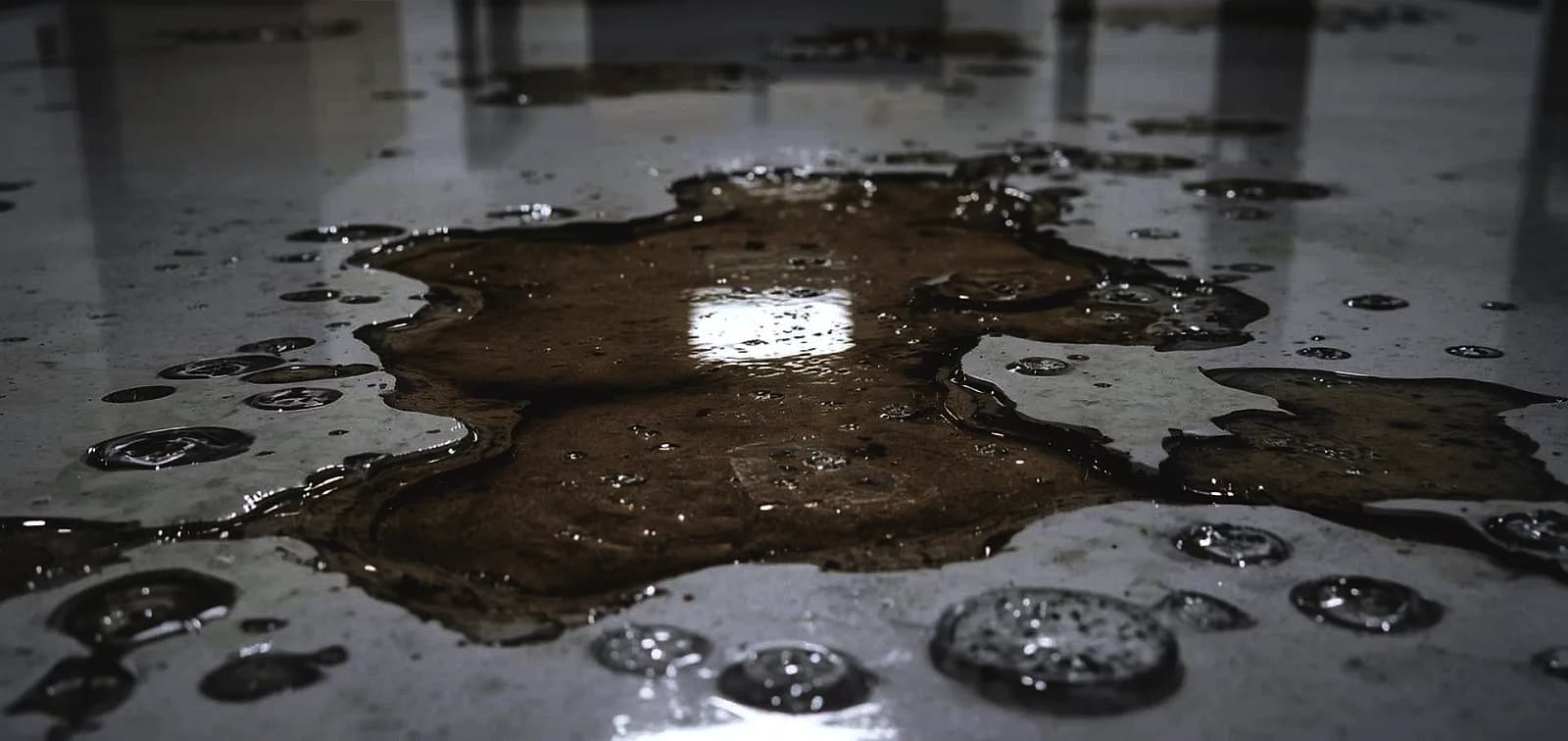
The concrete substrate must be clean, dry, dust-free, and properly profiled before epoxy application.
Commercial epoxy floor failures cost businesses thousands in repairs and downtime, yet most issues are preventable with proper installation practices. Understanding why commercial epoxy floors fail is essential for property managers, business owners, and facility operators in Pompano Beach and throughout South Florida. From inadequate surface preparation to moisture-related problems, these failures compromise durability, safety, and aesthetics in warehouses, retail spaces, and industrial facilities. National Concrete Polishing breaks down the five most common causes of commercial epoxy floor failures and the proven strategies to prevent them.
Overview
This comprehensive guide examines the primary reasons commercial epoxy flooring systems fail and provides actionable prevention strategies for South Florida businesses. You’ll discover how poor surface preparation, moisture issues, improper mixing, environmental factors, and application errors lead to peeling, bubbling, discoloration, and premature wear. We’ll also cover the critical quality control measures that ensure long-lasting, high-performance epoxy floors for commercial applications.
Poor Surface Preparation: The Leading Cause of Failure
Inadequate surface preparation is the number one reason commercial epoxy floors fail prematurely, accounting for over 80% of adhesion problems. The concrete substrate must be clean, dry, dust-free, and properly profiled before epoxy application. Skipping critical steps like diamond grinding or shot blasting prevents proper mechanical bonding between epoxy and concrete.
Contaminants like oil, grease, existing sealers, or laitance create barriers that prevent epoxy adhesion. Even microscopic residues can cause the coating to peel within weeks of installation. Concrete surface profile (CSP) requirements vary by epoxy system, but most commercial applications need CSP 2-4 to achieve proper bond strength.
Professional contractors use industrial grinders, HEPA-controlled vacuums, and surface inspection tools to verify preparation quality. Rushing this phase to save time ultimately costs more in premature failure and replacement expenses.
Moisture Vapor Transmission Problems
Moisture is one of the most destructive forces affecting epoxy floor longevity in South Florida’s humid climate. When concrete absorbs ground moisture, it releases vapor that becomes trapped beneath the epoxy coating, causing bubbling, blistering, and delamination. Hydrostatic pressure from water pushing upward through the slab exacerbates these failures.
Moisture testing before installation is non-negotiable for commercial projects. Calcium chloride tests and relative humidity probes reveal moisture levels that predict coating failure. Floors with excessive moisture require moisture mitigation strategies before epoxy application.
Moisture vapor barriers and moisture-tolerant primers create protective layers that prevent vapor transmission. Self-priming systems designed for high-moisture environments offer additional protection for Florida commercial spaces. Ignoring moisture issues guarantees costly failures within months of installation.
Improper Mixing and Application Errors
Mixing errors represent a critical failure point that compromises the entire commercial epoxy floor coating system. Commercial epoxy requires precise resin-to-hardener ratios specified by manufacturers—deviating from these ratios results in soft spots, tacky surfaces, or complete curing failure. Using the wrong hardener with the resin prevents proper chemical reactions and leaves floors permanently uncured.
Temperature during mixing and application dramatically affects epoxy performance. Substrate temperature requirements typically range from 60-85°F for optimal curing. Applying epoxy outside these parameters causes outgassing, where trapped air escapes during curing and creates bubbles or fisheyes.
Air entrapment during mixing or application produces surface defects that weaken the coating. Professional installers apply epoxy as temperatures fall (late day or overnight) to minimize outgassing risks. Following manufacturer specifications for mixing times, pot life, and application thickness prevents the majority of mixing-related failures.
UV Exposure and Temperature Damage
Standard epoxy formulations are not UV-stable and deteriorate under prolonged sunlight exposure. Commercial spaces with large windows, loading docks, or outdoor-connected areas experience yellowing, fading, and discoloration even when the coating remains structurally sound. UV degradation accelerates in South Florida’s intense sunlight conditions.
Temperature fluctuations cause expansion and contraction that stress commercial epoxy systems. Thermal shock from extreme temperature changes creates microcracks that allow moisture penetration and chemical damage. Facilities with cold storage areas or temperature-controlled zones need specialized epoxy formulations.
UV-resistant topcoats like polyurethane or polyaspartic coatings protect the base epoxy layer from sun damage. Window treatments and strategic lighting design minimize UV exposure in vulnerable areas. Selecting the appropriate epoxy system for your facility’s environmental conditions prevents premature degradation.
Low-Quality Materials and Incompatible Products
Not all epoxy products are suitable for demanding commercial applications. Budget-grade epoxy systems lack the chemical resistance, abrasion resistance, and durability required for high-traffic commercial spaces. Cheap materials may initially appear cost-effective but fail rapidly under normal commercial use.
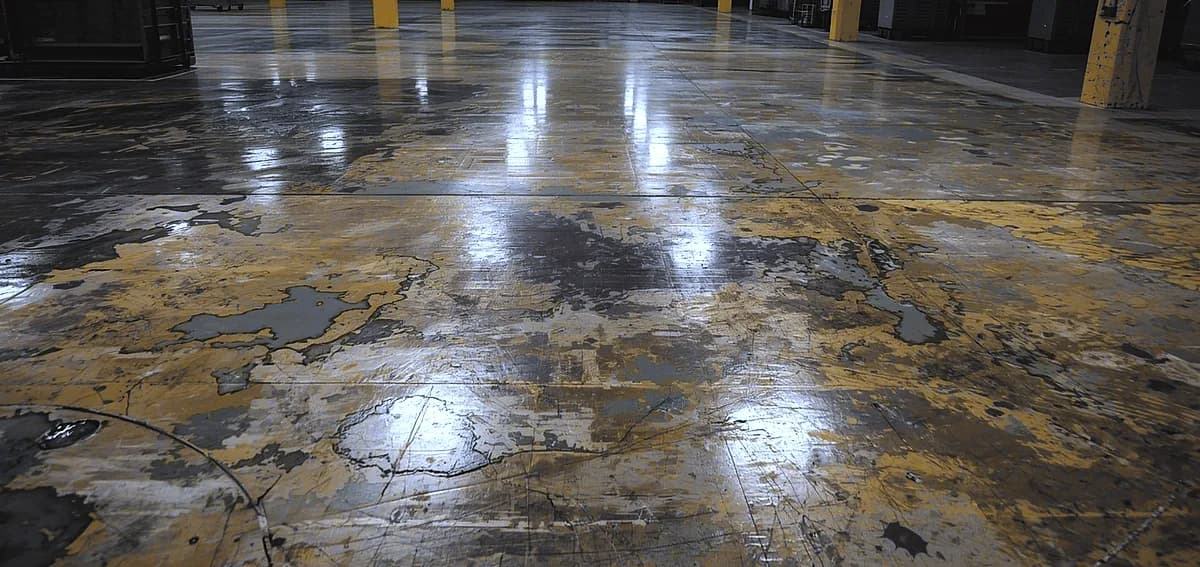
Mixing incompatible products from different manufacturers alters chemical reactions and compromises performance. Each component—primer, base coat, topcoat—must be designed to work together as a complete system. Using expired products or improper activators produces unpredictable results and coating failures.
Food processing facilities, medical facilities, and industrial warehouses each require specific epoxy formulations engineered for their unique demands. High-quality commercial epoxy systems withstand heavy loads, chemical exposure, thermal cycling, and intense foot traffic that would destroy inferior products.
National Concrete Polishing uses only commercial-grade materials matched to each facility’s operational requirements and environmental conditions. Investing in premium epoxy systems delivers decades of performance versus years from budget alternatives.
Rushed Installation and Inadequate Curing Time
Rushing installation phases to minimize business downtime often backfires with premature coating failure. Each epoxy layer requires specific curing times before the next coat can be applied. Recoat windows published on technical data sheets must be strictly followed—applying too soon or too late causes intercoat adhesion failures.
Florida’s humidity extends curing times beyond manufacturer recommendations calculated for ideal conditions. High humidity prevents proper chemical curing and traps moisture within the coating layers. Manufacturers typically recommend avoiding application when humidity exceeds 85%.
Allowing heavy machinery or fork trucks onto floors before complete curing causes permanent damage. Full chemical resistance and maximum hardness develop over 7-10 days depending on the system. Businesses that cannot afford extended downtime should consider fast-cure polyaspartic systems designed for rapid turnaround.
Professional contractors schedule installations during low-activity periods and implement phased approaches that maintain partial facility operations. Proper planning prevents the need to rush installation and ensures optimal curing conditions.
Prevention Through Professional Installation
Preventing commercial epoxy floor failures requires experienced contractors who understand the complexities of commercial flooring systems. Professional installation begins with comprehensive facility evaluation and concrete condition assessment. Moisture testing, surface profile verification, and environmental analysis identify potential failure points before materials are ordered.
Proper equipment makes the difference between successful installation and costly failure. Industrial grinders, HEPA vacuums, moisture meters, and climate monitoring tools ensure each installation phase meets strict quality standards. Surface preparation requirements vary by coating system—professionals match preparation methods to manufacturer specifications.
Quality control checkpoints throughout installation verify adhesion, thickness, and curing progress. Experienced installers adjust techniques based on real-time environmental conditions rather than following rigid procedures that ignore site-specific factors. This adaptive approach prevents failures before they occur.
Maintenance Strategies for Longevity
Even properly installed commercial epoxy floors require maintenance to achieve their full lifespan potential. Regular cleaning with appropriate products prevents abrasive dirt accumulation that wears through topcoats. Chemical spills should be cleaned immediately—prolonged exposure degrades even chemical-resistant epoxy.
High-traffic zones benefit from protective mats or guides that distribute loads and reduce concentrated wear. Fork truck traffic causes the most accelerated damage—turning movements create shear forces that stress the coating. Urethane or polyaspartic topcoats provide superior abrasion resistance in these critical areas.
Annual inspections identify minor issues before they escalate into major failures. Small repairs, topcoat refresh, and crack treatment extend system life significantly. Proactive maintenance costs a fraction of premature replacement expenses.
Selecting the Right Epoxy System
Different commercial applications demand specific epoxy formulations engineered for their unique challenges. Warehouse floors need maximum impact and abrasion resistance. Commercial kitchens require food-safe, thermal shock-resistant systems. Medical facilities benefit from antimicrobial formulations.
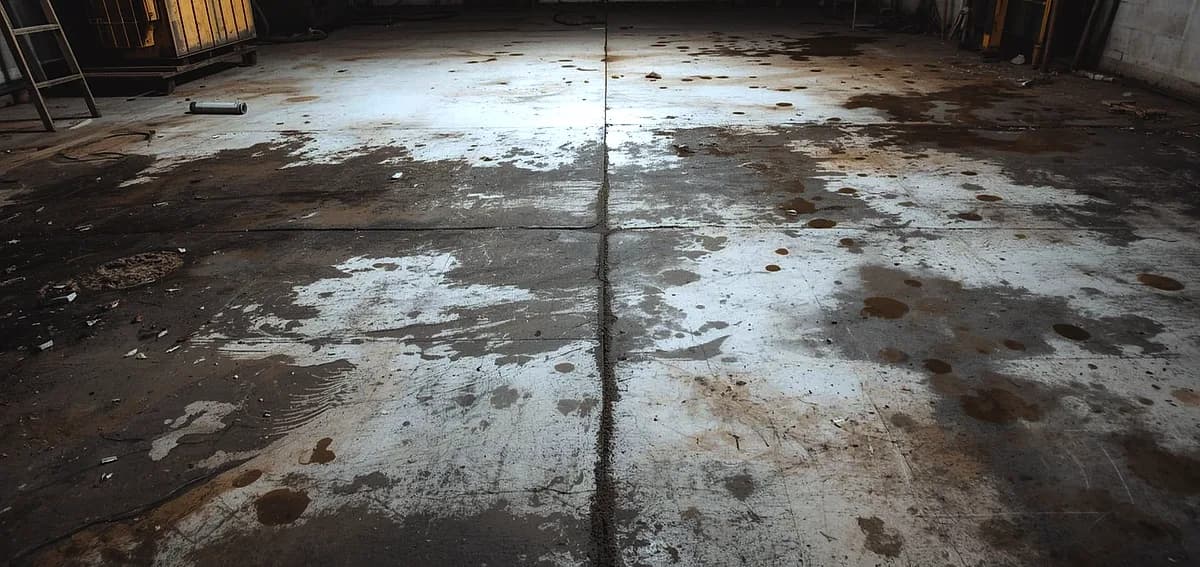
System thickness affects both performance and cost—thicker coatings withstand heavier abuse but require longer installation times. Epoxy thickness varies from 10 mils for light-duty applications to 125+ mils for heavy industrial use. National Concrete Polishing evaluates your operational demands to recommend the optimal system specification.
Decorative options like flake systems, metallic finishes, or color quartz provide slip resistance while enhancing aesthetics. Functionality and appearance both contribute to successful commercial flooring.
Frequently Asked Questions
What causes commercial epoxy floors to peel?
Poor surface preparation is the primary cause—contaminants, inadequate profiling, or moisture issues prevent proper adhesion and lead to peeling within weeks.
How do you prevent moisture problems in commercial epoxy floors?
Conduct thorough Critical Tests Before Epoxy Installation and implement vapor barriers, moisture-mitigating primers, or breathable systems designed for high-moisture environments.
Why do epoxy floors bubble in Florida?
Florida’s humidity and ground moisture create vapor transmission that becomes trapped under epoxy coatings, causing bubbles and blistering.
Can you fix a failed commercial epoxy floor?
Failed epoxy must be removed and underlying issues corrected before reapplication—proper moisture mitigation before epoxy and surface preparation prevent repeat failures.
How long should commercial epoxy floors last?
Properly installed commercial epoxy systems last 10-20 years with appropriate maintenance, while poor installation fails within months.
What’s the difference between commercial and residential epoxy?
Commercial epoxy systems use thicker, more durable formulations designed for heavy equipment, chemical exposure, and high traffic that would destroy residential products.
Does temperature affect epoxy floor installation?
Yes, substrate temperatures outside 60-85°F cause curing problems, outgassing, and adhesion failures.
Why does epoxy turn yellow in commercial spaces?
Standard epoxy lacks UV stability—sunlight exposure causes yellowing unless protected by UV-resistant topcoats.
How important is proper mixing for commercial epoxy?
Extremely important—incorrect ratios or wrong hardeners prevent proper curing and create soft, tacky surfaces that never fully harden.
What causes fisheyes in commercial epoxy floors?
Contaminants like oil or grease prevent adhesion, while outgassing during curing creates crater-like defects called fisheyes.
Conclusion
Commercial epoxy floor failures are almost always preventable through proper planning, professional installation, and quality materials. The five primary failure modes—poor surface preparation, moisture issues, improper mixing, environmental damage, and low-quality products—can be eliminated with experienced contractors who understand South Florida’s unique challenges. Investing in comprehensive moisture testing, appropriate epoxy floor preparation, and commercial-grade epoxy systems protects your facility from costly repairs and operational disruptions.
National Concrete Polishing combines 13+ years of commercial flooring expertise with proven installation protocols that prevent failures before they occur, delivering durable, high-performance floors for Pompano Beach businesses. Contact us today for a professional facility assessment and discover how proper installation techniques ensure your commercial concrete floor coating withstands decades of demanding use without premature failure.
Written by

Founder and CEO
Chris Lavin is an esteemed leader in concrete polishing and epoxy coatings with a distinguished 20-year career. As founder and CEO of National Concrete Polishing and owner of Xtreme Polishing Systems, he's renowned for polishing and epoxy coating more floors than anyone globally. Chris is recognized for his innovative approach and commitment to enhancing floor durability and aesthetics. His hands-on experience and technical proficiency make him a respected authority and a valuable resource in the field of floor polishing and coatings.
Same topic
Related articles
All stories
Commercial9 min read
How Polished Concrete Solves Office Acoustic Problems
Hard floors and noise complaints. What polished concrete does to sound in an open office, and how to spec around it.
Read it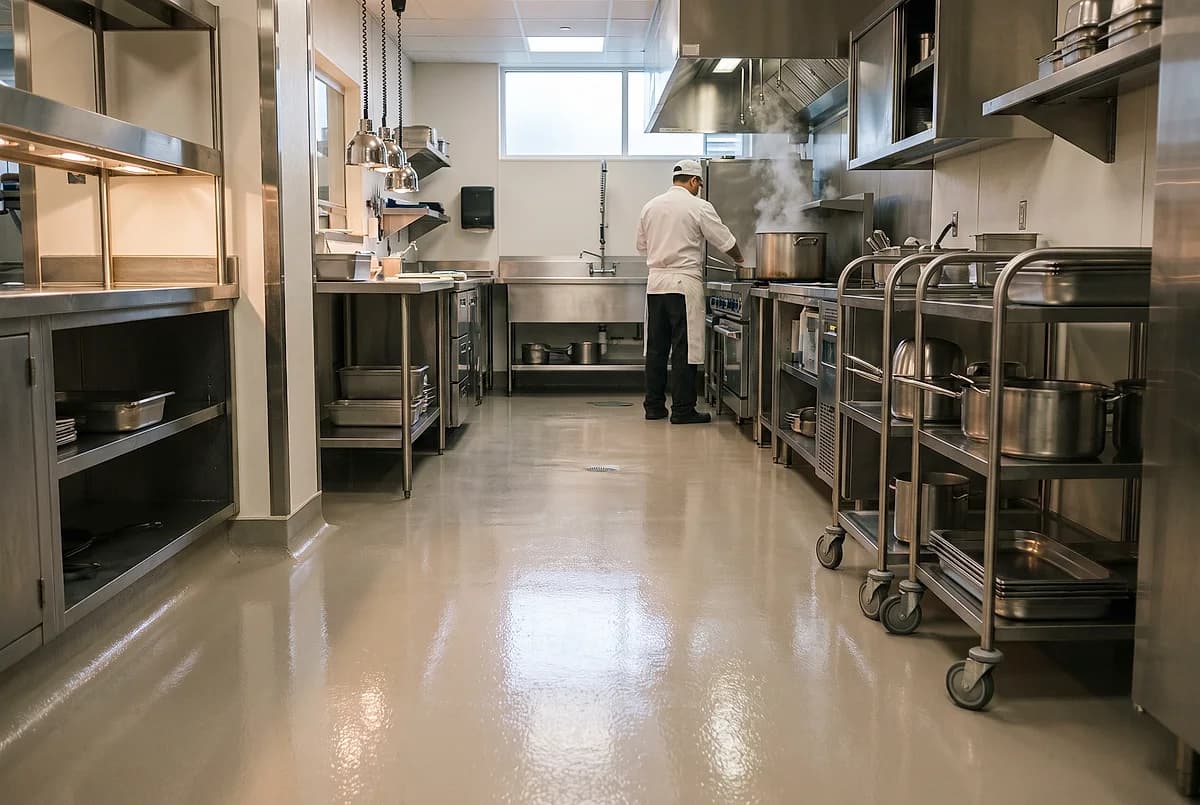
Commercial10 min read
Flooring for Hotel Wet Areas, Kitchens, and Parking Decks
Kitchens, pool decks and parking structures punish a floor daily. Which systems hold up in hotel service areas, and why.
Read it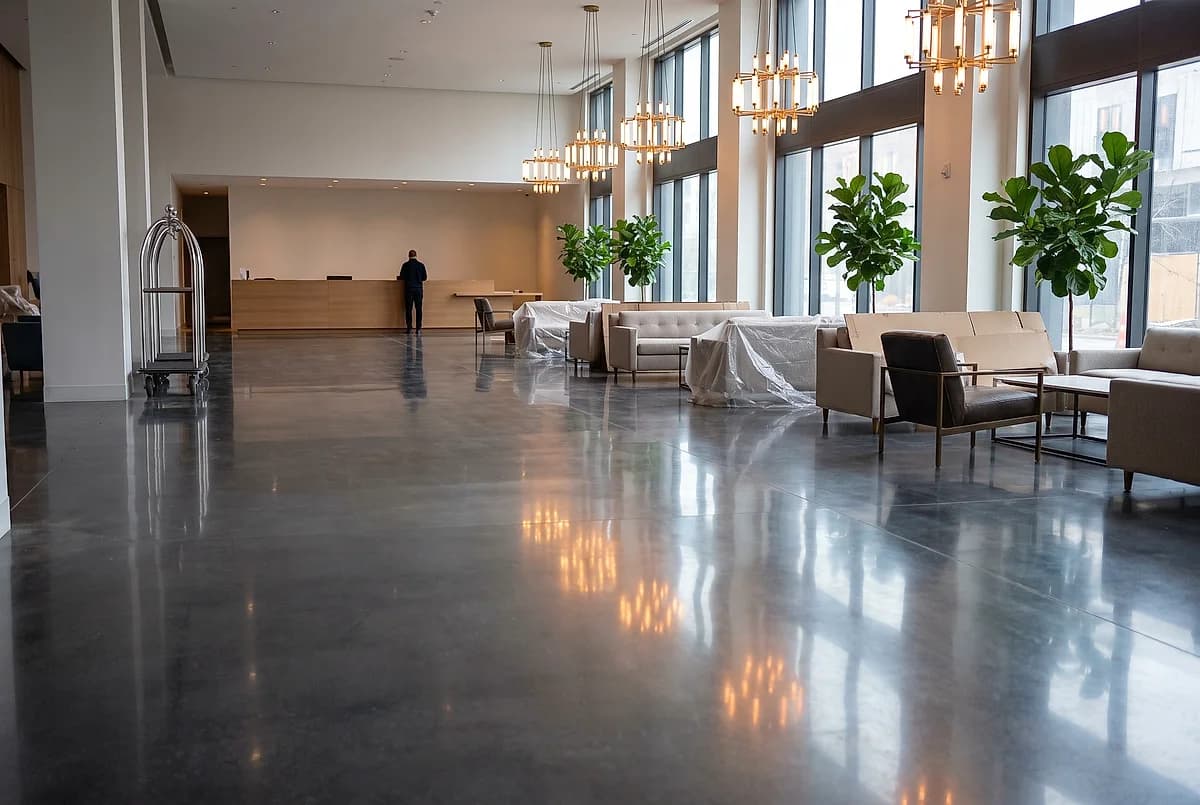
Commercial11 min read
Specifying Floors for a New Hotel Build
For owners and architects on a new build. What to write into the flooring spec so the hotel opens on a floor that lasts.
Read it
Tell us about the floor
Tell us the space and roughly how big it is.We come back with what it would cost and when we could start.
Prefer to talk? Call +1 844-876-5474
- Leads@
nationalconcretepolishing.net - 2200 NW 32nd St #600,
Pompano Beach, FL 33069 Mon to Fri, 9:00 to 5:30