The NCP blog
Shot Blasting vs. Grinding: Which Is Better for Concrete Surface Prep?
Polished concrete8 min read
How shot blasting concrete works, its pros and cons, and when diamond grinding is the better choice.
Shot blasting and diamond grinding are two common ways to prepare a concrete floor for a coating, and the method you choose matters. In ICRI's guidance for coating applications, surface preparation is intended to maximize adhesion, and which method does that best depends on the slab and the job.
When installing new flooring systems, you need a solid foundation for coatings to adhere properly. Two popular techniques achieve this: one uses high-speed abrasives, while the other relies on precision cutting. Each approach creates distinct surface profiles that affect how well your final coating performs.
Your project’s success depends on understanding these differences. Factors like coating thickness, existing floor conditions, and time constraints all play roles in determining the best solution. Contractors often face tough decisions balancing efficiency with long-term results.
Understanding Concrete Surface Preparation
Flooring systems fail when substrates aren’t ready to receive them. Your project’s longevity starts with three non-negotiable steps: cleaning, profiling, and verifying. Ignoring any part of this sequence risks bond failure and wasted materials.
What You Need to Know About Concrete Prep
You must remove contaminants like oils and curing compounds before applying any floor covering. These substances create invisible barriers that prevent proper adhesion. Mechanical processes open microscopic pores in the substrate, creating anchor points for coatings.
Surface profile depth matters as much as cleanliness. Different flooring products require specific texture measurements. The International Concrete Repair Institute’s CSP standards help match profiles to material requirements.
The Role of Proper Surface Profiles
Adequate profiling ensures your coating grips the substrate like Velcro. Too shallow, and the bond weakens. Too deep, and you waste product filling unnecessary voids. Professionals use specialized tools to measure and achieve exact profile depths.
Your coating manufacturer specifies required CSP levels for optimal performance. Following these guidelines lowers the risk of premature peeling or delamination.
Shot Blasting Concrete: Process, Pros, and Cons
Surface prep quality directly impacts project costs and timelines. Selecting the right mechanical approach ensures coatings bond effectively while meeting tight schedules. Let’s examine a high-velocity method that combines speed with environmental efficiency.
How Shot Blasting Works
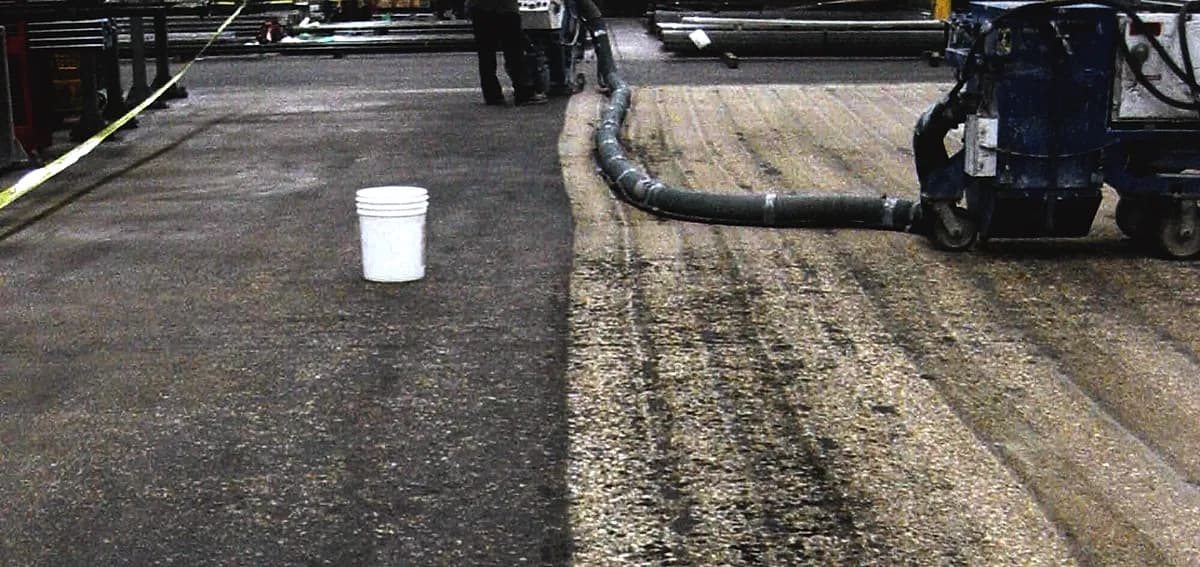
This technique employs a centrifugal wheel to propel reusable steel media at surfaces. The wheel operates without compressed air, directing particles in controlled patterns to strip contaminants. Impact forces simultaneously clean and texture substrates, with spent media cycling back into the machine for repeated use.
Two settings matter most. ICRI's guideline notes that shot size and rate of travel affect the surface texture and the depth of the profile, which is why the machine is set up to match the coating, not run at one speed.
Benefits and Drawbacks of Shot Blasting
Major advantages include fast coverage of large open areas (one industry presentation of ICRI 310.2R gives a production rate of 2,000 to 10,000 square feet per shift for shot blasting, with at least two people on the prep) and reusable steel media. The closed-loop system minimizes waste, appealing to eco-conscious teams. However, the method produces visible blast lines and uneven textures that might require secondary smoothing.
Equipment demands present another consideration. Larger machines need a heavy-duty power supply or a generator, limiting accessibility on some sites. Edge areas near walls often need manual finishing, adding labor hours. For large open spaces needing aggressive profiles, this process remains a top contender.
Diamond Grinding: Technique and Applications
Precision surface preparation determines how well your flooring adheres over time. Diamond grinding offers controlled refinement for projects demanding exact texture specifications. This method shines where delicate finishes or tight spaces rule out other options.
Understanding the Diamond Grinding Process
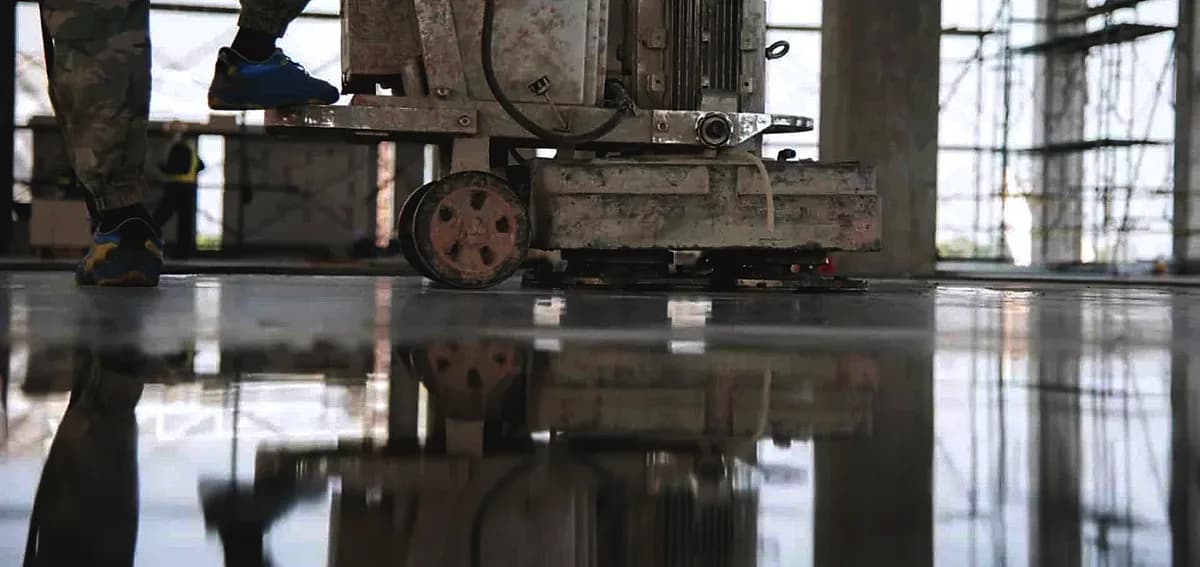
Segmented diamond pads mounted on rotating heads methodically abrade surfaces. Operators adjust grit sizes and machine speeds to achieve target profiles. Integrated vacuum systems capture debris during operation, reducing airborne dust.
Unlike impact-based methods, this technique removes material through gradual abrasion. The result? Uniform surfaces with predictable roughness levels. You gain precise control over profile depth, which matters for thin coatings that need smooth substrates.
When Diamond Grinding Is the Right Choice
This approach excels in four key scenarios:
| Scenario | Benefit | Outcome |
|---|---|---|
| Leveling uneven floors | Removes high spots | Flat surfaces for thin coatings |
| Working near walls | Compact equipment access | Complete edge coverage |
| Dust-sensitive environments | Built-in vacuum systems | Cleaner job sites |
| Decorative finishes | Consistent texture | Enhanced aesthetics |
Grinding suits thin epoxy installations that need a controlled, fairly smooth profile. The method’s accuracy helps avoid over-preparation, which can use more coating to fill. For projects needing tight control, grinders are the usual choice.
Comparing Surface Profiles for Coating Success
Your choice of preparation method directly determines whether epoxy or urethane products bond effectively. The right profile is set by the flooring material, so it differs from one system to the next.
Profiles for Epoxy and Urethane Coatings
Thin-film systems demand precise texture control. The coating manufacturer sets the profile each system needs. The data sheet for one Sika epoxy floor coating, for example, asks for a profile equivalent to ICRI CSP 3-4. Diamond grinding creates these smooth, consistent surfaces that prevent visible imperfections.
Thicker systems need rougher profiles. ICRI's selector guide pairs self-leveling toppings (50 mils to 1/8 inch) with CSP 4 to 6 and polymer overlays (1/8 to 1/4 inch) with CSP 5 to 9, and the data sheet for the system being installed has the final say. The right depth lets the coating lock into the surface texture without leaving air pockets.
Adhesion and Durability Considerations
Too little texture causes peeling; excessive roughness wastes material filling voids. Always cross-reference manufacturer specifications with your preparation method.
Environmental factors matter too. High-traffic areas and moisture-prone slabs both call for a system chosen for the conditions. On a slab with a moisture problem, test before you coat: KTA-Tator, a coatings consultancy, writes that on existing concrete floors the most common reason for coating failure is excessive moisture content. Professional assessments balance these variables for lasting results.
Checking the Prepared Surface
Once the slab is prepared, compare it to the reference profile. ICRI's CSP chips provide benchmark profiles to aid in achieving the desired result, and the guideline says the prepared surface should be compared to the chips specified for the project. When a project needs proof of bond, a pull-off test can show the potential for bond failure between the applied material and the prepared substrate, and ASTM D7234 is the pull-off method for coatings on concrete.
Project Considerations: Choosing the Optimal Method
Choosing the wrong surface prep method can drain your budget faster than spilled epoxy dries. You need a clear decision-making process that accounts for physical constraints and performance requirements. Let’s break down the critical factors professionals use to match methods with project needs.
Evaluating Coating Thickness and Floor Conditions
Your floor’s current state dictates which approach works best. Check for cracks, old coatings, and oil stains first. Thinner installations demand smoother surfaces, while thicker layers need deeper textures.
| Floor Condition | Recommended Method | Reason |
|---|---|---|
| Heavy contamination | Shot blasters | Removes embedded debris |
| Existing coatings | Concrete grinders | Levels uneven layers |
| Minor imperfections | Small grinders | Preserves intact areas |
Site-Specific Factors and Machine Capabilities
Your workspace limitations often decide the equipment choice. Consider these four elements before renting or buying machines:
| Factor | Shot Blasters | Grinders |
|---|---|---|
| Space requirements | Large open areas | Tight corners |
| Power needs | Heavy-duty power | Standard plugs |
| Project size | Large open areas | Smaller and detailed areas |
| Dust control | Moderate containment | Built-in vacuums |
Always consult an experienced contractor before finalizing your approach. They’ll assess multiple variables simultaneously, from electrical capacity to daily production goals. This professional insight prevents costly mismatches between methods and job requirements.
National Concrete Polishing in South Florida
Proper surface preparation separates successful flooring installations from costly redos. At National Concrete Polishing, our South Florida team brings 13+ years of hands-on experience to your project.
Our Expertise in Concrete Surface Preparation
You need partners who understand regional challenges. Humidity levels and substrate conditions in South Florida demand specialized knowledge. Our process begins with evaluating your floor’s current state through professional assessment.
Key considerations we address:
- Coating thickness requirements for optimal adhesion
- Environmental factors affecting method selection
- Long-term performance expectations
- Budget constraints without compromising quality
Diamond grinding suits some jobs and shot blasting others. The right method depends on your specific needs, including challenging surfaces near walls or delicate finishes.
Diamond grinding is part of the prep on jobs such as a technical school’s automotive bays in Miami, an aircraft hangar in Naples and a residential garage in Fort Lauderdale. We match the preparation to the slab and to the coating going on it. Call +1 844-876-5474 to talk through the right preparation for your floor.
Remember: The right way to ensure coating success starts beneath the surface. Let our team create the perfect foundation for your flooring system’s durability and performance.
Conclusion
Your flooring installation’s success hinges on matching preparation techniques to material requirements. Two proven methods dominate modern projects: high-speed abrasive systems and precision mechanical refinement. Each approach creates distinct surface profiles that determine coating performance.
Thick epoxy layers demand aggressive texturing, while thin films need smoother substrates. Large open spaces benefit from rapid processing, whereas tight corners require compact equipment. Always consider existing floor conditions and coating thickness before selecting your strategy.
Professional contractors assess multiple variables, from power access to dust control needs, to recommend optimal solutions. Their experience helps avoid costly mismatches between methods and project goals. Ask an experienced team to evaluate your unique situation.
Whether preparing industrial floors or decorative surfaces, proper execution ensures maximum adhesion and durability. Make informed decisions using manufacturer specifications and expert guidance. Your choice today determines your flooring system’s performance for years to come.
Frequently Asked Questions
Why is surface preparation crucial before applying coatings?
Proper prep removes contaminants, opens pores, and creates a textured profile. This ensures coatings bond securely, preventing peeling or delamination over time. Skipping this step risks adhesion failure and costly rework.
What are the main advantages of shot blasting over grinding?
Machines with centrifugal force propel media to clean and profile floors faster, especially on large areas. It suits open slabs that need a uniform texture. However, it may struggle with uneven surfaces or delicate substrates.
When should diamond grinding be used instead of other methods?
Choose grinders for precise leveling, smoothing rough patches, or refining profiles. They excel on uneven substrates or when targeting specific smoothness levels. Water-cooled systems also minimize dust, making them suitable for indoor projects.
How do surface profiles affect epoxy or urethane adhesion?
ICRI's concrete surface profile scale runs from CSP 1 to CSP 10, and the coating manufacturer specifies the profile each system needs. Over-profiling can trap air, while under-prepping limits grip. Testing ensures the optimal anchor pattern.
What factors determine the best method for a project?
Consider coating thickness, substrate condition, and job size. Heavy buildup or industrial floors may need aggressive media blasting. Grinding suits detailed work. Contractor expertise and equipment availability also matter.
Can both methods handle uneven floors or heavy coatings?
Diamond grinders adjust depth to tackle uneven slabs or stubborn layers. Shot systems work faster on flat surfaces but may miss low spots. For thick urethane or multiple coats, combine methods: blast first, then grind for refinement.
Is dust control better with one method?
Modern grinders often include vacuum attachments or water systems, reducing airborne particles. Blasters with closed-loop recovery minimize debris but require frequent media recycling. Always verify dust management protocols with your contractor.
How does machine choice impact project efficiency?
Larger ride-on units cover expansive areas quicker, while walk-behind models offer precision. Grinders with variable speeds adapt to concrete hardness. Confirm the equipment’s power, mobility, and compatibility with your floor’s needs before starting.
Written by

Founder and CEO
Chris Lavin is an esteemed leader in concrete polishing and epoxy coatings with a distinguished 20-year career. As founder and CEO of National Concrete Polishing and owner of Xtreme Polishing Systems, he's renowned for polishing and epoxy coating more floors than anyone globally. Chris is recognized for his innovative approach and commitment to enhancing floor durability and aesthetics. His hands-on experience and technical proficiency make him a respected authority and a valuable resource in the field of floor polishing and coatings.
Same topic
Related articles
All stories
Residential7 min read
Polished Concrete Garage Floor vs Epoxy: Pros and Cons
This process smooths the surface, and a densifier hardens it, so polished concrete is used in high-traffic areas.
Read it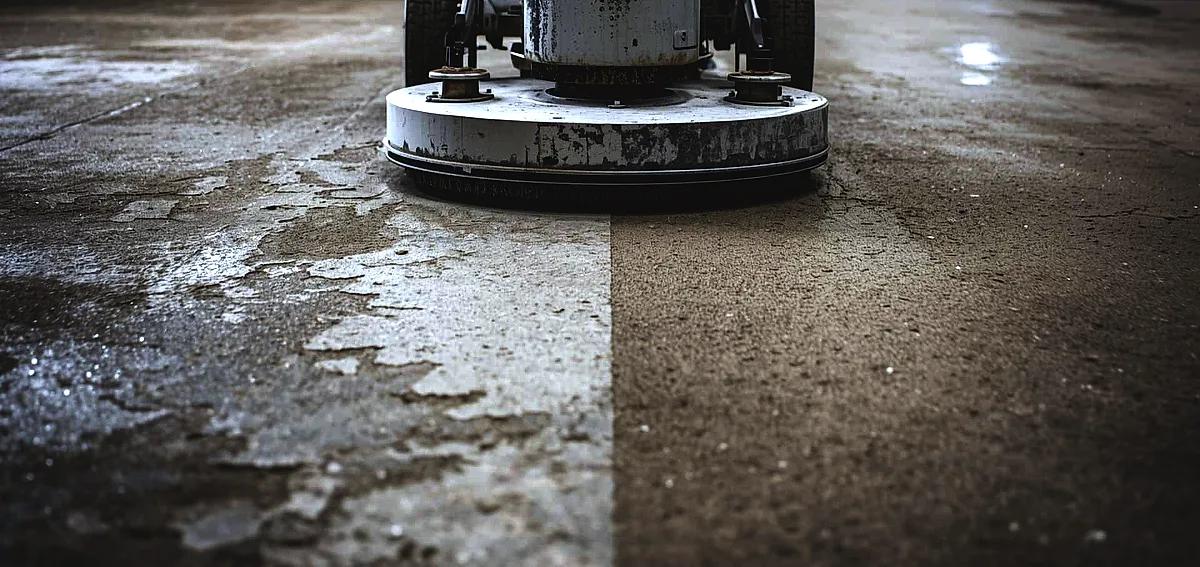
Polished concrete11 min read
Can You Polish Old Concrete? Transform Your Floors Today
Old concrete floors often hide tremendous potential beneath their weathered, dull surfaces.
Read it
Cost & ROI11 min read
How Much Does It Cost To Polish Concrete Floors?
Choosing polished concrete flooring for your residential or commercial space is a no-brainer these days.
Read it
Tell us about the floor
Tell us the space and roughly how big it is.We come back with what it would cost and when we could start.
Prefer to talk? Call +1 844-876-5474
- Leads@
nationalconcretepolishing.net - 2200 NW 32nd St #600,
Pompano Beach, FL 33069 Mon to Fri, 9:00 to 5:30