
The NCP blog
Can You Polish Old Concrete? Transform Your Floors Today
Polished concrete11 min read
Old concrete floors often hide tremendous potential beneath their weathered, dull surfaces.
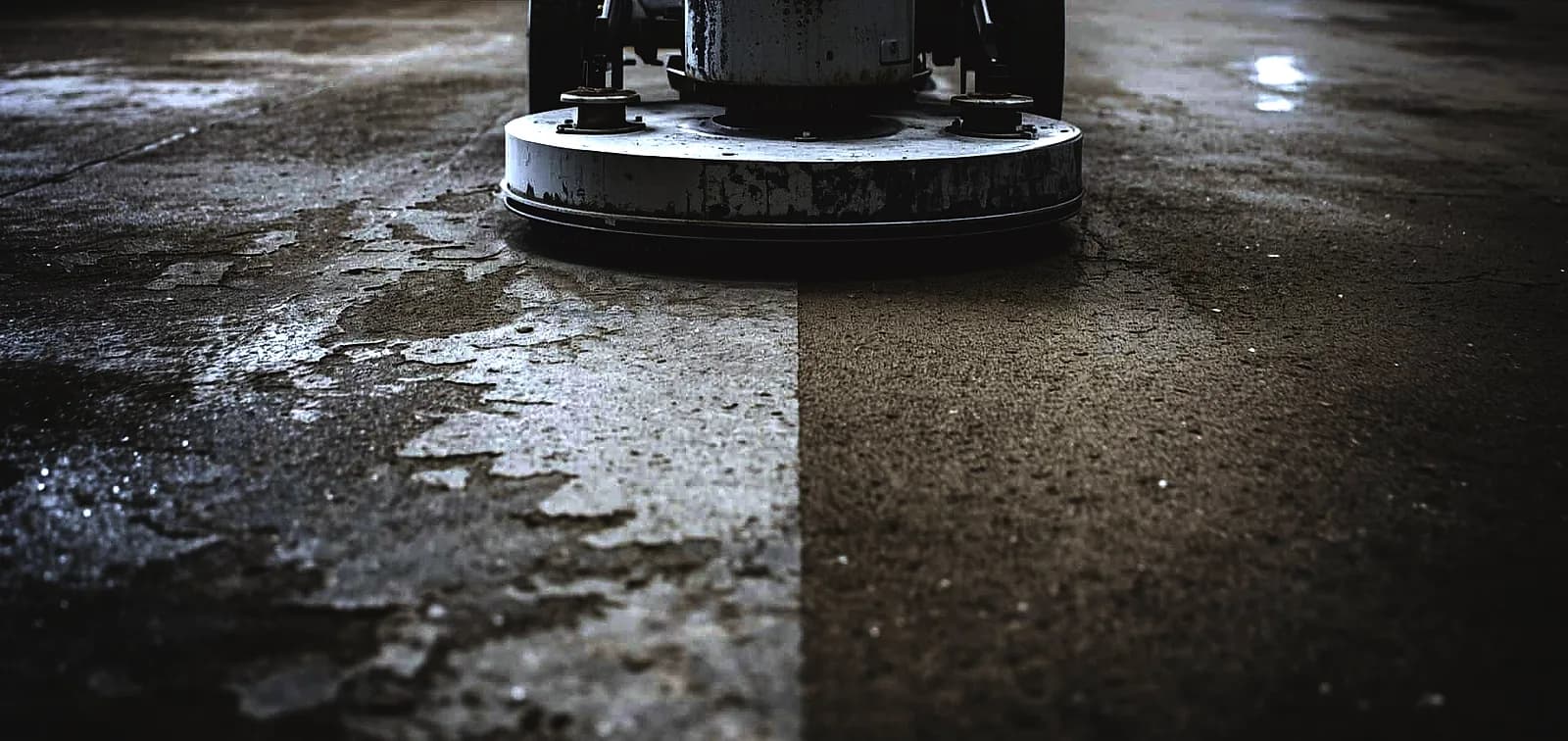
Old concrete floors often hide tremendous potential beneath their weathered, dull surfaces. Whether you’re dealing with decades-old warehouse floors, garage slabs, or basement concrete that has seen better days, the question “can you polish old concrete” has a resoundingly positive answer. The transformation possible through old concrete polishing can be nothing short of remarkable, turning what appears to be a liability into a stunning, durable flooring solution.
The misconception that aged concrete is beyond salvation leads many property owners to consider costly replacement options when restoration might be the smarter choice. Modern concrete polishing techniques have evolved to address the unique challenges that come with older concrete surfaces, from dealing with previous coatings and sealers to managing surface imperfections that have developed over time.
Understanding the viability of polishing old concrete requires examining several factors including the concrete’s structural integrity, surface condition, and existing treatments. Age alone doesn’t disqualify concrete from polishing – in fact, understanding how concrete age affects polishing reveals that older concrete often has superior density and strength compared to modern quick-cure alternatives, making it an excellent candidate for polishing once properly prepared.
The process of revitalizing old concrete through polishing offers numerous advantages beyond aesthetics. Polished concrete flooring provides exceptional durability, low maintenance requirements, improved light reflectivity, and enhanced indoor air quality compared to many alternative flooring options. These benefits make old concrete polishing an increasingly popular choice for commercial, industrial, and residential applications.
Professional assessment plays a crucial role in determining the feasibility and approach for any old concrete polishing project. Experienced contractors can evaluate factors such as concrete composition, existing damage, previous treatments, and environmental conditions to develop an appropriate restoration strategy that maximizes both performance and visual appeal.
Key Takeaways
Age Enhancement: Older concrete often possesses superior density and hardness compared to modern alternatives, making it an excellent candidate for polishing when properly prepared and restored.
Surface Preparation Critical: Success in old concrete polishing heavily depends on thorough surface preparation, including removal of existing coatings, repair of cracks and imperfections, and proper cleaning procedures.
Multiple Finish Options: Old concrete can achieve various polish levels from matte to high-gloss finishes, with decorative options including exposed aggregate, staining, and scoring patterns to enhance visual appeal.
Cost-Effective Solution: Polishing existing concrete typically costs significantly less than removal and replacement while providing comparable or superior performance characteristics and longevity.
Durability Benefits: Properly polished old concrete offers exceptional wear resistance, chemical resistance, and low maintenance requirements that can last decades with minimal upkeep.
Environmental Advantages: Restoring existing concrete reduces waste disposal needs and eliminates the environmental impact associated with new concrete production and installation.
Professional Assessment Required: Determining the viability and appropriate approach for old concrete polishing requires professional evaluation of structural integrity, surface conditions, and existing treatments.
Enhanced Property Value: Polished concrete floors significantly improve property aesthetics and functionality while potentially increasing real estate value through upgraded flooring systems.
Understanding Old Concrete Polishing Fundamentals
The foundation of successful old concrete polishing lies in understanding how concrete ages and what makes older slabs particularly suitable for restoration. Concrete continues to cure and harden for years after initial installation, meaning that older concrete often exhibits superior strength and density compared to recently poured surfaces. This characteristic actually works in favor of the polishing process, as denser concrete typically produces better polish results.
Old concrete polishing involves a systematic grinding and polishing process that removes surface imperfections while progressively refining the concrete to achieve the desired finish level. The process begins with coarse diamond grinding to address major surface irregularities, previous coatings, and embedded contaminants, then progresses through increasingly fine grits to develop the final polish.
The unique challenges associated with older concrete include dealing with previous surface treatments, addressing age-related wear patterns, and managing potential structural issues that may have developed over time. These factors require specialized knowledge and equipment to address effectively while maintaining the integrity of the underlying concrete structure.
Modern polishing equipment and techniques have evolved specifically to handle the complexities of older concrete surfaces. Variable-speed grinders, specialized diamond tooling, and advanced dust collection systems enable contractors to work efficiently while maintaining strict environmental and safety standards throughout the restoration process.
Assessment and Preparation of Aged Concrete Surfaces
Professional assessment represents the critical first step in any old concrete polishing project. This evaluation process examines multiple factors that influence both the feasibility and approach for restoration. Structural integrity testing ensures the concrete can support the polishing process and intended use, while surface condition analysis identifies specific preparation requirements.
Concrete composition analysis helps determine the aggregate type, cement content, and overall hardness characteristics that will influence tooling selection and processing parameters. Different concrete mixes respond differently to polishing, and understanding these characteristics enables contractors to optimize their approach for superior results.
Previous surface treatments present one of the most common challenges in old concrete polishing. Paint, sealers, adhesives, and other coatings must be completely removed before polishing can begin. This removal process may require specialized equipment and techniques depending on the type and thickness of existing treatments. Proper concrete surface preparation is essential for achieving optimal results.
Surface preparation extends beyond coating removal to include crack repair, joint maintenance, and addressing any spalling or deteriorated areas. These repairs must be completed using compatible materials and techniques that will integrate seamlessly with the polishing process and final finish requirements.
Moisture testing plays a crucial role in preparation planning, as elevated moisture levels can interfere with polishing chemicals and final surface quality. Older buildings may have moisture issues that require attention before polishing can proceed, including addressing drainage problems or installing moisture mitigation systems.
Environmental considerations during preparation include dust control, noise management, and workspace safety protocols. Modern preparation techniques incorporate advanced dust collection systems and noise reduction measures to minimize disruption while maintaining safe working conditions throughout the project.
The Polishing Process for Older Concrete
The actual polishing process for old concrete follows a carefully orchestrated sequence designed to address the unique characteristics of aged surfaces while achieving optimal results. Initial grinding phases focus on removing surface irregularities, previous treatments, and establishing a uniform profile across the entire floor area.
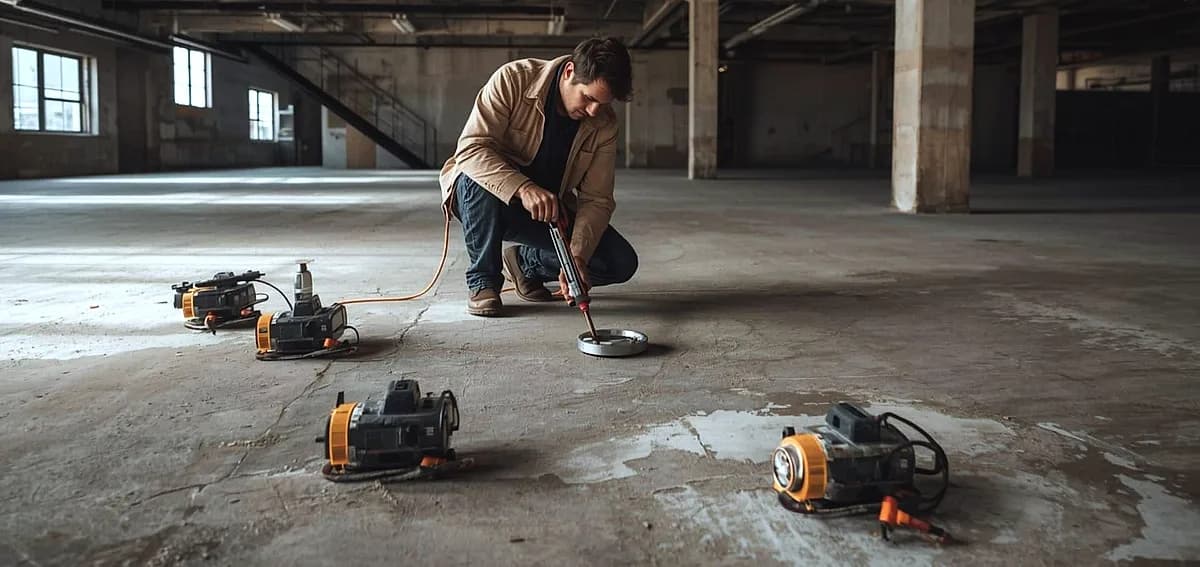
Coarse diamond grinding typically begins with 16 or 30-grit diamonds to address major surface imperfections and remove stubborn coatings or contaminants. This aggressive initial phase may reveal additional surface conditions that require attention before proceeding to finer grinding stages.
Progressive grinding through intermediate grits (60, 120, 220) gradually refines the surface while revealing the concrete’s natural aggregate structure. Following the proper diamond grit sequence allows for aesthetic decisions regarding aggregate exposure levels and provides opportunities to address any remaining surface imperfections.
Densification treatment application occurs after initial grinding phases to strengthen the concrete surface and enhance its ability to accept a high-quality polish. Chemical concrete densifiers penetrate the concrete surface to create additional calcium silicate hydrate, increasing surface hardness and reducing porosity.
Fine polishing stages using 400, 800, and 1500-grit diamonds develop the actual polish while maintaining the concrete’s natural appearance. Each stage requires careful attention to processing parameters including machine speed, pressure, and coverage patterns to ensure uniform results across the entire surface.
Final polishing with 3000-grit diamonds creates the high-gloss finish that characterizes premium polished concrete. This stage requires exceptional skill and attention to detail, as any imperfections or processing errors become highly visible in the final finish.
Quality control throughout the polishing process involves regular surface inspection, gloss level testing, and verification that processing parameters remain consistent. Professional contractors maintain detailed documentation of each processing stage to ensure repeatability and quality assurance.
Decorative Options and Customization for Old Concrete
Old concrete polishing projects offer extensive opportunities for decorative enhancement and customization that can transform utilitarian surfaces into stunning architectural features. These options range from subtle aesthetic improvements to dramatic visual transformations that completely redefine the space’s character and functionality.
Aggregate exposure levels provide one of the most fundamental decorative decisions in old concrete polishing. Cream polishing maintains the concrete’s natural cement paste surface, while salt-and-pepper exposure reveals small aggregate particles. Full aggregate exposure creates dramatic visual impact by showcasing the concrete’s complete aggregate structure through exposed aggregate finishes.
Concrete staining offers virtually unlimited color possibilities for old concrete surfaces. Acid stains create natural, variegated appearances that enhance the concrete’s inherent character, while water-based stains provide more uniform color coverage with broader color options. Staining can be applied before or after polishing depending on the desired aesthetic effect.
Decorative scoring and pattern creation can add sophisticated design elements to polished old concrete. These techniques involve cutting precise patterns into the concrete surface before polishing, creating the appearance of tile, stone, or other materials while maintaining concrete’s durability and performance characteristics.
Metallic epoxy applications can create stunning visual effects when combined with polished concrete substrates. These systems produce unique metallic appearances with depth and movement that complement the concrete’s natural characteristics while providing additional surface protection.
Aggregate seeding involves introducing decorative aggregates into the concrete surface during preparation phases. This technique allows for incorporating materials like recycled glass, metallic aggregates, or specialty stones that create unique visual effects when revealed through the polishing process.
Joint treatment options include decorative joint filling materials that complement the overall design scheme while maintaining structural integrity. Colored joint fillers, metallic strips, or contrasting materials can enhance the floor’s visual appeal while serving functional purposes. The final appearance can range across different gloss levels depending on project requirements.
Maintenance and Longevity of Polished Old Concrete
Proper maintenance represents one of the most compelling advantages of polished old concrete, as these surfaces require minimal ongoing care while maintaining their appearance and performance for decades. Understanding appropriate maintenance procedures ensures maximum return on investment and sustained aesthetic appeal throughout the floor’s service life.
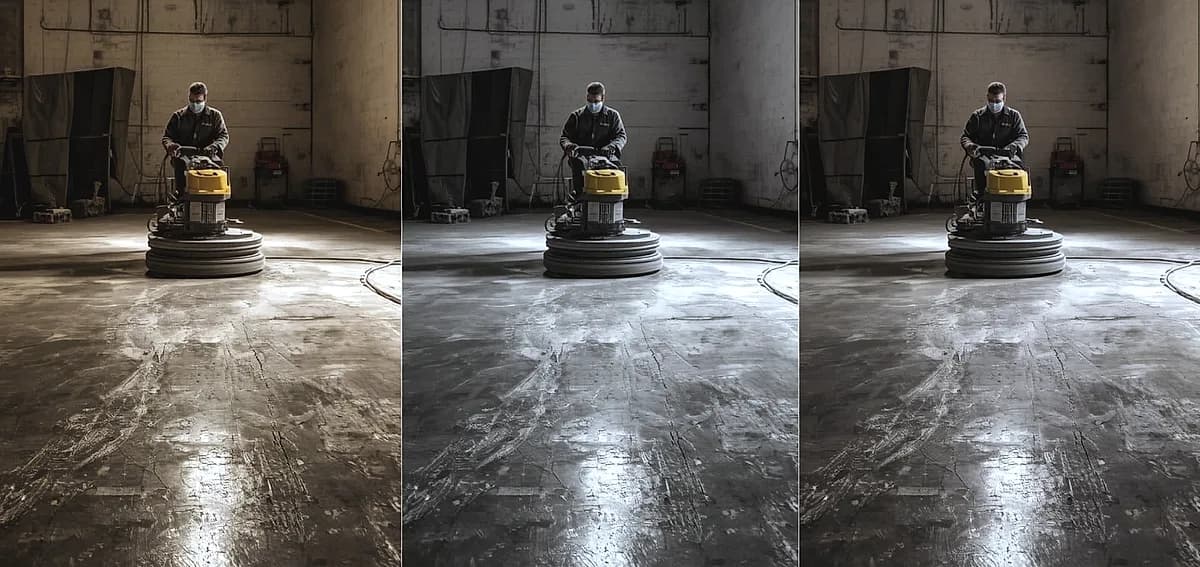
Daily maintenance involves simple dust mopping or sweeping to remove surface debris and prevent accumulation of abrasive particles that could affect the polish over time. The dense, smooth surface of properly polished concrete resists dirt penetration and facilitates easy cleaning with minimal effort and expense.
Weekly cleaning typically involves damp mopping with neutral pH cleaners specifically formulated for polished concrete. Learning how to properly clean polished concrete while avoiding acidic or alkaline cleaners protects the concrete’s surface chemistry while maintaining optimal appearance and performance characteristics.
Periodic maintenance may include burnishing with high-speed floor machines to restore surface luster and address minor surface wear. This process can often restore the original appearance without requiring extensive refinishing procedures, making it extremely cost-effective.
Long-term maintenance planning should include periodic professional assessment to identify any developing issues before they require major intervention. Professional maintenance services can address specific concerns while providing guidance on optimizing cleaning procedures and schedules.
Protective measures include using appropriate entrance matting systems to minimize tracked-in debris and implementing spill response procedures to prevent staining or surface damage. These preventive measures significantly extend the time between major maintenance interventions.
The longevity of polished old concrete often exceeds that of alternative flooring systems by substantial margins. Properly installed and maintained polished concrete can provide decades of service while maintaining its appearance and performance characteristics, making it one of the most cost-effective flooring solutions available.
National Concrete Polishing specializes in transforming old concrete surfaces into beautiful, durable polished floors that provide exceptional value and performance. Their experienced team understands the unique challenges associated with older concrete and employs advanced techniques to achieve outstanding results that exceed client expectations.
Frequently Asked Questions
Can concrete that’s 50+ years old be successfully polished?
Yes, older concrete often polishes exceptionally well due to its increased density and hardness developed over decades of curing. The key factors are structural integrity and proper surface preparation rather than age itself.
How do you remove old paint or sealers before polishing?
Professional contractors use specialized grinding equipment and chemical strippers to completely remove existing coatings. This process requires proper equipment and expertise to avoid damaging the underlying concrete substrate.
What’s the typical cost difference between polishing old concrete versus replacement?
Polishing existing concrete typically costs 30-50% less than removal and replacement while providing comparable or superior performance and aesthetic results, making it an extremely cost-effective option. Understanding polished concrete costs helps in making informed decisions.
Can you polish concrete with existing cracks or damage?
Minor cracks and surface damage can usually be repaired before polishing using compatible repair materials. Extensive structural damage may require more comprehensive restoration or could make polishing unfeasible.
How long does the old concrete polishing process take?
Project duration depends on surface conditions, size, and desired finish level, but typically ranges from 3-7 days for most commercial projects, including preparation, polishing, and final curing time.
Will polishing old concrete create dust problems?
Professional polishing equipment includes advanced dust collection systems that capture 99%+ of generated dust, making the process suitable for occupied buildings and sensitive environments.
Can you achieve different gloss levels with old concrete?
Yes, old concrete can achieve any desired gloss level from matte (400-grit finish) to high-gloss (3000-grit finish), with the final appearance customized to meet specific aesthetic and functional requirements.
How do you handle moisture issues in old concrete before polishing?
Moisture testing identifies potential problems, and solutions may include improved drainage, moisture barriers, or specialized treatments to reduce moisture transmission before polishing begins.
Conclusion
The question “can you polish old concrete” has a definitively positive answer that opens tremendous possibilities for property owners seeking cost-effective, durable flooring solutions. Old concrete polishing represents one of the most practical and aesthetically rewarding approaches to floor restoration, offering exceptional value while addressing both functional and visual requirements.
The inherent advantages of older concrete – including superior density, strength, and curing characteristics – actually make these surfaces ideal candidates for polishing when properly assessed and prepared. Modern polishing techniques and equipment have evolved specifically to address the unique challenges associated with aged concrete while maximizing the potential for outstanding results.
Success in old concrete polishing projects depends heavily on professional expertise, proper assessment, and systematic execution of preparation and polishing procedures. The investment in professional services typically provides exceptional returns through improved aesthetics, enhanced functionality, and long-term durability that can span decades with minimal maintenance requirements.
The environmental and economic benefits of restoring existing concrete rather than replacement make old concrete polishing an increasingly attractive option for commercial, industrial, and residential applications. This approach reduces waste, conserves resources, and provides superior performance characteristics compared to many alternative flooring systems.
As polishing technology continues to advance and awareness of concrete’s potential grows, old concrete polishing will likely become even more prevalent as a preferred restoration method. Property owners who choose to restore their existing concrete surfaces often discover that the results exceed their expectations while providing lasting value and satisfaction.
Written by

Founder and CEO
Chris Lavin is an esteemed leader in concrete polishing and epoxy coatings with a distinguished 20-year career. As founder and CEO of National Concrete Polishing and owner of Xtreme Polishing Systems, he's renowned for polishing and epoxy coating more floors than anyone globally. Chris is recognized for his innovative approach and commitment to enhancing floor durability and aesthetics. His hands-on experience and technical proficiency make him a respected authority and a valuable resource in the field of floor polishing and coatings.
Same topic
Related articles
All stories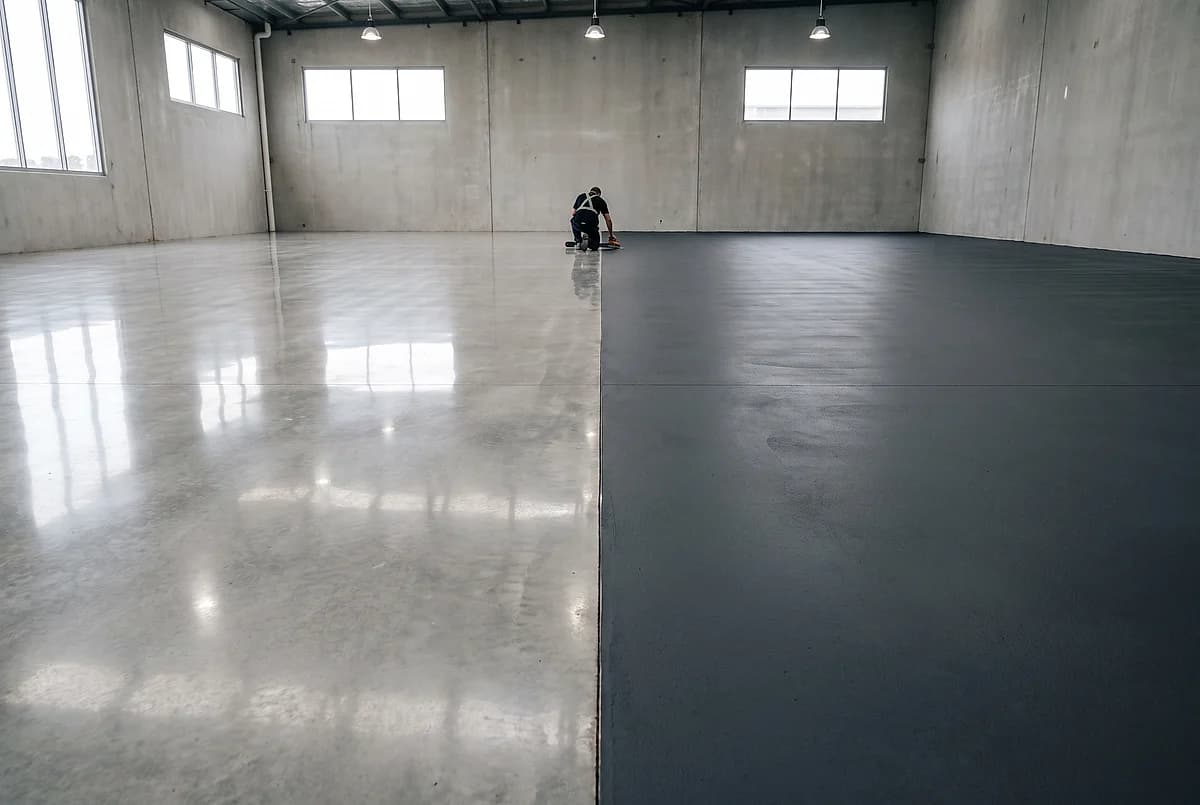
Polished concrete11 min read
Polished Concrete vs Epoxy Coatings: Which Floor Is Right for Your Space?
Two systems, two price curves, one slab. What each one costs to install and to keep, and which spaces each one actually suits.
Read it
Polished concrete8 min read
What to Know Before Polishing Your Existing Concrete Slab
Before any mechanical refinement can begin, a thorough evaluation of the current foundation is required.
Read it
Polished concrete8 min read
Is Polished Concrete Worth the Investment for Miami Properties?
It is essential to distinguish between a simple topical seal and mechanically refined concrete.
Read it
Tell us about the floor
Tell us the space and roughly how big it is.We come back with what it would cost and when we could start.
Prefer to talk? Call +1 844-876-5474
- Leads@
nationalconcretepolishing.net - 2200 NW 32nd St #600,
Pompano Beach, FL 33069 Mon to Fri, 9:00 to 5:30