The NCP blog
Laboratory Concrete Flooring Chemical Spill Containment
Commercial13 min read
Chemical spill containment in laboratory settings goes far beyond simple cleanup procedures.
Laboratory environments present unique challenges when it comes to flooring solutions, particularly regarding chemical spill containment and safety protocols. The selection and implementation of appropriate laboratory concrete flooring chemical spill containment systems can mean the difference between a minor incident and a catastrophic environmental or safety disaster. Modern laboratories, whether in pharmaceutical research, chemical manufacturing, or academic institutions, require flooring systems that not only withstand daily operations but also provide robust protection against hazardous material releases.
Chemical spill containment in laboratory settings goes far beyond simple cleanup procedures. It encompasses a comprehensive approach to floor design, material selection, installation techniques, and ongoing maintenance protocols. The flooring system must serve as the first line of defense against chemical penetration into the building structure, groundwater contamination, and exposure risks to personnel. This critical infrastructure component requires careful consideration of chemical compatibility, drainage systems, surface treatments, and emergency response capabilities.
The complexity of laboratory operations demands flooring solutions that can handle everything from routine chemical handling to emergency spill scenarios. Concrete flooring, when properly designed and installed with appropriate containment features, offers durability and a range of finishes, and it can be protected against chemicals with the coating and sealing systems covered below. However, the success of these systems depends heavily on understanding the specific requirements of each laboratory environment, including the types of chemicals used, frequency of operations, and regulatory compliance standards.
Professional flooring contractors specializing in laboratory environments understand that chemical spill containment systems must integrate seamlessly with existing laboratory infrastructure while providing maximum protection. This integration involves coordinating with laboratory designers, safety engineers, and facility managers to create comprehensive solutions that address both current needs and future expansion possibilities. A containment system designed around the chemicals actually in use limits how far a spill can travel.
Key Takeaways
Integrated Design Approach: Effective laboratory concrete flooring chemical spill containment systems require comprehensive planning that integrates flooring, drainage, ventilation, and emergency response systems from the initial design phase.
Chemical Compatibility Assessment: Proper material selection depends on thorough analysis of all chemicals that may be present in the laboratory environment, including their concentrations, temperatures, and potential interaction effects.
Regulatory Compliance: Which rules apply depends on the laboratory type, its chemical inventory and its location. OSHA's laboratory standard requires a written chemical hygiene plan, and its non-mandatory Appendix A recommends that wet laboratory areas have chemically resistant, impermeable, slip-resistant flooring.
Multi-Layer Protection: Effective chemical spill containment involves multiple protective layers including surface coatings, concrete sealers, membrane barriers, and subsurface drainage systems.
Emergency Response Integration: Containment systems must facilitate rapid emergency response through clear drainage patterns, accessible cleanup equipment storage, and integration with building alarm systems.
Maintenance Requirements: Long-term effectiveness depends on regular inspection schedules, preventive maintenance protocols, and prompt repair of any system compromises.
Cost-Benefit Analysis: While initial investment in comprehensive containment systems may be substantial, inadequate protection has its own costs: cleanup, regulatory fines, and operational disruption.
Professional Installation Importance: The complexity of laboratory flooring systems requires experienced contractors who understand both flooring technology and laboratory safety requirements.
Overview of Laboratory Chemical Spill Containment Requirements
Laboratory chemical spill containment represents a critical intersection of safety engineering, environmental protection, and operational efficiency. The fundamental principle underlying effective containment systems is the creation of multiple barriers that prevent chemical migration while facilitating safe cleanup and disposal procedures. These systems must address both acute spill events and chronic exposure scenarios that can occur through normal laboratory operations.
The regulatory landscape governing laboratory flooring and chemical spill containment is complex and multifaceted. Federal agencies including the Environmental Protection Agency (EPA) and the Occupational Safety and Health Administration (OSHA) set rules for how laboratories handle hazardous chemicals and waste, and state and local authorities add their own. Additionally, industry-specific standards from organizations such as the National Fire Protection Association (NFPA) and American Chemical Society (ACS) provide detailed guidance for particular laboratory types.
Modern laboratory design philosophy emphasizes containment at the source, secondary containment for larger spills, and tertiary protection for catastrophic events. This tiered approach ensures that minor spills are contained immediately at their origin, moderate spills are captured within designated areas, and major incidents are prevented from causing environmental damage or personnel exposure. The concrete flooring system serves as a crucial component in each tier, providing the foundation for all other containment measures.
Risk assessment methodologies help determine appropriate containment levels based on chemical inventories, usage patterns, and potential consequences of release. High-risk laboratories handling corrosive acids, toxic solvents, or reactive compounds require more robust containment systems than facilities working with relatively benign materials. This risk-based approach ensures that resources are allocated efficiently while maintaining appropriate safety margins for all operations.
Concrete Flooring Systems for Chemical Resistance
The foundation of any effective laboratory chemical spill containment system begins with properly designed and installed concrete flooring. Standard concrete, while durable for many applications, requires significant modification to withstand the chemical exposure common in laboratory environments. The concrete mix design must consider chemical resistance, permeability, surface finish requirements, and long-term durability under aggressive conditions.
Chemical-resistant concrete formulations typically incorporate specialized cement types, aggregate selections, and admixtures that enhance resistance to acid attack, alkali exposure, and solvent penetration. Portland cement may be partially replaced with supplementary cementitious materials such as silica fume, fly ash, or ground granulated blast furnace slag to improve chemical resistance and reduce permeability. The water-cement ratio is carefully controlled to minimize porosity while maintaining workability for proper concrete placement techniques.
Surface preparation and finishing techniques play crucial roles in creating effective chemical barriers. Power floating and steel troweling create dense surface layers that resist chemical penetration, while specialized surface treatments can further enhance resistance to specific chemical families. The concrete surface must be properly cured to achieve maximum density and chemical resistance, often requiring extended curing periods under controlled conditions.
Concrete densification and hardening treatments provide additional protection against chemical attack while improving surface durability and cleanability. These treatments penetrate the concrete surface to react with calcium hydroxide, forming additional calcium silicate hydrate that fills pores and strengthens the surface matrix. The result is a harder, less permeable surface layer, as research on silicate densifiers describes them. A densified slab is still concrete, which is why the coating systems below are used where acids or solvents are present.
Joint design and sealing represent critical aspects of chemical-resistant concrete flooring systems. Construction joints, control joints, and isolation joints must be properly sealed with chemical-resistant materials to prevent spill penetration. Joint sealants must be compatible with expected chemical exposures while maintaining flexibility to accommodate normal building movements. Regular inspection and maintenance of joint seals ensure continued protection against chemical infiltration.
Advanced Coating and Sealing Technologies
While properly designed concrete provides excellent foundation protection, advanced coating and sealing technologies offer enhanced chemical resistance and specialized performance characteristics required in demanding laboratory environments. These protective systems create impermeable barriers that prevent chemical penetration while providing easy-to-clean surfaces that facilitate rapid spill response and routine maintenance procedures.
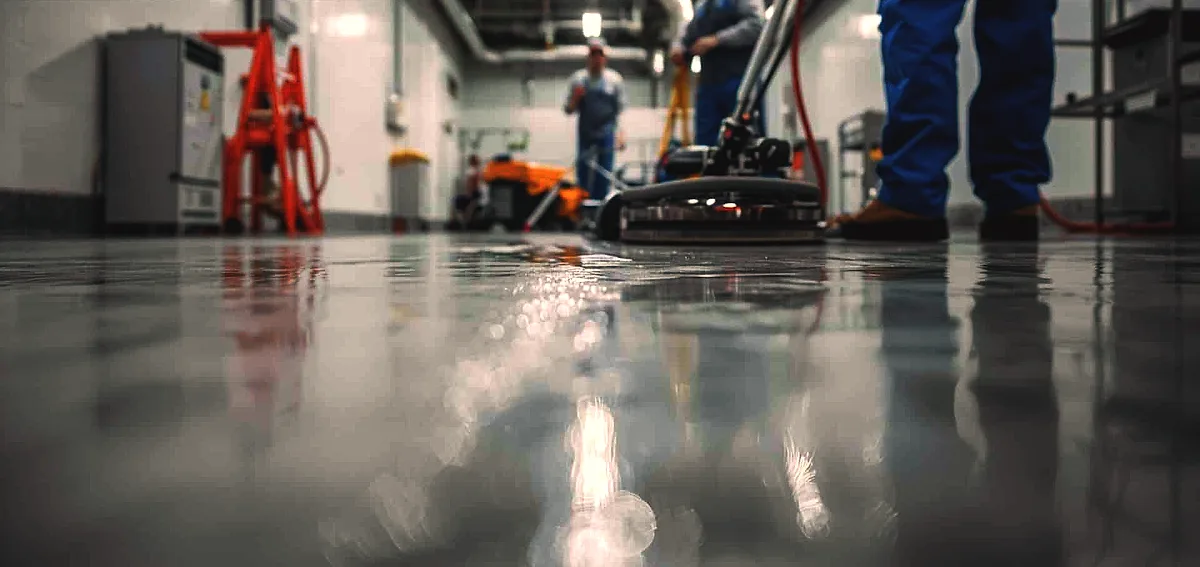
Epoxy coating systems are widely used on laboratory floors for their chemical resistance and durability, and because they clean easily. Modern epoxy formulations are available in various configurations including solvent-free systems, water-based formulations, and specialized high-performance variants designed for specific chemical exposures. The selection of appropriate epoxy systems depends on factors including chemical compatibility, temperature requirements, and desired aesthetic characteristics.
Polyurethane and polyurea coatings are another option where a floor sees heavy equipment loads or thermal cycling. Each product's data sheet states its flexibility, abrasion resistance and chemical resistance, and those figures, not the resin family, should be compared. Advanced polyurethane formulations incorporate chemical-resistant additives that enhance protection against specific chemical families commonly found in laboratory environments.
Vinyl ester and novolac epoxy systems are the kinds of coating that manufacturers offer for strong acids and aggressive solvents. Manufacturers rate each chemical separately, and the rating depends on the product, the concentration and how long the chemical stays on the floor: one manufacturer's chart for an aliphatic urethane coating, for example, rates 10% acetic acid as not resistant and acetone as limited resistance. The chart for the exact system and chemicals in use decides, not the resin family alone.
Multi-layer coating systems combine different material types to optimize performance characteristics for specific applications. A typical system might include a penetrating primer to seal the concrete substrate, a chemical-resistant base coat for primary protection, and a topcoat designed for durability and ease of cleaning. This layered approach allows optimization of each component for its specific function while providing redundant protection against chemical attack.
Surface preparation requirements for coating systems are critical to long-term performance and cannot be compromised. Concrete surfaces must be properly profiled through mechanical abrasion, shot blasting, or chemical etching to ensure adequate coating adhesion. Moisture has to be measured before coating: ASTM F2170, the standard for testing relative humidity in concrete slabs with in situ probes, notes that excessive moisture in a slab can cause failures such as debonding and deterioration of coatings, and that manufacturers of such systems generally require moisture testing before installation on concrete. Contaminants also have to be removed before the coating goes on.
Drainage and Collection System Integration
Effective chemical spill containment requires sophisticated drainage and collection systems that can rapidly remove spilled materials while preventing their migration to unprotected areas. These systems must be designed to handle both routine cleaning operations and emergency spill scenarios, with capacity calculations based on worst-case spill volumes and cleanup requirements. The integration of drainage systems with concrete flooring requires careful planning to maintain the integrity of both systems while providing optimal performance.
Floor slope design creates controlled drainage patterns that direct spilled materials toward collection points while preventing pooling in undesired areas. The design slope depends on the room's drainage layout and the engineer's specification. NIH's design guidance for vivarium floors, for example, calls drains and floors sloped at 1/8 inch per foot generally appropriate for rooms with the most extensive use of water and wash-down. The slope must be carefully calculated to provide adequate drainage without creating tripping hazards or interfering with equipment placement. Laser-guided concrete placement helps the crew hit the specified slope.
Trench drain systems provide linear collection capabilities that can handle large spill volumes while maintaining clean aesthetic lines in laboratory spaces. These systems incorporate chemical-resistant materials including stainless steel, fiberglass, or specialized polymers that can withstand expected chemical exposures. Grating systems must be designed for easy removal to facilitate cleaning while providing adequate load-bearing capacity for laboratory operations.
Point drain systems offer flexible placement options and can be strategically located to address specific risk areas within laboratory spaces. These systems typically incorporate chemical-resistant materials and specialized trap configurations that prevent sewer gas infiltration while allowing rapid drainage of spilled materials. The drain design must consider both normal cleaning operations and emergency spill scenarios to ensure adequate capacity under all conditions.
Collection and treatment systems must be designed to handle the specific chemicals expected in laboratory operations while meeting environmental discharge requirements. Primary collection tanks provide temporary storage for spilled materials, allowing time for proper characterization and disposal planning. Treatment systems may include neutralization capabilities, oil-water separation, or other specialized treatment processes depending on the laboratory’s chemical inventory.
Maintenance and Long-Term Performance Optimization
The long-term effectiveness of laboratory concrete flooring chemical spill containment systems depends heavily on comprehensive maintenance programs that address both routine care and preventive maintenance requirements. These programs must be tailored to the specific systems installed and the operational characteristics of each laboratory, with schedules and procedures that ensure continued protection without disrupting critical research activities.
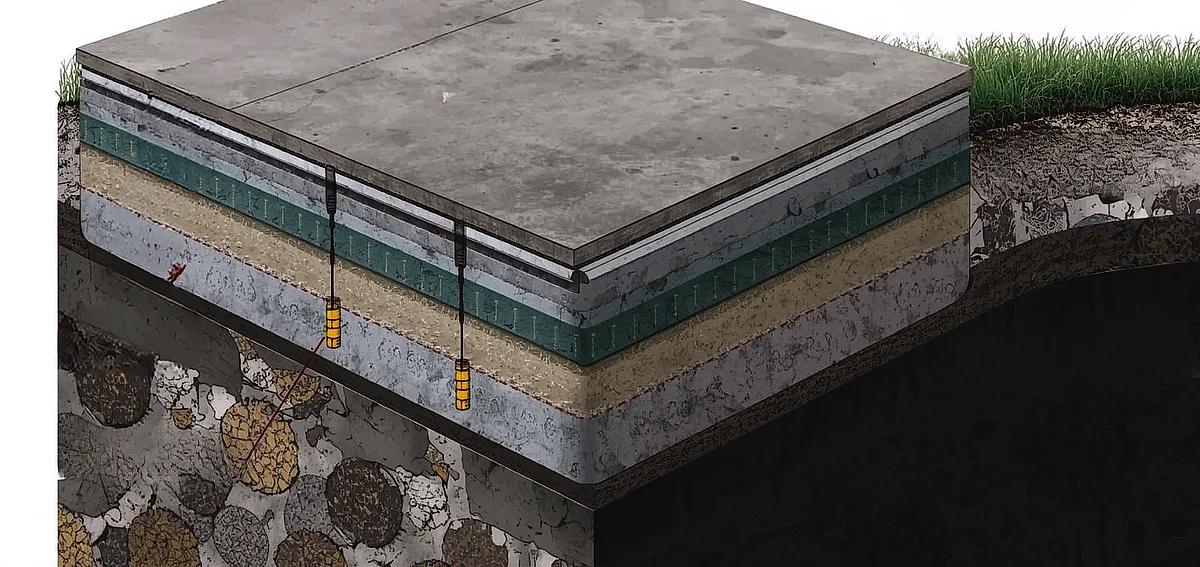
Regular inspection protocols form the foundation of effective maintenance programs, with trained personnel conducting systematic evaluations of all system components. Visual inspections identify obvious damage or deterioration, while more detailed assessments may include coating thickness measurements, adhesion testing, and chemical resistance verification. Documentation of inspection results provides valuable data for trending analysis and predictive maintenance planning.
Cleaning procedures must be compatible with both the flooring system materials and the chemicals used in laboratory operations. Standard cleaning protocols should address routine maintenance needs while emergency cleanup procedures provide guidance for spill response situations. The selection of cleaning chemicals and methods must consider their potential impact on protective coatings and sealants, with compatibility testing conducted before implementing new procedures.
Preventive maintenance schedules address known wear patterns and degradation mechanisms before they compromise system performance. Coating systems may require periodic reapplication in high-traffic areas, while joint sealants need regular inspection and replacement to maintain their protective function. Drainage systems require periodic cleaning and inspection to ensure continued capacity and proper function.
Performance monitoring systems track key indicators that reflect system condition and effectiveness over time. These may include coating thickness measurements, chemical resistance testing, and drainage capacity verification. Trending analysis helps identify degradation patterns and optimize maintenance schedules to maximize system life while minimizing operational disruptions.
Working With National Concrete Polishing
National Concrete Polishing installs epoxy, polyaspartic and urethane cement systems and polished concrete, and grinds and prepares slabs for coating. Choosing a system starts with the chemical resistance requirements: the list of chemicals in use, checked against the manufacturer's chemical resistance chart for each system considered.
A laboratory floor starts from the chemical inventory, the usage pattern and the rules that apply to that facility, which the laboratory's own designers and safety staff know best. The floor system is then chosen to fit what they specify. Our work runs from basic concrete resurfacing to multi-layer resinous coating systems.
For related requirements, see our guides on food-grade epoxy flooring systems and pharmaceutical facility requirements.
Keeping a Laboratory Running During Installation
A laboratory can often stay in use in part while its floor is installed, but that is a scheduling question first. National Concrete Polishing schedules night work, weekend work and phased installations when a project requires it, and the proposal reflects the added coordination. Phasing is normally defined by room, aisle, zone or floor, and the approved phasing plan, egress, cure windows and safety separation set how much of a space is out of service at one time.
Frequently Asked Questions
What types of chemicals can laboratory concrete flooring containment systems handle?
Modern laboratory concrete flooring systems can be designed to handle a wide range of chemicals including acids, bases, solvents, and specialty chemicals. The specific chemical resistance depends on the concrete formulation, protective coatings, and sealing systems used. A thorough chemical compatibility assessment is essential to ensure appropriate system selection for each laboratory’s specific chemical inventory.
How long do chemical-resistant concrete coatings typically last in laboratory environments?
The lifespan of chemical-resistant coatings varies based on chemical exposure, traffic levels, and maintenance practices. Expected life depends on the system and how the floor is used, not on one fixed number. For reference, the industry's reporting rules in the 2026 product category rules for resinous floor coatings assume a refurbishment about every 6 years for thin-mil coatings, 7 years for self-leveling or slurry systems and 9 years for mortar systems, and say that actual service life durations vary considerably with use and environmental conditions. Ask the manufacturer or installer what the chosen system is rated for in your chemical and traffic conditions. Regular maintenance and prompt repair of minor damage can significantly extend coating life.
What maintenance is required for laboratory concrete flooring containment systems?
Routine maintenance includes regular cleaning with compatible chemicals, periodic inspection of coatings and joint seals, and drainage system cleaning. More detailed maintenance includes coating thickness monitoring, adhesion testing, and preventive recoating of high-wear areas. Emergency maintenance procedures address spill cleanup and damage repair to maintain system integrity.
How do drainage systems integrate with chemical spill containment?
Drainage systems are designed with chemical-resistant materials and proper slopes to direct spilled materials to collection points. Integration includes coordination with building systems, emergency overflow protection, and treatment capabilities for collected materials. The drainage design must handle both routine cleaning and emergency spill scenarios while meeting environmental discharge requirements.
What regulatory standards apply to laboratory flooring containment systems?
Which rules apply depends on the laboratory type, its chemical inventory and its location. OSHA's laboratory standard requires a written chemical hygiene plan, and its non-mandatory Appendix A recommends that wet laboratory areas have chemically resistant, impermeable, slip-resistant flooring. Local building and fire codes can also affect system design, so confirm the requirements with the facility's safety officer and the local authorities.
Can existing concrete floors be upgraded with chemical containment systems?
Many existing concrete floors can be upgraded with appropriate surface preparation and application of chemical-resistant coatings and sealants. However, substrate condition, structural adequacy, and drainage requirements must be carefully evaluated. Some upgrades may require concrete removal and replacement to achieve desired performance levels.
Conclusion
Laboratory concrete flooring chemical spill containment systems represent a critical investment in safety, environmental protection, and operational continuity for modern research and manufacturing facilities. The complexity of these systems requires careful consideration of chemical compatibility, regulatory compliance, and long-term performance requirements that can only be properly addressed through professional design and installation services.
The integration of advanced concrete formulations, chemical-resistant coatings, sophisticated drainage systems, and comprehensive maintenance programs creates robust protection against chemical spills while supporting efficient laboratory operations. Success depends on understanding the specific requirements of each laboratory environment and implementing appropriate solutions that address both current needs and future expansion possibilities.
Professional installation matters here because a containment floor only protects the building if the slab is prepared, coated and sealed at the joints as specified.
As laboratory operations continue to evolve with new chemicals, processes, and safety requirements, the importance of adaptable and maintainable containment systems becomes increasingly apparent. Proper planning, professional installation, and comprehensive maintenance programs ensure that these critical safety systems continue to provide effective protection throughout their operational life, supporting the vital work conducted in modern laboratory environments.
Written by

Founder and CEO
Chris Lavin is an esteemed leader in concrete polishing and epoxy coatings with a distinguished 20-year career. As founder and CEO of National Concrete Polishing and owner of Xtreme Polishing Systems, he's renowned for polishing and epoxy coating more floors than anyone globally. Chris is recognized for his innovative approach and commitment to enhancing floor durability and aesthetics. His hands-on experience and technical proficiency make him a respected authority and a valuable resource in the field of floor polishing and coatings.
Same topic
Related articles
All stories
Commercial12 min read
Cleanroom Floor Standards for Semiconductor, Biotech, and GMP Facilities
Semiconductor, biotech and GMP floors have written standards. What those standards require, and which concrete systems meet them.
Read it
Commercial5 min read
Grounding Requirements for Floors in Fort Lauderdale Electronics Facilities
Grounding requirements for floors in Fort Lauderdale electronics facilities, including ESD epoxy standards and grounding strips.
Read it
Commercial10 min read
Commercial Kitchen Floor Requirements in Florida
What Florida food code rules (Chapter 61C-4) ask of commercial kitchen floors: smooth, non-absorbent surfaces and coving at the walls.
Read it
Tell us about the floor
Tell us the space and roughly how big it is.We come back with what it would cost and when we could start.
Prefer to talk? Call +1 844-876-5474
- Leads@
nationalconcretepolishing.net - 2200 NW 32nd St #600,
Pompano Beach, FL 33069 Mon to Fri, 9:00 to 5:30