The NCP blog
Epoxy Flooring Requirements for Pharmaceutical Facilities in South Florida
CommercialUpdated 8 min read
High humidity and aggressive cleaning protocols create a perfect storm in specialized production spaces.
High humidity and aggressive cleaning protocols create a perfect storm in specialized production spaces. This challenge becomes critical in regions with tropical climates.
Manufacturing environments handling sensitive products demand surfaces that combat moisture intrusion while withstanding daily chemical exposure.
Durable surfaces must support heavy machinery without compromising seamless cleanliness. Thermal stability becomes non-negotiable when dealing with temperature-controlled zones and frequent sanitation cycles. The right solution balances safety features with long-term performance, creating environments where precision meets reliability.
Understanding Epoxy Flooring in Pharmaceutical Settings
In spaces where even minor contamination can compromise products, your surface material must act as a permanent barrier. Medical manufacturing calls for surfaces without gaps or cracks where contaminants can collect, and that hold up to daily cleaning chemicals.
Critical Surface Properties for Sterility
FDA's non-binding guidance on aseptic processing lists rounded floor to wall junctions as well as readily accessible corners among its examples of adequate design features. Non-porous materials stop liquid absorption, reducing microbial growth risks. Your surface must withstand scrubbing with industrial-grade disinfectants without degrading over time.
Three key factors determine suitability:
- Zero gaps or joints where contaminants could collect
- Chemical resistance to bleach and solvent-based cleaners
- Slope designs that prevent liquid pooling
Meeting Evolving Compliance Needs
Drug manufacturers must have written procedures for the cleaning and sanitizing agents they use (21 CFR 211.56), so the floor system should be checked against those agents. Your chosen system should adapt to changing guidelines without complete replacements. ISO 14644-1 classifies the air in a cleanroom, not the floor, so floor requirements come from the process in each zone.
Proper installations reduce cross-contamination risks between zones.
Key Safety and Compliance Considerations
Maintaining sterile environments demands surfaces that adapt to both regulatory shifts and physical stresses. Your material choices directly affect worker safety and audit outcomes, requiring solutions built for extreme operational cycles.
Regulatory Guidelines and Best Practices
For aseptic processing, FDA's rule calls for smooth, hard surfaces that are easily cleanable, floors included, where appropriate (21 CFR 211.42(c)(10)(i)). It names no flooring material. Check the installation against your own specification:
- Manufacturer test data for thermal cycling, with the test method named
- Chemical resistance data for the cleaning and sanitizing agents your program uses
- Slip-resistance results with the test method named
Managing Thermal Shock and Heavy Foot Traffic
Daily sanitation can mean steam or hot water followed by cooler washdowns. Inferior materials crack under these conditions, creating contamination risks. Choose systems with:
- Joints filled and sealed so they accommodate movement without opening gaps
- Reinforced layers resisting indentation from equipment
- Textured surfaces maintaining grip when wet
High-traffic zones need surfaces that recover shape after constant use. Schedule regular integrity checks to spot wear patterns before they compromise safety. Proper maintenance extends functional lifespans while keeping compliance documentation current.
How the South Florida Climate Affects Flooring Requirements
Coastal climates create distinct operational hurdles for production zones handling sensitive materials. Your location’s weather patterns directly influence surface performance, demanding tailored solutions that address multiple stress factors simultaneously.
High humidity can slow curing and add moisture risk to concrete slabs, and seasonal storms introduce flood risks that call for good drainage.
Climate-Driven Material Selection
Three critical environmental factors shape installation decisions:
- Salt-laden air that settles on surfaces and has to be cleaned off
- Frequent heavy rainfall testing waterproofing effectiveness
- High heat and humidity during application and cure
| Environmental Factor | Operational Impact | Solution |
|---|---|---|
| High Humidity | Microbial colonization risks | Non-porous surfaces |
| Storm Surges | Water damage potential | Sloped drainage design |
What a floor has to resist comes from the process and the cleaning agents your facility uses, so ask for the data sheet's chemical resistance result with the test method named. Work with installers who know the local requirements.
Material Compatibility and Chemical Resistance
Production zones face constant chemical exposure that tests material integrity daily. Choosing surfaces that match your operational needs helps avoid repairs.
Withstanding Harsh Cleaning Agents and Chemicals
Your surfaces encounter acids, solvents, and sanitizers designed to eliminate contaminants. Materials must resist these substances without cracking or fading. Thermal stability matters when handling steam cleaning and hot liquid spills.
Key considerations include:
- Proof of compatibility with industry-standard disinfectants
- Protection against concentrated spills during manufacturing
- Retention of structural integrity after repeated chemical contact
Seamless and Easy-to-Clean Surfaces
Joints and seams become contamination risks in high-stakes environments. Continuous surfaces simplify sanitation routines and reduce hidden danger zones. Smooth finishes allow rapid liquid runoff during washdowns.
Effective systems feature:
- Non-porous textures preventing liquid absorption
- Slope designs directing spills toward drains
- Surface coatings maintaining grip during wet conditions
Regular inspections verify your installation withstands aggressive cleaning cycles.
Durability and Slip Resistance in High-Traffic Areas
Operational zones with constant activity demand surfaces that perform under pressure. Daily movement patterns and cleaning routines test material resilience, requiring systems designed for rigorous use. Selecting the right specifications helps limit premature wear.
Non-Slip Coatings for Enhanced Safety
Wet conditions from frequent sanitation create slip hazards in active workspaces. Textured surfaces maintain traction during liquid exposure, reducing accident risks. These coatings prove essential near sterilization stations and material transfer points.
Key features to prioritize:
- Aggregate blends providing grip without trapping contaminants
- Chemical resistance to prevent surface degradation
- UV stability maintaining performance in sunlit areas
Impact Resistance in Manufacturing Environments
Heavy machinery and dropped tools challenge surface integrity daily. Reinforced materials absorb shocks from equipment collisions and falling objects. Proper installation prevents cracks that could harbor microbes.
Thermal stability becomes crucial where steam cleaning meets process heat. Materials must expand and contract without compromising structural bonds.
Installation Best Practices and Technical Insights
Precision installation processes determine how well surfaces withstand operational demands.
Effective Surface Preparation
Your substrate condition directly impacts adhesion quality. Teams must remove contaminants and repair cracks before applying coatings. Moisture testing prevents bubbling or delamination issues later.
Key preparation steps include:
- Mechanical profiling for optimal bonding surfaces
- Moisture testing, with a moisture barrier where the slab calls for it
- Phased work schedules maintaining production continuity
Optimal Application Techniques
Controlled environments ensure proper curing of protective finishes. Temperature and humidity monitoring prevents premature drying or moisture entrapment. Mixing ratios and application timing require strict adherence to manufacturer specifications.
Critical application factors:
- Multi-layer systems for enhanced chemical resistance
- Edge detailing preventing liquid infiltration
- Cure time adjustments for tropical climates
Long-Term Maintenance and Performance
Proactive care helps preserve surface integrity. Documented inspection logs help track wear patterns and schedule interventions. Cleaning protocols must balance effectiveness with material compatibility.
About National Concrete Polishing in South Florida
Specialized production environments demand solutions tailored to both operational and regional challenges. Our primary in-house crews are based in South Florida.
Professional Experience and Quality Craftsmanship
We have been in business since 2013.
Scheduling Around Your Production
We work nights, weekends and in phases when the project calls for it.
Contact us at +1 844-876-5474 to discuss your project needs.
Conclusion
In environments where product integrity and worker safety are paramount, your surface system forms the foundation of operational success. Choosing materials that meet strict cleanliness standards while adapting to regional challenges protects both your products and bottom line.
Durable surfaces prevent contamination risks in manufacturing zones exposed to harsh chemicals. Proper slope designs and seamless installations ensure rapid drainage during high-volume processing. Thermal-stable materials maintain structural integrity despite frequent temperature fluctuations.
Regular inspections and maintenance help keep your production areas in good condition between audits.
Frequently Asked Questions
Why are seamless surfaces critical in sterile pharmaceutical environments?
Finishes without seams simplify cleaning and leave no cracks where contaminants can collect. FDA's guidance on aseptic processing lists rounded floor to wall junctions among its examples of adequate design features.
How do resin-based systems handle South Florida’s humidity and temperature fluctuations?
Humidity matters most in the slab and during application. Test the slab for moisture before coating, and follow the data sheet's temperature and humidity limits for application.
What should a coating's data sheet show for a pharmaceutical facility?
FDA's rule for aseptic processing describes the surface (smooth and hard, easy to clean) rather than a product certification. Ask for chemical resistance results with the test method named, and for slip resistance and thermal cycling data the same way. ISO 14644-1 classifies cleanroom air, not floors.
Can these surfaces withstand frequent exposure to disinfectants like hydrogen peroxide?
It depends on the system. Ask for chemical resistance data for the disinfectant and concentration your sanitation program uses. FDA's aseptic processing guidance notes that many common disinfectants are ineffective against spores and that a sound disinfectant program also includes a sporicidal agent, and the floor has to tolerate it.
What non-slip options exist for wet rooms or spill-prone manufacturing spaces?
Textured additives or quartz blends create slip-resistant finishes while keeping the floor easy to clean. ANSI A326.3, a voluntary test standard for hard surface flooring, specifies a measured wet DCOF of 0.42 or greater for materials in level interior spaces that are walked on when wet, and notes that a floor above that value is not necessarily suitable for every project. Ask for the test method and result on the data sheet.
How long does installation take in active pharmaceutical plants?
It depends on the square footage and the system, plus any preparation and repairs. National Concrete Polishing works nights, weekends and in phases when a project calls for it.
Are antimicrobial additives necessary for cleanroom applications?
Antimicrobial additives are an option, not something FDA's floor rule asks for. Ask for the manufacturer's test data on any additive before relying on it.
Written by

Founder and CEO
Chris Lavin is an esteemed leader in concrete polishing and epoxy coatings with a distinguished 20-year career. As founder and CEO of National Concrete Polishing and owner of Xtreme Polishing Systems, he's renowned for polishing and epoxy coating more floors than anyone globally. Chris is recognized for his innovative approach and commitment to enhancing floor durability and aesthetics. His hands-on experience and technical proficiency make him a respected authority and a valuable resource in the field of floor polishing and coatings.
Same topic
Related articles
All stories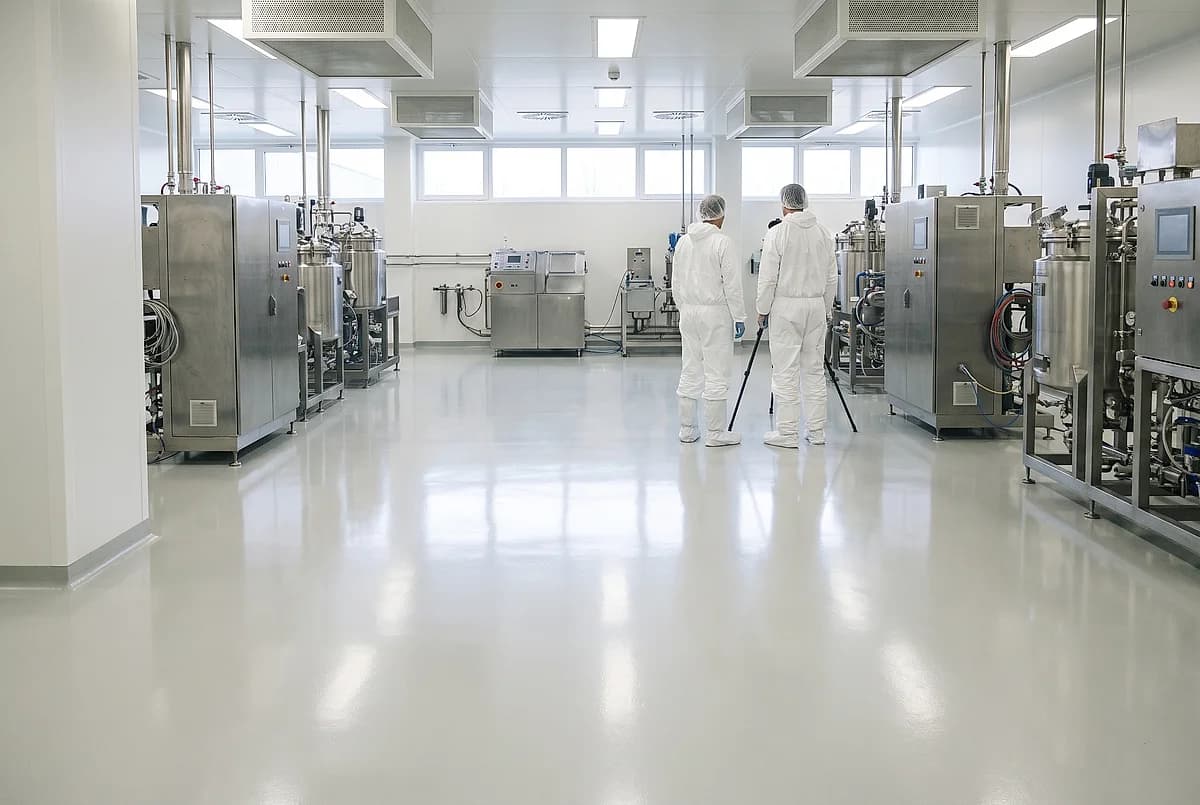
Commercial12 min read
Cleanroom Floor Standards for Semiconductor, Biotech, and GMP Facilities
Semiconductor, biotech and GMP floors have written standards. What those standards require, and which concrete systems meet them.
Read it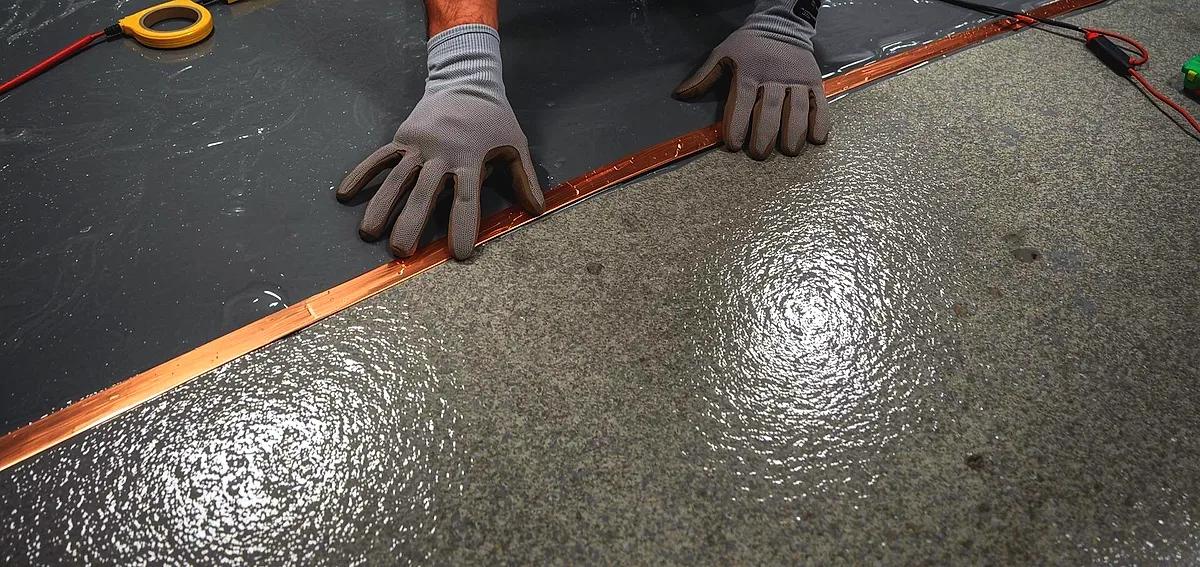
Commercial5 min read
Grounding Requirements for Floors in Fort Lauderdale Electronics Facilities
Grounding requirements for floors in Fort Lauderdale electronics facilities, including ESD epoxy standards and grounding strips.
Read it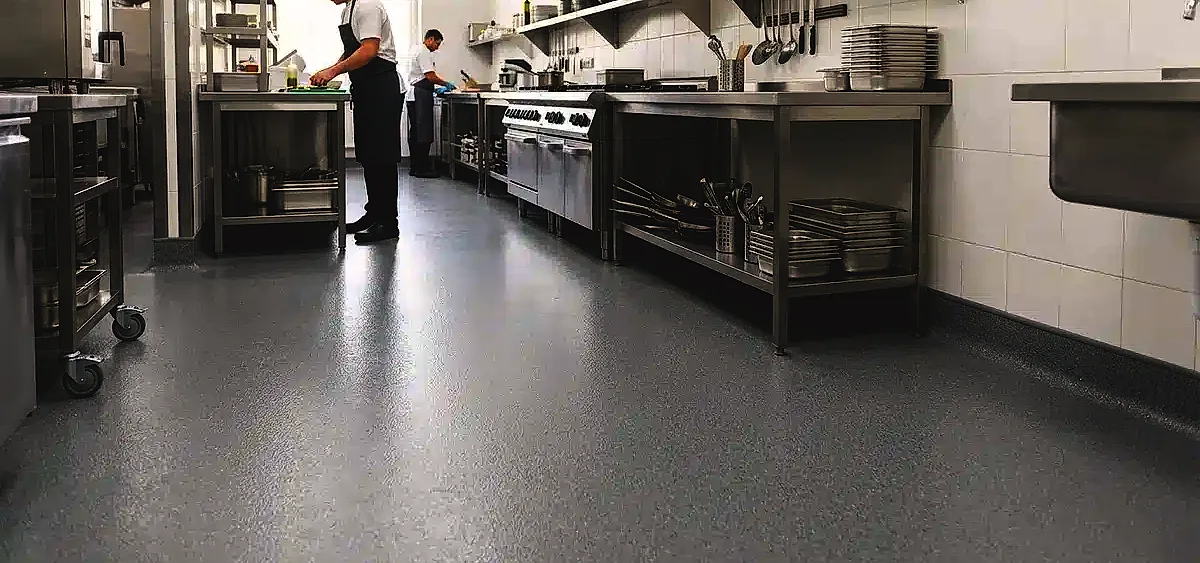
Commercial10 min read
Commercial Kitchen Floor Requirements in Florida
What Florida food code rules (Chapter 61C-4) ask of commercial kitchen floors: smooth, non-absorbent surfaces and coving at the walls.
Read it
Tell us about the floor
Tell us the space and roughly how big it is.We come back with what it would cost and when we could start.
Prefer to talk? Call +1 844-876-5474
- Leads@
nationalconcretepolishing.net - 2200 NW 32nd St #600,
Pompano Beach, FL 33069 Mon to Fri, 9:00 to 5:30