
The NCP blog
FDA Requirements for Epoxy Flooring in Miami Food Processing Plants
Commercial7 min read
The most fundamental requirement from both the FDA and USDA is that flooring surfaces must be “smooth and easily cleanable”.
Maintaining compliance with food safety regulations is critical for Miami’s food processing industry, where high humidity and rigorous sanitation standards create unique challenges. The Food and Drug Administration (FDA) and the United States Department of Agriculture (USDA) enforce strict guidelines for facility surfaces to prevent contamination and ensure public health. For food processing plants in Miami, choosing the right flooring system is not just about durability—it’s a regulatory necessity.
Epoxy flooring has emerged as the industry standard because it directly addresses the core requirements of federal and state food safety codes. Unlike tile or bare concrete, which have grout lines and pores that harbor bacteria, epoxy creates a seamless, non-porous surface that is impervious to moisture, chemicals, and food byproducts. This seamless nature is vital for compliance with the Food Safety Modernization Act (FSMA) and HACCP protocols, which mandate environments that eliminate harborage points for pathogens like Salmonella and Listeria.
This guide details the specific FDA and USDA requirements for food processing flooring in Miami, explains why epoxy systems are the preferred solution for compliance, and outlines the critical features—from slip resistance to antimicrobial properties—that facility managers must prioritize. Whether you operate a commercial bakery in Fort Lauderdale, a seafood processing plant in Miami, or a beverage facility in Pompano Beach, understanding these standards ensures your facility remains safe, sanitary, and inspection-ready.
FDA and USDA Flooring Standards Explained
The Core Requirement: Smooth and Cleanable
The most fundamental requirement from both the FDA and USDA is that flooring surfaces must be “smooth and easily cleanable”. This seemingly simple directive eliminates many traditional flooring options. Surfaces must allow for effective removal of soil and food debris without heavy scrubbing that could spread contaminants. Epoxy flooring meets this standard by creating a monolithic surface that allows wash-down water and cleaning solutions to flow freely to drains without getting trapped in joints or texture pockets.
Non-Absorbent and Impervious
Regulations specify that flooring in food preparation areas must be non-absorbent to prevent the absorption of grease, food acids, blood, and water. Porous surfaces like bare concrete act like sponges, soaking up contaminants that create permanent breeding grounds for bacteria deep within the substrate. In Miami’s humid environment, this absorption also leads to rapid mold growth. Epoxy systems seal the concrete completely, creating a resinous barrier that keeps all liquids on the surface where they can be properly sanitized.
Durability and Structural Integrity
Floors must be durable enough to withstand normal operations without creating dust, cracking, or spalling, which would introduce physical contaminants into food products. The FDA prohibits surfaces that can flake or chip, as these particles pose a direct food safety hazard. High-performance epoxy and urethane cement systems are engineered to resist abrasion from heavy foot traffic, forklifts, and pallet jacks while maintaining their structural integrity under the chemical attack of daily sanitation cycles.
Critical Features for Compliance in Miami
Seamless Construction
Joints, cracks, and grout lines are the enemy of food safety. These crevices accumulate organic matter that is nearly impossible to remove with standard cleaning, allowing biofilm to develop. FDA-compliant epoxy floors are poured in place to create a truly seamless surface from wall to wall. This eliminates the “harborage points” where pathogens survive and thrive, directly supporting Hazard Analysis and Critical Control Points (HACCP) plans that identify and control contamination risks.
Integral Cove Base
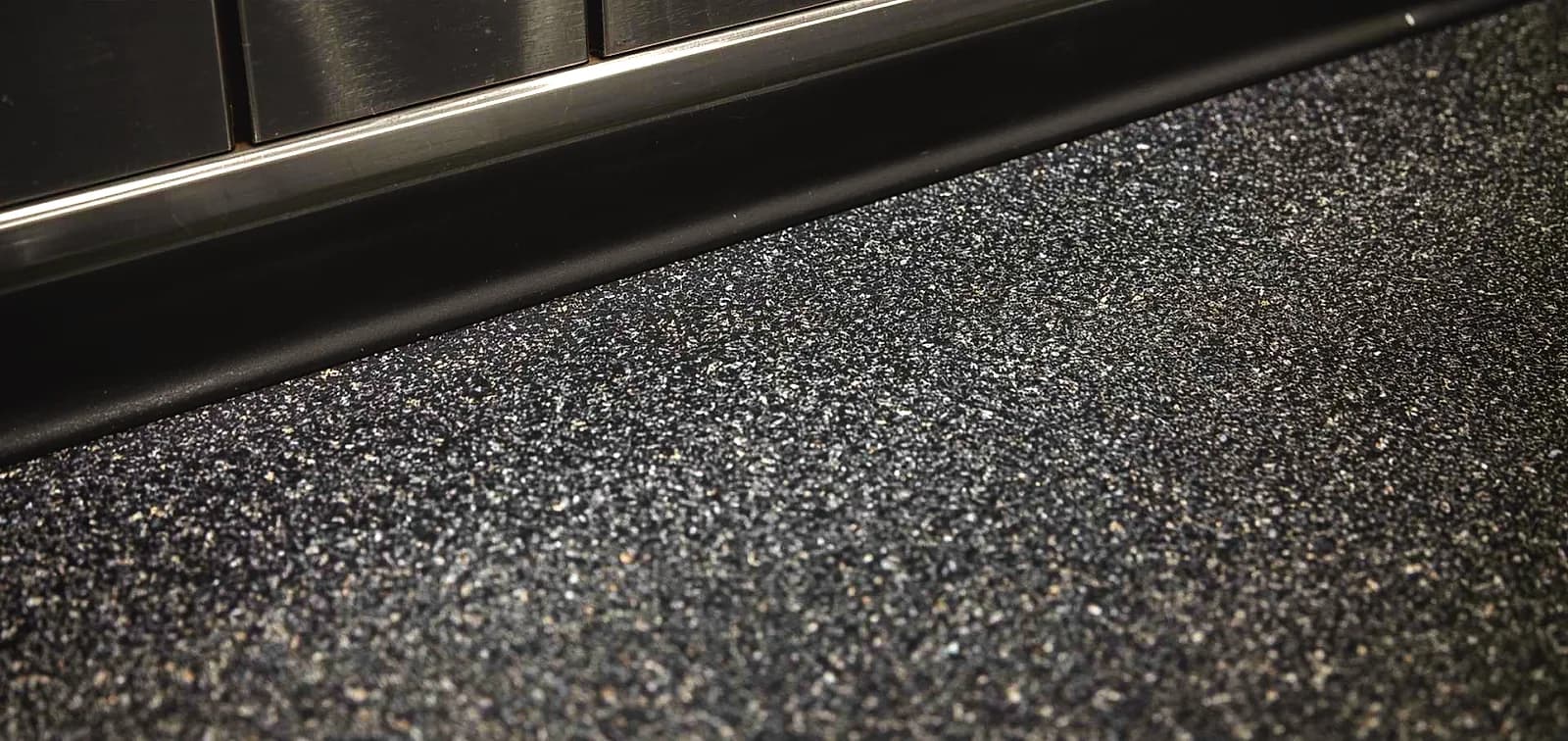
A critical but often overlooked requirement is the installation of an integral cove base—a curved radius that seamlessly connects the floor to the wall. Sharp 90-degree corners at the wall-floor junction trap dirt and water, making them difficult to clean effectively. A sanitary cove base (typically 4-6 inches high) eliminates this trap, allowing wash-down water to flow away from walls and ensuring that the entire room perimeter can be sanitized to the same standard as the center of the floor.
Chemical and Thermal Shock Resistance
Miami food processing plants use aggressive cleaning protocols involving hot water, steam, and harsh chemicals (acids, alkalis, sanitizers) to kill bacteria. Standard flooring can fail under this “thermal shock” and chemical attack, leading to delamination and cracking. Urethane cement and specialized epoxy formulations are designed to expand and contract with the concrete substrate during extreme temperature changes (from hot wash-downs to freezer environments) and resist chemical degradation, ensuring the floor remains intact and compliant.
Slip Resistance vs. Cleanability
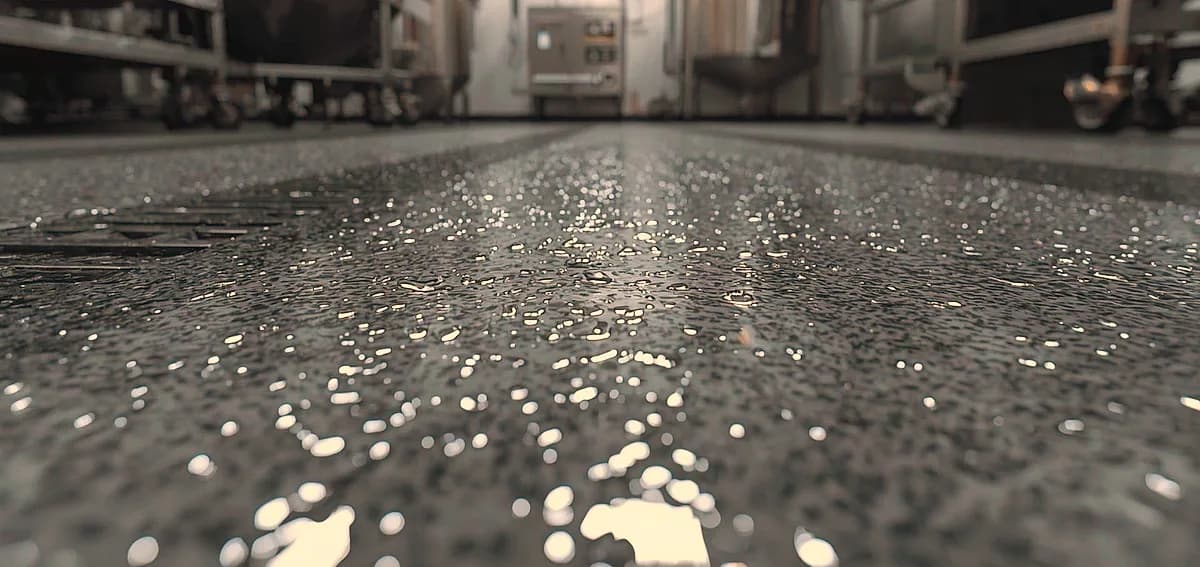
Balancing slip resistance with cleanability is a major challenge. While floors must be smooth for cleaning (FDA requirement), they must also provide adequate traction to prevent slip-and-fall accidents (OSHA requirement), especially in wet areas. In Miami’s humid facilities, condensation can make smooth floors dangerously slick. Modern epoxy systems use specialized aggregates to create a textured surface that provides grip for safety while still being rounded enough to allow mop strands or squeegees to pass over without snagging or trapping debris.
Why Epoxy is the Industry Standard
Antimicrobial Properties
Many food-safe epoxy systems now incorporate antimicrobial additives directly into the resin matrix. These silver-ion or organic technologies actively inhibit the growth of bacteria, fungi, and mold on the floor surface 24/7, providing a second line of defense between cleaning cycles. While not a substitute for regular sanitation, antimicrobial flooring offers extra protection in critical hygiene zones like meat packing, dairy processing, and commercial kitchens.
Moisture Tolerance for South Florida
Miami’s high water table and humidity mean concrete slabs often have high moisture vapor transmission rates. Standard coatings can blister and peel when moisture pressure builds up from beneath. Moisture-tolerant epoxy and urethane cement systems are formulated to bond securely to damp concrete and withstand high moisture vapor emission rates (MVER), preventing the catastrophic coating failures that are common in Florida’s tropical climate.
Compliance with FSMA and Global Standards
The Food Safety Modernization Act (FSMA) shifted the focus from responding to contamination to preventing it. Seamless epoxy flooring is a preventive control measure that demonstrates a facility’s commitment to hygiene. Furthermore, these systems support compliance with global standards recognized by the Global Food Safety Initiative (GFSI), such as SQF (Safe Quality Food) and BRC (British Retail Consortium), which are increasingly required by major retailers and food service buyers.
Common Applications in Miami Food Facilities

Commercial Kitchens and Bakeries
Commercial kitchens require floors that resist hot oil, grease, and constant foot traffic. Epoxy and urethane cement floors provide the necessary thermal shock resistance for areas near fryers and ovens, while offering slip resistance for dishwashing zones.
Beverage and Bottling Plants
Beverage facilities deal with acidic spills (fruit juices, soda, beer) and massive amounts of water. Chemical-resistant epoxy formulations protect the concrete from acid erosion, while the seamless surface handles the heavy wash-downs required in bottling lines.
Cold Storage and Freezers
Freezer floors face sub-zero temperatures and the shock of warm air entering during loading. Urethane cement systems are the standard here because they maintain flexibility and bond strength at extreme low temperatures where standard epoxy might become brittle and crack.
Meat and Seafood Processing
These high-risk environments require the most rigorous sanitation. Seamless, antimicrobial flooring with aggressive slip resistance is mandatory to handle blood, fats, and water while preventing cross-contamination between raw and finished product zones.
Frequently Asked Questions
Does the FDA certify specific flooring products?
No, the FDA does not “certify” or approve individual flooring products. Instead, they set performance standards (smooth, non-absorbent, easily cleanable). Flooring that meets these criteria is considered compliant.
What is the difference between epoxy and urethane cement for food plants?
Epoxy is excellent for general processing and packaging areas. Urethane cement (cementitious urethane) is more robust, offering superior thermal shock resistance (for steam cleaning) and moisture tolerance, making it better for wet processing and wash-down areas.
Is a cove base mandatory for food processing flooring?
While regulations may not explicitly say “cove base” in every code, the requirement for floors to be “easily cleanable” and free of crevices effectively mandates integral cove bases in wet processing areas to eliminate hard-to-clean wall-floor seams.
Can I install epoxy over old tile or concrete in a food plant?
Yes, but surface preparation is critical. Old tile often needs to be removed or aggressively prepared to ensure a bond. Seamless epoxy can be installed over existing concrete once contaminants are removed and the surface is mechanically profiled.
How often does food processing flooring need to be replaced?
A well-installed heavy-duty epoxy or urethane cement floor can last 10-20 years. However, in extremely harsh environments, wear coats may need refreshing every 5-7 years to maintain slip resistance and aesthetics.
Conclusion
For Miami food processing facilities, epoxy flooring is not just a building material—it is a critical component of your food safety plan. By creating a seamless, non-porous, and impervious surface, epoxy systems directly address the FDA and USDA mandates for hygiene and cleanability. They eliminate the cracks and grout lines that harbor dangerous pathogens, stand up to the rigorous cleaning protocols required in the industry, and provide the durability needed to withstand 24/7 operations.
Investing in a high-quality, compliant flooring system protects your consumers from foodborne illness, your employees from accidents, and your business from regulatory fines and reputational damage. Whether you are building a new facility or upgrading an existing plant, choosing an experienced contractor who understands Miami’s specific moisture challenges and regulatory landscape is the first step toward a safe, sanitary, and successful operation.
Written by

Founder and CEO
Chris Lavin is an esteemed leader in concrete polishing and epoxy coatings with a distinguished 20-year career. As founder and CEO of National Concrete Polishing and owner of Xtreme Polishing Systems, he's renowned for polishing and epoxy coating more floors than anyone globally. Chris is recognized for his innovative approach and commitment to enhancing floor durability and aesthetics. His hands-on experience and technical proficiency make him a respected authority and a valuable resource in the field of floor polishing and coatings.
Same topic
Related articles
All stories
Commercial9 min read
How Polished Concrete Solves Office Acoustic Problems
Hard floors and noise complaints. What polished concrete does to sound in an open office, and how to spec around it.
Read it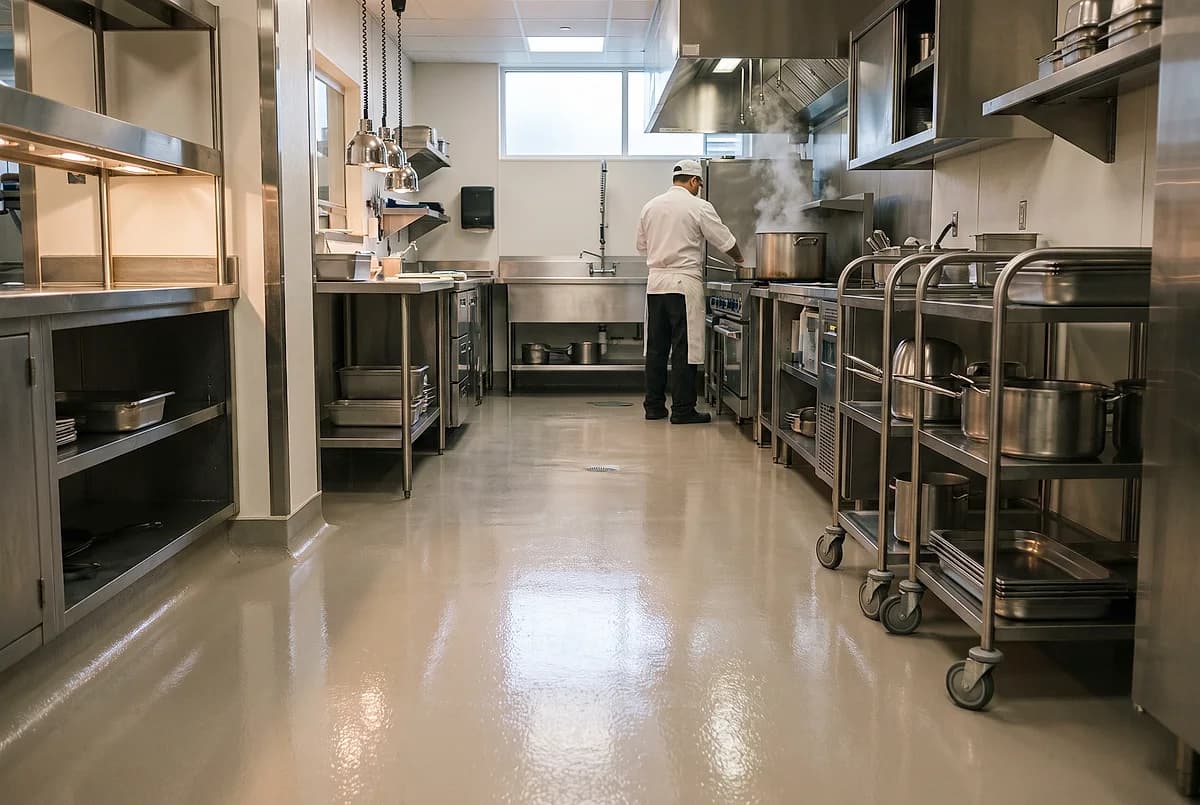
Commercial10 min read
Flooring for Hotel Wet Areas, Kitchens, and Parking Decks
Kitchens, pool decks and parking structures punish a floor daily. Which systems hold up in hotel service areas, and why.
Read it
Commercial11 min read
Specifying Floors for a New Hotel Build
For owners and architects on a new build. What to write into the flooring spec so the hotel opens on a floor that lasts.
Read it
Tell us about the floor
Tell us the space and roughly how big it is.We come back with what it would cost and when we could start.
Prefer to talk? Call +1 844-876-5474
- Leads@
nationalconcretepolishing.net - 2200 NW 32nd St #600,
Pompano Beach, FL 33069 Mon to Fri, 9:00 to 5:30