
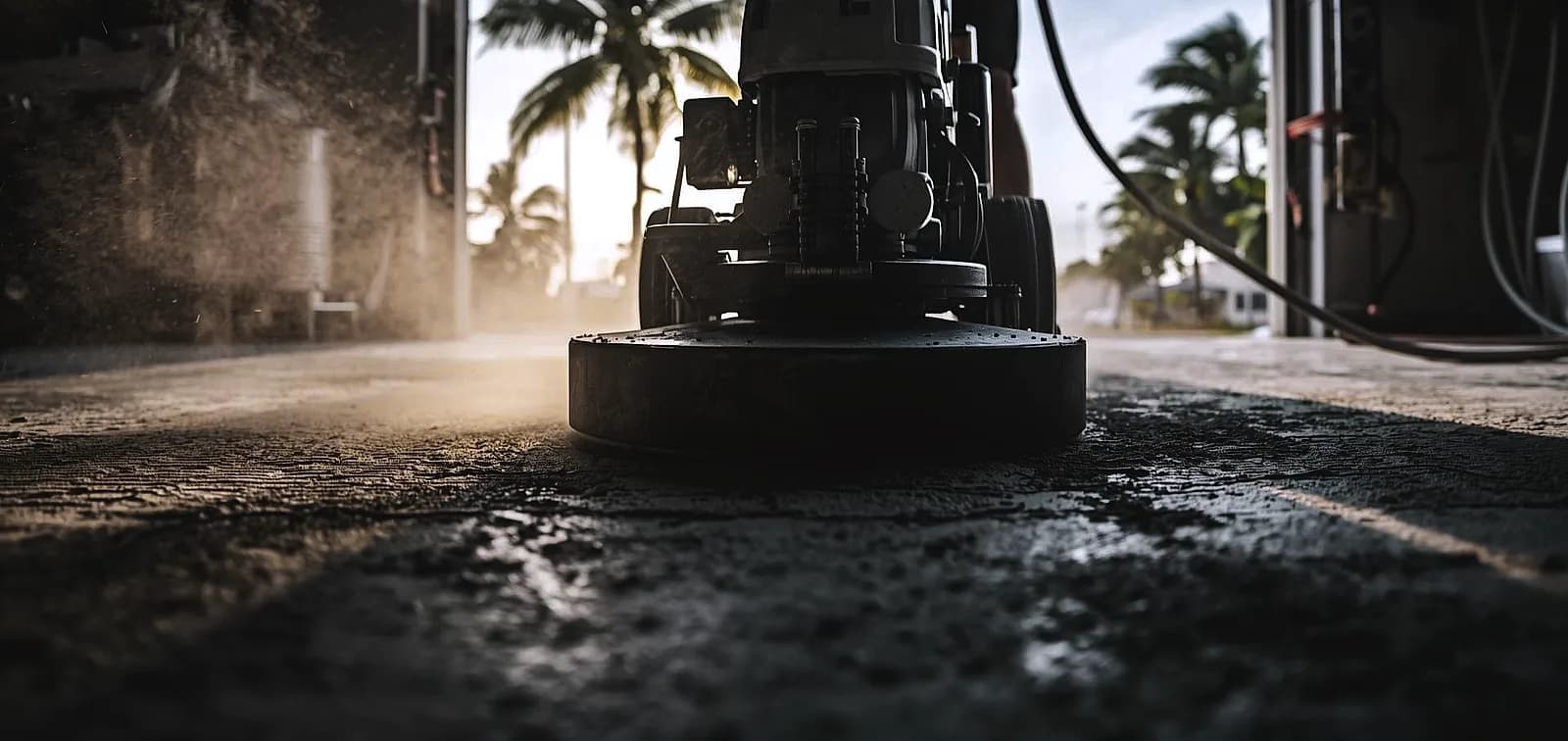
The NCP blog
How Long Does Concrete Polishing Take in South Florida?
Polished concrete8 min read
Project timelines vary significantly based on space type, floor condition, and desired finish level.
How long does concrete polishing take in South Florida? Most residential projects finish in 2-3 days, while commercial spaces require 3-5 days depending on square footage and floor condition. According to the Concrete Polishing Association of America (CPAA), professional concrete polishing involves 4-8 progressive grinding stages, with each pass adding approximately 2-4 hours per 1,000 square feet. South Florida’s humidity levels averaging 76% year-round create additional curing considerations that experienced contractors factor into their timelines.
This guide breaks down exact timeframes for every phase of the concrete polishing process, factors that extend or shorten project duration, and what South Florida property owners should expect from start to finish.
Complete Timeline Breakdown by Project Type
Project timelines vary significantly based on space type, floor condition, and desired finish level. The International Concrete Repair Institute (ICRI) standards for surface preparation add 4-8 hours to any project requiring extensive grinding or repair work.
Residential Concrete Polishing Timeline
A typical South Florida home with 1,500-2,500 square feet of polished concrete flooring takes 2-3 days to complete. Smaller spaces like garages (400-600 sq ft) often finish in a single day.
Day 1: Surface preparation, crack repair, and initial coarse grinding (30-50 grit diamonds). This phase removes existing coatings, repairs damage, and establishes the concrete surface profile required for polishing.
Day 2: Progressive grinding through 100, 200, and 400 grit levels. Application of concrete densifier to harden the surface. This chemical treatment requires 20-30 minutes of dwell time before continuing.
Day 3 (if needed): Final polishing passes (800-3000 grit) and application of protective guard. High-gloss finishes achieving reflectivity standards above 70% clarity require this additional day.
Commercial Concrete Polishing Timeline
Commercial projects in South Florida typically range from 3-5 days for spaces under 10,000 square feet. Larger facilities like warehouses and manufacturing plants may require 1-2 weeks depending on operational scheduling requirements.
| Project Type | Square Footage | Timeline | Walk-On Time |
|---|---|---|---|
| Garage | 400-600 sq ft | 1 day | Immediate |
| Residential Home | 1,500-2,500 sq ft | 2-3 days | Immediate |
| Retail/Showroom | 3,000-8,000 sq ft | 3-4 days | Immediate |
| Office Building | 5,000-15,000 sq ft | 4-7 days | Immediate |
| Warehouse | 20,000+ sq ft | 1-2 weeks | Immediate |
Factors That Affect Concrete Polishing Duration
Multiple variables influence how long your project takes. Understanding these factors helps set realistic expectations and identify potential timeline extensions before work begins.
Existing Floor Condition
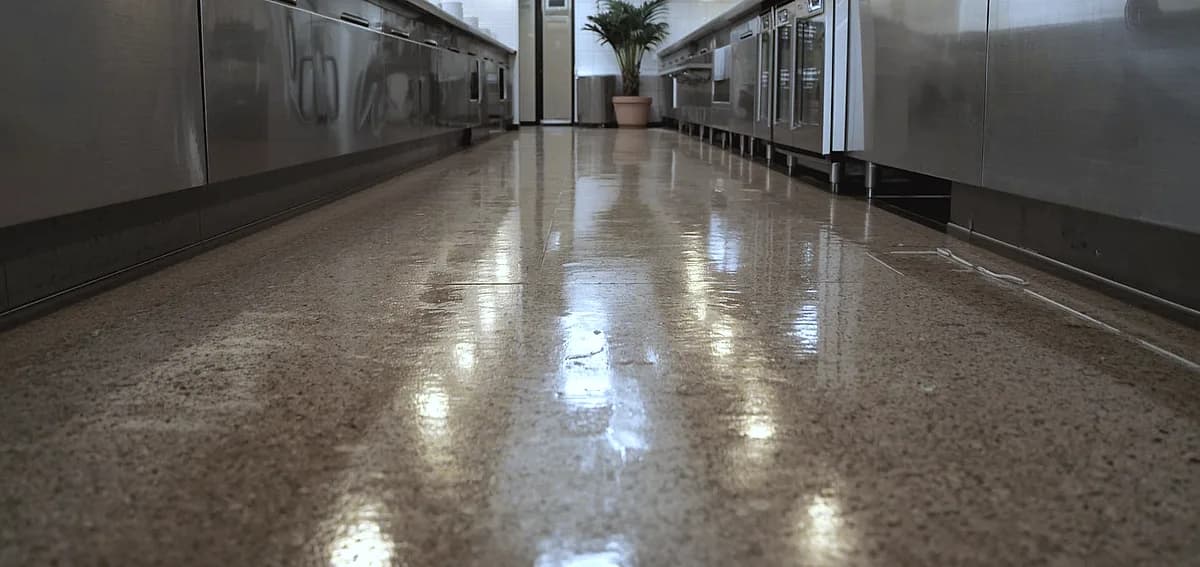
Floor condition is the single largest variable affecting project timeline. Concrete with existing coatings, severe spalling damage, or deep cracks requires extensive preparation that can add 1-2 days to the project. According to ASTM C1028 standards, surfaces must be free of contaminants and structurally sound before polishing begins.
Floors requiring coating removal: Add 4-8 hours. Existing epoxy coatings, paint, or adhesive residue must be mechanically removed through shot blasting or aggressive diamond grinding before polishing can begin.
Floors with crack repair needs: Add 4-6 hours plus overnight cure time. Structural cracks require epoxy injection, while surface cracks need polyurea or concrete resurfacing compounds that must cure before grinding continues.
Floors with moisture issues: Add 1-3 days. South Florida slabs frequently exceed acceptable moisture vapor transmission rates. ASTM F1869 calcium chloride testing determines whether moisture mitigation systems are required before proceeding.
Desired Aggregate Exposure Level
The aggregate exposure level you choose directly impacts grinding time. Deeper exposure requires removing more concrete material, which means additional grinding passes.
Class A (Cream Polish): No aggregate exposure. Surface retains original cream layer. Fastest option, minimal grinding required.
Class B (Salt & Pepper): Fine aggregate exposure. Adds 15-20% to project time compared to cream finish.
Class C (Medium Aggregate): Popular for luxury homes and commercial spaces. Adds 25-35% to project time.
Class D (Large Aggregate): Maximum stone exposure. Adds 40-50% to project time. Requires multiple heavy grinding passes to achieve consistent exposure across the entire floor.
South Florida Climate Considerations
South Florida’s tropical climate creates specific challenges that can extend project timelines. Research from the Lawrence Berkeley National Laboratory confirms that humidity levels above 60% affect concrete treatment absorption rates and drying times.
Humidity impact: South Florida averages 76% relative humidity. Densifier and guard products require 20-40% longer dwell times compared to arid climates. Professional contractors schedule these applications during morning hours when humidity tends to be lower.
Temperature effects: Ideal concrete polishing temperatures range from 50-90°F. Miami and Fort Lauderdale rarely drop below this range, but enclosed spaces without AC can exceed optimal temperatures during summer months, requiring scheduling adjustments.
Rainy season scheduling: Hurricane season (June-November) brings daily afternoon thunderstorms. Interior projects continue unaffected, but contractors may schedule around power outage risks during active tropical weather.
Step-by-Step Process with Time Estimates
Understanding each phase helps you visualize the work and plan around project milestones. The Concrete Polishing Council identifies these standard phases in professional installations.
Phase 1: Site Assessment and Preparation (2-4 hours)
Contractors evaluate floor condition using moisture testing protocols and visual inspection. They identify repairs needed, determine aggregate exposure feasibility based on slab thickness, and clear the work area. Furniture and equipment removal is typically the property owner’s responsibility.
Phase 2: Coarse Grinding (4-8 hours per 1,000 sq ft)
Using 30-50 grit metal-bonded diamonds, contractors remove surface imperfections, old coatings, and begin exposing aggregate if specified. This phase generates the most dust, managed through HEPA-filtered vacuum systems attached to grinding equipment. Multiple passes ensure consistent depth across the entire floor.
Phase 3: Crack and Joint Repair (2-6 hours + cure time)
After initial grinding reveals the true floor condition, repairs address cracks, spalls, and joint treatment requirements. Epoxy or polyurea fillers match the surrounding concrete color and require 4-24 hours to cure depending on product specifications.
Phase 4: Progressive Grinding (6-12 hours per 1,000 sq ft)
This phase transitions from metal-bonded to resin-bonded diamonds. Standard progression moves through 100, 200, and 400 grit levels. Each grit removes scratches from the previous level while creating finer scratches for the next. This systematic approach follows concrete polishing specifications established by CPAA.
Phase 5: Densifier Application (1-2 hours + dwell time)
Lithium silicate or sodium silicate densifiers penetrate the concrete matrix, reacting chemically to increase surface hardness by 30-40%. Proper densification requires 20-45 minutes of dwell time before excess product is removed. South Florida humidity may extend this window.
Phase 6: Fine Polishing (4-8 hours per 1,000 sq ft)
Resin-bonded diamonds in 800, 1500, and 3000 grit levels create the final polish. Higher grit counts produce higher gloss levels. Achieving 70%+ reflectivity for high-gloss concrete polishing requires all grit levels; lower sheen finishes may stop at 800 or 1500 grit.
Phase 7: Guard Application (1-2 hours + dry time)
A stain-resistant guard protects the polished surface from oil, water, and chemical penetration. Guards dry to foot traffic in 2-4 hours but reach full cure in 24-72 hours. During this period, avoid heavy equipment, rolling loads, and liquid spills.
Timeline Comparison: Polishing vs. Other Floor Finishes
Concrete polishing offers faster return-to-service times compared to most coating systems. This comparison helps property owners understand timing differences between finishing options.
| Finish Type | Install Time | Cure Time | Total Project |
|---|---|---|---|
| Polished Concrete | 2-5 days | Immediate walk-on | 2-5 days |
| Epoxy Coating | 1-3 days | 24-72 hours | 3-6 days |
| Polyaspartic | 1 day | 4-6 hours | 1-2 days |
| Metallic Epoxy | 2-4 days | 48-72 hours | 4-7 days |
| Stained Concrete | 1-2 days | 24-48 hours | 2-4 days |
Learn more about the differences between these finish types in our polishing vs. staining comparison and polyaspartic vs. epoxy guide.
How to Minimize Project Duration
Property owners can take several steps to ensure their concrete polishing project stays on schedule. Proper preparation before contractors arrive eliminates common delays.
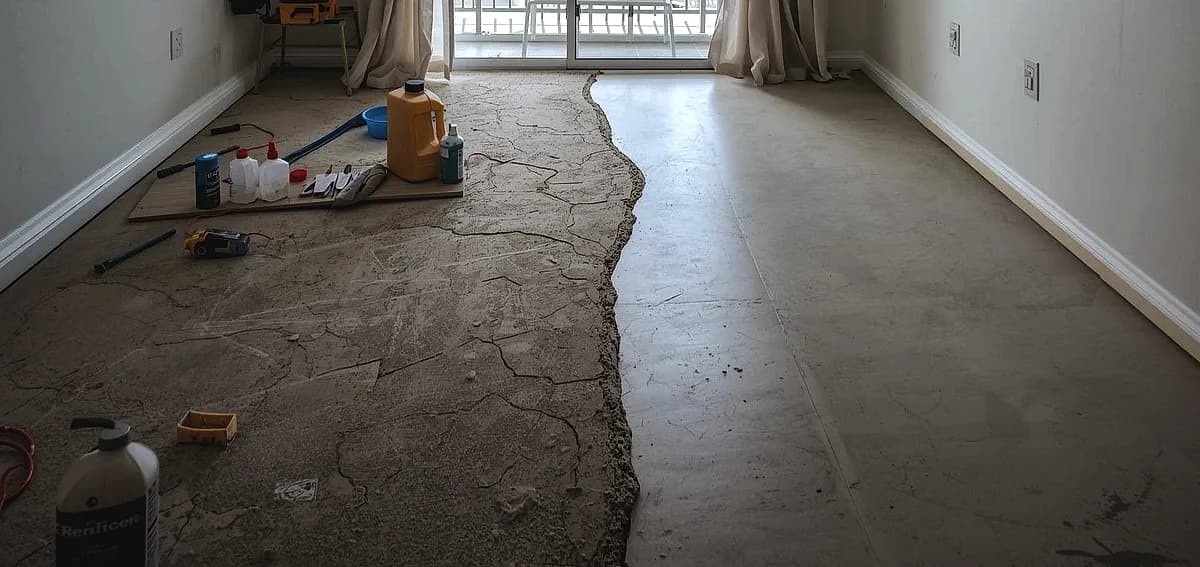
Clear the space completely: Remove all furniture, appliances, and stored items from the work area. Contractors cannot polish around obstacles, and moving items during the project adds hours to the timeline.
Address known moisture issues in advance: If you suspect slab moisture problems, schedule moisture testing before the polishing date. This allows time to install mitigation systems without delaying the main project.
Provide adequate power access: Industrial polishing equipment requires 220V power connections. Verify electrical capacity before scheduling to avoid delays sourcing generators.
Schedule during optimal conditions: Morning starts allow contractors to complete humidity-sensitive applications (densifiers, guards) before afternoon humidity peaks. Avoid scheduling during active hurricane threats when power outages may interrupt work.
Confirm access and parking: Polishing crews arrive with truck-mounted equipment. Ensure adequate parking and clear pathways from vehicles to the work area. HOA communities should coordinate access codes and parking permissions in advance.
Frequently Asked Questions
Can I walk on polished concrete immediately after completion?
Yes. Unlike epoxy and other coatings, polished concrete is ready for light foot traffic immediately after the final pass. The mechanical polishing process does not require cure time. However, if a guard sealer was applied, allow 2-4 hours before walking and 24-72 hours before heavy traffic or rolling loads.
How does project size affect the timeline?
Larger projects benefit from economies of scale. A 10,000 sq ft commercial space takes approximately 4-5 days, not 10x longer than a 1,000 sq ft project. Multiple grinding machines can operate simultaneously on larger floors, and setup/cleanup times remain constant regardless of size. However, projects over 20,000 sq ft typically require phased scheduling to maintain business operations.
Will concrete polishing disrupt my business operations?
Polishing generates noise levels between 85-95 decibels during grinding phases. For offices, restaurants, and showrooms, many contractors offer overnight or weekend scheduling at premium rates. Dust is controlled through HEPA filtration, but adjacent areas should be protected with plastic sheeting.
Does new concrete take longer to polish than old concrete?
New concrete requires a minimum 28-day cure period before polishing begins. This waiting period exceeds the actual polishing timeline. Concrete age affects polishing results significantly. Older concrete (10+ years) may require additional grinding time to remove surface carbonation and achieve consistent aggregate exposure.
What happens if unexpected repairs are needed during polishing?
Reputable contractors include contingency time for minor repairs discovered during initial grinding. Major issues like extensive cracking, hidden asbestos-containing materials, or severe moisture problems require project pauses and client consultation. A thorough pre-project assessment minimizes surprises, but buried conditions cannot always be identified before work begins.
How long does concrete polishing last once completed?
Properly maintained polished concrete floors last 20-25+ years before requiring re-polishing. The lifespan depends on traffic levels and maintenance practices. Commercial spaces may need periodic burnishing (every 2-5 years) to restore surface luster without full re-polishing.
Get an Accurate Timeline for Your South Florida Project
Every concrete floor is different. Square footage, existing condition, and desired finish level all affect how long your project will take. National Concrete Polishing provides detailed project timelines during our free on-site assessments.
We serve Miami, Fort Lauderdale, Pompano Beach, Port St. Lucie, and communities throughout South Florida. Contact us today to schedule your assessment and receive an accurate timeline estimate for your concrete polishing project.
Written by

Founder and CEO
Chris Lavin is an esteemed leader in concrete polishing and epoxy coatings with a distinguished 20-year career. As founder and CEO of National Concrete Polishing and owner of Xtreme Polishing Systems, he's renowned for polishing and epoxy coating more floors than anyone globally. Chris is recognized for his innovative approach and commitment to enhancing floor durability and aesthetics. His hands-on experience and technical proficiency make him a respected authority and a valuable resource in the field of floor polishing and coatings.
Same topic
Related articles
All stories
Polished concrete11 min read
Polished Concrete vs Epoxy Coatings: Which Floor Is Right for Your Space?
Two systems, two price curves, one slab. What each one costs to install and to keep, and which spaces each one actually suits.
Read it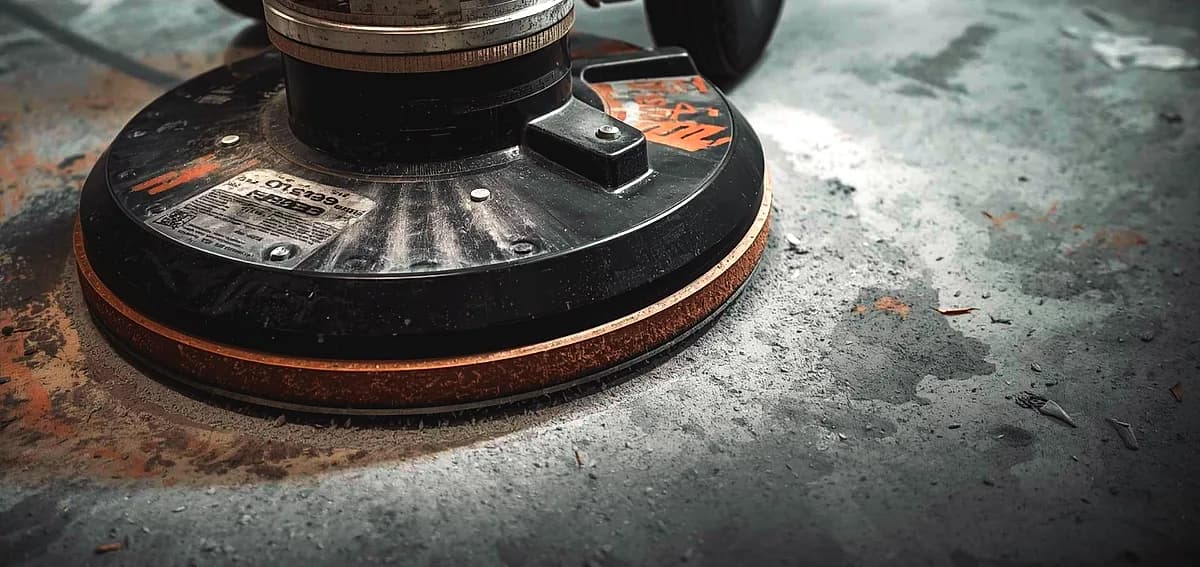
Polished concrete8 min read
What to Know Before Polishing Your Existing Concrete Slab
Before any mechanical refinement can begin, a thorough evaluation of the current foundation is required.
Read it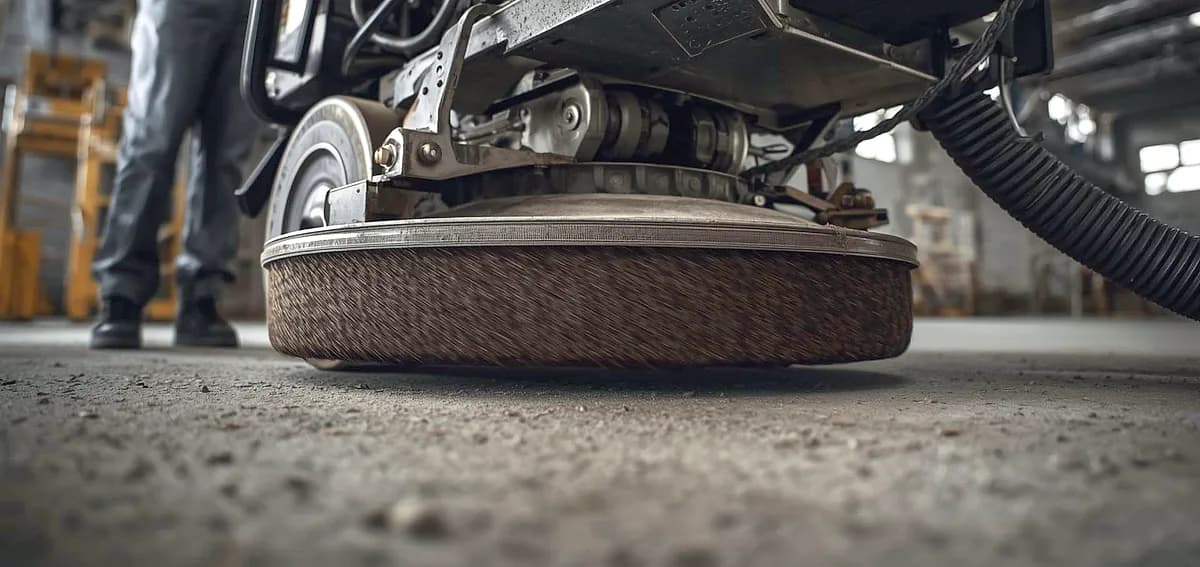
Polished concrete8 min read
Is Polished Concrete Worth the Investment for Miami Properties?
It is essential to distinguish between a simple topical seal and mechanically refined concrete.
Read it
Tell us about the floor
Tell us the space and roughly how big it is.We come back with what it would cost and when we could start.
Prefer to talk? Call +1 844-876-5474
- Leads@
nationalconcretepolishing.net - 2200 NW 32nd St #600,
Pompano Beach, FL 33069 Mon to Fri, 9:00 to 5:30