
The NCP blog
Polished Concrete vs Epoxy Coating: Which Should You Choose?
Residential9 min read
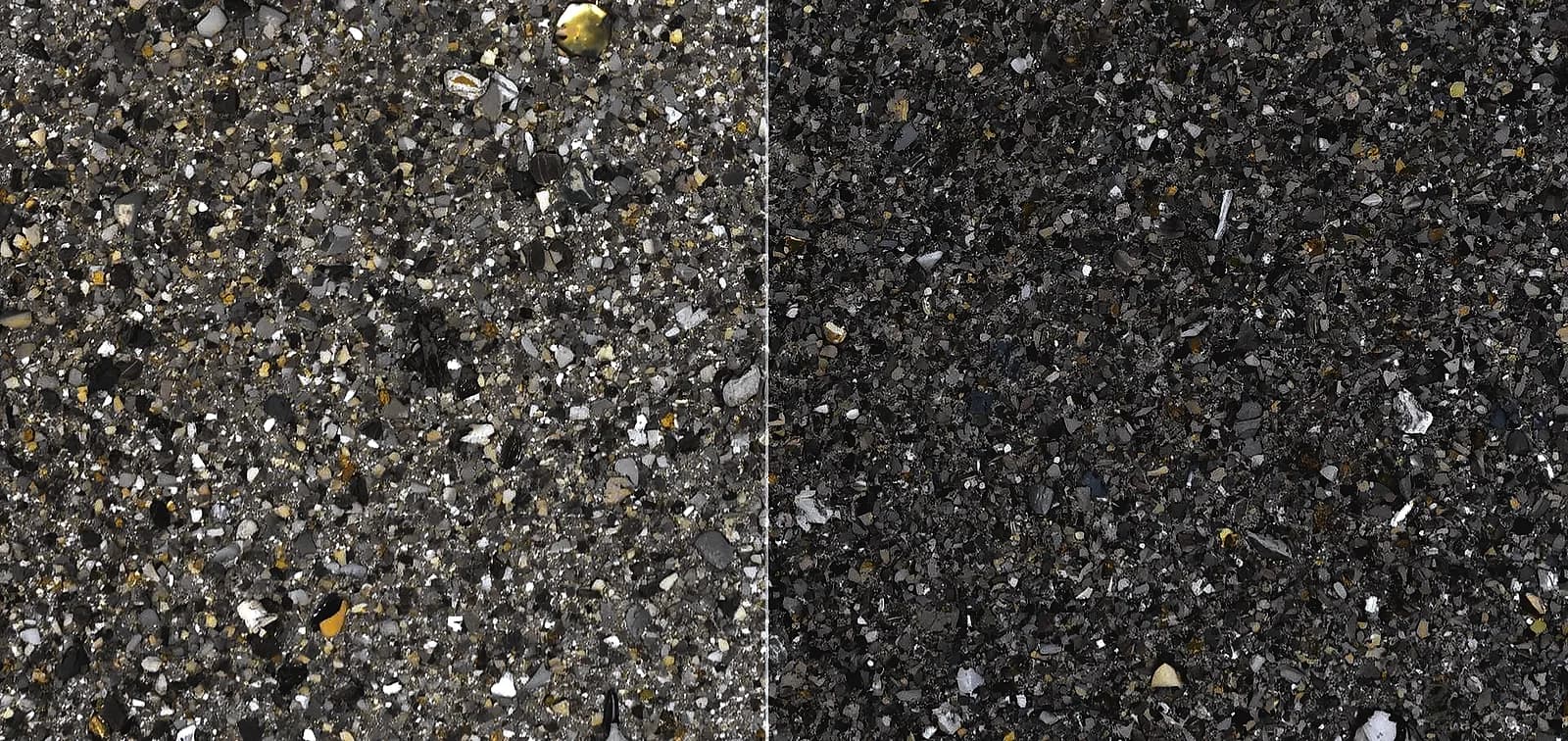
Concrete densifiers are applied during polishing to chemically harden the surface and fill microscopic pores.
Choosing between concrete polishing vs epoxy coating depends on your space’s specific needs, budget, and aesthetic preferences. Polished concrete mechanically refines your existing slab to create a sleek, glossy finish that showcases the concrete’s natural beauty, while epoxy coating applies a synthetic resin layer over concrete for a seamless, protective surface with extensive customization options. Both flooring solutions offer exceptional durability and low maintenance for Pompano Beach homes and businesses, but they differ significantly in application method, appearance, chemical resistance, and long-term performance. National Concrete Polishing helps South Florida property owners understand these critical differences to make informed decisions that maximize value and functionality.
Overview
This comprehensive comparison explores every aspect of polished concrete versus epoxy coating to help you select the ideal flooring solution. You’ll discover how each system is installed, their durability differences, maintenance requirements, cost considerations, and aesthetic possibilities. We’ll examine slip resistance, chemical resistance, moisture handling, environmental impact, and which applications suit each flooring type best.
What Is Polished Concrete?
Polished concrete involves mechanically grinding and refining the existing concrete surface through progressively finer diamond abrasives. The multi-step process begins with coarse grinding to remove surface imperfections, then advances through increasingly fine grits that create a smooth, reflective finish. Concrete densifiers are applied during polishing to chemically harden the surface and fill microscopic pores.
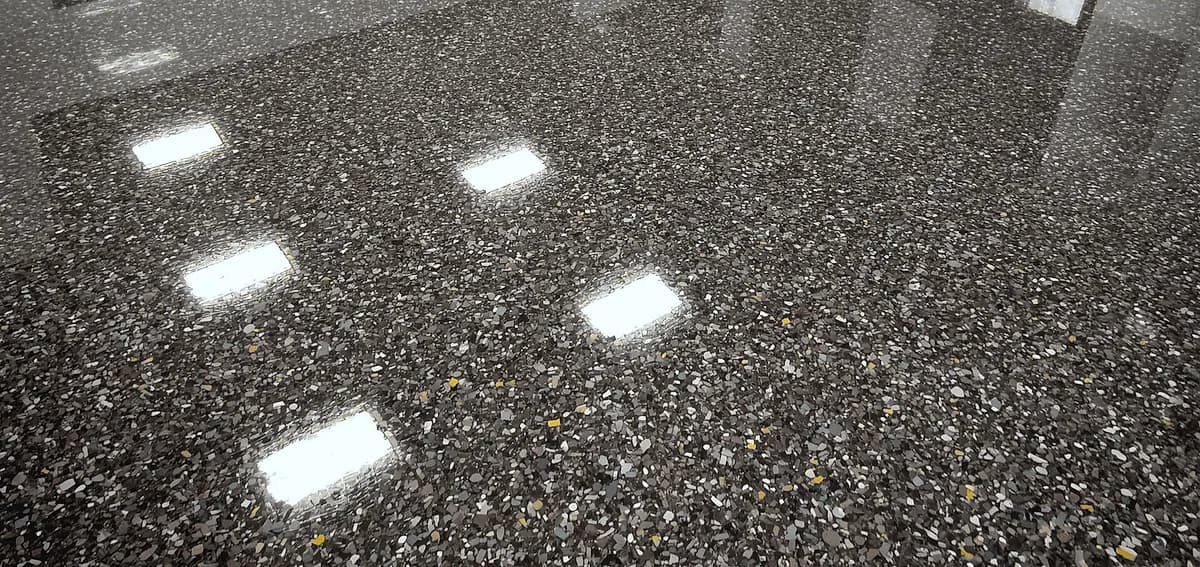
The final result showcases the concrete’s natural aggregate, color variations, and texture—creating an industrial-chic aesthetic popular in modern design. Different sheen levels from matte to high-gloss accommodate various style preferences. Unlike coatings that sit on top of concrete, polished concrete becomes an integral part of the slab itself, enhancing rather than covering the existing material.
What Is Epoxy Coating?
Epoxy coating consists of a two-part resin system—epoxy resin and hardener—that chemically reacts to form a rigid plastic material bonded to concrete surfaces. The installation process requires thorough surface preparation, primer application, one or more base coats, optional decorative elements, and a protective topcoat. This multi-layer system creates an entirely new surface over the existing concrete.
Epoxy systems offer virtually unlimited customization through color selection, decorative flakes, metallic pigments, and pattern options. The seamless, non-porous surface provides exceptional protection against chemicals, stains, and moisture penetration.
Durability Comparison
Polished concrete delivers remarkable durability through the grinding and densifying process that significantly increases surface hardness. The mechanically refined surface resists wear from heavy foot traffic, wheeled equipment, and abrasion better than untreated concrete. Properly polished concrete can last decades with minimal maintenance in commercial and industrial environments.
Epoxy coatings excel in impact resistance—their resin-based surface absorbs shock from dropped tools, machinery, and forklift traffic better than polished concrete. However, epoxy can chip or scratch from sharp impacts, though these damages are repairable. Both systems handle normal wear exceptionally well, but polished concrete edges out epoxy for pure abrasion resistance while epoxy wins for impact and chemical exposure.
Installation Process & Timeline
Polished concrete installation typically requires 3-6 days depending on project size and desired finish level. The process involves diamond grinding through multiple grit levels, densifier application, and final polishing. Once complete, the floor is immediately usable with no curing time required.
Epoxy installation takes 3-5 days including surface prep, primer application, base coat, and topcoat. However, curing time adds 24-72 hours before foot traffic and 5-7 days before heavy equipment use. The more complex installation process requires precise surface profile preparation, moisture testing, and controlled environmental conditions during application.
Cost Analysis
Polished concrete generally costs less initially, ranging from $3-$8 per square foot depending on finish level and complexity. Since it works with existing concrete, material costs remain lower, though specialized grinding equipment and skilled labor still represent significant expenses. Long-term maintenance costs stay minimal due to the floor’s inherent durability and simple cleaning requirements.
Epoxy coating costs typically range from $3-$12 per square foot based on system type and decorative options. Basic solid-color systems cost less while metallic epoxy and complex designs increase prices. Higher upfront investment may deliver long-term savings in harsh chemical environments where epoxy’s protective qualities reduce repair frequency.
Aesthetic Differences
Polished concrete offers a natural, minimalist aesthetic that showcases the concrete’s inherent character—exposed aggregates, subtle color variations, and authentic industrial charm. Different polish levels from low-sheen matte to mirror-like gloss accommodate various design preferences. Decorative concrete options include staining, scoring, and aggregate exposure for customization while maintaining the material’s natural appearance.
Epoxy coatings provide virtually unlimited aesthetic possibilities through custom colors, patterns, and textures. Solid colors create clean, professional looks while decorative flake systems add visual interest and texture. Metallic epoxy creates stunning three-dimensional effects, and specialty options offer unique personalization.
Maintenance Requirements
Polished concrete maintenance remains remarkably simple—regular sweeping and damp mopping with neutral cleaners keeps surfaces looking pristine. The smooth, non-porous surface resists dirt buildup and stains, though periodic resealing every few years maintains optimal performance. No waxing or special treatments are required, making it ideal for high-traffic commercial spaces.
Epoxy floor maintenance also involves simple sweeping and mopping with pH-neutral cleaners. While epoxy resists stains better than polished concrete, the coating may require topcoat reapplication every 5-10 years to maintain appearance. Both systems deliver low-maintenance performance.
Chemical Resistance
Polished concrete offers limited chemical resistance—heavy acids, automotive fluids, and harsh chemicals can etch or stain the surface over time. Protective sealers improve resistance but don’t match epoxy’s performance. For spaces handling corrosive substances, additional acid-resistant coatings become necessary to protect polished concrete.
Epoxy coatings excel in chemical resistance—the non-porous resin surface prevents gas, oil, grease, solvents, and most chemicals from penetrating or staining. This makes epoxy ideal for automotive shops, manufacturing facilities, and commercial kitchens where chemical exposure is routine. Proper epoxy systems withstand prolonged chemical contact without degradation.
Moisture & Humidity Performance
Polished concrete handles moisture relatively well when properly sealed—the densified surface prevents liquid penetration and reduces mold risk. The breathable nature allows moisture vapor to escape, preventing subsurface buildup that causes other flooring failures. Coastal applications benefit from polished concrete’s ability to handle humidity without trapping moisture.
Epoxy’s moisture performance is more complex—once cured, the non-porous surface provides excellent waterproofing. However, epoxy doesn’t adhere well in damp environments and traps subsurface moisture, potentially causing delamination if applied over wet concrete. Proper moisture testing and moisture-mitigating primers are essential for South Florida installations.
Slip Resistance & Safety
Polished concrete can become slippery when wet, particularly at higher gloss levels. Slip-resistant treatments and lower-sheen finishes improve traction for safety-critical areas. The natural texture of exposed aggregate provides some slip resistance, though additional measures may be necessary for wet environments.
Epoxy floors offer superior slip resistance when anti-slip additives are incorporated during installation. Grit can be broadcast into the topcoat for maximum traction in commercial kitchens, healthcare facilities, and wet work areas. Decorative flake systems naturally provide texture that enhances slip resistance without compromising aesthetics.
Light Reflectivity
Polished concrete increases light reflectivity by up to 100%, significantly brightening spaces and reducing lighting costs. The mirror-like finish of high-gloss polished concrete creates ambient lighting effects that enhance retail environments, showrooms, and commercial spaces.
Epoxy coatings deliver even greater reflectivity—up to 300% improvement in light reflection. The glossy, seamless surface maximizes light bounce, making epoxy ideal for warehouses, manufacturing facilities, and any space where enhanced visibility improves safety and reduces energy consumption. White and light-colored epoxy systems maximize this reflective advantage.
Best Applications for Polished Concrete
Polished concrete excels in retail stores, shopping centers, and showrooms where aesthetic appeal and durability matter. Office buildings, schools, and public buildings benefit from low maintenance and high traffic resistance. Residential applications include modern homes, basements, and open-concept living spaces where industrial-chic aesthetics appeal.
Hospitality venues, restaurants, and museums appreciate polished concrete’s sophisticated appearance and easy maintenance. The flooring works well in spaces without heavy chemical exposure or extreme impact conditions.
Best Applications for Epoxy Coating
Epoxy coating dominates industrial environments including warehouses, manufacturing plants, and loading docks where chemical resistance and impact protection are essential. Automotive shops, dealerships, and service centers benefit from oil and chemical resistance.
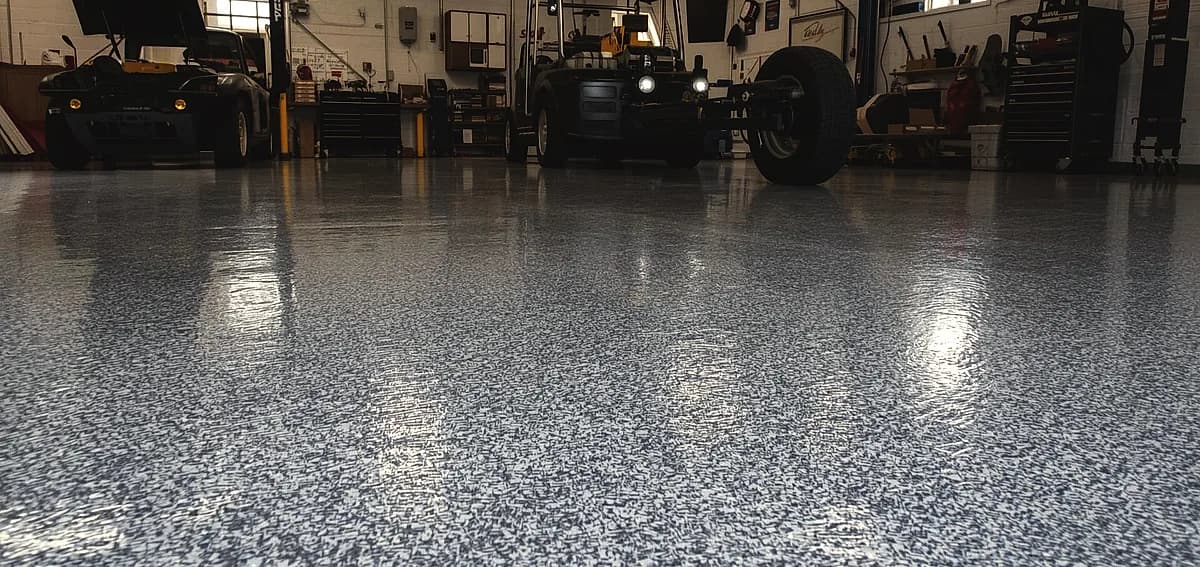
Commercial kitchens, food processing facilities, and healthcare environments require epoxy’s seamless, sanitary surface. Residential garages represent the most common home application, though basement floors and recreational spaces also benefit from epoxy’s versatility.
Lifespan Expectations
Polished concrete can last 20+ years with proper maintenance, and in many cases, the lifetime of the building itself. Since polishing becomes part of the concrete slab rather than a surface coating, wear occurs gradually over decades. Periodic repolishing every 10-15 years can restore like-new appearance without complete reinstallation.
Epoxy coatings typically last 10-20 years depending on traffic levels, chemical exposure, and maintenance. Topcoat reapplication every 5-10 years extends lifespan without full system replacement. Heavy industrial use may shorten lifespan to 7-10 years, while residential applications often exceed 15-20 years with minimal wear.
Climate Considerations for South Florida
South Florida’s humidity affects both flooring systems differently—polished concrete’s breathable nature handles moisture vapor well in coastal environments. Salt air exposure requires proper sealing to prevent surface degradation.
Epoxy installation in Miami demands careful moisture management and climate control during application. High humidity can slow curing and affect adhesion if not properly managed. Temperature stability between 60-85°F during installation ensures optimal performance.
Making Your Decision
Choose polished concrete when you prefer natural aesthetics, need immediate floor use after installation, want minimal long-term maintenance, and don’t face heavy chemical exposure. Budget-conscious projects with existing quality concrete slabs benefit from polished concrete’s lower initial cost.
Select epoxy coating when chemical resistance is critical, customization and color options matter, you need waterproof surfaces, or impact protection exceeds abrasion concerns. Commercial environments with harsh conditions justify epoxy’s higher cost through extended protection and reduced damage.
Frequently Asked Questions
Which is more durable—polished concrete or epoxy coating?
Both offer excellent durability, but polished concrete excels in abrasion resistance while epoxy provides superior impact and chemical resistance.
Is polished concrete cheaper than epoxy?
Yes, polished concrete generally costs $3-$8 per square foot versus epoxy’s $3-$12 range, though specific applications affect final pricing.
How long does each flooring system last?
Polished concrete can last 20+ years while epoxy typically lasts 10-20 years depending on traffic and maintenance.
Which requires less maintenance?
Both require minimal maintenance, though polished concrete edges out epoxy slightly due to its integrated surface that never needs recoating.
Can epoxy be applied over polished concrete?
Yes, though proper surface preparation including etching or grinding is necessary to ensure adequate adhesion.
Which is better for garages?
Epoxy typically performs better in garages due to superior chemical resistance against automotive fluids and stains.
Is one more slippery than the other?
Polished concrete can be slippery when wet, while epoxy with anti-slip additives provides superior traction.
Which offers better light reflectivity?
Epoxy increases reflectivity by up to 300% compared to polished concrete’s 100% improvement.
Are these flooring systems environmentally friendly?
Polished concrete is more eco-friendly using existing materials and minimal chemicals, while epoxy varies based on product formulation.
How do they handle moisture in humid climates?
Polished concrete breathes and handles humidity well, while epoxy provides waterproofing but requires moisture testing before application.
Conclusion
The choice between concrete polishing vs epoxy coating ultimately depends on your specific application requirements, aesthetic preferences, and budget considerations. Polished concrete delivers natural beauty, immediate usability, lower initial costs, and exceptional abrasion resistance ideal for retail, commercial, and residential spaces without heavy chemical exposure. Epoxy coating provides superior chemical resistance, impact protection, unlimited customization, and waterproof performance essential for industrial facilities, automotive environments, and spaces requiring enhanced safety features. Both systems offer long-lasting, low-maintenance flooring solutions that outperform traditional materials in South Florida’s demanding climate.
National Concrete Polishing’s expertise in both polished concrete and commercial epoxy flooring systems ensures Pompano Beach property owners receive honest guidance and professional installation tailored to their specific needs. Contact us today for a free consultation and discover which commercial concrete floor coatings maximize value and performance for your space.
Written by

Founder and CEO
Chris Lavin is an esteemed leader in concrete polishing and epoxy coatings with a distinguished 20-year career. As founder and CEO of National Concrete Polishing and owner of Xtreme Polishing Systems, he's renowned for polishing and epoxy coating more floors than anyone globally. Chris is recognized for his innovative approach and commitment to enhancing floor durability and aesthetics. His hands-on experience and technical proficiency make him a respected authority and a valuable resource in the field of floor polishing and coatings.
Same topic
Related articles
All stories
Residential8 min read
What Restaurants Need to Pass a Health Inspection Floor Check
It endures heavy foot traffic, dropped equipment, boiling water spills, and harsh degreasing chemicals daily.
Read it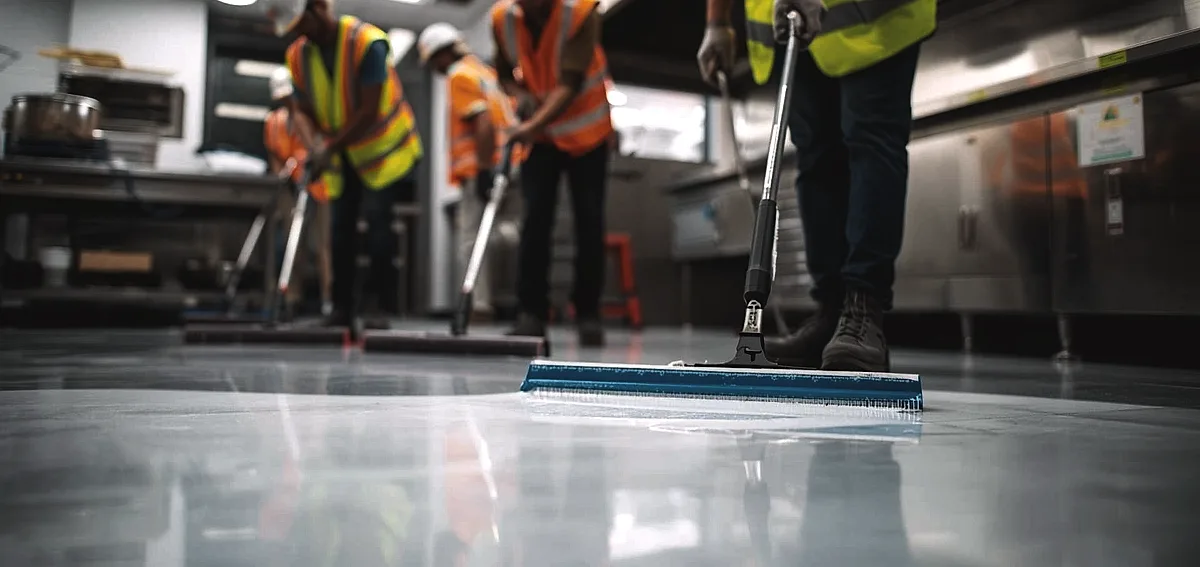
Residential9 min read
How Restaurants Replace Their Floors Without Closing for Long
The average food service establishment loses approximately $3,500 in daily revenue during unexpected closures in 2026.
Read it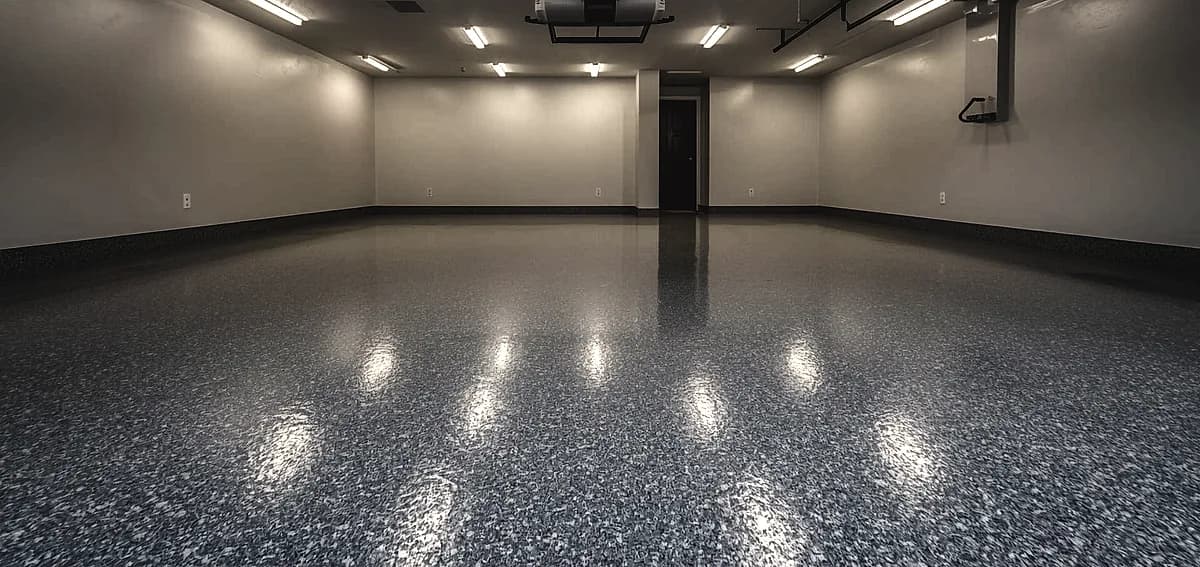
Residential8 min read
Where Polished Concrete Beats Epoxy in a Home (and Where It Doesn’t)
Before evaluating specific rooms, it is essential to understand how these two flooring systems function.
Read it
Tell us about the floor
Tell us the space and roughly how big it is.We come back with what it would cost and when we could start.
Prefer to talk? Call +1 844-876-5474
- Leads@
nationalconcretepolishing.net - 2200 NW 32nd St #600,
Pompano Beach, FL 33069 Mon to Fri, 9:00 to 5:30