
The NCP blog
Is Polished Concrete Worth the Investment for Miami Properties?
Polished concrete8 min read
It is essential to distinguish between a simple topical seal and mechanically refined concrete.
The average cost to mechanically polish an existing concrete floor ranges from $3 to $12 per square foot in 2026, depending on the level of aggregate exposure and structural condition. If you are considering this resilient flooring option for a commercial facility or custom home, you may be wondering what specific factors drive this initial expense. We have the right article for you, covering the specialized labor, heavy-duty equipment, and intricate surface preparation processes that make concrete refinement a premium flooring choice.
Understanding the True Cost of Floor Refinement
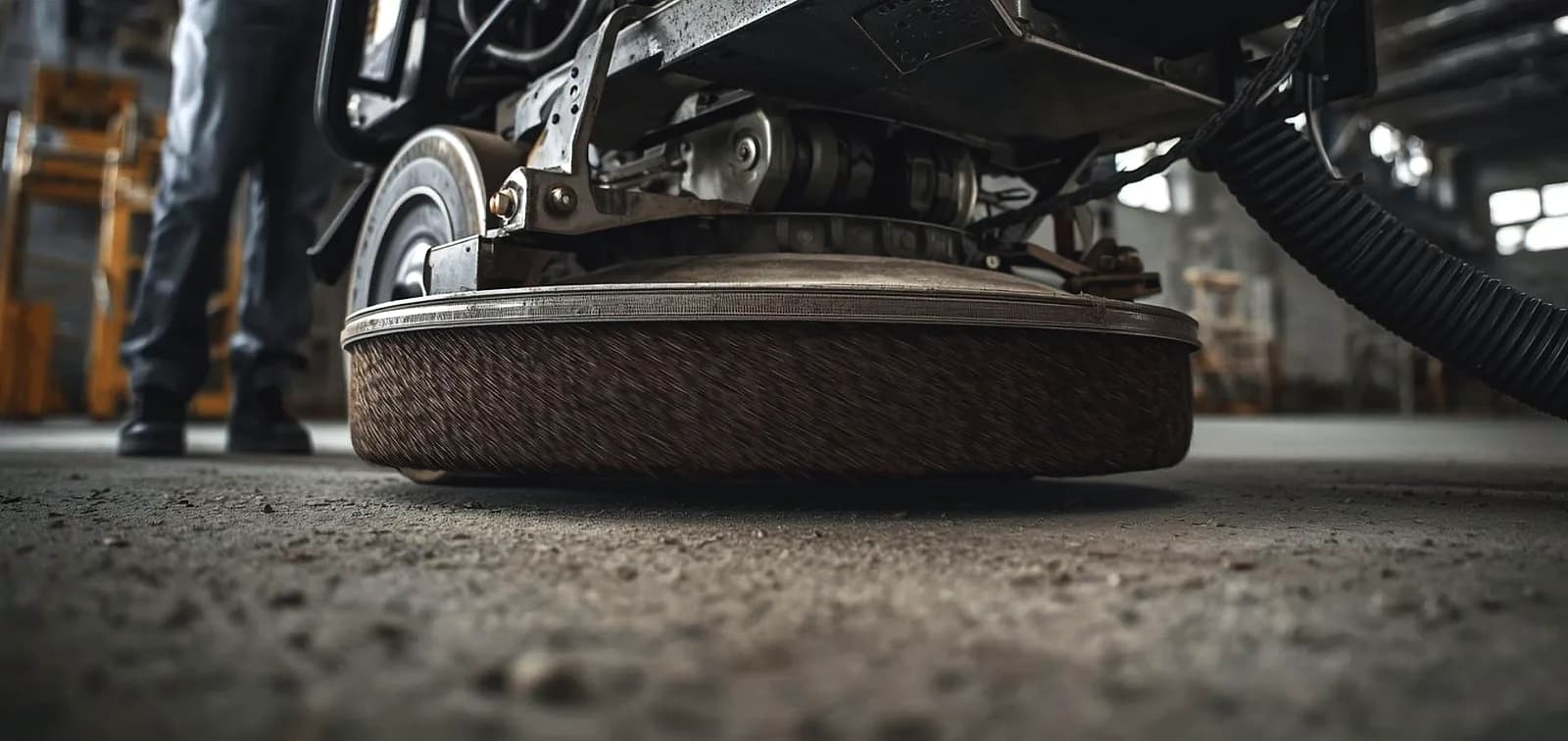
It is essential to distinguish between a simple topical seal and mechanically refined concrete. Many property owners assume that creating a high-gloss floor simply involves rolling a clear liquid over an existing slab. In reality, creating a truly polished surface requires physically altering the concrete structure through progressive abrasion. This process demands heavy machinery, industrial power sources, and significant labor hours.
According to the Portland Cement Association, mechanical polishing fundamentally changes the microscopic surface of the concrete. The procedure removes the soft, porous top layer to reveal the harder aggregate beneath. Achieving this result safely and consistently requires technicians with extensive training. Our professionals at NCP undergo rigorous certification to operate planetary grinders and safely manage hazardous silica dust.
As Marcus Thorne, Director of Operations at the National Floor Safety Institute, explains: ‘The initial investment in polished concrete reflects the highly technical progression of industrial diamond grits, not just the raw materials. It is a permanent architectural refinement.’
Factors That Affect Concrete Polishing Pricing
Multiple variables influence the final price per square foot when you hire professionals for surface refinement. It is advisable to have an expert evaluate your specific site before establishing a final budget. The following elements consistently dictate the required investment.
1. The Condition of Your Existing Slab
Your current floor acts as the canvas for the entire project. If the existing concrete requires extensive repair, the cost will increase accordingly. Technicians must address spalling (flaking or chipping), deep cracks, and uneven elevations before the grinding equipment can safely operate. Repairing these defects involves specialized polymer-modified overlays and joint fillers.
Floors previously covered with carpet, tile, or thick coatings require heavy scraping and mastic removal. Removing old glue and epoxy layers consumes additional labor hours and rapidly depletes aggressive scraping tools. A pristine, newly poured slab will generally cost significantly less to polish than a heavily damaged industrial floor.
2. Square Footage and Floor Plan Complexity
The total size of your facility plays a direct role in pricing. Larger open spaces generally benefit from economies of scale, allowing technicians to use ride-on equipment that covers massive areas quickly. In these scenarios, the cost per square foot typically decreases. A 10,000-square-foot warehouse is highly efficient to process.
Conversely, small spaces with numerous small rooms, tight corners, and structural columns require manual hand-grinding. Hand-grinding is extremely labor-intensive and slows down the overall timeline. Residential projects often face higher per-square-foot rates precisely due to these complex, restricted layouts.
3. The Required Level of Gloss and Aggregate Exposure
You have distinct choices regarding the final appearance of your floor. The desired gloss level directly dictates how many grinding steps the crew must perform. A low-gloss matte finish may only require a 400-grit resin pad. Achieving a mirror-like, high-gloss finish requires progressing up to a 3,000-grit pad.
Aggregate exposure refers to how much of the stone inside the concrete is visible. A “cream polish” barely scratches the surface, leaving a uniform gray appearance. A “large aggregate” finish requires grinding off up to a quarter-inch of the top layer to reveal large stones. Removing that volume of solid material requires aggressive tooling, vastly increasing the project timeline and cost.
4. Specialized Tooling and Diamond Abrasives
The equipment required for this service is highly specialized. Professional planetary floor grinders often cost upwards of $20,000 each. Furthermore, the industrial vacuums required for OSHA-compliant silica dust extraction are equally expensive. This heavy machinery represents a significant capital investment for professional contractors.
The diamond abrasive pads attached to these machines are consumable items. The friction of grinding solid stone causes these abrasive pads to wear down rapidly. In a single commercial project, a crew may consume thousands of dollars worth of metal-bonded and resin-bonded diamond tooling.
5. Chemical Densifiers and Stain Guards
Mechanical grinding alone is not sufficient to protect your floor. Technicians must apply a liquid chemical densifier, typically a lithium silicate hardener. This chemical penetrates the open pores of the slab, reacting with free calcium hydroxide to create crystalline structures. This vital step hardens the surface and prevents future dusting.
After reaching the final gloss level, applying a micro-topping or penetrating stain guard provides oil and water resistance. Research from the U.S. Green Building Council shows that properly densified and sealed concrete greatly contributes to sustainable building practices by eliminating the need for harsh cleaning chemicals later.
Comparing the Cost: Refined Slabs Versus Other Materials
To understand the value of this flooring solution, it is helpful to compare it against alternative commercial finishes. While the initial mechanical process appears costly, the absence of replacement cycles changes the financial equation entirely.
| Flooring Type | Initial Cost (2026 Est.) | Expected Lifespan | Maintenance Requirements |
|---|---|---|---|
| Mechanically Refined Concrete | $3 – $12 / sq. ft. | 20+ Years | Low (Routine sweeping/mopping) |
| Commercial VCT Tile | $2 – $5 / sq. ft. | 10 – 15 Years | High (Frequent stripping/waxing) |
| Luxury Vinyl Plank (LVP) | $4 – $8 / sq. ft. | 10 – 20 Years | Moderate (Specialized cleaners) |
| Ceramic Tile | $7 – $15 / sq. ft. | 20+ Years | Moderate (Grout cleaning required) |
The Step-By-Step Refinement Process
Understanding the actual workflow helps clarify where the labor hours are allocated. A standard commercial project typically follows a strict, multi-day sequence of events to ensure structural integrity and visual consistency.
- Initial Assessment and Site Preparation: The crew evaluates the slab for moisture issues, marks deep cracks for structural repair, and masks off adjacent walls to protect against dust.
- Coarse Grinding: Technicians begin with aggressive 16-grit or 30-grit metal-bonded diamonds to remove the rough top layer, eliminate minor high spots, and expose the desired aggregate.
- Surface Repair and Grouting: The team fills joints, fixes spalling, and applies a polymer grout to fill microscopic pinholes revealed during the initial coarse grind.
- Honing and Densification: The process transitions to 100-grit and 200-grit resin pads. The crew applies a liquid silicate densifier to chemically harden the slab.
- Progressive Polishing: Successive passes are made using 400, 800, 1,500, and up to 3,000-grit pads until the specified gloss level is achieved.
- Final Sealing and Burnishing: A specialized stain guard is applied and then heated into the pores using a high-speed burnishing machine, locking in the shine.
The Long-Term ROI and Benefits of Refined Floors
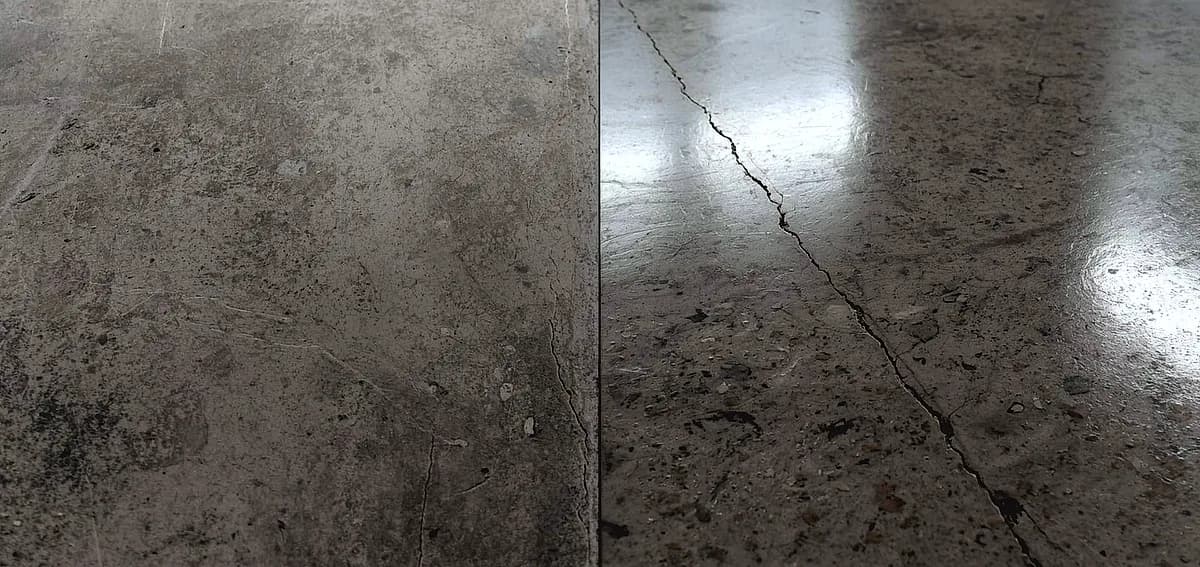
While the initial cost is significant, the total lifecycle cost is remarkably low. Traditional commercial flooring requires a constant cycle of maintenance. VCT tile demands harsh chemical strippers, multiple coats of wax, and intensive labor several times a year. Over a ten-year period, these maintenance costs frequently exceed the initial installation price of the tile.
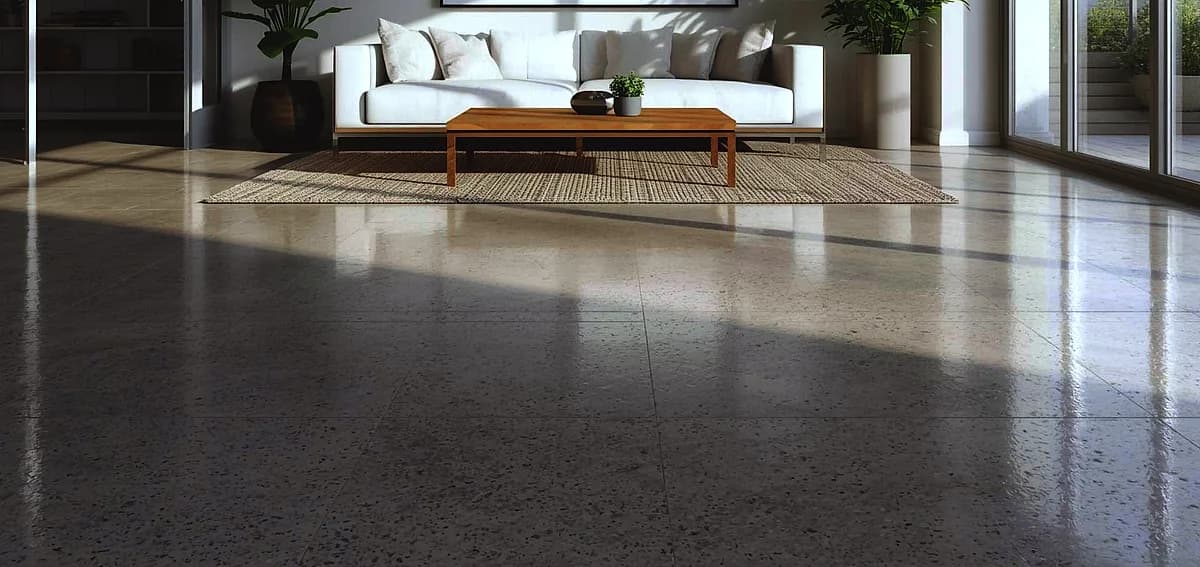
Refined slabs eliminate the need for topical waxes entirely. Routine maintenance simply involves sweeping and periodic damp mopping with a neutral pH cleaner. Furthermore, the highly reflective surface dramatically increases ambient light within a facility. This natural reflectivity can reduce lighting energy costs by up to 20 percent annually, according to data supported by the National Ready Mixed Concrete Association.
Sarah Jenkins, Lead Architect at Commercial Design Associates, states: ‘When factoring in a 20-year lifecycle, mechanically refined slabs consistently outperform traditional flooring in overall financial return. The durability is unmatched, especially in high-traffic logistics centers.’
Frequently Asked Questions
How long does a mechanically refined surface last?
When properly maintained, these floors can last 20 years or more without needing replacement. Because there is no topical coating to peel or flake, the surface withstands heavy foot and forklift traffic exceptionally well. Periodic re-burnishing can restore the initial high gloss if it dulls over a decade.
Can any existing concrete slab be polished?
Most structurally sound slabs can undergo this process. However, floors with extreme foundational cracking, severe chemical contamination, or exceptionally soft concrete may not be suitable candidates. Our professionals evaluate the compressive strength of your slab before recommending a course of action.
Does the level of shine affect the final price?
Yes, achieving a higher gloss level requires more progressive passes with finer grit diamond abrasives. A matte finish takes fewer steps and less labor, reducing the overall cost. A mirror-like finish requires maximum refinement and increases the project duration.
Are these highly reflective floors slippery?
Despite their glass-like appearance, properly refined slabs often provide greater slip resistance than traditional linoleum or waxed VCT tile. The mechanical grinding process preserves microscopic friction points. However, any hard surface can become slippery when wet, so prompt spill cleanup is essential.
How do you maintain a refined concrete surface?
Maintenance is incredibly straightforward and cost-effective. You should implement a daily dust-mopping routine to remove abrasive dirt and sand. Weekly damp mopping with a neutral pH, non-reactive cleaner keeps the surface pristine without dulling the finish.
Does the process create a lot of dust in the facility?
Professional contractors utilize advanced, OSHA-compliant dust extraction systems. Powerful HEPA vacuums are attached directly to the grinding machines, capturing up to 99 percent of airborne silica dust immediately. This allows work to proceed safely without contaminating the surrounding environment.
Will the floor crack over time?
Concrete is naturally prone to minor settling and hairline cracking due to foundational movement and freeze-thaw cycles. While the refinement process hardens the surface, it does not prevent structural settling. We incorporate flexible joint fillers during the repair phase to accommodate natural expansion safely.
Conclusion
The upfront cost of concrete refinement reflects a highly technical, multi-step process utilizing expensive diamond abrasives and heavy machinery. The condition of your existing slab, the size of the space, and your desired aesthetic directly impact the final investment. However, when you consider the complete elimination of topical waxing, the extreme durability, and the significant reduction in maintenance costs, this flooring option offers an exceptional long-term return on investment. Our professionals at NCP are ready to evaluate your existing slab and provide a transparent, detailed plan for your facility. Contact us today to start your flooring transformation.
References
- Portland Cement Association (PCA) – https://www.cement.org
- U.S. Green Building Council (USGBC) – https://www.usgbc.org
- National Ready Mixed Concrete Association (NRMCA) – https://www.nrmca.org
- Occupational Safety and Health Administration (OSHA) – https://www.osha.gov
Written by

Founder and CEO
Chris Lavin is an esteemed leader in concrete polishing and epoxy coatings with a distinguished 20-year career. As founder and CEO of National Concrete Polishing and owner of Xtreme Polishing Systems, he's renowned for polishing and epoxy coating more floors than anyone globally. Chris is recognized for his innovative approach and commitment to enhancing floor durability and aesthetics. His hands-on experience and technical proficiency make him a respected authority and a valuable resource in the field of floor polishing and coatings.
Same topic
Related articles
All stories
Polished concrete11 min read
Polished Concrete vs Epoxy Coatings: Which Floor Is Right for Your Space?
Two systems, two price curves, one slab. What each one costs to install and to keep, and which spaces each one actually suits.
Read it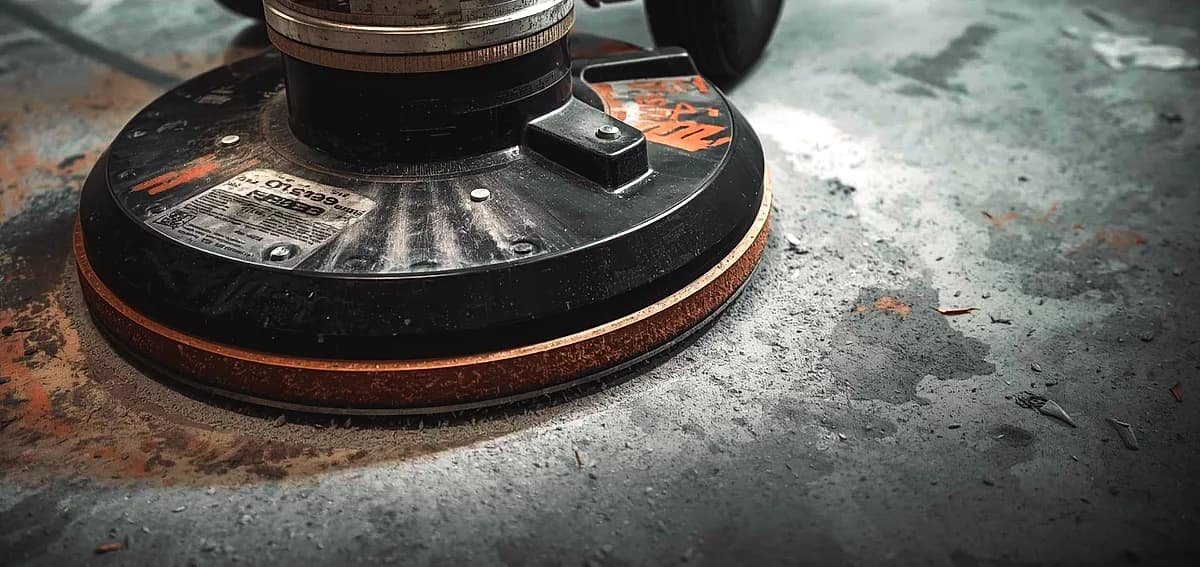
Polished concrete8 min read
What to Know Before Polishing Your Existing Concrete Slab
Before any mechanical refinement can begin, a thorough evaluation of the current foundation is required.
Read it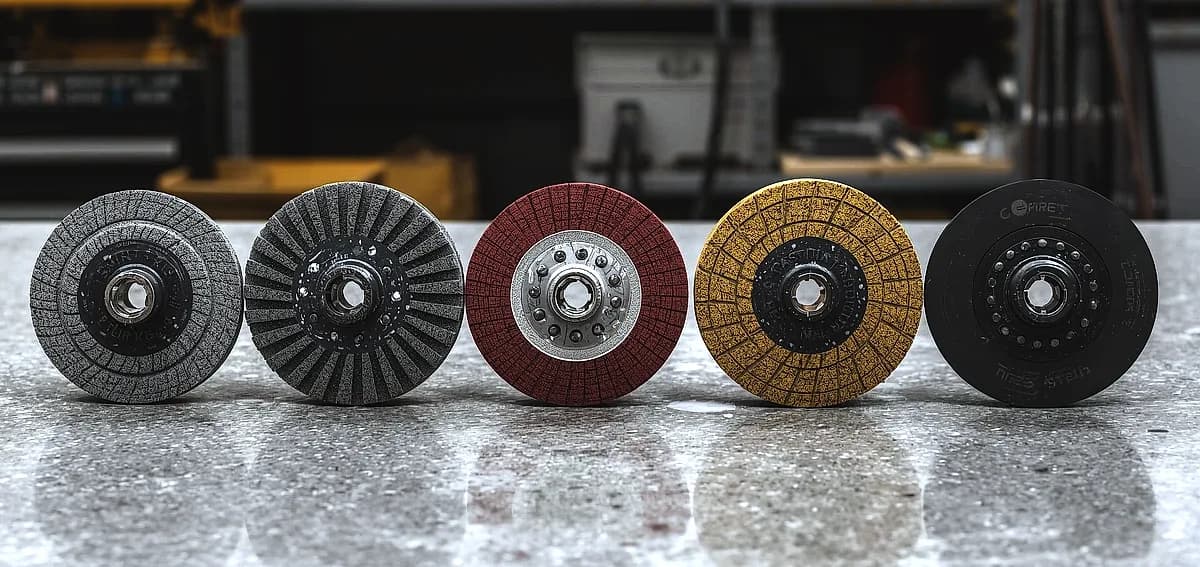
Polished concrete11 min read
Concrete Polishing Machine Rental in South Florida: What to Know
Understanding these categories helps you select the right tool for your project requirements and budget constraints.
Read it
Tell us about the floor
Tell us the space and roughly how big it is.We come back with what it would cost and when we could start.
Prefer to talk? Call +1 844-876-5474
- Leads@
nationalconcretepolishing.net - 2200 NW 32nd St #600,
Pompano Beach, FL 33069 Mon to Fri, 9:00 to 5:30