
The NCP blog
Concrete Polishing Machine Rental in South Florida: What to Know
Polished concrete11 min read
Understanding these categories helps you select the right tool for your project requirements and budget constraints.
Renting equipment for floor finishing projects in South Florida offers a practical path to achieving professional-grade results without the significant capital investment of purchasing machinery outright. Whether you’re a contractor tackling a commercial warehouse in Fort Lauderdale or a Miami homeowner looking to transform your garage space, understanding the rental process, associated costs, and operational requirements can make the difference between a successful project and a costly disappointment.
Key Takeaways
- Daily rental rates for single-head planetary polishers typically range from $150 to $400, while ride-on industrial units can cost $500 to $1,200 per day
- South Florida’s humid climate requires specific equipment specifications and moisture-testing protocols before polishing begins
- Most rental companies require a security deposit of $500 to $2,000 depending on equipment value
- Proper surface preparation accounts for approximately 60% of the overall project success
- Combining rental equipment with professional guidance significantly reduces the risk of irreversible floor damage
- Multi-day rentals often qualify for discounted rates, typically 15-25% off daily prices
- Always verify equipment maintenance records and request a demonstration before accepting the machine
Understanding Concrete Polishing Equipment Options
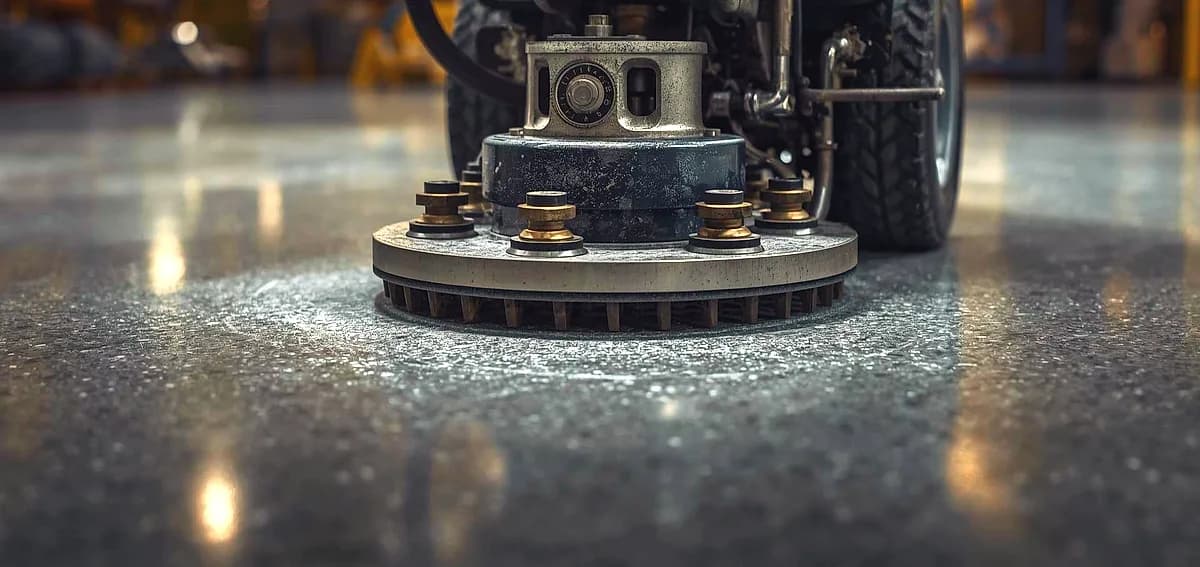
The concrete polishing equipment market offers several distinct categories of machines, each designed for specific applications and scale of work. Understanding these categories helps you select the right tool for your project requirements and budget constraints.
Single-head planetary polishers represent the most commonly rented equipment category for residential and small commercial projects. These walk-behind machines feature a rotating head with three planetary gears that distribute grinding pressure evenly across the surface. According to the American Society of Concrete Contractors (ASCC), planetary systems produce more consistent results than single-disc configurations, making them ideal for DIY renters who lack extensive experience with floor polishing equipment.
Multi-head planetary machines step up to medium-duty commercial applications, typically featuring three to five heads that can remove old coatings, level uneven surfaces, and achieve various levels of aggregate exposure. These units require more operational skill but deliver superior results on larger areas exceeding 2,000 square feet.
Ride-on industrial polishers dominate large-scale commercial and industrial projects. These self-propelled machines cover significantly more ground per hour but require certified operators and substantial electrical infrastructure. Research from the Concrete Foundation Council indicates that ride-on units can complete polishing jobs 4-6 times faster than walk-behind alternatives, though the rental premium reflects this productivity advantage.
Daily and Weekly Rental Rate Breakdown
Equipment rental pricing in South Florida varies based on machine specifications, rental duration, and seasonal demand patterns. Understanding these variables helps you budget accurately and identify opportunities for cost optimization.
| Equipment Category | Daily Rate | Weekly Rate | Best Use Case |
|---|---|---|---|
| Single-head planetary (7.5 HP) | $150 – $250 | $750 – $1,200 | Residential garages, small patios |
| Multi-head planetary (3-head) | $275 – $400 | $1,375 – $2,000 | Medium retail spaces, offices |
| Multi-head planetary (5-head) | $400 – $550 | $2,000 – $2,750 | Large commercial areas |
| Ride-on industrial polisher | $800 – $1,200 | $4,000 – $6,000 | Warehouses, industrial facilities |
| Edge grinder (handheld) | $75 – $125 | $375 – $625 | Corner and wall-edge work |
These rates typically exclude consumables such as diamond grinding pads, which add $200 to $500 depending on project size and desired finish level. Additional costs may include delivery and pickup fees ranging from $75 to $200 each way, fuel or electricity charges, and optional protective equipment packages.
Essential Factors Affecting Your Rental Decision
Concrete Condition Assessment
Before renting equipment, a thorough concrete condition assessment determines the scope of work and identifies potential complications. This evaluation should examine surface flatness using a digital level, moisture content through calcium chloride testing, and existing coatings or contaminants that require removal.
South Florida’s high water table and humidity levels create unique challenges for concrete floor preparation. The Portland Cement Association notes that moisture vapor transmission rates in coastal regions can exceed内陆 areas by 40-60%, potentially causing polishing failures if not properly addressed. Professional moisture testing should always precede rental equipment selection.
Voltage and Power Requirements
Concrete polishing machines require substantial electrical supply, and power availability often limits equipment selection. Single-phase 220-volt outlets accommodate most walk-behind planetary polishers, while ride-on industrial units typically require three-phase power supply.
Before renting, verify that your facility’s electrical panel can handle the machine’s amperage requirements. Most planetary polishers draw 20-30 amps at 220 volts, requiring dedicated circuit breakers. Attempting to operate equipment on undersized electrical infrastructure creates safety hazards and may damage both the machine and your building’s electrical system.
Diamond Tool Progression
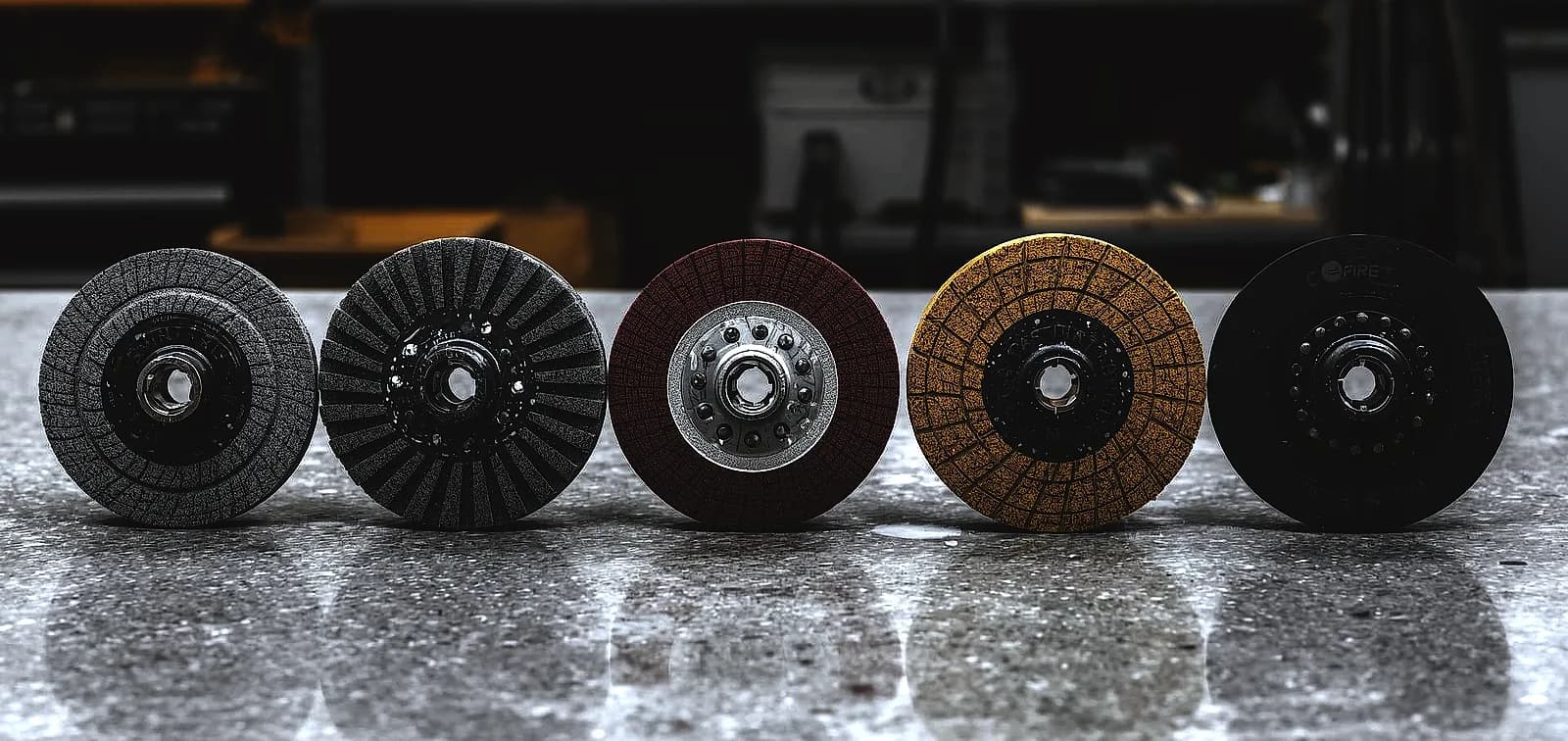
Achieving a professional polish requires multiple passes with progressively finer diamond abrasives. The standard progression includes 16-30 grit metal-bonded diamonds for initial coating removal and surface leveling, followed by 80-120 grit transition stages, then 200-400 grit resin-bonded pads for refinement, and finally 800-3000 grit polishing compounds for the final shine.
Each grit level requires a complete floor pass before advancing, meaning a typical project involves four to six complete passes. Renting equipment without budgeting sufficient time for this progression often results in substandard finishes that cannot be corrected without re-renting equipment for additional days.
The Concrete Polishing Process: Step by Step
Understanding the complete polishing workflow helps you plan rental duration accurately and achieve consistent results. Each phase builds upon the previous, making skipped steps impossible to correct later.
Step 1: Surface Preparation and Cleaning
Remove all furniture, equipment, and debris from the work area. Clean the concrete surface using a degreaser specifically formulated for concrete, addressing any oil stains or contamination that could interfere with bonding. Allow the floor to dry completely before proceeding.
Step 2: Initial Grinding Pass
Begin with the coarsest diamond grit appropriate for your surface condition, typically 16-30 grit for coated floors or 80 grit for bare concrete. Make overlapping passes across the entire surface, maintaining consistent speed and pressure. This pass removes surface contaminants, levels minor imperfections, and opens the concrete pores for subsequent processing.
Step 3: Densifier Application
After achieving the initial grind and cleaning debris, apply a concrete densifier according to manufacturer specifications. Densifiers react with calcium hydroxide in concrete to create a harder, more resistant surface that accepts polish more readily. Allow the densifier to cure for the specified time, typically 24-72 hours depending on product and ambient conditions.
Step 4: Progressive Grinding
Continue through the diamond grit progression, cleaning between each grit level. Each transition requires careful attention to remove all scratches from the previous pass. Inadequate scratch removal at each stage compounds through subsequent passes, resulting in visible defects in the final finish.
Step 5: Polishing and Densification
Once you reach the 200-400 grit range, switch to resin-bonded polishing pads. Continue through 800, 1500, and finally 3000 grit for a high-gloss finish. Some applications benefit from additional densifier applications during the polishing phase to enhance hardness and shine retention.
Step 6: Edge Work and Detailing
Use a handheld edge grinder to polish areas inaccessible to the main machine, typically within 6 inches of walls and around columns or obstacles. Blend these areas carefully to match the main floor finish, feathering the transition to avoid visible lines.
Step 7: Protection and Maintenance
Apply a penetrating sealer or guard product to protect the polished surface from staining and simplify maintenance. Allow appropriate cure time before returning furniture or opening the space to traffic.
DIY Versus Professional Installation: Making the Right Choice
While equipment rental enables skilled DIYers to achieve professional results, several factors determine whether this approach suits your specific situation.
DIY polishing makes economic sense when you have multiple areas to complete, possess adequate time for proper preparation and execution, have experience operating heavy machinery, and understand the technical requirements of concrete surface preparation. The primary savings come from labor costs, which typically represent 50-70% of professional installation pricing.
However, professional installation becomes more cost-effective when dealing with damaged or contaminated concrete requiring specialized repair, large areas where rental duration costs approach professional labor rates, complex projects involving multiple rooms or levels, or situations where mistakes would be extremely costly to remediate.
As Mike Chambers, Regional Manager at the Concrete Polishing Association of America, explains: “The most expensive concrete polishing mistake is attempting to cut costs on equipment or expertise. A failed polish often requires complete floor replacement rather than re-polishing, transforming apparent savings into substantial losses.”
South Florida Regional Considerations
South Florida’s unique climate, construction practices, and building codes create specific considerations for concrete polishing projects that differ from other regions.
Humidity management represents the primary challenge for polishing work in Miami-Dade, Broward, and Palm Beach counties. Summer months frequently see relative humidity exceeding 80%, which affects concrete drying times, densifier cure rates, and overall working conditions. Scheduling polishing work during drier months, typically November through April, often produces better results and requires less environmental control.
Many South Florida properties feature concrete that has been previously coated with epoxy, urethane, or paint systems applied as moisture mitigation measures. These coatings often contain moisture-trapped beneath them, requiring careful testing and potentially complete removal before polishing can proceed. The Environmental Protection Agency provides guidance on proper coating removal procedures that minimize hazardous material exposure.
Building codes in Miami-Dade County require specific impact resistance standards for flooring in certain commercial applications. Polished concrete can meet these requirements when properly specified, but DIY projects may not account for these compliance needs. Consulting with local building officials before beginning work prevents costly corrections.
Common Mistakes and How to Avoid Them
Equipment rental customers frequently encounter preventable issues that compromise project outcomes. Understanding these pitfalls helps you plan more effectively and achieve better results.
Insufficient surface testing: Skipping moisture and contamination testing leads to polishing failures that become apparent only after completion. Always test before renting equipment.
Underestimating rental duration: Rushing through grit progressions to save rental days results in visible scratches and inadequate shine. Budget realistic time for each processing stage.
Ignoring edge work requirements: Main floor polishers cannot reach walls and corners. Always rent or purchase edge grinding equipment separately.
Using inappropriate diamond grit: Starting with too fine a grit prevents proper coating removal and surface preparation. Match diamond grit to your existing surface condition.
Neglecting densifier application: Polishing without densifier produces soft surfaces that scratch easily and lose shine rapidly. This step is essential, not optional.
Finding Reliable Rental Sources in South Florida
Equipment rental availability varies throughout South Florida, with concentration in commercial industrial zones and near major construction areas. Equipment supply companies in Fort Lauderdale, Miami, and West Palm Beach typically maintain the broadest inventories of concrete finishing equipment.
When evaluating rental sources, request maintenance records demonstrating recent service, ask for equipment demonstrations before accepting delivery, verify insurance requirements and liability coverage, compare delivery and pickup logistics and costs, and check customer reviews regarding equipment reliability and support.
Some equipment suppliers offer bundled packages that include machines, diamond consumables, densifiers, and technical support at package rates. These bundles often provide better value than component rental, particularly for first-time users who benefit from professional guidance.
Maximizing Your Rental Investment
Strategic planning maximizes the value of every rental dollar spent. Consider these optimization strategies for your next concrete polishing project.
Schedule work during off-peak seasons, typically summer months for commercial properties, to access better rental rates and broader equipment availability. Multi-day rentals typically qualify for 15-25% discounts compared to single-day rates, making extended projects more economical.
Prepare your workspace completely before equipment delivery. Having the area clean, cleared, and ready for work prevents rental time waste on preparation activities. Every hour of equipment rental should count toward actual polishing work.
Consider combining rental equipment with professional consultation. Many contractors and consultants offer hourly guidance services that help DIY renters avoid costly mistakes while maintaining labor cost savings. This hybrid approach often delivers professional-quality results at 40-60% of full-service installation costs.
For related information on floor finishing options, explore our guides on polished concrete versus tile flooring and epoxy garage floor alternatives to determine whether polishing or other solutions better suit your project requirements.
Conclusion
Renting concrete polishing equipment in South Florida enables property owners and contractors to achieve professional-grade floor finishes while managing costs effectively. Success requires understanding equipment options, realistic budget planning, thorough surface preparation, and adherence to proper processing sequences.
The region’s unique climate considerations demand careful attention to moisture management and seasonal timing, but these challenges are manageable with proper planning. Whether you pursue a DIY approach or combine rental equipment with professional consultation, the polished concrete result offers exceptional durability, aesthetic appeal, and long-term value.
Ready to discuss your floor finishing project? Our team at National Concrete Polishing provides both equipment rental support and professional installation services throughout South Florida. Contact us today for a free consultation and project assessment.
References
- American Society of Concrete Contractors (ASCC) – Concrete Polishing Standards and Best Practices
- Portland Cement Association – Concrete Floor Finishing Guidelines
- Concrete Polishing Association of America – Industry Standards and Certification Requirements
- Environmental Protection Agency (EPA) – Lead-Safe Practices for Floor Coating Removal
- Concrete Foundation Council – Research on Polished Concrete Performance in Commercial Applications
Frequently Asked Questions
How much does it cost to rent a concrete polishing machine in South Florida?
Daily rental rates range from $150-250 for single-head planetary polishers to $800-1,200 for ride-on industrial units. Weekly rates offer 15-25% discounts. These prices typically exclude consumables like diamond pads ($200-500) and delivery fees ($75-200 each way).
How long does it take to polish concrete floors?
Processing time depends on square footage, desired finish level, and existing surface condition. A typical 500-square-foot garage requires 2-3 days of actual polishing work, while 2,000 square feet of commercial space may take 5-7 days. Always budget additional time for preparation and drying between stages.
Can I polish concrete that has epoxy coating?
Yes, but epoxy must be completely removed before polishing. This typically requires additional grinding passes with coarse diamond grit (16-30 grit) before transitioning to standard polishing sequences. Moisture testing is essential after epoxy removal, as these coatings often mask underlying moisture issues.
What equipment do I need besides the main polishing machine?
Essential additional equipment includes an edge grinder for wall and corner work, a shop vacuum for debris removal between passes, a concrete moisture meter, calcium chloride testing kits, and personal protective equipment including respirators, safety glasses, and hearing protection.
Does South Florida humidity affect concrete polishing?
Yes, high humidity impacts drying times, densifier cure rates, and working conditions. Summer humidity often requires climate control measures and extended drying intervals between processing stages. Scheduling work during drier months (November-April) typically produces better results.
What’s the difference between wet and dry polishing?
Wet polishing uses water to control dust and cool diamond tools, producing better results but creating slurry that requires cleanup and disposal. Dry polishing uses dust collection systems and is often preferred for interior applications, though it requires more frequent diamond pad changes and generates significant heat.
How do I know if my concrete is suitable for polishing?
Concrete must be structurally sound, free from excessive cracks or settlement, and have adequate compressive strength (typically 3,000+ psi). Surface should be clean, without oils or contaminants that prevent bonding. A professional assessment can determine whether polishing is appropriate or if alternative solutions like epoxy coating would be more suitable.
Should I rent equipment or hire professionals?
DIY rental makes sense for skilled property owners with multiple areas to finish, adequate time for proper execution, and willingness to learn proper techniques. Professional installation becomes more cost-effective for large areas, damaged surfaces, or situations where mistakes would be extremely costly to remediate.
Written by

Founder and CEO
Chris Lavin is an esteemed leader in concrete polishing and epoxy coatings with a distinguished 20-year career. As founder and CEO of National Concrete Polishing and owner of Xtreme Polishing Systems, he's renowned for polishing and epoxy coating more floors than anyone globally. Chris is recognized for his innovative approach and commitment to enhancing floor durability and aesthetics. His hands-on experience and technical proficiency make him a respected authority and a valuable resource in the field of floor polishing and coatings.
Same topic
Related articles
All stories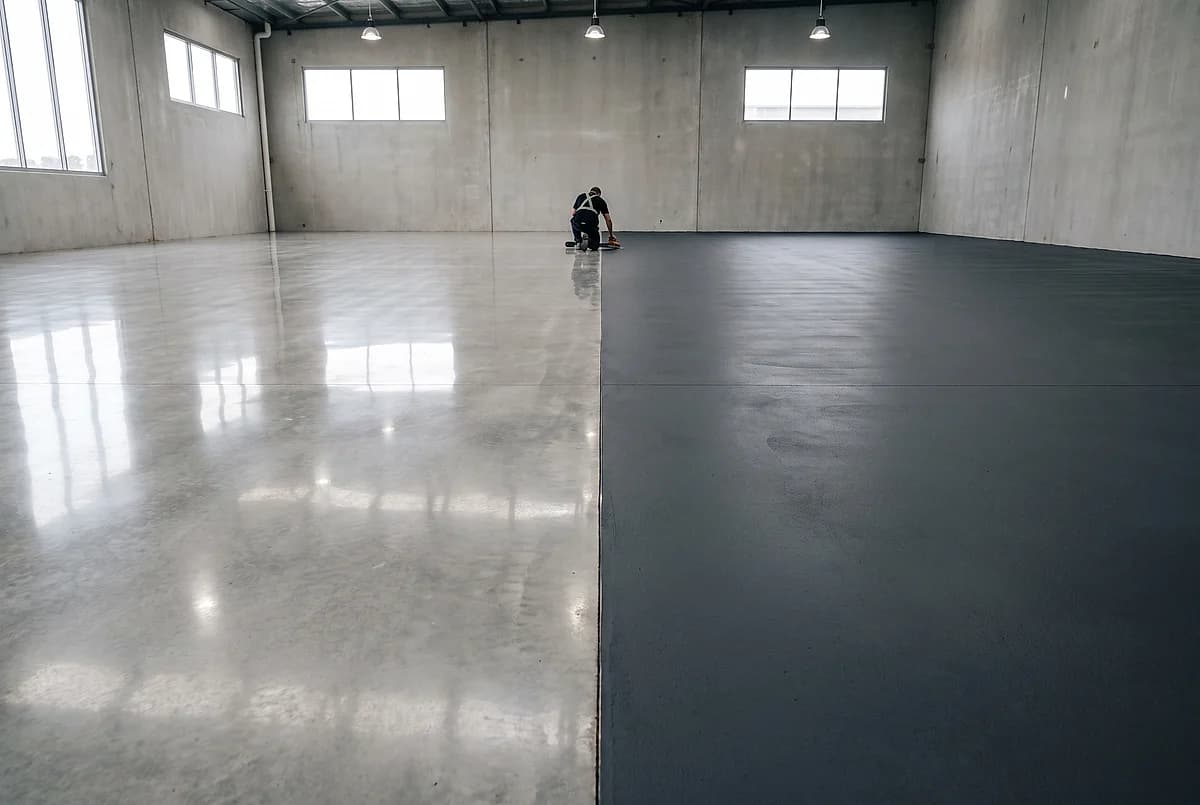
Polished concrete11 min read
Polished Concrete vs Epoxy Coatings: Which Floor Is Right for Your Space?
Two systems, two price curves, one slab. What each one costs to install and to keep, and which spaces each one actually suits.
Read it
Polished concrete8 min read
What to Know Before Polishing Your Existing Concrete Slab
Before any mechanical refinement can begin, a thorough evaluation of the current foundation is required.
Read it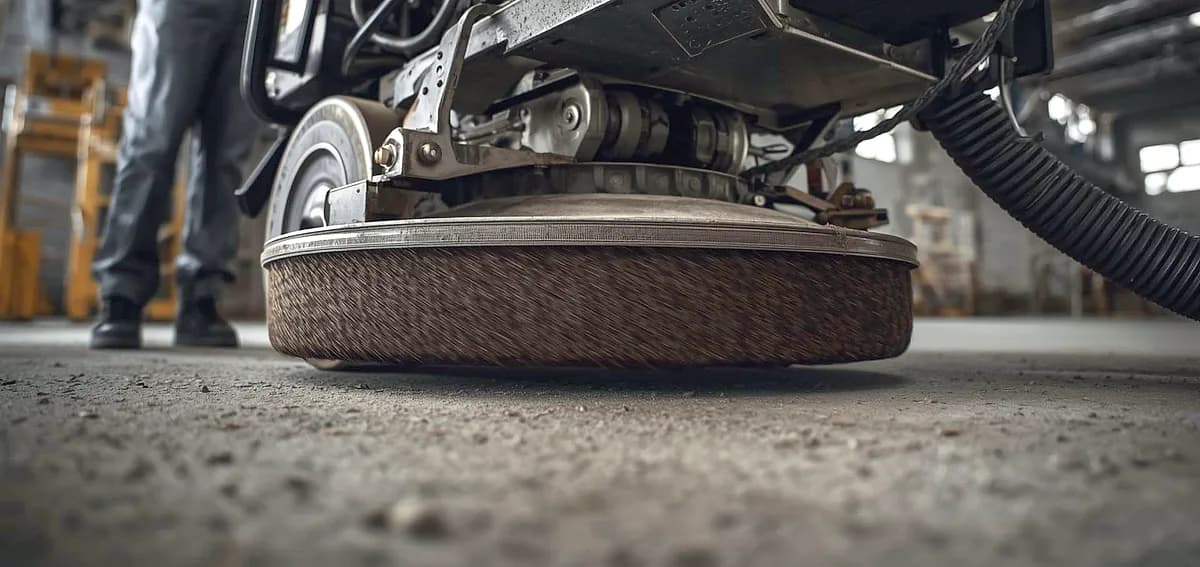
Polished concrete8 min read
Is Polished Concrete Worth the Investment for Miami Properties?
It is essential to distinguish between a simple topical seal and mechanically refined concrete.
Read it
Tell us about the floor
Tell us the space and roughly how big it is.We come back with what it would cost and when we could start.
Prefer to talk? Call +1 844-876-5474
- Leads@
nationalconcretepolishing.net - 2200 NW 32nd St #600,
Pompano Beach, FL 33069 Mon to Fri, 9:00 to 5:30