
The NCP blog
Epoxy vs Interlocking Tiles: Best Garage Flooring for Miami Climate
Residential14 min read
Choosing between an epoxy garage floor and interlocking tiles is a major decision for Miami homeowners upgrading a garage.
Choosing between epoxy garage floor vs interlocking tiles represents one of the most important decisions Miami homeowners face when upgrading their garage spaces. Epoxy flooring creates a seamless, moisture-resistant barrier that withstands Florida’s brutal humidity and temperature extremes for 15-20 years, while interlocking tiles offer instant installation without floor preparation and portability that appeals to renters or frequent movers. Both solutions transform bare concrete into functional, attractive surfaces, but they perform dramatically differently in South Florida’s subtropical climate where 75%+ humidity, salt air exposure, and intense heat create conditions that accelerate flooring degradation. National Concrete Polishing helps Pompano Beach, Fort Lauderdale, and Miami property owners navigate this critical choice by analyzing how each option handles moisture intrusion, chemical resistance, maintenance demands, and long-term value in the demanding environmental conditions that define coastal Florida living.
Overview
This comprehensive comparison examines epoxy flooring and interlocking garage tiles across every dimension that matters to Miami homeowners. You’ll learn how each material performs against humidity and moisture, which option provides superior durability under vehicle traffic, how installation complexity and costs compare, and which choice delivers better long-term value. We’ll explore maintenance requirements, aesthetic possibilities, temperature performance, and the specific advantages each system offers for South Florida’s unique climate challenges.
Understanding Epoxy Garage Flooring
Epoxy garage flooring consists of thermosetting resins that chemically bond to concrete substrates, creating a permanent, seamless coating typically 10-20 mils thick. The multi-layer system includes primers that enhance adhesion, pigmented base coats that provide color and thickness, optional decorative flakes or metallic effects, and clear topcoats that seal and protect the entire assembly. This chemical bonding creates molecular-level integration with concrete that prevents delamination under normal conditions.
Professional epoxy installation requires extensive surface preparation including diamond grinding or shot blasting to create proper surface profiles, crack repair, and moisture testing to ensure adhesion success. The installation timeline typically spans 3-5 days from preparation through full cure, during which the garage remains unavailable for use. Once cured, epoxy provides exceptional chemical resistance, seamless appearance, and easy cleaning that maintains performance for 10-20 years in residential applications.
Understanding Interlocking Garage Tiles
Interlocking garage tiles are rigid or flexible modular units typically constructed from polypropylene, PVC, or rubber materials that connect via puzzle-style edges or hidden locking mechanisms. These tiles install directly over existing concrete without adhesives or floor preparation beyond basic sweeping, making them the ultimate DIY-friendly option. Standard tile dimensions range from 12×12 inches to 20×20 inches, with thicknesses from 0.25 inches to 0.75 inches depending on intended use.
Installation involves simply laying tiles in desired patterns and pressing edges together to create mechanical locks—most homeowners complete typical two-car garages in 4-8 hours. The modular design allows infinite customization with different colors, patterns, borders, and even custom logos created through selective tile placement. If tiles become damaged, individual units can be removed and replaced without affecting surrounding areas—a flexibility that permanent coatings cannot match. However, this modularity creates seams between tiles that allow moisture, dirt, and debris to penetrate beneath the surface.
Moisture and Humidity Resistance Comparison
Miami’s relentless humidity creates the single most important performance differentiator between these flooring options. Epoxy flooring creates a completely impermeable barrier that prevents moisture vapor transmission through concrete, eliminating the mold growth, musty odors, and concrete degradation that plague South Florida garages. The seamless surface with no grout lines or gaps gives moisture nowhere to accumulate or foster mold colonies. Professional installations include moisture-mitigating primers that handle vapor emission rates exceeding standard thresholds, ensuring long-term adhesion even in coastal areas with elevated groundwater.
Interlocking tiles, by contrast, feature seams that are not watertight—water and moisture freely pass between tiles and accumulate beneath the surface. In Florida’s humid environment, this trapped moisture creates ideal conditions for mold and mildew growth on the concrete substrate hidden below. Some tile systems feature raised bases that allow air circulation beneath the surface, but this design actually facilitates moisture movement rather than preventing it. For Miami’s subtropical climate where humidity affects floor performance, epoxy’s moisture barrier provides a decisive advantage.
Durability and Longevity Under Florida Conditions
Epoxy flooring’s chemical structure creates exceptional durability that withstands decades of vehicle traffic, impact, and abrasion. Properly installed epoxy floors last 15-20 years in residential garages and 10-15 years in commercial applications before requiring replacement. The bonded coating cannot shift, move, or separate from concrete—issues that plague mechanical fastening systems. Epoxy’s chemical resistance protects against automotive fluids, gasoline, brake fluid, antifreeze, and household chemicals without staining or degradation.
Interlocking tiles offer superior impact resistance compared to epoxy—dropping heavy tools or equipment may chip epoxy but rarely damages quality rigid tiles. However, tiles face durability challenges from shifting and separation over time, particularly under heavy vehicle loads or frequent traffic. Flexible tile varieties can expand and contract with temperature fluctuations, creating buckling or gaps that worsen over time. The seams between tiles collect dirt, debris, and chemicals that eventually degrade locking mechanisms and compromise connections. While high-quality rigid tiles can last decades with proper maintenance, lower-grade products may require replacement within 5-10 years.
Installation Complexity and Timeline
Interlocking tiles win decisively on installation simplicity—most homeowners complete two-car garages in a single day without special tools or skills. The process involves sweeping the floor clean and snapping tiles together in desired patterns—no mixing chemicals, no toxic fumes, no waiting for cure times. This instant usability means garages return to service immediately upon completion, avoiding the multi-day downtime epoxy demands. The DIY-friendly nature eliminates professional installation costs, though some homeowners hire installers to ensure level surfaces and proper tile alignment.
Epoxy installation requires extensive technical expertise that places it beyond most DIYers’ capabilities. The multi-day process includes diamond grinding or shot blasting that generates substantial dust, crack repairs that demand specialized materials, primer application, base coat mixing and spreading, decorative element integration, and topcoat application—each step requiring specific timing, temperature control, and technique. Professional installation costs $3-$12 per square foot depending on system complexity, significantly exceeding tile material costs. However, this professional installation ensures proper adhesion and long-term performance that amateur attempts rarely achieve.
Cost Comparison: Initial Investment vs Long-Term Value
Material costs for interlocking tiles range from $2-$8 per square foot depending on quality, with basic plastic tiles at the lower end and commercial-grade rigid tiles reaching premium pricing. A standard 400-square-foot two-car garage requires $800-$3,200 in tile materials, with installation adding minimal cost for DIY projects or $400-$800 for professional installation. The immediate usability and portability add value difficult to quantify—renters can take tiles when moving, avoiding permanent installation investments.
Epoxy flooring costs $3-$12 per square foot installed, placing a typical garage at $1,200-$4,800 depending on system complexity and decorative options. While initial costs often exceed tiles, epoxy’s 15-20 year lifespan versus tiles’ 10-15 year expectancy creates superior long-term value. The seamless, easy-to-maintain surface reduces ongoing cleaning costs and eliminates replacement expenses that tiles may require. For homeowners planning to remain in properties long-term, epoxy’s durability and low maintenance justify higher initial investment.
Maintenance Requirements and Cleaning Ease
Epoxy floors require minimal maintenance—simple sweeping and damp mopping with pH-neutral cleaners maintains appearance and performance. The seamless, non-porous surface prevents dirt embedding and allows complete cleaning with basic tools—no scrubbing grout lines or dealing with trapped debris. Spills wipe away easily without staining, and the smooth surface accommodates rolling tool chests, floor jacks, and other garage equipment without resistance. Occasional topcoat reapplication every 5-7 years refreshes appearance and extends lifespan another decade.
Interlocking tiles present more challenging maintenance due to seams that trap dirt, chemicals, and debris. The gaps between tiles require periodic disassembly for thorough cleaning of accumulated grime on concrete beneath—a time-consuming process most homeowners defer. Textured tile surfaces provide slip resistance but create additional areas where dirt embeds and cleaning becomes difficult. Tiles with raised bases allow debris to fall through to concrete below, creating hidden accumulations that eventually require complete tile removal for proper cleaning. The rough surfaces and seams make tiles substantially more maintenance-intensive than epoxy’s smooth, seamless alternative.
Aesthetic Options and Design Flexibility
Epoxy flooring offers virtually unlimited color customization through pigmented base coats available in hundreds of hues. Decorative flake systems broadcast colored chips in single or multi-color combinations that add texture and visual interest while enhancing slip resistance. metallic effects creates stunning marble-like effects with flowing patterns and three-dimensional depth that rivals high-end natural stone. Custom designs, borders, and even logos can be incorporated through strategic color application and stenciling techniques that create completely unique floors.
Interlocking tiles provide pattern flexibility through selective placement of different colored tiles in checkerboard, diamond, or custom arrangements. Common patterns include racing stripes, borders, and centerpiece designs that showcase vehicles or create visual zones. However, the modular nature limits design sophistication compared to epoxy’s flowing, seamless aesthetics—tile patterns always reveal their puzzle-piece construction. Quality tiles come in various surface textures including coin, diamond plate, and smooth finishes that affect both appearance and slip resistance. The ability to change patterns by rearranging tiles offers flexibility permanent coatings cannot match.
Temperature Performance in Miami’s Heat
Miami’s intense heat creates temperature-related challenges both options address differently. Epoxy flooring maintains stable performance across temperature ranges typical to South Florida, though dark colors can become uncomfortably hot when garages receive direct sunlight. Lighter colors reflect heat and maintain more comfortable surface temperatures—an important consideration for garages used as workshops or hobby spaces. Epoxy’s thermal mass properties help moderate temperature fluctuations, though the thin coating provides minimal insulation value. Hot tire pickup—where softened tire rubber leaves marks on epoxy—can occur with budget formulations but rarely affects professional-grade systems designed for Florida’s heat.
Interlocking tiles handle temperature extremes well, with quality products rated for -40°F to 140°F+ without degradation. The air gap beneath raised-base tiles provides slight insulation that keeps surfaces marginally cooler than solid epoxy or bare concrete. However, direct sun exposure can cause flexible tiles to expand, creating buckling or separation at seams. Rigid tiles maintain dimensional stability better but can become uncomfortably hot to touch in direct sunlight. The modular design allows easier replacement of sun-damaged sections compared to permanent coatings that require complete refinishing when UV degradation occurs.
Slip Resistance and Safety Considerations
Interlocking tiles inherently provide excellent slip resistance through textured surfaces and open-grid designs that drain water quickly. The raised bases on some tile systems elevate the walking surface above standing water, maintaining traction even during Florida’s frequent rainstorms. This drainage capability makes tiles particularly valuable for garages where wet vehicles introduce substantial water or where washing activities occur regularly. The modular nature allows strategic placement of more aggressive traction tiles in high-risk areas while using smoother tiles elsewhere.
Epoxy flooring becomes slippery when wet unless treated with slip-resistant additives. Professional installations incorporate aggregate additives like aluminum oxide or decorative flakes that enhance traction without compromising appearance. The seamless surface cannot drain standing water like tile systems—wet areas remain slippery until water evaporates or is removed. For Miami garages where vehicles regularly introduce rainwater, slip resistance becomes an important safety consideration that favors properly textured epoxy or tile systems.
Portability and Relocation Considerations
Interlocking tiles’ removable design provides unmatched portability that appeals to renters or homeowners who may relocate. The click-together system disassembles as easily as it installs, allowing complete floor removal and reinstallation at new properties. This reusability factor effectively reduces lifetime flooring costs for mobile populations—a $2,000 tile investment serves multiple homes over decades. The non-permanent installation also appeals to homeowners uncertain about long-term flooring preferences or those wanting to test garage floor upgrades before committing to permanent solutions.
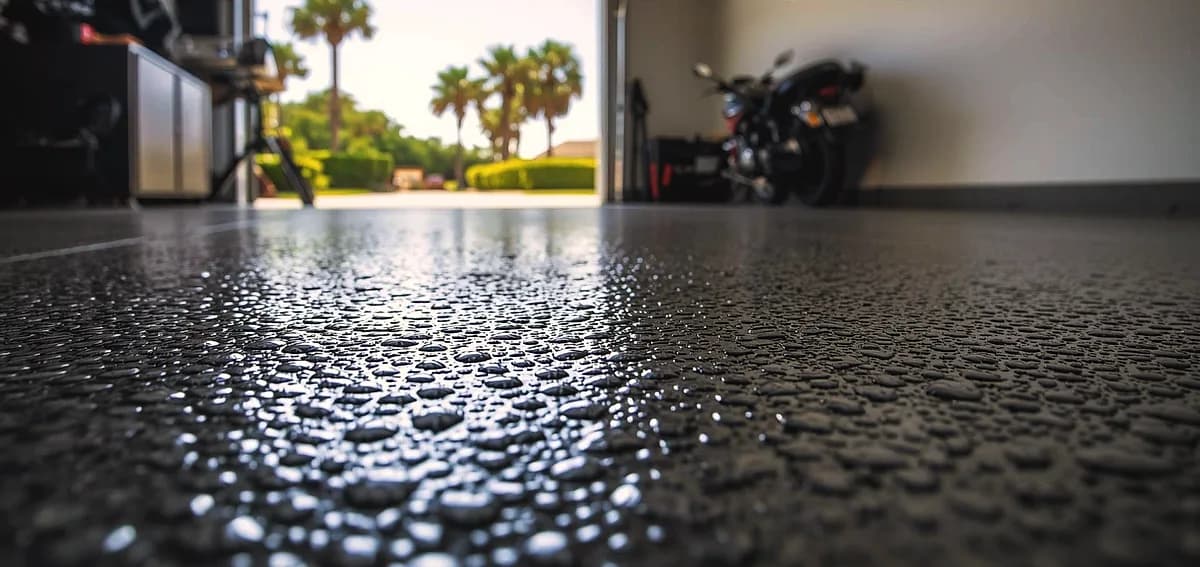
Epoxy flooring bonds permanently to concrete and cannot be removed without damaging both coating and substrate. This permanence means epoxy investments remain with properties when homeowners sell or relocate—potentially adding home value but providing no portable benefit. For renters, epoxy installations require landlord approval and represent sunk costs that cannot be recovered upon moving. The permanent nature makes epoxy ideal for long-term homeowners committed to their properties but unsuitable for transient populations or rental situations.
Concrete Condition Requirements
Interlocking tiles install successfully over damaged, cracked, or uneven concrete that would disqualify epoxy installation. The rigid tiles bridge minor surface irregularities and accommodate concrete movement without cracking or delamination. This forgiving nature makes tiles ideal for older homes with compromised concrete or situations where proper substrate repair exceeds budget constraints. However, severely uneven floors may telegraph through tiles, creating trip hazards or unstable surfaces. Some leveling or shimming may be required for optimal results on badly damaged concrete.
Epoxy installation demands near-perfect concrete conditions for successful bonding and long-term performance. Cracks must be repaired, oil stains removed, and surfaces ground to create proper profiles before coating application. Moisture vapor emissions must fall below specified thresholds or require specialized primers that add cost. This substrate sensitivity means epoxy projects sometimes discover expensive preparation requirements after initial assessment—costs that can dramatically impact overall investment. For garages with compromised concrete, tiles may represent the only viable upgrade option without extensive substrate remediation.
Chemical Resistance and Stain Protection
Epoxy flooring provides superior chemical resistance that withstands automotive fluids, gasoline, oil, antifreeze, brake fluid, and household chemicals without staining or degradation. The non-porous surface prevents liquid penetration—spills simply sit on the surface until wiped away. This impermeability makes epoxy ideal for automotive work, mechanical projects, or any garage activities involving chemicals. Salt air resistance proves particularly valuable in coastal Miami where corrosive atmospheres attack lesser materials.
Interlocking tiles vary dramatically in chemical resistance depending on material composition. Rigid polypropylene tiles generally resist automotive fluids adequately, though prolonged exposure may cause discoloration. Flexible rubber-based tiles absorb chemicals and stain more readily, making them unsuitable for garages with frequent fluid exposure. The seams between tiles cannot prevent chemical penetration to concrete before polishing or coating beneath, where staining and degradation continue despite surface protection. For garages where chemical exposure is common, epoxy’s seamless barrier provides substantially better long-term protection.
Impact on Home Value
Epoxy flooring generally adds home value by enhancing appearance, functionality, and perceived quality—realtors report upgraded garages receive positive buyer feedback. The permanent, professional installation signals property maintenance and attention to detail that influences purchase decisions. High-end metallic or decorative systems create “wow factor” that distinguishes properties in competitive markets. However, highly personalized colors or patterns may not appeal to all buyers, potentially limiting value addition compared to neutral selections.
Interlocking tiles provide functional garage improvements but typically add less perceived value than permanent epoxy installations. The DIY-friendly nature may signal budget-conscious upgrades rather than professional enhancements—a perception that varies by buyer demographics. The removable aspect means tiles could be taken by selling homeowners, eliminating any value addition to properties. However, for rental properties or flip investments, tiles offer attractive staging without permanent installation costs that may not be recoverable in sale prices.
Best Applications for Each System
Epoxy flooring excels for long-term homeowners seeking permanent, low-maintenance solutions that handle Miami’s humidity and chemical exposure. Ideal applications include high-end residential garages, automotive workshops, hobby spaces, and properties where seamless appearance and easy cleaning justify higher initial investment. Epoxy suits buyers prioritizing long-term value over immediate cost savings and those wanting customized aesthetics through colors and decorative options.
Interlocking tiles serve renters, frequent movers, or homeowners wanting instant garage upgrades without professional installation. They excel for garages with damaged concrete where repair costs make epoxy prohibitive, or situations requiring immediate usability without multi-day cure times. Tiles suit DIY enthusiasts comfortable with hands-on projects and buyers prioritizing portability and flexibility over permanent installation. For properties where flooring choices may change or garages serve multiple evolving purposes, tiles’ adaptability provides advantages permanent coatings cannot match.
Frequently Asked Questions
Which lasts longer in Miami’s climate—epoxy or interlocking tiles?
Epoxy lasts 15-20 years in residential applications versus 10-15 years for quality tiles, with epoxy’s moisture barrier providing superior longevity in humid conditions.
Can interlocking tiles handle Miami’s humidity and moisture?
Tiles’ non-watertight seams allow moisture beneath surfaces where mold can grow on concrete, while epoxy’s seamless barrier prevents moisture infiltration completely.
Is epoxy or tiles easier to install in my garage?
Tiles install in 4-8 hours as a simple DIY project, while epoxy requires professional installation over 3-5 days with extensive surface preparation.
Which garage flooring is more cost-effective?
Tiles cost less initially ($2-$8/sf) versus epoxy ($3-$12/sf installed), but epoxy’s longer lifespan and lower maintenance create better long-term value.
Do epoxy floors get slippery when wet in Florida?
Yes, unless treated with slip-resistant additives; tiles naturally provide better traction through textured surfaces and drainage designs.
Can I take interlocking tiles with me if I move?
Yes, tiles disassemble and reinstall at new properties, while epoxy bonds permanently to concrete and cannot be removed.
Which handles chemical spills better—epoxy or tiles?
Epoxy’s non-porous, seamless surface provides superior chemical resistance, while tiles’ seams allow chemicals to penetrate beneath surfaces.
Will garage tiles work over cracked concrete?
Yes, tiles install over damaged or uneven concrete, while epoxy requires extensive repairs and preparation for successful bonding.
How do these options perform in Miami’s heat?
Both handle Florida temperatures, though flexible tiles may expand in direct sun while epoxy maintains stability across typical temperature ranges.
Which garage flooring adds more home value in Miami?
Epoxy typically adds more perceived value through professional appearance and permanent installation, though both enhance garage functionality.
Conclusion
The epoxy garage floor vs interlocking tiles decision ultimately depends on your specific circumstances, priorities, and how long you plan to remain in your property. Epoxy flooring delivers unmatched moisture resistance, seamless appearance, and long-term durability that makes it the superior choice for Miami homeowners committed to permanent installations and willing to invest in professional quality. The seamless barrier against Florida’s relentless humidity, easy maintenance, and 15-20 year lifespan justify higher initial costs for long-term residents. Interlocking tiles excel for renters, frequent movers, or DIY enthusiasts seeking instant upgrades without professional installation, offering portability and flexibility that permanent coatings cannot match. However, tiles’ moisture permeability, seam maintenance challenges, and shorter lifespans make them less suitable for Miami’s demanding subtropical environment where humidity and moisture create ongoing flooring challenges.
National Concrete Polishing specializes in professional epoxy garage floor installations throughout Pompano Beach, Fort Lauderdale, and Miami, helping homeowners achieve beautiful, durable floors engineered specifically for South Florida’s unique climate. Contact us today for expert guidance on selecting the garage floor finishes for your property’s needs and your long-term goals.
Written by

Founder and CEO
Chris Lavin is an esteemed leader in concrete polishing and epoxy coatings with a distinguished 20-year career. As founder and CEO of National Concrete Polishing and owner of Xtreme Polishing Systems, he's renowned for polishing and epoxy coating more floors than anyone globally. Chris is recognized for his innovative approach and commitment to enhancing floor durability and aesthetics. His hands-on experience and technical proficiency make him a respected authority and a valuable resource in the field of floor polishing and coatings.
Same topic
Related articles
All stories
Residential8 min read
What Restaurants Need to Pass a Health Inspection Floor Check
It endures heavy foot traffic, dropped equipment, boiling water spills, and harsh degreasing chemicals daily.
Read it
Residential9 min read
How Restaurants Replace Their Floors Without Closing for Long
The average food service establishment loses approximately $3,500 in daily revenue during unexpected closures in 2026.
Read it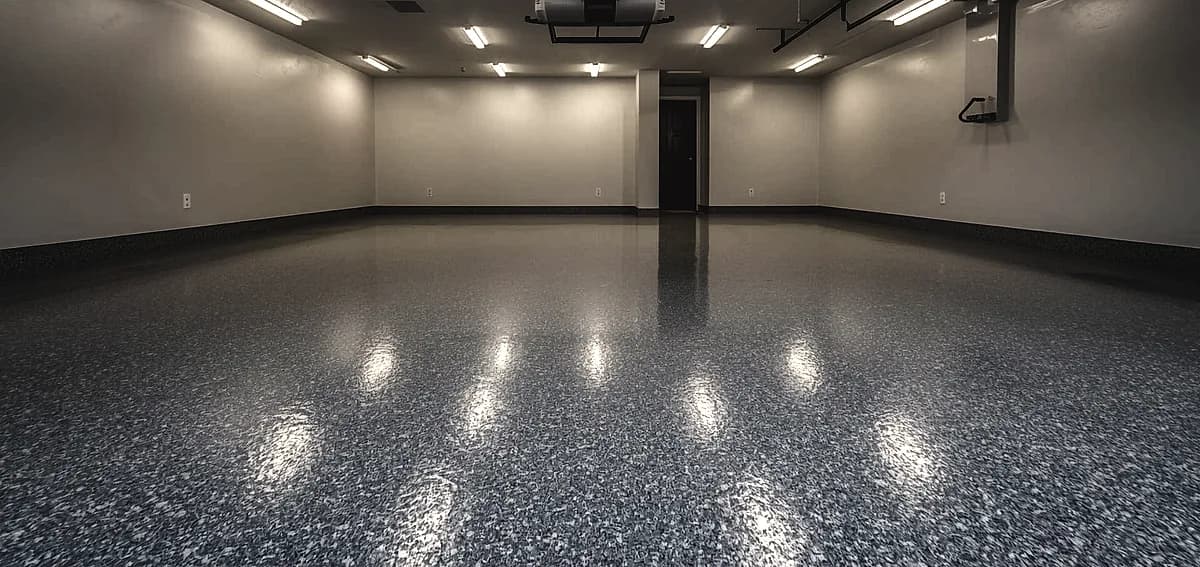
Residential8 min read
Where Polished Concrete Beats Epoxy in a Home (and Where It Doesn’t)
Before evaluating specific rooms, it is essential to understand how these two flooring systems function.
Read it
Tell us about the floor
Tell us the space and roughly how big it is.We come back with what it would cost and when we could start.
Prefer to talk? Call +1 844-876-5474
- Leads@
nationalconcretepolishing.net - 2200 NW 32nd St #600,
Pompano Beach, FL 33069 Mon to Fri, 9:00 to 5:30