
The NCP blog
When Do You Add Aggregate to Epoxy Floors? Best Timing
Epoxy & coatings14 min read
The timing of aggregate application can make the difference between a successful installation and a costly failure.
Knowing when to add aggregate to epoxy floors is crucial for achieving optimal performance, safety, and longevity in flooring systems. The timing of aggregate application can make the difference between a successful installation and a costly failure. Whether working on an industrial warehouse, commercial kitchen, or residential garage, understanding the precise moment to introduce aggregate materials into the epoxy coating process is essential for professional results.
Aggregate materials serve multiple purposes in epoxy flooring systems, from enhancing slip resistance and durability to improving chemical resistance and aesthetic appeal. However, the window of opportunity for proper aggregate application is relatively narrow and depends on several critical factors including ambient temperature, humidity levels, epoxy formulation, and the specific type of aggregate being used.
The most critical aspect of aggregate timing relates to the epoxy’s gel time and working characteristics. Adding aggregate too early can result in the material sinking below the surface, reducing its effectiveness. Conversely, waiting too long means the epoxy may have begun to cure beyond the point where aggregate can properly bond, leading to loose particles that can compromise the floor’s integrity and safety.
Professional flooring contractors understand that successful aggregate application requires careful monitoring of the epoxy’s surface tension and viscosity changes throughout the curing process. The ideal application window typically occurs when the epoxy has begun to lose its initial wetness but still maintains sufficient tackiness to securely hold the aggregate particles. This timing varies significantly based on environmental conditions, with cooler temperatures extending working time and higher temperatures accelerating the curing process.
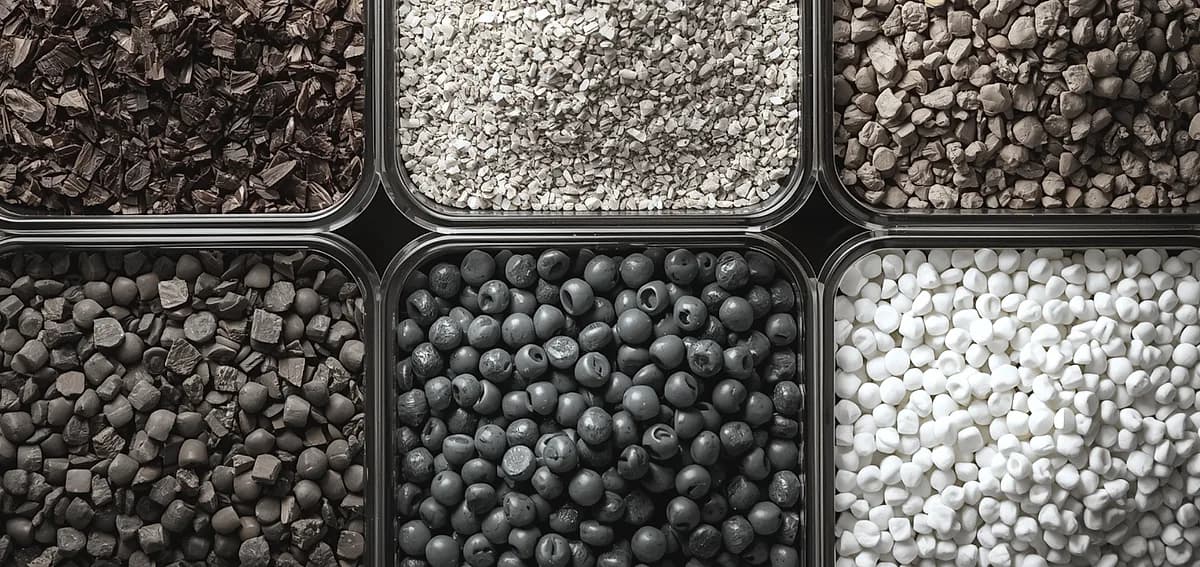
Different aggregate materials also have varying requirements for optimal application timing. Quartz sand, aluminum oxide, and polymer beads each interact differently with epoxy systems, requiring contractors to adjust their timing accordingly. Understanding these nuances is essential for achieving the desired performance characteristics while maintaining the aesthetic quality of the finished floor.
Understanding Epoxy Cure Stages
The epoxy curing process involves several distinct stages, each presenting different opportunities and challenges for aggregate application. Understanding these stages is fundamental to determining when to add aggregate to epoxy floors for optimal results.
During the initial application stage, freshly mixed epoxy exhibits high fluidity and complete wetness. This stage, typically lasting 10-20 minutes depending on formulation and conditions, is generally too early for aggregate application. Adding aggregate during this phase often results in particles sinking below the surface or creating an uneven distribution pattern.
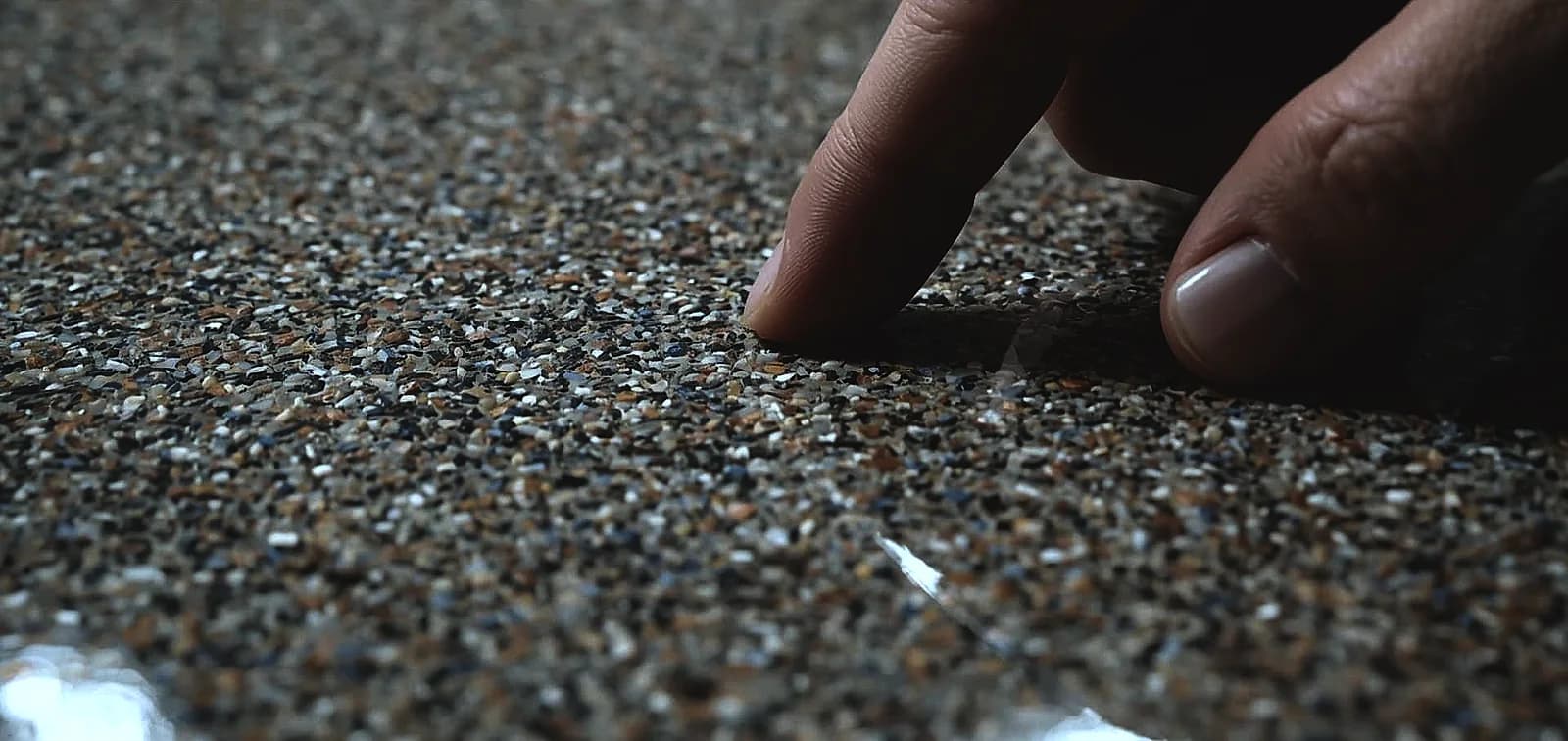
The transition stage marks the beginning of the optimal application window. During this phase, the epoxy begins to lose its initial wetness while maintaining sufficient tackiness to hold aggregate particles. Visual indicators include a slight dulling of the surface gloss and the development of a slightly tacky feel when lightly touched with a gloved finger. This stage typically occurs 15-30 minutes after epoxy application under standard conditions.
The peak application window represents the ideal time for aggregate introduction. The epoxy surface should feel tacky but not wet, with enough body to support aggregate particles without allowing them to sink. The surface may show slight resistance when touched, and the epoxy should still have enough flow to partially encapsulate the aggregate particles upon contact.
As the epoxy continues to cure, the application window begins to close. The surface becomes increasingly firm, and aggregate particles may not achieve proper bonding. Attempting to apply aggregate during this late stage often results in loose particles that can be easily dislodged, creating safety hazards and reducing the floor’s performance characteristics.
Environmental factors significantly influence these timing stages. Higher temperatures accelerate the curing process, potentially reducing the application window to as little as 10-15 minutes. Conversely, cooler conditions can extend the optimal timing window to 45 minutes or more, providing greater flexibility for large-scale applications.
Environmental Factors Affecting Timing
Temperature stands as the most significant environmental factor influencing when to add aggregate to epoxy floors. As ambient temperature increases, the chemical reaction driving epoxy cure accelerates exponentially, dramatically reducing the available working time. At temperatures above 85°F, some epoxy systems may provide only 10-15 minutes of optimal aggregate application time, requiring contractors to work in smaller sections or employ cooling strategies.
Conversely, cooler temperatures slow the curing reaction, extending the working window but potentially creating other challenges. At temperatures below 60°F, epoxy may remain workable for extended periods, but the slower cure can lead to issues with aggregate settling or uneven distribution. Additionally, cold conditions can increase epoxy viscosity, making proper aggregate encapsulation more difficult.
Humidity levels create complex interactions with epoxy curing chemistry that directly impact aggregate timing. High humidity can slow cure rates in some epoxy systems while accelerating them in others, depending on the specific formulation. Moisture-sensitive epoxy systems may develop surface films in high humidity conditions, interfering with proper aggregate bonding and requiring careful timing adjustments.
Air circulation patterns within the application space significantly influence local curing rates and aggregate application timing. Areas with strong air movement may experience accelerated surface curing, creating variations in optimal timing across the floor surface. Contractors must account for these variations when planning aggregate application strategies, potentially working in smaller sections or adjusting environmental controls.
Substrate temperature often differs from ambient temperature and can significantly impact epoxy cure rates and aggregate timing. Concrete slabs that have been exposed to direct sunlight or heating systems may retain elevated temperatures that accelerate epoxy curing from below. Conversely, cold substrates can slow initial cure rates, affecting the timing of aggregate application.
Barometric pressure changes, while less obvious, can influence epoxy curing characteristics and optimal aggregate timing. Rapidly falling pressure associated with approaching weather systems can accelerate cure rates, while stable high-pressure conditions typically provide more predictable timing windows. Professional contractors often use environmental monitoring equipment to track these conditions continuously during epoxy application. Digital thermometers, humidity meters, and infrared temperature guns help ensure optimal timing for aggregate application across varying conditions.
Aggregate Types and Timing Requirements
Different aggregate materials exhibit varying characteristics that directly influence optimal application timing in epoxy floor systems. Understanding these differences is crucial for achieving desired performance outcomes and avoiding common installation failures.

Aluminum oxide aggregate, prized for its exceptional hardness and slip resistance properties, requires relatively early application in the epoxy cure cycle. Due to its high density and angular particle shape, aluminum oxide tends to penetrate the epoxy surface more readily than other aggregates. Optimal timing typically occurs 10-25 minutes after epoxy application, when the coating maintains sufficient fluidity to allow proper particle encapsulation while providing enough body to prevent excessive sinking.
Quartz sand aggregates offer more forgiving timing windows due to their moderate density and rounded particle shapes. These materials can typically be applied 15-35 minutes after epoxy application, providing contractors with greater flexibility for large-area installations. The spherical nature of many quartz particles allows for easier distribution and more predictable bonding characteristics across varying cure stages.
Decorative color flakes present unique timing considerations due to their lightweight nature and large surface area. These materials can often be applied across the widest timing window, from 10-40 minutes after epoxy application, depending on flake size and thickness. However, their large surface area makes them particularly sensitive to humidity conditions, which can affect bonding characteristics.
Polymer beads, increasingly popular for their chemical resistance and cleanability, require precise timing due to their synthetic nature and smooth surfaces. These aggregates typically perform best when applied 15-30 minutes after epoxy application, when the coating has sufficient tackiness to overcome the beads’ low surface energy and achieve proper adhesion.
Metallic aggregates, including copper and bronze particles, present special timing challenges due to their high density and potential for chemical interactions with epoxy systems. These materials often require application during the earlier portion of the timing window, typically 10-20 minutes after epoxy application, to ensure proper bonding before the coating develops too much body.
Recycled aggregates, such as crushed glass or rubber particles, each bring unique timing requirements based on their specific characteristics. Crushed glass typically behaves similarly to quartz sand, while rubber particles may require earlier application due to their tendency to float in uncured epoxy.
The particle size distribution within any aggregate type also influences optimal timing. Finer particles generally require earlier application to prevent flotation, while coarser materials can be applied later in the cure cycle. Understanding these nuances allows contractors to optimize timing for specific aggregate blends and achieve consistent results across different project requirements.
Application Techniques and Timing Coordination
Successful aggregate application requires coordinated timing strategies that account for both epoxy cure characteristics and practical application logistics. The broadcast method, most commonly used for aggregate application, demands precise timing coordination between epoxy application and aggregate distribution to achieve uniform coverage and proper bonding.
The systematic approach to timing coordination begins with careful planning of application sequences. Large floor areas typically require division into manageable sections, with each section sized according to the available working time under current environmental conditions. Experienced contractors calculate section sizes based on epoxy cure rates, aggregate application speed, and crew capabilities to ensure optimal timing throughout the project.
Crew coordination becomes critical when multiple team members are involved in the application process. One team member typically focuses on epoxy application while another monitors cure progression and applies aggregate at the optimal timing window. This coordination requires clear communication and well-defined timing protocols to prevent delays that could compromise aggregate bonding.
The broadcast technique itself influences timing requirements, as different application methods require varying amounts of time to achieve complete coverage. Manual broadcasting using scoops or spreaders allows for precise timing control but may be slower for large areas. Mechanical broadcasting equipment can cover areas more quickly but requires careful timing coordination to ensure uniform application across the entire surface.
Overlap management between adjacent sections presents unique timing challenges. Areas where sections meet must receive aggregate application at appropriate timing intervals to prevent visible seams or bonding variations. This often requires careful planning of application sequences and may involve back-rolling or other techniques to blend section boundaries.
Quality control during aggregate application involves continuous monitoring of bonding characteristics and coverage uniformity. Contractors must be prepared to adjust timing strategies based on real-time observations of aggregate behavior and epoxy cure progression. This may involve modifying environmental conditions, adjusting application techniques, or altering section sizes to maintain optimal results.
Recovery strategies for timing errors are essential components of professional application protocols. When aggregate is applied too early or too late, specific corrective measures can sometimes salvage the installation. These may include additional aggregate applications, surface texturing, or in extreme cases, removal and reapplication of affected areas.
Documentation of timing parameters throughout the application process provides valuable data for future projects and quality assurance purposes. Recording environmental conditions, timing intervals, and application results helps contractors refine their techniques and develop more accurate timing predictions for similar conditions.
Troubleshooting Common Timing Issues
Timing-related problems in aggregate application can significantly impact floor performance and aesthetics, making troubleshooting skills essential for professional contractors. Understanding common issues and their solutions helps ensure successful project outcomes even when conditions deviate from ideal parameters.
Premature aggregate application, where particles are added too early in the epoxy cure cycle, typically results in aggregate sinking below the surface. This creates a smooth, potentially slippery surface that fails to provide the intended slip resistance or texture. Visual indicators include aggregate particles that appear deeply embedded or completely obscured by the epoxy coating. In mild cases, additional aggregate can be applied at the proper timing window to restore surface texture. Severe cases may require complete removal and reapplication of the affected area.
Late aggregate application occurs when particles are added after the epoxy has cured beyond the optimal bonding window. This results in loose aggregate that can be easily dislodged, creating safety hazards and reducing floor performance. Signs include aggregate particles that can be brushed or blown away from the surface, or areas where particle density appears inconsistent. Correction typically involves removing loose particles and applying a thin topcoat to encapsulate remaining aggregate, though this may alter the intended surface characteristics.
Uneven aggregate distribution often stems from timing variations across the floor surface, particularly in large areas or spaces with varying environmental conditions. This creates a patchy appearance with areas of high and low aggregate density. Prevention involves careful monitoring of local cure rates and adjusting application timing accordingly. Correction may involve additional aggregate applications in sparse areas or grinding to level heavily aggregated zones.
Environmental condition changes during application can disrupt planned timing strategies, requiring real-time adjustments to maintain quality. Sudden temperature increases, humidity changes, or air circulation variations can accelerate or slow cure rates beyond anticipated parameters. Successful contractors maintain flexibility in their application strategies and are prepared to modify section sizes, crew assignments, or environmental controls as conditions change.
Substrate temperature variations can create localized timing differences that affect aggregate bonding consistency. Areas over heated concrete or near thermal bridges may cure faster than surrounding zones, creating timing challenges for uniform aggregate application. Thermal imaging equipment can help identify these variations, allowing contractors to adjust timing strategies for different floor zones.
Chemical compatibility issues between specific aggregate types and epoxy formulations can manifest as timing-related problems. Some combinations may exhibit accelerated or delayed cure rates that affect optimal application windows. These issues typically require formulation adjustments or alternative aggregate selections rather than timing modifications alone.
National Concrete Polishing has extensive experience addressing timing-related challenges in epoxy floor installations, providing professional solutions for both preventive planning and corrective measures when timing issues occur.
Frequently Asked Questions
How long should I wait after applying epoxy before adding aggregate?
The optimal waiting time typically ranges from 15-45 minutes after epoxy application, depending on environmental conditions and epoxy formulation. The key indicator is when the epoxy surface feels tacky but not wet to the touch. In cooler conditions (60-70°F), the window may be 30-45 minutes, while warmer temperatures (above 80°F) may reduce this to 15-20 minutes.
What happens if I add aggregate too early to epoxy floors?
Adding aggregate too early causes particles to sink below the epoxy surface, reducing slip resistance and potentially creating an uneven appearance. The aggregate becomes embedded too deeply to provide effective surface texture. Additional aggregate may need to be applied at the proper timing, or in severe cases, removal and reapplication may be required.
Can I add more aggregate if I missed the optimal timing window?
If the epoxy is still slightly tacky, additional aggregate may be applied, though bonding may not be optimal. If the epoxy has cured too much, loose aggregate particles will result, requiring removal of loose material and potentially applying a thin topcoat to secure remaining particles.
How do temperature and humidity affect aggregate application timing?
Higher temperatures accelerate epoxy curing, reducing the application window, while cooler temperatures extend it. High humidity can slow cure rates in some systems but may cause surface filming in others. Both factors require timing adjustments and careful monitoring of epoxy surface conditions.
What’s the difference in timing requirements between different aggregate types?
Dense aggregates like aluminum oxide require earlier application (10-25 minutes) to prevent sinking, while lighter materials like decorative flakes can be applied across a wider window (10-40 minutes). Quartz sand typically offers moderate timing flexibility (15-35 minutes).
How can I tell when the epoxy is ready for aggregate application?
The epoxy surface should feel tacky when lightly touched with a gloved finger, showing slight resistance without being wet. The surface may appear slightly less glossy than when first applied, and the epoxy should have enough body to support aggregate particles without allowing them to sink.
Should I apply aggregate in sections or all at once?
Large areas should be divided into manageable sections based on available working time under current conditions. Section size depends on crew speed, environmental conditions, and epoxy cure rate. This ensures consistent timing across the entire floor surface.
What tools help monitor optimal timing for aggregate application?
Digital thermometers, humidity meters, and infrared temperature guns help monitor environmental conditions. Visual and tactile assessment of the epoxy surface remains the most reliable method for determining optimal timing, requiring experience to interpret correctly.
Conclusion
Mastering the timing of aggregate application in epoxy floor systems is fundamental to achieving professional results that meet performance, safety, and aesthetic requirements. The narrow window of opportunity for optimal aggregate placement demands careful attention to environmental conditions, epoxy characteristics, and aggregate properties. Success depends on understanding the complex interactions between temperature, humidity, substrate conditions, and cure chemistry that influence when aggregate should be introduced to the epoxy system.
Professional contractors recognize that timing is not a fixed parameter but rather a dynamic consideration that requires real-time assessment and adjustment based on project-specific conditions. The ability to read epoxy cure stages, interpret environmental factors, and coordinate application logistics separates successful installations from problematic ones. This expertise develops through experience and continuous learning about new materials and techniques.
The investment in proper timing protocols pays dividends in floor performance, longevity, and customer satisfaction. Floors with properly timed aggregate application provide superior slip resistance, durability, and aesthetic appeal while avoiding the costly problems associated with timing errors. Understanding when to add aggregate to epoxy floors ensures that flooring investments deliver the intended benefits for years to come.
For professional epoxy floor installation services that prioritize proper timing and application techniques, National Concrete Polishing brings the expertise and experience necessary to ensure optimal results in any commercial or industrial setting.
Written by

Founder and CEO
Chris Lavin is an esteemed leader in concrete polishing and epoxy coatings with a distinguished 20-year career. As founder and CEO of National Concrete Polishing and owner of Xtreme Polishing Systems, he's renowned for polishing and epoxy coating more floors than anyone globally. Chris is recognized for his innovative approach and commitment to enhancing floor durability and aesthetics. His hands-on experience and technical proficiency make him a respected authority and a valuable resource in the field of floor polishing and coatings.
Same topic
Related articles
All stories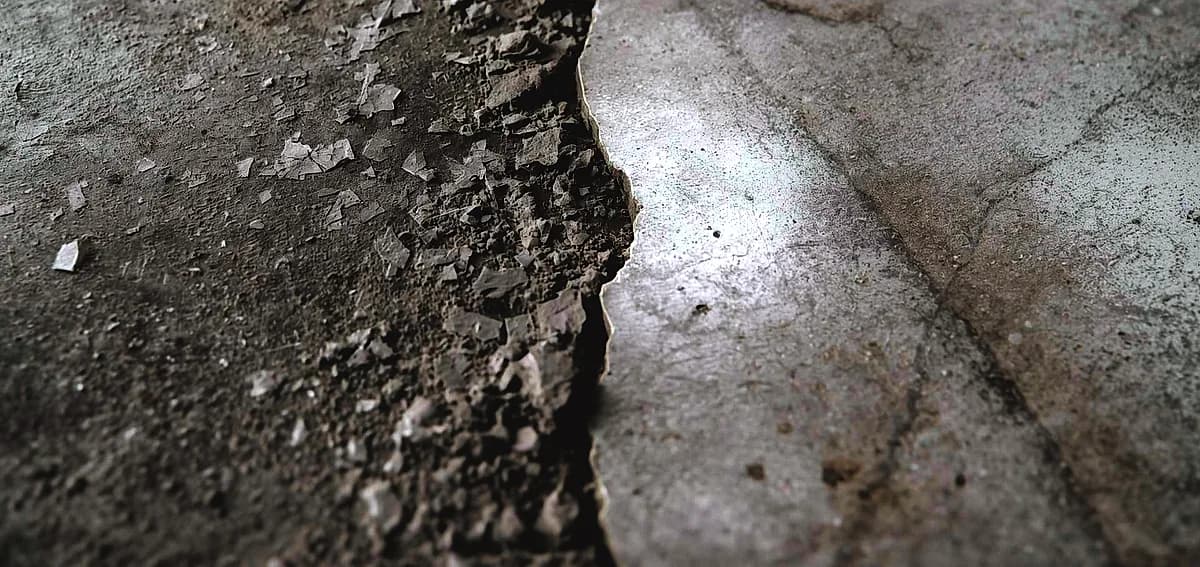
Epoxy & coatings8 min read
DIY vs Professional Epoxy Flooring in Fort Lauderdale
Hardware stores heavily market all-in-one boxes that promise a showroom finish with minimal effort.
Read it
Epoxy & coatings8 min read
Can You DIY Epoxy Flooring in Miami? Pros, Cons, and Tips
Applying a durable floor finish in a tropical or highly humid climate presents unique environmental challenges.
Read it
Epoxy & coatings7 min read
DIY Epoxy Flooring in South Florida: Is It Worth the Risk?
However, these products generally contain high levels of water or solvents to extend their pot life.
Read it
Tell us about the floor
Tell us the space and roughly how big it is.We come back with what it would cost and when we could start.
Prefer to talk? Call +1 844-876-5474
- Leads@
nationalconcretepolishing.net - 2200 NW 32nd St #600,
Pompano Beach, FL 33069 Mon to Fri, 9:00 to 5:30