
The NCP blog
Do You Need to Seal Concrete Before Polishing?
Polished concrete11 min read
The sealer itself provides the shine and protection, sitting on top of the concrete surface.
Concrete sealing before polishing is a common misconception that confuses many property ownersthe answer is definitively no, you do not seal concrete before the polishing process, but rather apply chemical densifiers during polishing and protective sealers after completion. Traditional topical sealers applied before polishing would actually prevent the diamond grinding process from properly refining the concrete surface, creating adhesion issues and compromising the entire installation.
However, the confusion arises because the concrete polishing process does involve chemical hardeners called densifiers that penetrate the concrete during intermediate grinding stages, followed by optional topical sealers applied after final polishing to enhance protection and appearance. National Concrete Polishing helps Pompano Beach, Fort Lauderdale, and Miami clients understand the critical distinction between Polished Concrete vs Epoxy Coating (where sealers create the finish) and truly polished concrete (where mechanical refinement creates the shine), ensuring proper material selection and application sequences that deliver the performance and aesthetics South Florida properties require.
Overview
This expert guide clarifies the proper sequence for concrete densification and sealing during polished concrete installations. You’ll learn the fundamental differences between sealed concrete and polished concrete, when and why densifiers are applied during the polishing process, whether additional sealers benefit finished polished floors, and how to avoid common mistakes that compromise floor performance. We’ll also explore the specific considerations for Florida’s humid climate and provide guidance on selecting the right approach for your specific application.
Understanding Polished vs Sealed Concrete
The fundamental distinction between polished and sealed concrete determines the entire installation approach and material sequence. Sealed concrete involves grinding the surface minimally, then applying a film-forming topical sealer (acrylic, epoxy, or polyurethane) that creates the protective layer and glossy appearance. The sealer itself provides the shine and protection, sitting on top of the concrete surface.
Polished concrete uses progressively finer diamond abrasives to mechanically refine the concrete surface to a glass-like finish without relying on topical coatings. The shine comes from the concrete itself being ground so smooth it reflects light naturally. Chemical densifiers penetrate the concrete during the process to harden and dustproof the surface, but no film forms on top. This distinction is critical—attempting to seal before polishing would prevent the diamond abrasives from accessing and refining the concrete surface.
Why You Cannot Seal Before Polishing
Applying traditional topical sealers before polishing creates immediate and irreversible problems that ruin the entire installation. Film-forming sealers create a barrier between diamond grinding tools and the concrete substrate, preventing proper surface refinement. The diamonds would simply grind away the sealer without achieving the desired concrete polish, wasting time and materials while producing poor results.
Even if the sealer could be ground through, the residue and contamination left in the concrete pores would prevent proper densifier penetration and chemical reaction. The polishing process requires direct contact between diamond abrasives and concrete at progressively finer grits—any barrier material disrupts this essential contact. This fundamental incompatibility means the proper sequence always involves grinding first, chemical treatment during the process, and optional sealing only after polishing completion.
The Role of Densifiers During Polishing
Concrete densifiers are penetrating chemical hardeners applied during the polishing process, not before it begins. These liquid silicate solutions penetrate concrete pores and chemically react with calcium hydroxide present in the cement paste, forming calcium silicate hydrate crystals that fill voids and harden the surface. This densification increases concrete strength, reduces porosity, and creates the foundation for achieving high-gloss finishes.
Densifiers are typically applied after initial grinding removes surface laitance and contamination but before final polishing with fine-grit diamonds. The timing is critical—apply too early and the chemical cannot penetrate properly; apply too late and it won’t have sufficient time to react before final polishing. In Florida’s humid climate, proper densifier application becomes even more important because moisture in the concrete can interfere with the chemical reaction if not managed correctly during the installation process.
Proper Polishing Sequence and Timing
Professional concrete polishing follows a precise sequence that achieves optimal results through systematic surface refinement. The process begins with coarse-grit diamond grinding (30-40 grit) to remove surface contamination, coatings, and irregularities, exposing fresh concrete. Progressive grinding with medium grits (80-150 grit) further refines the surface and prepares it for densifier application.
After thoroughly cleaning the floor, liquid densifier is applied and allowed to penetrate for 30-60 minutes before being worked into the surface with polishing equipment. Once the densifier has reacted (typically 24-48 hours), fine-grit polishing (400-800 grit) begins, followed by extra-fine grits (1500-3000 grit) for high-gloss finishes. Each stage builds on the previous one—disrupting this sequence by premature sealing would compromise the entire process and prevent achieving the desired results.
When Topical Sealers Are Applied
If topical sealers are chosen for additional protection, they are applied only after the complete polishing process concludes. The concrete should be fully polished to the desired gloss level and thoroughly cleaned to remove all dust before sealer application. Penetrating sealers are applied immediately after final polishing while the concrete remains slightly warm from friction, allowing optimal penetration.
Film-forming acrylic sealers can add 20-30 gloss units to the already-polished surface but require reapplication every 2-3 years. Penetrating sealers last significantly longer without changing the floor’s appearance, providing invisible protection against staining. The key distinction is that these post-polishing sealers enhance an already-finished floor rather than creating the finish themselves—the polished concrete already has its characteristic shine and smoothness before any sealer touches the surface.
Grind-and-Seal Alternative Method
Grind-and-seal concrete represents a distinct alternative to true polished concrete where the sealer creates the final appearance. This method involves minimal grinding to smooth the surface and expose some aggregate, followed by topical sealer application that provides the glossy finish. Grind-and-seal costs less and installs faster than full polishing because it skips the time-consuming fine-grit refinement stages.
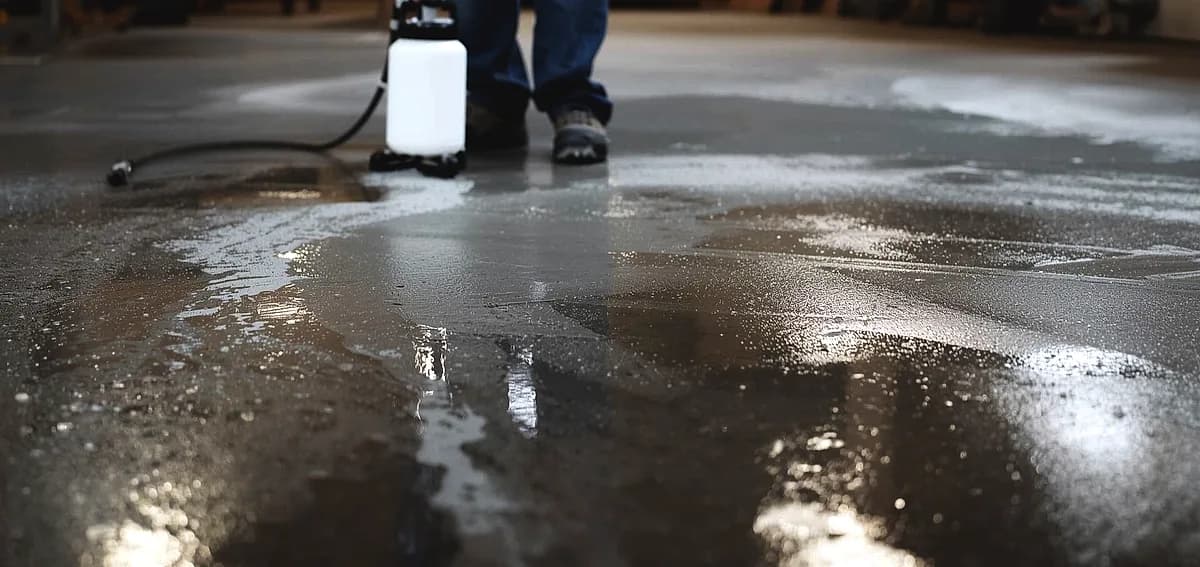
The sealer in grind-and-seal systems serves as both the protective layer and the aesthetic finish, sitting on top of minimally refined concrete. While this creates attractive floors at lower cost, the sealer requires periodic reapplication every 2-5 years as it wears, unlike truly polished concrete that maintains its appearance for decades. For commercial applications in South Florida, understanding this distinction helps property owners choose the approach that best balances initial investment against long-term maintenance costs.
Benefits of Post-Polish Sealing
While true polished concrete doesn’t require topical sealers, applying them offers legitimate benefits in certain applications. Sealers enhance stain resistance against oils, chemicals, and acidic substances that can etch even dense polished concrete. In restaurant kitchens, food processing facilities, and other high-exposure environments, this additional protection prevents costly maintenance and premature refinishing.
Sealers can intensify the floor’s color and depth, particularly valuable for decoratively stained or dyed concrete. They simplify routine maintenance by making surfaces easier to clean and preventing dirt accumulation in microscopic surface pores. However, sealed polished floors lose one of polishing’s key advantages—the elimination of ongoing sealer reapplication costs—so the decision involves weighing additional protection against increased long-term maintenance requirements.
Types of Sealers for Polished Concrete
Penetrating sealers work below the surface by filling concrete pores without forming a film, maintaining the floor’s natural appearance while providing invisible protection. These chemically reactive sealers bond permanently with the concrete and never require removal, only periodic reapplication to maintain protection levels. Penetrating options suit applications where maintaining the polished concrete’s authentic look is paramount.
Film-forming sealers including acrylics, polyurethanes, and epoxies sit on top of the polished surface, adding 20-50 gloss units and creating a more dramatic shine. These topical products offer superior stain resistance and can be formulated for specific performance requirements like UV stability or chemical resistance. However, they require periodic stripping and reapplication as they wear, adding maintenance costs and complexity. For South Florida retail and hospitality applications, film-forming sealers often justify their maintenance demands through enhanced appearance and protection.
Florida Climate Considerations
South Florida’s humidity significantly impacts both densifier application and post-polish sealing decisions. High ambient moisture can prevent penetrating densifiers from properly entering concrete pores, reducing their effectiveness in hardening and dustproofing the surface. Professional contractors use dehumidification equipment to control conditions during critical application windows, ensuring optimal chemical reactions.
The region’s moisture also affects sealer selection and application timing—moisture vapor transmission through concrete slabs can trap beneath film-forming sealers, causing bubbling and delamination. Penetrating sealers typically perform better in humid environments because they don’t trap moisture beneath impermeable films. For coastal properties experiencing elevated moisture levels, proper concrete moisture testing before any sealing decisions prevents costly failures and ensures long-term floor performance.
Common Mistakes to Avoid
Applying any topical sealer before beginning the polishing process ranks as the most catastrophic error, essentially ruining the concrete for proper polishing. The sealer must be completely removed through aggressive grinding before polishing can proceed, adding significant cost and time to the project. Using inadequate or no densifier during the polishing sequence results in soft, dusty surfaces that never achieve proper hardness or high-gloss finishes.
Rushing densifier application without allowing proper penetration and reaction time compromises the chemical strengthening process. Applying post-polish sealers to inadequately cleaned concrete traps dust and residue beneath the film, creating hazy, unattractive appearances. For commercial projects where floor quality directly impacts customer perceptions, avoiding these mistakes through professional installation becomes essential to protecting your investment.
Maintenance Differences
Properly polished concrete without topical sealers requires only pH-neutral cleaning with microfiber tools to maintain appearance indefinitely. The floor never needs waxing, stripping, or recoating, providing exceptional long-term cost savings. Periodic repolishing every 5-10 years can restore gloss in high-traffic areas without complete refinishing.
Sealed polished concrete demands more involved maintenance including periodic sealer reapplication every 2-5 years depending on traffic and sealer type. Film-forming sealers may require stripping before reapplication, adding labor costs and operational disruption. For warehouse and manufacturing facilities prioritizing minimal maintenance downtime, unsealed polished concrete often provides superior long-term value despite potentially requiring additional stain vigilance.
Cost Implications
True polished concrete costs more initially than grind-and-seal alternatives due to the extensive grinding sequence required. However, eliminating ongoing sealer reapplication costs often makes polishing more economical over 10-20 year periods. Grind-and-seal systems save 30-40% on initial installation but require sealer maintenance every 2-5 years that accumulates significant costs over time.
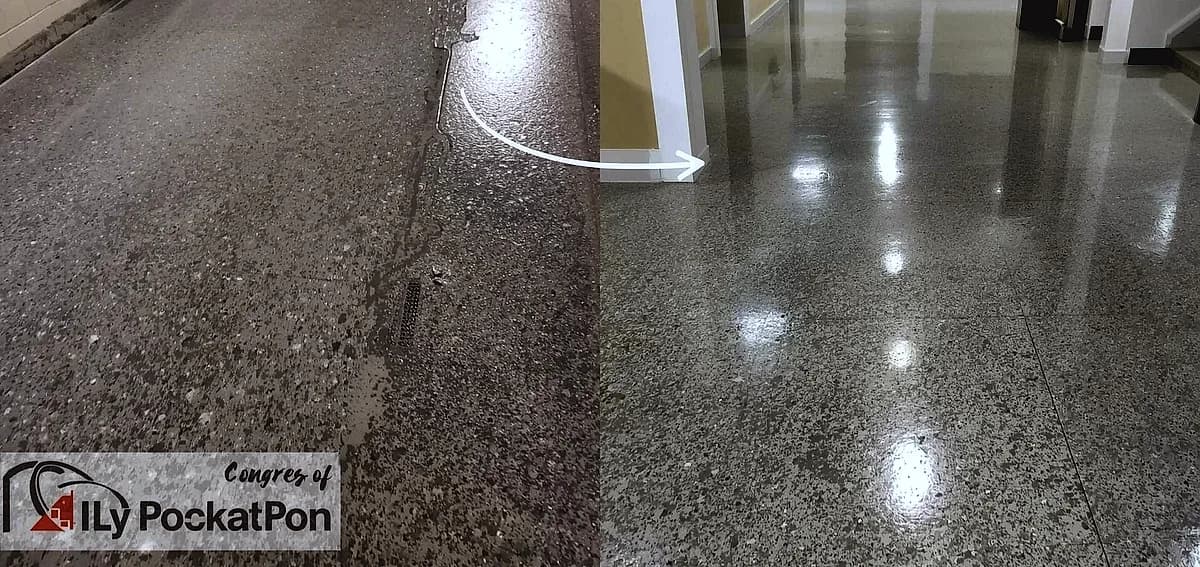
Adding topical sealers to finished polished concrete increases initial costs by $0.50-$2.00 per square foot depending on sealer type. This investment provides additional stain protection and potential appearance enhancement but introduces ongoing maintenance requirements that partially negate polishing’s maintenance-free advantage. For commercial properties evaluating return on investment, analyzing total lifecycle costs rather than just initial installation expenses provides clearer guidance on the most cost-effective approach.
Professional Installation Importance
Professional concrete polishing contractors possess the specialized equipment and expertise essential for proper densifier application timing and sealer selection. They understand how to assess concrete hardness and porosity to determine optimal densifier formulations and application rates for your specific slab. Their experience with Florida’s climate challenges prevents moisture-related problems that commonly plague DIY installations.
Professional installers also provide crucial guidance on whether post-polish sealing benefits your specific application or unnecessarily adds maintenance complexity. They can properly prepare surfaces, apply materials at manufacturer-specified rates, and ensure adequate curing before returning floors to service. For commercial projects where floor failures create costly operational disruptions, professional installation represents essential risk management rather than optional expense.
Frequently Asked Questions
Do you seal concrete before polishing?
No, never apply topical sealers before polishing—they prevent diamond grinding from properly refining the concrete surface and must be removed before polishing can proceed.
What is applied to concrete during polishing?
Chemical densifiers (liquid silicates) are applied during polishing after initial grinding to harden the concrete, reduce porosity, and enable high-gloss finishes.
Does polished concrete need to be sealed after completion?
Not necessarily—properly polished concrete performs well without topical sealers, though optional sealers can enhance stain resistance and ease maintenance in certain applications.
What’s the difference between polished and sealed concrete?
Polished concrete achieves shine through mechanical surface refinement with diamond abrasives; sealed concrete uses topical coatings applied over minimally ground surfaces to create the appearance.
When are topical sealers applied in the polishing process?
Only after complete polishing to the desired gloss level—sealers enhance the already-finished floor rather than creating the finish themselves.
How long do densifiers take to cure during polishing?
Densifiers typically require 24-48 hours to fully react with concrete before fine-grit polishing can resume, though application timing varies by product and conditions.
Can you polish over sealed concrete?
Existing sealers must be completely removed through aggressive grinding before proper polishing can occur—attempting to polish over sealers produces poor results.
What type of sealer is best for polished concrete?
Penetrating sealers maintain natural appearance while providing invisible protection; film-forming sealers add more gloss but require periodic reapplication.
Does humidity affect concrete polishing and sealing?
Yes, high humidity interferes with densifier penetration and can trap moisture beneath film-forming sealers, making environmental control critical during installation.
How often do sealed polished floors need maintenance?
Film-forming sealers require reapplication every 2-5 years; penetrating sealers last longer; unsealed polished concrete needs only routine cleaning indefinitely.
Conclusion
Concrete sealing before polishing represents a fundamental misunderstanding of proper installation sequences that would sabotage the entire project. The correct approach applies chemical densifiers during the multi-stage polishing process to harden concrete from within, not topical sealers that would prevent proper surface refinement. While optional topical sealers applied after polishing completion can enhance stain resistance and appearance, truly polished concrete performs exceptionally well without them, offering decades of low-maintenance service that sealed alternatives cannot match. Understanding the distinction between concrete resurfacing process floors (where sealers create the finish) and mechanically polished concrete (where diamond refinement creates the shine) helps property owners make informed decisions aligned with their performance requirements and maintenance preferences.
National Concrete Polishing brings expert knowledge of proper material sequences and Florida-specific considerations to every Pompano Beach, Fort Lauderdale, and Miami installation, ensuring clients receive polished concrete floors that deliver the performance, appearance, and longevity South Florida’s demanding environment requires. Contact us today for expert guidance on whether your project needs true polished concrete, Polished Concrete vs Stained Concrete, or a combination approach customized to your specific application and budget.
Written by

Founder and CEO
Chris Lavin is an esteemed leader in concrete polishing and epoxy coatings with a distinguished 20-year career. As founder and CEO of National Concrete Polishing and owner of Xtreme Polishing Systems, he's renowned for polishing and epoxy coating more floors than anyone globally. Chris is recognized for his innovative approach and commitment to enhancing floor durability and aesthetics. His hands-on experience and technical proficiency make him a respected authority and a valuable resource in the field of floor polishing and coatings.
Same topic
Related articles
All stories
Polished concrete11 min read
Polished Concrete vs Epoxy Coatings: Which Floor Is Right for Your Space?
Two systems, two price curves, one slab. What each one costs to install and to keep, and which spaces each one actually suits.
Read it
Polished concrete8 min read
What to Know Before Polishing Your Existing Concrete Slab
Before any mechanical refinement can begin, a thorough evaluation of the current foundation is required.
Read it
Polished concrete8 min read
Is Polished Concrete Worth the Investment for Miami Properties?
It is essential to distinguish between a simple topical seal and mechanically refined concrete.
Read it
Tell us about the floor
Tell us the space and roughly how big it is.We come back with what it would cost and when we could start.
Prefer to talk? Call +1 844-876-5474
- Leads@
nationalconcretepolishing.net - 2200 NW 32nd St #600,
Pompano Beach, FL 33069 Mon to Fri, 9:00 to 5:30