
The NCP blog
Understanding Gloss Levels: How to Specify Concrete Reflectivity
Polished concrete8 min read
We’ll also cover how to select the right gloss level for your specific application and maintenance considerations.
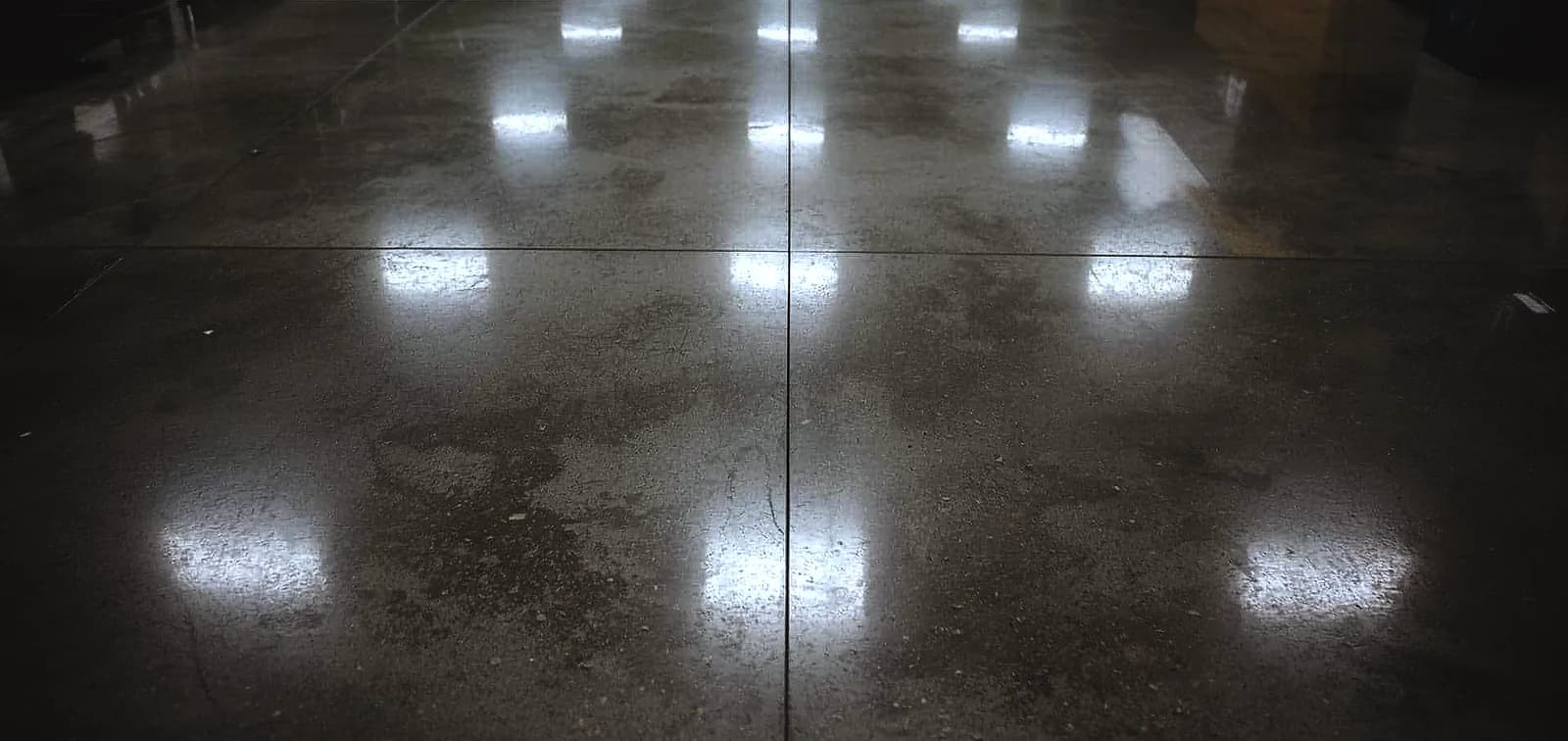
Polished concrete reflectivity standards define the shine and mirror-like qualities of finished floors through measurable specifications recognized by the Concrete Polishing Association of America. These polished concrete reflectivity standards use distinct gloss levels ranging from matte to highly polished—to guide contractors and property owners in achieving precise visual outcomes. Understanding these specifications ensures your Pompano Beach flooring project meets both aesthetic expectations and functional requirements. National Concrete Polishing uses industry-recognized measurement systems to deliver floors that balance beauty, safety, and energy efficiency.
Overview
This guide explains how professionals specify and measure concrete reflectivity for residential and commercial projects in South Florida. You’ll learn about the four standardized finish levels, measurement tools like gloss meters and DOI assessments, diamond grit progression, and how reflectivity impacts lighting costs and safety. We’ll also cover how to select the right gloss level for your specific application and maintenance considerations.
The Four Standard Reflectivity Levels
The Concrete Polishing Association of America classifies polished concrete into four distinct levels based on light reflection characteristics. Level 1 produces a flat, matte appearance with minimal reflection, typically finishing at 100-200 grit and achieving 0-9% image clarity. This industrial-grade finish suits warehouses and utility spaces where glare reduction is critical.
Level 2 creates a satin or honed appearance using 200-400 grit polishing, with DOI readings between 10-39%. Light diffuses softly across these surfaces, making them ideal for parking structures and service areas. Level 3 delivers a polished gloss finish at 400-800 grit where reflected images become identifiable with DOI values of 40-69%.
Level 4 represents the highest polish category, requiring 800-3,000 grit diamond tooling to achieve sharp, crisp mirror-like reflections. These floors score 70-100% on DOI measurements and are specified for luxury retail spaces, showrooms, and high-end residential applications. Each level requires specific diamond abrasive sequences and densification treatments to meet industry standards.
Light Reflectance Value (LRV) Explained
Light Reflectance Value measures how much illumination a surface returns to a space, rated on a scale from 0% (complete absorption) to 100% (total reflection). White or very light surfaces approach 100% LRV, maximizing ambient light distribution and reducing artificial lighting requirements. Darker polished concrete finishes absorb more light, typically scoring between 20-40% LRV depending on aggregate exposure and color.
High LRV ratings directly impact energy efficiency in commercial facilities by enhancing natural and artificial light distribution. South Florida properties with abundant sunlight benefit significantly from reflective floors that amplify available illumination. Professional contractors take multiple LRV readings across different floor sections to ensure consistency and inform lighting system design.
Distinctness of Image (DOI) Measurements
DOI assessment reveals reflection precision and clarity, distinguishing between hazy and sharp mirror-like qualities. Unlike basic gloss measurements that only quantify brightness, DOI accounts for light scattering and human visual perception. Two floors with identical gloss unit readings can display vastly different reflection sharpness based on surface flatness and density.
Level 4 highly polished finishes require DOI readings of 70-100 to achieve crisp, distortion-free reflections. Portable DOI meters provide real-time analysis during installation, allowing contractors to identify and correct light scattering issues before final sealing. Museums, luxury showrooms, and retail environments prioritize high DOI values to enhance product displays and create dramatic visual effects.
Gloss Units and Measurement Angles
Specialized gloss meters project light at standardized angles—20°, 60°, or 85°—and measure bounce-back intensity in gloss units (GU). The 60-degree angle represents the industry standard for most polished concrete applications, providing consistent cross-project comparisons. Higher GU numbers indicate more reflective surfaces, with readings guiding quality control during installation phases.
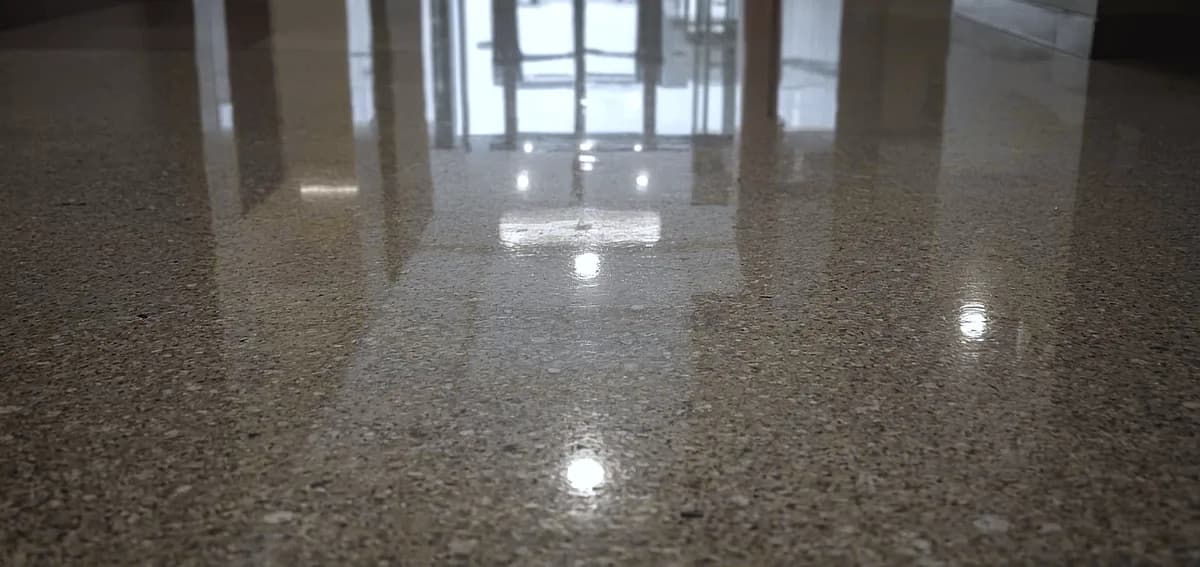
Performance specifications often require minimum reflectivity increases of 35% as measured by calibrated gloss meters. Contractors document baseline readings on prepared concrete and final measurements after polishing to verify specification compliance. The “Z Gloss Method” determines optimal testing locations across floor areas to account for natural surface variations.
Diamond Grit Progression Standards
Diamond abrasive size determines the final reflectivity level achieved during concrete polishing. Coarse 30-100 grit metal-bond tools remove surface irregularities and existing coatings during initial grinding phases. Transitional 100-400 grit resin tools create the foundation for light reflection by eliminating deep scratches.
Mid-range 400-800 grit diamonds produce Level 3 polished gloss finishes suitable for most commercial applications. Fine 800-1,500 grit sequences generate high-sheen surfaces, while ultra-fine 1,500-3,000 grit polishing achieves mirror-quality Level 4 finishes. Each grit level builds upon the previous stage, systematically refining surface texture and enhancing light diffusion properties.
Flatness Requirements for Optimal Reflectivity
Concrete floor flatness directly impacts reflection clarity and achievable gloss levels. Industry specifications typically require FF (Floor Flatness) ratings of 30-40+ and FL (Floor Levelness) of 25+ for optimal polishing results. Higher FF/FL numbers produce smoother surfaces that reflect light with minimal distortion or wave patterns.
Dense, nonporous concrete slabs create superior mirror-like reflections compared to porous or poorly consolidated surfaces. Hard-steel troweled finishes to ACI 302.1R Class 5 standards provide the ideal substrate for high-gloss polishing. Facilities requiring Level 4 reflectivity must prioritize flatness specifications during initial concrete placement to avoid corrective grinding that reduces floor thickness.
Abrasion Resistance and Surface Hardness
Reflectivity specifications often include abrasion resistance requirements measured by ASTM C779 Method A. High-quality polished concrete demonstrates up to 400% increase in abrasion resistance compared to untreated surfaces. Proper densification treatments harden the concrete matrix, reducing wear rates to no more than 0.008 inches over 30 minutes of standardized testing.
Minimum concrete compressive strength of 3,500 psi ensures adequate hardness for effective polishing and long-term gloss retention. Normal-weight, non-air-entrained concrete mixes produce the best reflectivity outcomes. South Florida contractors verify these properties before commencing polishing operations to guarantee specification compliance and durability.
Slip Resistance Considerations
High-gloss finishes must balance aesthetic reflectivity with safety requirements, particularly in humid climates. ASTM C1028 establishes minimum Static Coefficient of Friction (SCOF) values of 0.50 for commercial flooring. Level 4 mirror finishes can create slip hazards when wet, requiring careful assessment of location and foot traffic patterns.
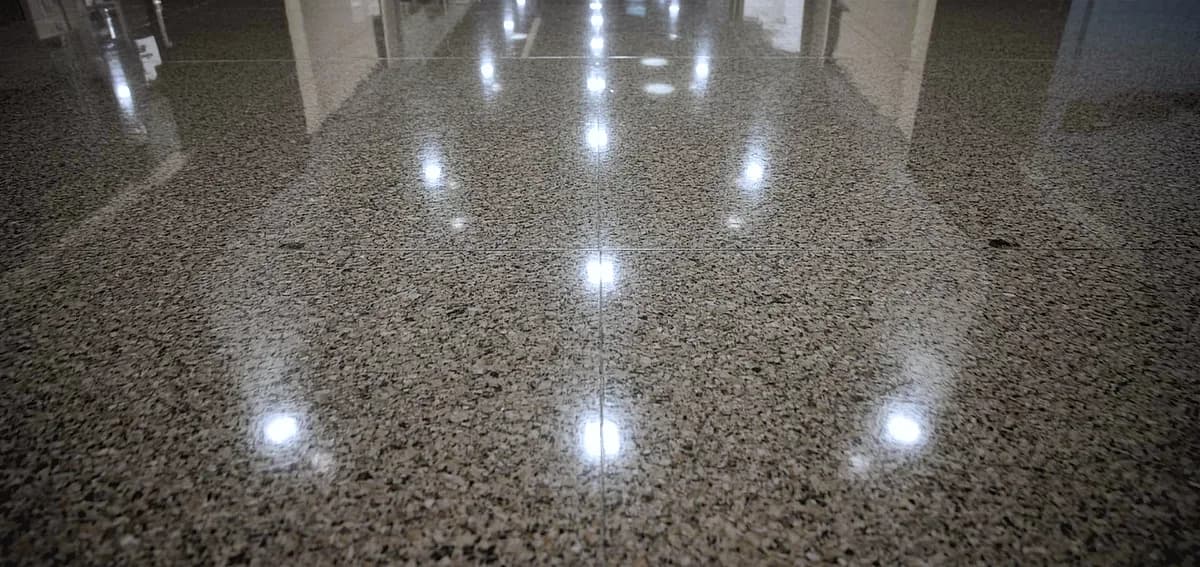
Level 3 polished finishes provide optimal balance for South Florida facilities, delivering ample shine while maintaining slip resistance. NFSI 101-A high traction ratings ensure non-slip properties without sacrificing reflectivity benefits. Specialized burnishing techniques can enhance gloss while preserving surface texture for improved traction.
Selecting the Right Level for Your Application
Industrial warehouses and manufacturing facilities typically specify Level 1-2 finishes to minimize glare under high-bay lighting. These matte to satin surfaces reduce eye strain while providing adequate illumination reflection for safety. Parking structures benefit from Level 2 honed finishes that tolerate heavy traffic and de-icing chemical exposure.
Retail stores, office lobbies, and hospitality venues favor Level 3 finishes that deliver professional appearance with moderate maintenance requirements. Luxury showrooms, museums, and high-end residential spaces justify Level 4 mirror finishes for maximum visual impact. National Concrete Polishing evaluates traffic volume, lighting conditions, and maintenance capabilities to recommend appropriate reflectivity specifications.
Energy Efficiency and Lighting Benefits
High-gloss polished concrete reduces artificial lighting needs by up to 30% in commercial settings through enhanced light distribution. Facilities with abundant windows maximize natural daylighting benefits when floor reflectivity amplifies available illumination. This reduces electricity consumption for overhead lighting systems while improving visual comfort and task visibility.
Level 3 and Level 4 finishes deliver measurable energy savings over 20+ year service lifespans. However, excessive reflectivity in warehouses with bright metal halide fixtures can create glare hazards that negate efficiency gains. Professional specification balances these factors based on ceiling height, fixture types, and operational requirements to optimize long-term performance.
Maintenance and Long-Term Reflectivity
Proper maintenance preserves reflectivity specifications throughout the floor’s service life. Regular dust mopping removes abrasive particles that gradually dull polished surfaces. Neutral pH cleaners protect against chemical etching that reduces gloss levels over time.
Periodic re-polishing or burnishing restores diminished reflectivity in high-traffic areas using fine-grit diamonds. Well-maintained Level 3-4 finishes retain 80-90% of original gloss for 10-15 years before requiring refinishing. South Florida’s humid climate necessitates dehumidification in enclosed spaces to prevent moisture-related surface degradation that impacts reflection quality.
Specification Language and Documentation
Professional specifications clearly state target reflectivity levels using standardized terminology from ASTM D523 for specular gloss. Documents should reference Concrete Polishing Association of America level definitions (1-4) and minimum DOI/GU readings required. Including acceptable testing protocols—such as the Z Gloss Method for measurement locations—eliminates installation disputes.
Performance requirements typically specify minimum 35% reflectivity increase from baseline measurements. Waterproof properties verified by Rilem Test Method 11.4 ensure 70%+ reduction in absorption. Complete specifications also address concrete substrate requirements including compressive strength, flatness tolerances, and finishing standards necessary to achieve target gloss levels.
Frequently Asked Questions
What are the four polished concrete reflectivity levels?
Level 1 (matte, 0-9% clarity), Level 2 (satin, 10-39%), Level 3 (polished, 40-69%), and Level 4 (mirror finish, 70-100%) as defined by the Concrete Polishing Association of America.
How is concrete reflectivity measured?
Professional contractors use gloss meters at 60-degree angles to measure gloss units (GU), DOI meters for reflection clarity, and LRV tests for light reflectance percentage.
What diamond grit creates a Level 3 finish?
Level 3 polished gloss requires 400-800 grit diamond abrasives to achieve 40-69% DOI readings.
Can high-gloss concrete reduce lighting costs?
Yes, Level 3-4 finishes reduce artificial lighting needs by up to 30% in commercial facilities through enhanced light distribution.
What is DOI and why does it matter?
Distinctness of Image measures reflection sharpness and clarity, revealing mirror-quality finish that basic gloss readings miss.
Are mirror-finish floors slippery?
Level 4 finishes can create slip hazards when wet—specifications must verify SCOF values of 0.50+ for safety compliance.
What floor flatness is needed for high reflectivity?
FF ratings of 30-40+ and FL of 25+ are recommended for optimal Level 3-4 polishing results without distortion.
How often do polished floors need refinishing?
Well-maintained Level 3-4 finishes retain 80-90% of original gloss for 10-15 years before requiring re-polishing.
What concrete strength is required for polishing?
Minimum 3,500 psi compressive strength ensures adequate hardness for effective polishing and gloss retention.
Can existing concrete be polished to Level 4?
Yes, if the slab meets flatness, density, and hardness requirements—age and surface condition determine feasibility.
Conclusion
Specifying concrete reflectivity requires understanding standardized measurement systems, finish level definitions, and performance requirements that ensure your floor meets functional and aesthetic goals. The four-level classification system provides clear language for communicating expectations between owners, architects, and contractors. Professional measurement using gloss meters, DOI assessments, and LRV testing eliminates guesswork and prevents costly installation errors. National Concrete Polishing delivers precisely specified finishes for Pompano Beach properties, balancing reflectivity, safety, energy efficiency, and maintenance requirements. Whether you need industrial-grade matte finishes or luxury mirror-quality floors, proper specification ensures optimal performance throughout your surface’s lifespan. Contact us today for expert guidance on selecting and achieving the ideal reflectivity level for your commercial or residential project.
Written by

Founder and CEO
Chris Lavin is an esteemed leader in concrete polishing and epoxy coatings with a distinguished 20-year career. As founder and CEO of National Concrete Polishing and owner of Xtreme Polishing Systems, he's renowned for polishing and epoxy coating more floors than anyone globally. Chris is recognized for his innovative approach and commitment to enhancing floor durability and aesthetics. His hands-on experience and technical proficiency make him a respected authority and a valuable resource in the field of floor polishing and coatings.
Same topic
Related articles
All stories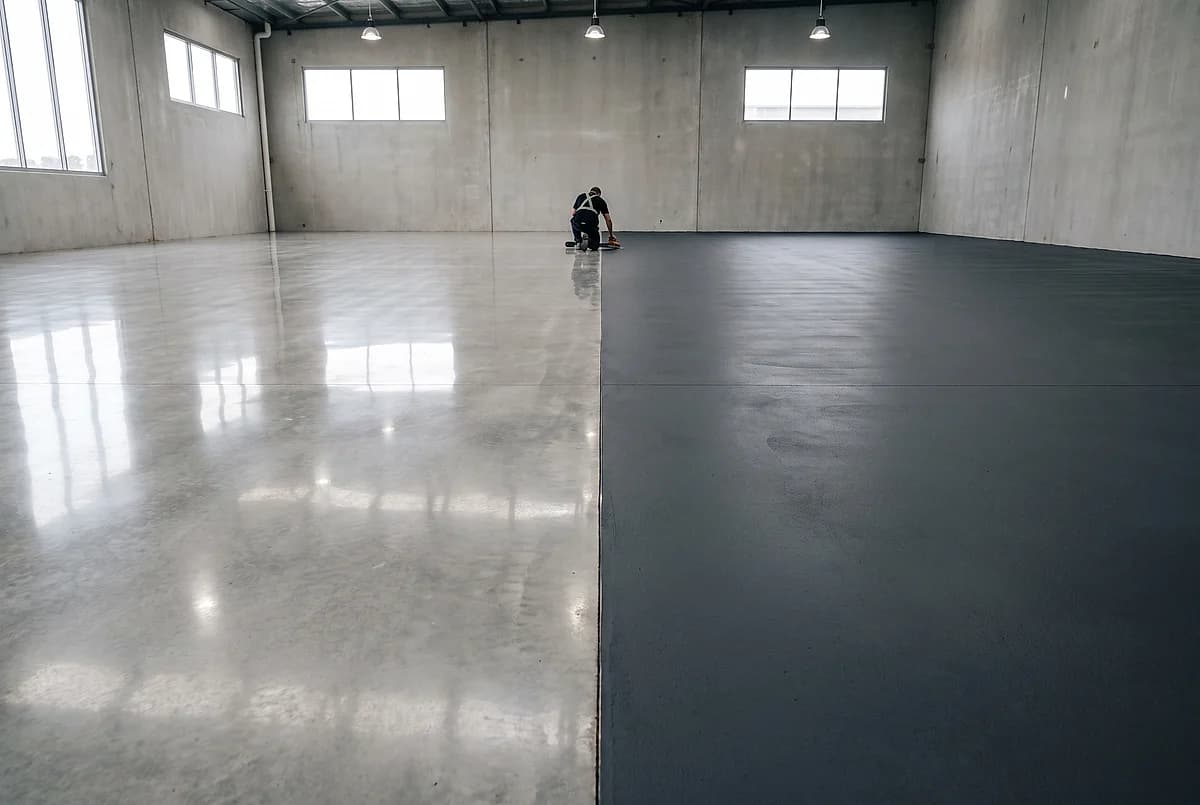
Polished concrete11 min read
Polished Concrete vs Epoxy Coatings: Which Floor Is Right for Your Space?
Two systems, two price curves, one slab. What each one costs to install and to keep, and which spaces each one actually suits.
Read it
Polished concrete8 min read
What to Know Before Polishing Your Existing Concrete Slab
Before any mechanical refinement can begin, a thorough evaluation of the current foundation is required.
Read it
Polished concrete8 min read
Is Polished Concrete Worth the Investment for Miami Properties?
It is essential to distinguish between a simple topical seal and mechanically refined concrete.
Read it
Tell us about the floor
Tell us the space and roughly how big it is.We come back with what it would cost and when we could start.
Prefer to talk? Call +1 844-876-5474
- Leads@
nationalconcretepolishing.net - 2200 NW 32nd St #600,
Pompano Beach, FL 33069 Mon to Fri, 9:00 to 5:30