
The NCP blog
Concrete Resurfacing: Process, Used Tools, Benefits, Issue and Solution
Polished concrete12 min read
This process is used to address issues like cracks, surface wear, and unevenness, creating a fresh and smooth finish.
Concrete resurfacing involves applying a new layer over an existing concrete surface to repair, restore, and improve its appearance. This process is used to address issues like cracks, surface wear, and unevenness, creating a fresh and smooth finish.
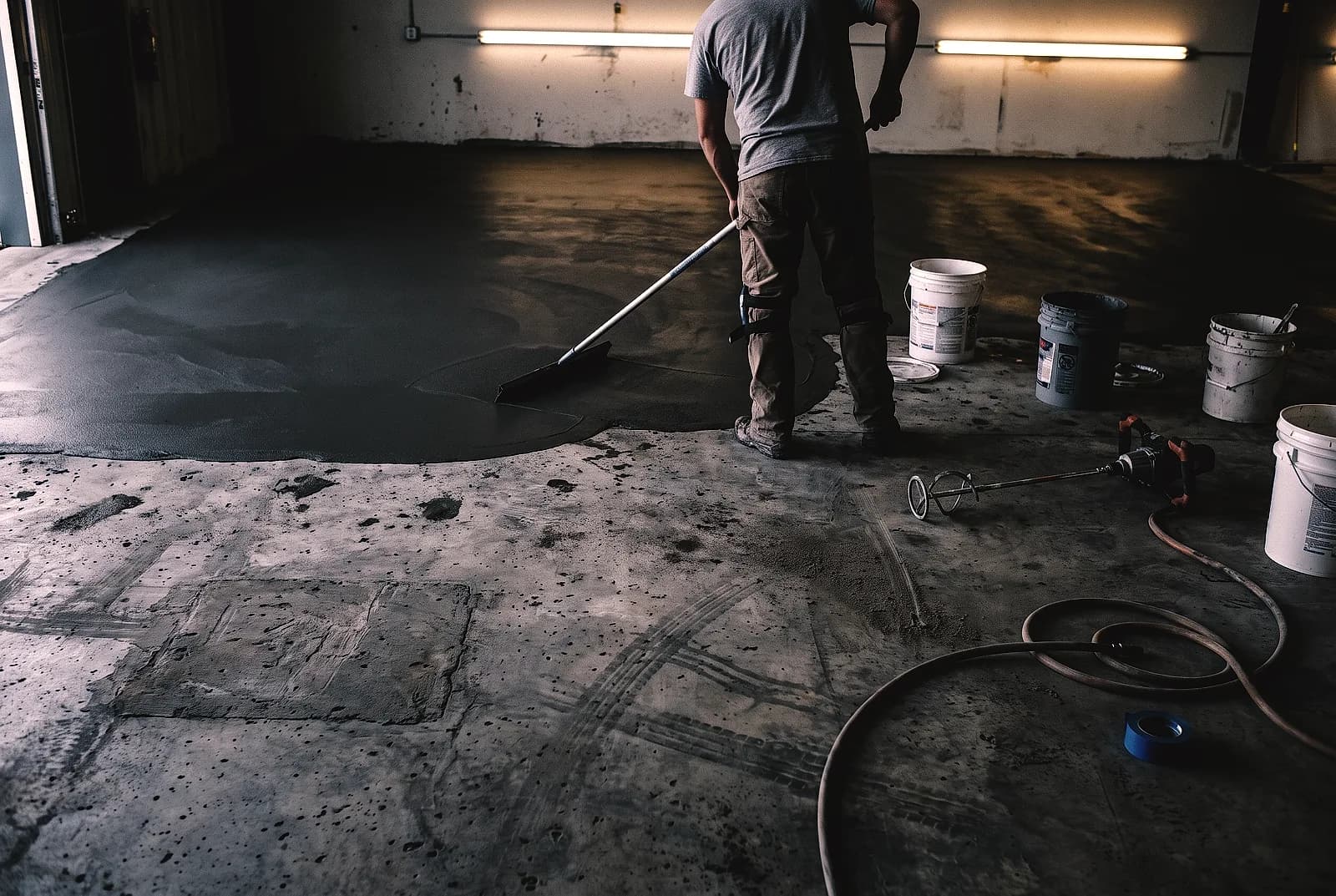
The process of concrete resurfacing involves applying a new layer over existing concrete to repair and refresh its appearance, as studied by Pan X et al. 2017, “A review on concrete surface treatment Part I: Types and mechanisms.” This method starts with thorough cleaning and preparation of the old surface, followed by the application of a resurfacing compound. The compound is then spread and smoothed to create a new, even surface. Finally, the layer is allowed to cure, restoring the concrete’s functionality and aesthetic appeal.
The tools used for concrete resurfacing include equipment essential for preparing, applying, and finishing the resurfacing layer, as mentioned in an article published by Concrete Network et al. 2021, “Concrete Resurfacing Ways to Resurface Concrete.” These tools ensure proper surface cleaning, mixing of materials, and achieving a smooth and durable finish. For instance, a pressure washer is used to clean the surface, while a trowel helps spread and smooth the resurfacing mix. Other tools like squeegees, grinders, and mixing drills facilitate an even application and consistent results.
The benefits of concrete resurfacing involve various advantages for both aesthetics and functionality, as mentioned in a study by Czarnecki L, Geryło R, Kuczyński K., et al. 2020, “Concrete Repair Durability.” This process enhances the appearance of worn or damaged concrete, extends its lifespan, and improves durability. Concrete resurfacing is a cost-effective way to restore surfaces, providing a fresh, smooth finish while addressing surface imperfections and increasing overall strength.
These issues in concrete resurfacing include problems like poor surface preparation, incorrect material mixing, and environmental factors that can affect the final results studied by Mailvaganam N.P. et al. 2001, “Concrete repair and rehabilitation: Issues and trends.” Effective solutions involve ensuring thorough cleaning and preparation of the concrete surface, following precise mixing instructions, and controlling environmental conditions during application to avoid issues such as poor adhesion, cracking, or uneven finishes.
What is Concrete Resurfacing?
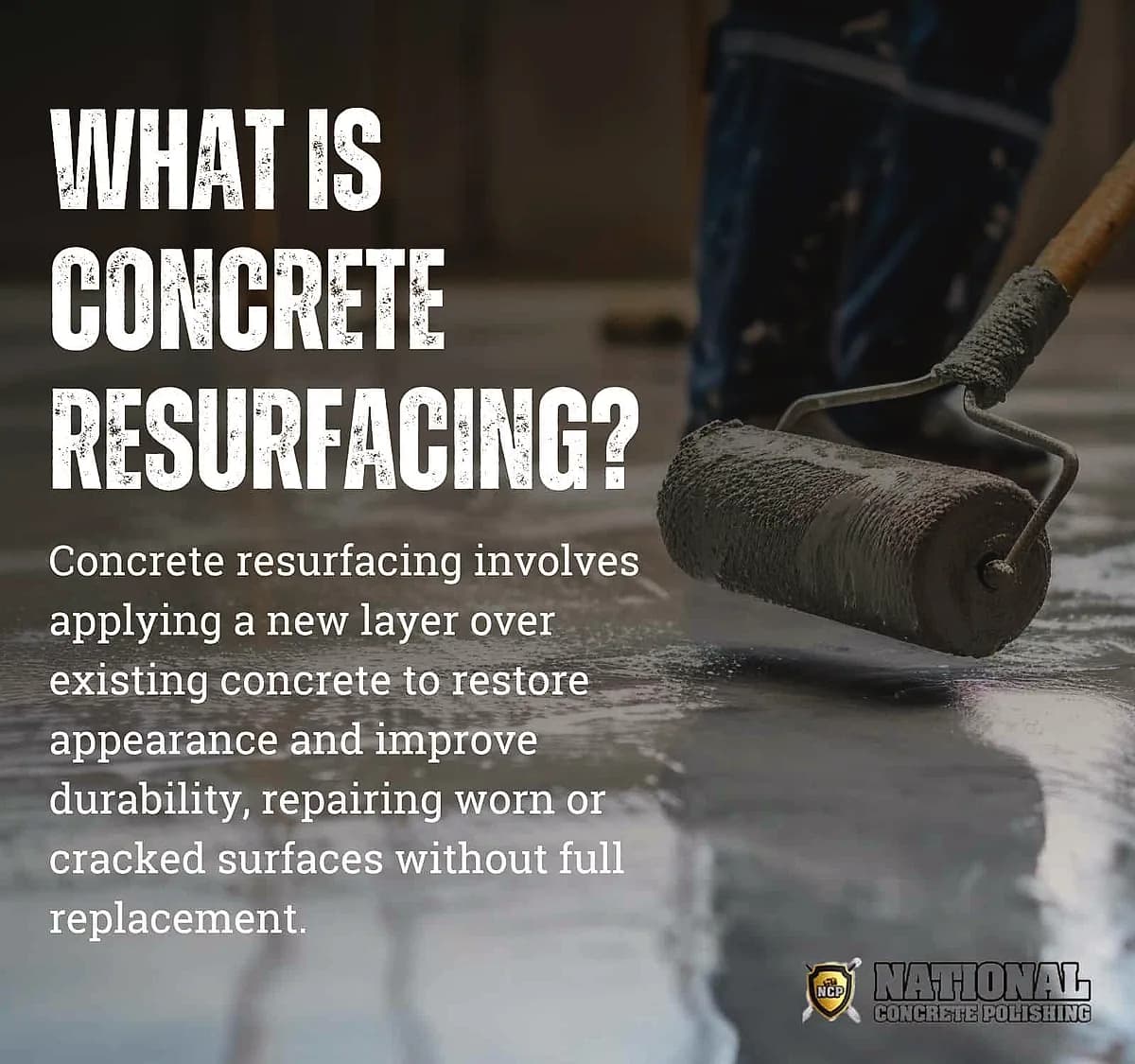
Concrete resurfacing is the process of applying a new layer of material over an existing concrete surface to restore its appearance and improve its durability. This method is used to repair worn, cracked, or damaged concrete without the need for complete removal and replacement, according to an article in TestBook et al. 2024, “Concrete Resurfacing – Meaning, Necessity, Procedure, and Advantages.”
During concrete resurfacing, a specialized mixture, often including bonding agents and polymer additives, is spread over the old surface after thorough cleaning and preparation. This new layer not only masks imperfections like cracks or stains but also enhances the strength and longevity of the surface. Concrete resurfacing is commonly used for driveways, patios, and commercial floors, offering a cost-effective way to rejuvenate aging concrete. The process can also incorporate decorative finishes, adding aesthetic value with different textures, patterns, and colors.
How to Do Concrete Resurfacing?
To do concrete resurfacing, a fresh layer of specialized concrete mix is applied over an existing, damaged surface. This process begins with cleaning and preparing the old concrete to remove dirt, debris, or loose particles. Once the surface is prepped, cracks or imperfections are patched. A bonding agent is often applied to ensure the new layer adheres properly. Finally, the resurfacing material is spread evenly over the surface, and any desired texture or decorative finish is applied before the material cures.
Concrete resurfacing is ideal for restoring worn concrete without full replacement. After resurfacing, the new layer provides a smooth, uniform appearance while improving the surface’s durability. It’s commonly used for renewing driveways, patios, sidewalks, and other high-traffic areas. The finished surface can also be customized with colors, textures, or even stamped patterns to enhance its aesthetic appeal. Resurfacing is a cost-effective solution for extending the life of concrete structures while boosting their visual appeal, as studied by Pan X et al. 2017, “A review on concrete surface treatment Part I: Types and mechanisms.”
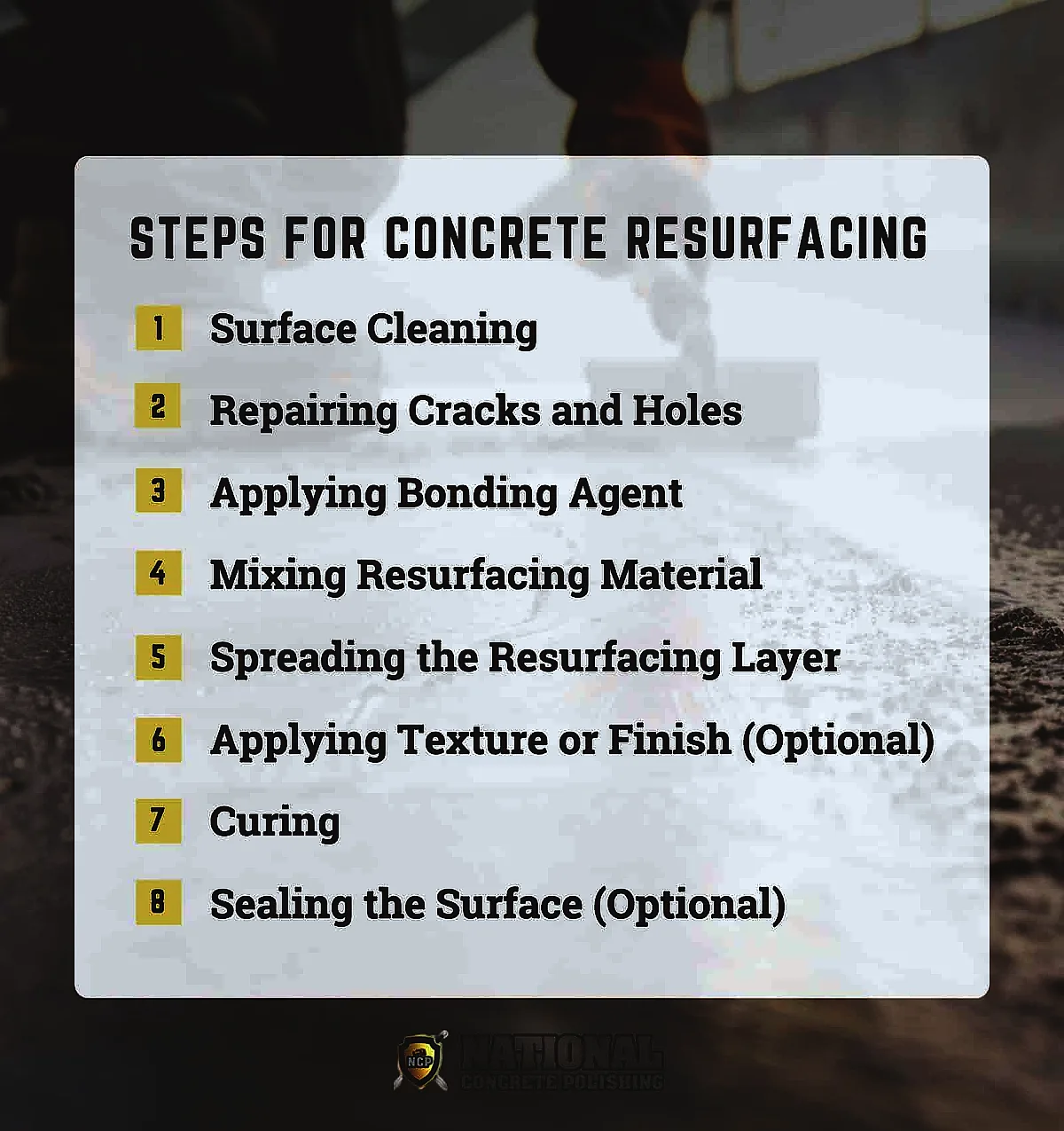
The concrete resurfacing is done using the following steps:
- Surface Cleaning: The existing concrete is thoroughly cleaned before concrete resurfacing using pressure washing or scrubbing to remove dirt, debris, and loose particles. This ensures a proper bond between the old surface and the new layer.
- Repairing Cracks and Holes: Any cracks, holes, or damaged areas in the concrete are patched with a concrete repair compound. This step ensures a smooth and even base for resurfacing.
- Applying Bonding Agent: A bonding agent is applied to the old concrete surface to enhance adhesion between the existing concrete and the new resurfacing material. This prevents future delamination or peeling.
- Mixing Resurfacing Material: A specialized concrete resurfacing mix containing polymers is prepared according to the manufacturer’s instructions to ensure the right consistency and strength.
- Spreading the Resurfacing Layer: The resurfacing material is spread evenly over the old concrete using trowels, squeegees, or brushes. It is applied to the desired thickness, covering imperfections and creating a fresh surface.
- Applying Texture or Finish (Optional): Decorative finishes such as stamping, brooming, or coloring are added if needed while the resurfacing material is still wet to achieve the desired aesthetic.
- Curing: The resurfaced concrete is left to heal for a specified period, ranging from 24 to 48 hours, depending on the product and environmental conditions. This hardens the surface for long-lasting durability.
- Sealing the Surface (Optional): Once cured, a protective sealant is applied to further protect the resurfaced concrete from moisture, stains, and wear.
What Tools Are Used for Concrete Resurfacing?
The tools used for concrete resurfacing include pressure washers, concrete crack fillers, trowels, squeegees, and more. These tools are specialized equipment designed to clean, prepare, and apply the resurfacing material effectively. Concrete resurfacing tools ensure a smooth, even finish and proper adhesion, as mentioned in an article published by Concrete Network et al. 2021, “Concrete Resurfacing Ways to Resurface Concrete.”
The tools used for concrete resurfacing are as follows:
- Pressure Washer: A pressure washer is a high-powered machine that uses a pressurized stream of water to clean surfaces. Concrete resurfacing is used to thoroughly clean the concrete surface by removing dirt, debris, and loose concrete fragments. This step is crucial before any resurfacing work begins to ensure proper adhesion of the new layer.
- Concrete Crack Filler: Concrete crack filler is a compound designed to repair cracks and holes in concrete surfaces. During concrete resurfacing, it is applied to any existing cracks or damage on the old concrete to create a smooth, even surface. Proper filling of these imperfections is essential to prevent them from showing through the new resurfacing layer.
- Trowel: A trowel is a flat, hand-held tool used to spread and smooth materials. In the concrete resurfacing process, a trowel distributes the resurfacing material evenly across the concrete surface, helping achieve a uniform thickness and a smooth finish.
- Squeegee: A squeegee is a tool with a rubber blade used to spread liquids evenly. During concrete resurfacing, the resurfacing mix is spread to ensure an even and level finish. The squeegee ensures that the resurfacing compound covers the surface uniformly and fills any low spots.
- Grinder or Scarifier: A grinder or scarifier is a machine used to prepare concrete surfaces by grinding down uneven areas or removing old coatings. It achieves a rough surface profile during concrete resurfacing that allows the new layer to bond properly with the existing concrete. This preparation step ensures the longevity and effectiveness of the resurfacing.
- Mixing Drill and Paddle: A mixing drill with a paddle attachment is used to blend resurfacing compounds to the correct consistency. This tool ensures that the resurfacing mix is properly combined and free of lumps before application. Consistent mixing is essential for achieving the desired performance and finish of the resurfacing material.
- Brushes or Rollers: Brushes or rollers are tools used to apply bonding agents and sealants to the concrete surface. These tools ensure that the resurfacing material adheres well and that the surface is protected after resurfacing.
- Stamping Tools (Optional): Stamping tools create decorative textures or patterns on the resurfaced concrete. They are applied to the surface before the resurfacing material fully cures imprint designs or patterns. This optional step adds aesthetic value to the concrete surface.
- Sealing Sprayer (Optional): A sealing sprayer is a tool that applies a protective sealant to the resurfaced concrete. This optional tool enhances the durability of the surface by protecting it from stains and moisture. The sealant also maintains the appearance and extends the lifespan of the resurfaced concrete.
What are the Benefits of Concrete Resurfacing?
The benefits of concrete resurfacing include cost-effectiveness, aesthetic enhancement, and improved durability, as mentioned in a study by Czarnecki L, Geryło R, Kuczyński K., et al. 2020, “Concrete Repair Durability.” Concrete resurfacing offers a budget-friendly alternative to complete concrete replacement by restoring and rejuvenating existing surfaces. It allows for a fresh, smooth finish that masks imperfections like cracks and stains while providing an opportunity for decorative treatments such as colors and textures.
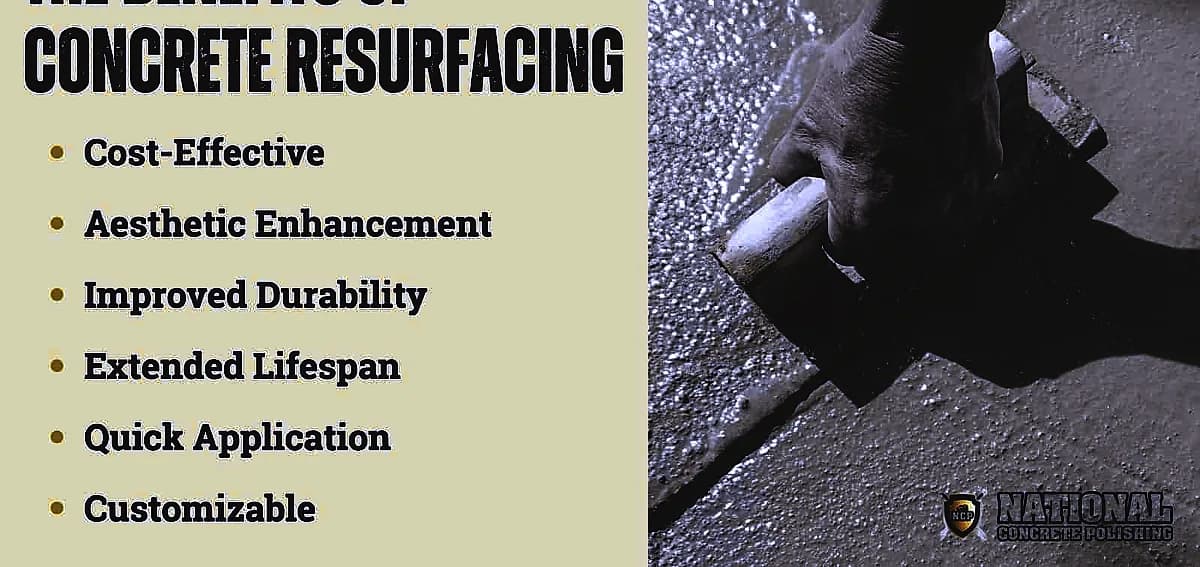
The benefits of concrete resurfacing are as follows:
- Cost-Effective
- Aesthetic Enhancement
- Improved Durability
- Extended Lifespan
- Quick Application
- Customizable
Cost-Effective
Cost-effectiveness refers to achieving desired results without incurring unnecessary expenses. Concrete resurfacing is a cost-effective solution because it involves applying a new layer over the existing concrete rather than removing and replacing the entire surface, saving on both labor and material costs. Concrete resurfacing is valuable for large areas or tight budgets, such as residential driveways or commercial floors. With proper maintenance, concrete resurfacing lasts several years.
Aesthetic Enhancement
Aesthetic enhancement refers to improving a surface’s visual appeal. Concrete resurfacing provides a fresh, smooth finish to old or damaged concrete and incorporates decorative elements such as colors, textures, or patterns. It is ideal for residential and commercial applications where appearance is important, such as patios, walkways, or storefronts. With proper care, the enhanced appearance is maintained for several years before needing touch-ups.
Improved Durability
Improved durability refers to the increased ability of a surface to withstand wear and environmental conditions. Concrete resurfacing adds a new protective layer to the existing concrete, enhancing its resistance to wear, weathering, and staining. It is crucial for high-traffic areas or surfaces exposed to harsh conditions, such as driveways, industrial floors, or commercial spaces. The new layer helps extend the life of the concrete, making it more resilient to daily use and environmental factors. The durability of the resurfaced concrete surface lasts from 5 to 10 years, depending on the quality of the materials and maintenance practices.
Extended Lifespan
Extended lifespan refers to the increased duration for which a surface remains functional and serviceable. Resurfacing the old concrete with a new layer extends the lifespan of the existing concrete. It is particularly useful for surfaces that are structurally sound but visually unappealing. Resurfacing delays the need for complete replacement and reduces overall maintenance costs. The extended lifespan provided by resurfacing adds several more years, ranging from 5 to 10 years, of use to the original concrete, depending on the condition of the base surface and the quality of the resurfacing work.
Quick Application
Quick application refers to the speed at which a process is completed. Concrete resurfacing is completed relatively quickly compared to removing and replacing concrete. The process involves preparing the surface, applying the new layer, and allowing it to cure within 3 to 5 days. This quick turnaround minimizes downtime and disruption, making it suitable for both residential and commercial settings where swift completion is beneficial.
Customizable
Customizable refers to the ability to tailor a process to specific preferences or requirements. Concrete resurfacing offers a range of customization options, including colors, patterns, and textures. It is ideal for applications where visual appeal and design are important, such as decorative patios, retail spaces, or high-end residential properties. The ability to customize the finish allows for unique and attractive surfaces that meet specific aesthetic desires.
What are the Issues and Solutions in Concrete Resurfacing?
Common issues in concrete resurfacing involve challenges such as poor surface preparation, incorrect mixing of materials, and environmental factors like moisture and temperature extremes. These issues lead to problems like poor adhesion, cracking, or an uneven finish. Solutions to these issues include ensuring thorough surface cleaning, following precise mixing instructions, and monitoring environmental conditions during application.
The common issues and their solutions in concrete resurfacing, as studied by Mailvaganam N.P. et al. 2001, “Concrete repair and rehabilitation: Issues and trends,” are as follows:
| Issue | Solution |
|---|---|
| Inadequate Surface Preparation | Thoroughly clean and prepare the surface by removing dirt, debris, and old coatings. Repair any existing cracks or damage. |
| Improper Mixing | Follow the precise mixing instructions provided by the manufacturer to ensure a consistent mixture. For accuracy, use a mixing drill and paddle. |
| Environmental Factors | Monitor and control environmental conditions such as moisture and temperature during application. Avoid resurfacing in extreme weather. |
| Cracking | Fill any existing cracks before resurfacing and address surface irregularities to prevent new cracks from forming. |
| Uneven Application | Use proper tools, like trowels and squeegees, to ensure an even application of the resurfacing material. Apply the mix of inconsistent layers. |
What is the Difference Between Concrete Resurfacing and Concrete Polishing?
The main difference between concrete resurfacing and concrete polishing is their primary objectives and methods, according to Greene L et al. 2024, “What You Need to Know About Concrete Floor Resurfacing Vs. Polishing.” Concrete resurfacing focuses on cost-effectively repairing and rejuvenating old or damaged concrete by applying a new layer over the existing surface. This process addresses issues such as cracks, surface wear, and imperfections, thereby restoring the concrete’s functionality and appearance. Concrete resurfacing is useful for surfaces that have experienced significant damage or deterioration.
In contrast, concrete polishing is a finishing technique that enhances the surface’s visual appeal and durability through a series of grinding, honing, and polishing steps. This process involves removing a thin layer of the concrete to achieve a smooth, high-gloss finish. Polishing improves the aesthetic quality of concrete floors, providing a sleek and reflective surface. It is applied to concrete that is in good condition but requires a more refined appearance.
While resurfacing is best for restoring damaged or worn-out concrete, polishing is best for achieving a decorative and glossy finish on well-maintained surfaces. The choice between resurfacing and polishing depends on the concrete’s specific condition and the desired result, whether it’s repairing and restoring functionality or enhancing visual appeal.
How Long Does Concrete Resurfacing Take to Cure?
Concrete resurfacing takes a minimum of 24 to 48 hours to cure. The curing time varies depending on factors such as the type of resurfacing material used, environmental conditions, and the thickness of the applied layer. The surface can be walked on after around 2 days, but full curing takes up to 7 days, according to a study by Tan K et al. (1996), “Performance of concrete under different curing conditions.” Ensuring proper curing is crucial for achieving optimal strength and durability.
What Are the Different Types of Resurfacing Materials Available?
According to a study by Elkhatib LW et al. 2023, “Methods And Surface Materials Repair For Concrete Structures—A Review, ” the different types of resurfacing materials available include polymer-based overlays, cement-based mixes, and epoxy coatings. Each type offers different properties such as flexibility, durability, and appearance. Choosing the right material depends on the intended use, environmental conditions, and desired finish.
What are the Environmental Considerations for Concrete Resurfacing?
The environmental considerations for concrete resurfacing include the choice of materials and the disposal of old concrete or coatings. Opting for eco-friendly products and properly disposing of waste reduces the environmental impact. Additionally, using low-VOC (volatile organic compounds) materials minimizes indoor air pollution during the application process, according to a study by Muigai R et al. 2018, “Eco-efficient design of concrete repair and rehabilitation.”
Written by

Founder and CEO
Chris Lavin is an esteemed leader in concrete polishing and epoxy coatings with a distinguished 20-year career. As founder and CEO of National Concrete Polishing and owner of Xtreme Polishing Systems, he's renowned for polishing and epoxy coating more floors than anyone globally. Chris is recognized for his innovative approach and commitment to enhancing floor durability and aesthetics. His hands-on experience and technical proficiency make him a respected authority and a valuable resource in the field of floor polishing and coatings.
Same topic
Related articles
All stories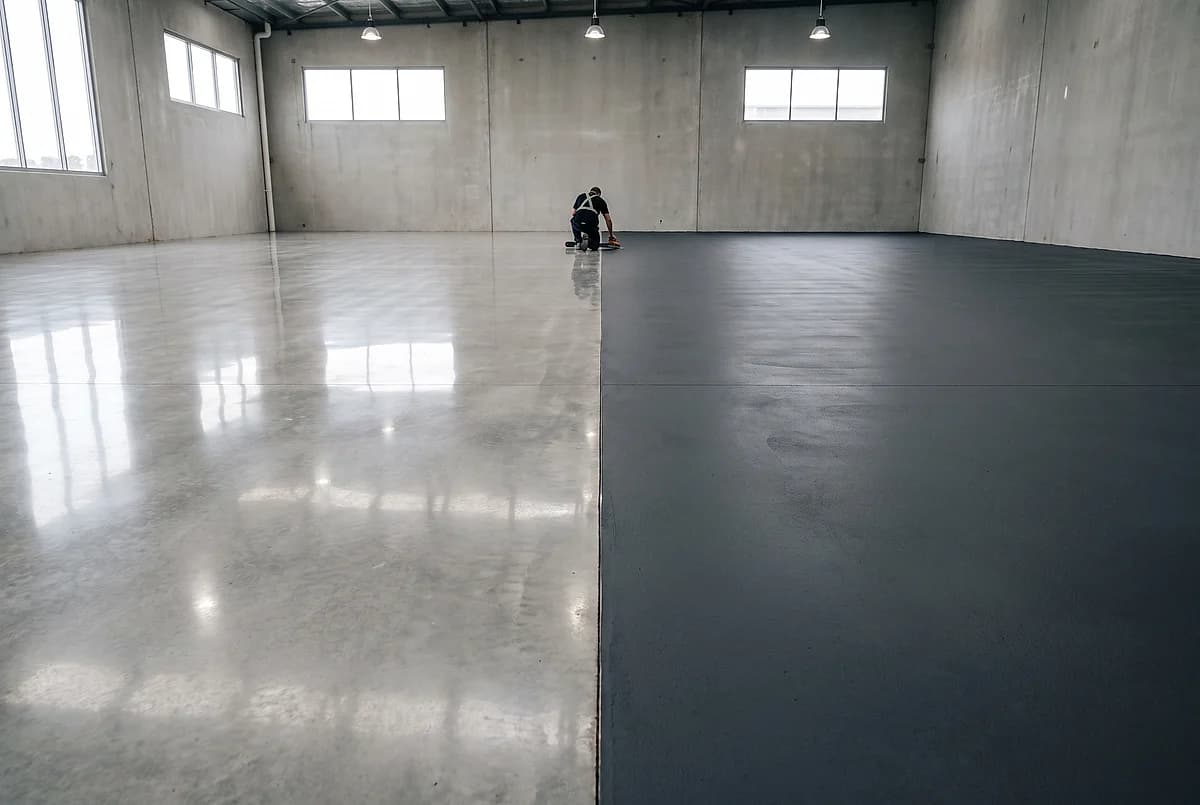
Polished concrete11 min read
Polished Concrete vs Epoxy Coatings: Which Floor Is Right for Your Space?
Two systems, two price curves, one slab. What each one costs to install and to keep, and which spaces each one actually suits.
Read it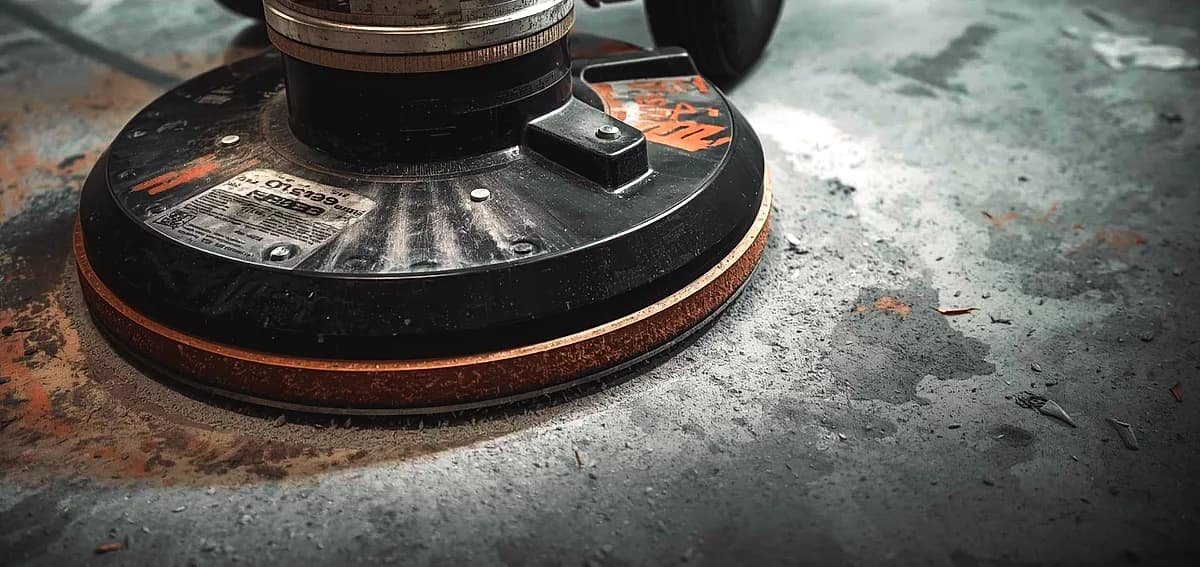
Polished concrete8 min read
What to Know Before Polishing Your Existing Concrete Slab
Before any mechanical refinement can begin, a thorough evaluation of the current foundation is required.
Read it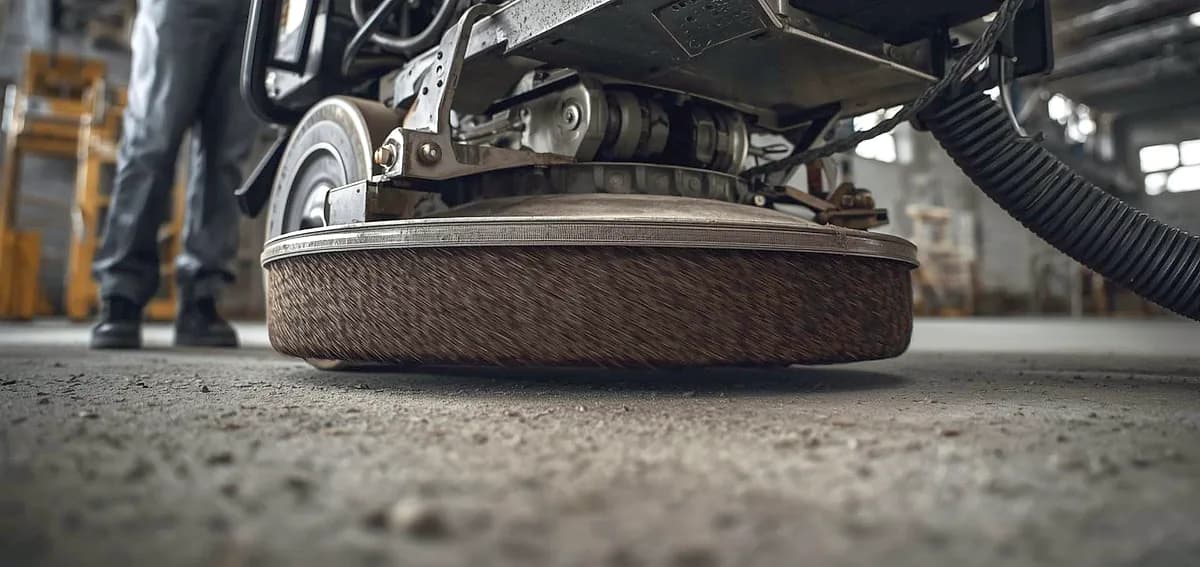
Polished concrete8 min read
Is Polished Concrete Worth the Investment for Miami Properties?
It is essential to distinguish between a simple topical seal and mechanically refined concrete.
Read it
Tell us about the floor
Tell us the space and roughly how big it is.We come back with what it would cost and when we could start.
Prefer to talk? Call +1 844-876-5474
- Leads@
nationalconcretepolishing.net - 2200 NW 32nd St #600,
Pompano Beach, FL 33069 Mon to Fri, 9:00 to 5:30