
The NCP blog
Concrete Sealer vs Densifier: What’s the Difference?
Polished concrete12 min read
Many property owners in Pompano Beach benefit from using both treatments together for maximum durability and protection.
Understanding the difference between concrete sealer vs densifier is crucial for protecting your South Florida floors effectively. While both products enhance concrete sealer versus densifier performance, they work in fundamentally different ways densifiers chemically strengthen concrete from within, while sealers create a protective barrier on the surface. Many property owners in Pompano Beach benefit from using both treatments together for maximum durability and protection. National Concrete Polishing helps you choose the right solution based on your specific flooring needs and environmental conditions.
Overview
This comprehensive guide explains the critical differences between concrete sealers and densifiers for residential and commercial applications. You’ll learn how each product works, their unique benefits, when to use one versus the other, and why combining both treatments often delivers optimal results. We’ll also cover application processes, costs, and maintenance requirements to help you make an informed decision for your concrete surfaces.
What Is a Concrete Densifier?
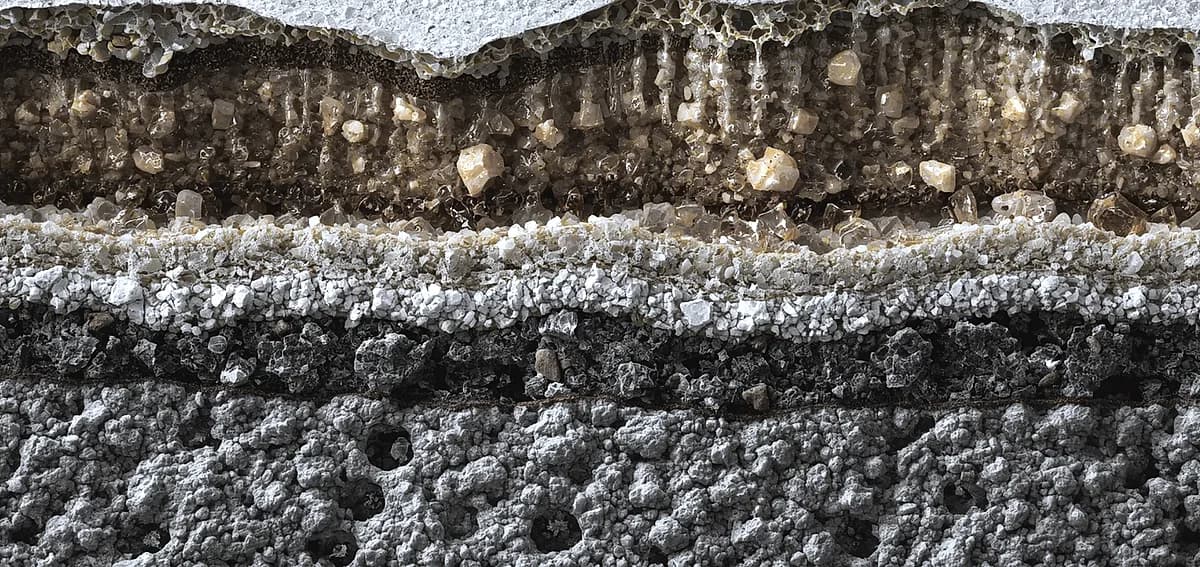
A concrete densifier is a liquid chemical solution typically lithium, potassium, or sodium silicate that penetrates deep into concrete to increase its strength and durability. When applied, densifiers react with calcium hydroxide (a byproduct of cement hydration) to create calcium silicate hydrate (CSH) gel that fills pores and voids within the concrete matrix. This chemical reaction occurs beneath the surface, fundamentally changing the concrete’s composition rather than simply coating it.
The densification process creates crystalline growth that locks up dust particles and makes the surface significantly harder and more abrasion-resistant. Because densifiers work internally, they don’t alter the concrete’s appearance—the result is a natural, matte finish that maintains the original look. This makes densifiers ideal for polished concrete applications where maintaining an authentic concrete aesthetic is important.
How Concrete Densifiers Work
Densifiers penetrate 3-9mm into the concrete surface where they chemically bond with unreacted cement and lime compounds. The resulting crystallization process fills microscopic pores, essentially turning softer concrete components into harder, denser material from the inside out. This reaction continues for several months after application, becoming progressively stronger over time.
The chemical transformation is permanent and irreversible—once the crystalline structure forms, it cannot wear off, peel, or delaminate like surface coatings. This makes densifiers particularly valuable for high-traffic commercial spaces and industrial facilities where durability is paramount. The hardened surface also resists dusting, which improves indoor air quality and reduces maintenance requirements.
Benefits of Concrete Densifiers
Densifiers offer several compelling advantages for concrete floor protection. They increase surface hardness by up to 45%, dramatically improving abrasion resistance against foot traffic, equipment, and heavy loads. This enhanced durability extends the lifespan of concrete floors in warehouses, retail spaces, and residential garages.
Dust reduction is another major benefit—densifiers seal the surface internally, preventing the chalky dust that untreated concrete produces as it wears. This creates cleaner environments and improves air quality, especially important for commercial facilities and food processing plants. Densifiers also enhance stain resistance by reducing concrete permeability, though they don’t provide the same level of stain protection as topical sealers.
For polished concrete projects, densifiers prepare the surface for polishing and create a smoother, more reflective finish. The treatment is also VOC-free, non-toxic, and LEED-certified, making it environmentally friendly for sustainable building projects.
What Is a Concrete Sealer?
A concrete sealer is a protective coating applied to the concrete surface that creates a barrier preventing water, stains, chemicals, and contaminants from penetrating the material. Unlike densifiers that work internally, sealers form either a film on top of the concrete or penetrate slightly to block pores from the outside. Sealers come in multiple formulations including acrylics, epoxies, polyurethanes, and penetrating types, each offering different protection levels and aesthetic finishes.
The primary function of sealers is surface protection rather than structural enhancement. They prevent moisture infiltration that causes freeze-thaw damage, protect against oil and chemical spills, reduce staining, and can enhance the concrete’s appearance with glossy, wet-look, or natural finishes. Sealing concrete countertops and outdoor surfaces helps maintain their appearance and prevents premature deterioration.
Types of Concrete Sealers
Acrylic Sealers are budget-friendly options that dry quickly and provide basic protection with a glossy or matte finish. They’re suitable for low-traffic areas but may require more frequent reapplication than other types. These sealers work well for decorative concrete applications where appearance matters.
Epoxy Sealers create a durable, high-build protective film that’s highly abrasion-resistant and water-repellent. Epoxy floor coatings are popular for garages, warehouses, and commercial kitchens where chemical resistance is crucial. They can be clear or pigmented to add color while protecting the surface.
Polyurethane Sealers offer superior chemical and abrasion resistance, making them ideal for high-traffic commercial environments. They’re thicker and more durable than acrylics, working excellently in both interior and exterior applications where maximum protection is needed.
Penetrating Sealers (silanes, siloxanes, siliconates) absorb into concrete without forming a surface film. They’re breathable, allowing moisture vapor to escape while protecting against water penetration, making them excellent for outdoor surfaces subject to freeze-thaw cycles. These sealers maintain the concrete’s natural appearance without adding sheen or changing texture.
Benefits of Concrete Sealers
Sealers excel at protecting concrete surfaces from environmental damage and daily wear. They provide excellent water resistance, preventing moisture from seeping into concrete and causing cracking, spalling, or freeze-thaw damage common in Florida’s humid climate. This moisture barrier is particularly important for outdoor concrete surfaces like patios and driveways.
Stain protection is a major advantage sealers make surfaces resistant to oil, grease, chemicals, and other substances that would otherwise penetrate and permanently stain concrete. This makes maintenance and cleaning epoxy garage floors much easier for homeowners and facility managers.
UV protection from certain sealers prevents fading and discoloration from sun exposure. Sealers also reduce dust generation, leading to cleaner environments in both residential and commercial settings. Many sealers enhance appearance by deepening colors or creating attractive glossy finishes that elevate the aesthetic appeal of modern polished concrete floors.
Key Differences Between Sealers and Densifiers
The fundamental difference lies in how each product functions: densifiers penetrate and chemically alter the concrete’s internal structure, while sealers create a protective barrier on or near the surface. Densifiers make concrete harder and denser from within through permanent crystallization, whereas sealers block external contaminants through a coating.
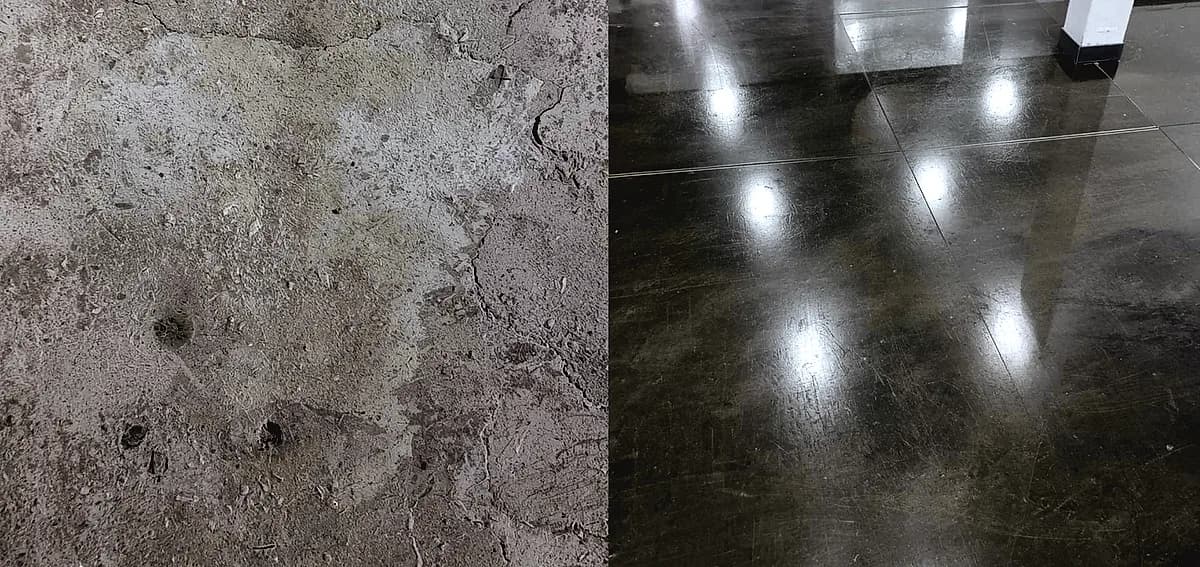
Appearance Impact: Densifiers maintain the concrete’s natural matte appearance without adding sheen or changing texture. Sealers can dramatically alter appearance some create high-gloss finishes, others provide wet looks, and penetrating types offer subtle enhancement.
Durability: Densifiers provide permanent protection that cannot peel, chip, or wear off since the chemical reaction is irreversible. Sealers are topical treatments that may require periodic reapplication as they can chip, peel, or wear down over time depending on traffic and conditions.
Protection Type: Densifiers primarily protect against abrasion and dusting while offering modest stain resistance. Sealers excel at preventing stains, moisture penetration, and chemical damage but don’t increase hardness. Understanding why concrete floor preparation is critical helps ensure proper application of either product.
When to Use a Densifier
Choose densifiers when you need to increase concrete hardness and durability without changing its appearance. They’re essential for polished concrete projects where the densifier prepares the surface for polishing and creates a tighter, more reflective finish. Densifiers are ideal before concrete polishing in schools and public buildings.
Use densifiers in high-traffic commercial and industrial environments where abrasion resistance is paramount. They’re perfect for warehouses, manufacturing facilities, retail stores, and airport terminals where floors endure constant wear. The dust-locking properties make densifiers valuable for facilities requiring clean environments like food processing plants and healthcare facilities.
Densifiers are also recommended for outdoor concrete where maintaining a natural appearance is important, though they should be combined with penetrating sealers for maximum weather protection. They work exceptionally well in residential garage floors that will be polished for a clean, industrial aesthetic.
When to Use a Sealer
Select sealers when surface protection against moisture, stains, and chemicals is your primary concern. They’re essential for outdoor applications exposed to weather, including driveways, patios, pool decks, and sidewalks where freeze-thaw protection matters.
Use sealers in environments prone to spills and staining, such as restaurant kitchens, automotive shops, and residential garages where oil and chemical resistance is crucial. Epoxy garage floor coatings provide excellent sealing and aesthetic enhancement simultaneously.
Choose sealers when you want to enhance or change the concrete’s appearance with glossy, colored, or decorative finishes. They’re perfect for metallic epoxy floors and other decorative applications where visual impact matters. Sealers are also ideal for concrete countertops that need food-safe, waterproof protection.
Using Both Products Together
Combining densifiers and sealers provides the ultimate concrete protection by addressing both internal strength and surface defense. This dual approach is recommended for optimal results in most commercial and high-end residential applications. The densifier strengthens from within while the sealer protects from external threats, creating floors with exceptional durability and longevity.
The proper application sequence is critical: always apply densifier first to harden and densify the concrete, then follow with sealer once the densification process is complete. This allows the densifier to penetrate properly before the sealer creates a surface barrier. For polished concrete installations, densifier is applied during the polishing process, with sealer added as a final protective layer.
Using both products minimizes maintenance requirements while maximizing floor lifespan. The hardened surface resists wear, while the sealer acts as a sacrificial layer preventing stains and moisture damage. This combination is particularly valuable for commercial epoxy applications and high-traffic environments.
Application Process Comparison
Densifier Application: The concrete surface must be thoroughly cleaned and free of contaminants before application. Densifiers are typically sprayed or rolled onto the surface and allowed to penetrate for 20-30 minutes. Excess product is removed, and the surface is allowed to dry completely before proceeding with polishing or sealing. The chemical reaction continues for several months after application.
Sealer Application: Proper surface preparation is essential—the concrete must be clean, dry, and properly profiled depending on sealer type. Most sealers require thorough cleaning followed by complete drying before application. Application methods vary by sealer type (spray, roll, or brush), and many require multiple thin coats rather than one thick application. Curing times range from several hours to multiple days depending on formulation.
Both products require specific temperature and humidity conditions for optimal performance, making professional application advisable to ensure proper results. Understanding how humidity affects application is particularly important in South Florida.
Cost Considerations
Densifiers typically cost $0.10-$0.20 per square foot for materials, with professional installation adding $0.50-$1.50 per square foot depending on surface condition and project size. The permanent nature of densifiers means this is generally a one-time investment with no reapplication costs.
Sealer costs vary widely based on type and quality. Basic acrylic sealers start around $0.15-$0.30 per square foot for materials, while high-performance epoxies and polyurethanes can cost $2.00-$5.00+ per square foot installed. Penetrating sealers fall in the mid-range at $0.50-$1.50 per square foot. Factor in periodic reapplication costs every 2-10 years depending on sealer type and traffic levels.
Combining both products increases upfront costs but delivers superior long-term value through reduced maintenance and extended floor lifespan. For commercial installations, the investment pays off through minimized downtime and lower lifetime costs.
Maintenance Requirements
Densified Concrete: Requires minimal maintenance since the treatment is permanent and internal. Regular sweeping and damp mopping maintain appearance, and the dust-locking properties keep surfaces cleaner with less effort. Densified floors may benefit from occasional concrete polishing maintenance to restore shine but require no product reapplication.
Sealed Concrete: Maintenance varies by sealer type. Film-forming sealers (acrylics, epoxies) may require reapplication every 2-5 years depending on traffic and wear. Penetrating sealers typically last 5-10 years before reapplication is needed. Use pH-neutral cleaners to avoid degrading the sealer harsh chemicals can damage the protective coating. Regular cleaning with appropriate products extends sealer life.
Combined Treatment: Offers the easiest maintenance since the densifier provides durable internal strength while the sealer acts as a renewable sacrificial layer. When the sealer shows wear, simply reapply it without additional surface preparation.
Environmental and Climate Considerations
South Florida’s climate presents unique challenges for concrete protection. High humidity levels can affect both densifier penetration and sealer adhesion, requiring careful timing and application conditions. Understanding how Florida humidity impacts finishes helps ensure successful results.
Densifiers work well in humid environments since they’re VOC-free and don’t trap moisture within the concrete. They allow the concrete to breathe while providing internal strengthening. For coastal properties, densifiers help protect against salt air damage when combined with penetrating sealers.
Choose breathable penetrating sealers for outdoor applications in Florida to allow moisture vapor escape while preventing water infiltration. Film-forming sealers with UV resistance prevent sun damage and discoloration on exterior surfaces. For interior applications, consider moisture mitigation requirements before selecting products.
Frequently Asked Questions
What’s the main difference between concrete sealer vs densifier?
Densifiers penetrate and chemically strengthen concrete from within, while sealers create a protective surface barrier against moisture, stains, and chemicals.
Can I use both a densifier and sealer on the same floor?
Yes, using both products together provides optimal protection apply densifier first to harden the concrete, then apply sealer for surface protection.
Does a densifier change concrete appearance?
No, densifiers maintain the concrete’s natural matte appearance without adding sheen or altering color.
How long does a concrete densifier last?
Densifiers are permanent the chemical reaction creates irreversible crystalline growth that cannot wear off, peel, or delaminate.
Do concrete sealers need reapplication?
Yes, most sealers require reapplication every 2-10 years depending on type, traffic levels, and environmental conditions.
Which is better for garage floors sealer or densifier?
For polished garage floors, use densifiers for hardness and natural appearance; for maximum stain protection, combine densifier with an epoxy sealer.
Can densifiers prevent concrete dusting?
Yes, densifiers lock up dust particles within the concrete through crystallization, significantly reducing or eliminating concrete dusting.
Are penetrating sealers the same as densifiers?
No, penetrating sealers create a water-repellent barrier near the surface, while densifiers chemically react to increase density and hardness throughout the concrete.
Which product is better for outdoor concrete?
Combine densifiers for hardness with penetrating sealers for weather protection—this provides both structural enhancement and moisture resistance.
Do densifiers work on old concrete?
Yes, densifiers effectively harden and densify existing concrete surfaces regardless of age, making them ideal for restoration projects.
Conclusion
Choosing between concrete sealer vs densifier doesn’t have to be an either-or decision understanding how each product works helps you determine the right solution for your specific needs. A Guide On Choosing The Right Densifier For Your Concrete Floor can help clarify your options. Densifiers provide permanent internal strengthening ideal for polished concrete floors and high-traffic areas, while sealers offer crucial surface protection against moisture, stains, and chemicals. For maximum protection and longevity, combining both treatments creates floors with exceptional durability, minimal maintenance requirements, and extended lifespan.
National Concrete Polishing’s experts assess your Pompano Beach property’s unique requirements and recommend the optimal combination of densifiers and sealers to protect your investment. Contact us today for a free consultation and discover how professional concrete polishing treatment can transform and protect your residential or commercial floors for decades to come. Our team specializes in concrete moisture mitigation and diamond grinding to ensure the best possible results.
Written by

Founder and CEO
Chris Lavin is an esteemed leader in concrete polishing and epoxy coatings with a distinguished 20-year career. As founder and CEO of National Concrete Polishing and owner of Xtreme Polishing Systems, he's renowned for polishing and epoxy coating more floors than anyone globally. Chris is recognized for his innovative approach and commitment to enhancing floor durability and aesthetics. His hands-on experience and technical proficiency make him a respected authority and a valuable resource in the field of floor polishing and coatings.
Same topic
Related articles
All stories
Polished concrete11 min read
Polished Concrete vs Epoxy Coatings: Which Floor Is Right for Your Space?
Two systems, two price curves, one slab. What each one costs to install and to keep, and which spaces each one actually suits.
Read it
Polished concrete8 min read
What to Know Before Polishing Your Existing Concrete Slab
Before any mechanical refinement can begin, a thorough evaluation of the current foundation is required.
Read it
Polished concrete8 min read
Is Polished Concrete Worth the Investment for Miami Properties?
It is essential to distinguish between a simple topical seal and mechanically refined concrete.
Read it
Tell us about the floor
Tell us the space and roughly how big it is.We come back with what it would cost and when we could start.
Prefer to talk? Call +1 844-876-5474
- Leads@
nationalconcretepolishing.net - 2200 NW 32nd St #600,
Pompano Beach, FL 33069 Mon to Fri, 9:00 to 5:30