
The NCP blog
Why Retail Stores and Showrooms Prefer Polished Concrete Floors
Commercial8 min read
Why retail stores and showrooms use polished concrete: looks, durability under foot traffic and light reflection.
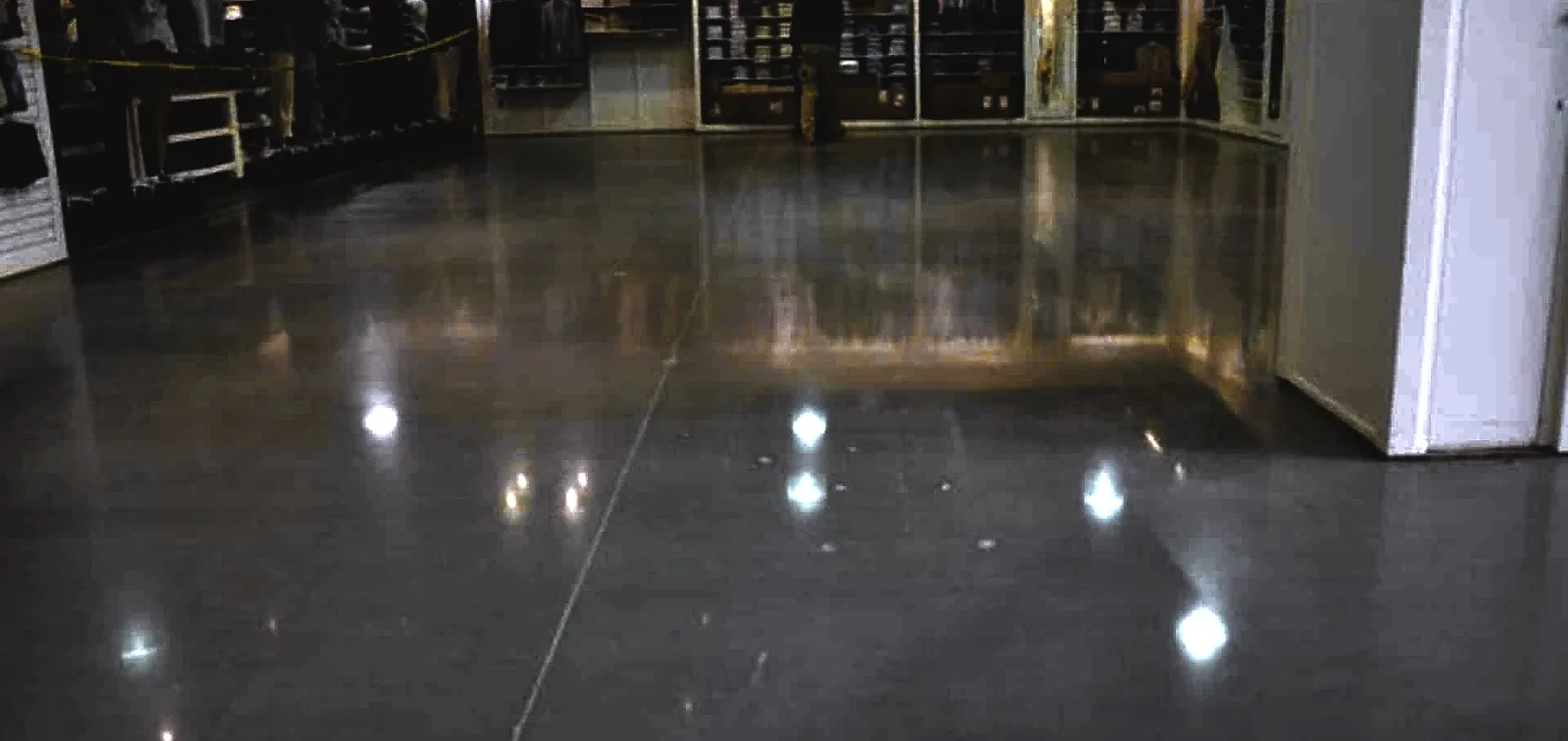
Polished concrete surfaces have moved into retail. In 2008 the trade publication Floor Daily reported that Dollar General, like other retail chains, had moved to polished concrete to reduce maintenance costs. What makes this material a top choice for businesses needing both function and style?
Retail environments demand surfaces that withstand heavy foot traffic while maintaining visual appeal. Polished concrete has a continuous surface that is simple to keep clean, and its slip resistance depends on the finish and on maintenance, the type of floor cleaner and the gloss level, as the NFSI B101.5 guide notes. Its seamless finish also allows creative customization through stains or decorative patterns.
In South Florida’s humid climate, a concrete floor does not warp the way wood can, but moisture coming up through the slab still has to be tested and managed. Retailers also like how a polished finish reflects light.
Understanding Polished Concrete Floors
Modern commercial spaces often transform their foundational surfaces into striking design elements through specialized refinement techniques. This approach turns basic structural slabs into sleek, functional canvases that balance practicality with visual impact.
What They Are
These surfaces start as existing slabs that undergo mechanical refinement. Industrial-grade equipment with diamond-embedded discs gradually smooths the material through multiple stages. A chemical treatment called silicate densifier penetrates the surface, reducing porosity and strengthening its structure.
Core Attributes and Aesthetics
You get customizable finishes ranging from softly textured matte to high-reflective gloss. Exposed aggregate patterns or decorative scoring can create unique visual themes for your space. The method repurposes original slabs, minimizing waste compared to traditional overlay systems.
A polished finish reflects light and brightens interiors, but the concrete stays porous and can stain, so spills should be wiped up promptly, as Bob Harris writes in Concrete International. Design flexibility lets you mirror industrial minimalism or upscale contemporary styles without replacing the base material.
Key Benefits for Retail Stores and Showrooms
In today’s competitive retail market, the right surface choice impacts both brand perception and daily operations. This material offers unique advantages that address common challenges faced by store owners, from heavy foot traffic to design flexibility.
Enhanced Visual Appeal
Your space gains a sleek, modern appearance that elevates product displays. Customizable finishes let you match branding through subtle color stains or decorative patterns. The reflective quality brightens interiors and makes the space more inviting.
Durability and Resilience
High-traffic areas thrive with surfaces that resist scratches and dents from carts or equipment. Densifier treatments act as pore-blocking treatments that increase the hardness and impermeability of the surface layer, according to a peer-reviewed study of lithium silicates, but polished concrete can still stain, so spills should be cleaned up promptly. Daily maintenance stays simple: routine sweeping and occasional damp mopping keep surfaces looking professional.
Seamless installations eliminate grout lines where dirt collects, maintaining cleaner environments. You’ll also avoid replacement costs common with materials that degrade faster under constant use.
Potential Drawbacks to Consider
While polished concrete offers numerous advantages, it’s essential to weigh its limitations for your specific retail environment. Certain characteristics might require mitigation strategies to maintain optimal functionality and comfort.
Acoustic Challenges
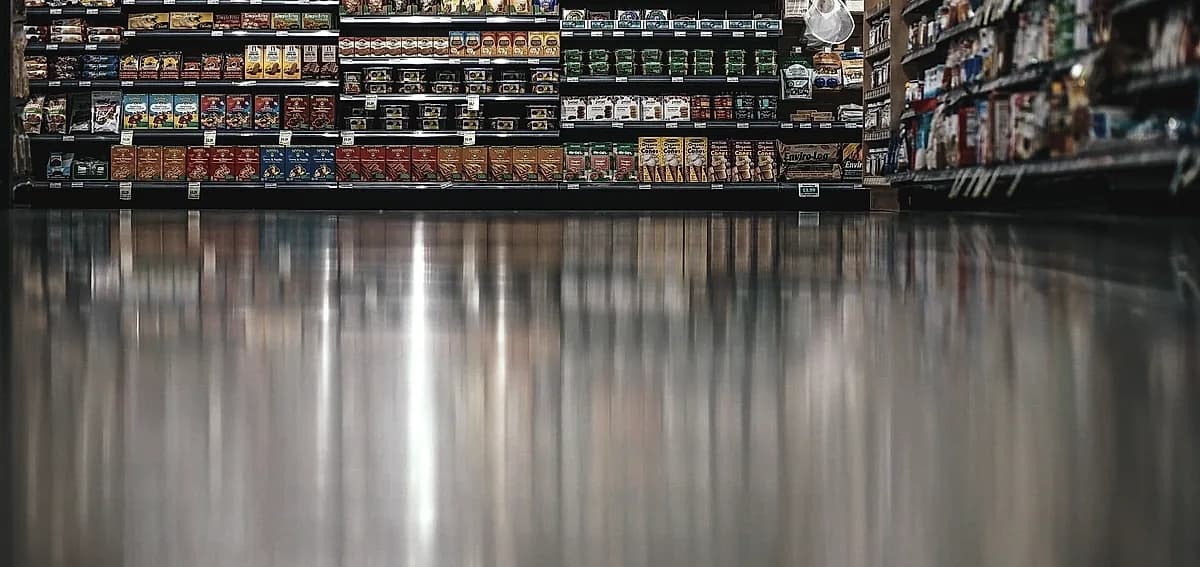
Hard surfaces amplify sound reflections, creating echo effects in large spaces. This can make conversations and footsteps noticeably louder. Retailers often address this by:
- Installing sound-absorbing panels on walls or ceilings
- Using area rugs in strategic locations
- Adding fabric-based displays to dampen noise
Comfort and Surface Hardness
The unyielding nature of this material can lead to fatigue for staff standing all day: a review in the AIHA Journal found that, generally, softer floors result in reduced discomfort compared with a hard floor. Many businesses use anti-fatigue mats in checkout areas. You’ll also want to consider:
- Providing supportive footwear for employees
- Scheduling regular breaks for floor staff
- Monitoring surface traction during wet cleaning
Temperature retention might make the floor feel cool in air-conditioned spaces. While some customers find this refreshing, others may prefer warmer alternatives during colder months.
Environmental and Sustainability Advantages
Retailers prioritizing eco-friendly practices may value a surface that reuses what is already in the building. Rating systems such as LEED certify projects, not individual floor finishes, so a polished slab can contribute to a project but does not earn credit on its own.
Energy and Water Efficiency
Polishing an existing slab needs no adhesives or added covering layers. Under the LEED v4.1 low-emitting materials credit, concrete counts as an inherently non-emitting source of VOCs only if it has no integral organic-based surface coatings, binders or sealants, so the emissions documentation of any guard or sealer used on the floor matters.
Eco-friendly Installation and Longevity
Existing slabs become finished surfaces without new manufacturing, which avoids the waste of a new covering. Densifiers, dyes and guards are products with their own VOC content, so check the safety data sheet for each one.
This approach supports corporate sustainability goals while keeping the existing slab in service.
Installation Process and Technical Considerations
The success of your retail space’s surface depends on precise execution and specialized tools. Proper preparation ensures lasting performance while avoiding costly rework. Let’s break down what this transformation entails.
Grinding, Polishing, and Densifier Application
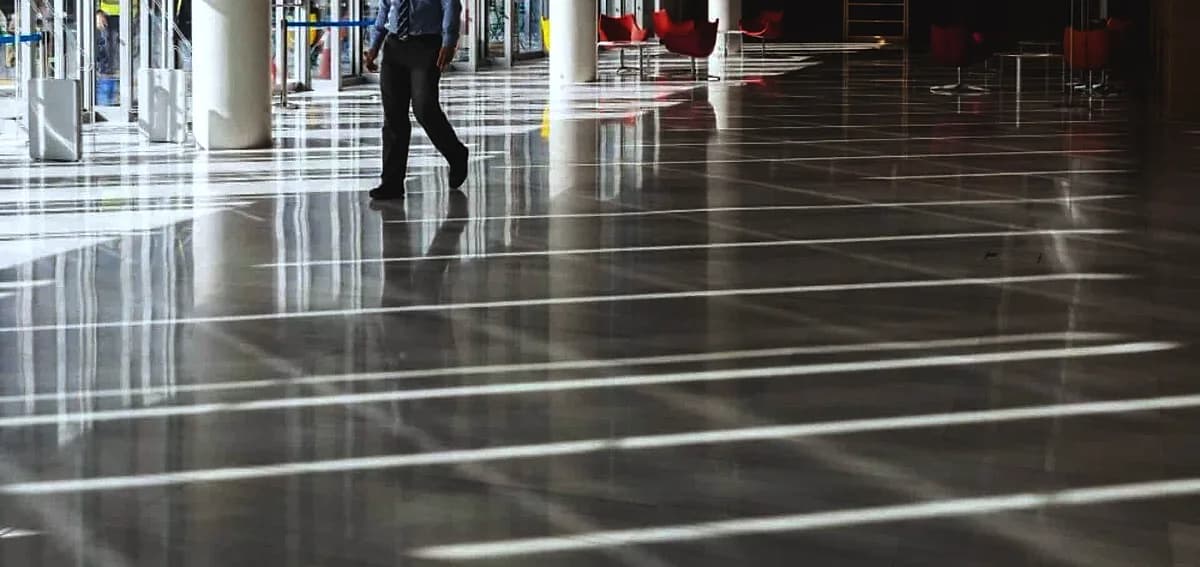
Contractors start with industrial grinders featuring diamond-embedded discs. These machines make multiple passes with progressively finer diamond tooling, and each stage removes the scratches of the one before. The starting grit depends on the slab and the final grit on the specification: 800 grit is the finish in many National Concrete Polishing proposals, and 1,500 and 3,000 grit are upgrades. A Concrete International article describes a typical sequence from 40-grit metal-bond segments to 3000-grit resin pads.
A silicate densifier gets applied midway through the process. This liquid hardener penetrates the slab, filling microscopic pores. It strengthens the material and prepares it for final polishing. The result is a harder surface that holds up better to daily wear.
Technical Challenges and Best Practices
Three-phase power requirements often surprise first-time clients. Many sites need temporary generators to run heavy equipment. Your contractor should assess electrical capacity before starting work.
Existing slab condition greatly affects outcomes. Cracks or uneven areas might require repairs before grinding begins. Experienced teams check the slab for cracks, uneven areas and moisture early.
Dust management proves critical during installation. Professional crews employ vacuum systems attached to grinders. They’ll also seal off work areas to protect merchandise and displays.
Working Around Store Hours
National Concrete Polishing’s installed building types include grocery and retail. It schedules night work, weekend work and phased installations when a project requires them, and the proposal reflects the added coordination. Phasing is set by room, aisle or zone, and the approved phasing plan, not a fixed share of the floor, decides what is out of service at a time. A bare polished floor can be walked on the same day after the final clean, and a floor with a guard or sealer in about 24 hours. On commercial proposals NCP can include a written handback date once the project conditions are defined.
Comparing Polished Concrete to Traditional Flooring Options
Selecting the ideal surface for your commercial space requires balancing performance, cost, and design. While traditional materials have their merits, modern solutions often provide unexpected advantages. Let’s explore how popular choices measure up in real-world retail settings.
Key Differences in Materials
Hardwood brings warmth but needs periodic refinishing. Tile has grout lines that need cleaning. Vinyl can show scuffs and dents under heavy foot traffic.
Polished concrete has no planks to warp and no grout lines to crack, but it is still porous, so spills should be wiped up promptly rather than left to soak in.
Where Polished Concrete Performs Well
This material shines in high-traffic zones where safety and durability matter most. It is hard enough to carry pallet jacks and carts without denting, though traction depends on the finish and the cleaning routine.
For businesses prioritizing hygiene, concrete has no fibers that hold dust the way carpet does, and a sealed surface can be wiped clean. Design flexibility lets you match brand colors through staining or decorative scoring.
However, softer materials like cork or rubber might suit spaces requiring noise reduction. Temperature-sensitive environments may prefer heated tile systems. Each option serves specific needs, but polished concrete excels where longevity and low upkeep are priorities.
Acoustic and Comfort Considerations in High-Traffic Environments
Retail spaces face unique challenges when balancing aesthetics with practical functionality. Hard surfaces amplify everyday noises, creating environments where conversations compete with foot traffic sounds. Meanwhile, safety concerns emerge when surfaces become slick from humidity or spills.
Balancing Noise Control and Safety
Open layouts can turn into echo chambers, making background music and customer interactions less clear. Heeled footwear creates sharp clicks that distract shoppers. Strategic solutions help maintain your brand’s atmosphere without compromising design.
Consider these approaches for sound management:
- Install ceiling-mounted baffles in checkout zones
- Use fabric-draped display tables near fitting rooms
- Place rubber-backed runners in main walkways
| Solution | Benefit | Cost Range |
|---|---|---|
| Acoustic wall panels and ceiling baffles | Absorb sound that a hard floor reflects | $8-$12/sq ft |
| Entrance mat systems | Catch moisture and grit before they reach the sales floor | $3-$5/sq ft |
| Anti-fatigue mats | Soften a hard floor for staff who stand all day | $25-$75 each |
| Layout zoning | Lowers noise transfer | Part of the store design |
Staff comfort improves with cushioned mats at registers and stock stations. Train cleaning crews to address spills immediately using microfiber mops. Proper matting at entries prevents water tracking across your space.
Multi-level stores might need underfloor insulation to block noise between floors. Weekly surface checks show whether traction is holding up. These steps help create environments where people focus on products, not foot discomfort or excessive echoes.
Cost and Long-Term Value Insights
Smart financial planning requires looking beyond upfront expenses to assess total ownership value. Retailers compare options on what each floor costs over its whole life, not only at installation.
Balancing Immediate and Future Expenses
A life-cycle comparison under ASTM E917 adds installation, maintenance, repair and replacement over a set study period. For polished concrete, maintenance is never zero: Bob Harris writes in Concrete International that claims of zero maintenance cost for polished floors are not true.
Energy efficiency adds another layer of savings. A polished finish reflects light, which can make a store feel brighter. You also avoid the disruption and cost of replacing worn-out surfaces.
To run the numbers for your own store, list installation, cleaning labor and supplies, repairs, and the cost of refinishing or replacing the floor over the same study period for each option.
Frequently Asked Questions
What are polished concrete floors?
They’re created by grinding and sealing existing slabs to achieve a smooth, glossy finish. The result is a modern, minimalist look that suits many commercial spaces.
Why do retail stores favor this flooring?
Its reflective surface brightens interiors. The continuous surface also complements high-end displays, creating a sleek backdrop for products without grout lines.
Are there drawbacks to using this material?
Hard surfaces can amplify noise in busy areas, and the lack of cushioning may require anti-fatigue mats for staff. Slip risk depends on the finish and on keeping the floor clean and dry.
How eco-friendly is this option?
It reuses the existing slab instead of adding a new covering, which avoids the waste of a new floor.
What’s involved in the installation process?
Professionals grind the surface with diamond tools, apply densifiers to harden it, and polish it to the desired sheen. Proper curing and moisture testing are critical to avoid cracks or discoloration.
How does it compare to tile or hardwood?
Unlike tile, it lacks grout lines, simplifying cleaning. It won’t warp from spills the way wood can, which suits busy retail environments.
Can sound or slippery surfaces be managed?
Yes. Acoustic panels or rugs reduce echo, and traction depends on the finish, so ask for a tested wet traction value.
Is the upfront cost worth long-term savings?
While initial expenses vary, the cost over the life of the floor depends on installation and upkeep, plus eventual refinishing, which a life-cycle comparison adds up.
Written by

Founder and CEO
Chris Lavin is an esteemed leader in concrete polishing and epoxy coatings with a distinguished 20-year career. As founder and CEO of National Concrete Polishing and owner of Xtreme Polishing Systems, he's renowned for polishing and epoxy coating more floors than anyone globally. Chris is recognized for his innovative approach and commitment to enhancing floor durability and aesthetics. His hands-on experience and technical proficiency make him a respected authority and a valuable resource in the field of floor polishing and coatings.
Same topic
Related articles
All stories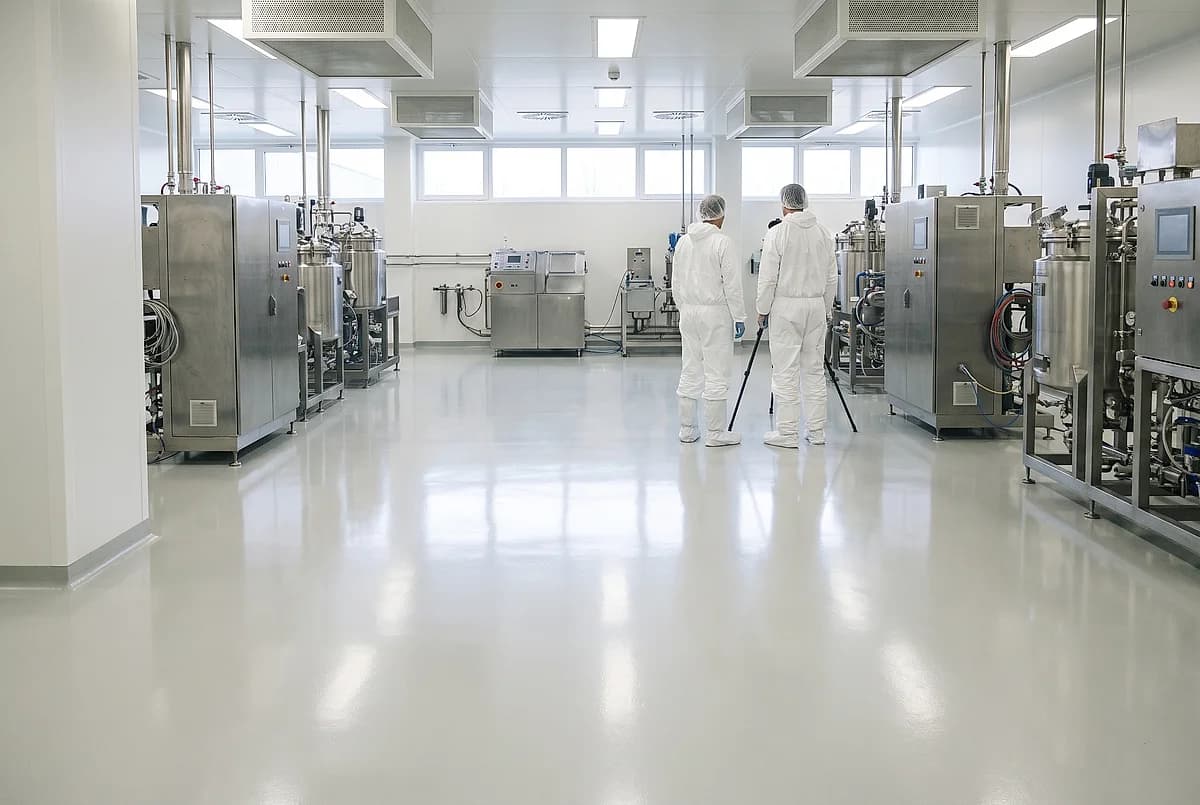
Commercial12 min read
Cleanroom Floor Standards for Semiconductor, Biotech, and GMP Facilities
Semiconductor, biotech and GMP floors have written standards. What those standards require, and which concrete systems meet them.
Read it
Commercial5 min read
Grounding Requirements for Floors in Fort Lauderdale Electronics Facilities
Grounding requirements for floors in Fort Lauderdale electronics facilities, including ESD epoxy standards and grounding strips.
Read it
Commercial10 min read
Commercial Kitchen Floor Requirements in Florida
What Florida food code rules (Chapter 61C-4) ask of commercial kitchen floors: smooth, non-absorbent surfaces and coving at the walls.
Read it
Tell us about the floor
Tell us the space and roughly how big it is.We come back with what it would cost and when we could start.
Prefer to talk? Call +1 844-876-5474
- Leads@
nationalconcretepolishing.net - 2200 NW 32nd St #600,
Pompano Beach, FL 33069 Mon to Fri, 9:00 to 5:30