
The NCP blog
Is Polished Concrete Safe for Schools?
Polished concrete8 min read
The “secret step” that separates an average polished slab from a high-performing school floor is densification.
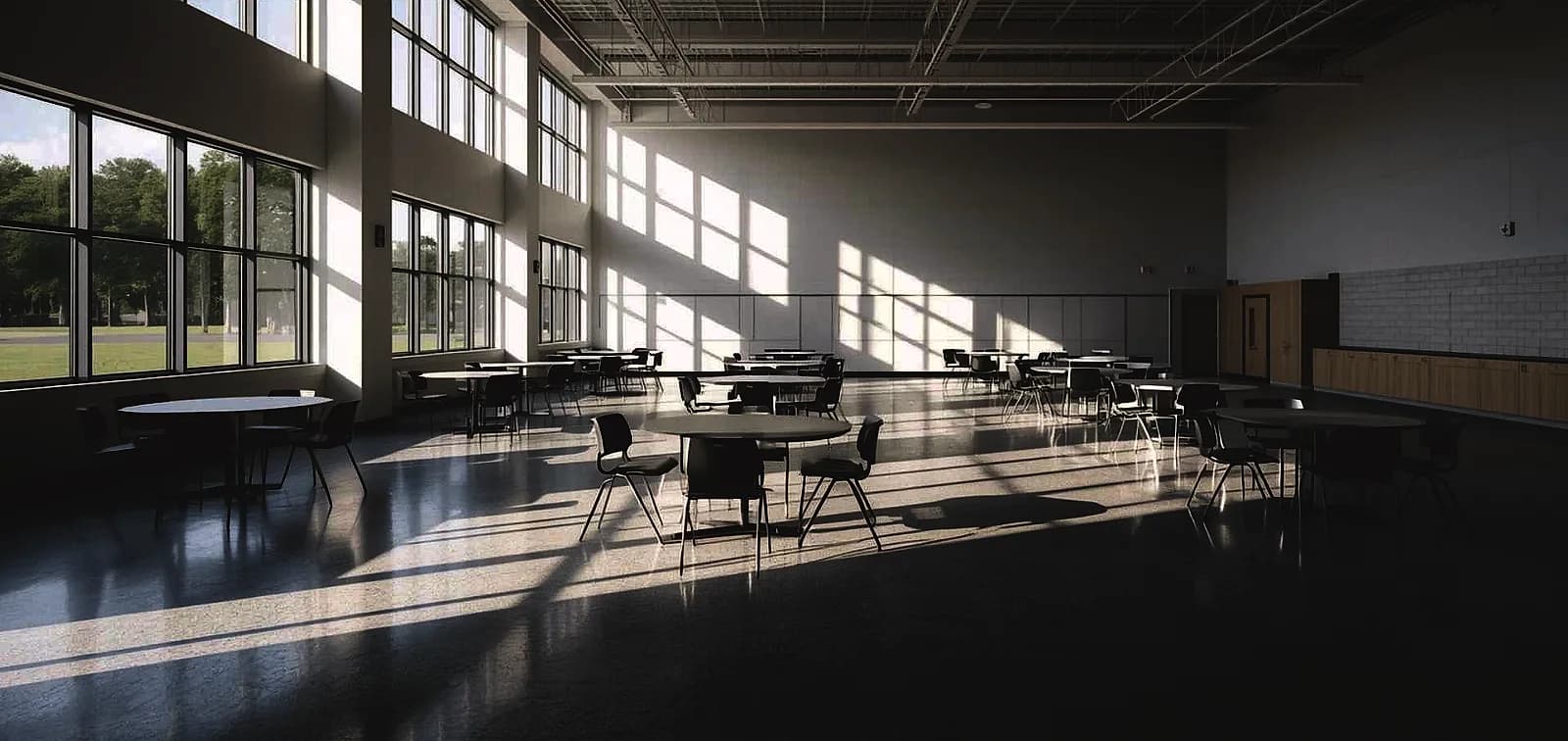
Concrete polishing for schools Florida is becoming a practical flooring choice for campuses that need durability, cleanability, and a modern look without constant waxing or frequent floor replacement. In hallways, cafeterias, gyms, libraries, and multi-purpose rooms, polished concrete can handle high foot traffic while maintaining a professional appearance when it’s built correctly from the start.
The “secret step” that separates an average polished slab from a high-performing school floor is densification. A concrete densifier is a penetrating treatment used during the polishing process to strengthen the surface, reduce dusting, and create a tighter concrete matrix that polishes better and holds up longer in real-world use.
This guide explains how polished concrete works in Florida school environments, what concrete densifier does, when to apply it, which densifier type makes sense, and what school administrators and facility managers should expect for maintenance, safety, and long-term performance.
Why Polished Concrete Works for Florida Schools
High-traffic durability for campus life
Schools create nonstop wear: thousands of footsteps daily, rolling carts, chair legs, scuffing in hallways, and frequent furniture rearranging in classrooms and multipurpose areas. Polished concrete is mechanically refined concrete—meaning the floor performance comes from the slab itself, not from a fragile surface layer that can peel or flake under heavy use.
Lower ongoing maintenance complexity
Many school flooring systems require recurring stripping/waxing cycles, frequent reapplication, or specialized chemical programs. Polished concrete typically centers on routine dust removal and periodic scrubbing, which is easier to standardize across custodial teams.
Cleaner indoor environment
Concrete floors that are not properly treated can “dust,” creating fine particles that collect along edges, under furniture, and inside HVAC systems. In a school, dust control supports cleanliness, reduces complaints, and improves day-to-day appearance—especially in bright hallways and high-visibility common areas.
What Does Concrete Densifier Do?
What a densifier is (in plain language)
A concrete densifier is a liquid treatment applied to concrete that penetrates the surface and strengthens the top layer. In polished concrete systems, densifier is used so the surface becomes harder, less dusty, and better suited for polishing and daily school traffic.
What densifier improves (school-focused benefits)
For Florida schools, densifier is mainly about performance outcomes:
- Harder surface that resists wear patterns in hallways and entry zones.
- Reduced concrete dusting (less “gray powder” at edges and corners).
- Better clarity and shine potential when polished.
- Improved cleanability because a denser surface holds less embedded soil.
Densifier vs sealer vs epoxy (don’t confuse them)
- Densifier: penetrates and strengthens; supports polishing; not a “film.”
- Sealer/guard: a topical layer that can improve stain protection and simplify cleaning; may need maintenance over time.
- Epoxy: a coating system that changes the floor into a resinous surface (great for school cafeteria epoxy flooring, but it’s a different category than polished concrete).
For schools, densifier is a core step of polished concrete. Sealers/guards can be added depending on cafeteria spill risk, aesthetics, and maintenance preferences.
Types of Concrete Densifiers (Which One Is Best for Schools?)

Sodium silicate densifiers
Sodium silicates are widely used and often cost-effective. They can perform well, but they require correct application and cleanup to avoid residue issues. These may be suitable when budgets are tight and the contractor’s process is proven.
Lithium silicate densifiers
Lithium densifiers are commonly used for polished concrete because they tend to be easy to work with and are frequently specified for higher-finish polishing jobs. For schools that want a consistent look across multiple buildings, lithium is often selected for predictability and finish quality.
Potassium silicate densifiers
Potassium sits in the middle for many projects. It can be a practical choice depending on slab condition, project scope, and performance needs.
Best practice: the “best” densifier is the one that matches the slab, the polishing plan, and the maintenance reality of the campus—not just the most expensive product.
Where Polished Concrete Makes Sense in a School
Hallways and corridors
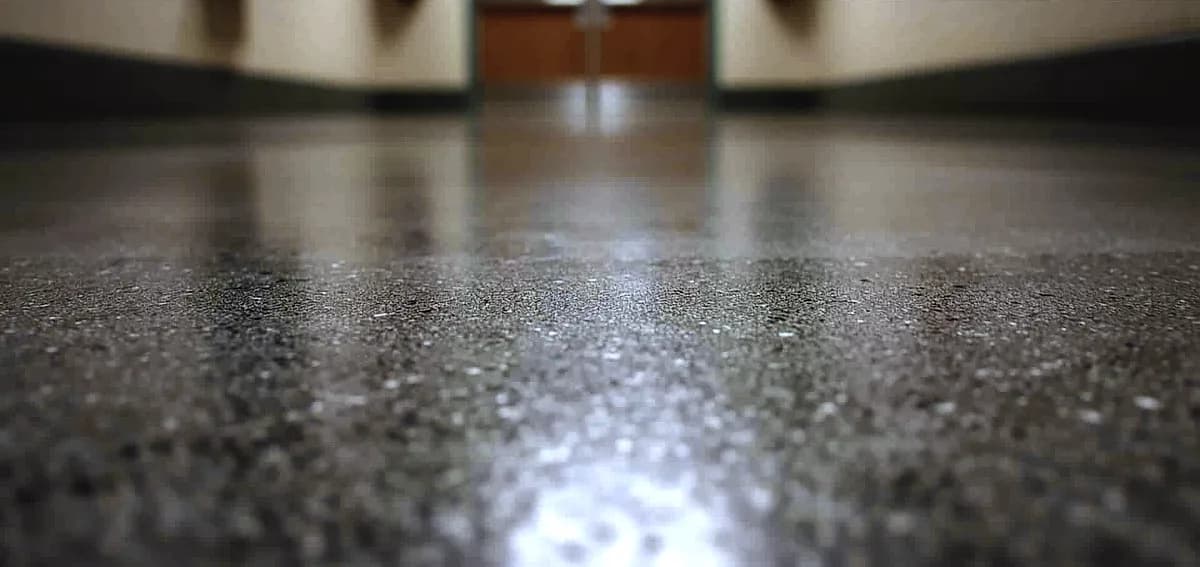
Hallways are the top ROI zone for polished concrete: constant traffic, high visibility, and frequent cleaning. A densified, properly polished corridor floor holds up well and reduces long-term refinishing cycles.
Cafeterias and food service areas
Cafeterias need cleanability and stain/spill management. Polished concrete can work extremely well here when the system includes:
- Correct densification
- Stain-protection strategy (often a guard or sealer)
- A spill response routine (especially for oils, juice, sauces)
Libraries and media centers
Libraries benefit from dust control and easy cleaning. Polished concrete also supports modern design aesthetics and reflects light well, helping spaces feel brighter.
Gyms and athletic areas (special note)
Gym floors often have sport-specific performance needs (traction, resilience, line striping, and shock absorption). Polished concrete may work for adjacent spaces (lobbies, corridors, weight rooms) but gym courts themselves may require different systems depending on use.
Classrooms
Classrooms can use polished concrete successfully, but comfort and acoustics should be evaluated. Area rugs, acoustic treatments, and furniture pads can improve the learning environment while preserving polished concrete durability.
Concrete Polishing Process for Schools (Step-by-Step)
1) Evaluate the slab and the building schedule
School projects often happen during summer or short breaks. A good plan starts with:
- Slab condition (cracks, patches, coatings)
- Moisture risk (especially in older buildings)
- Traffic patterns and zoning (entryways vs interior corridors)
- Phasing strategy to keep the school operational if needed
2) Surface prep and repairs
Good polishing depends on what’s underneath:
- Remove old adhesives/coatings where present
- Repair cracks, spalls, and joints appropriately
- Address uneven areas that would telegraph through the finish
3) Grinding and honing stages
Contractors use progressively finer diamond tooling to refine the slab. Early stages open the surface and remove weak material; later stages refine and increase clarity.
4) Apply densifier at the right stage
Densifier is typically applied after early grinding/honing steps—when the surface is open enough to absorb it effectively. The contractor should:
- Apply evenly
- Keep the surface wet long enough for proper reaction/penetration
- Remove residue properly before advancing to finer steps
5) Final polishing and optional guard
After densification, polishing continues to the desired sheen. Schools can choose different finish levels (more on that below). Some systems add a protective guard to improve stain resistance and simplify day-to-day cleaning.
Choosing the Right Finish Level (Gloss vs Slip Resistance)
Schools don’t need “maximum shine” everywhere. A smart design uses finish levels by zone:
- Entryways: prioritize traction and soil control (plus matting).
- Main corridors: medium-to-high polish for cleanability and appearance.
- Offices/lobbies: higher polish can look premium and reflect light well.
- Cafeterias: prioritize stain protection and maintenance practicality.
Slip resistance is not only about gloss—it also depends on:
- Cleaning residues (wrong cleaners can create slippery films)
- Wet conditions (rainy season tracking)
- Floor texture choices and guard selection
- Mat placement and daily dust control
Maintenance Plan for School Polished Concrete
Daily (high-traffic days)
- Dust mop to remove abrasive grit and sand (this is what causes micro-scratching).
- Spot clean spills quickly (especially cafeteria oils/sugars).
Weekly
- Auto-scrub with a pH-neutral cleaner suitable for polished concrete.
- Inspect entry mats and replace or clean them as needed.
Quarterly / semester checkpoints
- Review wear lanes in corridors and entrances.
- Consider burnishing (if part of the system) for appearance refresh.
- Confirm custodial chemicals/tools are compatible with polished concrete (no harsh acids, no heavy degreasers unless approved).
Long-term
Well-executed polished concrete often lasts for many years with periodic refresh steps rather than full replacement. The goal is to protect the surface from abrasive soil and residue buildup.
Common Problems in School Projects (And How to Avoid Them)
Dusting continues after “polishing”
Usually caused by insufficient densification, poor penetration, or polishing a weak slab without correcting underlying surface issues.
Staining in cafeterias
Often a system mismatch (no guard/sealer where needed) or slow spill response. Cafeterias should be treated as “high spill risk zones” in the design.
Uneven appearance across campuses
Happens when different buildings use different tooling sequences, finish targets, or densifier/guard systems. Standardize specifications across the district where possible.
Frequently Asked Questions
Is concrete densifier necessary for polished concrete in schools?
In most polished concrete systems, densifier is a key step because it hardens the surface and helps reduce dusting while supporting a better polish finish.
Does densifier make the floor waterproof?
No. Densifier improves density and reduces porosity, but it does not create a fully waterproof barrier like a coating system.
What’s the best floor option for a Florida school cafeteria: polished concrete or epoxy?
Both can work. Polished concrete offers long-term durability and simple maintenance, while school cafeteria epoxy flooring provides stronger chemical resistance and full sealing—selection depends on operational needs.
How long does polished concrete last in a school?
With correct densification, polishing, and a realistic maintenance plan, polished concrete can perform for many years and often outlasts systems that require frequent refinishing cycles.
Can polished concrete be slip-resistant?
Yes. Traction can be managed through finish selection, cleaners used, entry matting, and (when appropriate) protective guards designed for the environment.
Will polished concrete be too loud for classrooms?
Hard floors can increase sound reflection. Many schools use acoustic ceiling treatments, wall panels, and rugs/furniture pads to balance acoustics.
Can old school concrete slabs be polished?
Often yes, but success depends on slab condition, contaminants, repairs, and moisture behavior. A site evaluation is essential.
Does polished concrete work with school branding?
Yes. Decorative options like dyes, stain patterns, and aggregate exposure can support school colors and branding while keeping the durability benefits.
Conclusion
Concrete polishing for schools in Florida is a long-term flooring strategy that can reduce dust, simplify cleaning, and deliver a durable, professional look across high-traffic campus zones. The densifier step is a major reason polished concrete performs so well: it strengthens the surface, reduces dusting, and helps the slab polish to a higher-quality finish that holds up under everyday school use.
For the best outcome, schools should treat polished concrete as a system—not just “making the floor shiny.” That means aligning slab prep, densifier choice, finish level, and maintenance practices with how each area is actually used (hallway vs cafeteria vs lobby). When those pieces line up, polished concrete becomes one of the most practical, durable flooring choices a Florida school can make.
Written by

Founder and CEO
Chris Lavin is an esteemed leader in concrete polishing and epoxy coatings with a distinguished 20-year career. As founder and CEO of National Concrete Polishing and owner of Xtreme Polishing Systems, he's renowned for polishing and epoxy coating more floors than anyone globally. Chris is recognized for his innovative approach and commitment to enhancing floor durability and aesthetics. His hands-on experience and technical proficiency make him a respected authority and a valuable resource in the field of floor polishing and coatings.
Same topic
Related articles
All stories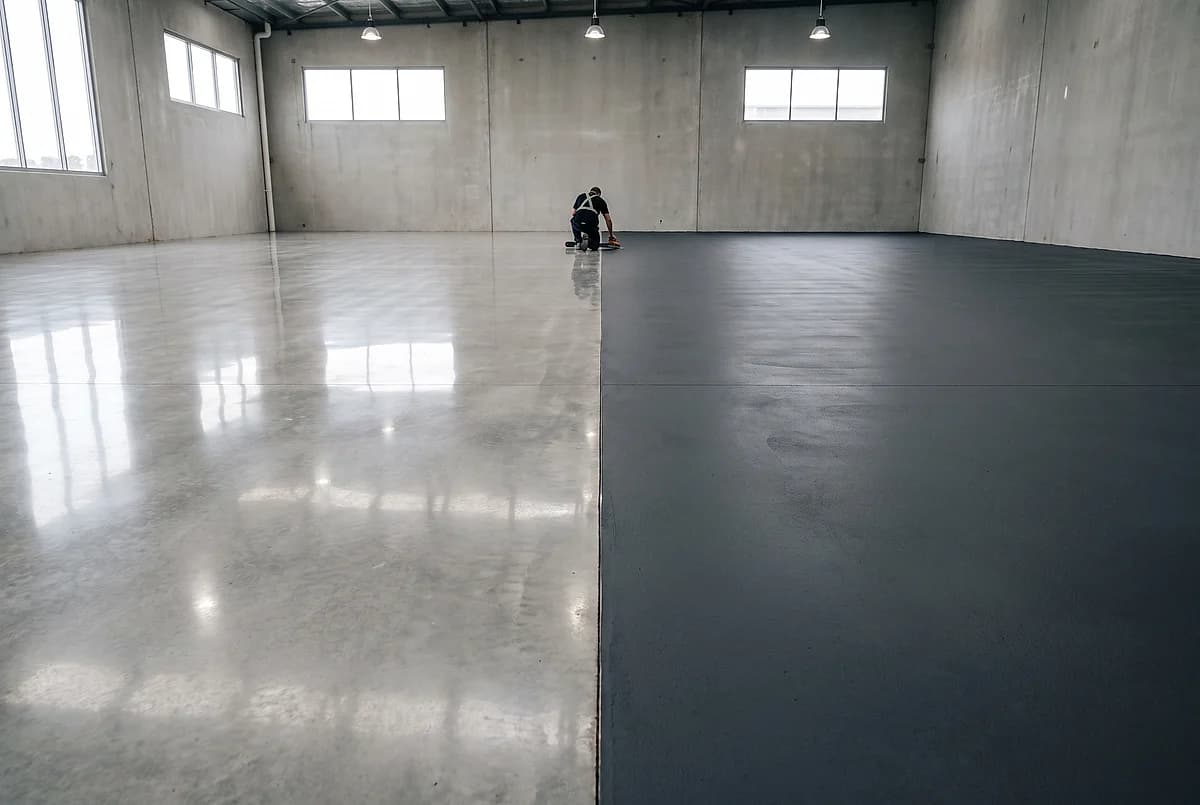
Polished concrete11 min read
Polished Concrete vs Epoxy Coatings: Which Floor Is Right for Your Space?
Two systems, two price curves, one slab. What each one costs to install and to keep, and which spaces each one actually suits.
Read it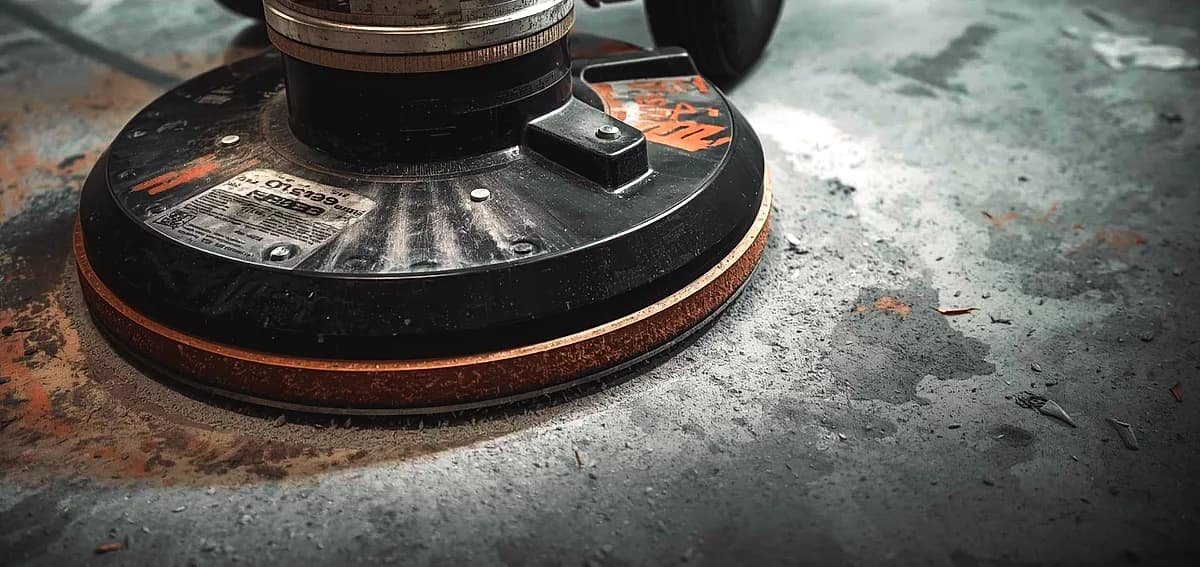
Polished concrete8 min read
What to Know Before Polishing Your Existing Concrete Slab
Before any mechanical refinement can begin, a thorough evaluation of the current foundation is required.
Read it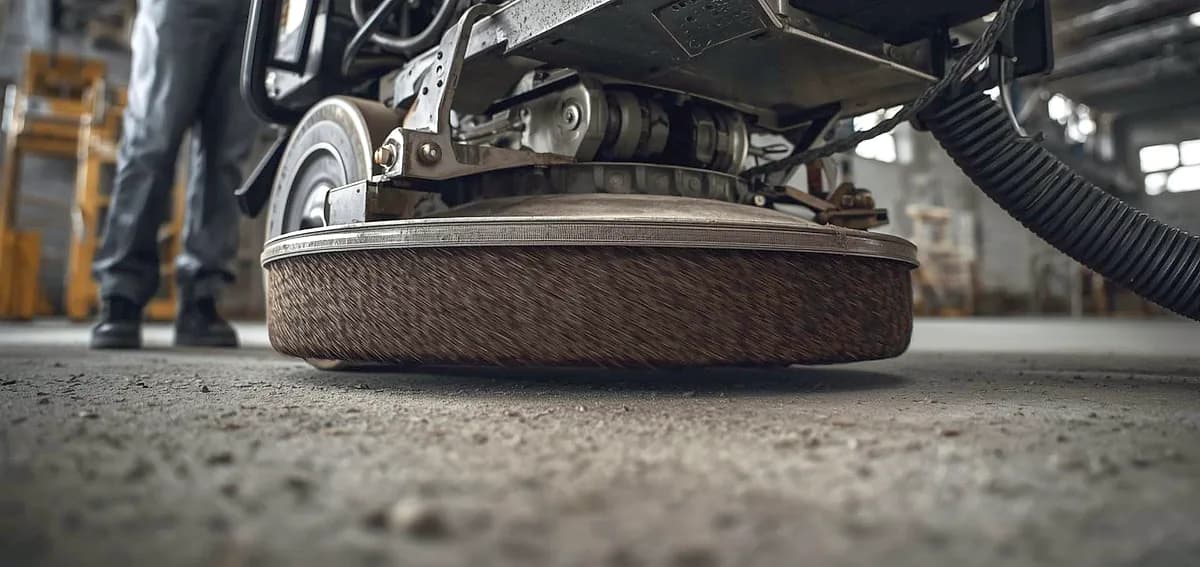
Polished concrete8 min read
Is Polished Concrete Worth the Investment for Miami Properties?
It is essential to distinguish between a simple topical seal and mechanically refined concrete.
Read it
Tell us about the floor
Tell us the space and roughly how big it is.We come back with what it would cost and when we could start.
Prefer to talk? Call +1 844-876-5474
- Leads@
nationalconcretepolishing.net - 2200 NW 32nd St #600,
Pompano Beach, FL 33069 Mon to Fri, 9:00 to 5:30