
The NCP blog
Gym Facility Rubber Flooring Removal & Concrete Polishing
Commercial12 min read
Many gym owners underestimate the complexity involved in this transformation, leading to costly mistakes and subpar results.
Transforming a gym facility from worn rubber flooring to polished concrete represents one of the most significant upgrades a fitness center can undertake. This comprehensive renovation process not only enhances the aesthetic appeal of your facility but also provides long-term durability, improved hygiene, and reduced maintenance costs. Whether you’re dealing with aging rubber mats, deteriorating gym flooring, or simply looking to modernize your space, understanding the intricacies of gym facility rubber flooring removal and concrete polishing is essential for achieving professional results.
The process of removing rubber flooring from gym facilities requires specialized knowledge, proper equipment, and careful planning to ensure the underlying concrete substrate remains intact and suitable for polishing. Many gym owners underestimate the complexity involved in this transformation, leading to costly mistakes and subpar results. Professional contractors like National Concrete Polishing understand that each facility presents unique challenges, from adhesive removal to substrate preparation, that must be addressed systematically.
Rubber flooring removal in commercial gym settings differs significantly from residential applications due to the scale, adhesive types, and the need to minimize downtime. Gym facilities typically use heavy-duty rubber flooring systems that are bonded to concrete with industrial-strength adhesives, making removal a labor-intensive process that requires specialized equipment and techniques. The goal is not just to remove the existing flooring but to prepare the concrete surface for the polishing process that will follow.
Modern gym facilities are increasingly choosing polished concrete as their flooring solution due to its exceptional durability, ease of maintenance, and professional appearance. Unlike rubber flooring that can harbor bacteria and odors over time, polished concrete provides a hygienic surface that’s easy to clean and maintain. The reflective properties of polished concrete also improve lighting efficiency, creating a brighter, more inviting workout environment that appeals to members and enhances the overall gym experience.
Understanding Gym Rubber Flooring Systems
Gym facilities typically utilize several types of rubber flooring systems, each presenting unique challenges during removal. Roll-out rubber flooring, commonly found in cardio areas, is usually adhered with pressure-sensitive adhesives that can be removed with moderate effort. However, interlocking rubber tiles and permanently bonded rubber sheets require more aggressive removal techniques due to their stronger adhesive bonds and thicker material composition.
The age of the rubber flooring significantly impacts the removal process. Newer installations may have adhesives that are still pliable and easier to remove, while older systems often feature hardened adhesives that require mechanical grinding or chemical softening. Understanding the installation history helps contractors select appropriate removal methods and estimate project timelines accurately.
Weight room areas typically feature the thickest rubber flooring, often ranging from 3/8 inch to 3/4 inch thickness, designed to absorb impact from dropped weights. These heavy-duty systems use industrial-strength adhesives that create extremely strong bonds with the concrete substrate. Removal often requires specialized surface preparation equipment capable of cutting through thick rubber while minimizing damage to the underlying concrete.
Environmental considerations also play a crucial role in rubber flooring removal. Older rubber flooring may contain materials that require special handling and disposal procedures. Additionally, some adhesive systems may release volatile organic compounds during removal, necessitating proper ventilation and worker protection measures throughout the process.
Professional Removal Techniques and Equipment
Successful rubber flooring removal begins with proper equipment selection tailored to the specific flooring system and facility requirements. Walk-behind floor scrapers with carbide blades provide the primary removal force for most rubber flooring applications, while smaller handheld scrapers handle detail work around columns, walls, and equipment mounting points. The blade angle and pressure settings must be carefully adjusted to remove flooring without gouging the concrete substrate.
Heat application significantly improves removal efficiency, particularly for pressure-sensitive adhesives. Infrared heaters and steam generators soften adhesives, making them easier to scrape while reducing blade wear and substrate damage. However, temperature control is critical to prevent adhesive from becoming too liquid and spreading, which can actually complicate the removal process.
Chemical adhesive removers serve as valuable supplements to mechanical removal methods, particularly for stubborn residue that remains after initial scraping. These products must be selected based on adhesive compatibility and environmental safety requirements. Proper application techniques, including dwell time and agitation methods, maximize effectiveness while minimizing chemical usage and disposal costs.
Dust and debris management during removal requires industrial-grade vacuum systems capable of handling large volumes of material. HEPA filtration becomes essential when dealing with older flooring materials that may contain regulated substances. Proper containment prevents contamination of adjacent areas and maintains acceptable air quality throughout the facility during the removal process.
Quality control during removal involves continuous monitoring of substrate condition and adhesive removal completeness. Incomplete adhesive removal can compromise the polishing process, leading to inconsistent finish quality and potential bonding issues with concrete densifiers and sealers. Professional contractors use standardized inspection procedures to ensure removal meets specifications before proceeding to the next phase.
Concrete Substrate Preparation for Polishing
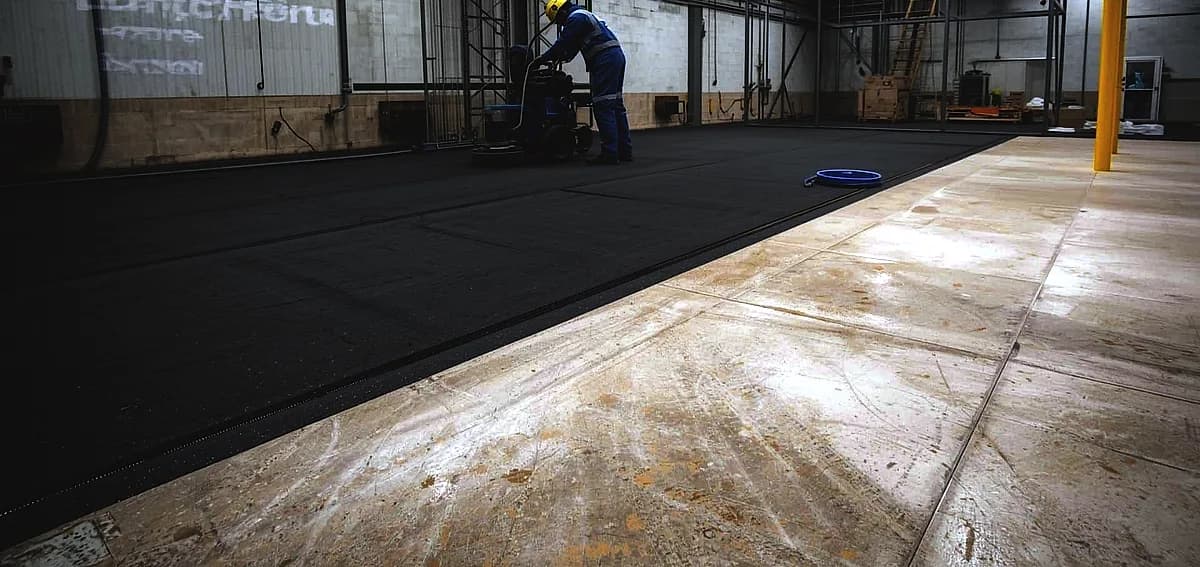
Once rubber flooring removal is complete, the concrete substrate requires comprehensive evaluation and preparation before polishing can begin. Surface inspection identifies areas requiring repair, including cracks, spalls, and areas where aggressive removal may have damaged the concrete. These defects must be addressed using appropriate repair materials and techniques to ensure uniform polishing results across the entire floor surface.
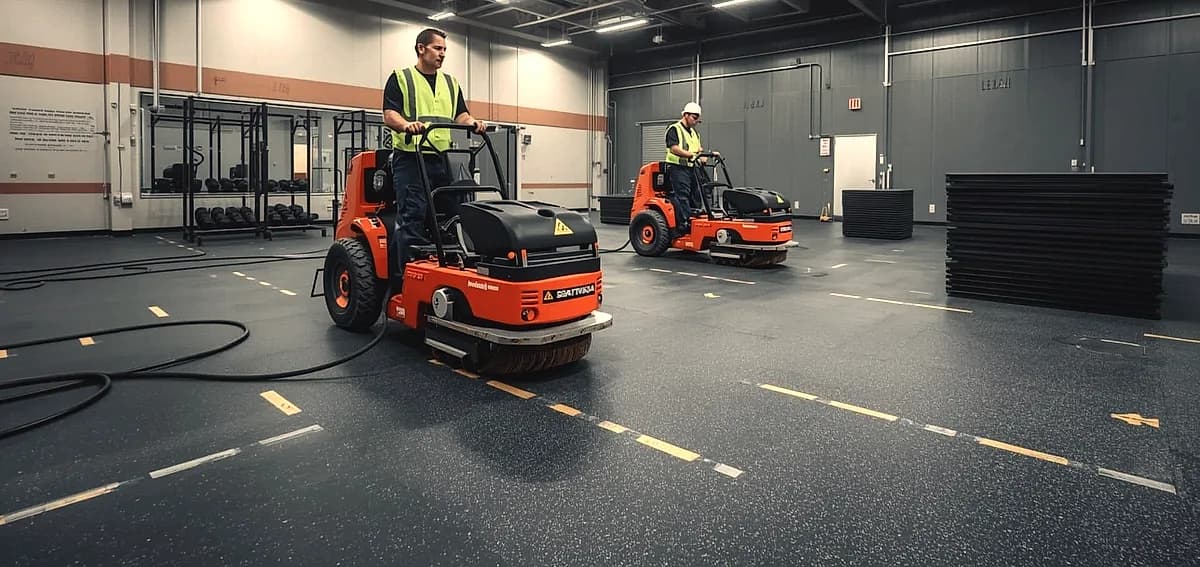
Adhesive residue removal represents one of the most critical aspects of substrate preparation. Even minimal adhesive residue can prevent proper penetration of concrete densifiers and create inconsistent polish levels. Mechanical grinding using diamond tools effectively removes stubborn residue while beginning the surface preparation process. The grinding sequence must be carefully planned to achieve proper surface profile without over-grinding areas with less residue.
Concrete hardness testing determines the appropriate polishing sequence and diamond tool selection. Soft concrete requires different grinding parameters than hard concrete to achieve optimal results. Mohs hardness testing provides objective data for developing polishing specifications that account for substrate variations throughout the facility.
Surface flatness evaluation identifies areas requiring additional grinding or repair to meet polishing standards. Gym facilities require exceptionally flat surfaces to prevent equipment instability and member safety issues. Professional-grade straightedges and laser levels ensure the substrate meets flatness tolerances before polishing begins.
Moisture testing prevents future problems with the polished concrete system. Excess moisture in concrete can cause densifier application issues and affect the final finish quality. Calcium chloride tests and relative humidity measurements provide quantitative data for determining when the substrate is ready for polishing operations.
Diamond Polishing Process for Gym Facilities
The diamond polishing process for gym facilities follows a systematic progression from coarse to fine diamond grits, with each step building upon the previous to achieve the desired finish level. Initial grinding typically begins with 30 or 50 grit diamonds to remove surface irregularities and remaining adhesive residue. This aggressive cutting action levels the surface and exposes fresh concrete for subsequent polishing steps.
Concrete densification occurs after initial grinding, typically following the 100 or 200 grit step. Densifiers penetrate the concrete surface, chemically reacting with calcium hydroxide to form additional calcium silicate hydrate, which increases surface hardness and density. This chemical hardening process is essential for achieving high-gloss finishes and improving the concrete’s resistance to wear and staining.
Progressive diamond grinding continues through increasingly fine grits, typically 400, 800, 1500, and 3000, with each step removing scratches from the previous grit while imparting finer scratches that contribute to the overall gloss development. Proper grit sequence selection and consistent machine speed ensure uniform scratch patterns and prevent swirl marks that can detract from the final appearance.
Gym facilities often require specialized consideration for different functional areas. Weight rooms may receive a lower gloss level to provide better traction for heavy lifting activities, while cardio areas can accommodate higher gloss levels that enhance light reflection and create a more open feeling. This zoning approach optimizes both safety and aesthetics throughout the facility.
Final polishing steps may include crystallization treatments that further enhance gloss and provide additional surface protection. These treatments chemically react with the polished concrete surface to create a harder, more lustrous finish that resists scuffing and maintains its appearance under heavy foot traffic typical in gym environments.
Quality Control and Finishing Standards
Establishing clear quality control standards ensures consistent results throughout the gym facility polishing project. Gloss level measurements using standardized meters provide objective verification that finish specifications are met. Different areas of the gym may require different gloss levels, from 30-50 gloss units in weight areas to 70-90 gloss units in entrance and cardio zones.
Surface uniformity assessment identifies areas requiring additional polishing attention. Consistent scratch patterns, uniform densifier penetration, and even gloss distribution across the entire floor surface indicate proper polishing technique and equipment operation. Any variations must be addressed before project completion to ensure long-term performance and appearance.
Edge and detail work requires special attention in gym facilities due to the numerous equipment mounting points, columns, and architectural features. Hand-held polishing equipment and diamond hand pads ensure these areas receive the same level of finish as the main floor areas. Proper blending between machine-polished and hand-polished areas prevents visible transition lines.
Final cleaning removes all polishing residue and prepares the surface for facility operations. Specialized neutral cleaners designed for polished concrete remove any remaining diamond dust or densifier residue without affecting the finish quality. Proper cleaning technique prevents streaking and ensures the true character of the polished surface is revealed.
Documentation of the polishing process, including grit sequences, densifier application rates, and final gloss measurements, provides valuable information for future maintenance planning. This documentation helps facility managers understand their floor system and make informed decisions about ongoing care and maintenance requirements.
Maintenance and Long-term Care
Developing a comprehensive maintenance program for polished concrete in gym facilities ensures optimal performance and appearance over the facility’s operational lifetime. Daily maintenance typically involves dust mopping or auto-scrubbing with neutral pH cleaners designed specifically for polished concrete. Avoiding acidic or highly alkaline cleaners prevents damage to the polished surface and maintains the concrete’s chemical integrity.
Periodic deep cleaning addresses soil buildup and maintains the floor’s reflective properties. Auto-scrubbers with appropriate pad selection provide effective cleaning without damaging the polished surface. Microfiber technology enhances cleaning effectiveness while reducing chemical usage and environmental impact.
Traffic pattern monitoring identifies areas requiring additional maintenance attention. High-traffic zones around popular equipment and entrance areas may show wear patterns that require periodic repolishing to maintain uniform appearance. Early intervention prevents minor wear from developing into major refinishing requirements.
Equipment placement considerations protect the polished concrete from damage. Rubber pads under heavy equipment prevent point loading that can crack or chip the concrete surface. Regular equipment inspection ensures protective measures remain effective and identifies potential problem areas before damage occurs.
Professional maintenance services provided by companies like National Concrete Polishing offer specialized knowledge and equipment for maintaining polished concrete systems. Periodic professional cleaning and minor repolishing extend the floor’s service life and maintain its appearance at optimal levels, providing excellent return on investment for gym facility owners.
Frequently Asked Questions
How long does the complete rubber flooring removal and concrete polishing process take for a typical gym facility?
The timeline varies significantly based on facility size and complexity, but most gym projects require 7-14 days for completion. Rubber flooring removal typically takes 2-4 days, substrate preparation requires 1-2 days, and the polishing process needs 4-8 days depending on the desired finish level and facility size.
Can gym facilities remain operational during the flooring renovation process?
Partial operations may be possible by phasing the work in sections, but complete closure is often recommended for safety and efficiency. The dust, noise, and equipment access requirements make it challenging to maintain normal gym operations during renovation.
What are the cost differences between repairing rubber flooring versus converting to polished concrete?
While initial conversion costs are higher than rubber flooring repair, polished concrete offers superior long-term value through reduced maintenance costs, improved durability, and enhanced facility appearance that can attract and retain members.
How do you handle adhesive removal from concrete that’s been damaged during the scraping process?
Minor concrete damage can be repaired using polymer-modified concrete repair compounds that bond well with existing concrete and accept polishing. Severe damage may require partial concrete replacement or alternative surface preparation methods.
What safety considerations are important during rubber flooring removal in occupied buildings?
Dust control, noise management, and proper ventilation are critical. HEPA filtration systems, noise barriers, and scheduling work during off-peak hours help minimize impact on adjacent areas and building occupants.
How does the concrete polishing process differ for areas that previously had different types of rubber flooring?
Different rubber flooring systems may leave varying amounts of adhesive residue and surface texture, requiring customized grinding sequences to achieve uniform results across the entire facility.
What maintenance equipment do gym facilities need for polished concrete floors?
Basic maintenance requires neutral pH cleaners, microfiber mops, and auto-scrubbers with appropriate pad selection. Facilities should avoid acidic cleaners and abrasive cleaning methods that can damage the polished surface.
Can existing concrete that’s been previously sealed or coated be successfully polished after rubber flooring removal?
Previous sealers and coatings must be completely removed before polishing can begin. This may require additional grinding and surface preparation, but successful polishing is achievable with proper preparation techniques.
Conclusion
Transforming gym facilities through rubber flooring removal and concrete polishing represents a significant investment in your facility’s future. The process requires careful planning, professional expertise, and attention to detail to achieve optimal results that enhance both functionality and aesthetics. Understanding the complexities involved, from initial assessment through final finishing, helps facility owners make informed decisions and set realistic expectations for their renovation projects.
The benefits of polished concrete in gym environments extend far beyond initial cost considerations. Improved hygiene, enhanced durability, reduced maintenance requirements, and superior aesthetics combine to create value that continues throughout the facility’s operational lifetime. Professional contractors like National Concrete Polishing bring the specialized knowledge and equipment necessary to navigate the challenges of rubber flooring removal and achieve exceptional polishing results.
Success in these projects depends heavily on proper planning, quality execution, and ongoing maintenance commitment. By following established best practices for removal techniques, substrate preparation, and polishing procedures, gym facilities can achieve beautiful, durable floors that serve their members well for many years. The investment in professional installation and proper maintenance ensures optimal return on investment and creates an environment that attracts and retains members while reducing long-term operational costs.
Written by

Founder and CEO
Chris Lavin is an esteemed leader in concrete polishing and epoxy coatings with a distinguished 20-year career. As founder and CEO of National Concrete Polishing and owner of Xtreme Polishing Systems, he's renowned for polishing and epoxy coating more floors than anyone globally. Chris is recognized for his innovative approach and commitment to enhancing floor durability and aesthetics. His hands-on experience and technical proficiency make him a respected authority and a valuable resource in the field of floor polishing and coatings.
Same topic
Related articles
All stories
Commercial9 min read
How Polished Concrete Solves Office Acoustic Problems
Hard floors and noise complaints. What polished concrete does to sound in an open office, and how to spec around it.
Read it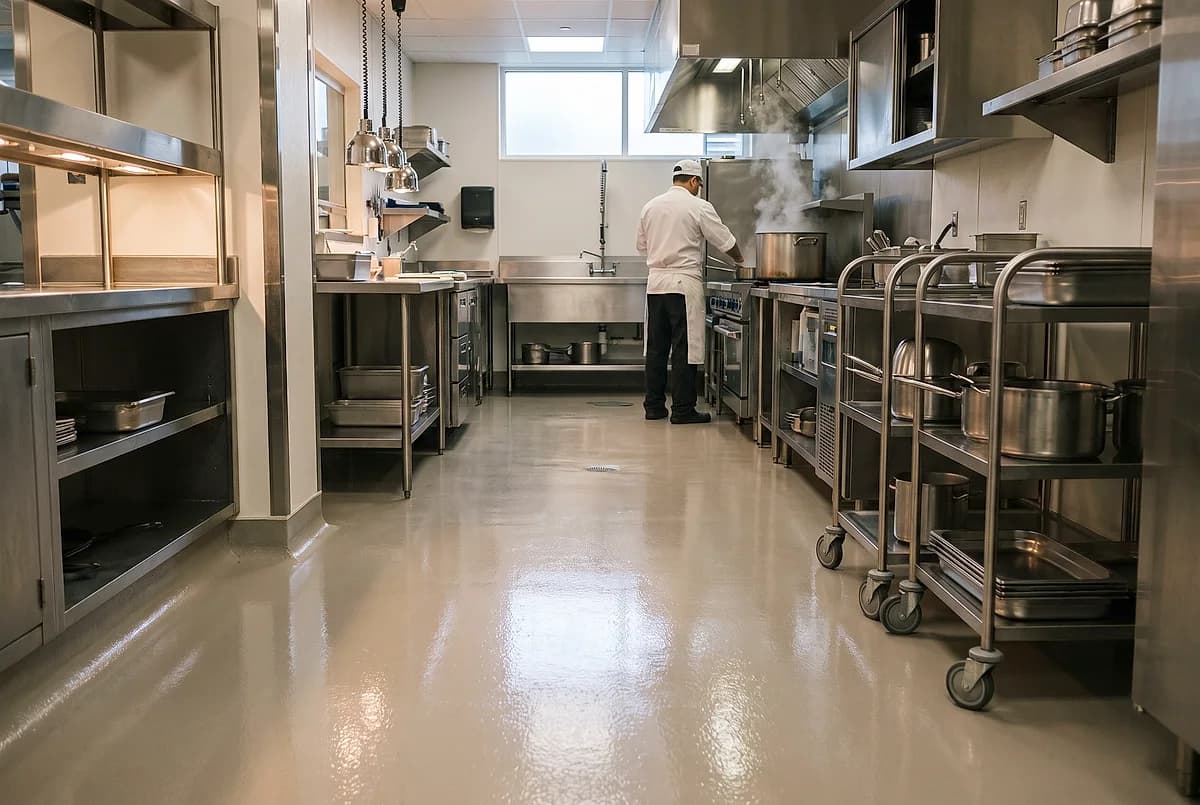
Commercial10 min read
Flooring for Hotel Wet Areas, Kitchens, and Parking Decks
Kitchens, pool decks and parking structures punish a floor daily. Which systems hold up in hotel service areas, and why.
Read it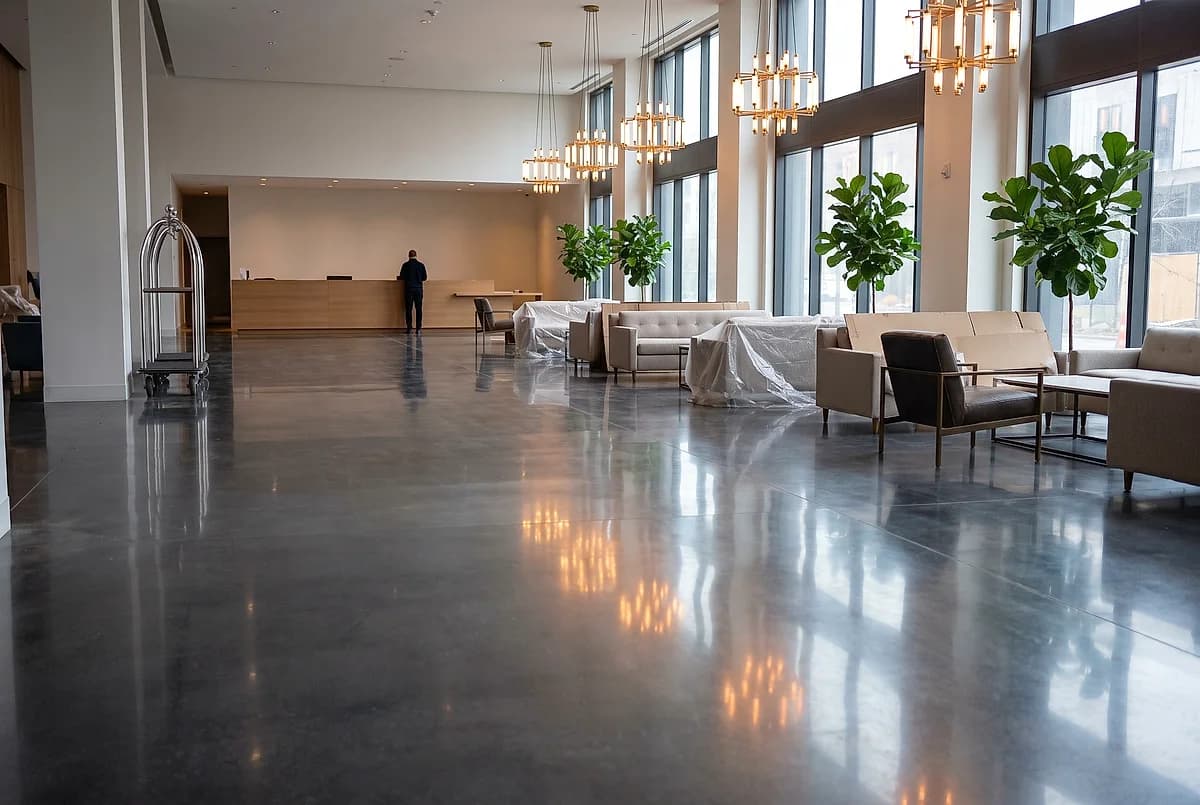
Commercial11 min read
Specifying Floors for a New Hotel Build
For owners and architects on a new build. What to write into the flooring spec so the hotel opens on a floor that lasts.
Read it
Tell us about the floor
Tell us the space and roughly how big it is.We come back with what it would cost and when we could start.
Prefer to talk? Call +1 844-876-5474
- Leads@
nationalconcretepolishing.net - 2200 NW 32nd St #600,
Pompano Beach, FL 33069 Mon to Fri, 9:00 to 5:30