
The NCP blog
School Cafeteria Epoxy Flooring Health Compliance Florida
Commercial12 min read
However, achieving and maintaining health department compliance requires more than simply installing any epoxy system.
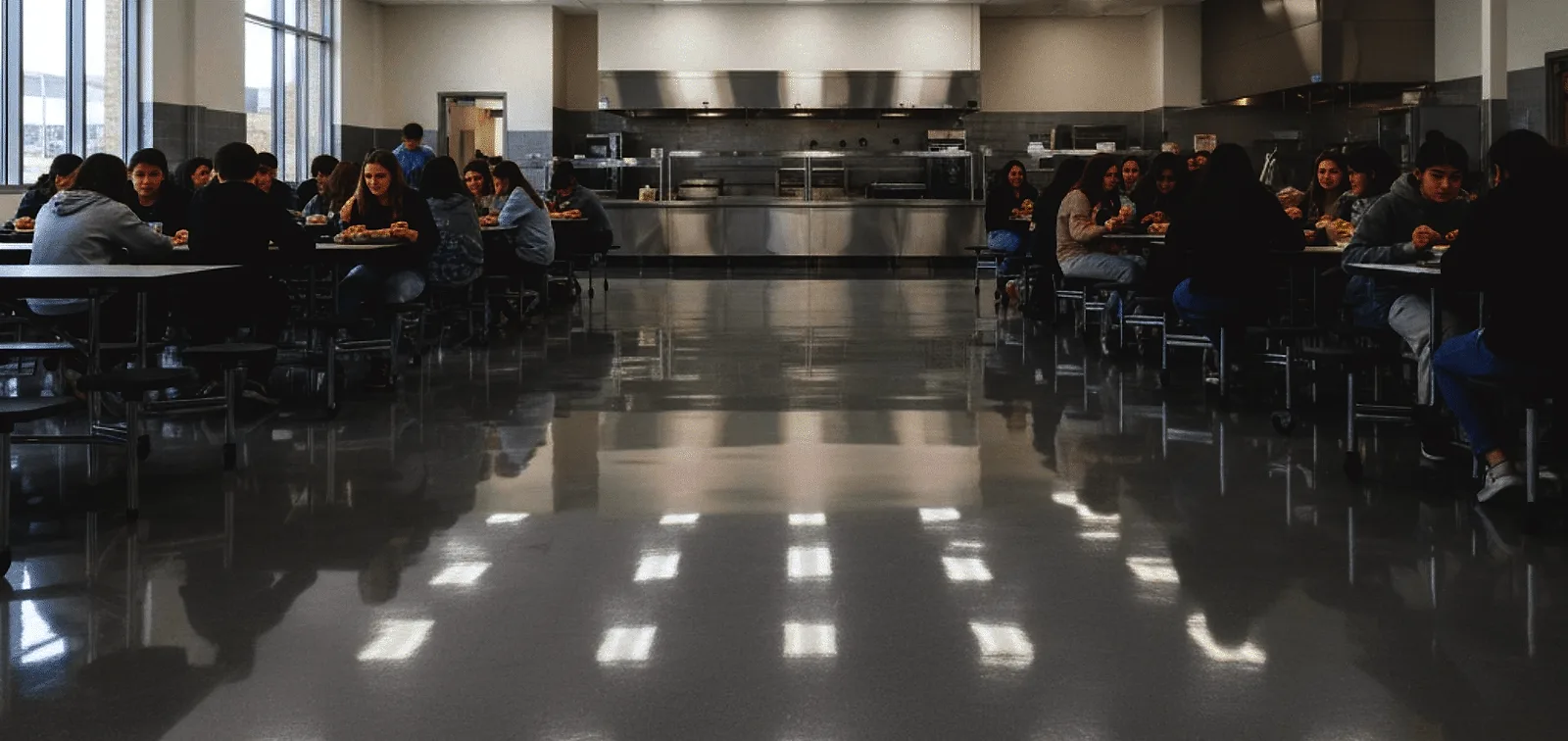
School cafeterias in Florida face stringent health department regulations that directly impact flooring choices and maintenance protocols. When it comes to school cafeteria epoxy flooring health department compliance Florida, educational institutions must navigate complex requirements while ensuring student safety and operational efficiency. The Florida Department of Health regulates food service in the state’s public and private schools and applies the FDA Food Code to their kitchens, including its floor criteria. Epoxy is one of the systems school administrators and facility managers consider for those floors.
Epoxy is one option for school cafeterias, valued for its monolithic surface, chemical resistance and ease of cleaning. However, achieving and maintaining health department compliance requires more than simply installing any epoxy system. Schools must consider factors such as proper surface preparation, appropriate epoxy formulations, installation techniques, and ongoing maintenance protocols to meet Florida’s strict health codes.
The stakes are particularly high in educational environments where hundreds or thousands of students consume meals daily. The Department of Health can fine an operator for violations of sanitary standards and can order the immediate closure of a kitchen that presents an imminent threat to public health. Understanding the specific requirements for school cafeteria flooring in Florida is essential for making informed decisions that protect both the institution and its occupants.
National Concrete Polishing installs epoxy and other resinous floors, and educational and institutional buildings are among the building types in its project records. Whether the finished floor meets the Food Code is for the school’s inspector to decide, so the system and the installer should be chosen with that inspection in mind.
Beyond compliance, schools must also consider practical factors such as durability, slip resistance, and aesthetic appeal when selecting cafeteria flooring. The high-traffic nature of school cafeterias demands flooring solutions that can withstand constant use while maintaining their protective and hygienic properties throughout the academic year and beyond.
Understanding Florida Health Department Requirements for School Cafeteria Flooring
Florida’s health department regulations for school cafeterias are comprehensive and strictly enforced, with flooring requirements forming a critical component of food safety protocols. The Florida Administrative Code, through Rule 64E-11.002, has the Department of Health apply the FDA Food Code to school kitchens. In the 2013 edition that the rule names, floors where food establishment operations are conducted must be “smooth, durable, and easily cleanable,” and nonabsorbent in areas subject to moisture such as food preparation areas, walk-in refrigerators and warewashing areas. These regulations are designed to prevent contamination, eliminate harborage areas for pests and bacteria, and ensure that cleaning and sanitizing procedures can be effectively implemented.
The Food Code does not require a seamless floor. It does call for floor and wall junctures to be coved, and sealed where floors are cleaned by flushing with water, and it bars carpet in food preparation areas, walk-in refrigerators, warewashing areas and other areas subject to moisture, flushing or spray cleaning. Commercial epoxy floor coating systems excel in meeting these requirements by creating a monolithic surface that eliminates seams and provides a non-porous barrier against contamination.
The Food Code requires physical facilities, floors included, to be maintained in good repair and cleaned as often as necessary to keep them clean, so a cracked, worn or dirty floor can be cited. Schools that fail to maintain compliant flooring face potential violations that can impact their food service operations and reputation. The consequences of non-compliance extend beyond immediate citations to include potential liability issues if foodborne illnesses are traced to facility conditions.
A cafeteria kitchen also has performance needs the Food Code does not spell out, such as resistance to cleaning chemicals and hot-water washdown, and slip resistance for workers. The code only allows antislip floor coverings and applications to be used for safety reasons. Properly formulated and installed epoxy flooring types are one way to meet those needs.
Epoxy Flooring Systems: Meeting Food Service Standards
Selecting the appropriate epoxy flooring system for school cafeterias requires understanding the different formulations available and their specific performance characteristics. The Food Code names no approved coating or brand. It sets criteria for the surface, and the regulatory authority decides whether a floor meets them. Choose a system for the cleaning chemicals, hot-water washdown and traffic it will face, and read the manufacturer’s data sheet to see what that product has been tested for.
One option for school cafeterias is a 100% solids epoxy, which has no solvent that evaporates during cure. How well any system resists acids, oils and cleaning chemicals depends on its formulation, so check the manufacturer’s chemical resistance data for the products the kitchen uses. Because the coating goes down as one continuous film, it leaves fewer joints and crevices where dirt and bacteria can collect, which makes the surface easier to clean and sanitize.
Proper system design also addresses the issue of what causes epoxy floor color variations, which can create surface irregularities that compromise both aesthetics and hygiene. Color variations and texture issues typically result from improper application techniques, inadequate surface preparation, or environmental conditions during installation. Professional contractors understand how to prevent these issues through proper material selection, controlled application conditions, and skilled installation techniques that ensure a smooth, uniform finish.
Epoxy systems for school cafeterias can include a slip-resistant texture and fast-cure formulations that shorten downtime during installation. These systems can be customized with various colors and finishes to meet aesthetic requirements while maintaining full compliance with health department standards. The versatility of epoxy allows schools to create attractive, functional spaces that support both food service operations and student dining experiences.
Quality control during installation is critical for achieving optimal performance and compliance. This includes proper mixing ratios, application thickness control, and environmental monitoring to ensure ideal curing conditions. Professional installation teams use specialized equipment and techniques to achieve consistent results that meet or exceed health department requirements while providing the durability needed for high-traffic school environments.
Installation Best Practices for Compliance and Longevity
Achieving health department compliance for school cafeteria epoxy flooring begins with proper installation practices that ensure both immediate performance and long-term durability. The installation process must address multiple factors including substrate preparation, environmental conditions, material application, and quality control measures that directly impact the final system’s ability to meet regulatory requirements.
Substrate preparation forms the foundation of successful epoxy installation and compliance achievement. Concrete surfaces must be properly evaluated for moisture content, structural integrity, and contamination that could affect epoxy adhesion. Professional contractors perform comprehensive testing including concrete moisture testing to ensure the substrate can support a non-porous epoxy system without future delamination or failure.
Surface preparation typically involves mechanical methods such as diamond grinding or shot blasting concrete to create the proper surface profile for epoxy adhesion. This process removes surface contaminants, opens the concrete pore structure, and creates the mechanical bond necessary for long-term performance. Poor surface preparation can cause an epoxy system to lose its bond and fail early, and a floor that is peeling or cracked is harder to keep in good repair.
Environmental control during installation is crucial for preventing defects that could compromise compliance. Temperature and humidity levels must be maintained within specified ranges to ensure proper epoxy curing and prevent issues such as orange peel texture, pinholing, or incomplete cure. Professional installation teams use environmental monitoring equipment and may employ temporary climate control systems to maintain optimal conditions throughout the installation process.
Application techniques must ensure uniform coverage and eliminate potential defects that could create sanitation concerns. This includes proper mixing procedures, consistent application thickness, and careful attention to detail areas such as wall-to-floor transitions and equipment penetrations. These critical areas need special attention because the Food Code calls for floor and wall junctures to be coved, and sealed where floors are cleaned by flushing.
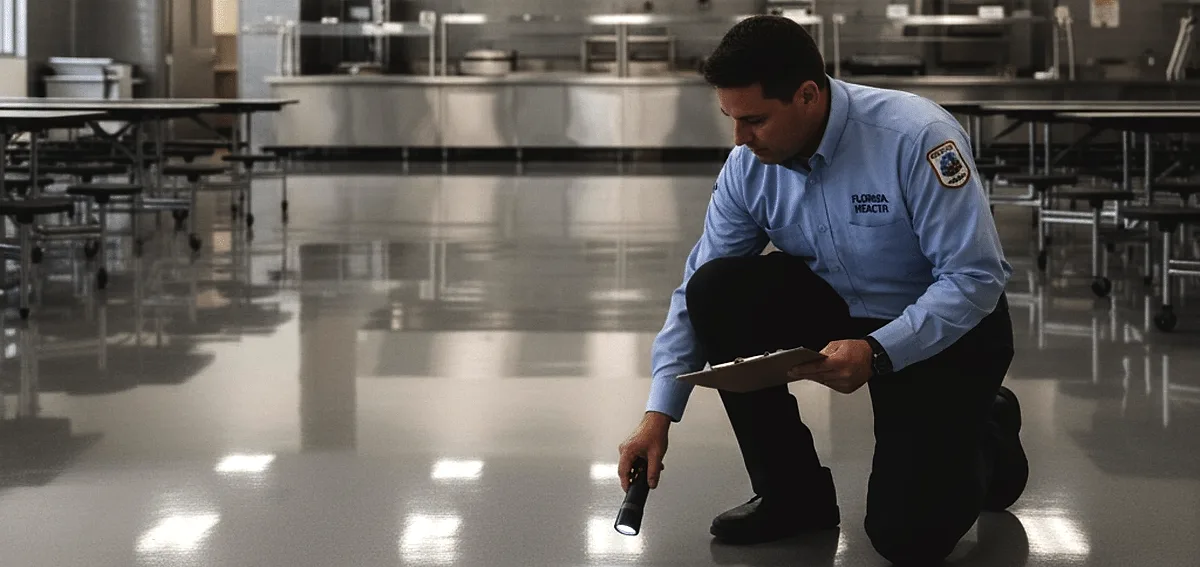
Quality assurance protocols throughout installation help ensure compliance requirements are met. This includes documentation of materials used, environmental conditions, application procedures, and final inspection results. Proper documentation provides schools with the records needed to demonstrate compliance during health department inspections and supports warranty claims if issues arise in the future.
Preventing Common Installation Issues and Compliance Problems
Understanding and preventing common installation issues is essential for maintaining health department compliance in school cafeteria epoxy flooring systems. Many compliance problems can be traced to installation defects that create sanitation concerns or compromise the flooring system’s ability to meet regulatory requirements. Professional contractors focus on identifying and preventing these issues before they can impact compliance or performance.
One of the most significant concerns is the development of surface irregularities that can harbor bacteria or complicate cleaning procedures. Issues such as orange peel texture can make a floor harder to clean. These texture problems often result from improper roller technique, incorrect material viscosity, inadequate surface preparation, and unfavorable environmental conditions during application.
Preventing texture issues requires careful attention to application techniques and environmental control. Professional installers use proper roller selection, maintain consistent application speed, and ensure optimal material temperature and viscosity. They also monitor humidity levels and air movement to prevent rapid solvent evaporation that can contribute to surface texture issues. When texture problems do occur, the fix depends on how severe they are and can range from sanding and recoating to removal and reapplication.
Moisture-related problems represent another common source of compliance issues in school cafeteria flooring. Inadequate moisture testing or installation over concrete with excessive moisture content can lead to epoxy floor delamination, bubbling, or osmotic blistering. These defects create surface irregularities and potential breach points that compromise the smooth, easily cleanable surface the Food Code calls for.
Contamination during installation can also create compliance problems that may not become apparent until after the system is in service. Foreign materials, dust, or chemical residues can interfere with epoxy adhesion or create surface defects that impact cleanability. Professional installation teams implement strict contamination control procedures including surface cleaning protocols, material handling procedures, and environmental protection measures.
Joint and transition area failures represent another common compliance concern. Areas where epoxy flooring meets walls, drains, or equipment require special attention to maintain seamless transitions that prevent moisture and contaminant accumulation. Proper detailing of these areas requires specialized materials and techniques that ensure long-term performance and continued compliance with health department requirements.
Maintenance Protocols for Sustained Compliance
Maintaining health department compliance for school cafeteria epoxy flooring requires implementing comprehensive maintenance protocols that preserve the system’s protective properties and hygienic characteristics. Even the highest quality epoxy installation will fail to maintain compliance without proper ongoing care and maintenance procedures that address the unique challenges of food service environments.
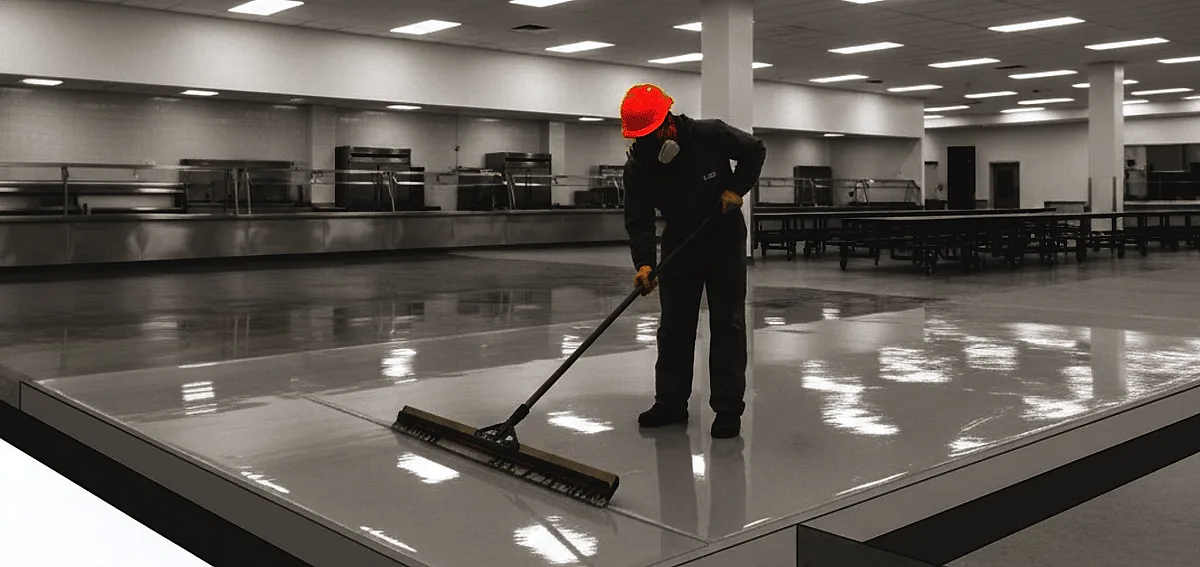
Daily cleaning protocols form the foundation of compliance maintenance and must be designed specifically for epoxy flooring systems in food service areas. These protocols should specify approved cleaning products that effectively remove food residues and contaminants without damaging the epoxy surface. Understanding what is the best cleaner for epoxy floors is crucial, as many common cleaners can degrade epoxy systems over time, leading to surface roughening or chemical damage that compromises compliance.
Proper cleaning procedures involve more than just product selection; they require specific techniques and equipment that ensure thorough cleaning without creating damage. This includes appropriate water temperatures, contact times for sanitizing solutions, and mechanical cleaning methods that remove stubborn soils without abrading the epoxy surface. Training custodial staff on these procedures is essential for maintaining compliance over the long term.
Regular inspection schedules help identify potential compliance issues before they become serious problems. These inspections should focus on surface integrity, cleanliness, and any signs of wear or damage that could compromise the flooring system’s hygienic properties. Early identification of issues allows for prompt repairs that maintain compliance and prevent more extensive problems.
Preventive maintenance programs extend beyond daily cleaning to include periodic deep cleaning, surface restoration, and protective treatments that preserve the epoxy system’s performance characteristics. These programs may include periodic resealing of high-wear areas, professional deep cleaning services, and application of protective coatings that enhance chemical resistance and extend system life.
Documentation of maintenance activities provides important evidence of compliance efforts during health department inspections. Maintenance logs should record cleaning procedures, products used, inspection results, and any repairs or treatments performed. This documentation demonstrates the school’s commitment to maintaining compliance and can help identify trends or issues that require attention.
On commercial projects, National Concrete Polishing can put a planned duration or handback schedule in writing once the project conditions are defined, and it works nights, weekends and in phases when a job calls for it. That helps when a kitchen has to fit around the school calendar.
Frequently Asked Questions
What specific Florida health department requirements apply to school cafeteria flooring?
The FDA Food Code, which Florida’s Department of Health applies to school kitchens, calls for floors that are “smooth, durable, and easily cleanable,” and nonabsorbent where they are subject to moisture. Floor and wall junctures must be coved, and sealed where floors are cleaned by flushing. A well-installed epoxy system creates a monolithic surface that is easy to clean and can meet these requirements.
How does epoxy flooring help schools maintain health department compliance?
Epoxy flooring creates a continuous, non-porous surface that leaves fewer places for bacteria and contaminants to hide. The smooth finish facilitates effective cleaning and sanitization, while a system chosen for its chemical resistance holds up to the cleaning agents and food acids it will meet.
What maintenance is required to keep epoxy cafeteria flooring compliant?
Daily cleaning with approved products, regular inspections for damage or wear, and periodic deep cleaning are essential. Schools should also implement preventive maintenance programs and maintain documentation of all cleaning and maintenance activities for health department inspections. Understanding how to clean epoxy garage floor principles applies to cafeteria maintenance as well.
Can existing cafeteria floors be converted to compliant epoxy systems?
Yes, most existing concrete floors can be prepared and converted to compliant epoxy systems. This requires professional evaluation of the substrate condition, proper surface preparation, and installation of appropriate epoxy formulations designed for food service environments.
What documentation is needed to demonstrate compliance during inspections?
Schools should maintain records of materials used, installation procedures, maintenance schedules, cleaning protocols, and any repairs or treatments performed. This documentation demonstrates ongoing compliance efforts and helps identify any issues that require attention.
How does professional installation ensure compliance compared to DIY approaches?
A professional installer prepares the surface, controls the conditions and documents the work, which an inspector can ask to see.
What causes common epoxy flooring problems in food service areas?
Common issues include why epoxy floors fail in Florida climate due to improper installation, inadequate surface preparation, or environmental factors. Professional installation and proper maintenance protocols prevent most compliance-related problems.
How long does epoxy flooring installation take in a school cafeteria?
Time on site depends on the floor area, the prep, the system and the cure windows between coats. As a planning guide for open, accessible floors, a standard crew installs about 1,500 to 3,500 square feet of epoxy, flake or quartz per installation day, and foot traffic is typically possible 10 to 24 hours after the last coat. The written proposal states the schedule. Schools often schedule installation during breaks to minimize disruption.
Conclusion
Achieving and maintaining school cafeteria epoxy flooring health department compliance Florida requires careful attention to system selection, professional installation, and ongoing maintenance protocols. A well-chosen epoxy system can make a cafeteria floor easier to clean and keep in good repair, which is what the Food Code asks of it.
The complexity of compliance requirements makes professional expertise essential for success. National Concrete Polishing’s project records include a technical school in Miami of about 12,000 square feet, finished with a quartz traffic-coat system. Which system fits a cafeteria depends on the kitchen, the cleaning routine and the traffic, so it is worth settling before the work is priced.
Schools considering cafeteria flooring upgrades should prioritize compliance from the beginning of the planning process. This includes engaging qualified contractors early in the decision-making process, understanding the full scope of compliance requirements, and planning for ongoing maintenance needs that preserve the system’s protective properties. The consequences of non-compliance are too significant to risk with inadequate flooring solutions or improper installation practices.
Whatever system a school picks, the test is the one an inspector applies: does the floor stay easy to clean and in good repair?
Written by

Founder and CEO
Chris Lavin is an esteemed leader in concrete polishing and epoxy coatings with a distinguished 20-year career. As founder and CEO of National Concrete Polishing and owner of Xtreme Polishing Systems, he's renowned for polishing and epoxy coating more floors than anyone globally. Chris is recognized for his innovative approach and commitment to enhancing floor durability and aesthetics. His hands-on experience and technical proficiency make him a respected authority and a valuable resource in the field of floor polishing and coatings.
Same topic
Related articles
All stories
Commercial12 min read
Cleanroom Floor Standards for Semiconductor, Biotech, and GMP Facilities
Semiconductor, biotech and GMP floors have written standards. What those standards require, and which concrete systems meet them.
Read it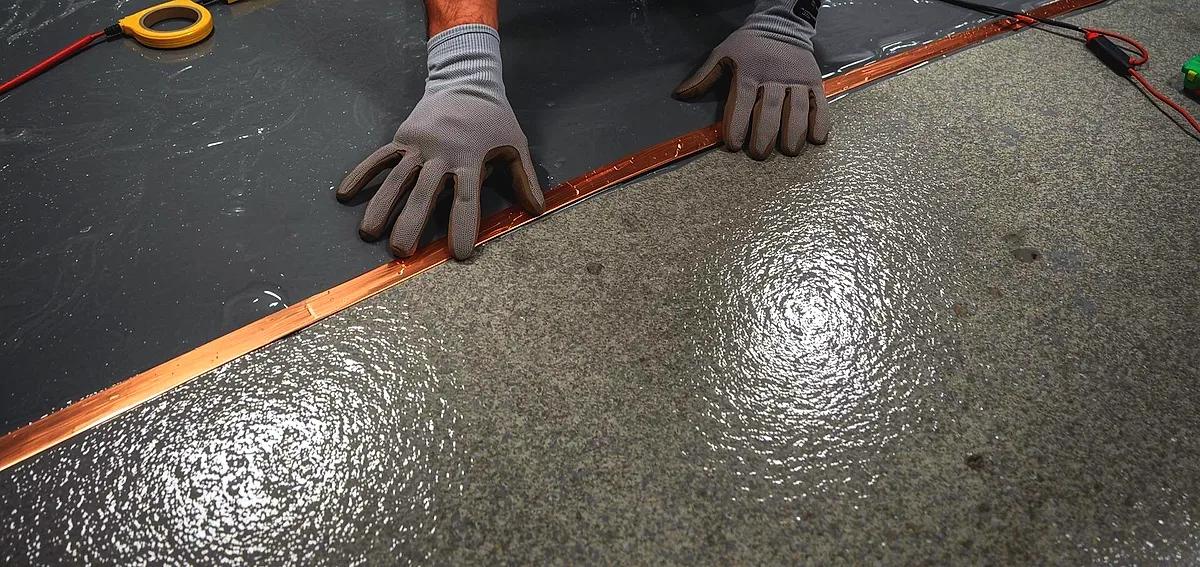
Commercial5 min read
Grounding Requirements for Floors in Fort Lauderdale Electronics Facilities
Grounding requirements for floors in Fort Lauderdale electronics facilities, including ESD epoxy standards and grounding strips.
Read it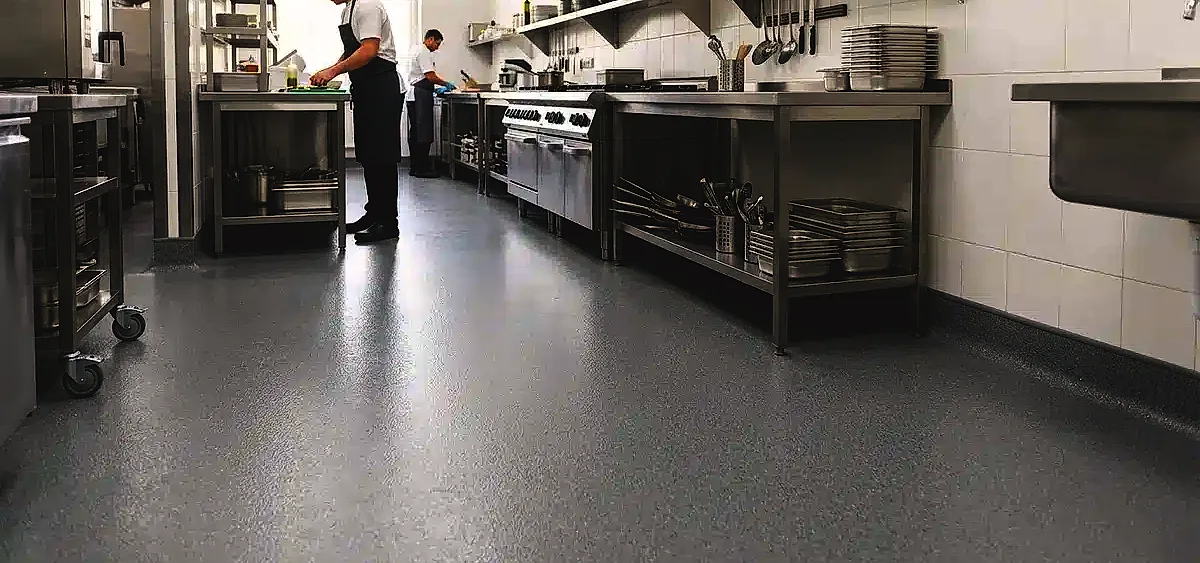
Commercial10 min read
Commercial Kitchen Floor Requirements in Florida
What Florida food code rules (Chapter 61C-4) ask of commercial kitchen floors: smooth, non-absorbent surfaces and coving at the walls.
Read it
Tell us about the floor
Tell us the space and roughly how big it is.We come back with what it would cost and when we could start.
Prefer to talk? Call +1 844-876-5474
- Leads@
nationalconcretepolishing.net - 2200 NW 32nd St #600,
Pompano Beach, FL 33069 Mon to Fri, 9:00 to 5:30