
The NCP blog
Why Concrete Spalls Before Polishing: Causes and Solutions
Polished concrete8 min read
Over 40% of concrete surfaces develop visible spalling within five years of installation.
Over 40% of concrete surfaces develop visible spalling within five years of installation. This crumbling effect doesn’t just ruin aesthetics—it weakens structural integrity and accelerates wear. Whether you’re managing a Miami high-rise or a suburban driveway, understanding this issue is critical to avoiding costly repairs.
Spalling occurs when the top layer of concrete breaks apart, often due to moisture intrusion, improper curing, or environmental stress. In colder regions, freeze-thaw cycles worsen the damage. But even in warm climates, factors like saltwater exposure or rapid temperature shifts create similar risks. Ignoring early signs like flaking or discoloration can lead to deeper cracks and safety hazards.
Proper surface preparation before polishing is non-negotiable. Skipping repairs might save time upfront, but unaddressed spalling causes uneven finishes and reduces lifespan. Professional restoration balances immediate fixes with strategies tailored to local conditions, ensuring lasting results.
Understanding Concrete Spalling
Surface degradation affects nearly half of all poured slabs within a decade. This process starts when environmental stressors or installation errors weaken the material’s outer layer. Left unchecked, it compromises both appearance and structural performance.
Definition and Overview
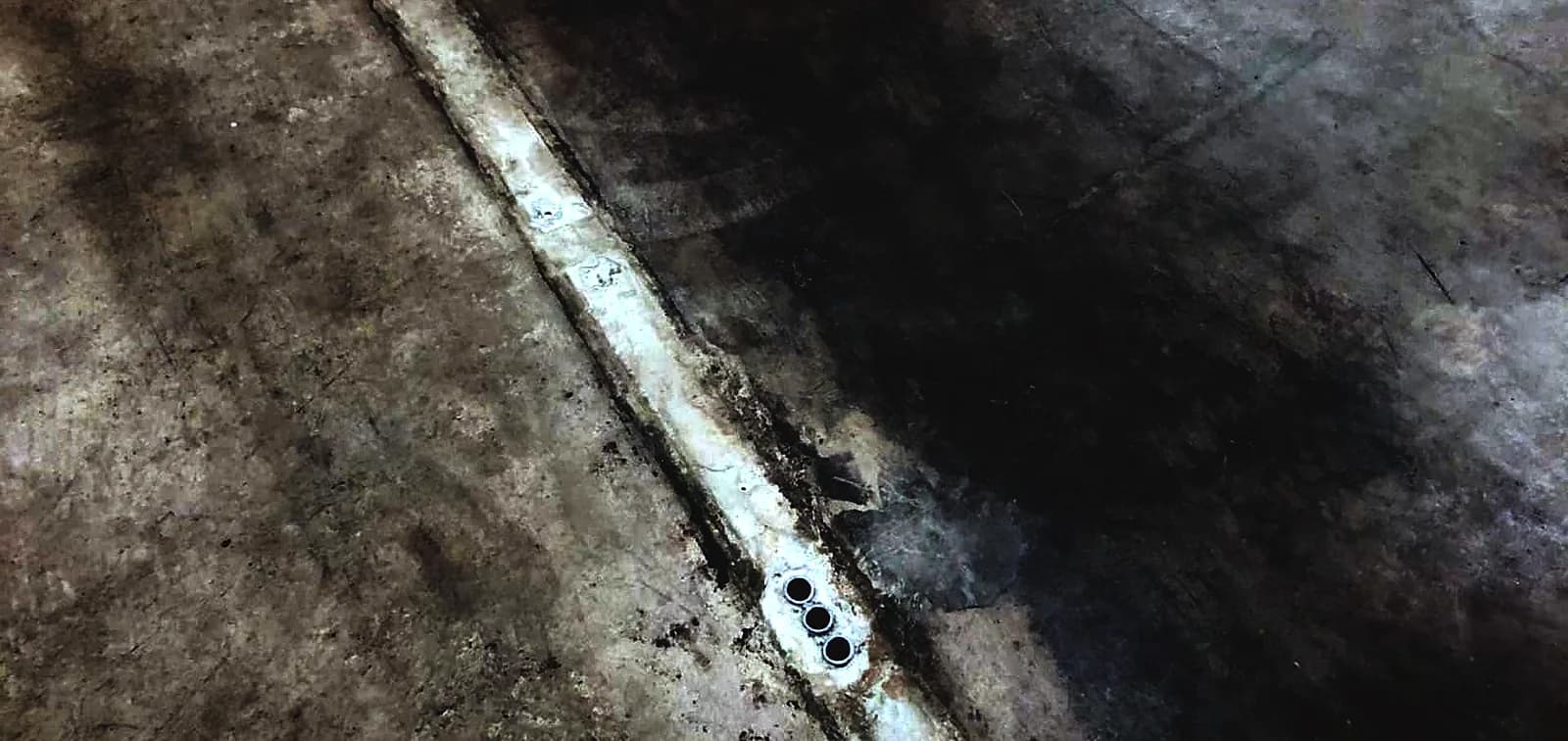
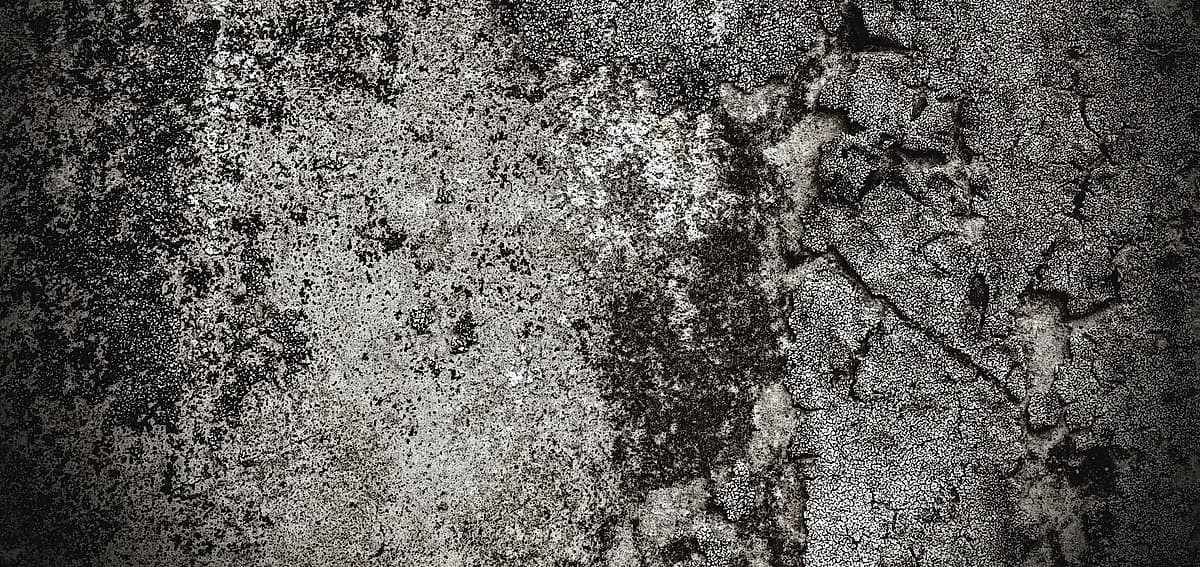
Spalling occurs when surface layers break apart, creating pits, flakes, or exposed aggregate. These defects form pathways for moisture, accelerating breakdown cycles. Early-stage issues might appear minor but often expand rapidly without intervention.
Common Signs on Concrete Surfaces
Watch for these indicators:
- Rough patches where the top layer peels away
- Shallow craters collecting water or debris
- Visible stone aggregates beneath worn surfaces
Minor damage typically starts in isolated areas. However, widespread flaking signals advanced deterioration requiring professional assessment. Tactile checks help—run your hand over suspicious spots to detect uneven textures.
Proactive identification prevents small issues from escalating. Address compromised sections quickly to avoid moisture infiltration and costly repairs later.
Environmental Factors Impacting Concrete Integrity
Outdoor slabs face relentless attacks from weather patterns and chemical agents. These elements work together to degrade surfaces faster than most structural materials. Let’s examine two critical threats and how to counter them.
Water’s Destructive Expansion
Liquid seeping into pores becomes problematic when temperatures drop. Frozen water expands by 9%, generating enough force to fracture surrounding material. Each thaw cycle leaves microscopic cracks that worsen with repetition.
Salt’s Corrosive Double Play
Deicing agents don’t just melt ice—they alter concrete’s chemistry. Sodium chloride lowers water’s freezing point, prolonging destructive expansion phases. Simultaneously, salt crystals increase permeability, letting moisture penetrate deeper layers.
| Factor | Primary Impact | Prevention Strategy |
|---|---|---|
| Freeze-Thaw Cycles | Internal pressure fractures | Apply penetrating sealers |
| Deicing Salts | Chemical degradation | Use calcium chloride alternatives |
| Humidity Fluctuations | Surface erosion | Install proper drainage systems |
Coastal regions face heightened risks due to saltwater exposure. Proactive measures like sealant reapplication every 2-3 years significantly reduce deterioration rates. Pair these with routine inspections after extreme weather events.
What Causes Concrete Spalling Before Polishing Miami
South Florida’s unique environmental cocktail creates a perfect storm for premature surface degradation. Coastal zones demand specialized strategies to combat accelerated wear patterns unseen in inland regions.
Regional Climate and Its Effects
Daily temperature swings between 75°F and 95°F cause slabs to expand and contract like breathing lungs. This thermal stress fractures weak points in untreated surfaces. Salt-laden breezes from Biscayne Bay penetrate microscopic pores, corroding steel reinforcements beneath.
Three key climate challenges dominate:
- Persistent 85%+ humidity keeps surfaces damp
- UV radiation degrades protective sealants
- Salt crystallization expands inside cracks
These elements combine to trigger carbonation – a chemical reaction lowering pH levels. This process destabilizes the protective layer around rebar, accelerating structural compromise.
Installation and Finishing Practices
Rushed construction timelines during Miami’s development surge led to compromised techniques. Many installers used standard mixes unsuitable for marine environments, ignoring modified formulas with corrosion inhibitors.
Critical oversights include:
- Insufficient curing periods during rainy seasons
- Improper troweling creating weak surface layers
- Using non-air-entrained concrete mixes
Such shortcuts leave surfaces vulnerable to environmental attacks. Proper preparation now prevents expensive restoration later. Always verify contractors use marine-grade materials and extended curing protocols.
Concrete Repair and Restoration Options
Choosing the right repair strategy ensures lasting results for compromised surfaces. Your approach depends on damage severity, from minor chips to widespread deterioration. Proper techniques restore functionality while maintaining visual harmony with surrounding areas.
Patching and Overlay Techniques
Localized issues often require targeted solutions. Start by removing loose debris and cleaning the area with pressurized water. Apply polymer-enhanced compounds that chemically bond with existing material, creating seamless repairs.
- Color-matched patches blend with original surfaces
- Thin overlays renew heavily damaged areas without full replacement
- Structural adhesives reinforce weak zones beneath new layers
Professional resurfacing uses advanced materials resistant to moisture and temperature shifts. These modified mixes outperform standard concrete, particularly in humid coastal environments.
Sealing and Preventative Repairs
Protective treatments form invisible shields against future damage. Apply penetrating sealers 28 days after installation or restoration. Reapply every 3-5 years depending on traffic and weather exposure.
Key maintenance steps include:
- Pressure washing to remove salt deposits
- Filling hairline cracks before sealing
- Testing sealer effectiveness with water droplet checks
Proper preparation determines repair longevity. Always degrease surfaces and ensure complete dryness before treatment. Combine these methods with regular inspections for comprehensive protection.
Importance of Proper Curing and Mix Design
The lifespan of your concrete surface depends on two critical factors most people overlook: curing methods and material composition. These elements work together to create surfaces resistant to environmental stress and daily wear.
Curing Techniques to Strengthen Surface
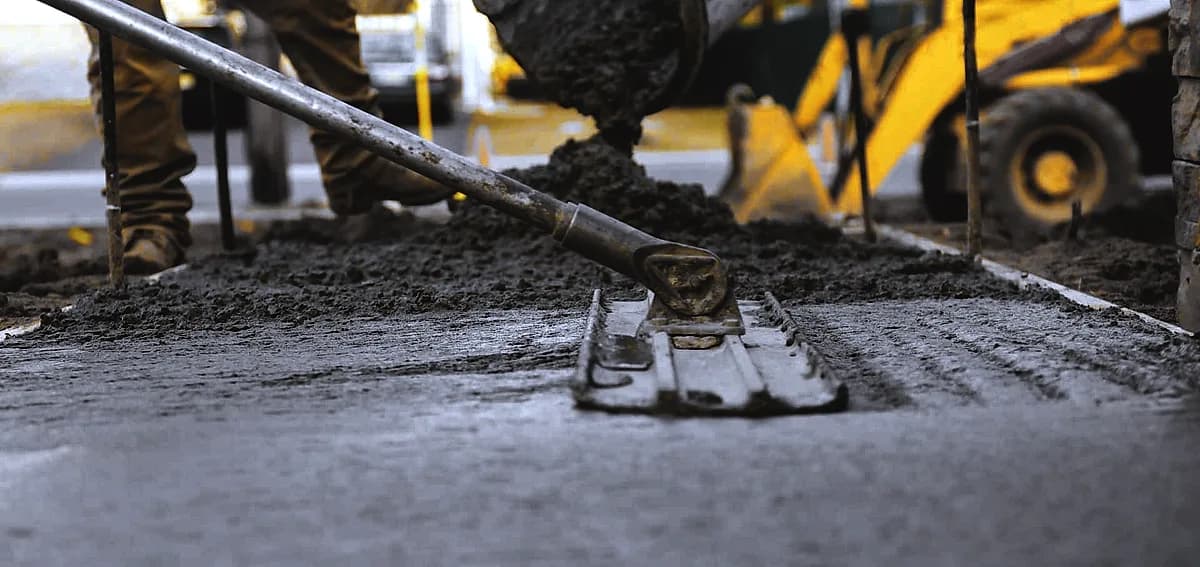
Moisture management during the first 28 days determines long-term performance. Use wet burlap or plastic sheeting to maintain hydration. In hot climates, apply curing compounds that form protective membranes.
Rushing this phase causes weak surface layers. Never expose fresh slabs to foot traffic or equipment before day 7. Temperature-controlled environments prevent rapid drying that leads to micro-cracks.
Optimizing Concrete Mix for Durability
High-quality mixes balance four components: cement, aggregates, water, and additives. Air-entraining agents create microscopic bubbles that absorb pressure from freezing water. This reduces internal stress by up to 75%.
| Component | Role | Durability Benefit |
|---|---|---|
| Air Entrainment | Creates expansion chambers | Freeze-thaw resistance |
| Portland Cement | Binds materials | Surface strength |
| Proper Aggregates | Structural backbone | Crack prevention |
| Special Admixtures | Enhances properties | Salt/UV protection |
For coastal areas, specify mixes with corrosion inhibitors and waterproofing agents. Always verify cement content meets ASTM standards – low ratios create porous surfaces that crumble under stress.
Preventive Measures for Long-Term Maintenance
Proactive care extends the lifespan of outdoor slabs by decades. Regular upkeep blocks environmental threats before they create structural weaknesses. A strategic approach combines cleaning, sealing, and timely repairs to maintain surface integrity.
Essential Cleaning and Protection Steps
Start with a bi-annual cleaning routine. Remove leaves, dirt, and oil stains using pH-neutral cleaners. Pressure washing works well, but keep nozzles 12 inches from surfaces to avoid etching.
Sealants form your first defense against moisture. Penetrating formulas soak deep into pores instead of sitting on top. This prevents trapped humidity – a critical factor in coastal zones. Apply treatments during dry seasons for optimal bonding.
| Maintenance Task | Frequency | Key Benefit |
|---|---|---|
| Surface Inspection | Every 6 Months | Early Crack Detection |
| Deep Cleaning | Twice Yearly | Contaminant Removal |
| Sealer Application | Every 3 Years | Moisture Barrier |
| Crack Repair | Immediately | Prevents Water Infiltration |
Address hairline cracks within 48 hours. Use epoxy injections for gaps under 1/8 inch. Larger issues may require professional patching to restore load-bearing capacity.
Track maintenance activities in a log. Note weather conditions during treatments and product performance over time. This data helps refine your strategy for maximum cost efficiency.
National Concrete Polishing: Expertise in South Florida
Specialized knowledge makes all the difference when dealing with coastal construction challenges. Since 2013, National Concrete Polishing has refined restoration practices to combat Florida’s unique environmental stressors. Their team combines advanced methods with locally tested solutions to preserve surfaces longer than standard approaches.
Advanced Restoration Strategies
You gain access to science-backed techniques developed through thousands of South Florida projects. The company uses polymer-modified materials that resist salt penetration better than traditional mixes. Each repair addresses both visible flaws and hidden structural issues.
| Technique | Benefit | Outcome |
|---|---|---|
| Electron Microscopy Analysis | Identifies microscopic damage | Prevents future deterioration |
| Corrosion-Inhibiting Overlays | Blocks saltwater intrusion | Extends surface lifespan |
| Moisture-Controlled Grinding | Prevents dust contamination | Ensures proper adhesion |
Their process begins with thermal imaging to map subsurface weaknesses. This eliminates guesswork when planning repairs. Custom blends containing silica fume and fly ash create denser surfaces that withstand humidity fluctuations.
For lasting results, call National Concrete Polishing at +1 844-876-5474. Serving all South Florida communities, they transform compromised slabs into durable assets through meticulous preparation and climate-adapted materials. Regular maintenance plans keep surfaces protected year-round.
Conclusion
Maintaining durable slabs requires understanding environmental threats and acting decisively. Moisture intrusion, salt exposure, and temperature shifts create cumulative damage that weakens surfaces over time. Left unchecked, small cracks evolve into structural problems demanding extensive repairs.
Effective solutions start with proper surface preparation. Quality resurfacing techniques restore strength while sealing out destructive elements. Regular inspections catch early signs of deterioration, allowing targeted interventions before issues escalate.
Partner with specialists who analyze local climate factors and material compatibility. Their expertise ensures repairs address root causes rather than just visible symptoms. Proactive maintenance preserves surfaces through seasonal cycles, reducing long-term costs.
Ready to protect your investment? Schedule a professional assessment to implement strategies tailored to your specific conditions.
Frequently Asked Questions
How do you identify early signs of spalling on polished surfaces?
Look for flaking, chipping, or small cracks on the surface. Discoloration or exposed aggregate can also indicate moisture damage or improper curing before polishing begins.
Why does Miami’s climate accelerate spalling risks before polishing?
High humidity and saltwater exposure increase moisture absorption in porous surfaces. Combined with temperature shifts, this weakens the material, leading to faster deterioration if not sealed properly.
Can resurfacing fix spalled areas without full replacement?
Yes. Techniques like polymer-modified overlays or micro-topping bond to damaged zones, restoring strength and aesthetics. Proper prep work ensures repairs blend seamlessly with existing surfaces.
How do freeze-thaw cycles affect unsealed concrete in coastal regions?
Water trapped in pores expands during rare cold snaps, creating internal pressure. Repeated cycles cause cracking and surface breakdown, even in warmer climates like South Florida.
What role does curing play in preventing future spalling?
Slow, controlled curing reduces shrinkage cracks and boosts density. Methods like wet burlap or membrane-forming compounds lock in moisture, enhancing long-term durability against environmental stressors.
Are deicing salts a concern for polished surfaces in urban areas?
Salt residues penetrate untreated surfaces, corroding reinforcement bars and causing expansion. Regular cleaning and pH-neutral sealers minimize chemical damage in high-traffic zones.
Should you hire professionals for spalling repairs before polishing?
Absolutely. Experts like National Concrete Polishing use diamond grinding, epoxy injections, and moisture-tolerant sealants tailored to regional challenges, ensuring lasting results for Miami properties.
Written by

Founder and CEO
Chris Lavin is an esteemed leader in concrete polishing and epoxy coatings with a distinguished 20-year career. As founder and CEO of National Concrete Polishing and owner of Xtreme Polishing Systems, he's renowned for polishing and epoxy coating more floors than anyone globally. Chris is recognized for his innovative approach and commitment to enhancing floor durability and aesthetics. His hands-on experience and technical proficiency make him a respected authority and a valuable resource in the field of floor polishing and coatings.
Same topic
Related articles
All stories
Polished concrete11 min read
Polished Concrete vs Epoxy Coatings: Which Floor Is Right for Your Space?
Two systems, two price curves, one slab. What each one costs to install and to keep, and which spaces each one actually suits.
Read it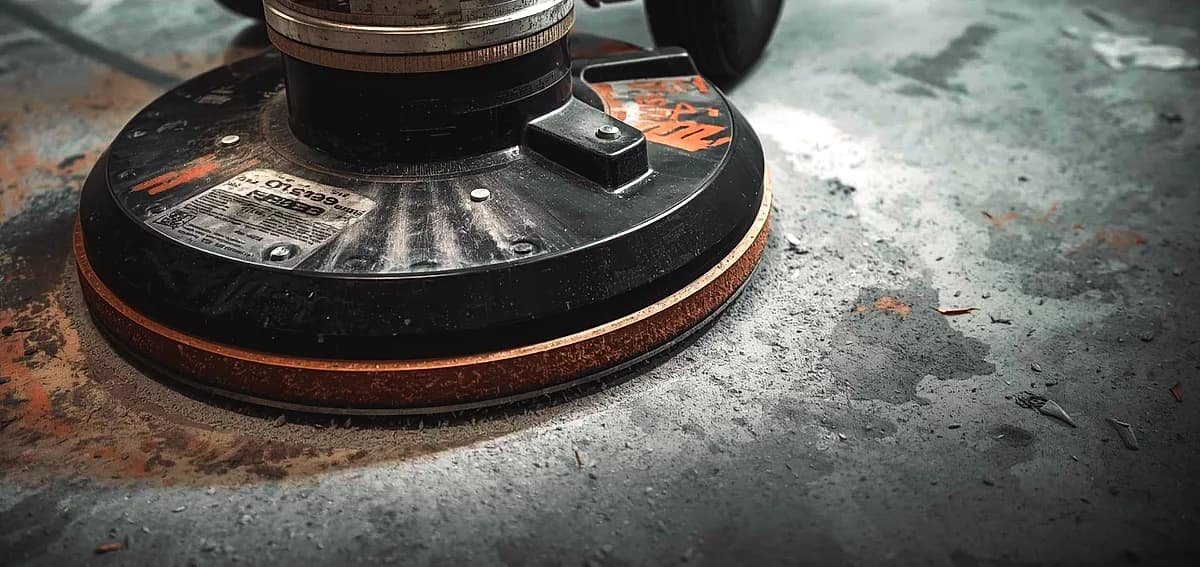
Polished concrete8 min read
What to Know Before Polishing Your Existing Concrete Slab
Before any mechanical refinement can begin, a thorough evaluation of the current foundation is required.
Read it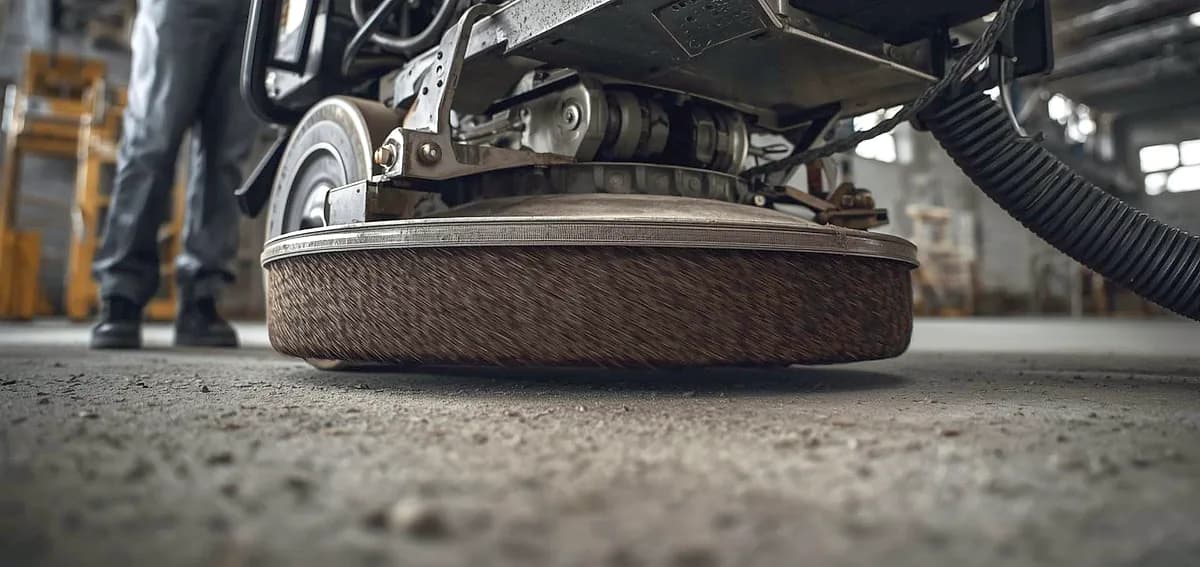
Polished concrete8 min read
Is Polished Concrete Worth the Investment for Miami Properties?
It is essential to distinguish between a simple topical seal and mechanically refined concrete.
Read it
Tell us about the floor
Tell us the space and roughly how big it is.We come back with what it would cost and when we could start.
Prefer to talk? Call +1 844-876-5474
- Leads@
nationalconcretepolishing.net - 2200 NW 32nd St #600,
Pompano Beach, FL 33069 Mon to Fri, 9:00 to 5:30