
The NCP blog
Why Epoxy Coatings Fail on Concrete with High Alkali Content
Epoxy & coatings6 min read
Modern construction relies on durable surfaces, but many professionals underestimate how freshly cured slabs behave.
Over 60% of floor protection failures stem from a single overlooked factor – the natural chemistry of the material beneath your feet. Freshly poured slabs create an invisible battleground where protective layers fight to survive against relentless alkaline forces.
Modern construction relies on durable surfaces, but many professionals underestimate how freshly cured slabs behave. The curing process releases minerals that create a hostile environment for bonding agents. Without proper preparation, even premium products struggle to form lasting connections.
Property owners and contractors face recurring expenses when treatments break down prematurely. Repair costs often exceed initial installation budgets by 300-500%, creating financial headaches that ripple through maintenance schedules. The solution lies in understanding surface science before application begins.
Understanding Alkali Influence on Concrete Coatings
Concrete’s hidden chemical profile can make or break protective treatments. Fresh slabs release minerals that attack bonding agents, creating invisible barriers to lasting adhesion. Proper preparation becomes critical when dealing with surfaces that chemically resist connections.
High pH Levels and Adhesion Challenges
New surfaces often test at pH 12-13, similar to household bleach. These conditions degrade bonding agents over time. Calcium hydroxide forms during curing and keeps rising to the surface for months, even after the slab feels dry.
Three factors worsen adhesion issues:
| Factor | Effect | Timeframe |
|---|---|---|
| Moisture content | Traps alkaline compounds | 0-6 months |
| Surface contaminants | Boost pH levels | All stages |
| Curing temperature | Affects mineral release rate | First 28 days |
Alkali Impact on Protective Materials
High pH triggers saponification – a chemical reaction turning resins into soap-like substances. This process weakens structural integrity and causes peeling. Some specialized formulations resist this better than standard options.
Acid washing helps temporarily but requires perfect execution. Residual acid crystals create new bonding barriers if not fully removed. Always conduct pH tests after cleaning and before application.
Insights on why epoxy coatings fail on concrete with high alkali content
The battle for durable floors is often lost to invisible enemies lurking in the concrete. Unchecked moisture and overlooked residues create perfect storm conditions for protective layers to separate. These issues manifest differently but share a common root cause – insufficient evaluation of subsurface conditions.
Moisture-Related Failures and Surface Blistering
Hydrostatic pressure becomes flooring’s silent saboteur. Rising dampness pushes upward through slabs, creating bubbles under sealed surfaces. A Florida warehouse project saw 800 sq/ft of blistered flooring within 45 days due to undetected vapor transmission.
| Test Method | Procedure | Acceptable Limits |
|---|---|---|
| Plastic Sheet (ASTM D4263) | 18″ sheet taped for 24hrs | No condensation |
| Calcium Chloride (ASTM F1869) | 72hr sealed dome test | ≤3lbs/1000sqft |
| RH Probes (ASTM F2170) | 40% depth measurement | ≤75% humidity |
Contaminants and Inadequate Surface Preparation
A Chicago auto shop learned this lesson painfully. Their new floor coating peeled within weeks because tire shine residues blocked proper adhesion. Common surface saboteurs include:
- Oil stains from machinery
- Wax-based cleaning products
- Dust from improper grinding
Effective preparation combines mechanical abrasion with chemical treatments. Always perform a water-break test after cleaning – if water beads instead of spreading evenly, contamination remains.
Mixing, Application, and Environmental Considerations
Precision separates successful installations from costly redos. Every step in the coating process demands attention to chemical reactions and environmental factors. Let’s break down critical protocols professionals use to ensure lasting results.
Proper Mixing Techniques and Material Compatibility
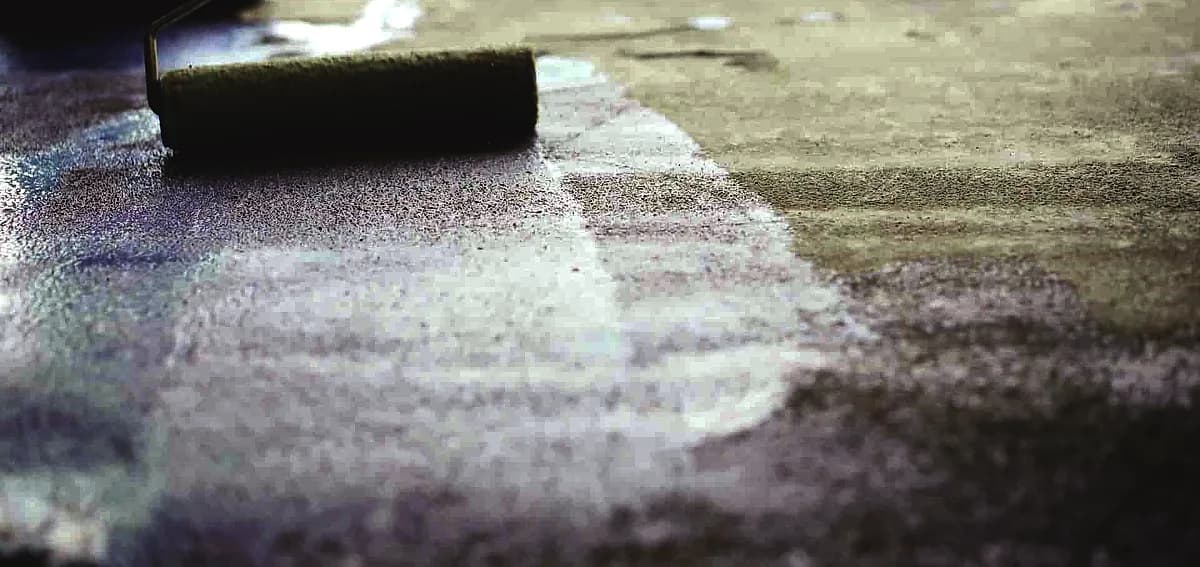
Matching components correctly determines your coating’s strength. Use calibrated containers to measure resin and hardener ratios. Stir slowly for 3-5 minutes using a paddle mixer – rushing creates air bubbles that weaken the finish.
Three mixing mistakes cause 78% of application failures:
| Error | Consequence | Prevention |
|---|---|---|
| Incomplete blending | Soft spots | Scrape bucket sides |
| High-speed mixing | Bubble formation | 600 RPM maximum |
| Wrong temperature | Curing issues | 65-85°F ideal |
Testing Protocols and Surface Preparation Methods
Environmental controls make or break adhesion. Maintain 40-60% humidity for 48 hours before applying products. Use hygrometers to monitor conditions continuously during installation.
Surface profiling creates mechanical bonds that last. Diamond grinders achieve CSP 2-3 profiles needed for thick coatings. After acid etching, rinse thoroughly and test for residue with pH strips. Neutral surfaces (6.5-8.5 pH) ensure proper bonding.
Time your work with weather patterns. Avoid applying materials when temperatures swing more than 15°F within 24 hours. Track recoat windows using manufacturer guidelines – missing deadlines requires sanding for adhesion.
National Concrete Polishing: Expertise in Floor Coatings
South Florida’s humid climate and salty air demand specialized solutions for durable surfaces. Professional teams combine climate knowledge with advanced techniques to combat moisture-related adhesion problems. This approach ensures surfaces withstand tropical conditions while maintaining aesthetic appeal.
South Florida Service and Project Information
Local experts tackle coastal challenges using industrial-grade materials and precise application methods. They evaluate slab conditions through moisture mapping and contamination checks before recommending solutions. This prevents common DIY pitfalls like premature peeling or bubbling.
| Factor | Professional Approach | DIY Kits |
|---|---|---|
| Surface Prep | Shot blasting & diamond grinding | Basic etching |
| Material Quality | Commercial-grade polyurea blends | Standard epoxy formulas |
| Cure Time | Climate-controlled drying | Ambient conditions |
Garage floors and commercial spaces benefit from custom formulations matching specific traffic needs. National Concrete Polishing uses shrouded grinders to create optimal surface profiles, ensuring coatings bond properly. Their process includes post-installation inspections and extended warranties.
For projects requiring chemical resistance or heavy load capacity, polyurea systems outperform standard options. These professional installations handle South Florida’s temperature swings better than store-bought kits. Contact their team at +1 844-876-5474 for assessments tailored to coastal property needs.
Conclusion
Durable floor protection hinges on understanding three critical interactions: surface chemistry, environmental factors, and application precision. When these elements align, even challenging slabs become reliable foundations for long-lasting results.
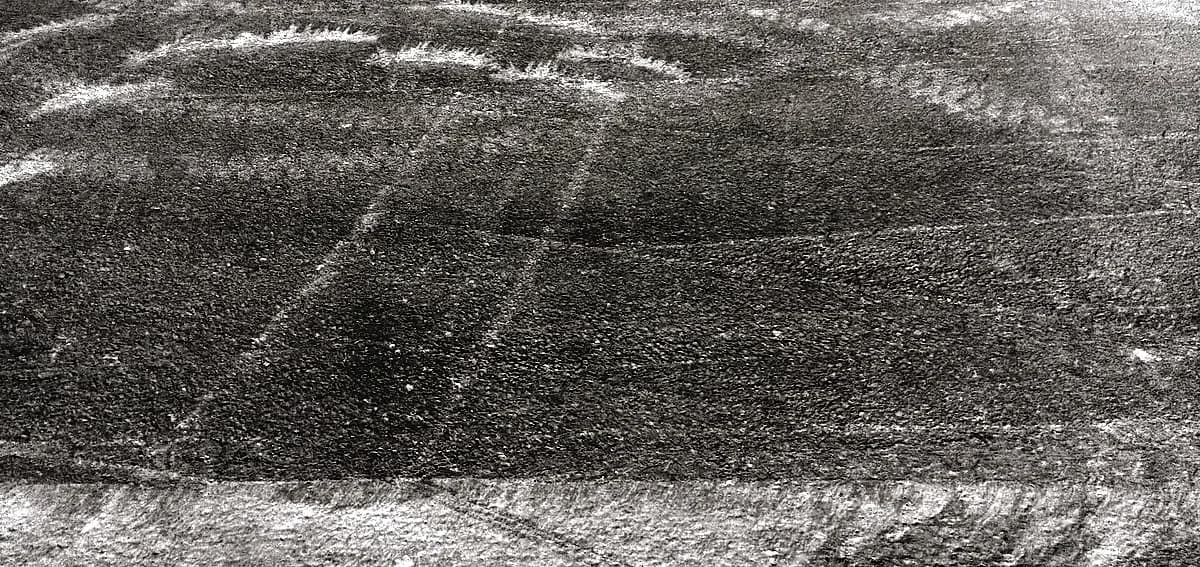
Successful projects start with thorough testing. Moisture mapping and contamination checks prevent hidden issues from compromising adhesion. Proper preparation goes beyond basic cleaning – mechanical profiling creates anchor points that help materials bond securely.
Environmental controls prove equally vital. Humidity levels and temperature swings during installation directly impact curing quality. Professional teams use climate-controlled methods to maintain ideal conditions that DIY kits can’t replicate.
Material selection makes the final difference. While epoxy systems work well in controlled settings, polyurea formulations excel in humid environments or high-traffic areas like garage floors. These industrial-grade solutions withstand stressors that standard products can’t handle.
Partnering with experts ensures every variable gets addressed – from slab evaluation to final inspection. Their knowledge transforms complex chemical interactions into predictable, lasting results. For projects requiring guaranteed performance, professional installation remains the smartest investment.
Frequently Asked Questions
How does high pH affect adhesion on garage floors?
Elevated pH levels create a chemical barrier that weakens bonding. This causes materials like polyurea or epoxy to lose grip, leading to peeling or bubbling over time. Proper testing and surface treatments are critical to neutralize alkalinity before installation.
Can contaminants cause floor coating failures?
Yes. Oil, grease, or dust left on slabs disrupt adhesion. Thorough cleaning with acid etching or mechanical grinding removes these barriers. Skipping this step risks delamination, especially in high-traffic areas like garages.
What’s the best way to prep concrete with alkali issues?
Start with pH testing and moisture checks. Use diamond grinding or shot blasting to open pores, then apply sealers designed for alkaline surfaces. Avoid water-based products if humidity exceeds 85% to prevent curing problems.
Why do blisters form under epoxy in humid climates?
Moisture vapor trapped beneath the material pushes upward, creating bubbles. In regions like South Florida, humidity intensifies this. Installing vapor barriers or using breathable coatings like polyurea minimizes this risk.
How crucial is mixing ratios for durable results?
Incorrect ratios alter curing chemistry, causing soft spots or discoloration. Follow manufacturer guidelines precisely. Use timers and calibrated tools—especially with fast-setting kits—to ensure even consistency before application.
Should you test slabs before applying coatings?
Absolutely. Conduct calcium chloride tests for moisture and pH strips for alkalinity. For older surfaces, check for oil stains or cracks. National Concrete Polishing uses ASTM standards to identify risks early, saving time and costs.
Why hire professionals for alkali-prone projects?
Experts like National Concrete Polishing use industrial-grade materials and protocols. They handle high-pH slabs, humidity shifts, and contaminants efficiently. DIY kits often lack the durability needed for challenging environments, leading to premature failures.
Written by

Founder and CEO
Chris Lavin is an esteemed leader in concrete polishing and epoxy coatings with a distinguished 20-year career. As founder and CEO of National Concrete Polishing and owner of Xtreme Polishing Systems, he's renowned for polishing and epoxy coating more floors than anyone globally. Chris is recognized for his innovative approach and commitment to enhancing floor durability and aesthetics. His hands-on experience and technical proficiency make him a respected authority and a valuable resource in the field of floor polishing and coatings.
Same topic
Related articles
All stories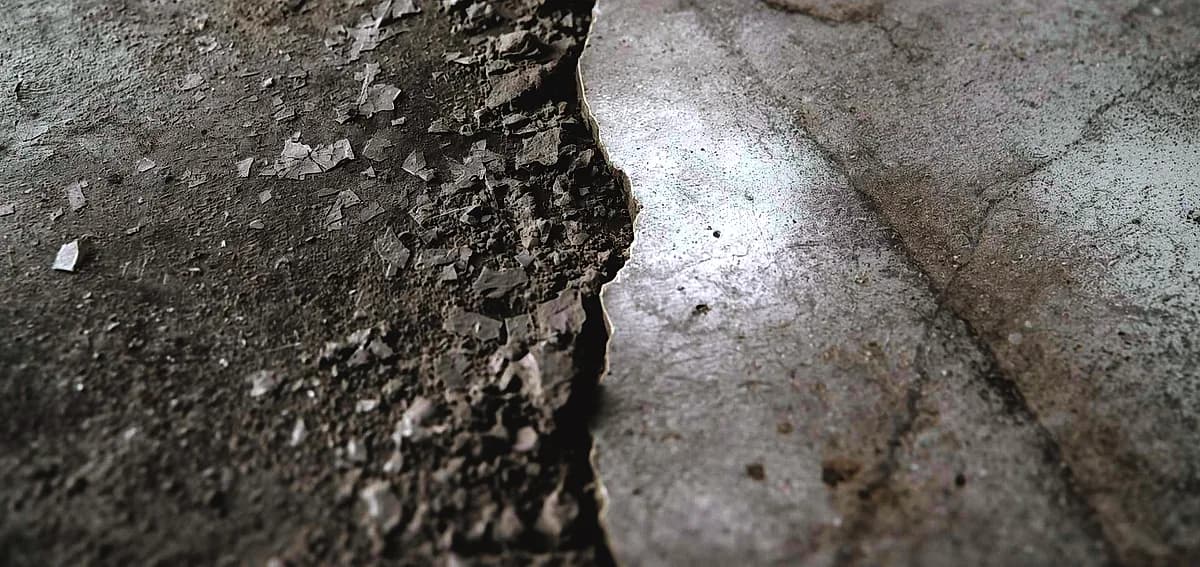
Epoxy & coatings8 min read
DIY vs Professional Epoxy Flooring in Fort Lauderdale
Hardware stores heavily market all-in-one boxes that promise a showroom finish with minimal effort.
Read it
Epoxy & coatings8 min read
Can You DIY Epoxy Flooring in Miami? Pros, Cons, and Tips
Applying a durable floor finish in a tropical or highly humid climate presents unique environmental challenges.
Read it
Epoxy & coatings7 min read
DIY Epoxy Flooring in South Florida: Is It Worth the Risk?
However, these products generally contain high levels of water or solvents to extend their pot life.
Read it
Tell us about the floor
Tell us the space and roughly how big it is.We come back with what it would cost and when we could start.
Prefer to talk? Call +1 844-876-5474
- Leads@
nationalconcretepolishing.net - 2200 NW 32nd St #600,
Pompano Beach, FL 33069 Mon to Fri, 9:00 to 5:30