
The NCP blog
Discover What Causes Epoxy Floor Bubbles in Florida
Epoxy & coatingsUpdated 5 min read
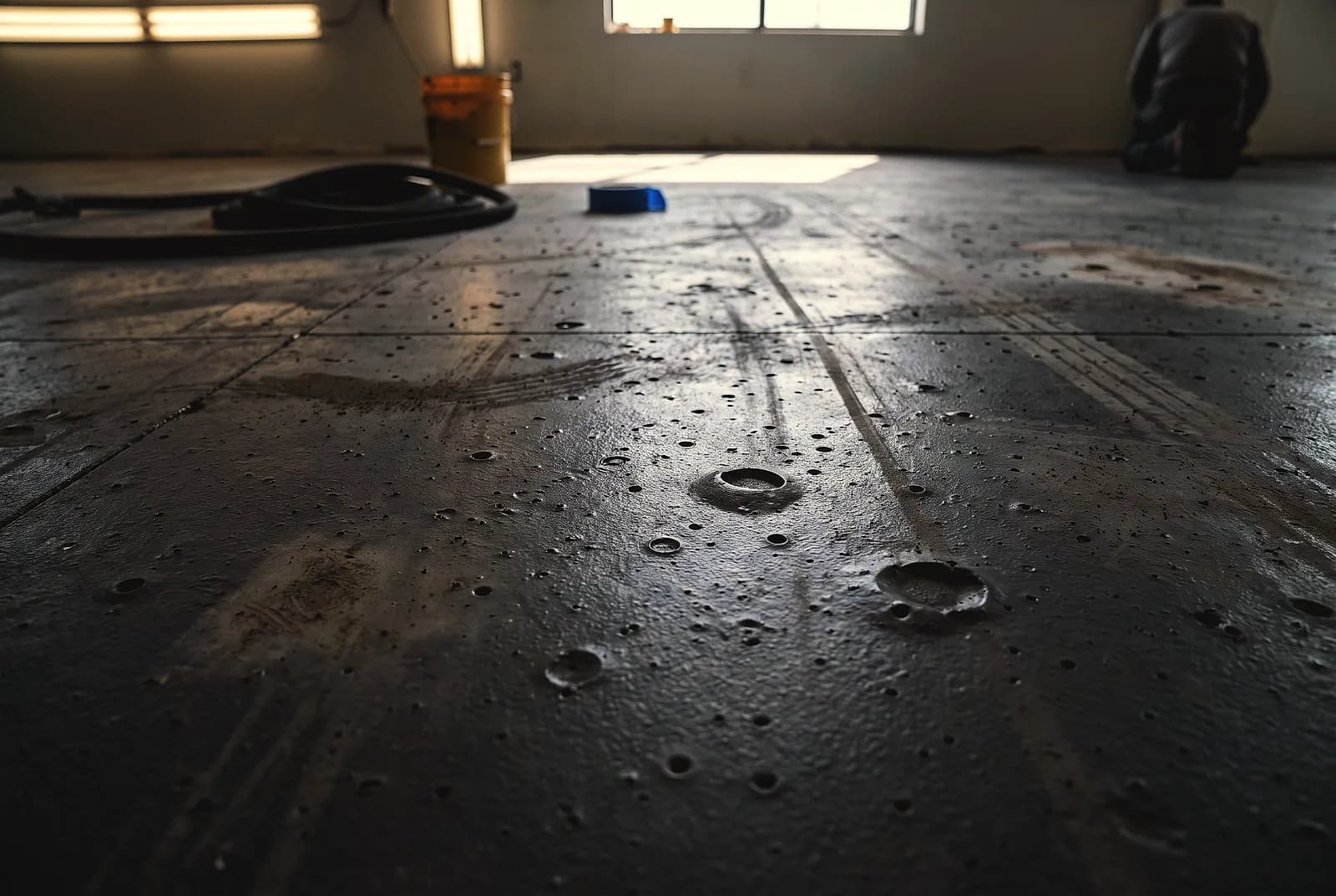
These flaws typically stem from outgassing, a process where trapped air or moisture rises through concrete slabs.
Surface imperfections like bubbles in epoxy coatings often puzzle property owners. These flaws typically stem from outgassing, a process where trapped air or moisture rises through concrete slabs. In Florida’s humid climate, this issue becomes more common due to temperature shifts and moisture retention in substrates.
While these bubbles may look concerning, they rarely weaken the coating’s bond. The real challenge lies in preventing them during installation. Proper surface preparation, moisture testing, and controlled application conditions are critical steps professionals use to minimize risks.
For South Florida residents, National Concrete Polishing offers expertise in durable epoxy solutions. Their team ensures substrates are thoroughly dried and primed before applying coatings. Call us to discuss projects requiring precision and climate-aware techniques.
This article explores how environmental factors and installation practices influence bubble formation. Later sections will detail repair methods and long-term maintenance strategies for flawless surfaces.
Introduction to Epoxy Floor Bubbles in South Florida
South Florida’s tropical climate creates unique hurdles for maintaining smooth, durable surfaces. Coastal humidity and rapid temperature swings challenge even high-quality resin systems, often leading to imperfections during curing.
Overview of Epoxy Flooring Challenges
Installers in this region face three primary issues. Temperature spikes above 85°F accelerate curing, trapping air before it escapes. Uneven resin application leaves thin spots prone to pinholes. Substrate moisture levels above 4% trigger outgassing, creating blisters resembling tiny craters.
Case studies reveal garages near Miami Beach developed clusters of bubbles within 24 hours of coating. Investigations traced this to afternoon thunderstorms raising slab humidity before installation. Such scenarios highlight why climate control matters.
Importance of Proper Installation and Maintenance
Expert teams like National Concrete Polishing use industrial dehumidifiers and moisture meters during prep work. Metal porcupine rollers puncture emerging air pockets during application, while slow-cure formulas accommodate humidity. Post-installation, quarterly inspections catch early signs of wear.
For South Florida properties, partnering with seasoned professionals ensures longevity. National Concrete Polishing combines climate-adjusted techniques with rigorous quality checks. Call us for epoxy systems designed to withstand local conditions.
What Causes Epoxy Floor Bubbles in Florida
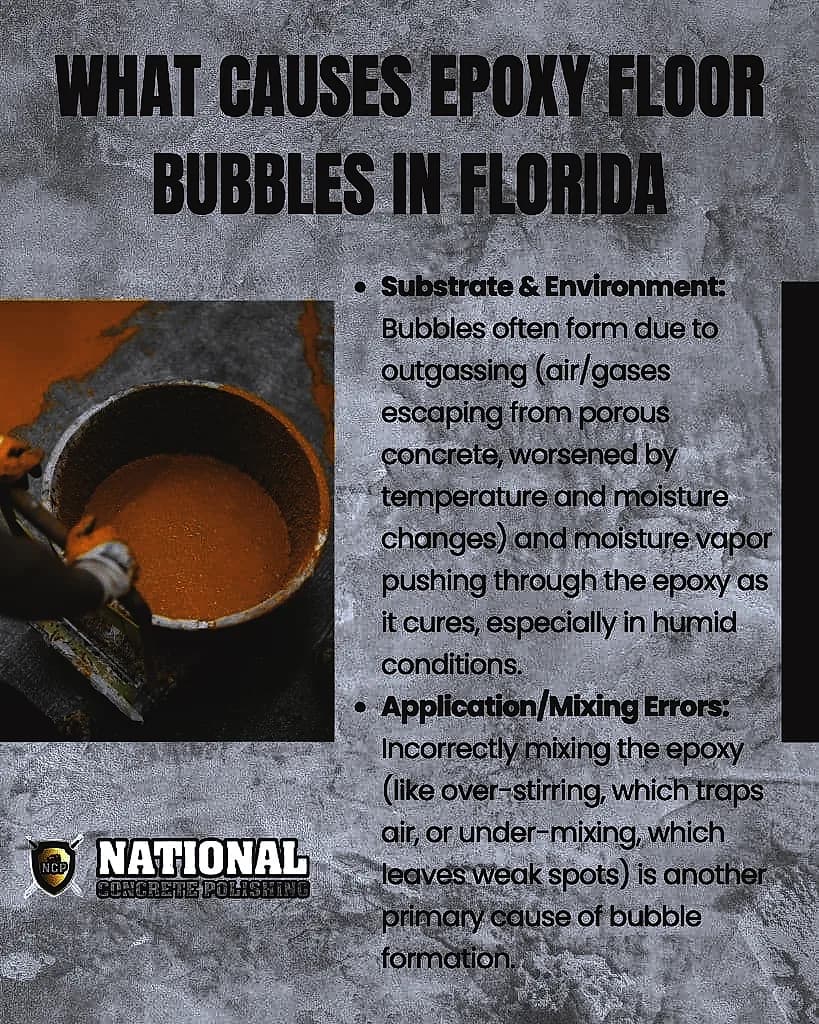
Resin-based surfaces develop texture irregularities when escaping gases disrupt curing. These defects emerge from subsurface interactions between materials and environmental conditions.
Understanding Outgassing and Trapped Air
Outgassing occurs when air pockets rise through porous substrates like concrete. As resin hardens, these gases create pinholes or blisters that resemble tiny craters. Industry studies show slabs release 15-20% more vapor in humid climates compared to arid regions.
| Factor | Effect | Prevention |
|---|---|---|
| Trapped Air | Forms circular pinholes | Mechanical vibration during pouring |
| Moisture Content | Creates blister clusters | Moisture-blocking primers |
| Temperature Fluctuations | Accelerates gas expansion | Climate-controlled application |
Impact of Moisture and Temperature Changes
Daily humidity swings force concrete slabs to act like sponges. Morning dew increases subsurface moisture, while afternoon heat vaporizes it. This cycle pushes gases through resin layers before they fully harden.
Rapid curing from high temperatures locks air pockets under the surface. Professionals recommend applying coatings when slab temperatures stay between 65-80°F. Specialized rollers with needle-like projections help release trapped gases during application.
Material mixing errors worsen these issues. Over-stirring introduces excess air, while under-mixing leaves unmixed resin patches. Both scenarios create weak zones where bubbles form more easily.
Fixing and Preventing Epoxy Floor Bubble Issues
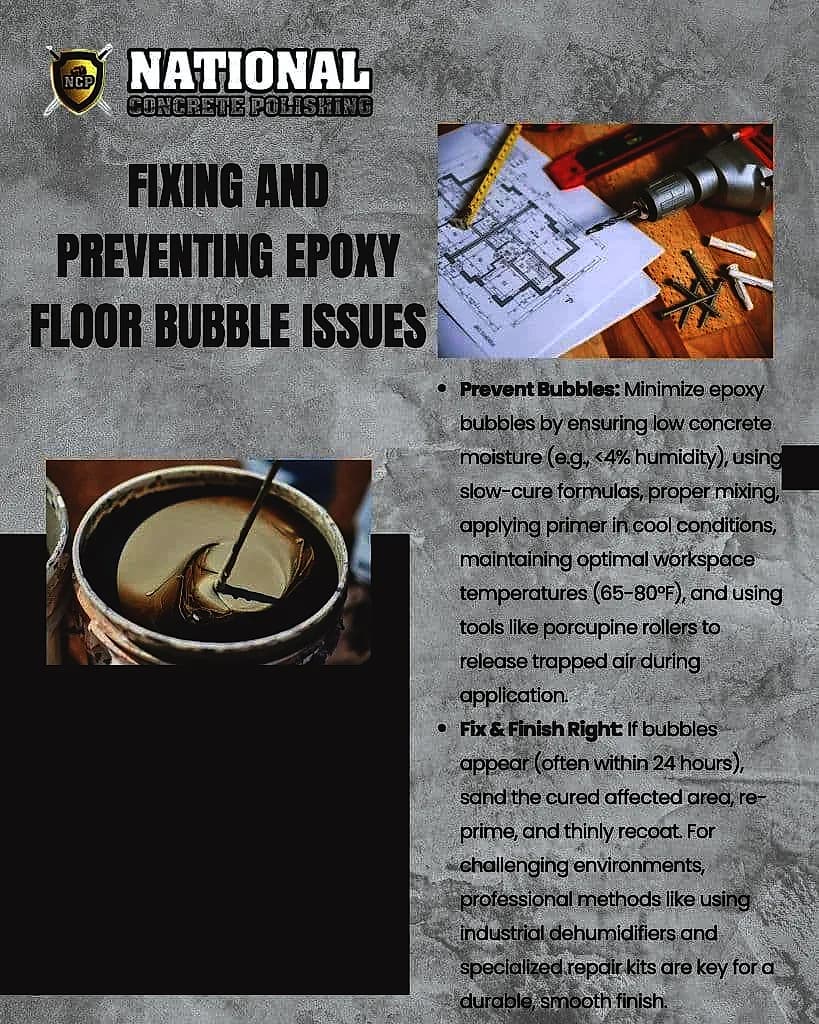
Addressing texture imperfections requires strategic methods during and after resin application. Specialized tools and climate-adjusted techniques help maintain smooth surfaces even in challenging environments.
Prevention Techniques During Application
Surface preparation determines success. Professionals use moisture meters to verify slabs stay below 4% humidity. Slow-cure formulas allow trapped air to escape before hardening.
- Mix resins at recommended speeds to minimize air entrapment
- Apply primer coats during cooler morning hours
- Maintain workspace temperatures between 65-80°F
Post-Application Remediation Methods
Newly formed pinholes often appear within 24 hours. Inspect surfaces using angled lighting to spot irregularities. Effective fixes include:
- Sanding affected areas with 80-grit abrasive
- Reapplying primer to seal porous zones
- Using solvent pop techniques on stubborn blisters
Tool Mastery for Flawless Results
Metal porcupine rollers puncture emerging air pockets during coating. Pass the tool diagonally across wet resin to break surface tension. For large spaces, combine rolling with spiked shoes that evenly distribute pressure.
National Concrete Polishing resolves bubble issues through climate-tested protocols. Their team employs industrial dehumidifiers and epoxy-specific repair kits. Call us for durable solutions tailored to regional challenges.
Conclusion
Maintaining pristine resin-based surfaces requires understanding material science and environmental factors. Substrate moisture, rapid temperature shifts, and improper mixing remain leading contributors to texture irregularities. While outgassing creates temporary imperfections, these rarely impact structural performance when addressed promptly.
Proactive measures like moisture testing and controlled application conditions prevent most issues. For existing pinholes or surface craters, sanding and recoating affected areas restores smoothness. Specialized tools like spiked rollers and slow-cure formulas help professionals achieve durable results.
National Concrete Polishing combines climate-aware techniques with premium products for lasting epoxy systems. Their team resolves bubbles through precise slab preparation and solvent-based corrections. Call us today for tailored solutions that preserve both function and aesthetics.
Regular inspections and timely interventions ensure surfaces withstand regional challenges. Trusting certified installers remains the most reliable way to maintain flawless coatings long-term.
Frequently Asked Questions
Why do epoxy coatings develop bubbles in Florida’s climate?
High humidity, rapid temperature shifts, and moisture trapped within concrete slabs contribute to outgassing. Trapped air rises during application, forming craters or pinholes as solvents evaporate unevenly.
How can installers prevent air pockets during epoxy application?
Proper surface preparation, including grinding and moisture testing, minimizes trapped air. Using metal porcupine rollers helps release bubbles, while slow, even mixing reduces solvent retention in hot climates.
Do temperature and humidity affect epoxy flooring adhesion?
Yes. Florida’s heat accelerates curing, trapping solvents before they escape. High humidity introduces moisture vapor, weakening bonds between the coating and concrete. Ideal conditions fall between 60–85°F with low humidity.
What methods detect moisture issues in concrete slabs?
Calcium chloride tests measure vapor emission rates, while hygrometers assess relative humidity. Infrared thermography identifies subsurface voids where air or moisture may collect and cause future blistering.
Can existing bubbles be repaired without full replacement?
Small craters are sanded, cleaned, and spot-repaired. For widespread blistering, professionals grind the surface, apply moisture-blocking primers, and re-coat with low-VOC epoxy systems designed for humid environments.
Why use specialized rollers for epoxy in tropical regions?
Metal porcupine rollers puncture micro-bubbles during application, allowing air to escape. This tool prevents pinholes and ensures smoother finishes compared to standard nap rollers, which may leave streaks or trapped solvents.
How long should concrete cure before epoxy coating in Florida?
New slabs require 28–30 days to cure fully. Older surfaces need moisture mitigation if tests exceed 3–5 lbs/1,000 sq ft/24hrs. Accelerated drying with dehumidifiers may shorten wait times in humid zones.
Are certain epoxy products better for high-humidity areas?
Moisture-tolerant systems like 100% solids epoxy or polyaspartic coatings resist vapor pressure. These products have longer open times, reducing rush-induced errors and improving bubble release during application.
Written by

Founder and CEO
Chris Lavin is an esteemed leader in concrete polishing and epoxy coatings with a distinguished 20-year career. As founder and CEO of National Concrete Polishing and owner of Xtreme Polishing Systems, he's renowned for polishing and epoxy coating more floors than anyone globally. Chris is recognized for his innovative approach and commitment to enhancing floor durability and aesthetics. His hands-on experience and technical proficiency make him a respected authority and a valuable resource in the field of floor polishing and coatings.
Same topic
Related articles
All stories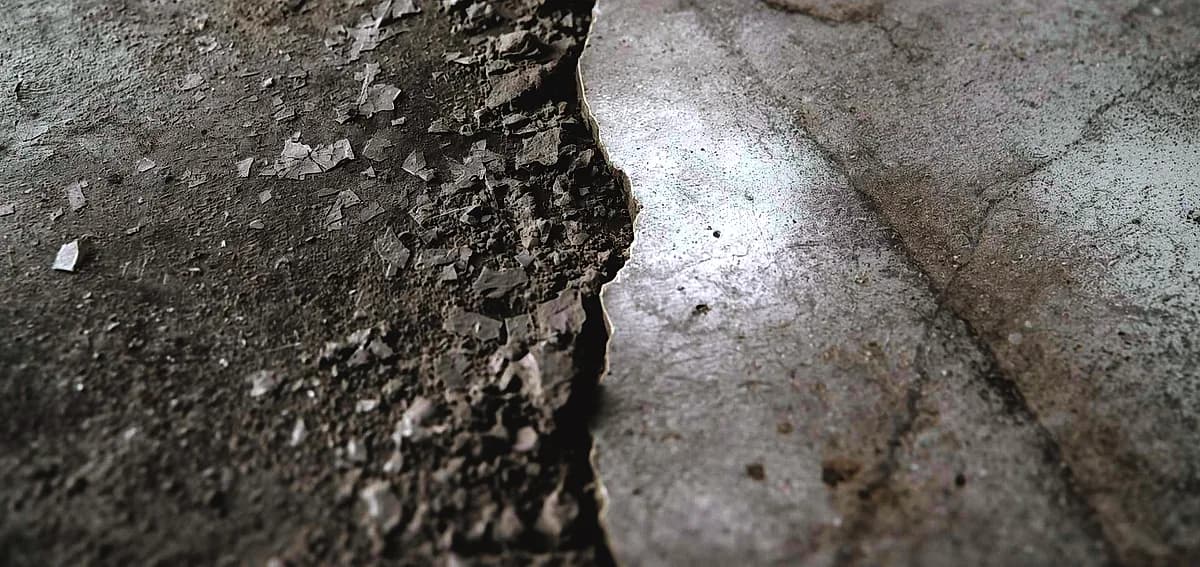
Epoxy & coatings8 min read
DIY vs Professional Epoxy Flooring in Fort Lauderdale
Hardware stores heavily market all-in-one boxes that promise a showroom finish with minimal effort.
Read it
Epoxy & coatings8 min read
Can You DIY Epoxy Flooring in Miami? Pros, Cons, and Tips
Applying a durable floor finish in a tropical or highly humid climate presents unique environmental challenges.
Read it
Epoxy & coatings7 min read
DIY Epoxy Flooring in South Florida: Is It Worth the Risk?
However, these products generally contain high levels of water or solvents to extend their pot life.
Read it
Tell us about the floor
Tell us the space and roughly how big it is.We come back with what it would cost and when we could start.
Prefer to talk? Call +1 844-876-5474
- Leads@
nationalconcretepolishing.net - 2200 NW 32nd St #600,
Pompano Beach, FL 33069 Mon to Fri, 9:00 to 5:30