
The NCP blog
Showroom-Quality Epoxy Flooring for Fort Lauderdale Dealerships
Commercial12 min read
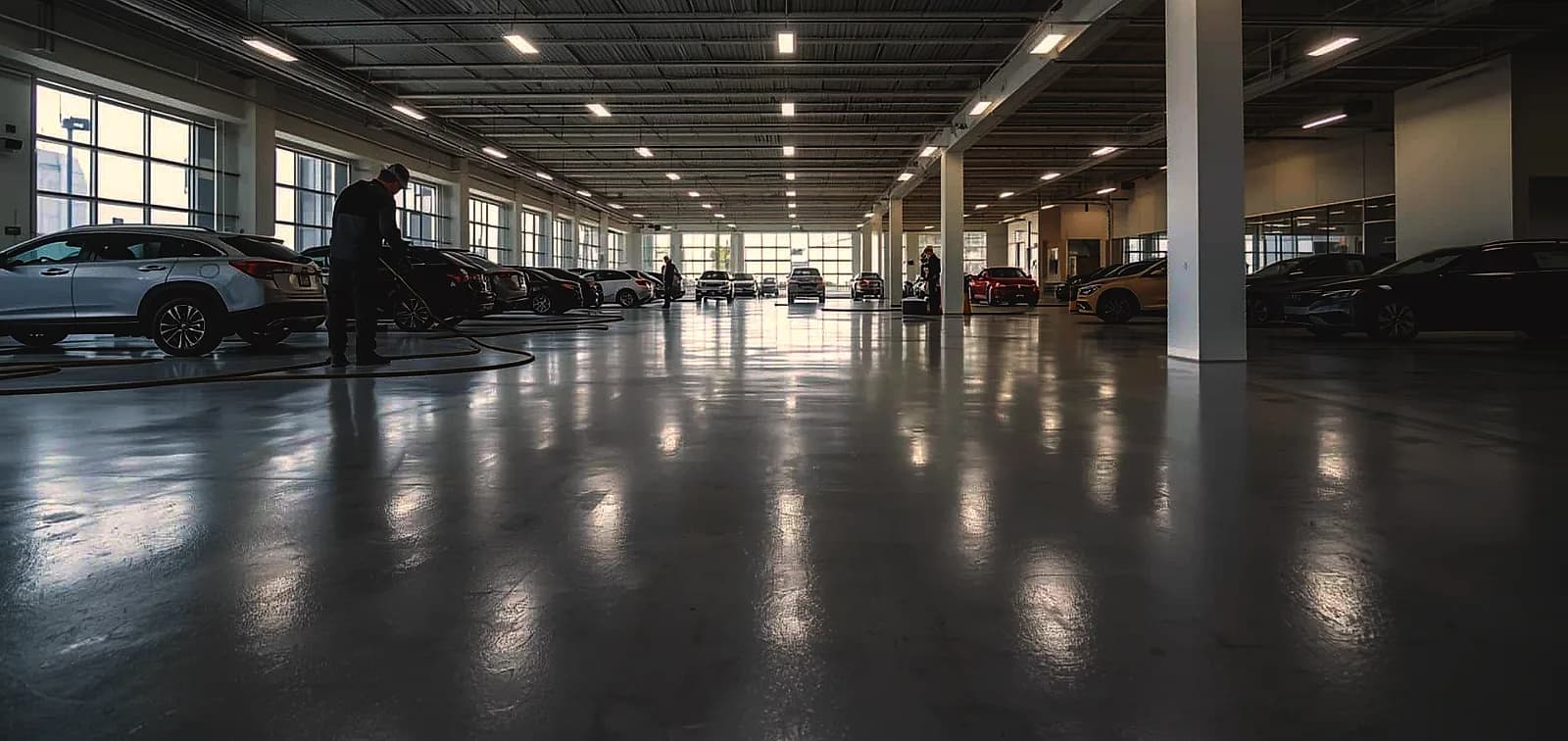
Fort Lauderdale dealerships need showroom floors that handle foot traffic, vehicle displays, and constant car movement.
Fort Lauderdale’s automotive dealerships face unique challenges when it comes to maintaining showroom floors that can withstand heavy foot traffic, vehicle displays, and the constant movement of cars while maintaining an upscale, professional appearance. The flooring in a car dealership serves as more than just a surface—it’s a critical component of the customer experience that directly impacts purchasing decisions and brand perception.
Epoxy flooring for car dealerships has emerged as the premier solution for automotive retail environments, offering unmatched durability, aesthetic appeal, and long-term value. Unlike traditional flooring options that can crack, stain, or wear down under the weight of vehicles and constant use, properly installed epoxy systems create a seamless, high-gloss surface that enhances the visual appeal of displayed vehicles while providing exceptional performance characteristics.
The South Florida climate presents additional considerations for dealership flooring, with high humidity, temperature fluctuations, and occasional flooding requiring flooring solutions that can perform reliably in challenging conditions. Epoxy flooring car dealership installations must account for these environmental factors while delivering the showroom-quality appearance that luxury and mainstream automotive brands demand.
National Concrete Polishing has established itself as a leading provider of specialized epoxy flooring solutions for Fort Lauderdale’s automotive industry, understanding the unique requirements of dealership environments and the importance of minimizing downtime during installation. The company’s expertise in automotive flooring applications ensures that each project meets the specific needs of car dealerships, from service areas to customer lounges.
Key Takeaways
Superior Durability: Epoxy flooring car dealership installations provide exceptional resistance to heavy vehicle loads, tire marks, and constant foot traffic, ensuring long-term performance in high-use automotive environments.
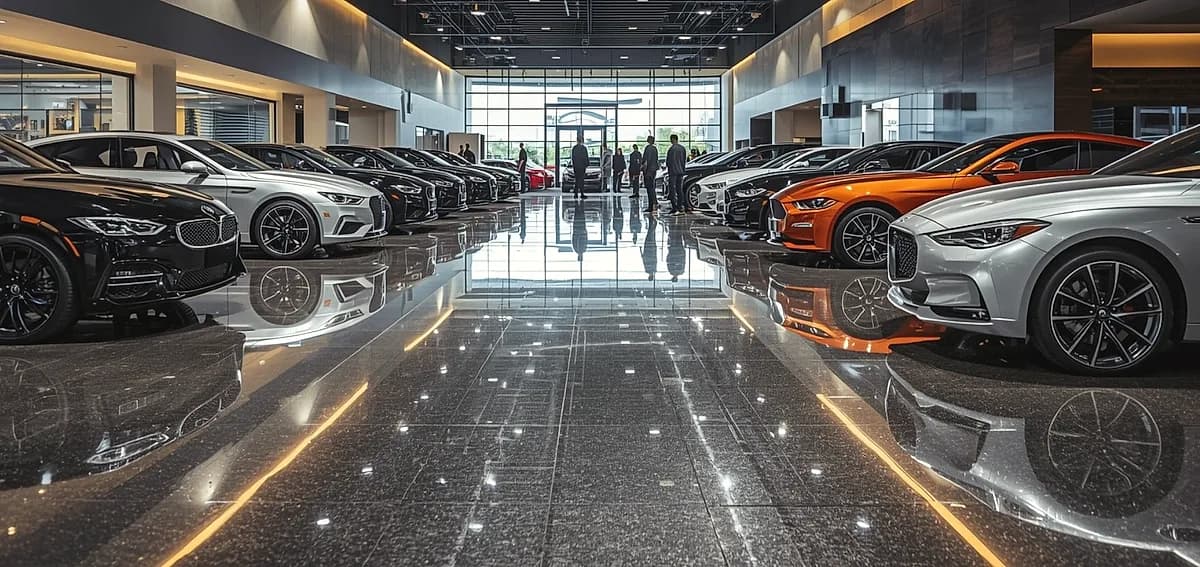
Enhanced Vehicle Presentation: The high-gloss, reflective surface of epoxy flooring creates dramatic visual effects that enhance the appearance of displayed vehicles, making colors more vibrant and creating an upscale showroom atmosphere.
Cost-Effective Long-Term Solution: While initial installation costs may be higher than basic flooring options, epoxy systems deliver superior return on investment through reduced maintenance requirements, extended lifespan, and improved customer experience.
Chemical and Stain Resistance: Automotive environments expose flooring to various chemicals, oils, and fluids that can permanently damage conventional surfaces, while epoxy flooring provides excellent resistance to these contaminants.
Easy Maintenance and Cleaning: The seamless, non-porous surface of epoxy flooring allows for efficient cleaning and maintenance, reducing labor costs and ensuring consistent appearance with minimal effort.
Customization Options: Modern epoxy systems offer extensive design possibilities, including metallic finishes, decorative flakes, and custom colors that can align with dealership branding and create distinctive visual zones.
Safety Features: Anti-slip additives and proper surface texturing ensure safe walking and driving surfaces, reducing liability concerns while maintaining the desired aesthetic appeal.
Climate Adaptability: Properly formulated epoxy systems perform reliably in South Florida’s challenging climate conditions, resisting humidity, temperature fluctuations, and moisture-related issues.
Understanding Epoxy Flooring for Automotive Dealerships
Epoxy flooring car dealership applications represent a specialized segment of commercial flooring that requires deep understanding of automotive retail environments and their unique operational demands. Unlike standard commercial spaces, car dealerships must accommodate the weight and movement of vehicles, the visual presentation requirements of luxury automotive brands, and the diverse functional needs of sales, service, and customer areas.
The foundation of successful dealership epoxy flooring begins with proper substrate preparation, which is particularly critical in automotive environments where concrete slabs may have existing oil stains, previous coatings, or structural issues that could compromise the epoxy system’s performance. Professional contractors like National Concrete Polishing employ advanced surface preparation techniques, including diamond grinding, shot blasting, and chemical etching to ensure optimal adhesion and long-term durability.
Modern epoxy formulations designed for automotive applications incorporate advanced polymer technologies that provide enhanced flexibility, impact resistance, and thermal stability. These characteristics are essential for withstanding the dynamic loads created by moving vehicles, the thermal cycling from vehicle engines and climate control systems, and the mechanical stress from service equipment and lifts.
The aesthetic requirements of car dealerships demand epoxy systems that can create mirror-like reflections while maintaining practical functionality. High-build epoxy systems, typically applied in multiple coats with specialized topcoats, achieve the desired gloss levels while providing the thickness necessary for long-term durability. The reflective properties of these systems not only enhance vehicle presentation but also improve lighting efficiency, reducing energy costs and creating a more inviting environment for customers.
Design and Aesthetic Considerations for Dealership Flooring
The visual impact of epoxy flooring car dealership installations extends far beyond basic functionality, serving as a critical component of the overall brand experience and customer journey. Automotive brands invest heavily in showroom design and customer experience, making flooring selection a strategic decision that affects everything from vehicle presentation to customer comfort and purchasing behavior.
Color selection for dealership epoxy flooring requires careful consideration of multiple factors, including brand guidelines, lighting conditions, and the types of vehicles typically displayed. Neutral colors like light gray, charcoal, and off-white provide versatile backgrounds that complement various vehicle colors and finishes, while darker colors can create dramatic contrast that makes lighter-colored vehicles appear more prominent. Metallic epoxy systems offer unique visual effects that can create depth and movement in the floor surface, adding visual interest without overwhelming the vehicle displays.
Zoning strategies using different epoxy finishes or colors help guide customer flow and create functional distinctions within the dealership space. Service areas may utilize more utilitarian finishes with enhanced chemical resistance, while customer areas feature high-gloss systems that prioritize aesthetic appeal. Transition zones between different functional areas can be seamlessly integrated using complementary colors or decorative elements that maintain visual continuity while serving practical purposes.
The integration of logos, branding elements, and wayfinding features into epoxy flooring systems requires specialized techniques and materials that ensure durability and professional appearance. Advanced application methods allow for the incorporation of dealership logos, brand colors, and directional indicators directly into the floor surface, creating permanent branding elements that reinforce corporate identity and enhance the customer experience.
Lighting interaction represents a crucial consideration in epoxy flooring design, as the reflective properties of these systems can dramatically amplify both natural and artificial lighting. Proper coordination between flooring finish and lighting design ensures optimal vehicle presentation while avoiding glare or visual discomfort for customers and staff. The reflective characteristics of epoxy flooring can effectively double the apparent brightness of showroom lighting, creating a more vibrant and energetic environment that enhances the shopping experience.
Performance Requirements and Durability Standards
Epoxy flooring car dealership installations must meet rigorous performance standards that exceed typical commercial flooring requirements due to the unique stresses and demands of automotive retail environments. The constant movement of vehicles, ranging from lightweight sedans to heavy trucks and commercial vehicles, creates dynamic loading conditions that require flooring systems engineered for exceptional durability and resilience.
Compressive strength ratings for dealership epoxy systems typically exceed 8,000 PSI, ensuring the flooring can support the concentrated loads created by vehicle tires and service equipment without cracking or deformation. Tensile strength and flexural properties are equally important, as these characteristics determine the flooring’s ability to withstand the lateral forces generated during vehicle maneuvering and the thermal expansion and contraction cycles common in South Florida’s climate.
Chemical resistance testing becomes particularly critical in automotive environments where exposure to gasoline, motor oil, brake fluid, coolant, and cleaning chemicals is inevitable. High-performance epoxy formulations incorporate specialized resins and cross-linking agents that provide excellent resistance to these automotive fluids while maintaining their appearance and structural integrity over extended periods. The non-porous nature of properly cured epoxy systems prevents penetration of these chemicals, allowing for easy cleanup and preventing permanent staining or damage.
Abrasion resistance standards for dealership flooring must account for both foot traffic and tire wear, as vehicles are regularly moved across the surface during delivery, positioning, and customer test drives. Advanced epoxy topcoats incorporating aluminum oxide or other hardening agents provide superior wear resistance while maintaining the high-gloss appearance essential for showroom applications. These specialized topcoats can extend the service life of the flooring system significantly, reducing long-term maintenance costs and preserving the investment in the flooring installation.
Impact resistance becomes crucial in service areas and delivery zones where tools, parts, and equipment may be dropped on the floor surface. High-build epoxy systems with enhanced impact resistance prevent chipping, cracking, and other damage that could compromise both appearance and performance. The seamless nature of epoxy flooring eliminates joints and seams that could become weak points under impact loading, providing superior overall durability compared to tile or other segmented flooring systems.
Installation Process and Timeline Considerations
The installation of epoxy flooring car dealership systems requires careful planning and coordination to minimize disruption to ongoing dealership operations while ensuring optimal results. Successful projects begin with comprehensive site evaluation and preparation planning that accounts for the dealership’s operational schedule, inventory management requirements, and customer service commitments.
Surface preparation represents the most critical phase of the installation process, typically requiring complete removal of existing coatings, oils, and contaminants that could interfere with epoxy adhesion. Professional contractors employ multiple preparation techniques, including mechanical grinding, chemical cleaning, and moisture testing to ensure the concrete substrate meets the stringent requirements for epoxy application. This preparation phase often requires temporary relocation of vehicles and equipment, making coordination with dealership management essential for project success.
The multi-coat application process for high-performance dealership epoxy systems typically spans several days, with specific cure times required between coats to ensure proper chemical bonding and ultimate performance characteristics. Base coat application establishes the foundation for the system, followed by build coats that provide thickness and durability, and finally topcoats that deliver the desired appearance and surface properties. Each layer must be applied under controlled environmental conditions, with temperature and humidity monitoring ensuring optimal curing conditions.
Quality control measures throughout the installation process include thickness monitoring, adhesion testing, and visual inspection to ensure each layer meets specification requirements. Professional contractors like National Concrete Polishing employ advanced testing equipment and documentation procedures that provide verification of system performance and warranty compliance. These quality assurance measures are particularly important in dealership applications where appearance and durability standards are exceptionally high.
Curing and return-to-service timelines must be carefully managed to minimize operational disruption while ensuring the epoxy system achieves its full performance potential. Initial foot traffic may be permitted within 24-48 hours under controlled conditions, while full vehicle loading typically requires 5-7 days depending on environmental conditions and specific product formulations. Proper curing is essential for achieving the specified performance characteristics and ensuring long-term durability of the installation.
Maintenance and Long-Term Care Strategies
Proper maintenance of epoxy flooring car dealership installations ensures optimal appearance and performance throughout the system’s service life while protecting the significant investment in premium flooring. Unlike traditional flooring materials that may require frequent replacement or extensive refinishing, well-maintained epoxy systems can provide decades of reliable service with relatively minimal maintenance requirements.
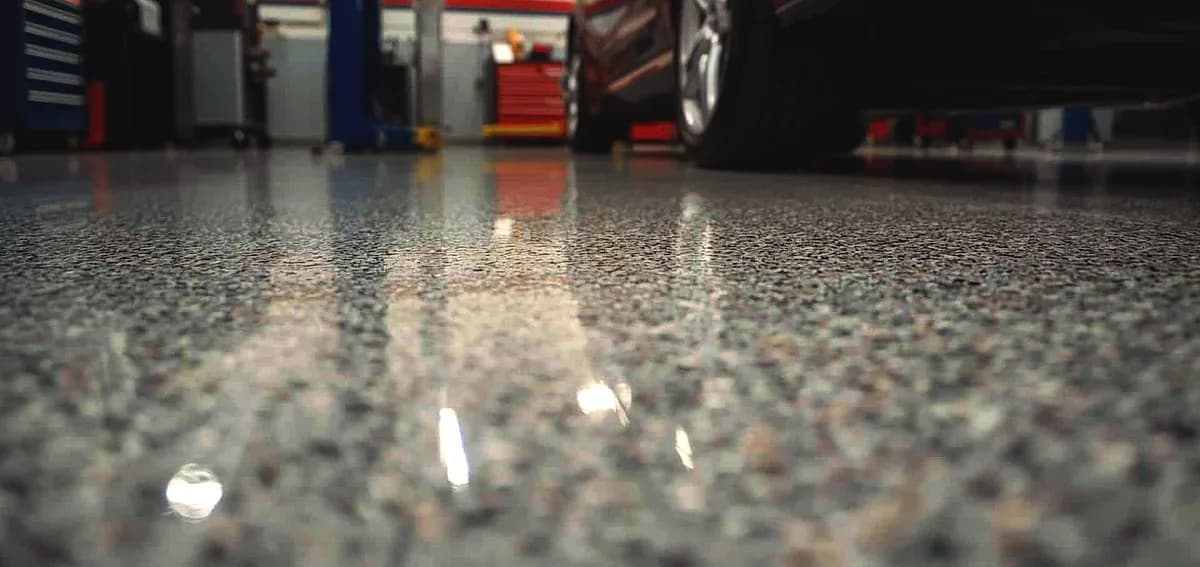
Daily cleaning protocols for dealership epoxy flooring focus on removing surface contaminants before they can cause staining or damage to the floor finish. Dust mopping or vacuuming removes abrasive particles that could dull the surface over time, while damp mopping with pH-neutral cleaners maintains the high-gloss appearance without damaging the epoxy topcoat. The non-porous nature of epoxy flooring prevents penetration of most contaminants, making routine cleaning highly effective for maintaining appearance and hygiene standards.
Periodic deep cleaning procedures address accumulated soil and more challenging contaminants that may result from automotive fluids or heavy use areas. Professional-grade cleaning equipment and specialized cleaning products designed for epoxy surfaces ensure thorough cleaning without compromising the floor finish. These deep cleaning procedures, typically performed monthly or quarterly depending on use levels, help maintain the showroom-quality appearance that is essential for automotive retail environments.
Preventive maintenance strategies include regular inspection for signs of wear, damage, or coating degradation that could compromise performance if left unaddressed. Early identification of potential issues allows for targeted repairs that prevent more extensive damage and costly remediation. Professional maintenance programs offered by experienced contractors provide systematic inspection and care that extends the service life of the flooring system while maintaining warranty coverage.
Long-term care planning may include periodic recoating of high-wear areas or complete topcoat renewal after several years of service. The modular nature of epoxy systems allows for selective maintenance that addresses specific areas of concern without requiring complete floor replacement. This approach provides excellent long-term value while ensuring the dealership maintains its professional appearance and operational efficiency throughout the flooring system’s service life.
National Concrete Polishing Dealership Expertise
National Concrete Polishing specializes in creating exceptional epoxy flooring solutions for Fort Lauderdale’s automotive dealerships. Our team understands the unique demands of car dealership environments and works closely with dealership management to minimize operational disruption while delivering superior results. We have extensive experience with both luxury and mainstream automotive brands, ensuring we understand the specific aesthetic and performance requirements for each market segment.
Our comprehensive approach includes detailed planning, advanced surface preparation, premium materials specifically selected for automotive applications, and rigorous quality control throughout the installation process. We coordinate closely with dealership schedules to ensure minimal impact on sales operations and customer service activities. Our expertise extends to all areas of the dealership, from high-gloss showroom floors to chemical-resistant service area coatings and durable parts department surfaces.
Frequently Asked Questions
How long does epoxy flooring installation take in a car dealership?
Typical epoxy flooring car dealership installations require 5-10 days depending on the size of the facility and complexity of the system. This includes surface preparation, multiple coating applications, and proper curing time before vehicles can be returned to the space.
Can epoxy flooring withstand the weight of heavy vehicles?
Yes, properly installed high-performance epoxy systems are engineered to support vehicle loads exceeding 10,000 pounds per axle. The key is proper substrate preparation and selection of appropriate epoxy formulations designed for automotive applications.
What happens if the epoxy flooring gets damaged?
Minor damage to epoxy flooring can typically be repaired through spot coating or localized refinishing. More extensive damage may require sectional replacement, but the modular nature of epoxy systems allows for targeted repairs without complete floor replacement.
How does epoxy flooring perform in South Florida’s humid climate?
High-quality epoxy systems are specifically formulated to perform well in humid conditions. Proper moisture testing and preparation ensure the system bonds effectively and resists humidity-related issues like delamination or clouding.
Is epoxy flooring slippery when wet?
Modern epoxy systems can incorporate anti-slip additives that provide excellent traction even when wet. The level of slip resistance can be customized based on the specific requirements of different areas within the dealership.
How often does epoxy flooring need to be recoated?
In dealership applications, high-quality epoxy flooring typically requires recoating every 8-15 years depending on traffic levels and maintenance practices. High-wear areas may need attention sooner, while display areas may last longer.
Can logos and branding be incorporated into the floor?
Yes, dealership logos, brand colors, and other design elements can be permanently incorporated into epoxy flooring systems using specialized application techniques and materials that ensure durability and professional appearance.
What is the cost difference between epoxy and other dealership flooring options?
While initial installation costs for epoxy flooring may be higher than basic alternatives, the long-term value proposition is superior due to reduced maintenance requirements, extended service life, and enhanced customer experience benefits.
Conclusion
Epoxy flooring car dealership installations represent a strategic investment in both operational efficiency and customer experience that delivers measurable returns through enhanced vehicle presentation, reduced maintenance costs, and improved brand perception. The unique demands of automotive retail environments require specialized flooring solutions that can withstand heavy vehicle loads while maintaining the showroom-quality appearance that supports successful sales operations.
Fort Lauderdale’s competitive automotive market makes every aspect of the customer experience crucial for dealership success, and flooring plays a fundamental role in creating the professional, upscale environment that today’s consumers expect. The reflective properties, durability, and customization options available with modern epoxy systems provide dealerships with the tools necessary to differentiate themselves while ensuring long-term operational efficiency.
National Concrete Polishing’s expertise in automotive flooring applications ensures that Fort Lauderdale dealerships receive installations that meet the highest standards for both performance and appearance. The company’s understanding of the unique requirements of car dealerships, combined with their commitment to quality and customer service, makes them the preferred choice for automotive flooring projects throughout South Florida.
Written by

Founder and CEO
Chris Lavin is an esteemed leader in concrete polishing and epoxy coatings with a distinguished 20-year career. As founder and CEO of National Concrete Polishing and owner of Xtreme Polishing Systems, he's renowned for polishing and epoxy coating more floors than anyone globally. Chris is recognized for his innovative approach and commitment to enhancing floor durability and aesthetics. His hands-on experience and technical proficiency make him a respected authority and a valuable resource in the field of floor polishing and coatings.
Same topic
Related articles
All stories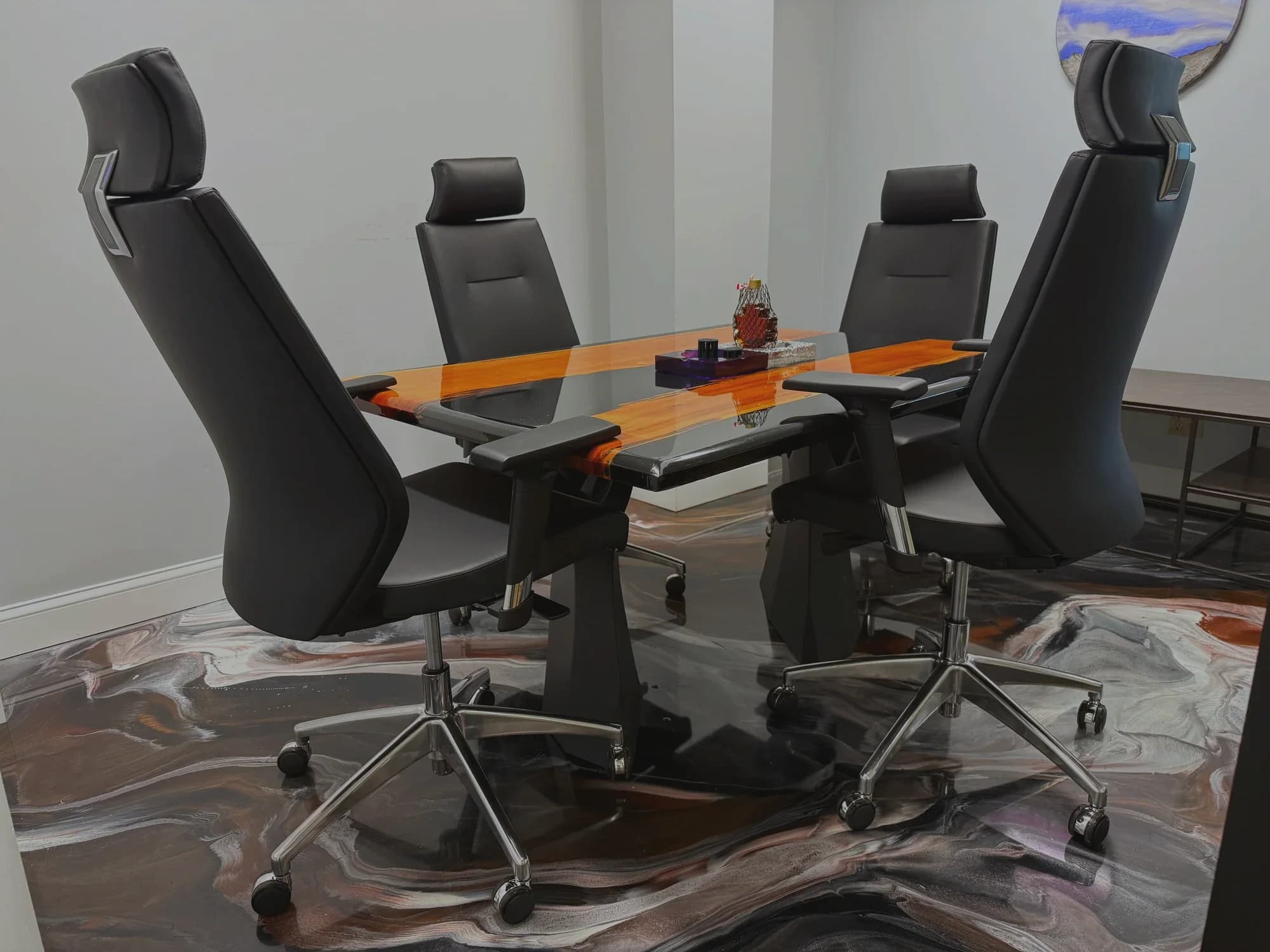
Commercial9 min read
How Polished Concrete Solves Office Acoustic Problems
Hard floors and noise complaints. What polished concrete does to sound in an open office, and how to spec around it.
Read it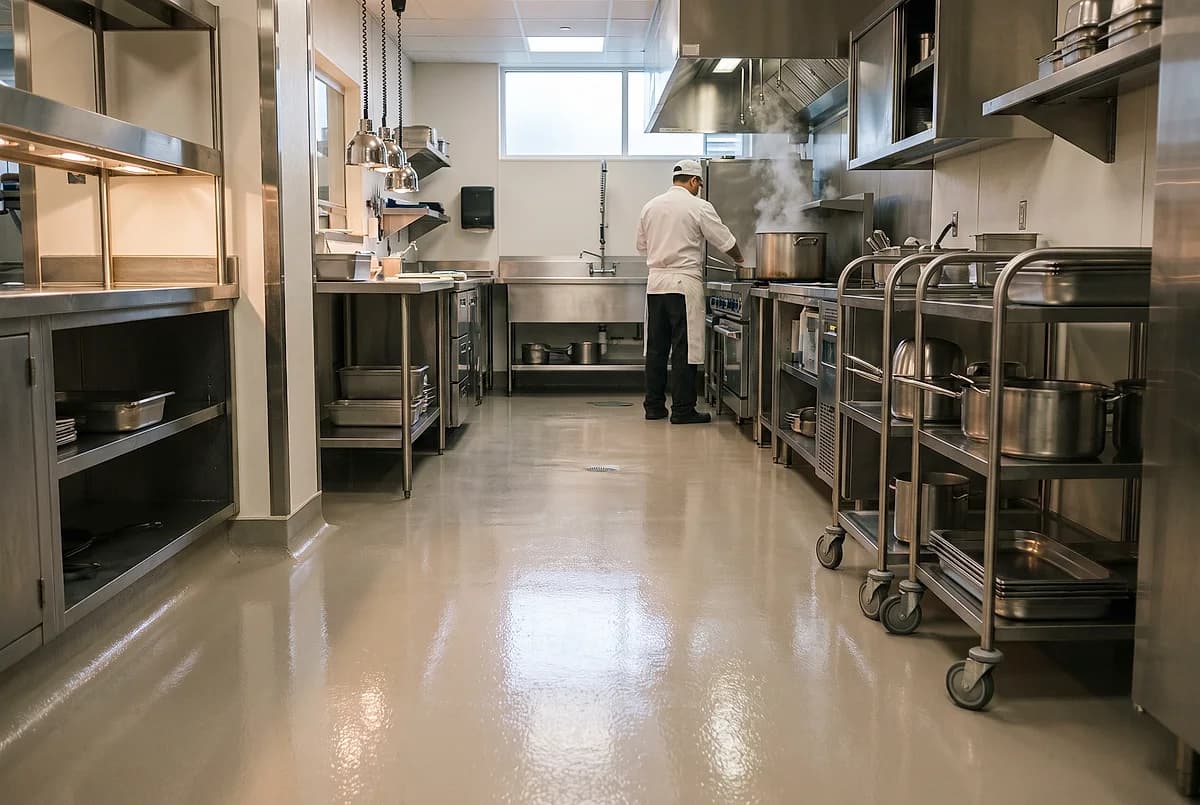
Commercial10 min read
Flooring for Hotel Wet Areas, Kitchens, and Parking Decks
Kitchens, pool decks and parking structures punish a floor daily. Which systems hold up in hotel service areas, and why.
Read it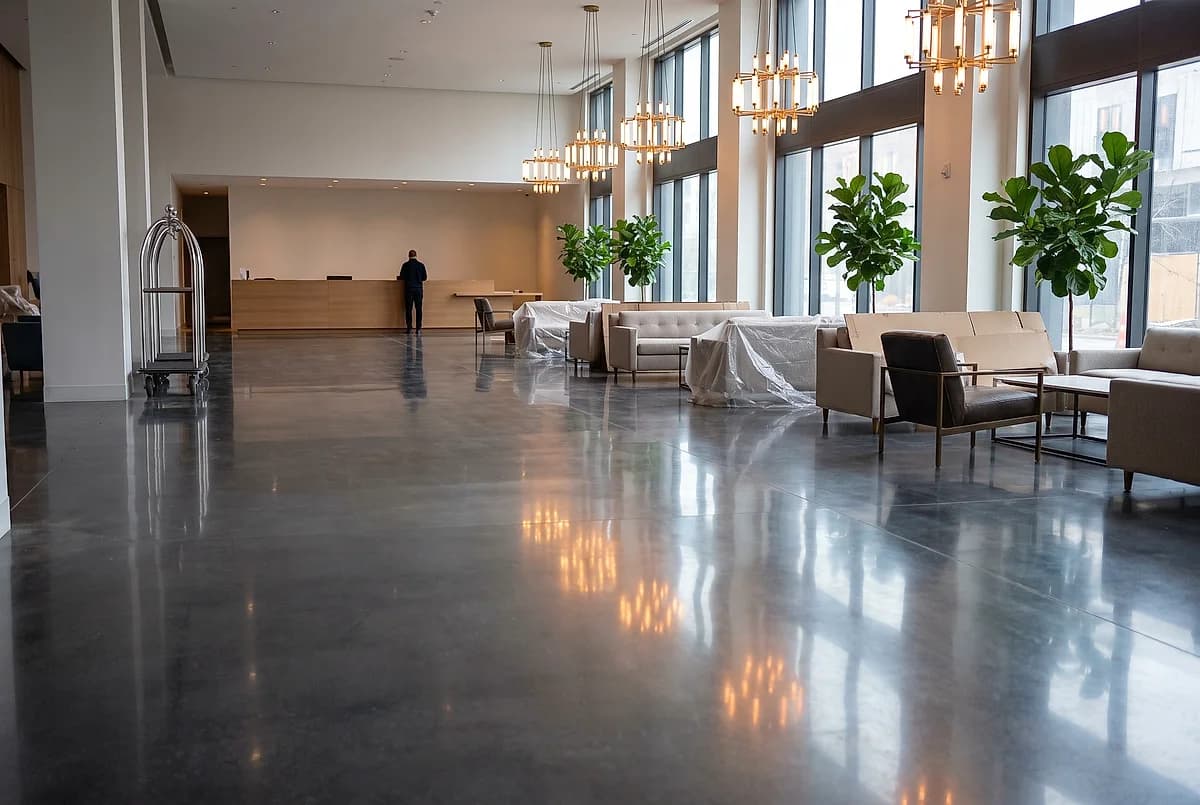
Commercial11 min read
Specifying Floors for a New Hotel Build
For owners and architects on a new build. What to write into the flooring spec so the hotel opens on a floor that lasts.
Read it
Tell us about the floor
Tell us the space and roughly how big it is.We come back with what it would cost and when we could start.
Prefer to talk? Call +1 844-876-5474
- Leads@
nationalconcretepolishing.net - 2200 NW 32nd St #600,
Pompano Beach, FL 33069 Mon to Fri, 9:00 to 5:30