
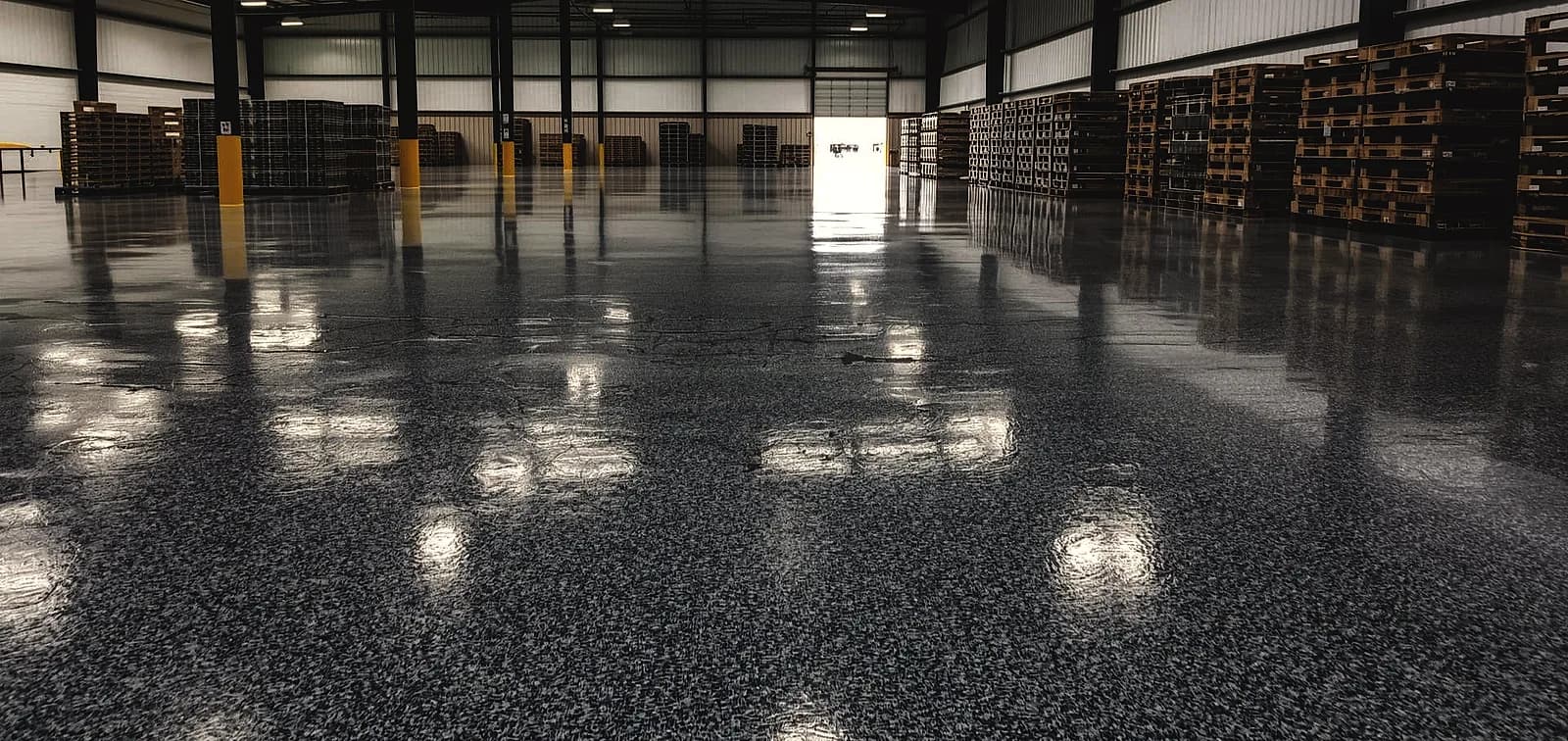
The NCP blog
Concrete and Epoxy Flooring Solutions for Miami Homes and Businesses
Residential11 min read
Concrete and epoxy flooring Miami installations require specialized expertise to withstand South Florida’s demanding climate.
Concrete and epoxy flooring Miami installations require specialized expertise to withstand South Florida’s demanding climate. With average humidity levels exceeding 76% and temperatures regularly surpassing 85°F, standard flooring systems fail prematurely. Professional-grade epoxy and polished concrete solutions engineered for Miami’s subtropical environment deliver 15-25 year lifespans while resisting moisture vapor transmission, UV degradation, and thermal cycling that destroys conventional floor coatings.
According to the Concrete Polishing Association of America (CPAA), properly installed concrete flooring systems in high-humidity environments outperform alternative materials by 40% in lifecycle cost analysis. This guide covers everything Miami property owners need to know about selecting, installing, and maintaining concrete and epoxy floors that actually last.
Why Miami Properties Need Specialized Flooring Solutions
Miami’s unique climate creates flooring challenges that don’t exist in most U.S. markets. The combination of high humidity levels, salt air exposure, and intense UV radiation demands flooring systems specifically formulated for subtropical conditions.
Humidity and Moisture Vapor Transmission
Miami’s average relative humidity of 76% creates persistent moisture challenges. Concrete slabs absorb and release moisture continuously, generating vapor pressure that can delaminate standard coatings. The International Concrete Repair Institute (ICRI) recommends moisture vapor emission rates (MVER) below 3 lbs per 1,000 sq ft per 24 hours for epoxy applications.
Professional installers conduct calcium chloride testing and relative humidity probes before any coating application. When MVER exceeds acceptable thresholds, moisture mitigation systems must be installed first.
Salt Air and Coastal Exposure
Properties within 15 miles of Miami’s coastline experience accelerated coating degradation from airborne salt particles. Research from the National Institute of Standards and Technology (NIST) shows chloride ion penetration can compromise coating adhesion by up to 35% in coastal environments. UV-stable topcoats and marine-grade formulations address these specific challenges.
Hurricane Season Considerations
Florida’s June through November hurricane season brings flooding risks that impact flooring decisions. Seamless epoxy systems resist water intrusion better than jointed alternatives. Properties in flood zones benefit from waterproofing treatments applied before coating installation.
Types of Concrete and Epoxy Flooring for Miami
Miami property owners can choose from several concrete and epoxy flooring systems, each with distinct advantages for specific applications. Understanding these options helps match the right system to your property’s requirements.
Polished Concrete
Polished concrete uses progressive diamond grinding to create a hardened, reflective surface directly from the existing slab. The process involves grinding with increasingly fine diamond tooling (typically 50-grit through 3000-grit) while applying chemical densifiers that react with calcium hydroxide to create calcium silicate hydrate crystite.
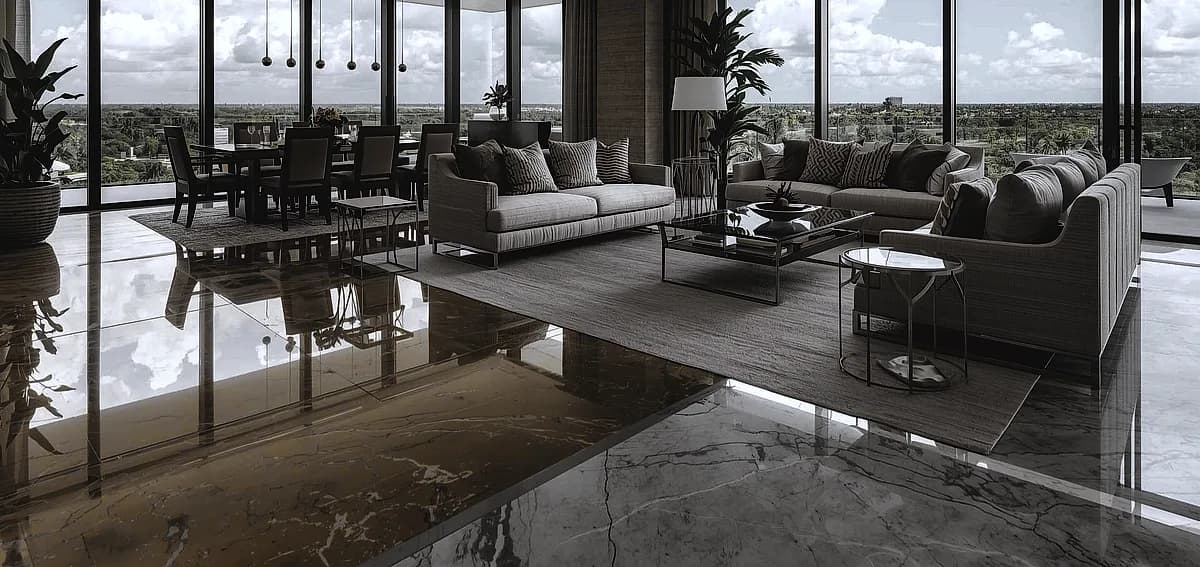
Benefits for Miami properties include natural breathability (no vapor transmission issues), reflectivity that reduces lighting costs by up to 30% according to Lawrence Berkeley National Laboratory research, and zero VOC emissions. Polished concrete is ideal for luxury residential spaces, retail environments, and commercial lobbies.
Solid Epoxy Coatings
100% solids epoxy systems provide the highest build thickness and chemical resistance. Unlike water-based or solvent-based alternatives, solid epoxy contains no volatile components that evaporate during cure. This results in coatings that are 8-12 mils thick in a single application, delivering superior abrasion resistance.
Miami commercial kitchens, healthcare facilities, and automotive showrooms frequently specify solid epoxy for its seamless, hygienic surface and chemical resistance to oils, solvents, and cleaning agents.
Metallic Epoxy
Metallic epoxy flooring incorporates metallic pigments that create three-dimensional visual effects resembling marble, lava flow, or ocean waves. Each installation is unique because the pigments migrate randomly during application and cure.
Popular in Miami residential applications, retail showrooms, and upscale restaurants, metallic epoxy delivers high aesthetic impact. The system requires skilled applicators who understand pigment manipulation techniques to achieve consistent results.
Polyaspartic Coatings
Polyaspartic systems offer faster cure times (4-6 hours vs. 24-72 hours for epoxy) and superior UV stability. These aliphatic polyurea-based coatings won’t yellow or chalk from sun exposure, making them ideal for Miami garages with sun-facing doors and outdoor covered areas.
The tradeoff is cost: polyaspartic materials typically run 20-40% higher than comparable epoxy systems. However, the reduced installation time often offsets material costs in commercial applications where downtime has direct revenue impact.
Quartz Broadcast Systems
Quartz aggregate broadcast into wet epoxy creates highly textured, slip-resistant surfaces. The colored quartz granules provide both aesthetic customization and functional safety in areas prone to moisture exposure.
Miami pool decks, commercial kitchens, and athletic facilities frequently use quartz systems. The broadcast layer adds 1/8 to 1/4 inch of thickness while achieving slip resistance coefficients exceeding 0.60 per ASTM D2047 standards.
Concrete and Epoxy Flooring Comparison
The following table compares key characteristics of flooring systems suitable for Miami properties:
| System Type | Cost/Sq Ft | Lifespan | UV Stability | Best For |
|---|---|---|---|---|
| Polished Concrete | $3-$8 | 20-25 years | Excellent | Retail, luxury homes |
| Solid Epoxy | $5-$12 | 15-20 years | Fair to Good | Commercial, industrial |
| Metallic Epoxy | $8-$15 | 15-20 years | Good | Showrooms, restaurants |
| Polyaspartic | $7-$14 | 15-20 years | Excellent | Garages, outdoor areas |
| Quartz Broadcast | $6-$10 | 15-20 years | Good | Wet areas, kitchens |
Professional Installation Process
Proper installation determines whether concrete and epoxy flooring achieves its expected lifespan. Each step in the process directly impacts final performance, especially in Miami’s challenging climate.
Step 1: Substrate Assessment
Professional installers begin with comprehensive substrate testing. This includes moisture testing (calcium chloride and in-situ relative humidity probes), hardness evaluation, and identification of existing coatings or contaminants. ASTM F1869 and F2170 protocols govern these tests.
Miami slabs frequently show elevated moisture readings due to the region’s high water table and humid air. When moisture exceeds 75% relative humidity or 3 lbs MVER, mitigation is required before coating.
Step 2: Surface Preparation
Surface preparation creates the concrete surface profile (CSP) necessary for coating adhesion. The ICRI defines CSP levels 1-10, with most epoxy systems requiring CSP 2-4. Methods include:
Diamond grinding: Preferred for most Miami applications, creates CSP 2-3 with minimal dust when using HEPA-filtered equipment.
Shot blasting: Achieves CSP 3-5, appropriate for industrial applications and heavily contaminated surfaces.
Acid etching: Limited to residential garages where mechanical methods aren’t feasible. Creates CSP 1-2, minimum acceptable profile.
Step 3: Repair and Leveling
Cracks, spalls, and uneven areas require repair before coating application. Epoxy mortars fill voids while polyurea injection stabilizes structural cracks. Self-leveling underlayments correct floor flatness issues exceeding 1/8 inch over 10 feet.
Step 4: Primer Application
Primer penetrates the concrete substrate and provides a chemical bond for subsequent coats. Miami installations typically use penetrating epoxy primers at 200-300 square feet per gallon coverage rates. High-moisture slabs require moisture-mitigating primers that cure through reaction with water vapor.
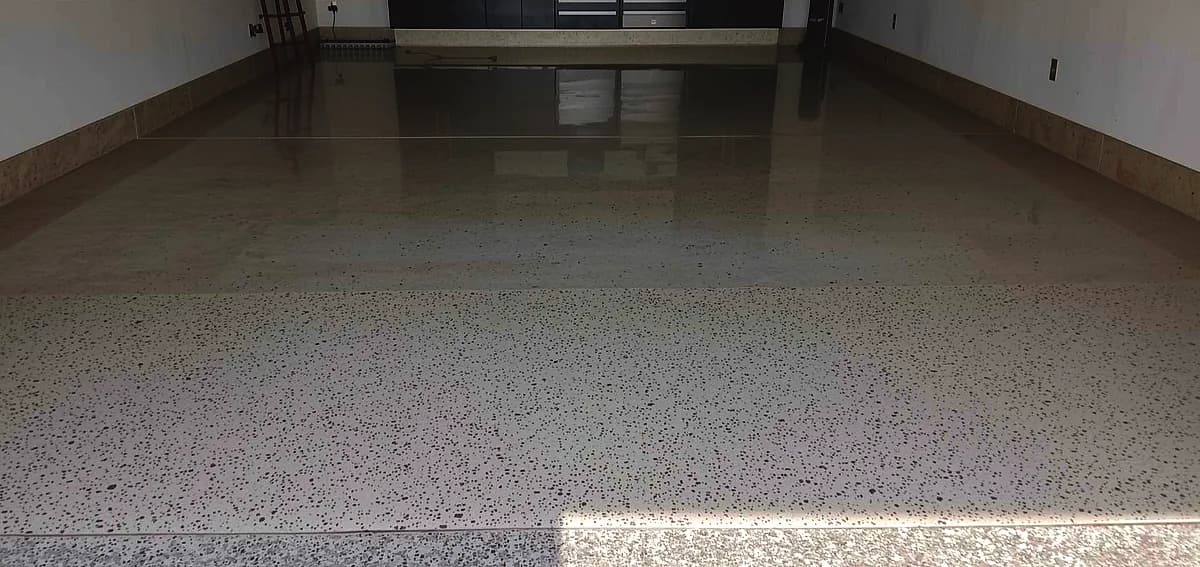
Step 5: Body Coat and Topcoat
The body coat builds thickness and delivers primary performance characteristics. For epoxy systems, this typically involves 100% solids material applied at 8-12 mils. UV-stable polyurethane or polyaspartic topcoats protect against yellowing and provide abrasion resistance.
Cure times vary based on formulation and ambient conditions. Miami’s warm temperatures (typically 75-90°F during application) accelerate cure but reduce working time. Professional installers adjust application schedules accordingly.
Residential vs. Commercial Applications
While the fundamental systems remain similar, residential and commercial concrete and epoxy flooring applications in Miami differ in specifications, installation approaches, and maintenance requirements.
Residential Flooring Considerations
Miami homeowners selecting concrete and epoxy flooring for residential spaces prioritize aesthetics, ease of maintenance, and thermal comfort. Popular applications include:
Living areas: Polished concrete and metallic epoxy deliver the visual appeal Miami homeowners expect. The reflective surfaces complement contemporary architecture while reducing cooling costs through increased light reflection.
Garages: Epoxy garage floors resist tire marks, oil stains, and chemical spills. Polyaspartic systems with UV-stable topcoats maintain appearance despite sun exposure through open garage doors.
Outdoor covered areas: Pool decks and patios require slip-resistant, UV-stable systems. Quartz broadcast and decorative concrete options handle foot traffic and weather exposure.
Commercial Flooring Requirements
Miami commercial properties face additional requirements including ADA compliance, fire code adherence, and industry-specific regulations. Commercial concrete floor coatings must meet performance specifications documented in project contracts.
Healthcare facilities: Medical facility flooring requires seamless, non-porous surfaces that resist bacterial growth and withstand aggressive cleaning chemicals. Antimicrobial additives and coved base installations are standard.
Food service: Restaurant and food processing flooring must comply with FDA and local health department requirements. USDA-approved systems with proper drainage integration prevent contamination risks.
Retail and showrooms: High-traffic retail environments benefit from polished concrete’s durability and low maintenance. Showroom flooring emphasizes aesthetic impact while withstanding constant foot traffic.
Warehouses and manufacturing: Industrial flooring must handle forklift traffic, chemical exposure, and impact loads. High-build epoxy systems with hardener-to-resin ratios optimized for Miami’s heat provide the necessary durability.
Maintenance and Long-Term Care
Proper maintenance extends the lifespan of concrete and epoxy flooring while maintaining appearance. Miami’s climate requires specific attention to humidity management and UV exposure prevention.
Daily and Weekly Maintenance
Dust mopping with microfiber pads removes abrasive particles that scratch coated surfaces. Weekly wet mopping with pH-neutral cleaners maintains shine without degrading the topcoat. According to the CPAA, proper maintenance can extend polished concrete lifespan by 25-30%.
Avoid harsh chemicals, particularly acidic cleaners that etch concrete surfaces and ammonia-based products that cloud epoxy finishes. Detailed epoxy floor cleaning protocols depend on the specific system installed.
Periodic Maintenance
Commercial installations benefit from periodic machine scrubbing with auto-scrubbers using appropriate pad types. Polished concrete requires periodic re-burnishing to restore reflectivity, typically every 12-24 months depending on traffic levels.
Epoxy and polyaspartic systems may need recoating every 5-7 years to maintain wear resistance in high-traffic areas. This maintenance coating is significantly less expensive than full system replacement and extends total lifespan considerably.
Addressing Common Issues
Miami properties may experience specific flooring issues related to climate exposure. Common problems include:
Coating delamination: Usually indicates moisture vapor issues or inadequate surface preparation. Repair processes involve removing failed coating, addressing moisture, and recoating affected areas.
Yellowing: Standard epoxy yellows under UV exposure. Affected areas require topcoat replacement with UV-stable polyurethane or polyaspartic.
Surface scratching: Light scratching on epoxy surfaces can be buffed out with fine polishing compounds. Deep scratches require spot repair with matching topcoat material.
Cost Factors for Miami Installations
Understanding cost factors helps Miami property owners budget accurately for concrete and epoxy flooring projects. Several variables influence total project cost.
Primary Cost Variables
Square footage: Larger projects benefit from economies of scale. Per-square-foot costs typically decrease 10-20% for projects exceeding 2,000 square feet.
System selection: Basic epoxy coatings start around $5 per square foot installed. High-end metallic systems with decorative effects can reach $15+ per square foot. Polished concrete ranges $3-$8 depending on aggregate exposure level and finish gloss.
Substrate condition: Slabs requiring extensive repair, moisture mitigation, or existing coating removal add $2-$5 per square foot to project costs.
Access and logistics: Multi-story buildings without freight elevator access, occupied spaces requiring phased installation, and projects with strict scheduling requirements increase labor costs.
Return on Investment
The ROI for commercial epoxy flooring exceeds most alternative flooring options when calculated over 15-20 year lifecycles. Factors contributing to positive ROI include:
Reduced maintenance labor costs (40-60% lower than tile or VCT), elimination of waxing and stripping requirements, lower energy costs from increased light reflectivity, and extended replacement cycles. According to facility management industry data, polished concrete floors in commercial settings generate maintenance savings exceeding $1.50 per square foot annually compared to traditional VCT installations.
Selecting a Miami Flooring Contractor
Contractor selection significantly impacts project outcomes. Not all flooring contractors have experience with Miami’s specific climate challenges or the equipment necessary for professional-grade installations.
Essential Qualifications
Florida state licensing: Verify active Florida contractor license and appropriate insurance coverage. General liability minimums of $1 million and workers’ compensation coverage are standard requirements for commercial projects.
Manufacturer certifications: Reputable manufacturers require installer certification before extending product warranties. Ask for documentation of training and certification with specific products being proposed.
Portfolio of Miami projects: Request references from completed Miami-area installations similar in scope to your project. Experienced contractors can demonstrate understanding of local conditions and regulatory requirements.
Questions to Ask
Before selecting a contractor, clarify these critical project details:
What specific products will be used, and what are their technical data sheets? What moisture testing will be performed, and what threshold triggers mitigation? What surface preparation method is planned, and to what CSP? What is the complete warranty coverage, and what conditions void it? What is the project timeline, including cure time before the space can be occupied?
Frequently Asked Questions
How long does concrete and epoxy flooring installation take in Miami?
Most residential garage installations complete in 2-3 days, including surface preparation, coating application, and initial cure time. Commercial projects vary based on square footage and complexity, typically requiring 3-7 days for spaces up to 5,000 square feet. Miami’s warm temperatures (75-90°F) accelerate cure times compared to cooler climates. However, high humidity can extend full cure by 24-48 hours. Professional installers factor ambient conditions into scheduling to ensure proper cure before returning the space to service.
Is epoxy flooring worth it in Miami’s humid climate?
Yes, when properly installed with appropriate moisture mitigation. Professional-grade epoxy systems engineered for high-humidity environments outperform alternative flooring options in lifecycle cost analysis. The CPAA reports 40% lower total cost of ownership compared to tile or VCT over 20-year periods. The key is proper substrate testing and moisture management before installation. Failures typically result from skipping these critical steps, not from inherent system limitations.
What is the best epoxy flooring option for Miami garages?
Polyaspartic or hybrid polyaspartic-epoxy systems perform best in Miami garage environments. These systems offer superior UV stability to prevent yellowing from sun exposure through open doors, faster cure times that reduce installation disruption, and excellent resistance to hot tire pickup. While polyaspartic materials cost 20-40% more than standard epoxy, their performance advantages justify the investment in Miami’s demanding conditions. Full-flake broadcast systems hide imperfections and add texture for improved traction.
How do I maintain concrete and epoxy floors in Miami?
Daily dust mopping removes abrasive particles that cause surface scratching. Weekly wet mopping with pH-neutral cleaners maintains appearance without degrading topcoats. Avoid acidic cleaners that etch concrete and ammonia-based products that cloud epoxy finishes. Commercial installations benefit from periodic auto-scrubber cleaning. Polished concrete requires occasional re-burnishing (every 12-24 months in high-traffic areas) to maintain reflectivity. Epoxy systems may need maintenance recoating every 5-7 years in commercial applications.
Why does epoxy flooring fail in some Miami properties?
The most common failure cause is inadequate moisture management. Miami’s high water table and humid air create elevated slab moisture that generates vapor pressure under coatings, causing delamination and bubbling. Other frequent causes include insufficient surface preparation (inadequate CSP for adhesion), application during high humidity without environmental controls, use of products not rated for Miami’s temperature and humidity ranges, and skipping primer coats or applying coats too quickly. Professional installers test moisture levels and adjust approaches accordingly.
What permits are required for commercial epoxy flooring in Miami?
Most interior floor coating projects don’t require building permits in Miami-Dade County. However, projects involving floor drains, structural modifications, or changes affecting fire ratings may trigger permit requirements. Healthcare facilities, food service establishments, and educational institutions often have additional regulatory requirements. Your flooring contractor should understand local requirements and coordinate with building management on compliance issues. Always verify specific requirements with local permit authorities before project commencement.
Get Expert Concrete and Epoxy Flooring in Miami
National Concrete Polishing delivers professional concrete and epoxy flooring solutions throughout Miami and South Florida. Our certified installers understand the unique demands of Florida’s subtropical climate and specify systems engineered for long-term performance in high-humidity environments.
Contact us today for a detailed consultation and estimate. We serve residential and commercial clients in Miami, Fort Lauderdale, Pompano Beach, and throughout South Florida.
Written by

Founder and CEO
Chris Lavin is an esteemed leader in concrete polishing and epoxy coatings with a distinguished 20-year career. As founder and CEO of National Concrete Polishing and owner of Xtreme Polishing Systems, he's renowned for polishing and epoxy coating more floors than anyone globally. Chris is recognized for his innovative approach and commitment to enhancing floor durability and aesthetics. His hands-on experience and technical proficiency make him a respected authority and a valuable resource in the field of floor polishing and coatings.
Same topic
Related articles
All stories
Residential8 min read
What Restaurants Need to Pass a Health Inspection Floor Check
It endures heavy foot traffic, dropped equipment, boiling water spills, and harsh degreasing chemicals daily.
Read it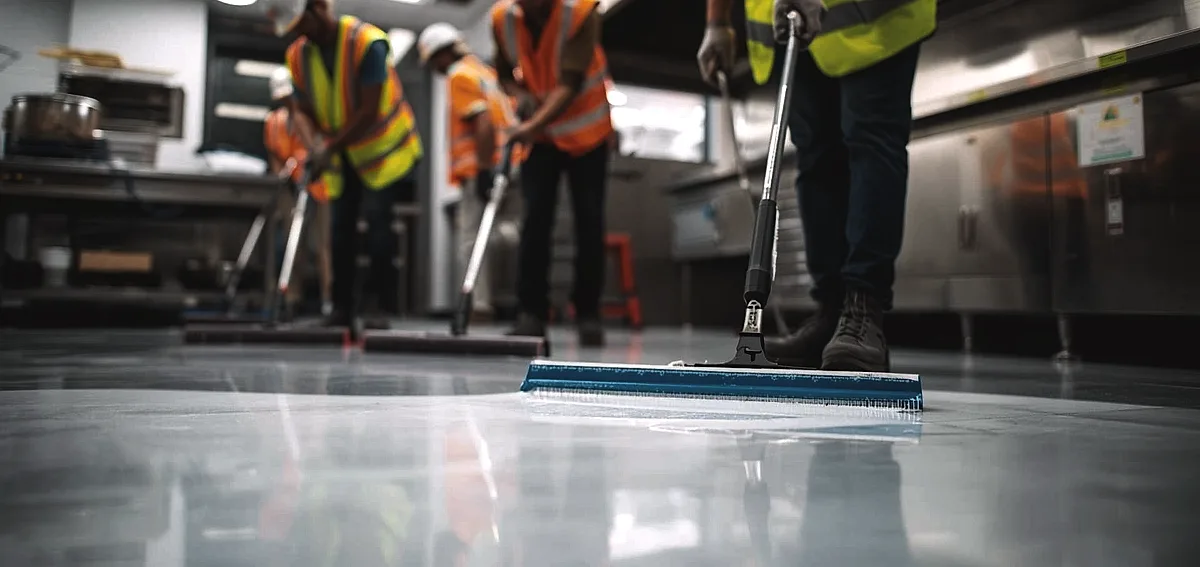
Residential9 min read
How Restaurants Replace Their Floors Without Closing for Long
The average food service establishment loses approximately $3,500 in daily revenue during unexpected closures in 2026.
Read it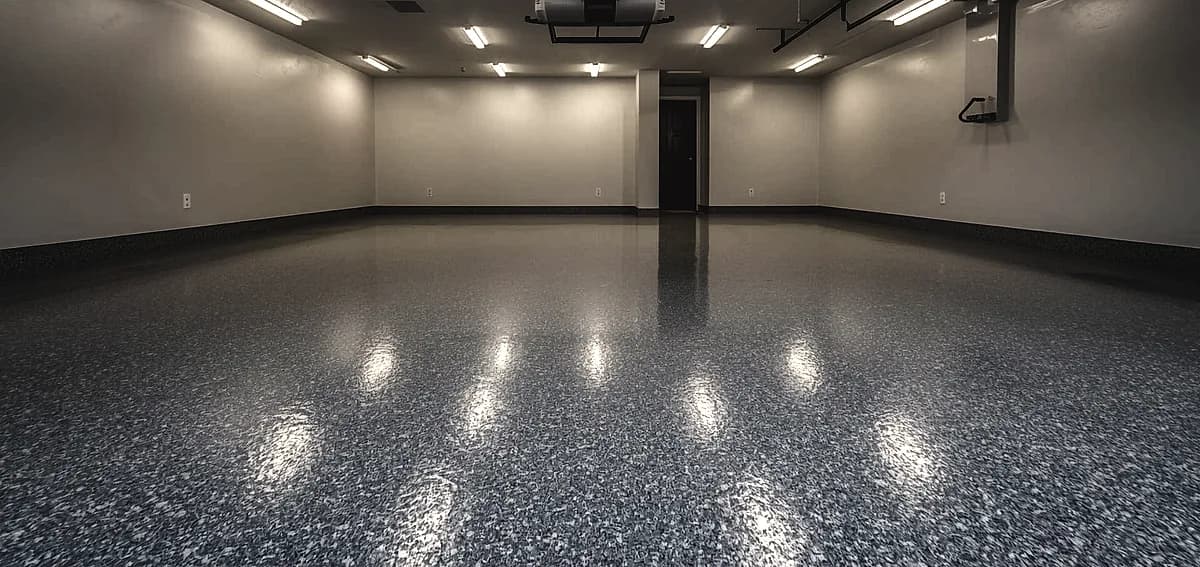
Residential8 min read
Where Polished Concrete Beats Epoxy in a Home (and Where It Doesn’t)
Before evaluating specific rooms, it is essential to understand how these two flooring systems function.
Read it
Tell us about the floor
Tell us the space and roughly how big it is.We come back with what it would cost and when we could start.
Prefer to talk? Call +1 844-876-5474
- Leads@
nationalconcretepolishing.net - 2200 NW 32nd St #600,
Pompano Beach, FL 33069 Mon to Fri, 9:00 to 5:30