
The NCP blog
2026 Epoxy Flooring Cost Guide: How Much Should You Expect to Pay?
Cost & ROIUpdated 9 min read
Generally speaking, Epoxy floor coatings will cost an average of $2.00 a square foot for materials.
Epoxy resin coatings are a cost-effective way to protect your existing surface and provide an aesthetic, durable and highly customizable floor coating. Generally speaking, Epoxy floor coatings will cost an average of $2.00 a square foot for materials. Labor should run you about the same and typically the profit, if contracting, should be 50% to 100% or double the cost of the materials and labor.
So a typical Garage floor using 100% solid professional grade 2 part resin and epoxy manufacturers recommended prep and layers should run $6 a square foot for the average homeowner.
The Cost of a Garage Floor Varies Based on Durability Needs
Epoxy floor coatings come in various systems, each suited to different applications and budgets. Here’s how costs and requirements break down by space:
Restaurants
Epoxy is ideal for both front-of-house and kitchen areas:
- Kitchens with floor drains: Quartz sand epoxy systems work best. They provide slip resistance even when grease spills occur, and cleanup is simple with hot soapy water and a rinse.
- Kitchens without floor drains: Vinyl chip epoxy systems are easier to clean with a mop or squeegee.
Warehouses
Concrete floors trap dirt and dust, making maintenance difficult with heavy forklift and foot traffic. The solution:
- Sand the concrete smooth
- Apply a colored stain
- Seal with a 100% solid clear epoxy topcoat (UV and chemical resistant)
- Add vinyl chips or quartz sand for slip resistance
- Optionally embed HD graphics for branded flooring
Offices
Epoxy creates hypoallergenic, seamless floors that are easy to keep spotless. Custom colors, logos, and branding can be incorporated into the design.
Basements
Epoxy is only recommended for above-grade basements after moisture testing. For below-grade basements, clean and stain the concrete, then seal with a penetrating sealer like Porous Plus 511. Note: Florida homes typically don’t have basements due to moisture issues at street level.
Garages
Garages are perfect for epoxy flooring. Options include:
- Metallic epoxy
- Vinyl flake systems
- Quartz sand
- Solid colors
- Glitter accents
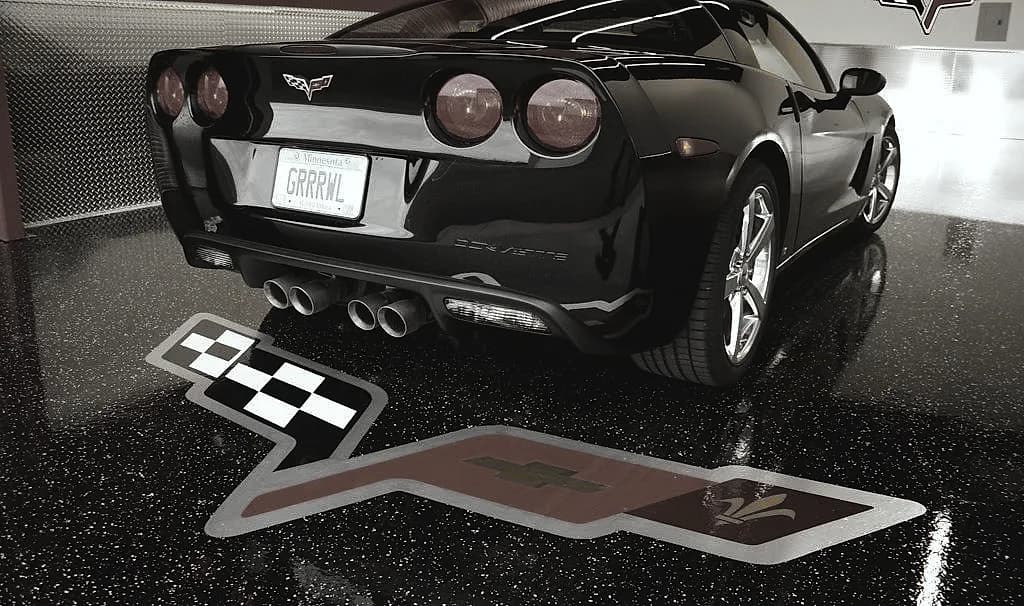
- Embedded graphics
A professional epoxy floor adds immediate value to your home and transforms your garage into a functional, attractive space.
Major Cost Factors of Epoxy Flooring
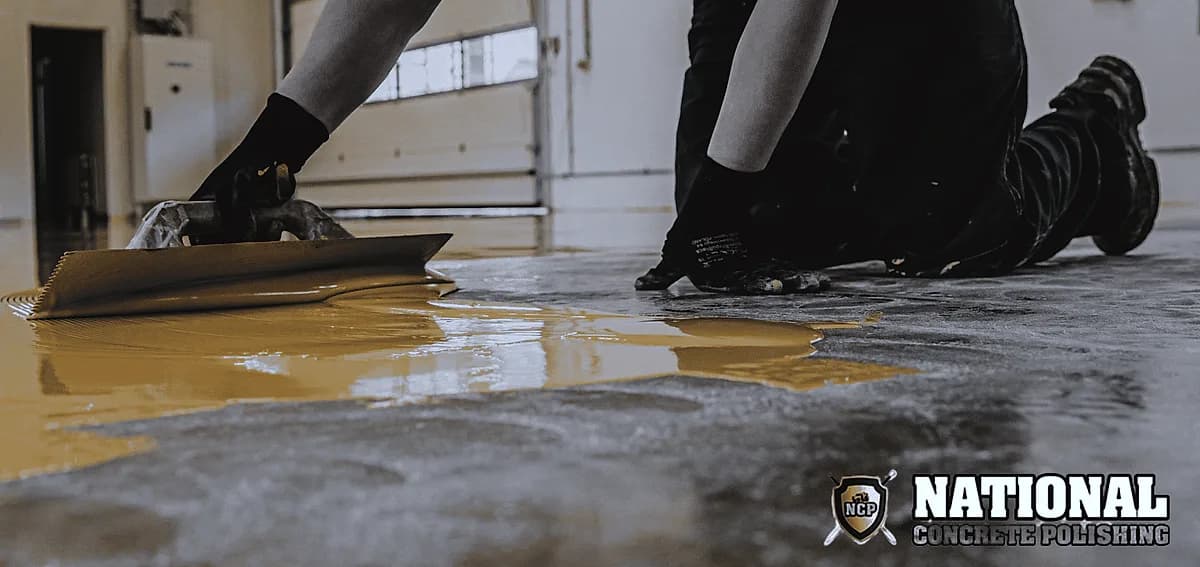
Epoxy flooring is a popular choice for both commercial and residential spaces due to its durability, aesthetic appeal, and ease of maintenance. However, the cost of epoxy flooring can vary significantly based on several factors. Here’s a detailed breakdown of the major cost factors associated with epoxy flooring:
1. Type of Epoxy System
- Solid Epoxy: This is the most durable and long-lasting type of epoxy flooring, but it is also the most expensive. It typically costs more due to its high quality and the professional installation required.
- Water-Based Epoxy: Generally less expensive than solid epoxy, water-based epoxy is easier to apply and less durable. It’s suitable for residential applications.
- Solvent-Based Epoxy: This type offers good durability and adhesion but can be more expensive due to the additional safety and ventilation requirements during application.
2. Surface Preparation
- Condition of the Existing Floor: If the existing floor has cracks, holes, or is uneven, additional preparation such as patching, grinding, or leveling will be required, increasing the overall cost.
- Cleaning: Removing dirt, oil, and other contaminants is crucial for proper epoxy adhesion. This process can add to the cost, especially if specialized cleaning agents are needed.
- Primer Application: In some cases, a primer is necessary to ensure the epoxy adheres well to the substrate. Primers add to both material and labor costs.
3. Thickness of the Epoxy Layer
- Standard Coating: A standard coating thickness for residential use might be around 2-3 mm.
- Heavy-Duty Coating: For industrial or high-traffic areas, a thicker epoxy layer (5-10 mm or more) may be required. The thicker the layer, the higher the cost due to more material and longer application times.
4. Design and Finish Options
- Solid Color: Basic solid color epoxy floors are typically the least expensive option.
- Decorative Finishes: Options such as metallic epoxy, flake epoxy, or custom designs can significantly increase costs due to additional materials and complexity in application.
- Anti-Slip Additives: For safety purposes, especially in commercial or industrial settings, adding anti-slip textures or additives can increase the overall cost.
5. Size of the Area
- Total Square Footage: Larger areas generally benefit from economies of scale, meaning the cost per square foot may decrease as the size of the project increases.
- Shape and Accessibility: Irregularly shaped areas or spaces that are difficult to access can increase labor costs due to the additional time and effort required for installation.
6. Labor Costs
- Professional Installation: Hiring experienced professionals is crucial for a high-quality epoxy floor, but labor rates can vary widely based on location, complexity, and the contractor’s expertise.
- DIY vs. Professional: While DIY kits are available and can reduce costs, they often lack the durability and finish of professionally installed epoxy flooring and might require more frequent maintenance or reapplication.
7. Geographical Location
- Regional Price Variations: Costs can vary significantly based on geographical location due to differences in labor rates, material availability, and local market conditions.
- Local Regulations: Some regions might have specific regulations regarding the use of certain materials or installation processes, which can affect overall costs.
Cost of a Garage Floor Varies Based on Durability Needs
Epoxy floor coatings come in various systems, each suited to different applications and budgets. Here’s how costs and requirements break down by space:
Restaurants
Epoxy is ideal for both front-of-house and kitchen areas:
- Kitchens with floor drains: Quartz sand epoxy systems work best. They provide slip resistance even when grease spills occur, and cleanup is simple with hot soapy water and a rinse.
- Kitchens without floor drains: Vinyl chip epoxy systems are easier to clean with a mop or squeegee.
Warehouses
Concrete floors trap dirt and dust, making maintenance difficult with heavy forklift and foot traffic. The solution:
- Sand the concrete smooth
- Apply a colored stain
- Seal with a 100% solid clear epoxy topcoat (UV and chemical resistant)
- Add vinyl chips or quartz sand for slip resistance
- Optionally embed HD graphics for branded flooring
Offices
Epoxy creates hypoallergenic, seamless floors that are easy to keep spotless. Custom colors, logos, and branding can be incorporated into the design.
Basements
Epoxy is only recommended for above-grade basements after moisture testing. For below-grade basements, clean and stain the concrete, then seal with a penetrating sealer like Porous Plus 511. Note: Florida homes typically don’t have basements due to moisture issues at street level.
Garages
Garages are perfect for epoxy flooring. Options include:
- Metallic epoxy
- Vinyl flake systems
- Quartz sand
- Solid colors
- Glitter accents
- Embedded graphics
A professional epoxy floor adds immediate value to your home and transforms your garage into a functional, attractive space.
Professional vs. DIY Epoxy Flooring
Epoxy flooring is popular for its durability, appearance, and easy maintenance. But should you hire a pro or tackle it yourself? Here’s what to consider.
Professional Installation
Pros:
- Trained installers ensure proper mixing, even application, and correct curing
- Access to commercial-grade epoxy products with longer lifespans
- Expert surface preparation (cleaning, crack repair, contamination removal)
- Faster completion with professional tools and equipment
- Warranties and ongoing support included
Cons:
- Higher upfront cost (labor, materials, overhead)
- Scheduling may require flexibility around contractor availability
DIY Installation
Pros:
- Lower cost by eliminating labor expenses
- Work on your own schedule
- Personal satisfaction from completing the project yourself
Cons:
- Mistakes in mixing or application lead to poor results
- Consumer-grade kits are less durable than professional products
- Surface prep is labor-intensive and requires proper tools
- Significant time investment for research, prep, and application
- No warranty if problems arise
| Factor | Professional Installation | DIY Installation |
|---|---|---|
| Cost (per sq ft) | $3 – $12 | $0.50 – $2 |
| Total Cost (400 sq ft garage) | $1,200 – $4,800 | $200 – $800 |
| Material Quality | Commercial-grade, 100% solids | Consumer-grade kits |
| Durability | 10 – 20+ years | 2 – 5 years |
| Surface Preparation | Professional grinding & repair | Manual cleaning & etching |
| Time to Complete | 1 – 3 days | 3 – 7 days (including cure time) |
| Warranty | Yes (typically 5 – 15 years) | No |
| Skill Required | None (handled by pros) | Moderate to high |
| Best For | Commercial spaces, long-term investment | Budget projects, small areas |
Disclaimer: These are estimates only, contact us for a free and more detailed quote for your project.
Why you need a professional to install Epoxy
The best choice is to hire a professional contractor that uses 100% solid epoxy resin commercial grade high-quality products and make sure they are fully insured and come with outstanding references like National Concrete Polishing. Do not be fooled by locals with tremendous discounts who are just going to use a home improvement store off the shelf DIY “paint” with a small amount of epoxy in it that will fail within hours of the crew leaving your house! Please hire a quality contractor and enjoy your floor for decades not hours!
In these cities we can help you with your concrete and epoxy flooring:
Concrete and Epoxy Flooring in Hartford
Concrete and Epoxy Flooring in San Diego
Concrete and Epoxy Flooring in Tampa
Frequently Asked Questions
Are there different types of epoxy coatings available for garage floors?
Yes, there are several types of epoxy coatings available for garage floors, each with unique properties and benefits. The main types include water-based epoxy, solvent-based epoxy, and 100% solid epoxy. Water-based epoxies are easy to apply and eco-friendly, while solvent-based epoxies offer higher durability. 100% solid epoxies provide the most robust and long-lasting finish, making them ideal for high-traffic areas.
What should I consider when choosing epoxy coating for commercial spaces?
When selecting epoxy coating for commercial spaces, consider factors such as the type of business, foot and vehicle traffic, chemical exposure, and desired aesthetic. Different types of epoxy offer varying levels of durability and resistance to chemicals and abrasions, making it crucial to choose the right one for your specific needs.
Is epoxy flooring safe when wet?
Epoxy flooring can be slippery when wet, but the degree of slipperiness can be reduced by adding anti-slip additives or textured finishes during the application process. These additions improve traction and make the surface safer in environments where moisture is common, such as garages or commercial kitchens.
How durable is epoxy flooring over time?
Epoxy flooring is highly durable and can last anywhere from 5 to 10 years in residential settings and even longer in commercial environments, depending on the level of traffic and maintenance. Proper installation and regular upkeep can significantly extend the lifespan of an epoxy floor, maintaining its aesthetic appeal and functionality.
Are there any drawbacks to using epoxy floors?
Despite their many advantages, epoxy floors do have some drawbacks. They can be sensitive to UV light, leading to discoloration over time if exposed to direct sunlight. Additionally, the installation process requires thorough preparation and can be time-consuming. Once cured, epoxy floors can be difficult to repair if they get damaged, and they can also be slippery when wet unless anti-slip additives are used.
Is it possible to apply epoxy flooring over existing surfaces?
Yes, you can install epoxy flooring over existing surfaces such as concrete, wood, or tiles, provided the existing floor is properly prepared. This involves cleaning, repairing any damage, and ensuring the surface is free of grease, oils, or other contaminants that might prevent proper adhesion. Proper surface preparation is crucial for the epoxy to bond correctly and ensure a durable finish.
Can epoxy flooring be installed within a single day?
While it is possible to apply epoxy flooring in one day, achieving the best results usually requires more time. The process includes surface preparation, multiple coats of epoxy, and curing time. For optimal durability and a flawless finish, it’s recommended to allow sufficient time for each step, which typically spans over 2 to 5 days.
Written by

Founder and CEO
Chris Lavin is an esteemed leader in concrete polishing and epoxy coatings with a distinguished 20-year career. As founder and CEO of National Concrete Polishing and owner of Xtreme Polishing Systems, he's renowned for polishing and epoxy coating more floors than anyone globally. Chris is recognized for his innovative approach and commitment to enhancing floor durability and aesthetics. His hands-on experience and technical proficiency make him a respected authority and a valuable resource in the field of floor polishing and coatings.
Same topic
Related articles
All stories
Cost & ROI10 min read
A Facility Manager's Guide to Long-Term Floor Maintenance Budgeting
A budgeting frame for the floor you already have. What to set aside each year, and which repairs beat a replacement.
Read it
Cost & ROI11 min read
Polished Concrete vs. LVT and VCT in Retail — Total Cost of Ownership
Sticker price against years of waxing and replacement. The total cost of polished concrete versus LVT and VCT in retail.
Read it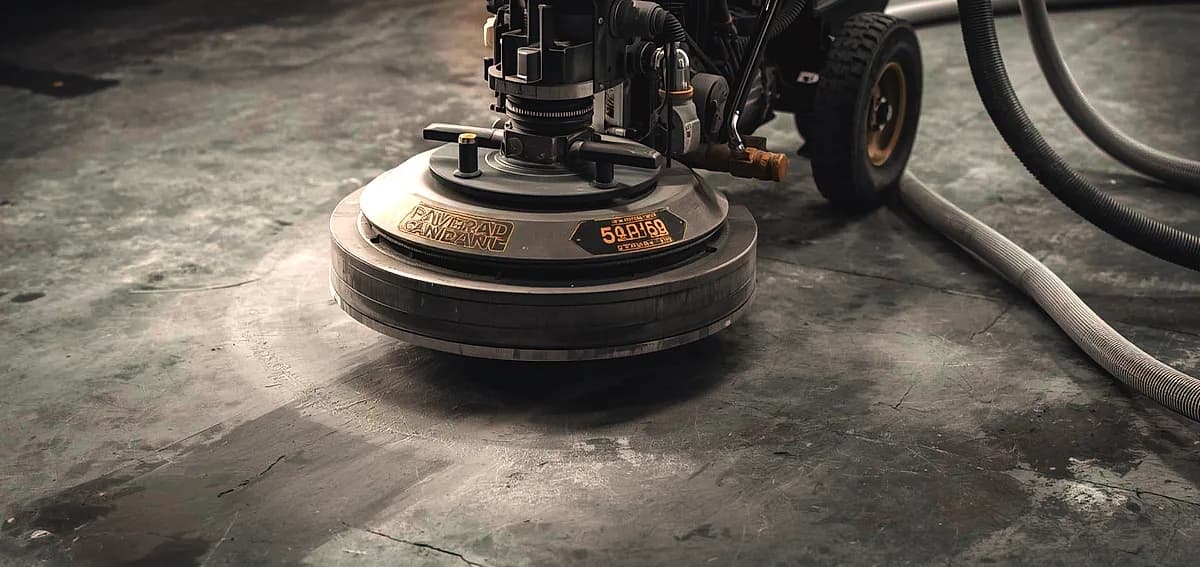
Cost & ROI7 min read
Understanding Polished Concrete Pricing in Fort Lauderdale
The average cost of professional concrete polishing in 2026 generally ranges from $3 to $12 per square foot.
Read it
Tell us about the floor
Tell us the space and roughly how big it is.We come back with what it would cost and when we could start.
Prefer to talk? Call +1 844-876-5474
- Leads@
nationalconcretepolishing.net - 2200 NW 32nd St #600,
Pompano Beach, FL 33069 Mon to Fri, 9:00 to 5:30