
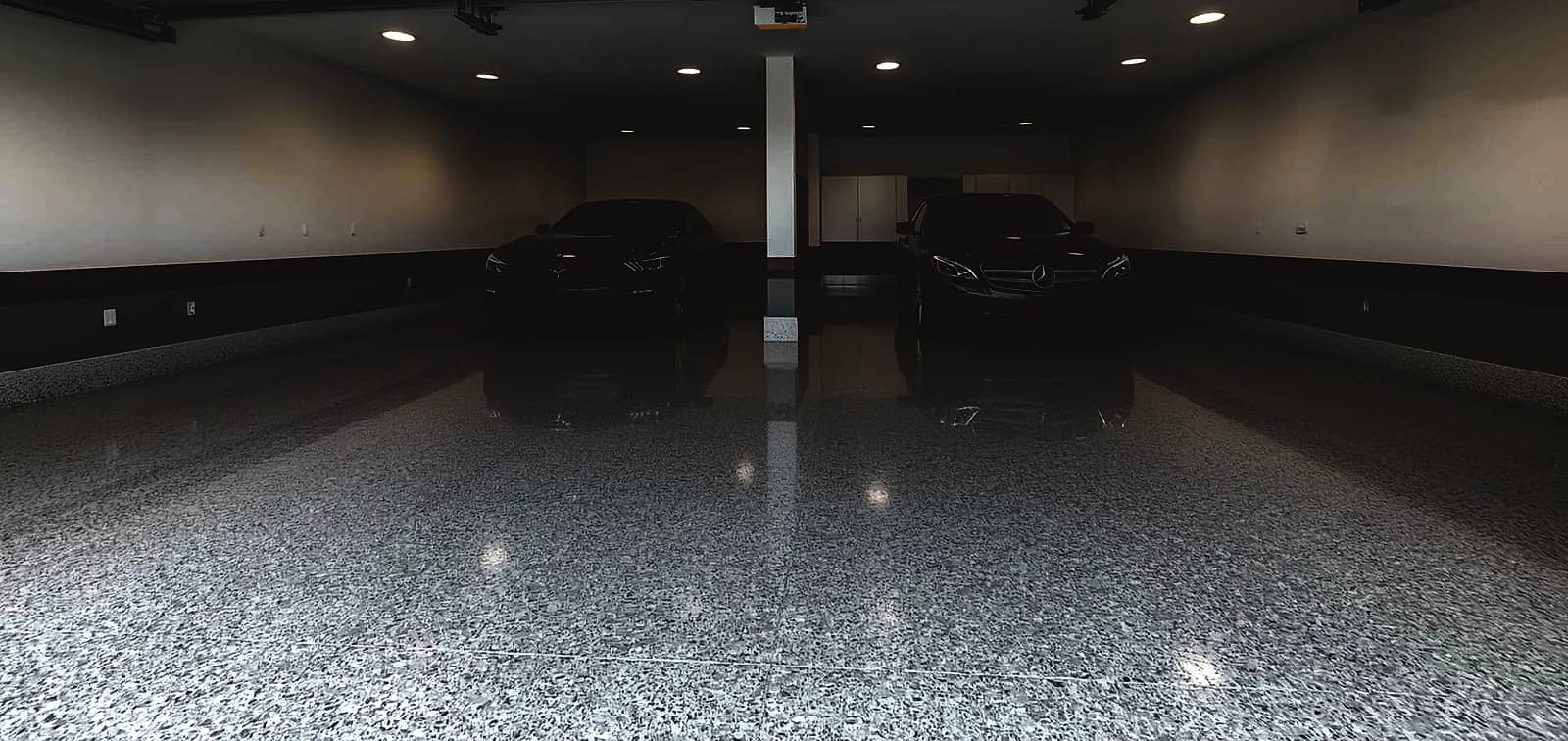
The NCP blog
What Should Your Epoxy Floor Warranty Cover?
Epoxy & coatings9 min read
Residential garage flooring warranties typically range from 15-25 years for interior applications when properly maintained.
Understanding your epoxy floor warranty South Florida coverage protects your flooring investment from defects, installation issues, and premature failure. A comprehensive epoxy floor warranty in South Florida should cover material defects, workmanship errors, adhesion failures, and color consistency for a minimum of 10-20 years depending on the application. National Concrete Polishing provides transparent warranty terms that give Pompano Beach homeowners and business owners confidence in their flooring decision.
Overview
This buyer’s protection guide reveals exactly what warranty coverage you should demand from your epoxy flooring contractor. You’ll learn about standard warranty periods, what protections are essential versus optional, common exclusions that void coverage, and red flags that indicate inadequate warranty terms. We’ll also explain how to verify warranty validity and ensure your South Florida epoxy floor investment remains protected for decades.
Standard Warranty Periods by Application
Residential garage flooring warranties typically range from 15-25 years for interior applications when properly maintained. Premium contractors offer 20-year warranties on garage floors and interior spaces, reflecting confidence in their materials and installation quality. Exterior applications like pool decks and driveways usually carry shorter 10-15 year warranties due to increased UV exposure and temperature fluctuations.
Commercial epoxy flooring warranties vary based on traffic levels and industry-specific demands. Light commercial spaces may receive 10-15 year coverage, while heavy industrial applications typically offer 5-10 years due to extreme wear conditions. Understanding these timeframes helps you evaluate whether a contractor’s warranty meets industry standards.
Essential Coverage Components
A legitimate epoxy floor warranty must cover material defects including delamination, peeling, and blistering caused by product failure. Installation workmanship protection ensures your contractor fixes errors in surface preparation, mixing ratios, or application technique that cause premature failure. Adhesion failure coverage is critical—your warranty should guarantee the epoxy remains bonded to the concrete substrate throughout the coverage period.
Color consistency guarantees protect against fading, yellowing, or discoloration beyond normal wear limits. Chemical resistance coverage ensures the floor withstands household automotive fluids and cleaning products as advertised. Structural integrity protection covers cracking, chipping, and surface deterioration under normal use conditions.
What Warranties Exclude
Even comprehensive warranties contain exclusions that void coverage if violated. Improper maintenance is the most common exclusion—failure to clean floors according to contractor specifications can invalidate your warranty. Damage from harsh chemicals not disclosed during consultation typically isn’t covered, emphasizing the importance of honest usage discussions.
Physical damage from dropped tools, dragged equipment, or impact events falls outside standard warranty protection. Excessive moisture from concrete slab issues existing before installation may be excluded unless moisture testing was performed and documented. UV damage on outdoor applications may have limitations, particularly if proper topcoat selection wasn’t followed.
Residential vs Commercial Warranty Terms
Homeowners investing in epoxy garage flooring should expect longer warranty periods and more comprehensive coverage than commercial applications. Residential warranties often include aesthetic guarantees like maintaining gloss levels and color vibrancy that commercial contracts omit. The lower traffic levels and controlled environments of homes justify these extended protections.
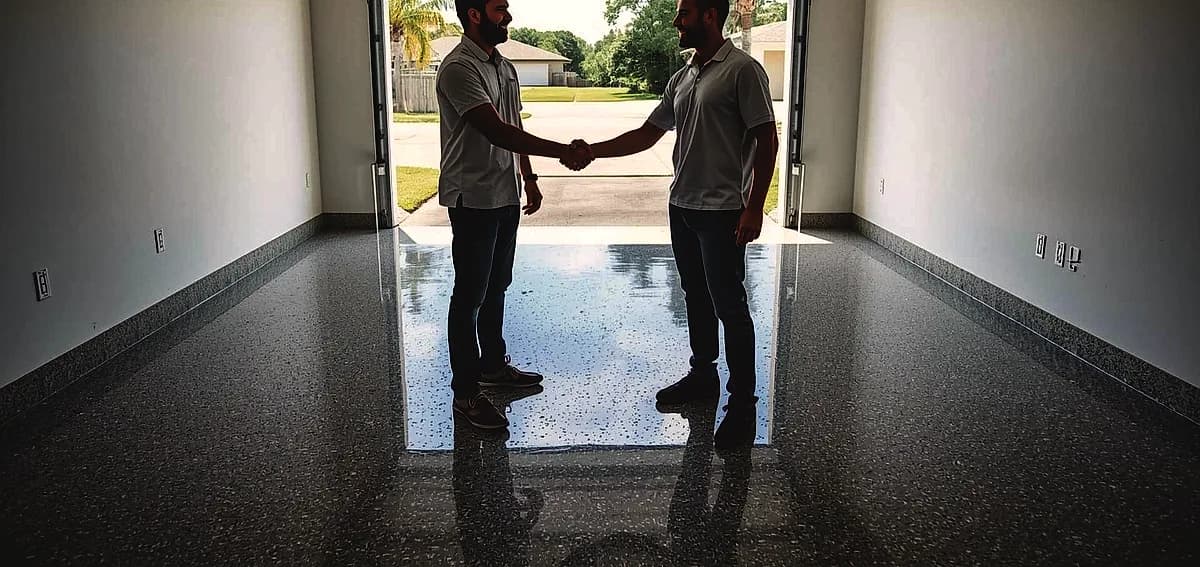
Commercial warranties focus on durability and functionality rather than appearance. Warehouse floors and industrial spaces receive warranties that guarantee chemical resistance and load-bearing capacity but may exclude minor cosmetic wear. Business owners should prioritize warranties that address their specific operational needs rather than seeking the longest timeframe.
Material vs Labor Warranty Split
Some contractors separate material and labor warranties, which can create coverage gaps requiring careful review. A material-only warranty covers product defects but leaves you paying labor costs for repairs even when the epoxy itself failed. Labor-only warranties are rare but may appear in contracts where you supplied materials, covering installation workmanship but not product performance.
Comprehensive warranties bundle both material and labor coverage, providing complete protection without out-of-pocket repair expenses. National Concrete Polishing offers unified warranty terms that eliminate confusion about what’s covered and who pays for corrections. Always request written clarification if warranty documents split these components.
Lifetime Warranty Reality Check
“Lifetime” warranties require skepticism and careful examination of actual terms and conditions. Many lifetime guarantees actually mean the “expected lifetime of the product” (10-20 years) rather than your lifetime or building lifetime. These warranties often contain pro-rated clauses that reduce coverage value annually, leaving minimal protection after the first decade.
Legitimate lifetime warranties backed by established epoxy flooring companies typically include transferability, maintenance verification requirements, and detailed exclusion lists. Question any contractor offering unconditional lifetime coverage, as this often indicates marketing language rather than enforceable protection. Request specific terms in writing before accepting lifetime warranty claims.
Warranty Transferability
Transferable warranties significantly increase property value when selling your home or commercial building. Quality contractors offer warranties that transfer to new owners with proper notification and documentation, making your upgraded flooring a strong selling point. Non-transferable warranties lose all value at property sale, reducing your ROI despite the flooring’s remaining useful life.
Transfer procedures typically require written notification to the contractor within 30-90 days of property sale. Some warranties charge small transfer fees ($50-200) while others transfer freely as part of their service commitment. Verify transferability terms before installation, especially if you plan to sell within the warranty period.
South Florida Climate Considerations
Florida’s humidity and temperature extremes demand warranty terms that specifically address climate-related issues. Your warranty should cover moisture-related failures including blistering, bubbling, and delamination caused by hydrostatic pressure. UV protection guarantees are essential for exterior applications in South Florida’s intense sunlight.

Thermal expansion coverage protects against cracking from extreme temperature cycling between air conditioning and outdoor heat. Contractors experienced in South Florida installations structure warranties acknowledging these regional challenges rather than using generic national terms. National Concrete Polishing’s warranty specifically addresses coastal and subtropical environmental factors affecting epoxy performance.
Maintenance Requirements for Validity
All warranties include maintenance obligations you must fulfill to keep coverage active. Basic requirements typically include regular cleaning with approved products, immediate spill cleanup, and avoidance of abrasive cleaning tools. Documentation through photos or cleaning logs may be required for warranty claims, particularly on commercial installations.
Annual inspections by the installing contractor help maintain warranty validity while catching minor issues before they escalate. Some premium warranties include complimentary annual inspections as part of the coverage package. Review maintenance protocols carefully and ensure they’re realistic for your usage patterns before committing.
Documentation You Should Receive
Professional contractors provide comprehensive written warranty documents before installation begins. Your warranty paperwork should include specific coverage terms, duration, exclusions, maintenance requirements, and claim procedures with contractor contact information. Product specification sheets identifying the exact epoxy systems used enable future repairs or warranty claims.
Installation date documentation with before and after photos creates clear evidence of original condition. Keep digital and physical copies in safe locations, as you’ll need them for claims or property transfers. Reputable contractors register warranties with manufacturers, providing additional verification and protection beyond the contractor’s own coverage.
Red Flags in Warranty Terms
Vague language lacking specific timeframes, coverage details, or exclusion clarity indicates problematic warranty terms. Verbal warranties without written documentation are essentially worthless and should never be accepted. Warranties requiring you to use only the contractor’s cleaning products in perpetuity may be designed to void coverage when you inevitably use alternatives.
Extremely short warranty periods (under 5 years) for residential applications suggest low-quality materials or lack of installation confidence. Contractors who refuse to provide warranty documents before contract signing likely have unfavorable terms they’re hiding. Any hesitation to explain warranty details clearly represents a significant red flag.
How to Verify Warranty Validity
Request proof that your contractor is licensed, insured, and authorized to install the specific products they’re warranting. Verify the contractor’s business has been operating long enough to honor their warranty duration—a 20-year warranty from a company founded last year offers questionable protection. Check online reviews for warranty fulfillment history and customer service responsiveness.
Contact product manufacturers to confirm your contractor is an authorized installer, which may provide additional manufacturer warranty coverage. Review warranty registration systems that provide independent verification of coverage terms and dates. National Concrete Polishing maintains comprehensive insurance and manufacturer certifications backing our warranty commitments.
Making Warranty Claims
Document issues with detailed photos and written descriptions as soon as problems appear. Contact your contractor promptly using the communication methods specified in warranty documents—many warranties require notification within 30-60 days of discovering issues. Provide requested information including installation date, maintenance records, and problem details to expedite claim processing.
Professional contractors respond to legitimate warranty claims within 1-2 weeks for assessment and 2-4 weeks for repairs. Expect contractors to inspect issues personally before authorizing warranty work to verify coverage applies. Keep all communication documented through email or written correspondence rather than relying on phone conversations alone.
Comparing Contractor Warranties
Create a comparison chart listing warranty terms from multiple contractors to identify the most comprehensive protection. Don’t assume the longest warranty period equals best value—examine coverage details, exclusions, and contractor reputation equally. Balance warranty length against material quality, installation expertise, and company stability when making your decision.
Request references from customers whose warranty periods are 5+ years old to verify actual claim fulfillment. Contractors who’ve honored warranties for years demonstrate reliability that new businesses cannot match. National Concrete Polishing’s track record of warranty support provides peace of mind beyond the written terms.
Frequently Asked Questions
What is a good warranty for epoxy floors in South Florida?
A quality residential epoxy warranty in South Florida should offer 15-25 years for interior applications and 10-15 years for exterior surfaces, covering materials, labor, and climate-related issues.
Do epoxy floor warranties cover color fading?
Yes, comprehensive warranties include color consistency guarantees protecting against excessive fading or yellowing beyond normal wear limits.
Are lifetime epoxy warranties legitimate?
Lifetime warranties vary significantly—examine fine print for pro-rated terms, actual duration definitions, and exclusions before accepting these claims.
What voids an epoxy floor warranty?
Common warranty violations include improper maintenance, undisclosed harsh chemical exposure, physical damage, and failure to follow contractor care instructions.
Can I transfer my epoxy warranty to a new homeowner?
Many quality warranties are transferable with proper notification to the contractor, adding value to your property sale.
How long should commercial epoxy warranties last?
Commercial warranties typically range from 5-15 years depending on traffic levels and industry-specific wear conditions.
What should epoxy warranty documents include?
Proper warranty paperwork includes specific coverage terms, duration, exclusions, maintenance requirements, claim procedures, and contractor contact information.
Do I need maintenance records to make warranty claims?
Many contractors require maintenance documentation for warranty validity, particularly on commercial installations.
Are material and labor warranties usually separate?
Some contractors split these warranties, but comprehensive coverage bundles both for complete protection without gaps.
How do Florida climate issues affect epoxy warranties?
Quality South Florida warranties specifically address moisture-related failures, UV damage, and thermal expansion common in humid subtropical climates.
Conclusion
Your epoxy floor warranty South Florida terms directly impact the long-term value and protection of your flooring investment. Comprehensive coverage spanning 15-25 years for residential applications and 5-15 years for commercial spaces should include materials, labor, and climate-specific protections without excessive exclusions. Scrutinize warranty documents carefully, verify contractor credentials, and ensure written terms match verbal promises before signing any contract. National Concrete Polishing provides transparent, enforceable warranty coverage specifically designed for South Florida’s unique environmental challenges, backed by our proven track record of customer satisfaction and claim fulfillment.Contact us today for a free estimate and discover how our industry-leading warranty protections give you complete confidence in your epoxy flooring investment for decades to come.
Written by

Founder and CEO
Chris Lavin is an esteemed leader in concrete polishing and epoxy coatings with a distinguished 20-year career. As founder and CEO of National Concrete Polishing and owner of Xtreme Polishing Systems, he's renowned for polishing and epoxy coating more floors than anyone globally. Chris is recognized for his innovative approach and commitment to enhancing floor durability and aesthetics. His hands-on experience and technical proficiency make him a respected authority and a valuable resource in the field of floor polishing and coatings.
Same topic
Related articles
All stories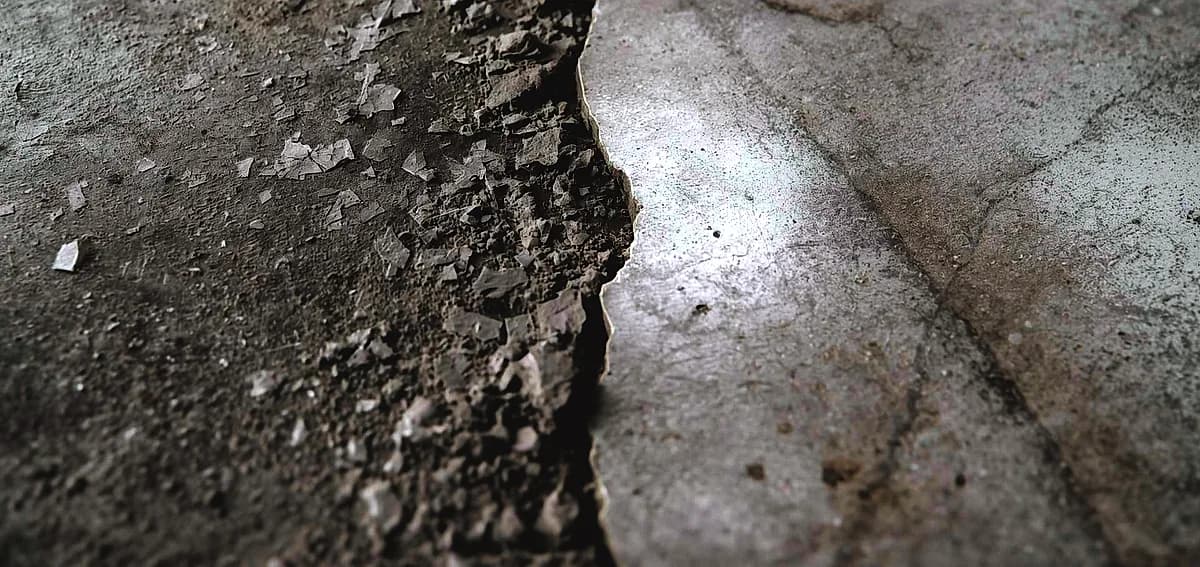
Epoxy & coatings8 min read
DIY vs Professional Epoxy Flooring in Fort Lauderdale
Hardware stores heavily market all-in-one boxes that promise a showroom finish with minimal effort.
Read it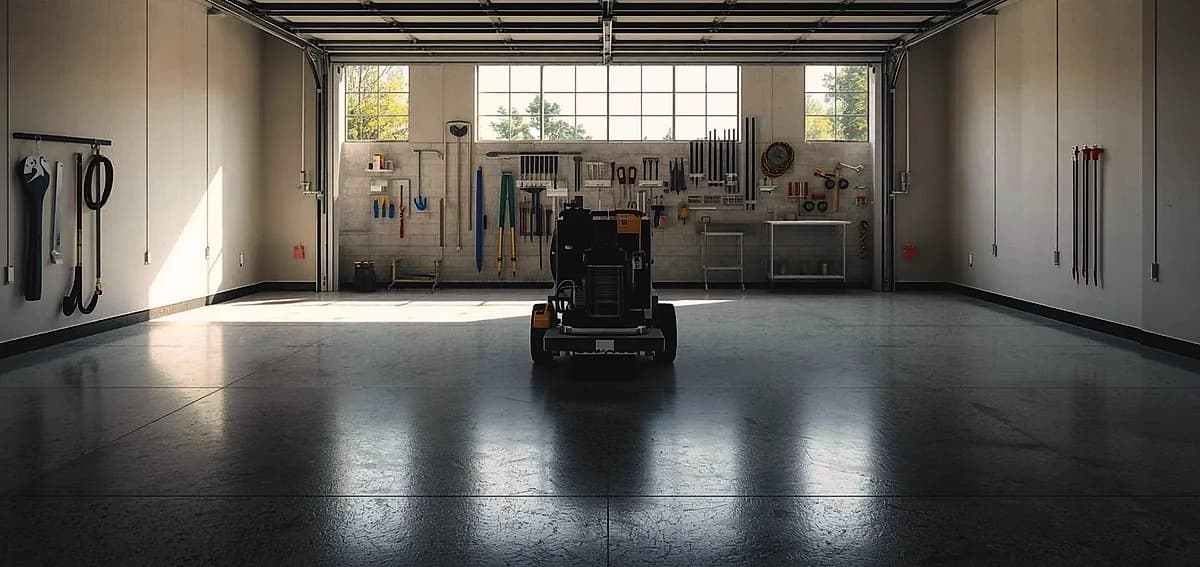
Epoxy & coatings8 min read
Can You DIY Epoxy Flooring in Miami? Pros, Cons, and Tips
Applying a durable floor finish in a tropical or highly humid climate presents unique environmental challenges.
Read it
Epoxy & coatings7 min read
DIY Epoxy Flooring in South Florida: Is It Worth the Risk?
However, these products generally contain high levels of water or solvents to extend their pot life.
Read it
Tell us about the floor
Tell us the space and roughly how big it is.We come back with what it would cost and when we could start.
Prefer to talk? Call +1 844-876-5474
- Leads@
nationalconcretepolishing.net - 2200 NW 32nd St #600,
Pompano Beach, FL 33069 Mon to Fri, 9:00 to 5:30