
The NCP blog
What Do Epoxy Flooring Warranties Actually Cover?
Epoxy & coatings9 min read
These warranties typically span 5-10 years and require certified contractor installation to remain valid.
Epoxy flooring warranty terms vary dramatically between contractors, with coverage ranging from limited 1-year workmanship guarantees to comprehensive lifetime protection against delamination and defects. Understanding what your warranty actually covers—and equally important, what it excludes—protects your flooring investment and prevents costly surprises when issues arise. National Concrete Polishing provides transparent warranty coverage for all Miami installations, ensuring homeowners and business owners know exactly what protection they’re receiving before work begins.
Overview
This comprehensive guide decodes epoxy flooring warranties, explaining the difference between material and workmanship coverage, typical exclusion clauses, and what constitutes valid warranty claims. You’ll learn how to evaluate warranty offers, what questions to ask contractors before signing, and why some warranties provide far more protection than others. We’ll also cover warranty maintenance requirements, claim procedures, and common fine print clauses that can void your coverage.
Material Warranty vs Workmanship Warranty
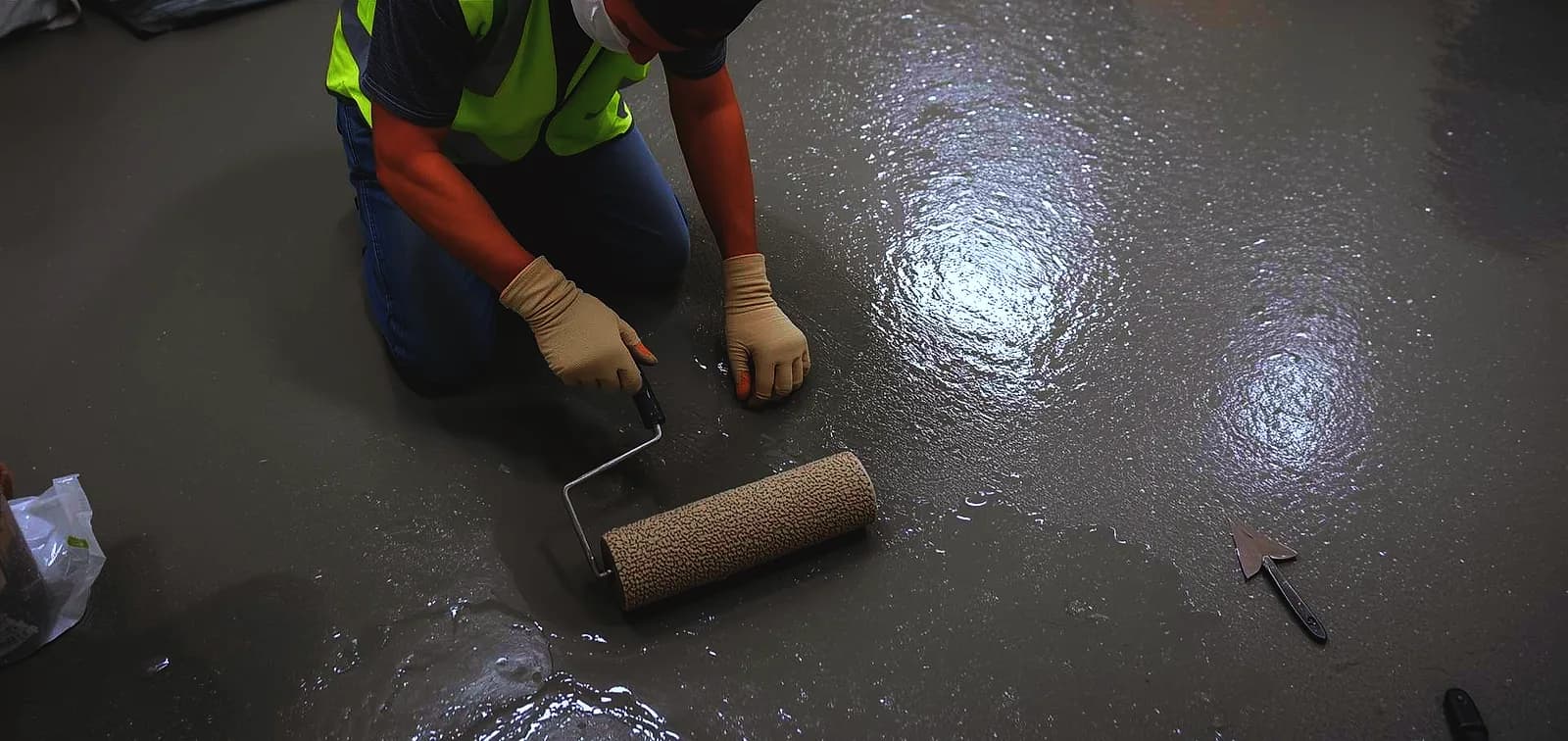
Epoxy flooring warranty terms typically separate into two distinct categories that protect different aspects of your installation. Material warranties come from epoxy manufacturers and cover product defects like delamination, discoloration, or chemical breakdown that occur under normal use. These warranties typically span 5-10 years and require certified contractor installation to remain valid.
Workmanship warranties address installation quality issues caused by improper surface preparation, incorrect mixing ratios, or application errors. Professional contractors like National Concrete Polishing provide separate installation warranties covering adhesion failures, bubbling, or premature wear resulting from installation mistakes. These typically last 1-3 years from project completion.
What Warranties Typically Cover
Comprehensive epoxy warranties protect against specific defects and failures when proper use guidelines are followed. Adhesion failures and delamination represent the most common covered issues, where epoxy separates from concrete substrate due to product or installation defects. Cracking that occurs from coating failure rather than substrate movement qualifies for coverage under most warranties.
Discoloration or color variations that result from product defects rather than UV exposure or chemical spills are typically covered. Premature wear beyond expected timelines when proper maintenance procedures are followed may qualify for warranty claims. Manufacturing defects in the epoxy resin itself, including improper curing characteristics or chemical resistance failures, fall under material warranty protection.
Common Warranty Exclusions
Understanding exclusions is as critical as knowing coverage, since most warranty claims are denied due to excluded circumstances. Physical damage from dropped objects, dragged furniture, or excessive impact loads voids virtually all epoxy warranties. Chemical damage from harsh cleaners, acids, or solvents not specified as resistant in the product specifications excludes coverage.
Improper maintenance or failure to follow care instructions automatically voids most warranties. Substrate-related issues including concrete cracking, settling, or structural movement are excluded since epoxy cannot prevent underlying concrete problems. Damage from standing water, flooding, or moisture infiltration when proper moisture barriers weren’t installed typically falls outside warranty protection.
Duration & Coverage Periods
Warranty duration varies significantly based on system quality and contractor confidence in their work. Budget epoxy systems often carry limited 1-2 year warranties covering only delamination and major defects. Mid-range professional installations typically provide 3-5 year material warranties with 1-2 year workmanship coverage.
Premium epoxy systems may include 10-year material warranties when installed by certified contractors following manufacturer specifications. Some contractors offer “lifetime” warranties that sound impressive but contain significant limitations—these often cover only delamination and only while the original owner occupies the property. For commercial epoxy flooring, warranties typically run 3-5 years due to heavier use expectations.
Understanding Lifetime Warranty Claims
Lifetime warranty promises require careful scrutiny of fine print clauses that substantially limit coverage. Most define “lifetime” as the period the original homeowner occupies the property, making the warranty non-transferable to new owners. Coverage is often limited to specific issues like delamination while excluding wear, staining, or cosmetic concerns.
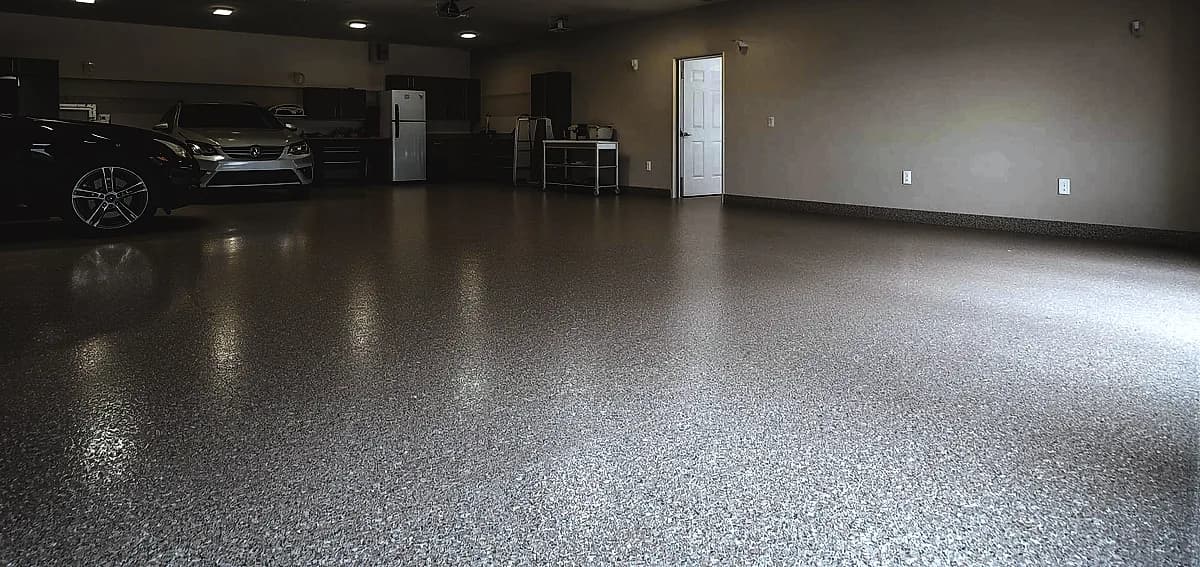
Maximum coverage amounts frequently cap at original material costs or specific square footage limits like 5,000 square feet. Time-based degradation of coverage is common, where full replacement is covered initially but transitions to prorated reimbursement after specific periods. For residential garage installations, understand whether exterior applications have reduced coverage compared to interior floors.
Maintenance Requirements for Warranty Validity
Most epoxy warranties include mandatory maintenance provisions that void coverage if not followed. Regular cleaning with approved products is typically required to prevent buildup that damages coatings. Using harsh chemicals or abrasive cleaners not specified in warranty terms automatically voids protection.
Prompt spill cleanup within specified timeframes—often 20 minutes for automotive fluids—may be required to maintain stain resistance coverage. Annual professional inspections might be mandatory for commercial warranties to identify issues early and document proper care. Failure to address minor issues within contractor-specified timeframes can result in warranty termination.
Surface Preparation Requirements
Warranty validity depends heavily on proper substrate preparation that contractors must document. Concrete moisture testing is typically required before installation, with results documented to prove conditions met manufacturer specifications. If moisture mitigation wasn’t performed when testing indicated high moisture levels, warranties may be void.
Proper surface profile achievement through grinding or shot blasting must meet CSP standards specified in warranty terms. Complete removal of contaminants, oils, and existing coatings is essential for warranty coverage. Professional contractors document preparation procedures with photos and test results that support warranty claims if issues arise.
What Voids Your Warranty
Specific actions or conditions automatically terminate warranty protection regardless of defect severity. Unauthorized repairs or modifications by non-certified contractors void most warranties immediately. Installing aftermarket coatings or sealers over epoxy without manufacturer approval terminates coverage.
Using the floor for purposes beyond its design specifications—like parking heavy commercial vehicles on residential garage epoxy—voids protection. Environmental conditions outside design parameters, such as exposing interior-rated epoxy to outdoor weather, eliminates warranty validity. Failure to allow proper curing time before use or loading floors prematurely can void warranties entirely.
Claim Filing Procedures
Understanding how to properly file warranty claims ensures valid issues receive coverage. Most warranties require written notification within specific timeframes after discovering defects—often 30-90 days. Photographic documentation showing the defect’s extent and location strengthens claims and may be mandatory.
Original installation documentation including invoices, material specifications, and maintenance records must typically accompany claims. Contractors usually reserve rights to inspect issues in person before approving claims, requiring property access within reasonable timeframes. For commercial epoxy installations, claims may require professional testing at the owner’s expense to verify defect causes.
Repair vs Replacement Coverage
Warranty terms specify whether contractors must repair or replace defective flooring, with significant cost implications. Most warranties give contractors sole discretion to choose repair or replacement based on defect severity and cost considerations. Repairs might involve patching affected areas or applying fresh topcoats, which may not perfectly match existing finishes.
Full replacement coverage typically requires complete floor failure rather than isolated issues. Prorated warranties reduce coverage percentages over time, meaning older installations may only qualify for partial material reimbursement rather than full replacement. For decorative metallic epoxy systems, matching colors and patterns during repairs can be challenging, which warranty terms should address.
Professional Installation Documentation
Proper installation documentation protects your warranty rights when claims become necessary. Professional contractors provide detailed records of moisture testing results showing substrates met manufacturer requirements. Surface preparation procedures including grinding passes, diamond grit sequences, and achieved surface profiles should be documented.
Material batch numbers, mixing ratios, and application conditions like temperature and humidity are recorded by professional installers. Before-and-after photos establish baseline conditions and prove proper installation techniques were followed. National Concrete Polishing provides comprehensive installation documentation that supports warranty claims and demonstrates compliance with all manufacturer specifications.
DIY Installation & Warranty Implications
DIY epoxy installations typically void manufacturer material warranties since they require certified contractor application. Without professional moisture testing and proper surface preparation, failures often result from user error rather than product defects. Manufacturers decline claims when installation procedures weren’t followed exactly per technical data sheets.
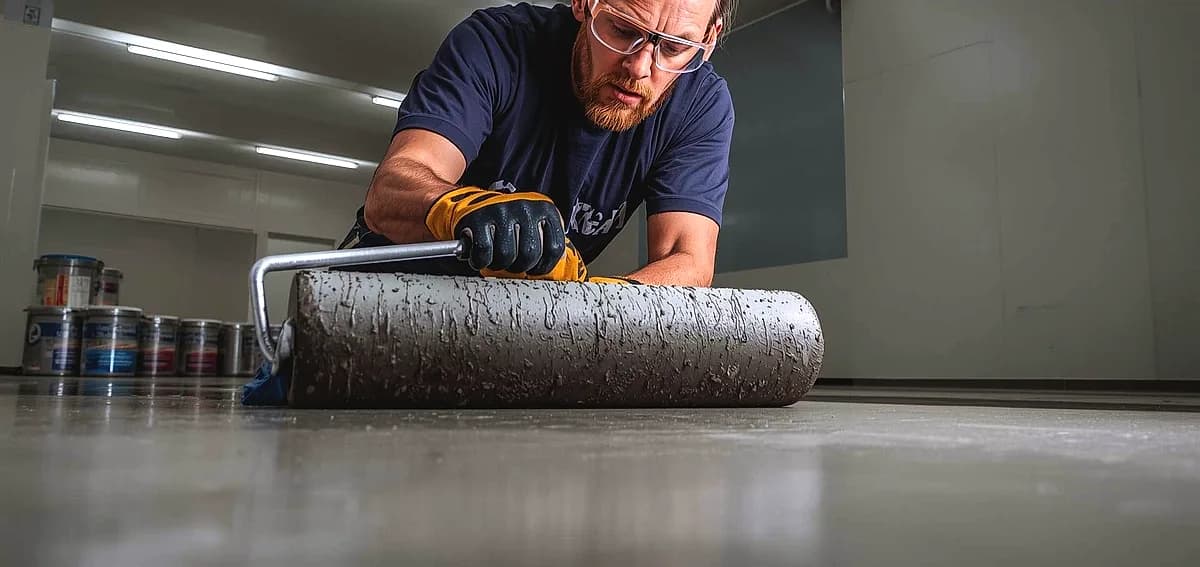
DIY kits often carry limited warranties covering only material defects, not application failures. Professional installation provides dual protection through both material and workmanship warranties, making it the safer choice for significant flooring investments. For commercial applications, professional installation with warranty protection is typically mandatory for compliance and liability reasons.
Questions to Ask Before Signing
Protect your investment by asking contractors specific warranty questions before signing contracts. Request written clarification on what specific failures are covered versus excluded, demanding examples of each category. Ask whether the warranty is transferable if you sell the property, and if not, how that affects resale value.
Determine whether annual maintenance requirements are mandatory to maintain coverage and what documentation you must provide. Inquire about claim response timeframes and whether temporary repairs are provided during claim resolution. For Miami installations, specifically ask how humidity and moisture issues are addressed in warranty terms.
Red Flags in Warranty Terms
Certain warranty language indicates potential problems that savvy consumers should recognize. Vague coverage descriptions without specific defect examples often indicate limited actual protection. Extremely short warranty periods under one year suggest contractor lacks confidence in installation quality or material performance.
Warranties requiring expensive third-party testing at owner’s expense before claims are considered create barriers to coverage. Exclusions for “normal wear and tear” without defining those terms give contractors broad discretion to deny claims. For commercial epoxy projects, warranties significantly shorter than expected floor lifespan indicate potential quality concerns.
Frequently Asked Questions
What’s the difference between material and workmanship warranties for epoxy floors?
Material warranties cover product defects from manufacturers lasting 5-10 years, while workmanship warranties address installation issues from contractors lasting 1-3 years.
How long do epoxy flooring warranties typically last?
Standard warranties range from 1-5 years, with premium systems offering 10-year coverage and some lifetime warranties with significant limitations.
What commonly voids epoxy floor warranties?
Physical damage, harsh chemicals, improper maintenance, unauthorized repairs, and substrate issues like concrete cracking typically void warranties.
Are lifetime epoxy warranties really lifetime coverage?
Most lifetime warranties only cover delamination, are non-transferable, and expire when you sell your home—making them less comprehensive than advertised.
Do I need annual maintenance to keep my warranty valid?
Many warranties require regular cleaning with approved products and prompt spill cleanup, with some commercial warranties mandating annual professional inspections.
Will DIY epoxy installation void the manufacturer warranty?
Yes, most manufacturer warranties require certified professional installation and will not cover DIY applications even if materials are defective.
What documentation do I need to file a warranty claim?
Original invoices, installation records, maintenance logs, photographs of defects, and written defect notification within specified timeframes are typically required.
Does warranty cover fading or color changes in epoxy floors?
Product-caused discoloration is usually covered, but UV fading, chemical damage, or normal wear-related color changes are typically excluded.
What happens if my contractor goes out of business?
Material warranties from manufacturers remain valid with proof of certified installation, but workmanship warranties become unenforceable.
Are epoxy warranties transferable to new homeowners?
Most residential warranties are non-transferable and terminate when you sell, though some commercial warranties may transfer with documentation.
Conclusion
Epoxy flooring warranty terms require careful review beyond surface promises to understand actual protection your investment receives. The difference between comprehensive coverage and limited warranties significantly impacts long-term value, with exclusions and maintenance requirements often determining whether claims succeed or fail.
Professional installation from reputable contractors like National Concrete Polishing provides transparent warranty terms backed by proper surface preparation documentation, moisture testing, and installation procedures that support warranty validity. Understanding what your warranty actually covers and what fine print clauses exclude protects your Miami flooring investment for years to come. Contact us today to discuss comprehensive warranty coverage for your residential or commercial epoxy flooring project, with clear terms and no hidden exclusions.
Written by

Founder and CEO
Chris Lavin is an esteemed leader in concrete polishing and epoxy coatings with a distinguished 20-year career. As founder and CEO of National Concrete Polishing and owner of Xtreme Polishing Systems, he's renowned for polishing and epoxy coating more floors than anyone globally. Chris is recognized for his innovative approach and commitment to enhancing floor durability and aesthetics. His hands-on experience and technical proficiency make him a respected authority and a valuable resource in the field of floor polishing and coatings.
Same topic
Related articles
All stories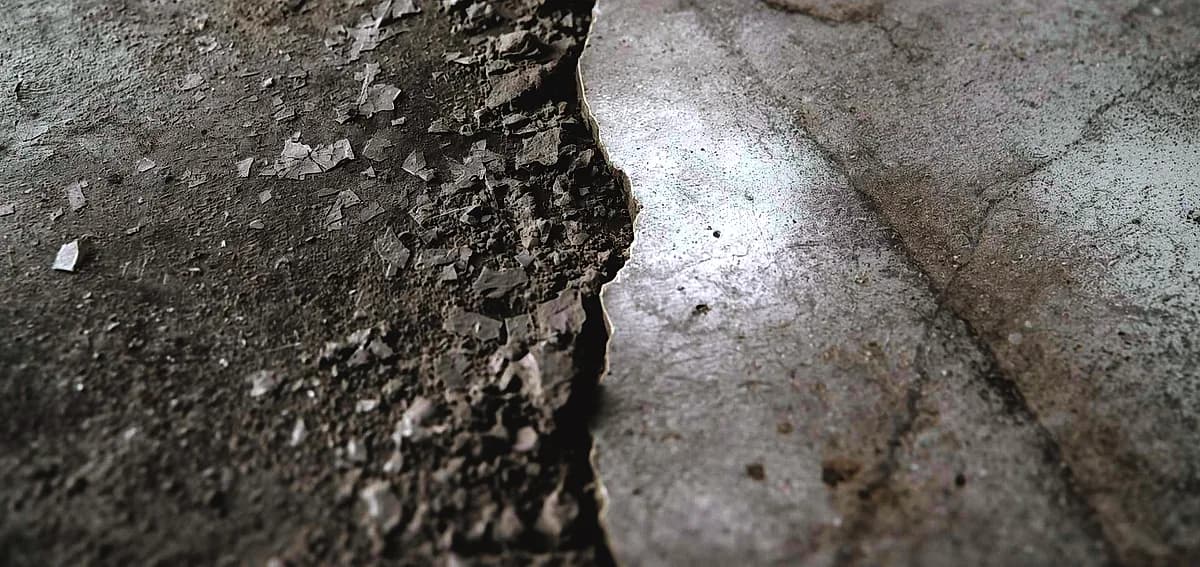
Epoxy & coatings8 min read
DIY vs Professional Epoxy Flooring in Fort Lauderdale
Hardware stores heavily market all-in-one boxes that promise a showroom finish with minimal effort.
Read it
Epoxy & coatings8 min read
Can You DIY Epoxy Flooring in Miami? Pros, Cons, and Tips
Applying a durable floor finish in a tropical or highly humid climate presents unique environmental challenges.
Read it
Epoxy & coatings7 min read
DIY Epoxy Flooring in South Florida: Is It Worth the Risk?
However, these products generally contain high levels of water or solvents to extend their pot life.
Read it
Tell us about the floor
Tell us the space and roughly how big it is.We come back with what it would cost and when we could start.
Prefer to talk? Call +1 844-876-5474
- Leads@
nationalconcretepolishing.net - 2200 NW 32nd St #600,
Pompano Beach, FL 33069 Mon to Fri, 9:00 to 5:30